Caffe Centro
Caffe Centro occupies a quietly central address on South Park Street, one of SoMa's few genuinely neighbourhood-scaled blocks. The cafe sits in a district that has reshaped San Francisco's daytime dining culture, drawing a mix of design-studio workers and long-term locals who treat it as a reliable anchor rather than a destination. Its position along the park gives it a particular character among the city's casual coffee-and-food stops.
Pearl is the En Primeur Club membership app — saves, bookings, and concierge access live there. Same editors, same standards.
- Address
- 102 S Park St, San Francisco, CA 94107
- Phone
- +14158293082
- Website
- caffecentro.com
- Directions
- Get directions
 Saves & bookings on Pearl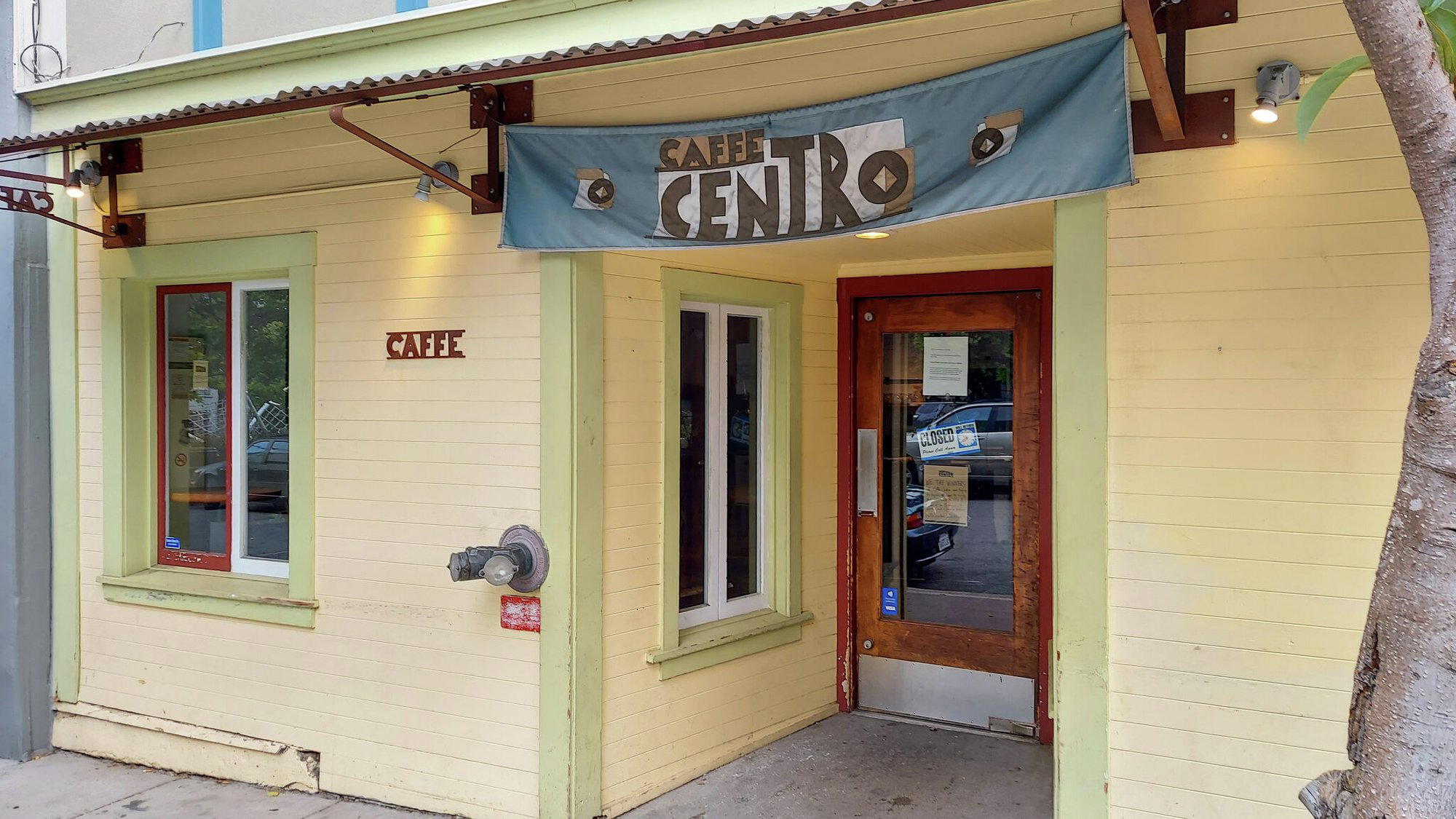
South Park and the Daytime Dining Culture That Built It
San Francisco's SoMa district has never settled on a single identity. The blocks south of Market Street have cycled through industrial warehousing, dot-com office conversions, and design-studio clusters, and each wave has left its own imprint on the neighbourhood's eating habits. South Park Street, the small oval-shaped park block at the district's residential edge, developed its own microculture inside that churn: a strip of low-key cafes and lunch spots oriented around the rhythms of nearby studios and agencies rather than the tourist traffic that shapes dining along the waterfront or in Union Square. Caffe Centro is an American cafe in San Francisco at 102 South Park Street, priced around $15 per person. It belongs to that tradition. It reads as a neighbourhood fixture rather than a standalone destination, which in SoMa's context is a particular kind of achievement.
The distinction matters because SoMa's daytime dining scene has fragmented considerably over the past decade. The city's high-end dining energy concentrates in the Ferry Building corridor and in Michelin-recognised rooms like Benu and Quince, both of which operate at a price point and formality level that places them in an entirely different category. What South Park sustains is something harder to manufacture: a street-level regularity, the kind of place where the same faces appear at the same hours and where the physical environment, a park rather than a parking lot, gives the surrounding blocks a slower pace than the rest of SoMa manages.
The Wine Question in a Neighbourhood Cafe Context
Framing a neighbourhood cafe through the lens of its wine program requires some honest calibration. San Francisco's most discussed wine programs sit in formal dining rooms: Saison has built a cellar reputation that places it among the more ambitious programs in California, and Atelier Crenn operates with the kind of sommelier infrastructure that belongs to a different category entirely. At neighbourhood cafes along South Park, the wine conversation is quieter, centred more on by-the-glass availability for lunch service than on cellar depth or allocation relationships.
That calibration is itself editorially useful. American cafe culture has not historically built the same by-the-glass infrastructure as its European equivalents. In Paris or Rome, a neighbourhood cafe with a modest but considered carafe selection is unremarkable. In San Francisco, a cafe that takes its wine service seriously enough to offer a genuinely curated daytime list occupies a small and specific niche. What the address and neighbourhood context do confirm is that South Park's hospitality character has always leaned toward the considered and the local rather than the flashy or the tourist-facing.
For readers whose wine priorities run toward the formal end, Lazy Bear represents the progressive American dining format at its most ambitious within the city, and the cellar programs at The French Laundry in Napa or Single Thread Farm in Healdsburg set the regional standard for wine list depth. Caffe Centro operates in a different register, and the comparison is not a criticism.
South Park as a Dining Address
The park block itself is worth understanding as context. South Park Street is one of the few genuinely pedestrian-oriented blocks in SoMa, a district that is otherwise defined by wide arterials and loading docks. The oval park at the centre gives the surrounding blocks a scale that encourages lingering rather than transit. Cafes and lunch spots along this strip have historically benefited from a captive local audience that returned daily rather than a rotating tourist population that required constant reintroduction.
That dynamic has shaped what kinds of food and drink businesses survive here. The South Park blocks tend to favour operators who build relationships with regulars over operators who optimise for first impressions. It is a meaningful distinction in a city where the dining press and the awards infrastructure tend to reward novelty and ambition over consistency and reliability. Caffe Centro's longevity in this address is itself a form of evidence about how it has positioned itself within that local economy.
Where Caffe Centro Sits in a Wider American Frame
Neighbourhood cafes occupy a different competitive set than tasting-menu rooms, and comparing them directly produces more confusion than insight. The right comparable set for a South Park cafe is other daytime-oriented neighbourhood spots with regular local clientele, not the formal dining rooms that attract national press attention. That said, the broader American cafe and bistro tradition does have benchmarks worth naming. Frasca Food and Wine in Boulder represents the Italian-inflected neighbourhood restaurant at a level of wine program seriousness that sets a regional standard outside the major coastal cities. Smyth in Chicago and Providence in Los Angeles operate at formal price points that belong to a different category. Emeril's in New Orleans, Le Bernardin in New York City, Atomix in New York City, Addison in San Diego, Blue Hill at Stone Barns in Tarrytown, The Inn at Little Washington, and Atelier Moessmer Norbert Niederkofler in Brunico each represent the formal end of the dining spectrum in their respective cities and countries. The comparison clarifies rather than diminishes: the restaurant is not competing in that tier, and the reader looking for tasting-menu formality or deep cellar programs should start with those references instead.
Planning Your Visit
| Venue | Format | Price Tier | Booking Lead Time | Wine Program Depth |
|---|---|---|---|---|
| The restaurant | Neighbourhood cafe | Not confirmed | Walk-in likely | Not confirmed |
| Benu | Tasting menu | $$$$ | Weeks to months ahead | Formal sommelier program |
| Quince | Tasting menu | $$$$ | Weeks ahead | Italian-focused cellar |
| Saison | Progressive tasting | $$$$ | Weeks to months ahead | Among the deepest in California |
| Lazy Bear | Progressive American | $$$$ | Months ahead | Curated beverage pairings |
Address: 102 South Park Street, San Francisco, CA 94107. Hours: Mon to Fri 8 AM to 4 PM, Sat 8 AM to 3 PM, Sun closed. Walk-in friendly.
Recognition Snapshot
Comparable venues nearby, for context on price, style, and recognition.
| Venue | Cuisine | Price | Notes |
|---|---|---|---|
| Caffe CentroThis venue — the venue you are viewing | American Cafe | $ | Not listed |
| Garden House Cafe | American Cafe Sandwiches & Pastries | $ | Outer Richmond |
| Kate's Kitchen | American Breakfast & Southern Comfort | $ | Hayes Valley |
| Homeskillet | American Diner Breakfast | $ | Mid-Market |
| Wise Sons - Square HQ | Jewish Deli | $$ | South Beach |
| Universal Cafe | Californian American | $$ | Mission |
Continue exploring
More in San Francisco
Restaurants in San Francisco
Browse all →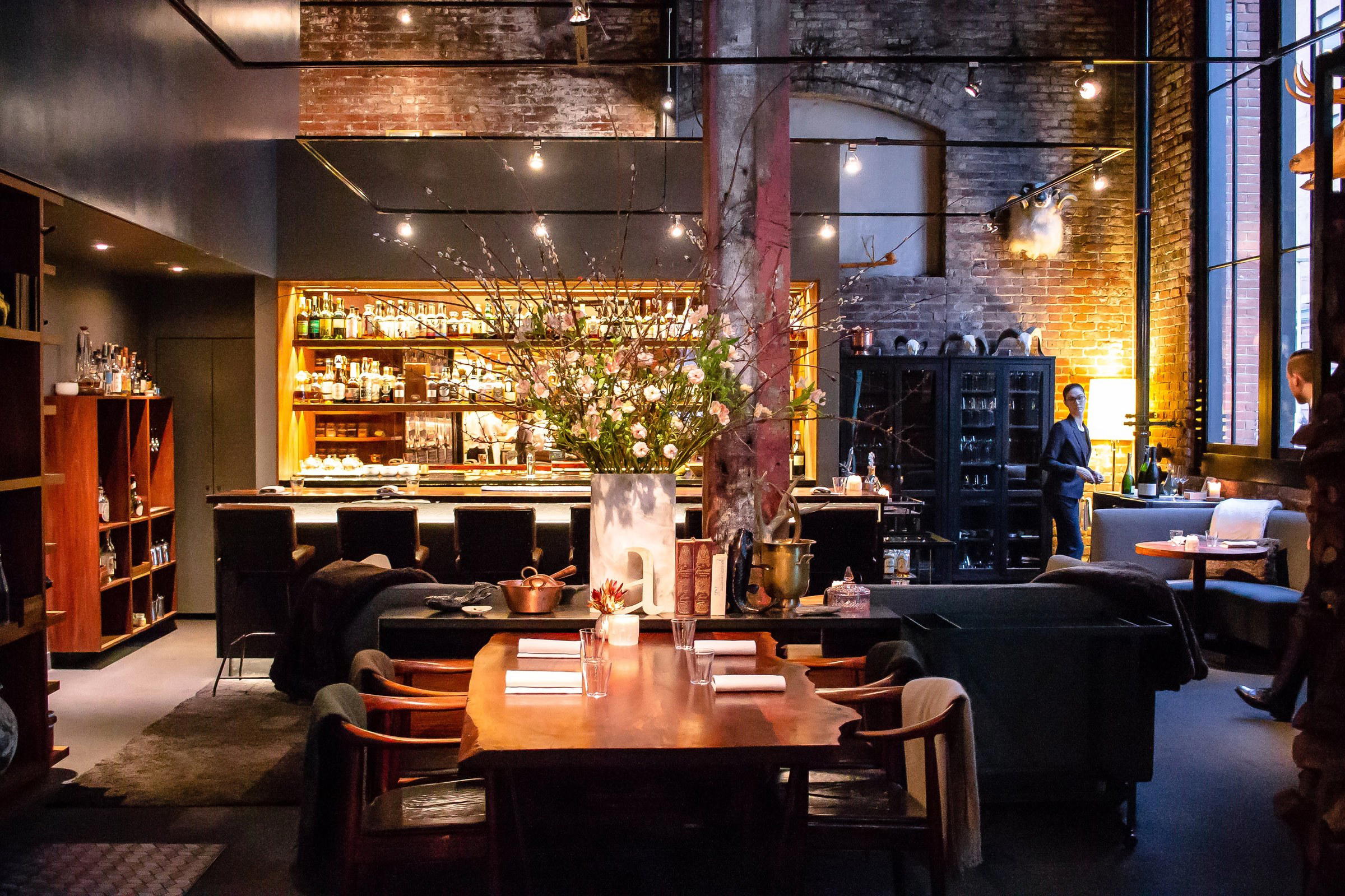
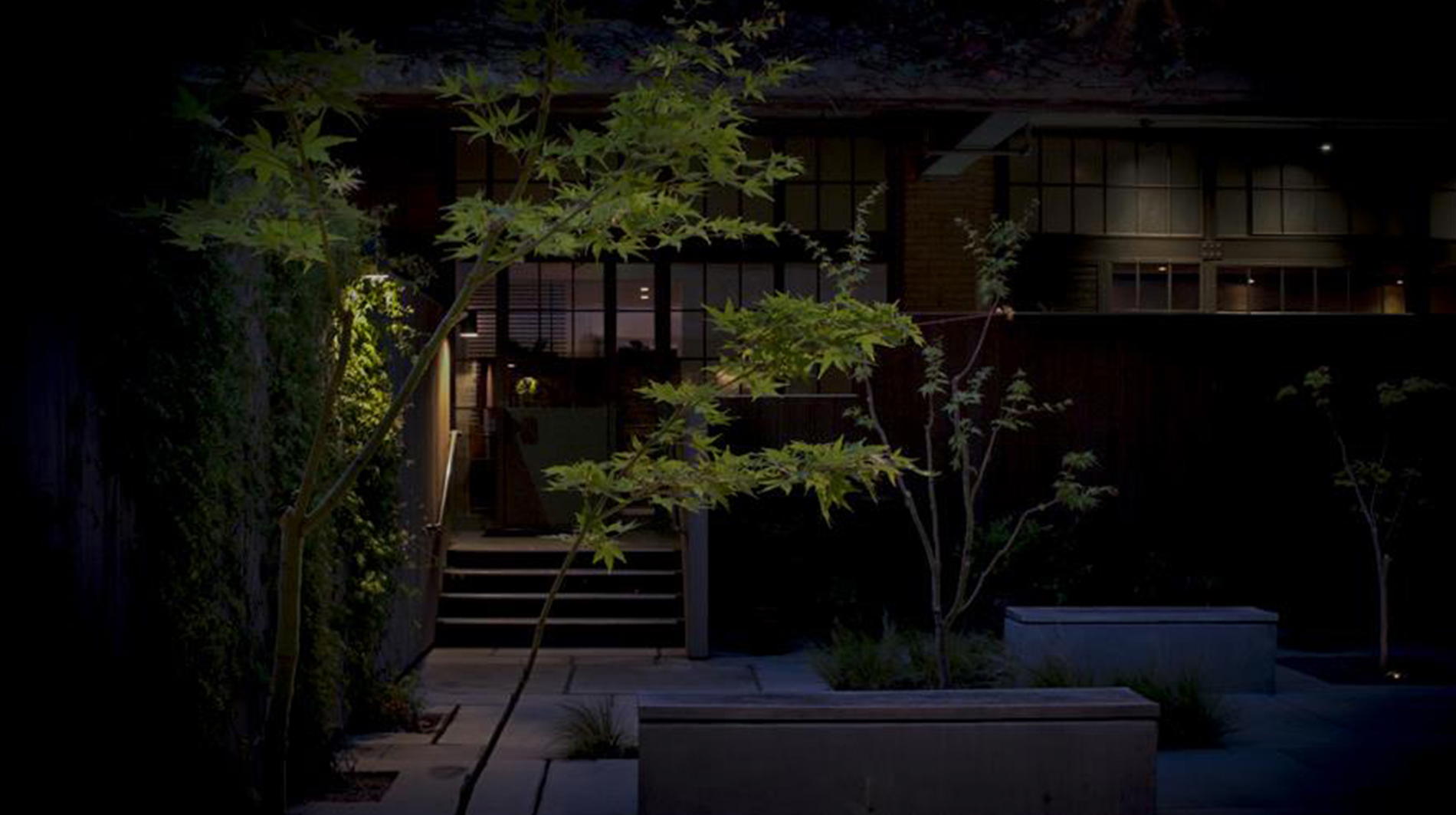
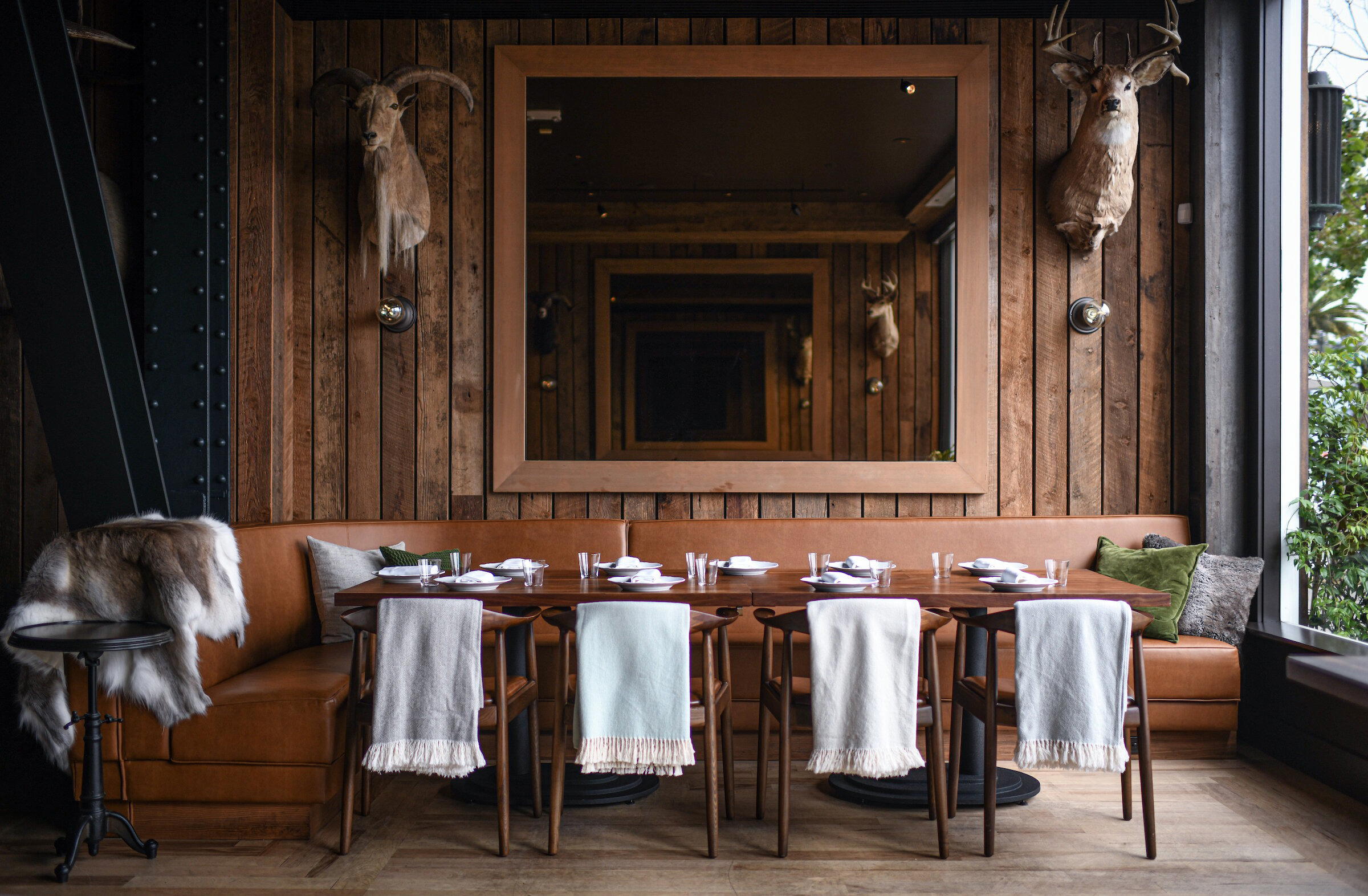
Bars in San Francisco
Browse all →
Hotels in San Francisco
Browse all →
At a Glance
- Cozy
- Trendy
- Brunch
- Casual Hangout
- After Work
- Standalone
- Local Sourcing
- Street Scene
Current opening hours
- Monday
- 8 AM–4 PM
- Tuesday
- 8 AM–4 PM
- Wednesday
- 8 AM–4 PM
- Thursday
- 8 AM–4 PM
- Friday
- 8 AM–4 PM
- Saturday
- 8 AM–3 PM
- Sunday
- Closed
Hours can change for holidays and private events. Last verified .
Quaint and clean community cafe with a lively, efficient atmosphere ideal for quick bites and coffee.