Roe occupies a precise position in Portland's fine-dining tier, where sustainable seafood sourcing and ethical procurement practices have become competitive differentiators rather than afterthoughts. Located at 515 SW Broadway in downtown Portland, the restaurant draws from the Pacific Northwest's deep coastal larder and places itself within a broader regional movement toward accountability in how premium fish and shellfish reach the plate.
Pearl is the En Primeur Club membership app — saves, bookings, and concierge access live there. Same editors, same standards.
- Address
- 515 SW Broadway #100, Portland, OR 97205
- Phone
- +15032321566
- Website
- roepdx.rest
- Directions
- Get directions
 Saves & bookings on Pearl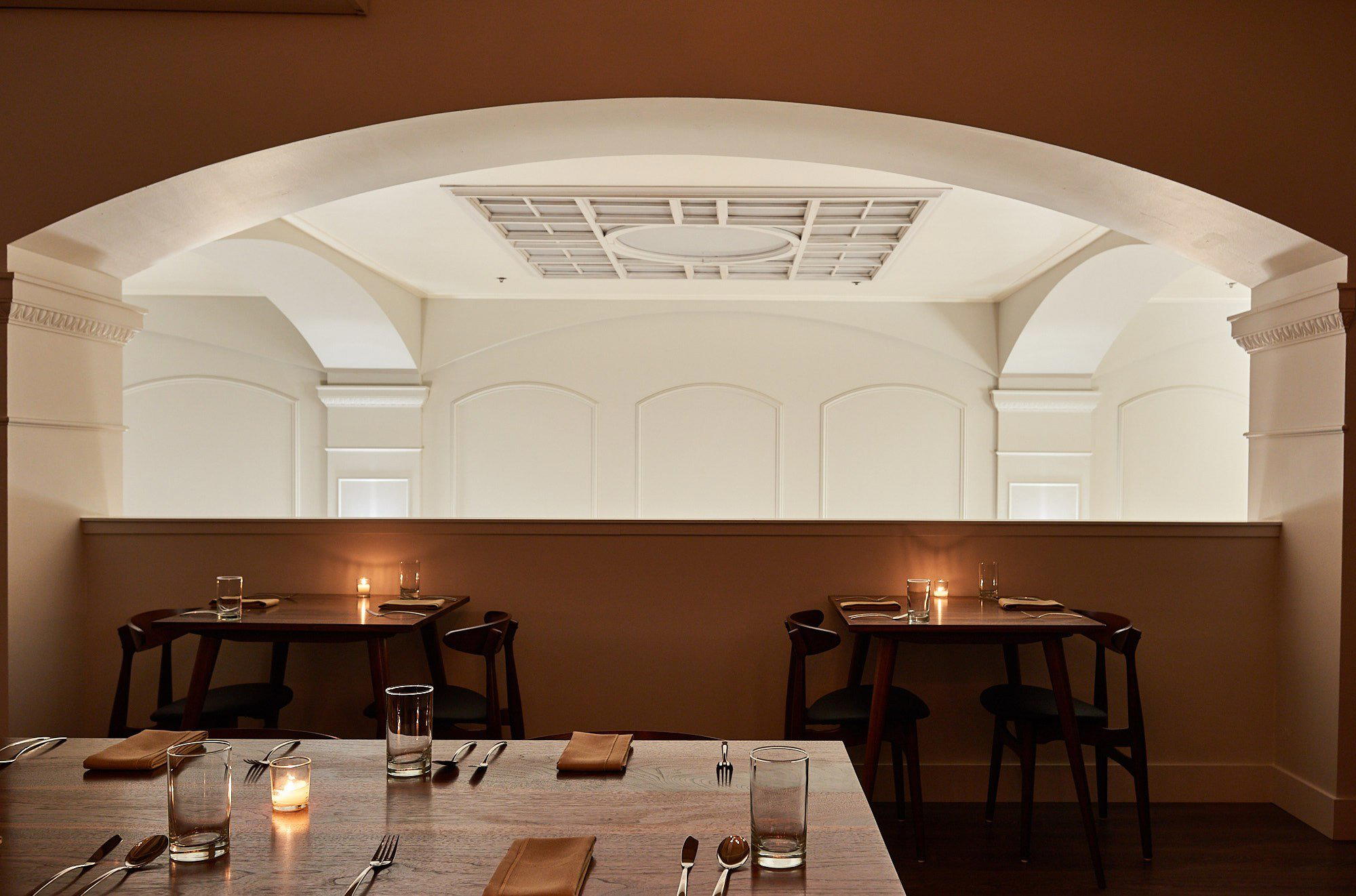
Where the Pacific Coast Arrives on the Plate
Roe is a fine dining seafood omakase restaurant at 515 SW Broadway #100 in Portland, Oregon. The Pacific Northwest produces particularly traceable seafood in North America, and restaurants in this tier of Portland's dining scene are beginning to be judged not only on execution but on how honestly they account for what arrives at their kitchens and from where. Roe sits within that moment.
Ethical Sourcing as Competitive Logic
Across the American fine-dining tier, sustainability has split into two camps. In one camp, it functions as a branding layer applied after the menu is built. In the other, sourcing decisions precede and shape every cooking choice. Roe operates in the second camp, where the provenance of Pacific seafood, the traceability of shellfish, and the reduction of kitchen waste are not supplementary commitments but structural ones.
The Pacific Northwest provides a particularly compelling context for this kind of commitment. Oregon's coast generates wild salmon, Dungeness crab, Pacific halibut, razor clams, and oysters from multiple distinct growing regions, each with traceable harvest records and regulated seasonal windows. A restaurant that builds its menu around those windows, rather than importing year-round consistency from elsewhere, is making a different kind of argument about what fine dining means in a coastal state.
Portland's Fine-Dining Tier in 2024
The city's current fine-dining tier is smaller and more deliberate than it was a decade ago, and seafood-focused programs occupy a specific niche within it: higher ingredient costs, shorter shelf-lives, and more demanding sourcing logistics mean that the margin for operational error is narrower than in, say, a wood-fired pizza format like Ken's Artisan Pizza or a pasta-driven Italian room like Nostrana.
Roe's downtown address at SW Broadway also distinguishes it spatially from Portland's more neighborhood-embedded dining culture. Restaurants like Langbaan, which operates a Thai tasting menu in a compact space tied to its Pearl District neighborhood identity, or Berlu, with its Vietnamese-inflected program rooted in a specific community context, draw authority from deep local embeddedness. A downtown address carries different expectations: broader accessibility, more transient clientele, and a pressure to perform for visitors alongside regulars. Kann navigated a similar tension when it established its Haitian-rooted cooking in a city not necessarily primed for that reference point, doing so by insisting on specificity over compromise.
The National Frame: Seafood at the Fine-Dining Level
To understand what Roe is attempting, it helps to look at the national tier of seafood-focused fine dining. Le Bernardin in New York City remains the defining reference point in North America: a three-Michelin-star operation built entirely around fish and seafood, where technique is the primary argument and sourcing is a function of precision purchasing at scale. Providence in Los Angeles operates a comparable program on the West Coast, with two Michelin stars and a sourcing philosophy that prioritizes domestic, traceable catch. Further along the ethical-sourcing axis, Addison in San Diego and The French Laundry in Napa both treat ingredient provenance as a point of competitive differentiation at the highest price tier.
Portland does not compete with those programs on scale or international recognition. What it can offer instead is geographic advantage: the Willamette Valley and Oregon coast sit within a supply radius that few American cities can match for the combination of agricultural depth and seafood access. A restaurant that capitalizes on that geography with genuine accountability has a structural argument that no amount of imported product can replicate. This is the logic that has made operations like Lazy Bear in San Francisco and Alinea in Chicago legible to audiences beyond their immediate cities: clarity of concept, backed by consistent execution, earns recognition across markets.
Other reference points in the ethical-sourcing tier include Emeril's in New Orleans, which built Gulf Coast sourcing into its identity from its founding, and The Inn at Little Washington in Virginia, where kitchen garden and regional supplier relationships have been central to the program for decades. At the tasting-menu level, Atomix in New York City and 8½ Otto e Mezzo Bombana in Hong Kong demonstrate that fine-dining programs anchored by a specific sourcing philosophy can build international credibility without abandoning their founding logic.
Waste Reduction as a Culinary Discipline
The sustainability conversation in fine dining has matured beyond sourcing. Waste reduction, specifically how kitchens handle the full yield of a fish or a shellfish harvest, has become a technical discipline in its own right. Whole-animal utilization has been standard in meat-forward kitchens for two decades; the equivalent practice with seafood, using frames for stocks, curing collars and cheeks, fermenting roe and trim, is a more recent and more demanding commitment. It requires menu flexibility, kitchen coordination, and a willingness to let supply-side variation shape the plate rather than forcing consistency at the cost of yield. Restaurants that have made this commitment credible, rather than performative, tend to display it through menu structure: shorter lists, more explicit provenance notes, and a seasonal rotation tied to actual availability rather than a fixed calendar.
Visiting Roe: What to Know
Know Before You Go
- Address: 515 SW Broadway #100, Portland, OR 97205
- Cuisine focus: Sustainable Pacific Northwest seafood
- Booking: Contact the restaurant directly; no online booking details currently confirmed
- Timing: Oregon's peak seafood seasons run spring through early autumn, with Dungeness crab season typically opening in December, menus in those windows are likely to reflect the tightest seasonal alignment
- Context: Downtown Portland location, accessible by public transit via the SW Broadway corridor
Comparable Options
Comparable venues nearby, for context on price, style, and recognition.
| Venue | Cuisine | Price | Notes |
|---|---|---|---|
| RoeThis venue — the venue you are viewing | Fine Dining Seafood Omakase | $$$$ | Not listed |
| Jake's Famous Crawfish | Classic Pacific Northwest Seafood | $$ | Pearl |
| WOLF | Northwest-Inspired Tasting Menu | $$$$ | Central Eastside Industrial District |
| Tercet | Modern American Fine Dining | $$$$ | Downtown Portland / Southwest Portland |
| Shizuku | Japanese Kaiseki | $$$$ | Downtown |
| Alma | Upscale Balkan Tapas | $$$ | King |
Continue exploring
More in Portland
Restaurants in Portland
Browse all →
Bars in Portland
Browse all →
Hotels in Portland
Browse all →
At a Glance
- Intimate
- Elegant
- Sophisticated
- Special Occasion
- Date Night
- Chefs Counter
- Historic Building
- Private Dining
- Extensive Wine List
- Sommelier Led
- Local Sourcing
- Sustainable Seafood
Dimly lit, intimate foyer leading to a high-ceilinged dining room with a raised chef's counter as the focal point; transported away from the bustle of Portland into a cloak-and-dagger, exclusive club atmosphere.