Rockwell & Rose
Our verdict
Philadelphia's American steakhouse tradition finds a polished expression at Rockwell & Rose, where the format suits the city's business lunch culture as well as its evening dining scene. The kitchen operates within the classic steakhouse playbook — prime cuts, deliberate pacing, rooms designed for conversation — placing it in a tier of restaurants where the table itself is part of the transaction.

Pearl is the En Primeur Club membership app — saves, bookings, and concierge access live there. Same editors, same standards.
- Address
- Philadelphia, United States
- Directions
- Get directions
The menu
What to order
- Dry-aged ribeye
- Society Hill porterhouse
- Crab-cake egg rolls
Where the Booth Is Part of the Deal
The American steakhouse has always been as much a social instrument as a dining format. Long before expense accounts became a corporate ritual, the combination of serious beef, unhurried service, and rooms engineered for private conversation served a specific professional function. Philadelphia, a city with a compact but active financial and legal core, has sustained that tradition with its own character — less theatrical than a Midtown Manhattan operation, more deliberate than the brasserie-style rooms that have absorbed parts of the city's lunch trade in recent years.
Rockwell & Rose occupies a position within that context. The steakhouse format here is not pitched at the tourist circuit or the special-occasion-only bracket that can make a room feel ceremonial. It reads as a working restaurant: the kind of place where the first bottle of wine arrives before the conversation has shifted from the agenda, and where the pacing of courses allows a full negotiation to land before the check does.
The Steakhouse as Philadelphia Business Ritual
Philadelphia's power lunch geography has shifted more than once over the past two decades. The city's restaurant scene has grown considerably more sophisticated — venues like Fork and Friday Saturday Sunday now hold serious reputations in the New American tier, but the steakhouse remains a distinct format with its own logic. A table at a white-tablecloth chophouse carries social encoding that a tasting-menu room does not. It signals a willingness to spend without spectacle, to let the food serve as backdrop to the exchange rather than as the event itself.
That distinction matters in a city like Philadelphia, where business culture tends toward the substantive rather than the showy. The city's legal corridor, the firms clustered around Market Street, the development money moving through Center City, these circles have long used the steakhouse as neutral ground. Not the expense of an omakase counter, not the informality of a neighborhood bistro: the steakhouse occupies a middle frequency that the American business lunch has relied on for more than a century.
For comparison, the format at its most codified exists at places like Peter Luger Steak House in New York, where the room's deliberate austerity reinforces the primacy of the beef itself. At the other end of the spectrum, CUT by Wolfgang Puck in Singapore shows what happens when the steakhouse format is transplanted into a luxury hotel context and reframed around global premium positioning. Rockwell & Rose sits in neither extreme: it belongs to the American regional steakhouse tier, where the primary reference is the city it serves rather than a national or international brand architecture.
The American Steakhouse Menu and What It Actually Delivers
The steakhouse menu format survives because it is genuinely well-suited to its function. The structure is fixed enough to allow guests to navigate quickly, most regulars order from memory, but wide enough to accommodate the range of appetites around a business table. Composed salads and shellfish plateaus anchor the beginning; the protein options range from leaner cuts through to the heavier prime grades that define the category at its most serious; sides arrive family-style, which has the practical effect of keeping the table in a shared, communal register even when the conversation is competitive.
Wine lists at serious steakhouses tend to weight toward California Cabernet and American red programs, which pair predictably well with aged beef and are familiar enough to the average business guest that no one needs to perform expertise. The bottle functions as social currency as much as beverage, and a steakhouse list is specifically designed to make that transaction legible.
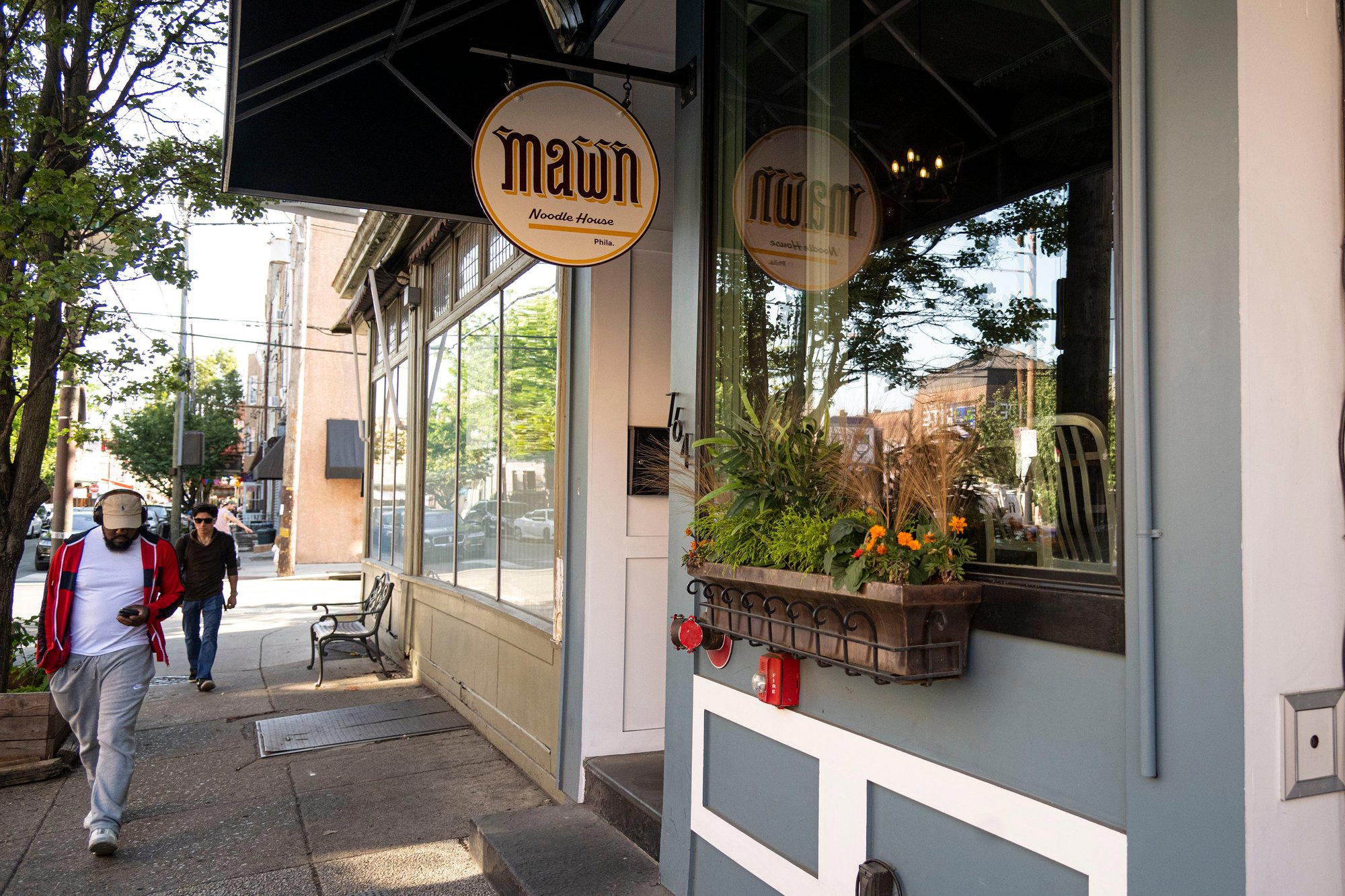
Philadelphia's broader dining scene offers sharp contrasts to this format. Mawn brings Cambodian and pan-Asian influence into the city's restaurant conversation, while My Loup operates in a French-inspired register that rewards a different kind of attention. South Philly Barbacoa represents an entirely different Philadelphia tradition, deeply rooted, neighborhood-scaled, personal. Rockwell & Rose does not compete with any of these on their own terms. It competes within the steakhouse format, where the criteria are consistency, cut quality, service pacing, and room character.
Planning a Visit
Rockwell & Rose suits both the midday and evening occasion, though the rhythms differ. Lunch at a business-oriented steakhouse tends toward a tighter timeline and a more structured agenda; dinner allows the meal to expand, the wine program to deepen, and the occasion to become something closer to social than professional. For first-time visitors using the restaurant for a working lunch, midweek tables are the logical entry point, the room carries more of the working-week energy that makes the format function as intended.
Philadelphia is well-served by rail connections from New York and Washington, and Center City's hotel stock has grown more varied in recent years. Visitors combining a business meal here with a broader look at what Philadelphia's dining scene currently offers would do well to consult our full Philadelphia restaurants guide alongside resources on hotels, bars, wineries, and experiences in the city.
For context on what the steakhouse format looks like at its most ambitious across the American fine-dining tier, venues like Le Bernardin in New York, The French Laundry in Napa, Alinea in Chicago, Lazy Bear in San Francisco, Single Thread Farm in Healdsburg, and Emeril's in New Orleans represent the broader reference set for serious American restaurant dining. Rockwell & Rose occupies a different tier, but within the steakhouse category and the Philadelphia market, it fulfills a distinct and durable function.
Frequently asked questions
Is Rockwell & Rose a good option for a business dinner in Philadelphia?
The American steakhouse format has functioned as Philadelphia's default business-dining template for decades, and Rockwell & Rose operates squarely within that tradition. The fixed menu structure — where guests can order efficiently without deliberating — and the booth-anchored room both reduce friction in a professional setting. For anyone entertaining clients or colleagues in Philadelphia, the format does much of the social work before the conversation begins.
What do regulars order at Rockwell & Rose?
At an American steakhouse like Rockwell & Rose, the order of operations is generally settled before you sit down: a cut of beef is the anchor, supported by shareable sides. Regulars at business-oriented steakhouses in Philadelphia tend to default to the format's classics — a prime cut, a wedge or Caesar, and one or two sides split across the table. The fixed structure of the steakhouse menu makes repeating that pattern easy and efficient, which is exactly why regulars do.
How hard is it to get a table at Rockwell & Rose?
Rockwell & Rose draws a business crowd, which means midday slots during the workweek and prime evening windows can fill quickly, particularly for larger parties. Philadelphia's stronger steakhouse demand tends to concentrate around the financial and Center City corridor. Booking ahead for lunch on a Tuesday through Thursday is advisable; weekend evenings are typically more available than the weekday dinner rush.
What makes Rockwell & Rose worth seeking out?
The American steakhouse format is durable precisely because it removes friction — guests know the menu structure, the pacing, and the social contract of the room before they arrive. Rockwell & Rose operates within that framework in a city where Philadelphia's dining scene has grown considerably more competitive over the past two decades, meaning a steakhouse that holds its ground does so on execution rather than novelty. The booth-and-beef dynamic it offers serves a genuine function in Philadelphia's business dining geography.
Should I splurge on Rockwell & Rose?
The steakhouse format is inherently priced toward the higher end of casual dining — beef-led menus with shareable sides position any American steakhouse above neighbourhood bistro spending. Whether the occasion warrants that spend at Rockwell & Rose comes down to context: for a business lunch or dinner where the room and format need to do work for you, the steakhouse structure justifies the outlay. For a purely personal meal without that social function, a more focused Philadelphia restaurant might offer sharper value.
When should I go to Rockwell & Rose?
Lunch suits a tighter, transaction-focused visit — the pacing at business steakhouses at midday is generally faster and the room more purposeful. Dinner allows more latitude: the booth format comes into its own over a longer table, and the occasion can expand accordingly. For a first visit, a weekday dinner gives you the full rhythm of the room without the compressed tempo of a power-lunch crowd.
Cuisine Context
Comparable venues nearby, for context on price, style, and recognition.
| Venue | Cuisine | Price | Awards | Notes |
|---|---|---|---|---|
| Rockwell & RoseThis venue — the venue you are viewing | Asian-Inspired Steakhouse | $100–150 | Not listed | Not listed |
| Butcher and Singer | Classic American Steakhouse | $150–200 | Star Wine List · Wine Spectator Best of Award of Excellence | Rittenhouse Square |
| Morimoto | Contemporary Japanese | $100–150 | Not listed | Old City |
| Rittenhouse Grill | Classic Steakhouse | $50–100 | Not listed | Rittenhouse Square |
| Barclay Prime | Modern Luxury Steakhouse | $200–300 | Star Wine List · Wine Spectator Best of Award of Excellence | Rittenhouse Square |
| Talula's Garden | Contemporary Farm-to-Table American | $50–100 | Not listed | Old City |
Continue exploring
More in Philadelphia
Restaurants in Philadelphia
Browse all →
Bars in Philadelphia
Browse all →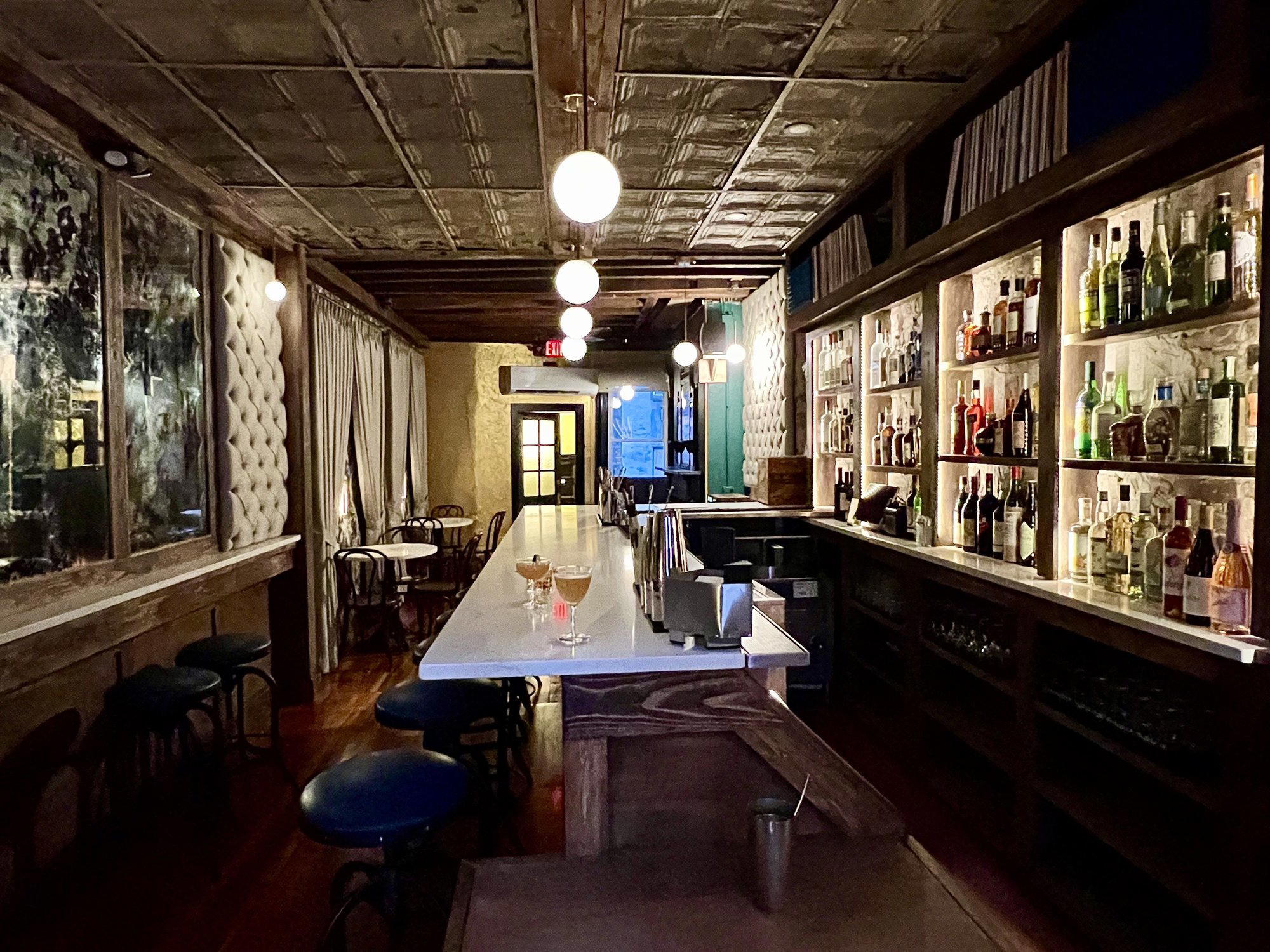
Details
- Elegant
- Sophisticated
- Cozy
- Date Night
- Special Occasion
- Business Dinner
- Open Kitchen
- Craft Cocktails
- Street Scene
- A La Carte
- Small Plates
- Cocktails
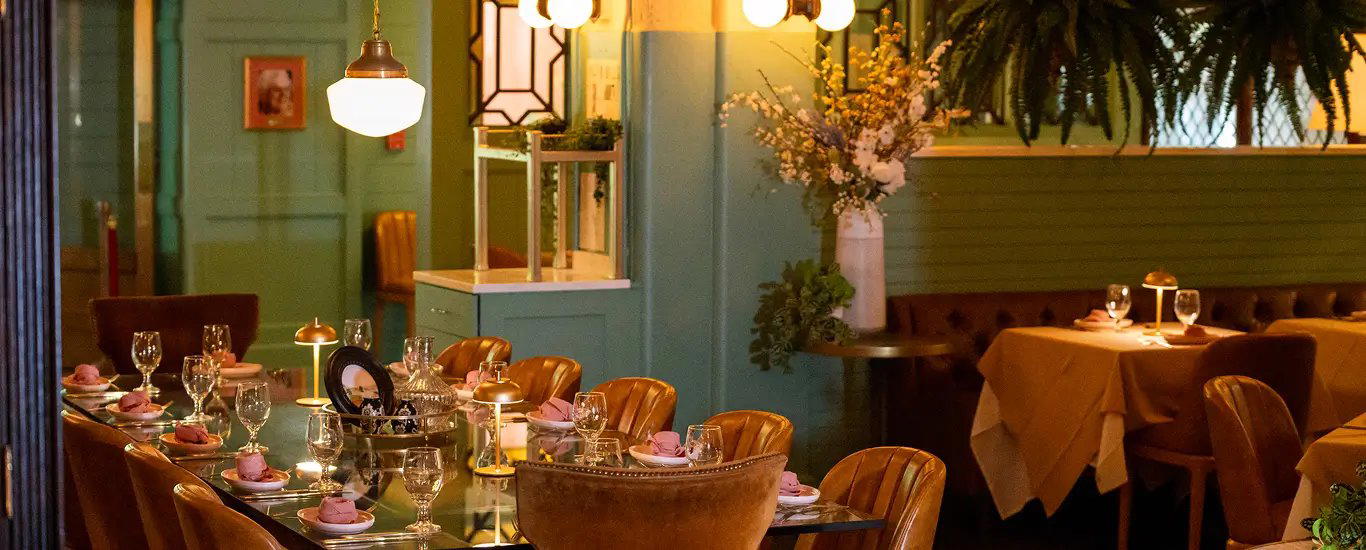
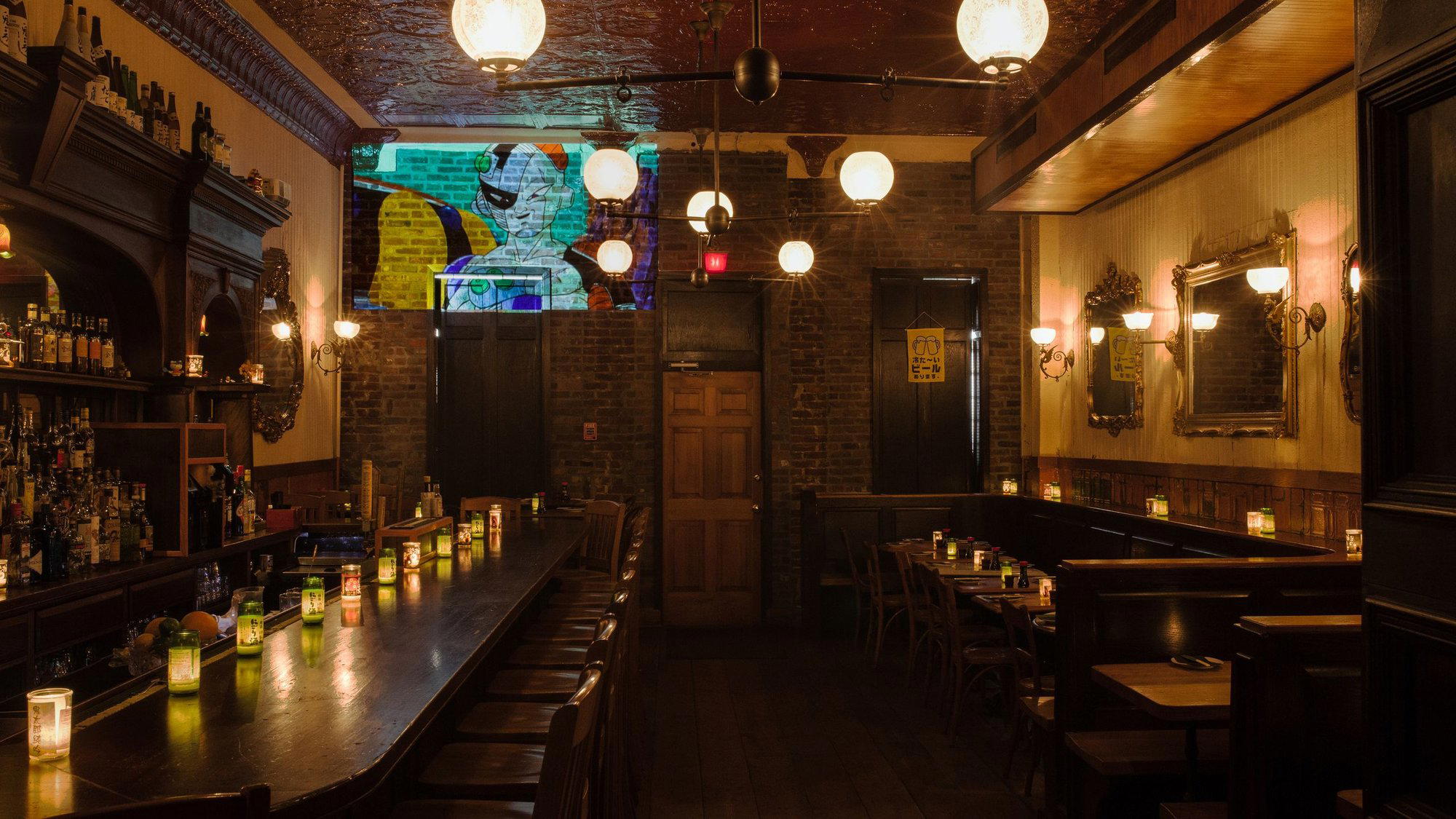
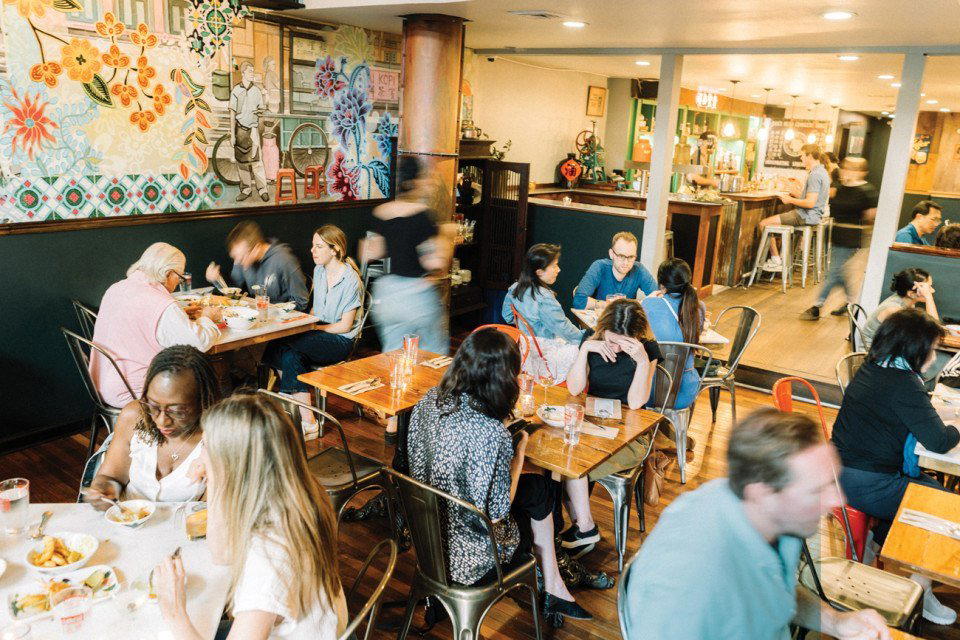
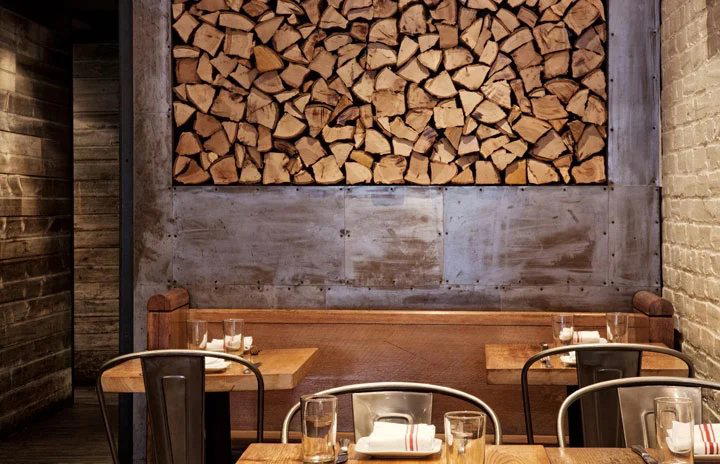
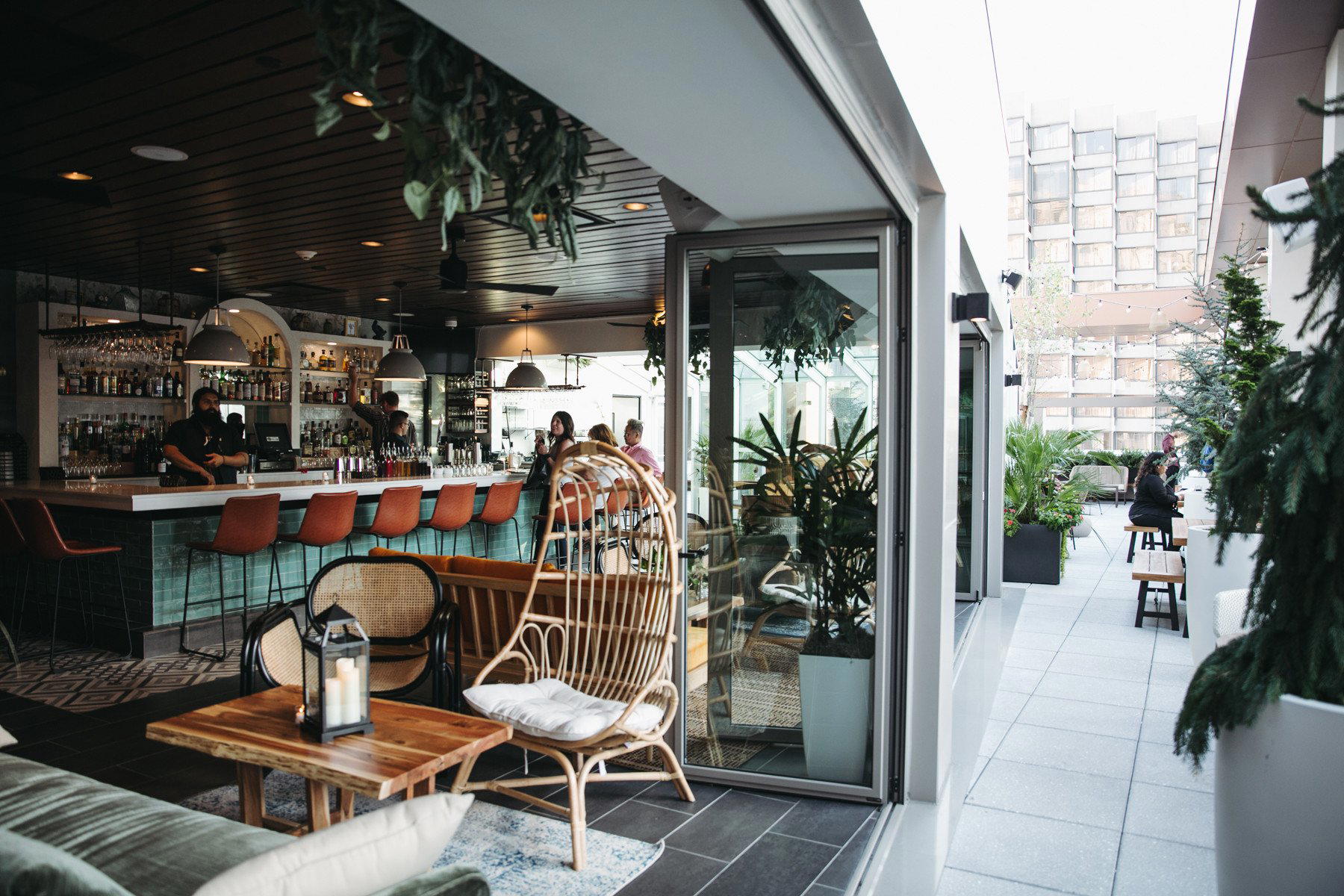
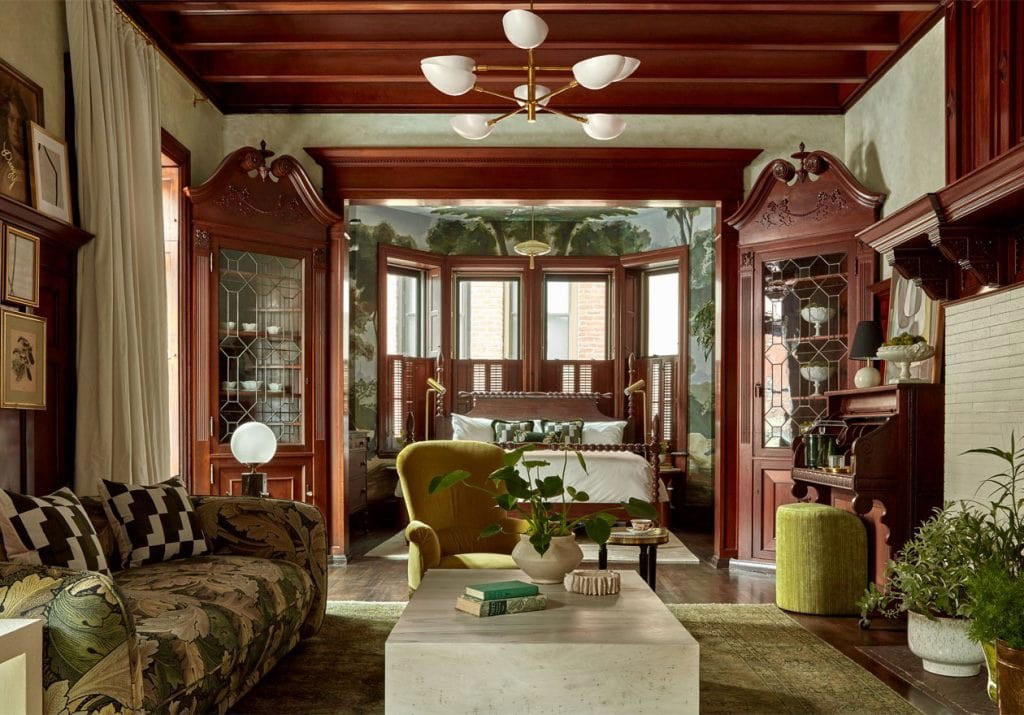
Softly lit interiors that are elegant yet comfortable, blending old-school nostalgia with a warm design aesthetic and views of the park.