Rock Ferry Cellar Door
Rock Ferry Cellar Door sits on Hammerichs Road in Rapaura, at the heart of Marlborough's most densely planted wine country. The cellar door format places the vineyard itself front and centre, where the provenance of what's in the glass is never more than a few metres away. For visitors exploring New Zealand's wine regions, this is a grounding stop rather than a detour.
Pearl is the En Primeur Club membership app — saves, bookings, and concierge access live there. Same editors, same standards.
- Address
- 130 Hammerichs Road, Rapaura 7272, New Zealand
- Phone
- +64 3 579 6421
- Website
- rockferry.co.nz
- Directions
- Get directions
 Saves & bookings on Pearl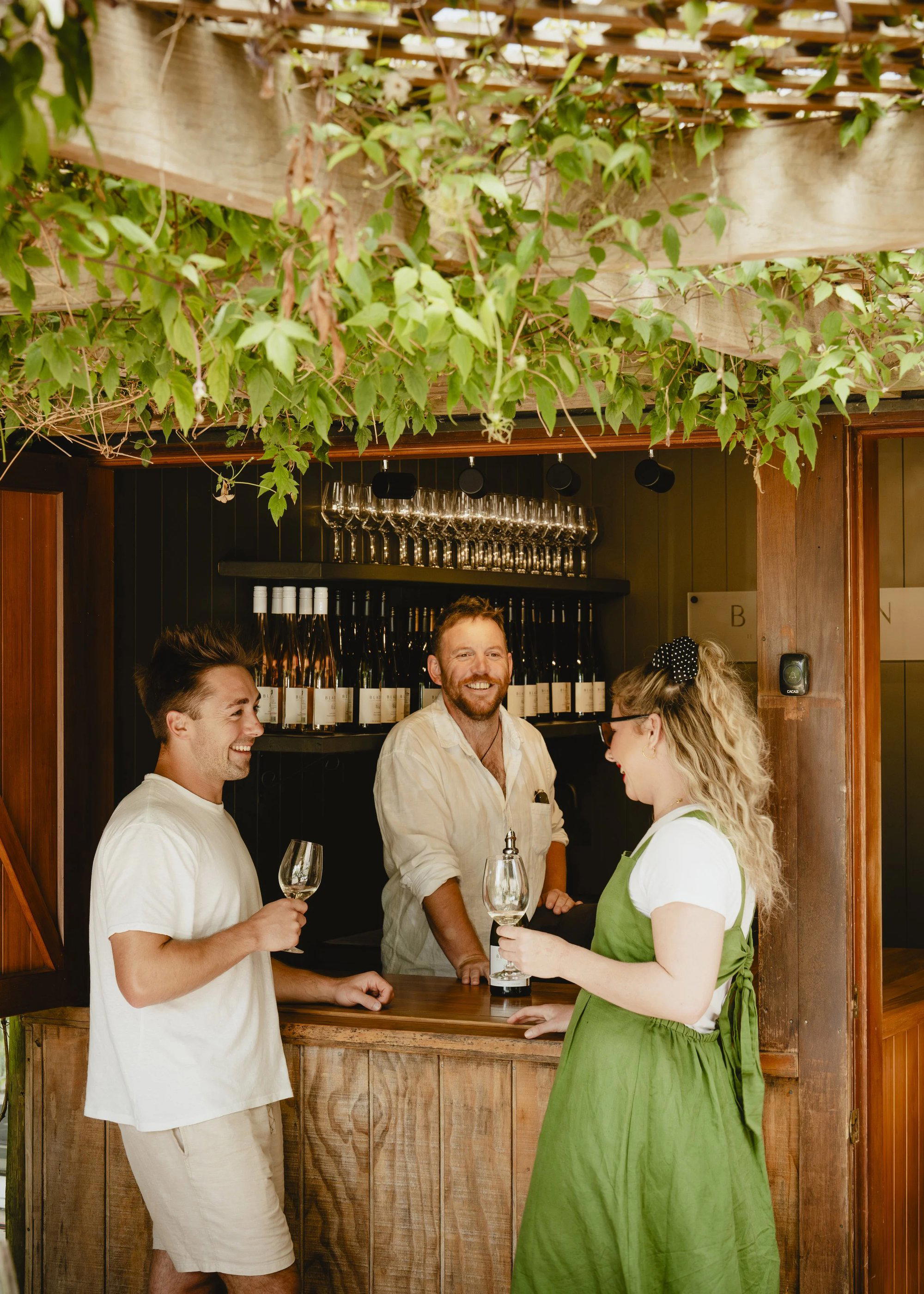
Where the Vines Are the Argument
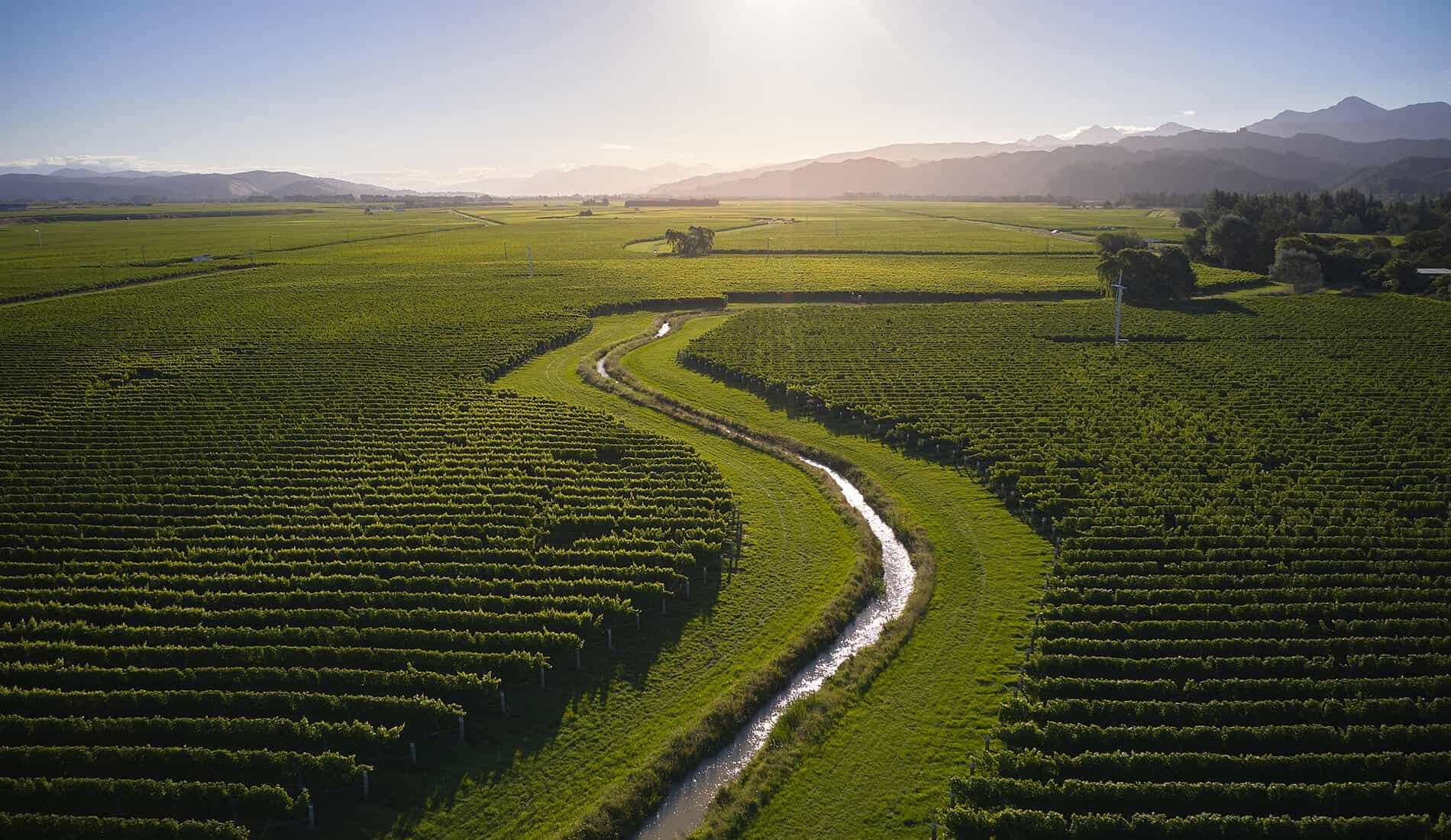
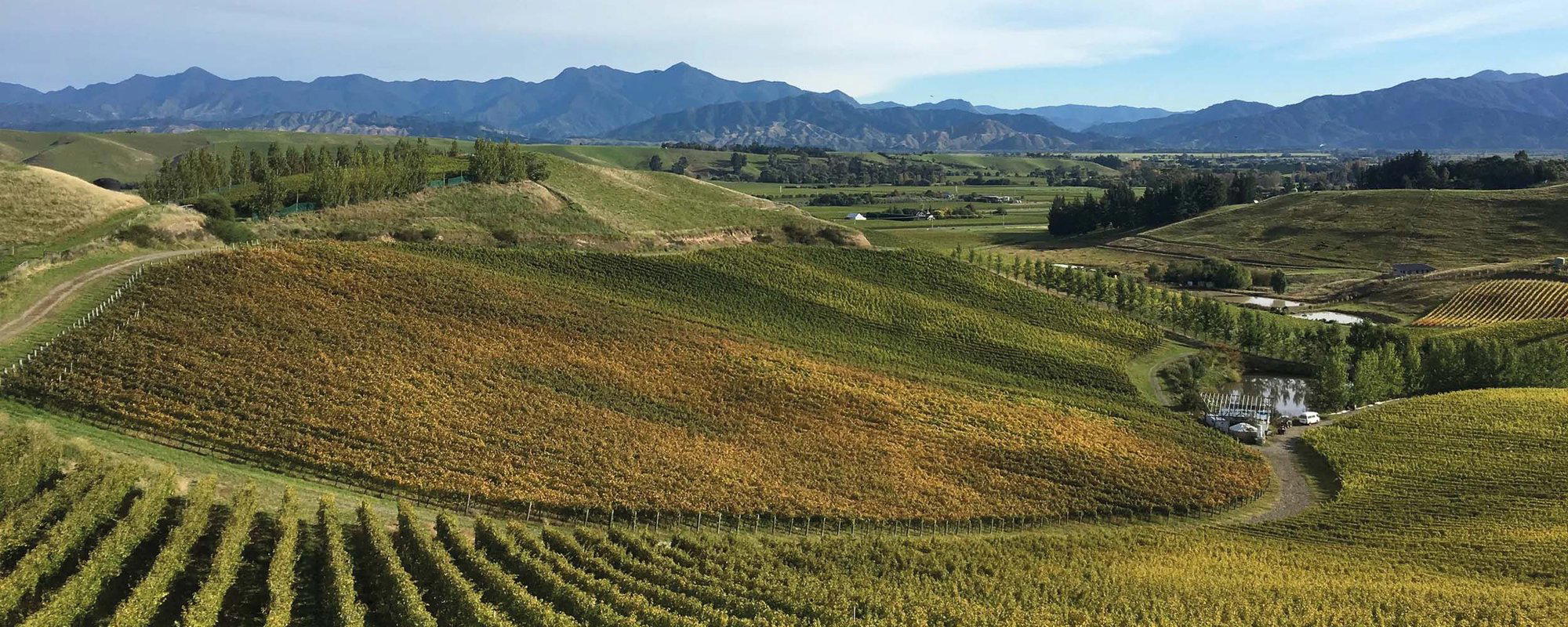
Marlborough's Rapaura district is as close as New Zealand gets to a viticultural monoculture. Drive along any road in this part of the Wairau Valley and the evidence accumulates fast: rows of Sauvignon Blanc running to the horizon, the stony Wairau soils catching afternoon light, and the Southern Alps providing the kind of temperature differential that makes this region interesting to growers rather than just marketers. Rock Ferry Cellar Door, at 130 Hammerichs Road, sits inside this geography rather than beside it. The approach along Hammerichs Road passes working vineyard blocks, which means that by the time you arrive, the sourcing conversation has already begun, the vines you drove past are the argument for what ends up in your glass.
That proximity to source is what separates the cellar door format from urban wine bars or restaurant wine lists. In a city restaurant, provenance is a label and a story told by a sommelier. Here, it is a physical fact. Marlborough's reputation was built almost entirely on Sauvignon Blanc, a grape that rewards cool nights, free-draining soils, and intense sunlight, all of which Rapaura delivers in concentration. The region is a major part of New Zealand's wine production, and Rapaura sits within its closely watched sub-zone. Visiting a cellar door in this context is not a supplement to understanding the wine; it is the primary way to understand it.
Rapaura's Position in the Marlborough Conversation
Within Marlborough, not all sub-regions carry equal weight. The Wairau Valley, which encompasses Rapaura, produces wines with a different structural profile than those from the Southern Valleys, where higher clay content and cooler sites push Sauvignon Blanc toward more textural, sometimes reductive expressions. Rapaura and its immediate surrounds tend toward higher natural drainage, meaning vines stress earlier in the season and concentrate flavour without excess irrigation. For winemakers focused on site transparency, this is a meaningful distinction rather than a marketing one.
New Zealand's cellar door culture has expanded considerably over the past decade, moving from utilitarian tasting rooms attached to production facilities toward hospitality-led spaces that sit alongside the dining experiences you find at properties like Elephant Hill in Haumoana or Elephant Hill in Napier, where the table is integrated into the estate. The Marlborough version of this shift has been slower and more producer-focused, with the emphasis remaining on the wine itself rather than on hospitality format. That restraint is consistent with the region's identity: this is a production powerhouse that has never needed to dress itself up.
What the Cellar Door Format Asks of a Visitor
Visiting a working cellar door in a wine region like Marlborough requires a different posture than dining at a restaurant. The experience is structured around tasting and conversation about what is in the glass, and the quality of that exchange depends partly on the visitor arriving with some curiosity about provenance, viticulture, or production method. Cellar doors that handle this well, and the better Marlborough producers do handle it well, use the physical setting to do most of the explanatory work. You can see the vineyard, you can ask about the harvest just concluded or approaching, and you can connect a specific aromatic quality in the wine to the soil type visible fifty metres away.
For those planning a broader sweep of New Zealand's wine and dining scene, the cellar door visit pairs naturally with the kind of estate dining that properties like Amisfield in Queenstown or Amisfield Restaurant and Cellar Door in Lake Hayes have developed in Central Otago. Both regions reward visitors who treat the vineyard visit as primary research rather than background entertainment. Marlborough and Central Otago are producing wine at opposite ends of the New Zealand climate spectrum, and experiencing both within a single trip builds a comparative understanding that no amount of reading replicates.
Placing Rock Ferry in a Wider New Zealand Food and Wine Picture
Marlborough's wine production is so dominant nationally that it shapes the export identity of the entire country. New Zealand Sauvignon Blanc, as a category, is among the more clearly defined regional styles in the world market, and Marlborough is its engine. Within that frame, smaller producers on Hammerichs Road and its surrounds operate in a space where differentiation comes from site selection, yield management, and production philosophy rather than from varietal novelty. Rock Ferry's cellar door location in Rapaura places it within a cluster of producers working with similar raw material but pursuing different outcomes, which makes the tasting experience genuinely comparative for visitors willing to visit more than one stop.
New Zealand's broader dining and hospitality scene has developed a confidence that is visible from Wellington to Auckland. Restaurants like Ahi in Auckland and Charley Noble in Wellington have anchored a conversation about local sourcing and New Zealand produce that the wine regions feed directly. The Marlborough cellar door circuit is part of the same argument: that New Zealand's food and drink identity is most convincingly expressed through its primary producers and the land they work, not through imported frameworks or international comparison points. Venues like Field and Green in Te Aro and Wharekauhau Country Estate in Featherston extend this sourcing-first logic into the accommodation and dining sphere, and Marlborough's cellar doors sit at the upstream end of that same chain.
Planning a Visit
Rapaura is most easily reached by car from Blenheim, the nearest town of scale in the Marlborough region, which is itself accessible by air from Auckland and Wellington. The cellar door circuit along Hammerichs Road and the connecting routes is best visited in the morning or early afternoon, when the light on the vines is most readable. Visitors combining Marlborough with broader New Zealand travel often use Blenheim as an overnight base before continuing south to Kaikoura or north to Nelson, both of which offer distinct food and landscape experiences. For those building a wine-focused itinerary across New Zealand, the contrast between Marlborough's high-volume Sauvignon Blanc country and the pinot-dominated estates of Central Otago is one of the country's most instructive regional comparisons.
At-a-Glance Comparison
Comparable venues nearby, for context on price, style, and recognition.
| Venue | Cuisine | Price | Notes |
|---|---|---|---|
| Rock Ferry Cellar DoorThis venue — the venue you are viewing | Wine Tasting with Seasonal Platters | $$ | Not listed |
| Roots Restaurant | Seasonal New Zealand Fine Dining | $$$ | Lyttelton |
| The Larder | Contemporary European Café & Restaurant | $$ | Miramar |
| Pedro's House of Lamb | New Zealand Roast Lamb | $$ | Merivale |
| Oikos Hellenic Cuisine | Modern Greek & Cypriot | $$ | Miramar |
| Bistro Saine | French-Mediterranean Bistro | $$$ | Auckland CBD |
Continue exploring
More in Rapaura
Restaurants in Rapaura
Browse all →

Bars in Rapaura
Browse all →
Hotels in Rapaura
Browse all →
At a Glance
- Rustic
- Scenic
- Cozy
- Casual Hangout
- Group Dining
- Wine Cellar
- Terrace
- Extensive Wine List
- Organic
- Local Sourcing
- Vineyard
Current opening hours
- Monday
- Closed
- Tuesday
- Closed
- Wednesday
- 11:30 AM–2:30 PM, 5:30–7:30 PM
- Thursday
- 11:30 AM–2:30 PM, 5:30–7:30 PM
- Friday
- 11:30 AM–2:30 PM, 5:30–7:30 PM
- Saturday
- 11:30 AM–3 PM
- Sunday
- Closed
Hours can change for holidays and private events. Last verified .
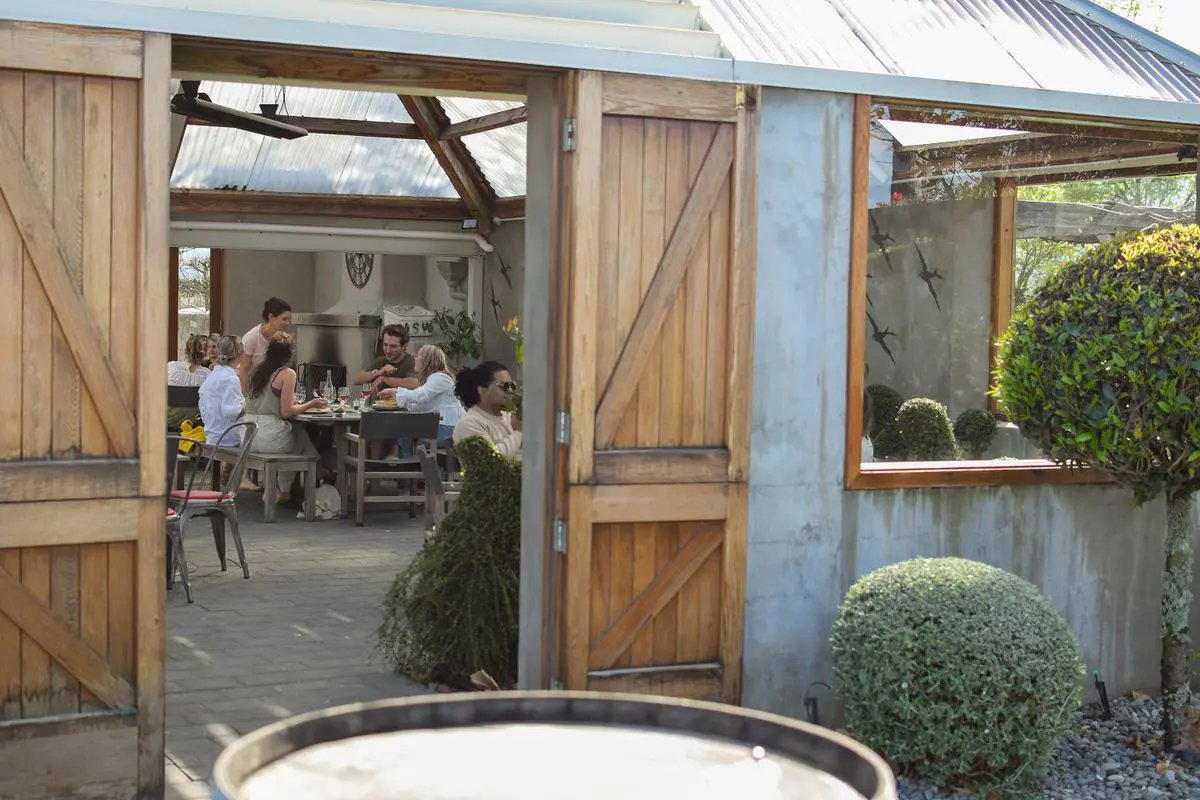
Relaxed and scenic with views of surrounding vineyards and waterways, featuring a large deck for outdoor enjoyment.