The Larder
Our verdict
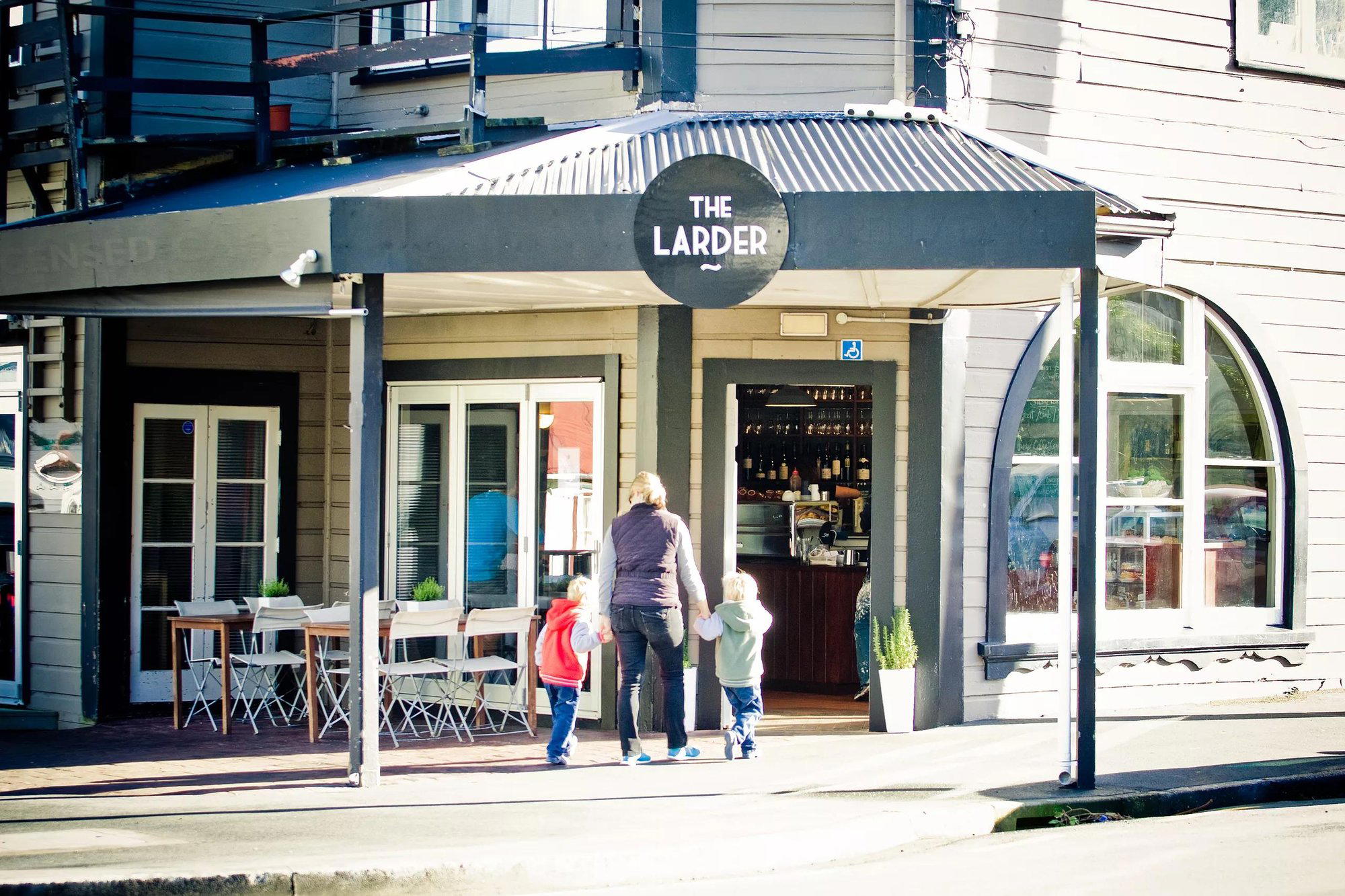
The Larder sits in Miramar, Wellington's working suburb that has quietly developed a reputation for neighbourhood dining worth travelling across the city for. Set on Darlington Road, it operates in the tradition of suburban restaurants that build loyalty through consistency rather than spectacle, making it a reference point for how Wellington's dining culture extends well beyond the CBD.

Pearl is the En Primeur Club membership app, where members save venues, book tables and use the concierge.
The menu
What to order
- Greek doughnuts
- Sourdough sandwiches
- Miso-glazed salmon bowls
- Roasted pumpkin and feta tart
- Grilled octopus
- Pork belly salad
Miramar and the Case for Suburban Dining
Wellington's serious restaurant scene has never been exclusively a central city phenomenon. The suburbs, Newtown, Aro Valley, Miramar, carry their own dining identities, shaped by residential communities that eat out regularly and expect more than convenience. Miramar, leading known internationally as the base for Weta Workshop and the film production infrastructure that surrounds it, has developed a food culture that reflects both its working-character streets and the creative professionals who populate them. The Larder, on Darlington Road, sits inside that context: a neighbourhood restaurant operating in a suburb where the customer base is local first and visitor second.
That distinction matters editorially. Restaurants that survive and build reputations in residential suburbs do so without the foot traffic buffer that central city venues rely upon. They earn repeat custom through the consistency of the kitchen, the reliability of front-of-house, and the accumulated trust of a community that will notice if standards slip. The suburban restaurant model in New Zealand cities like Wellington has historically been underwritten by exactly this kind of relational dining, where the team knows the regulars, the regulars advocate for the room, and the room rewards both with a certain quality of attention that larger CBD venues rarely sustain.
The Collaborative Architecture of a Neighbourhood Room
Wellington's stronger neighbourhood restaurants tend to operate with a particular kind of internal coherence, not the hierarchical brigade structure of formal fine dining, but a flatter, more collaborative dynamic between kitchen, floor, and wherever the wine knowledge sits in the room. This is partly a function of scale: smaller teams require every member to carry broader responsibility, and in practice that creates a front-of-house fluency that guests often read as warmth but is actually competence. The difference shows in how a table is guided through a menu, how wine questions are fielded, and whether the room feels managed or genuinely hosted.
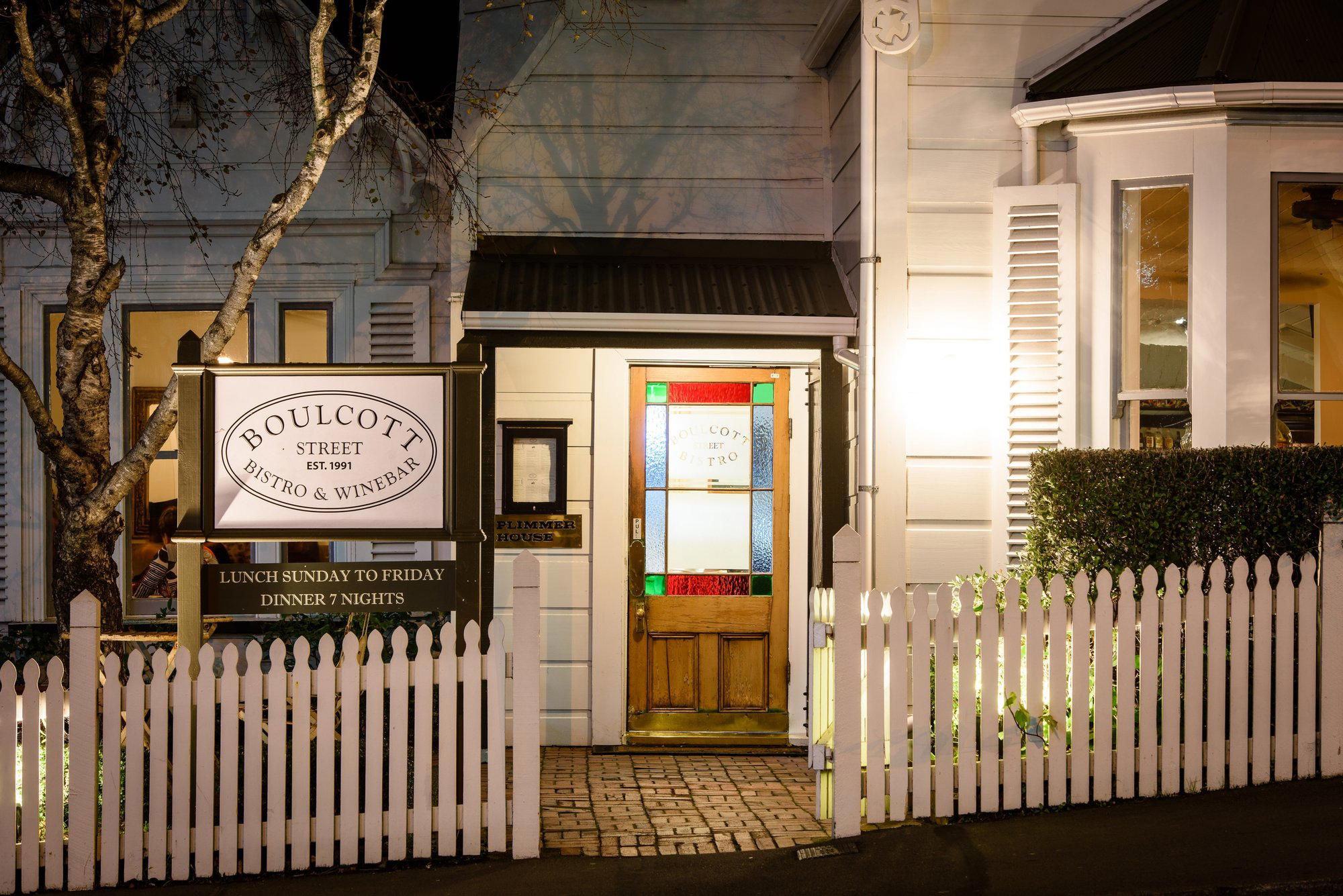
For a venue like The Larder, located outside the inner city and drawing on a community that dines there repeatedly rather than occasionally, the team dynamic is structural rather than supplementary. Regulars who return fortnightly notice whether the floor is confident, whether the kitchen is consistent, and whether the experience coheres across visits. Wellington's dining culture, informed by a compact city with strong food media and a population that eats out frequently relative to its size, has produced several venues that operate in this mode. Boulcott Street Bistro & Wine Bar and Charley Noble represent the CBD end of that spectrum; The Larder represents its suburban expression.
Where Miramar Fits in Wellington's Wider Dining Map
Wellington's restaurant geography sorts roughly into the CBD and waterfront corridor, the inner suburbs of Te Aro and Cuba Street, and the outer residential neighbourhoods. Miramar falls into the last category, connected to the city centre by a fifteen-minute drive around the bays but functionally its own village. The dining options along and near Darlington Road serve a community that includes film industry workers, families, and the kind of neighbourhood professionals who want a reliable local rather than an occasion restaurant.
This positions The Larder differently from venues like Crumpet or Devine Bistro, which draw from a broader central city catchment. It also differs from the more destination-oriented end of Wellington dining represented by Charley Noble Eatery & Bar and Chameleon Restaurant in Wellington Central. The Miramar model demands a different kind of discipline: menus that work for frequent visitors, a room that feels familiar without becoming stale, and pricing that reflects local reality rather than destination premium.
For travellers, Miramar is a manageable excursion from central Wellington, the route along the waterfront bays is among the more pleasant drives the city offers, and the suburb itself rewards time spent. Those visiting for film tourism purposes will already be in the area; those coming specifically for The Larder are making a considered choice to eat outside the city centre, which in Wellington is generally rewarded.
The New Zealand Suburban Restaurant in Broader Context
Across New Zealand, the strongest suburban restaurants have often outperformed their city-centre counterparts in longevity and community standing. Amisfield in Queenstown and Aosta in Arrowtown both demonstrate the principle that distance from a city centre is not a handicap when the offer is specific and the execution is reliable. Kika in Wānaka operates in a similar register, a destination worth the drive, with a community dining culture that sustains it. Field & Green in Te Aro represents the inner-suburb version of this, building a consistent neighbourhood identity within walking distance of central Wellington.
The pattern holds internationally: venues like Le Bernardin in New York City and Atomix in New York City are explicitly destination restaurants that draw from a city-wide catchment, while the neighbourhood equivalent, smaller, more embedded, built on repeat custom, operates on a different logic entirely. The Larder belongs to the latter category, in a city and suburb that understand the difference.
Planning Your Visit
Miramar sits approximately fifteen minutes from Wellington's CBD by road, following the bays south from Oriental Parade. The suburb has street parking along Darlington Road and its surrounds, which is the practical approach for visitors. Given the limited public venue data currently available for The Larder, prospective diners are advised to confirm current hours, booking requirements, and menu format directly before visiting, suburban Wellington restaurants often update their offering seasonally, and policies around reservations vary. For a broader orientation to what Wellington's restaurant scene currently offers, our full Wellington restaurants guide covers the city's dining character in detail, including venues across all neighbourhoods and price brackets.
Those planning a wider New Zealand itinerary alongside their Wellington visit will find useful reference points in Bistronomy & Vinotech in Napier South for the Hawke's Bay wine country, Cornelia in Auckland for the northern city, and Aro Ha Wellness Retreat in Glenorchy for the South Island's more contemplative end of the hospitality spectrum. Family House Korean Restaurant in Rotorua and Cafe Istanbul in Tauranga round out a picture of how New Zealand's mid-sized cities sustain diverse dining cultures beyond the main metropolitan centres.
Frequently asked questions
What's the address for The Larder?
The Larder is located at 133 Darlington Road, Miramar, Wellington 6022, New Zealand, Wellington.
Is The Larder worth visiting from central Wellington if I'm not staying in Miramar?
At approximately fifteen minutes from the CBD by road, Miramar is close enough that The Larder represents an easy evening excursion rather than a logistical commitment. The suburb has street parking, which removes one friction point that inner-city Wellington dining often carries. For travellers staying near the waterfront or Cuba Street, the drive south along the bays is a reasonable trade for a neighbourhood room that operates outside the central dining corridor.
What dish is The Larder famous for?
Miramar restaurants at this address and in this community-dining category typically anchor their reputation around a short, produce-driven menu that changes with supplier availability rather than a single signature dish. Visiting with open expectations is consistent with how Wellington's stronger suburban rooms tend to operate.
How far ahead should I plan for The Larder?
Miramar sits roughly fifteen minutes from Wellington's CBD by road, which means The Larder draws a predominantly local crowd rather than tourist foot traffic. That demographic pattern generally keeps booking windows shorter than destination restaurants in the central city, though weekends and community events can shift demand.
What has The Larder built its reputation on?
The Larder's standing is rooted in the Miramar suburb rather than Wellington's central restaurant circuit at 133 Darlington Road. Across New Zealand, suburban restaurants that sustain a community-room identity tend to outlast trend-driven city-centre openings, building loyalty through consistency and proximity rather than destination appeal. No formal awards are currently recorded for The Larder, placing its credentials firmly in the neighbourhood trust category.
Budget Reality Check
Comparable venues nearby, for context on price, style, and recognition.
| Venue | Cuisine | Price | Awards | Notes |
|---|---|---|---|---|
| The LarderThis venue (the venue you are viewing) | Contemporary European Café & Restaurant | $30–50 | Not listed | Not listed |
| Oikos Hellenic Cuisine | Modern Greek & Cypriot | $20–30 | Cuisine Good Food Guide Selection | Miramar, Modern Greek & Cypriot |
| Noble Rot Wine Bar | Modern Wine Bar Fare | Not listed | Star Wine List · Cuisine Good Food Guide Selection | City Centre, Modern Wine Bar Fare |
| Charley Noble | Modern Wood-Fired Steakhouse | $50–100 | Michelin Plate · Star Wine List | Te Aro, Modern Wood-Fired Steakhouse |
| Whitebait | Seafood | Not listed | Not listed | Dining |
| Crumpet | Cocktail Bar | $20–30 | Not listed | Te Aro, Cocktail Bar |
Continue exploring
More in Wellington
Restaurants in Wellington
All restaurants in Wellington →
Bars in Wellington
All bars in Wellington →
Details
- Cozy
- Rustic
- Brunch
- Casual Hangout
- Solo
- Group Dining
- Date Night
- Standalone
- Craft Cocktails
- Farm To Table
- Local Sourcing
- A La Carte
- Small Plates
- Coffee
- Wine
- Vegetarian Friendly
- Vegan Options
- Gluten Free Options
Current opening hours
- Monday
- Closed
- Tuesday
- 8 AM–2:30 PM
- Wednesday
- 8 AM–2:30 PM
- Thursday
- 8 AM–2:30 PM
- Friday
- 8 AM–2:30 PM
- Saturday
- 8 AM–2:30 PM
- Sunday
- Closed
Hours can change for holidays and private events. Hours as of .
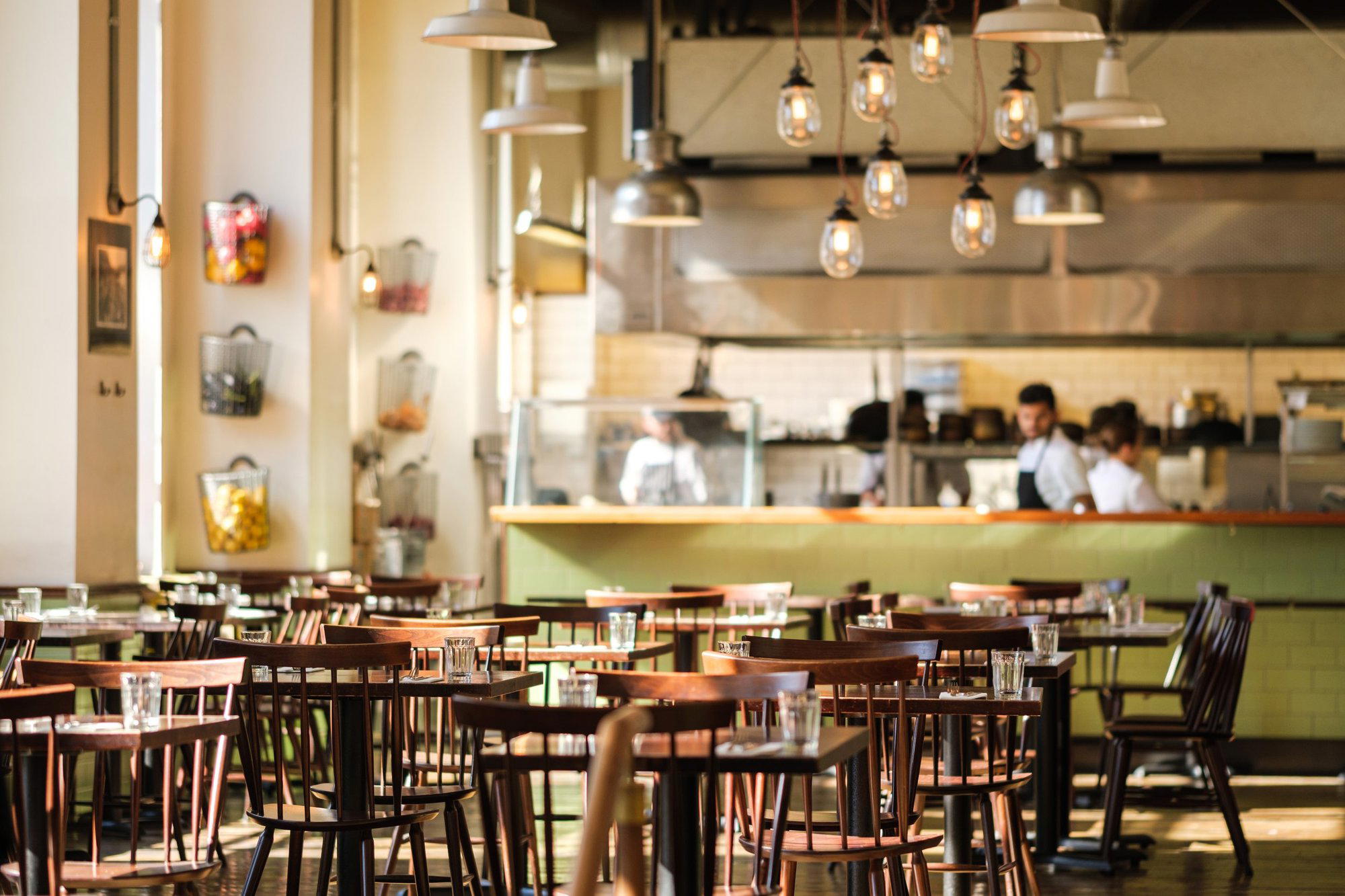
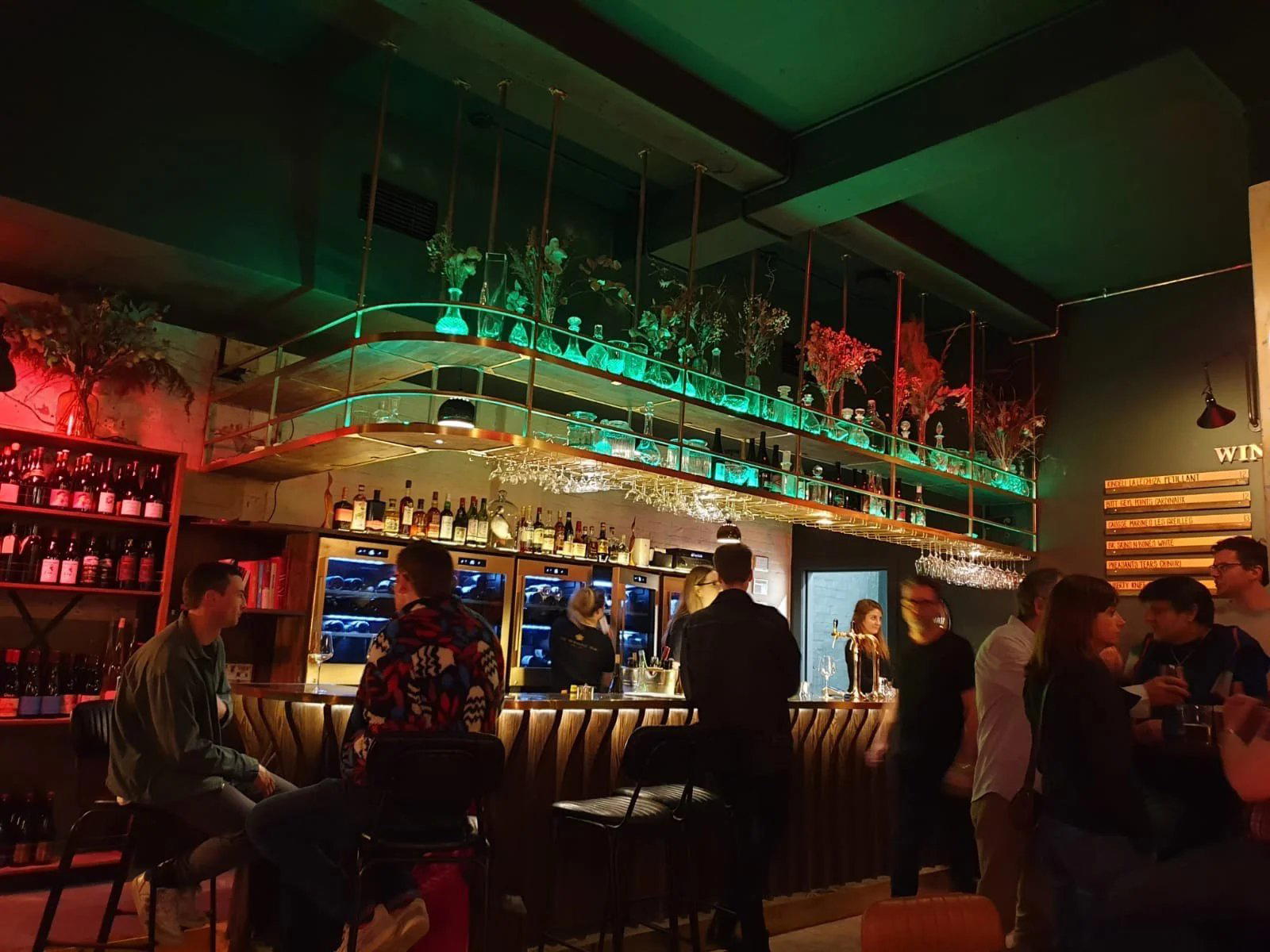
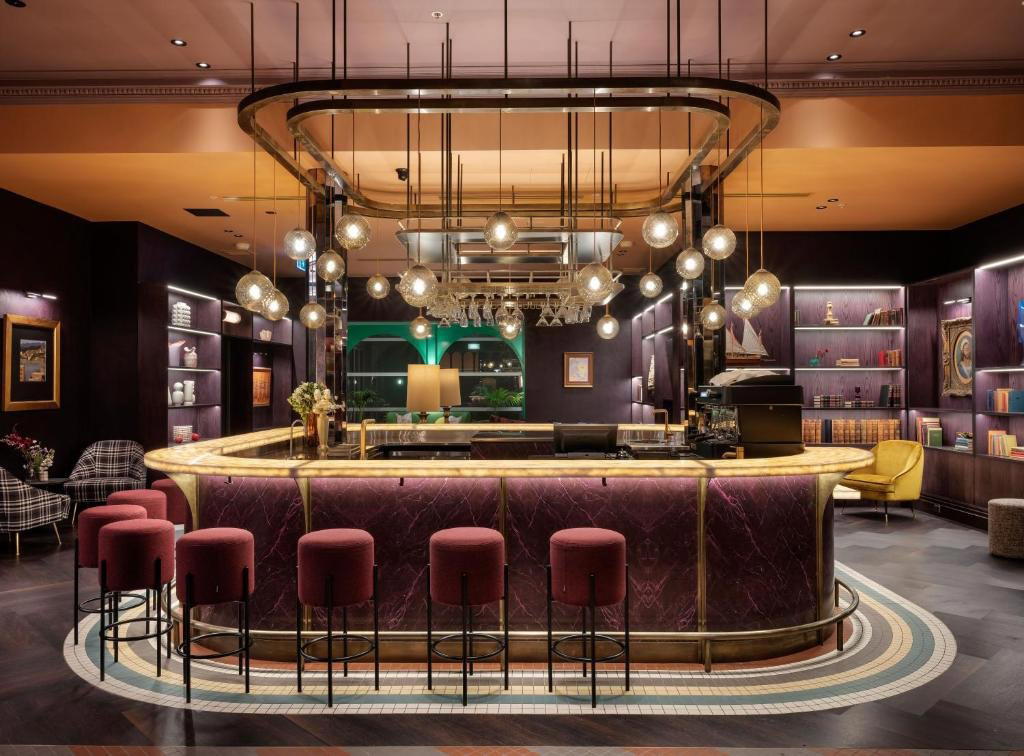
Warm wooden accents with industrial lighting, rotating art from local creatives on walls, polished yet unpretentious atmosphere with attentive service.