Roble by Jairo Rodríguez



Michelin Plate · Guía Repsol 1 Sol · Macarfi 8.3 Food Rating
Our verdict
On the outskirts of Pola de Lena, Roble by Jairo Rodríguez delivers an updated take on Asturian tradition anchored in serious sourcing: fish comes directly from the Rula de Avilés fish market, and the à la carte sits alongside an impressive tasting menu. Two consecutive Michelin Plates (2024 and 2025) confirm what local regulars already know. The format, run as a couple operation with Jairo in the kitchen and Paula leading the dining room, keeps things personal and precise.

Pearl is the En Primeur Club membership app, where members save venues, book tables and use the concierge.
Where Asturian Sourcing Becomes the Argument
Pola de Lena sits in the Lena municipality of inland Asturias, a coal-mining valley that opens toward the Cantabrian mountains and sits roughly equidistant between the region's larger cities. It is not, by any conventional measure, a dining destination. That makes the presence of a Michelin-recognised restaurant on Calle el Robledo all the more instructive about how Spanish regional cooking has evolved: the serious kitchens are no longer exclusively in the capitals. Roble by Jairo Rodríguez is the address that merits a detour.
The restaurant occupies a position that is increasingly familiar across provincial Spain: a couple-run operation, modest in price tier (€€), operating with the sourcing rigour and technical discipline that once required a city address. The format here divides responsibility clearly: Jairo Rodríguez runs the kitchen while Paula manages the dining room. In smaller restaurants of this type, that division is often what keeps the experience coherent at both ends of the pass.
The Rula de Avilés Connection
Spain's fine-dining conversation is dominated by a handful of flagship addresses: the progressive kitchens of Arzak in San Sebastián, the baroque creativity of DiverXO in Madrid, the long ambition of El Celler de Can Roca in Girona, or the seafood intelligence of Aponiente in El Puerto de Santa María. What connects those €€€€ addresses is a shared obsession with source material: the provenance of every ingredient is a decision, not a default. At Roble, the same logic operates at a different price point.
The kitchen sources its fish from the Rula de Avilés, the wholesale fish auction house in Avilés, a port city roughly 60 kilometres north on the Cantabrian coast. The Rula is among the more active fish markets in northern Spain, handling Cantabrian species landed daily by the local fleet: red mullet, grouper, hake, sea bass, and the small-boat catch that rarely travels far from the region. For a restaurant sitting inland in a former mining town, specifying Rula de Avilés fish is a meaningful commitment: it prioritises day-boat Cantabrian catch over cheaper commodity sourcing, and it ties the menu directly to a coastal tradition that defines Asturian cooking at its most serious.
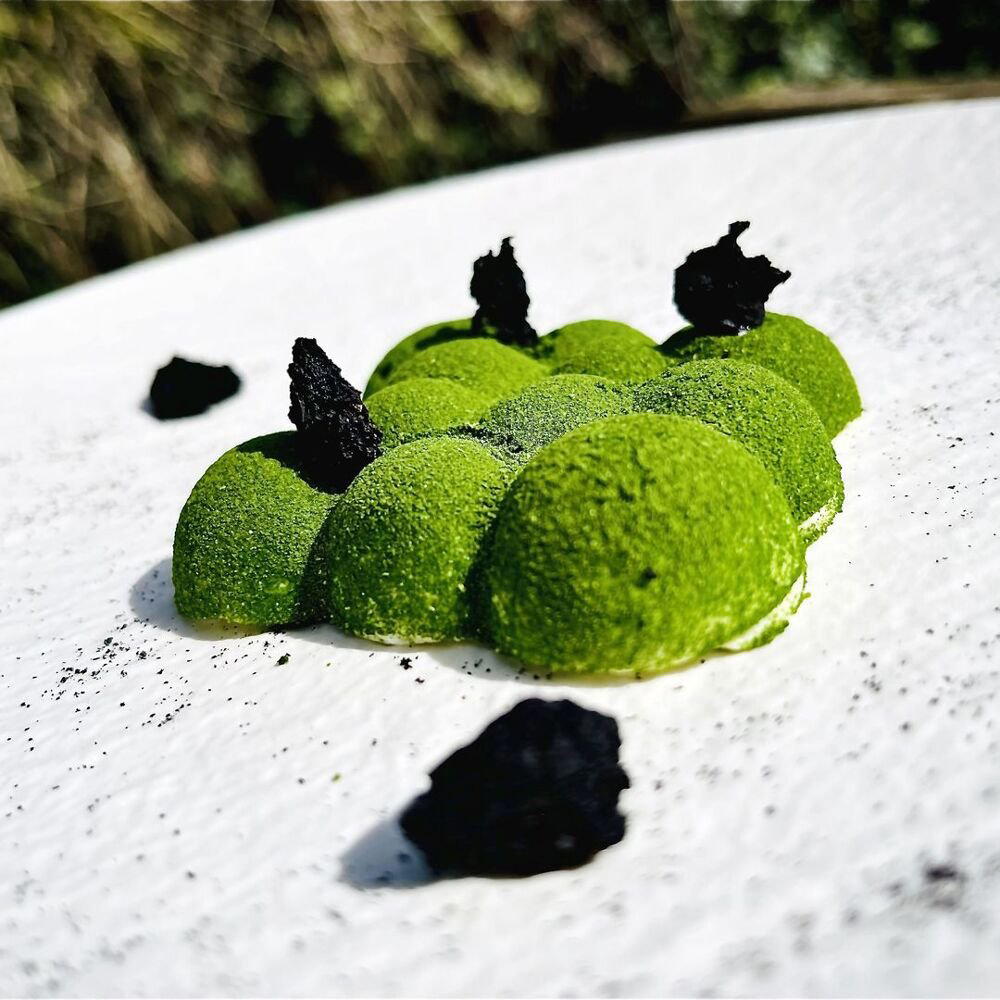
The result on the plate reflects that commitment. Red mullet cooked at low temperature and wild grouper prepared with an orange velouté are among the fish dishes listed on the à la carte. Low-temperature cooking on red mullet requires precision: the fish is small, its fat content relatively low, and the margin between perfectly yielding flesh and an overcooked result is narrow. Pairing wild grouper with citrus velouté suggests a kitchen that thinks in terms of flavour architecture rather than simply executing inherited recipes. For context on how traditional Asturian seafood cooking is being handled elsewhere in the region, Auga in Gijón offers a useful comparison point at a similarly grounded, produce-focused address.
The Format: À La Carte, Tasting Menu, and Tableside Theatre
Asturian restaurants that hold Michelin recognition increasingly offer dual formats: a structured tasting menu running alongside a shorter à la carte. This approach widens accessibility without abandoning the kitchen's ability to express a longer, more coherent culinary argument. Roble operates in exactly this mode. The tasting menu is described as impressive alongside the à la carte, which itself takes an updated approach to traditional Asturian cuisine rather than attempting the kind of radical reinvention associated with addresses like Mugaritz in Errenteria or Disfrutar in Barcelona.
Two tableside elements stand out. The cheese trolley is a format borrowed from classical French service, seen less frequently in Spanish restaurants outside the north, where the tradition of post-entremets cheese service has deeper roots; Brittany's Auberge Grand'Maison in Mûr-de-Bretagne is a useful European comparison for how this format survives at mid-tier price points. Meats carved tableside are, in the Asturian context, a nod to the region's roasting traditions, bringing the performance of the kitchen into the dining room itself. Both elements require floor confidence: they only read as refinements rather than gimmicks when the service team knows how to carry them. With Paula managing the dining room, the operation has a dedicated logic at that level.
Roble has held a Michelin Plate in both 2024 and 2025, the Guide's signal that a restaurant offers good cooking without reaching the star threshold. In the context of Spain's broader Michelin geography, that positioning places Roble in a large but respectable cohort: kitchens recognised for quality and consistency, operating below the showcase tier of Quique Dacosta in Dénia, Azurmendi in Larrabetzu, Martin Berasategui in Lasarte-Oria, Ricard Camarena in València, or Atrio in Cáceres, but clearly above the undifferentiated middle of the provincial restaurant market.
Planning Your Visit
The restaurant is at Calle el Robledo, 21B in Pola de Lena, on the outskirts of town. Pola de Lena is accessible by road from Oviedo in around 35 to 40 minutes via the A-66 motorway, and the town has a RENFE station on the Oviedo-León line for those travelling without a car. Given the location outside central Pola de Lena, driving is the practical choice for most visitors arriving from elsewhere in Asturias. The €€ price tier makes this a reasonable option for a proper meal rather than a special-occasion financial commitment, though the tasting menu format, wherever it sits within that tier, warrants a booking rather than a walk-in. Booking through Google or local reservation channels is advisable.
Frequently asked questions
Can I bring kids to Roble by Jairo Rodríguez?
The €€ price tier makes Roble a more accessible choice for families. The format spans à la carte and a tasting menu, so adults can commit to the full progression while younger diners order selectively. The tableside cheese trolley and carved meats add a visual element that holds attention across age groups.
What should I expect atmosphere-wise at Roble by Jairo Rodríguez?
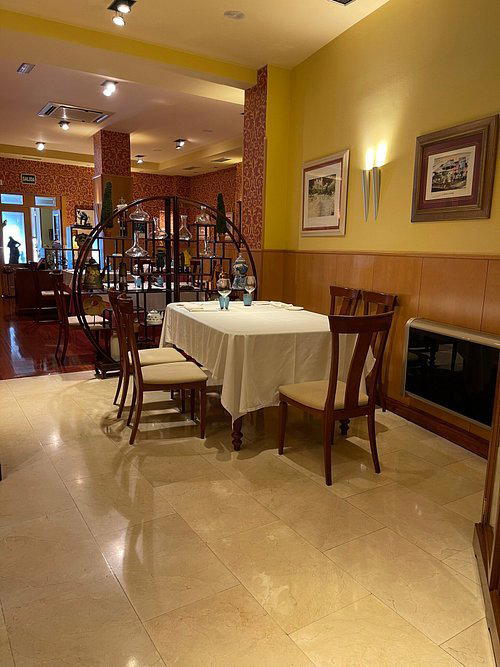
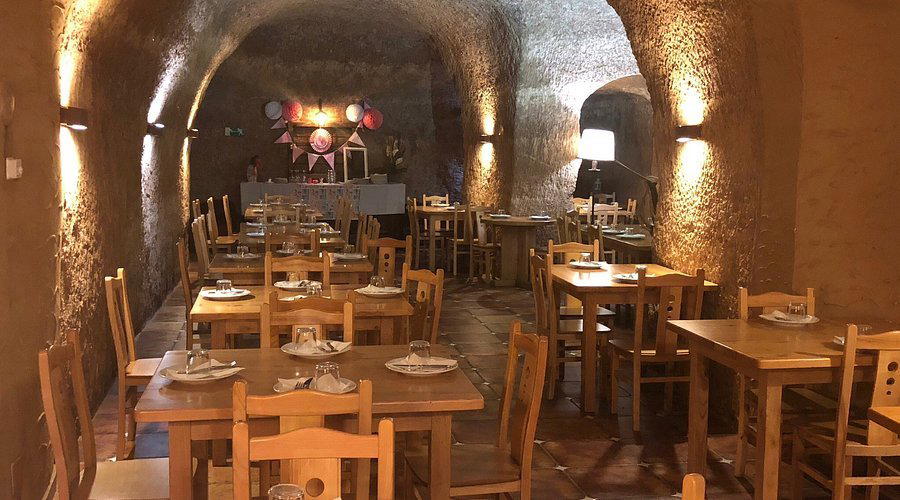
Pola de Lena is a quiet coal-mining town in inland Asturias, and the restaurant sits at Calle el Robledo, 21B. Paula manages the dining room, which gives the service a personal, front-of-house consistency.
What awards or recognition does Roble by Jairo Rodríguez have?
Roble by Jairo Rodríguez has received recognition including a Michelin Plate in 2024 and 2025.
What do regulars order at Roble by Jairo Rodríguez?
The fish sourced from the Rula de Avilés auction house is a clear draw: red mullet cooked at low temperature and wild grouper with orange velouté are reference dishes. Beyond the fish, the cheese trolley and tableside-carved meats are noted as signature features worth planning around.
How It Stacks Up
Comparable venues nearby, for context on price, style, and recognition.
| Venue | Cuisine | Price | Awards | Notes |
|---|---|---|---|---|
| Roble by Jairo RodríguezThis venue (the venue you are viewing) | Spanish | Not listed | Michelin Plate · Guía Repsol 1 Sol | Not listed |
| Mesón el Centro | Traditional Asturian Seafood | Not listed | Michelin Plate · Macarfi 7.7 Food Rating | Puerto de Vega |
| Kamín | Modern Spanish Tasting Menu | $50–100 | Michelin Plate · Guía Repsol 2 Soles | Barrio Húmedo |
| Regueiro da Cova | Modern Galician | $30–50 | Michelin Plate · Macarfi 7.7 Food Rating | Verín |
| La Trébede | Modern Traditional Spanish | $30–50 | Michelin Bib Gourmand · Macarfi 7.5 Food Rating | Pobladura del Valle |
| El Petirrojo | Traditional Basque-influenced Spanish | $50–100 | Michelin Plate | Quintana de los Prados |
Recognition history
Dated appearances from independent guides and award organizations, with the underlying list record or original source where available.
Michelin Plate
Michelin
Guía Repsol 1 Sol
Guía Repsol
Macarfi 8.3 Food Rating
Macarfi
Full recognition history (5 entries)
Michelin Plate
Michelin
Michelin Plate
Michelin
Continue exploring
More in Pola de Lena
Restaurants in Pola de Lena
All restaurants in Pola de Lena →
Details
Current opening hours
- Monday
- Closed
- Tuesday
- Closed
- Wednesday
- 1:30–6 PM
- Thursday
- 1:30–6 PM
- Friday
- 1:30–6 PM, 8:30–10:30 PM
- Saturday
- 1:30–6 PM, 8–10:30 PM
- Sunday
- 1:30–6 PM
Hours can change for holidays and private events. Hours as of .