
We're Smart World 1 Radish
Our verdict
Set on the historic grounds of Grand-Hornu in Wallonia, Rizom draws on regional producers and seasonal rhythms to build a menu that holds plant-based cooking at the same level as everything else. Chef Olivier De Vriendt, formerly of San, applies a quietly modernist approach to ingredients sourced close to home, making this one of the more considered addresses in the Borinage.

Pearl is the En Primeur Club membership app — saves, bookings, and concierge access live there. Same editors, same standards.
- Address
- Rue Sainte-Louise 82, 7301 Boussu, Belgium
- Phone
- +32 472 68 23 04
- Hours
- Mon ClosedTue–Wed 12–2:30 PMThu–Fri 12–2:30 PM, 7–9 PMSat–Sun 12–2:30 PM
- Website
- rizom.be
- Directions
- Get directions
- Booking
- Book on the venue's website
The menu
What to order
- Tomato Tart with Pecorino
- Carrot with Mushroom and Hazelnut
- Lemon with Tagète and White Chocolate
A Former Industrial Monument as Dining Backdrop
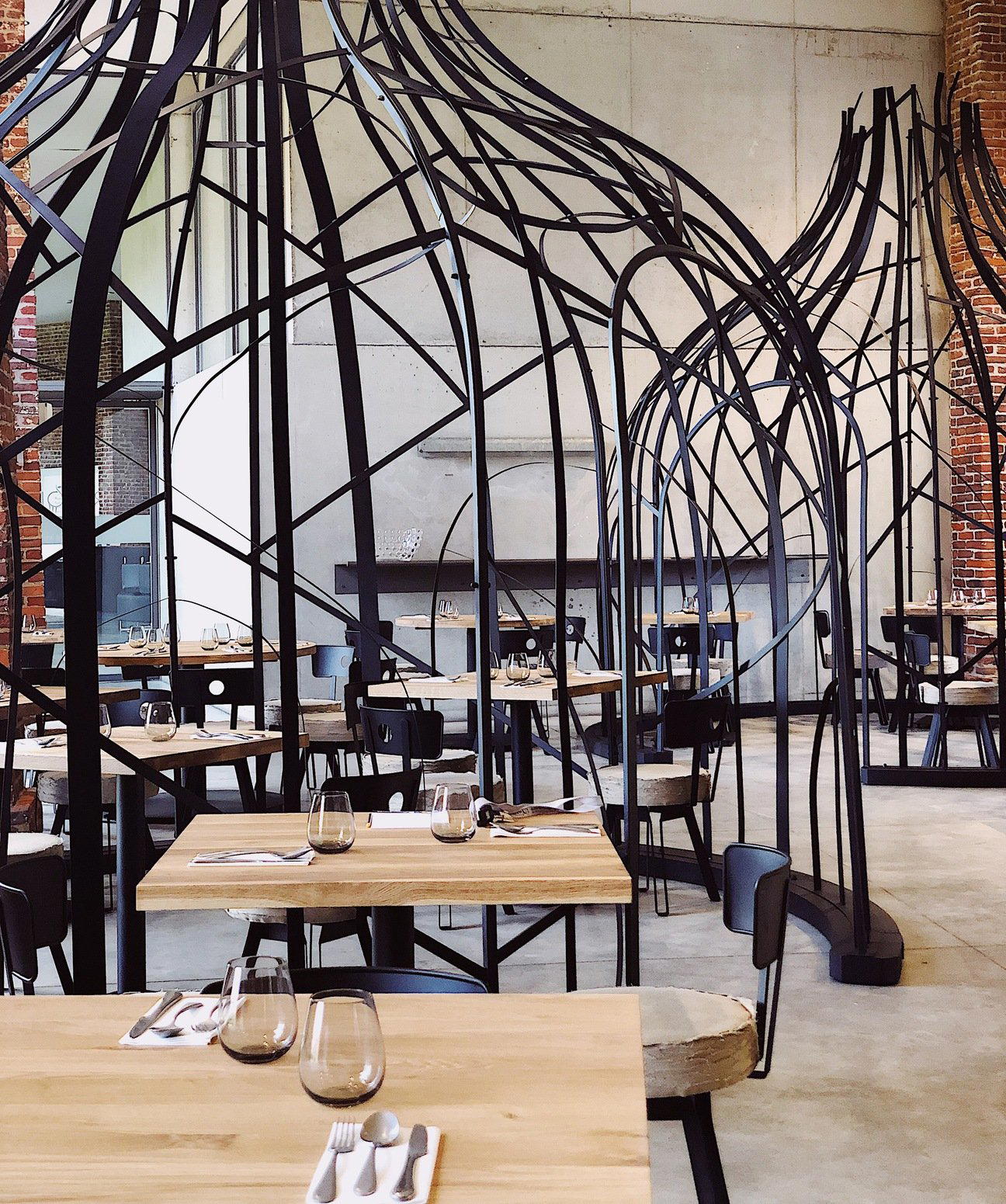
Grand-Hornu is not a conventional restaurant setting. The site, a UNESCO-listed 19th-century industrial complex in the Borinage region of Hainaut, was once the centrepiece of a coal-mining empire. Its neoclassical architecture and vast oval courtyard now house cultural institutions, and Rizom occupies a position within that compound that few restaurants in Belgium can claim to replicate. Arriving at Rue Sainte-Louise 82, Boussu, visitors pass through industrial stonework before reaching a space that frames contemporary cooking against a monument to a very different kind of regional labour. The contrast is not incidental; it shapes how the food reads.
For context on Belgium's wider dining geography, Bozar Restaurant in Brussels similarly occupies a culturally significant arts complex, and the pattern of serious restaurants finding homes inside heritage institutions is growing across the country. Rizom belongs to that small category, where the setting carries as much editorial weight as the plate.
Where the Ingredients Come From
The Borinage was not historically associated with fine dining. Its identity was coal, industry, and working-class density. What Rizom does, in part, is reframe Wallonian agricultural production as the basis for serious cooking. The awards note attached to the restaurant describes a focus on regional sourcing, seasonal cycles, and a thread of modernism applied carefully rather than for spectacle. That framing places Rizom in a broader pattern visible across Belgium's more considered addresses: the conviction that local supply chains, when taken seriously, produce food that has more to say than imported prestige ingredients.
Chef Olivier De Vriendt carries experience from San, a reference point that signals a particular training orientation toward precision and technique. What distinguishes Rizom's sourcing angle is not just proximity of ingredients but the intent behind it: the menu reflects what Wallonia's productive seasons actually deliver, rather than a curated version of Belgian classics. Spring vegetables from the Hainaut countryside, regional dairy, foraged additions from the areas surrounding the Borinage; the specific items shift with the calendar, which is exactly the point. Restaurants operating on this model cannot rely on a fixed menu as a marketing tool; the cooking has to be confident enough to follow what the land offers.
Across Belgium, the sourcing-first approach has been adopted with varying degrees of rigour. At Hof van Cleve - Floris Van Der Veken in Kruishoutem and Boury in Roeselare, regional produce sits at the heart of menus that have earned sustained critical recognition. Zilte in Antwerp works within an urban context but draws on North Sea and Flemish hinterland supply chains. Rizom operates on a smaller scale and with less international visibility, but the sourcing logic belongs to the same current.
The Plant-Based Position
One signal that separates Rizom from many of its Wallonian contemporaries is the way plant-based options are structured. The awards description notes explicitly that Chef De Vriendt ensures a meaningful plant-based alternative is always available, framed not as a dietary accommodation but as a genuine expression of the kitchen's range. This is a meaningful distinction. In much of Belgian restaurant culture, plant-based dishes still function as afterthoughts or substitutions. A kitchen willing to apply the same sourcing rigour and technical attention to a vegetable-centred plate as to a meat or fish course is working in a different register.
Seasonally driven plant-forward cooking requires more discipline in some respects than a protein-anchored menu, because the ingredients themselves carry greater variability. Wallonia's agricultural zones produce legumes, root vegetables, wild greens, and fungi that shift substantially through the year. A kitchen using those materials as the basis for a serious dish, rather than as garnish to a central protein, has to commit to a different kind of menu planning. Rizom's approach in this regard connects it to a European conversation about what modern restaurant cooking should prioritise, a conversation that has moved from the fringes toward the centre of critical discourse over the past decade.
Rizom in the Belgian Restaurant Context
Belgium's fine-dining profile is concentrated heavily in Flanders, with Brussels and the Flemish cities generating most of the international critical attention. Wallonia receives considerably less coverage despite having a distinct culinary tradition rooted in game, river fish, and the agricultural output of its river valleys. Restaurants in the Hainaut area occupy a space that is structurally underrepresented in Belgian food media. Rizom, in part because of its location within a recognised cultural site, sits slightly differently from typical provincial addresses. The Grand-Hornu setting gives it a reference point that travels; visitors arriving for the site's exhibitions or cultural programming encounter the restaurant as an extension of that cultural context, rather than as an isolated dining destination requiring a separate reason to visit.
For comparable ambition in the wider region, d'Eugénie à Emilie in Baudour and L'Eau Vive in Arbre represent Wallonia's quieter serious-dining tier. Further afield, Willem Hiele in Oudenburg, Bartholomeus in Heist, Castor in Beveren, and Cuchara in Lommel illustrate how Belgium's more considered cooking is distributed across secondary towns, not concentrated solely in capital cities. De Jonkman in Sint-Kruis similarly works a regional-ingredient framework in a non-urban setting. Rizom fits within that dispersed pattern.
What to Know Before Visiting
Boussu sits in the western part of Hainaut, within the wider Mons metropolitan area. The Grand-Hornu complex is accessible by road from Mons, roughly ten kilometres to the east, and draws visitors independently of the restaurant. The address is Rue Sainte-Louise 82, 7301 Boussu. Given the site's cultural programming calendar, the restaurant's service days may align with the museum's operating schedule, which is worth confirming in advance.
The menu's seasonal structure means the experience will shift considerably depending on when you visit. A late-autumn visit will reflect very different produce to a late-spring sitting, and this variability is a feature of the kitchen's approach rather than an inconsistency. For those travelling specifically for the food, pairing a visit with Grand-Hornu's exhibition calendar makes practical sense. Our guides to [restaurants](), [hotels](), [bars](), [wineries](), and experiences in Boussu provide further planning context for the area.
Frequently asked questions
Is Rizom good for families?
The Grand-Hornu site — a UNESCO-listed 19th-century industrial complex — provides substantial outdoor and architectural space that makes it more accommodating than a typical intimate restaurant. The menu's structured plant-based alternatives alongside its main offerings gives families with varied dietary preferences genuine options rather than afterthoughts.
What kind of setting is Rizom?
Rizom operates within Grand-Hornu, a UNESCO-listed former coal-mining complex in the Borinage region of Hainaut. The site dates to the 19th century and is one of the more architecturally distinctive restaurant backdrops in Wallonia, placing the dining experience inside preserved industrial heritage rather than a conventional room. It sits at Rue Sainte-Louise 82, Boussu, within the wider Mons metropolitan area.
Has Rizom won any awards?
Rizom has received recognition including: Rizom brings different culinary cultures together in Wallonia on the beautiful site of Grand-Hornu. Chef Olivier De Vriendt (ex San) makes sure there is always a tasty plant-based alternative for those who want to (avoid) meat & fish. Focus….
What do people recommend at Rizom?
Chef Olivier De Vriendt, formerly of San, has shaped a menu built around regional Wallonian produce, seasonal sourcing, and a degree of modernist technique. The plant-based offering is noted specifically in the venue's recognition — structured as a genuine alternative rather than a single token dish. Beyond that level of detail, specific dish recommendations are not documented here.
Where exactly is Rizom?
Rizom is located at Rue Sainte-Louise 82, 7301 Boussu, Belgium, Boussu.
Is Rizom reservation-only?
Given the Grand-Hornu site's event and cultural programming calendar, reservations are advisable to confirm availability before visiting.
Quick Comparison
Comparable venues nearby, for context on price, style, and recognition.
| Venue | Cuisine | Price | Awards | Notes |
|---|---|---|---|---|
| RizomThis venue — the venue you are viewing | Modern French Fine Dining | $50–100 | We're Smart World 1 Radish | Not listed |
| Plein25 | Seasonal French | Not listed | Not listed | Elsegem |
| A Table | Classic French Bistro | $50–100 | Not listed | Sint-Martens-Latem |
| Maurice Le Limonadier | Modern French-Belgian Bistro | $50–100 | Not listed | central |
| Coeur d'amis | French-Belgian Bistro | Not listed | Star Wine List | Wingene |
| Cobra House | French Fusion Sharing | $50–100 | Not listed | Antwerp |
Recognition history
Dated appearances from independent guides and award organizations, with the underlying list record or original source where available.
We're Smart World 1 Radish
We're Smart World
Continue exploring
More in Boussu
Restaurants in Boussu
Browse all →
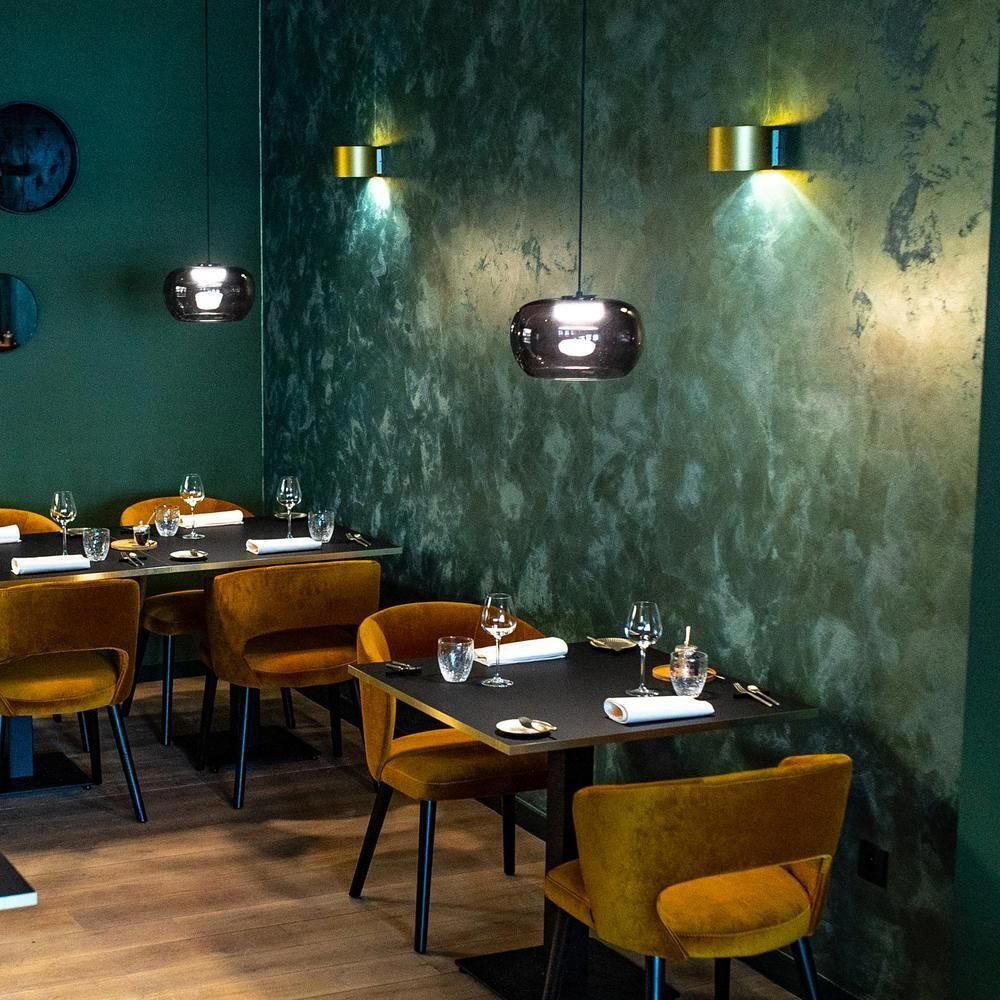
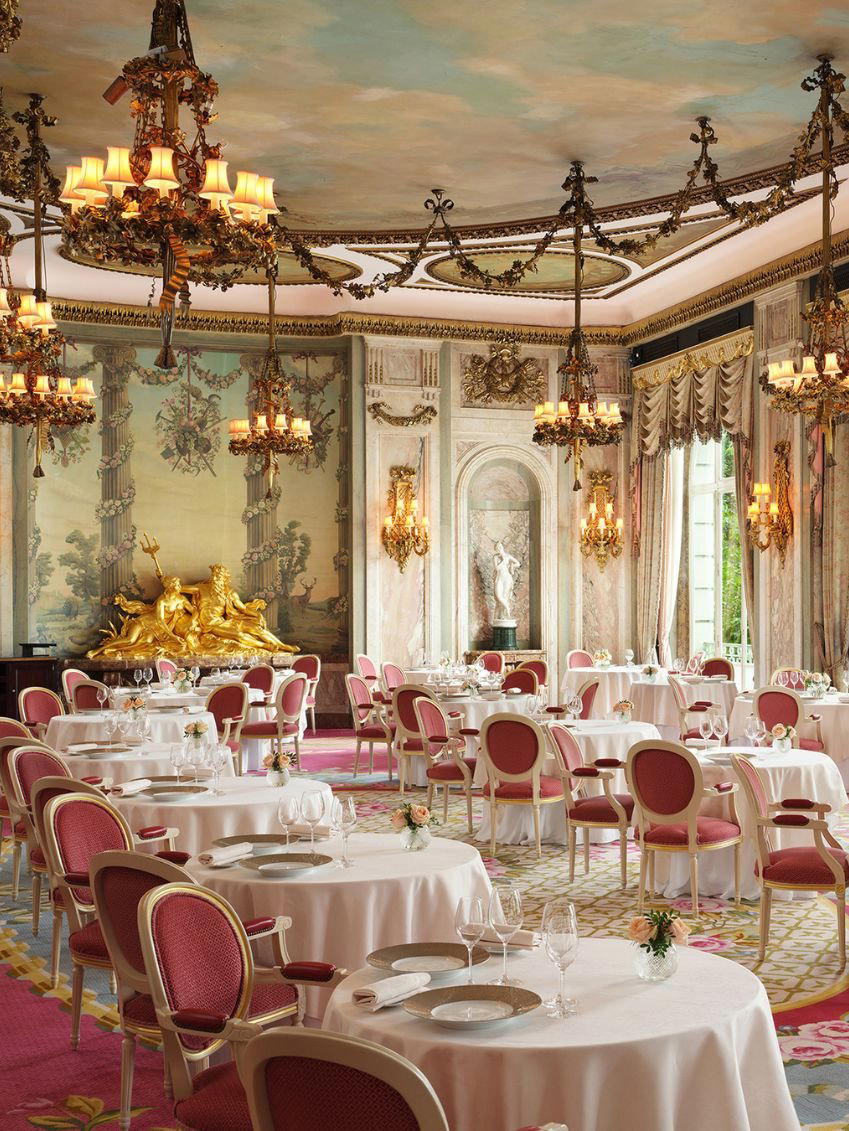
Hotels in Boussu
Browse all →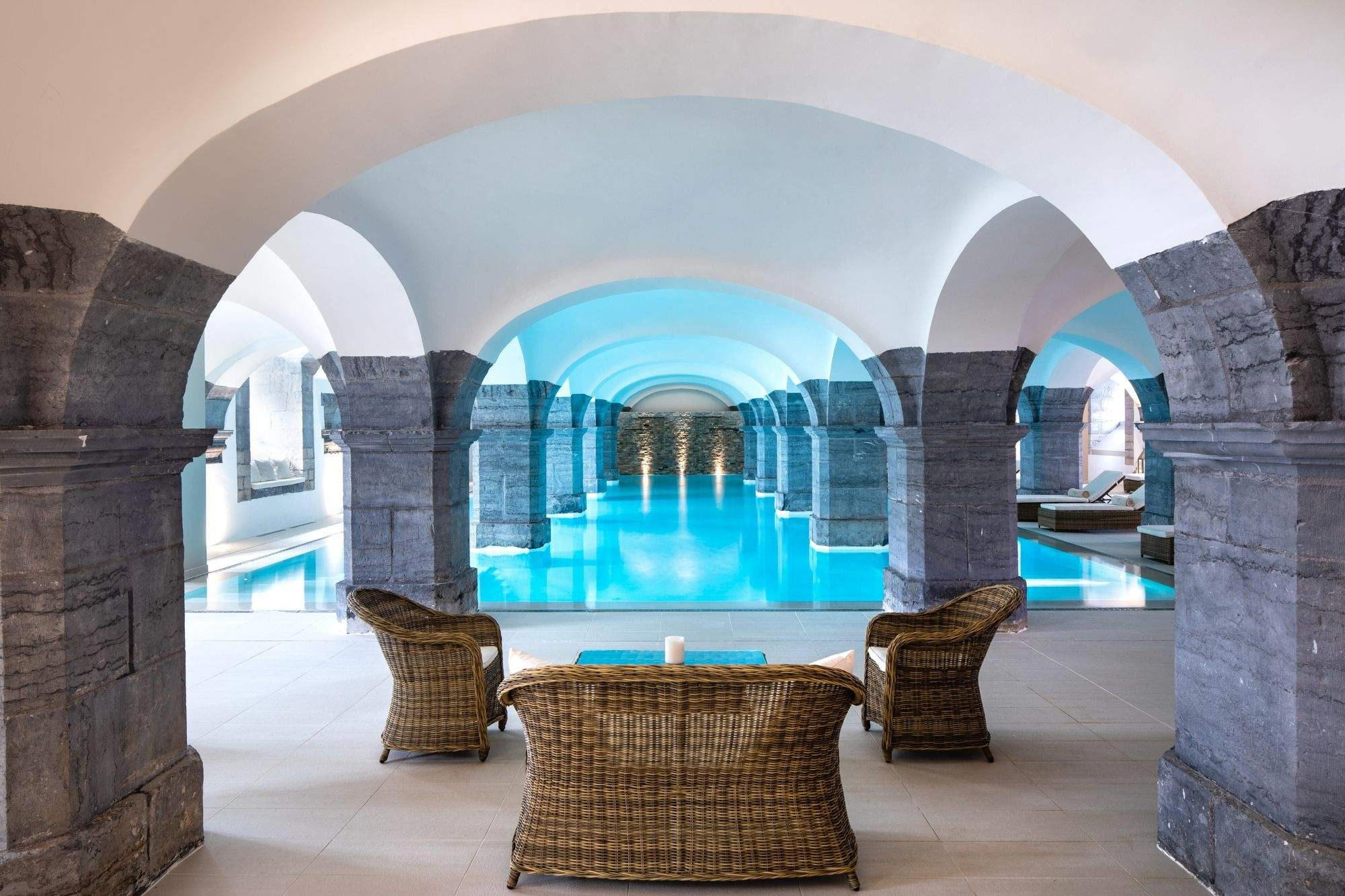
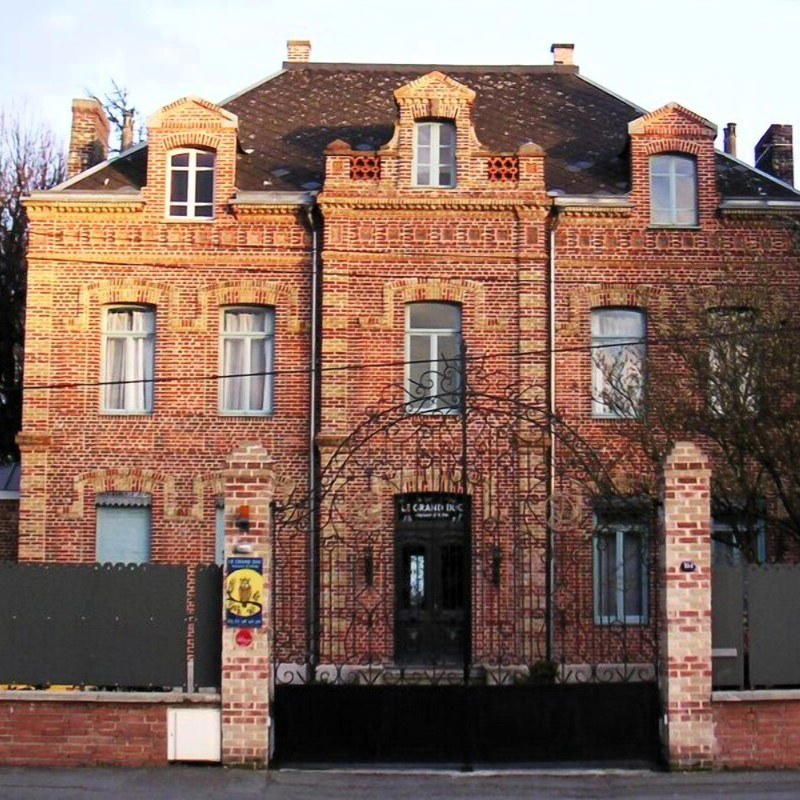
Wineries in Boussu
Browse all →
Rizom
The wine
- Wine program
- Curated wine list
- Sommelier-led
- Beer program
Details
- Modern
- Elegant
- Sophisticated
- Quiet
- Business Dinner
- Special Occasion
- Celebration
- Design Destination
- Historic Building
- Beer Program
- Sommelier Led
- Local Sourcing
- Tasting Menu
- Prix Fixe
- Wine
- Craft Beer
- Non Alcoholic Pairings
- Vegetarian Friendly
- Pescatarian Friendly
Current opening hours
- Monday
- Closed
- Tuesday
- 12–2:30 PM
- Wednesday
- 12–2:30 PM
- Thursday
- 12–2:30 PM, 7–9 PM
- Friday
- 12–2:30 PM, 7–9 PM
- Saturday
- 12–2:30 PM
- Sunday
- 12–2:30 PM
Hours can change for holidays and private events. Last verified .
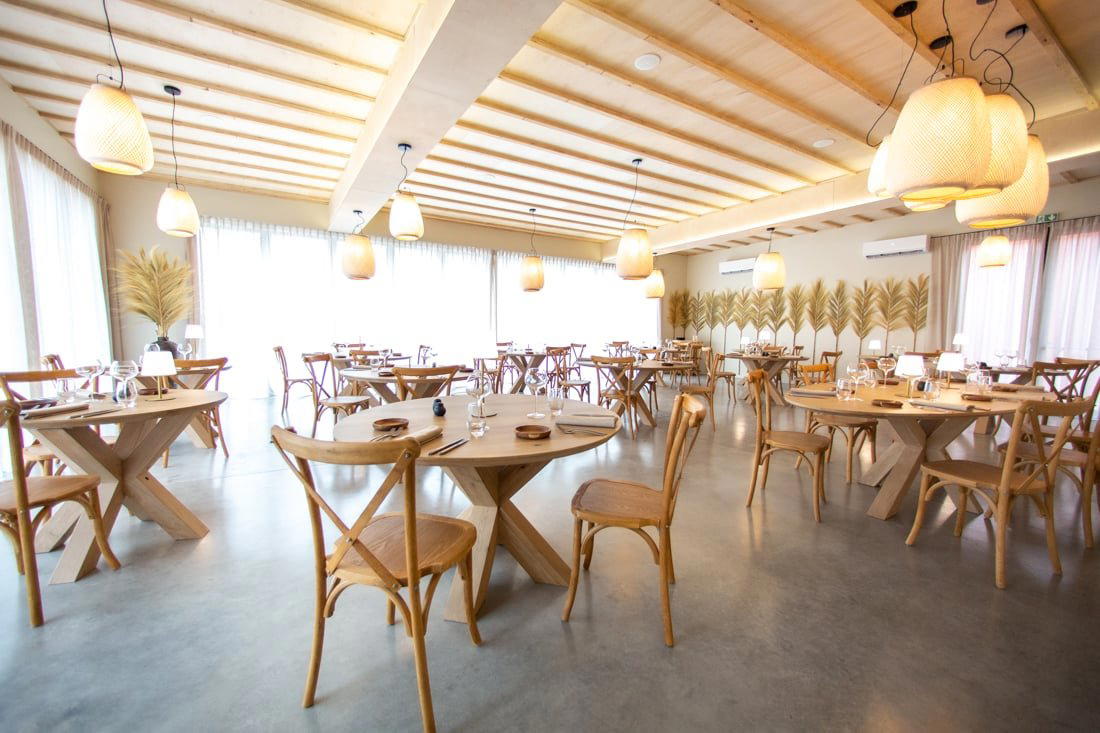
Modern, light, and calm atmosphere with refined décor befitting a contemporary gastronomic venue; described by guests as a peaceful and well-established setting.