Riva

In the village of Ponte dell'Olio, beneath the shadow of a crenellated medieval castle, Riva is run by a husband and wife team whose cooking draws on the recipes of the Piacenza hills without being confined by them.
Pearl is the En Primeur Club membership app — saves, bookings, and concierge access live there. Same editors, same standards.
- Address
- Via Riva, 16, 29028 Ponte dell'Olio PC, Italy
- Phone
- +39 0523 875193
- Website
- ristoranteriva.it
- Directions
- Get directions
 Saves & bookings on Pearl
A Village Setting That Frames the Food
Ponte dell'Olio is the kind of place that reminds you how much of Italy's serious cooking happens far outside the cities. The village sits in the Val Nure, south of Piacenza, in a stretch of the Emilia-Romagna hills where the landscape shifts from the flat Po valley into something more textured: forested ridges, river bends, and a medieval castle with a crenellated profile that looms over the main street. It is against this backdrop that Riva occupies its address on Via Riva, 16. The setting is not incidental to what happens at the table. This part of Emilia-Romagna has a culinary identity that predates the region's international reputation, rooted in pork, river fish, mountain herbs, and a cheesemaking tradition that runs from Piacenza's own Grana Padano DOP producers through to small farmhouse operations in the hills above the valley.
The Husband-and-Wife Model in Italian Provincial Dining
In the Italian provinces, the husband-and-wife restaurant is not a romantic cliché but a structural fact. Some of the country's most consistent kitchens operate this way: one partner managing the dining room, the other anchoring the stove, the two halves producing a coherence that larger brigade-and-front-of-house operations can rarely replicate. Dal Pescatore in Runate is one cited example, a multi-generational family operation that has held three Michelin stars for decades. The form itself, modest in footprint and relational in character, tends to produce cooking that is more personal and less institutional than city fine dining.
Riva fits inside this tradition. The husband and wife team who run it have shaped a restaurant that reads as an extension of the place rather than an imposition on it. The cooking is described by Michelin's 2025 assessment as a balanced approach between local recipes and creativity, which, in the language of the Guide, signals something specific: technique applied in service of territory rather than technique as spectacle. That distinction matters in a region where the raw ingredients carry considerable cultural weight.
What the Michelin Plate Signals in This Context
In a village of Ponte dell'Olio's scale, holding any Michelin recognition in 2025 positions Riva clearly within a small cohort of destinations worth a deliberate detour. It does not compete on the same plane as Osteria Francescana in Modena, Enoteca Pinchiorri in Florence, or Enrico Bartolini in Milan, all of which operate at the starred tier with corresponding prices and formality. Riva's price range sits at the €€ level, placing it in the accessible bracket of serious Italian cooking: the category where craft and locality matter more than ceremony.
Volume at that score, across a restaurant in a village rather than a tourist-heavy city, suggests a consistent local and regional following rather than a spike driven by passing visitors. That kind of review profile is harder to maintain than a high score on fewer, more transactional visits.
For comparison within Italy's broader creative dining spectrum, Piazza Duomo in Alba, Reale in Castel di Sangro, Le Calandre in Rubano, Uliassi in Senigallia, and Quattro Passi in Marina del Cantone each illustrate how Italy's more ambitious provincial restaurants have staked claims in small or mid-sized towns without abandoning their territorial roots. Riva belongs to that wider pattern, even if it operates at a more modest register. Beyond Italy, Atelier Moessmer Norbert Niederkofler in Brunico offers a parallel case of serious creative cooking in a non-metropolitan Alpine setting, while internationally the format of intimate, territory-driven modern dining is represented at different price points by restaurants like Frantzén in Stockholm and FZN by Björn Frantzén in Dubai.
Emilia-Romagna's Culinary Tradition and What It Demands of Its Restaurants
Emilia-Romagna carries a particular burden for any kitchen that chooses to work within its traditions. The region is home to some of Italy's most protected and imitated products: Parmigiano-Reggiano, Prosciutto di Parma, Culatello di Zibello, Aceto Balsamico Tradizionale. Piacenza, the province in which Ponte dell'Olio sits, adds its own triad of DOP cured meats, Coppa Piacentina, Pancetta Piacentina, and Salame Piacentino, along with a river-fishing tradition and a pasta culture centred on anolini, pisarei, and tortelli with ricotta and herb fillings. Cooking in this context means negotiating a set of expectations that locals hold with some seriousness.
The approach that Michelin's assessment describes at Riva, local recipes and creativity in balance, is the appropriate response to that pressure. The alternative paths, either strict traditionalism or aggressive innovation, each carry risk: the first risks irrelevance to diners who can make the same dishes at home or at a local trattoria, the second risks disconnection from what makes the ingredient base worth using. A kitchen that reads the region well and applies craft without overwriting the source material is doing something that is genuinely difficult to sustain.
The closest village-level comparison in the immediate area is Locanda Cacciatori, another Ponte dell'Olio address working within the Emilian tradition. The two restaurants together make a case for the village as a destination worth planning around rather than passing through.
Planning a Visit
Ponte dell'Olio sits roughly 25 kilometres south of Piacenza, accessible by car along the Val Nure road. The village is not served by direct rail, making a car the practical option for most visitors arriving from outside the region. Piacenza itself connects to Milan and Bologna by intercity rail, placing the valley within reach of both cities as a half-day excursion. Riva's price range at €€ means a meal here sits within reach of most budgets that stretch to considered dining, and the Michelin Plate recognition suggests booking in advance is sensible, particularly for weekend visits when the valley draws residents from Piacenza. Reservations are recommended. The setting in a village with a medieval castle means the approach and surroundings are part of the experience in a way that a city-centre table rarely offers.
What to Order at Riva
Riva's kitchen is rooted in Piacenza provincial tradition, with an emphasis on local ingredients from the Val Nure and creative adjustments that stay close to the source material. In an Emilian kitchen operating at this level, pasta courses and cured meat preparations tend to anchor the menu, with secondary courses drawing on seasonal valley and hill produce. The Michelin Plate recognition and the review profile together suggest asking the team for their current recommendations on arrival, a practice that in small, owner-run restaurants of this type typically produces more accurate guidance than any fixed menu description published externally.
Price Lens
Comparable venues nearby, for context on price, style, and recognition.
| Venue | Cuisine | Price | Awards | Notes |
|---|---|---|---|---|
| RivaThis venue — the venue you are viewing | Modern Cuisine | $$$ | Michelin Plate | Not listed |
| Locanda Cacciatori | Not listed | $$ | Bib Gourmand | Ponte dell'Olio, Traditional Emilian Trattoria |
| Fourghetti | Not listed | $$$ | Michelin Plate | Tibaldi, Contemporary Italian Fine Dining |
| Casa Camperio | Not listed | $$$ | Michelin Plate | Duomo, Modern Italian with Japanese Influences |
| Da Giovanni | Cortina Vecchia, Modern Italian Seafood | $$$ | Michelin Plate | Not listed |
| Duomo | Not listed | $$$ | Michelin Plate | Centro Storico, Modern Italian Piedmontese |
Recognition history
Dated appearances from independent guides and award organizations, with the underlying list record or original source where available.
Michelin Plate
Michelin
Michelin Plate
Michelin
Continue exploring
More in Ponte dell'Olio
Restaurants in Ponte dell'Olio
Browse all →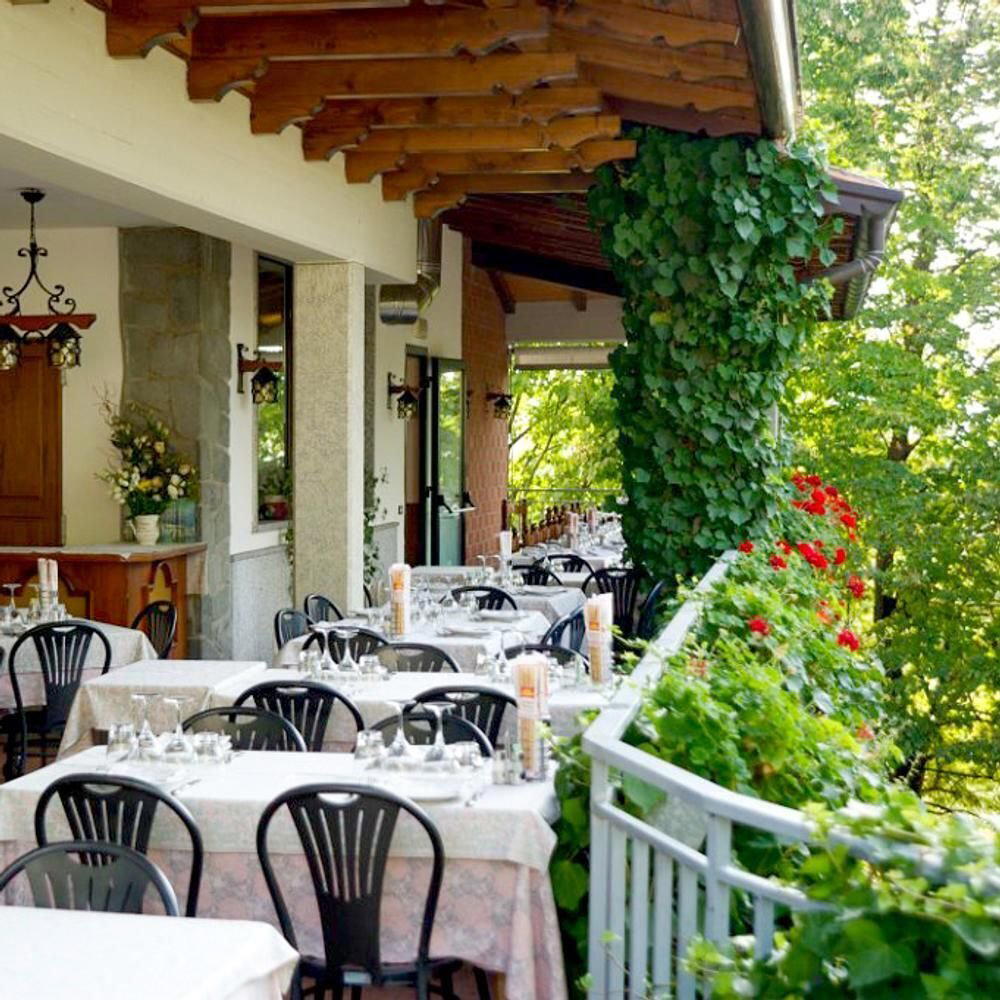
Hotels in Ponte dell'Olio
Browse all →
Wineries in Ponte dell'Olio
Browse all →
At a Glance
- Cozy
- Elegant
- Rustic
- Intimate
- Date Night
- Special Occasion
- Terrace
- Historic Building
- Extensive Wine List
- Local Sourcing
Current opening hours
- Monday
- Closed
- Tuesday
- Closed
- Wednesday
- 12–2 PM, 8–10 PM
- Thursday
- 12–2 PM, 8–10 PM
- Friday
- 12–2 PM, 8–10 PM
- Saturday
- 12–2 PM, 8–10 PM
- Sunday
- 12–2 PM, 8–10 PM
Hours can change for holidays and private events. Last verified .
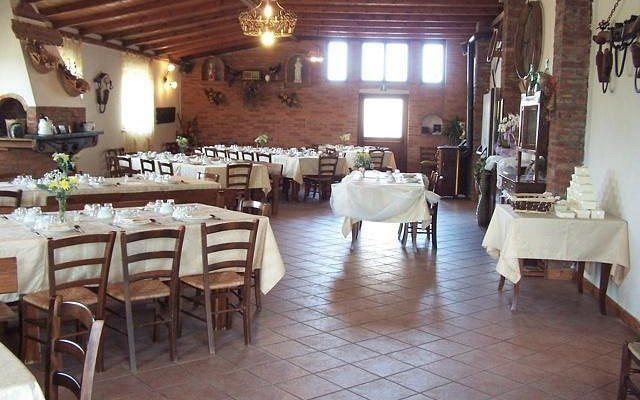
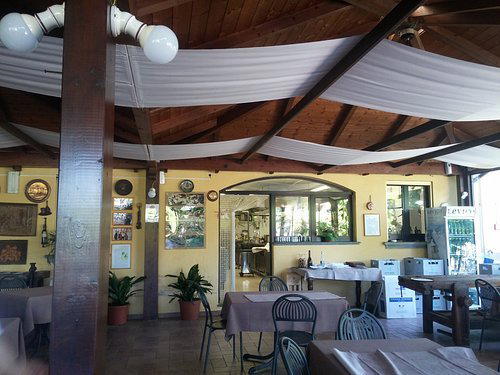
Warm, welcoming, and homely dining room with pleasantly retro ambiences, flashes of modernity, and a lovely sunny garden terrace.