Ristorantino Gismondi occupies a corner of Nuremberg's dining scene where Italian tradition and German precision tend to find common ground. Located at Winner Zeile 31 in the 90482 district, the restaurant operates within a city that has quietly developed one of Bavaria's more considered fine-dining clusters, placing it alongside a competitive comparable set that rewards repeat visits over impulse bookings.
Pearl is the En Primeur Club membership app — saves, bookings, and concierge access live there. Same editors, same standards.
- Address
- Winner Zeile 31, 90482 Nürnberg, Germany
- Phone
- +4991147897390
- Website
- ristorantinogismondi.de
- Directions
- Get directions
 Saves & bookings on Pearl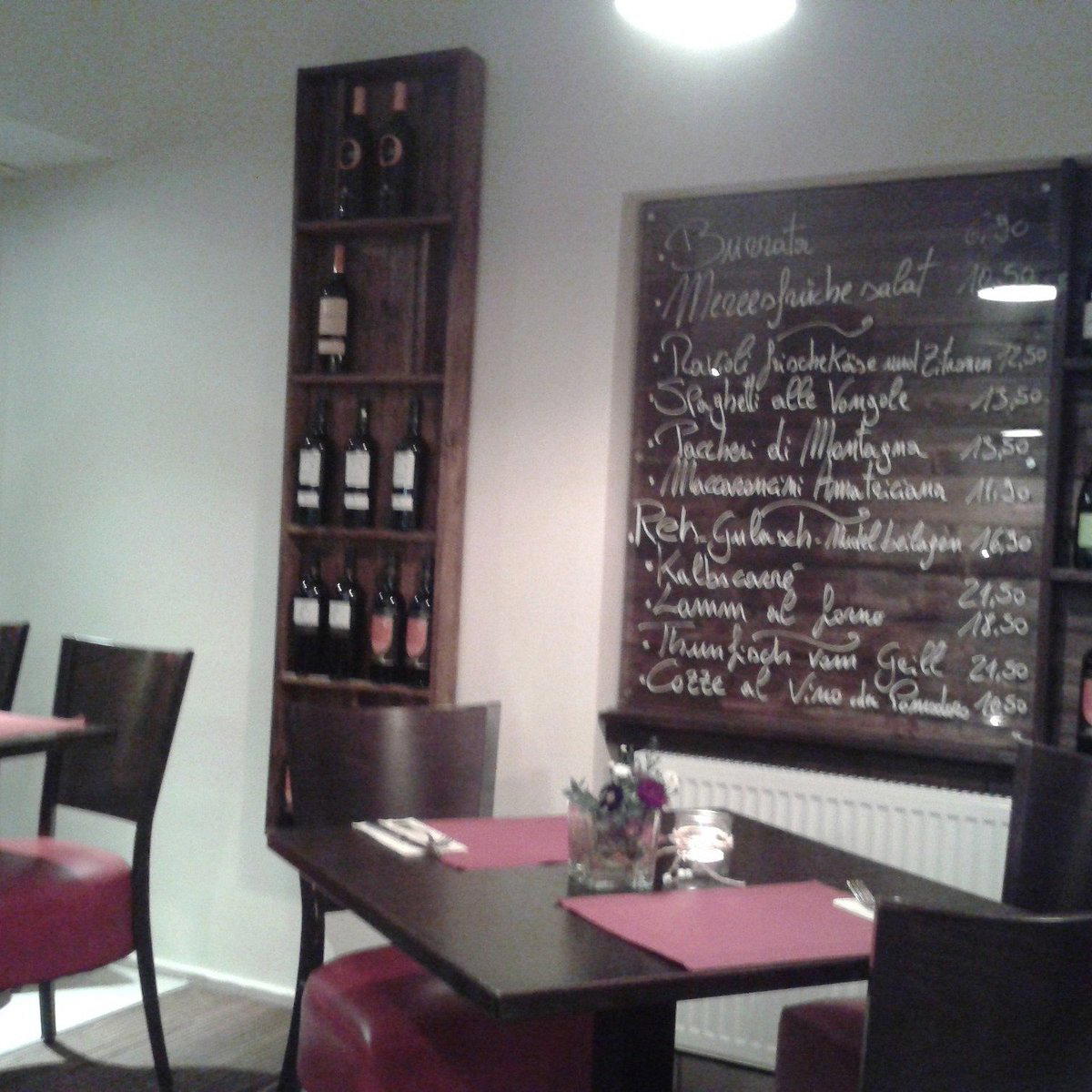
A Room That Sets Its Own Tempo
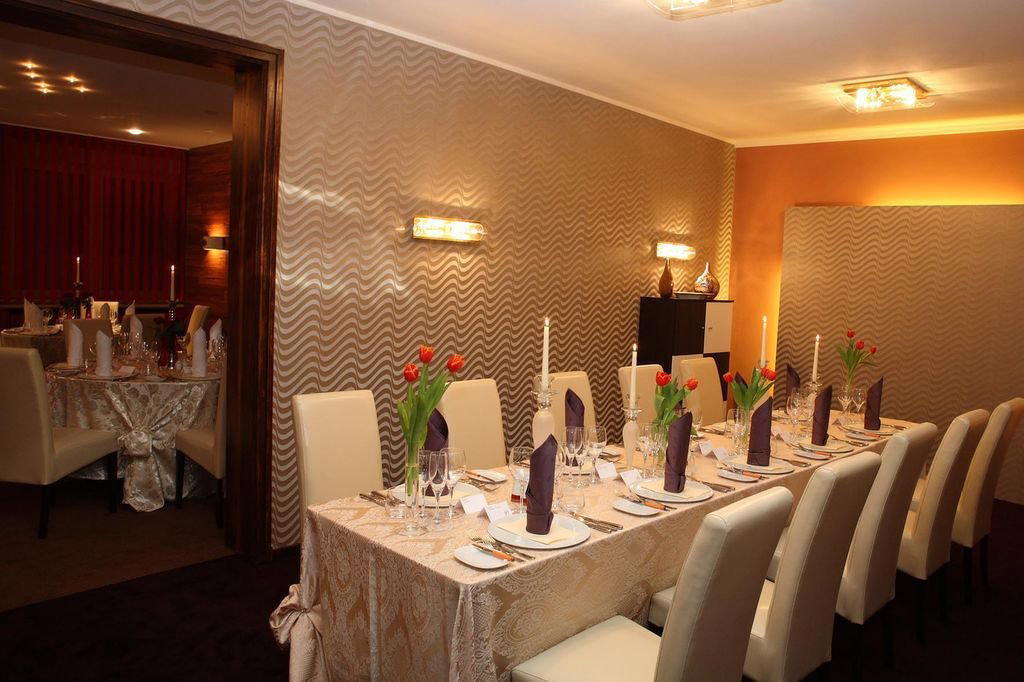
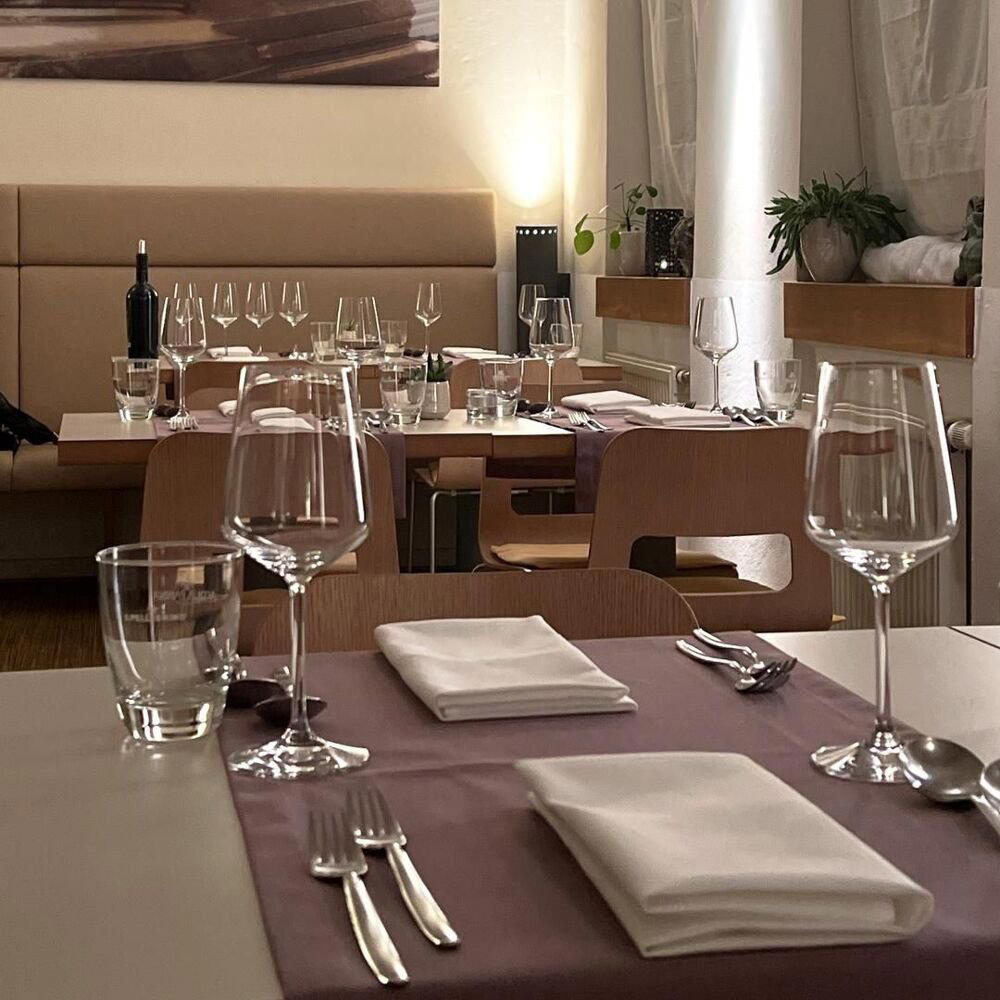
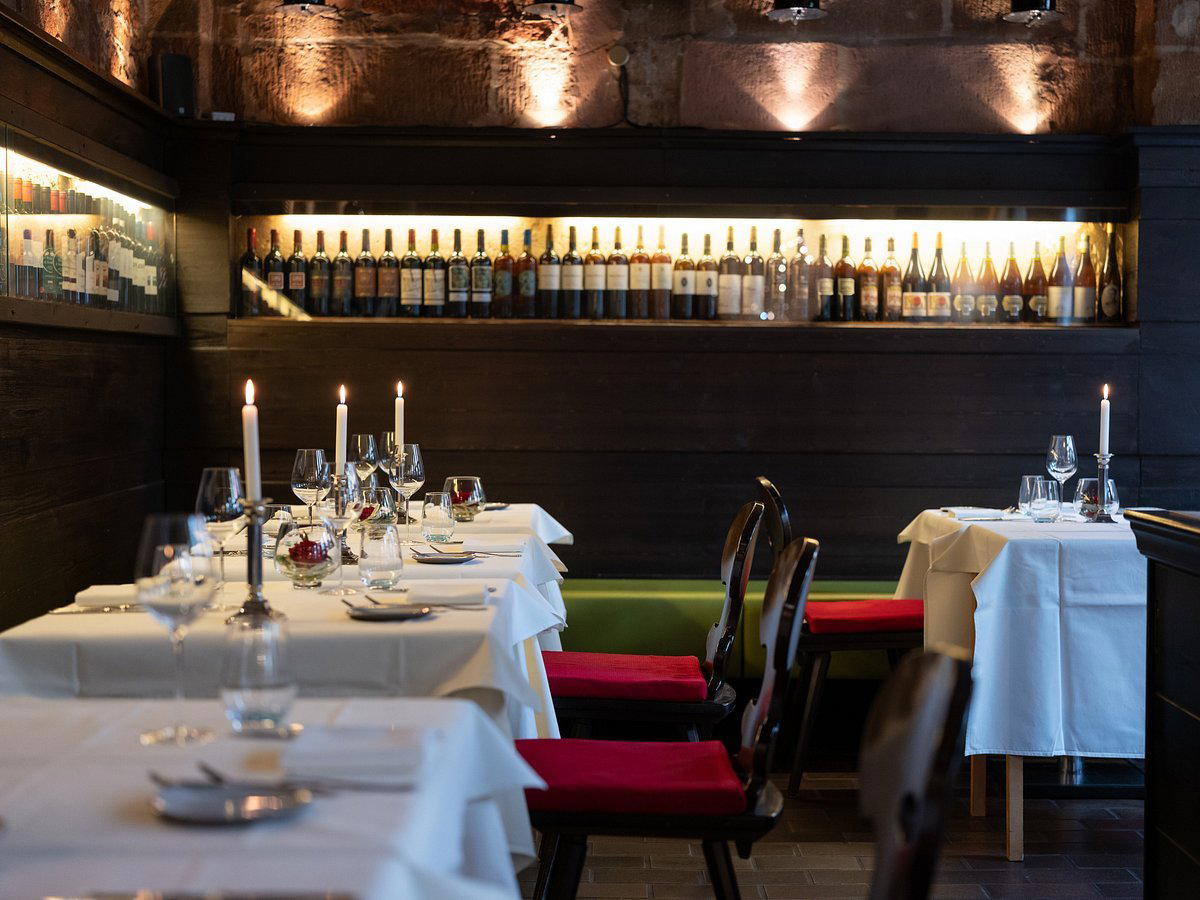
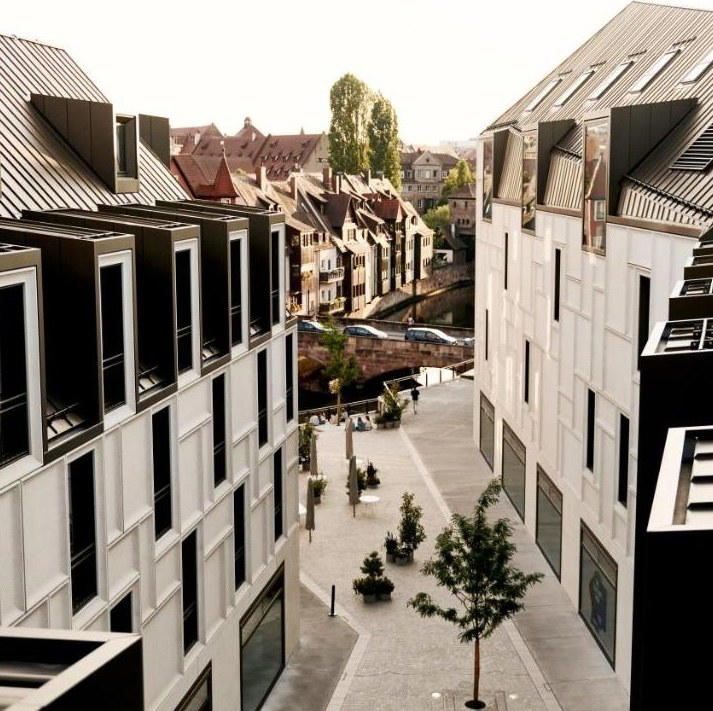
Nuremberg's finer dining rooms share a tendency toward restraint. The city's medieval streetscape and manufacturing heritage have produced interiors that favour considered proportions over theatrical gesture, and Ristorantino Gismondi, a Traditional Italian Trattoria at Winner Zeile 31 in Nürnberg, reads from that same architectural grammar. The ristorantino format, a deliberate diminutive in Italian, signals scale as an editorial choice rather than a limitation. Rooms of this type typically seat fewer covers, which changes the acoustic register considerably: conversation holds at a manageable level, the kitchen's rhythm becomes part of the ambient texture, and the pacing between courses follows the room rather than the clock.
That physical container matters more than it might appear. In cities where Italian restaurants range from neighbourhood trattoria to white-tablecloth set-piece, the smaller format occupies a middle register that many diners find easier to sustain across two or three hours. The seating arrangement in rooms of this scale typically places tables at intervals that allow privacy without creating the isolation of a formal dining room. The address in a residential-commercial district suggests an environment built for regulars as much as occasion dining.
Where Gismondi Sits in Nuremberg's Dining Order
Nuremberg is not a city that announces its restaurant culture loudly, but it sustains a more considered fine-dining tier than its tourism profile implies. At the upper end, Essigbrätlein operates at the €€€€ price point with a Modern German and innovative format that has drawn sustained critical recognition. Tisane works a Modern European register at comparable pricing, while etz brings a Creative designation to the same bracket. Below that ceiling, Entenstuben and Koch und Kellner hold the Modern Cuisine position at €€€€, while Veles works a similar register at the €€€ tier.
Ristorantino Gismondi is in the 25 USD per person range, placing it comfortably within this hierarchy. What the format and address suggest is a positioning closer to the neighbourhood-specialist register than to the destination-dining tier occupied by Essigbrätlein. That is not a diminishment: in most European cities, the neighbourhood specialist that earns local loyalty over years of consistent cooking often outlasts the destination room that relies on critical attention for its bookings.
Italian Cooking in a German Context
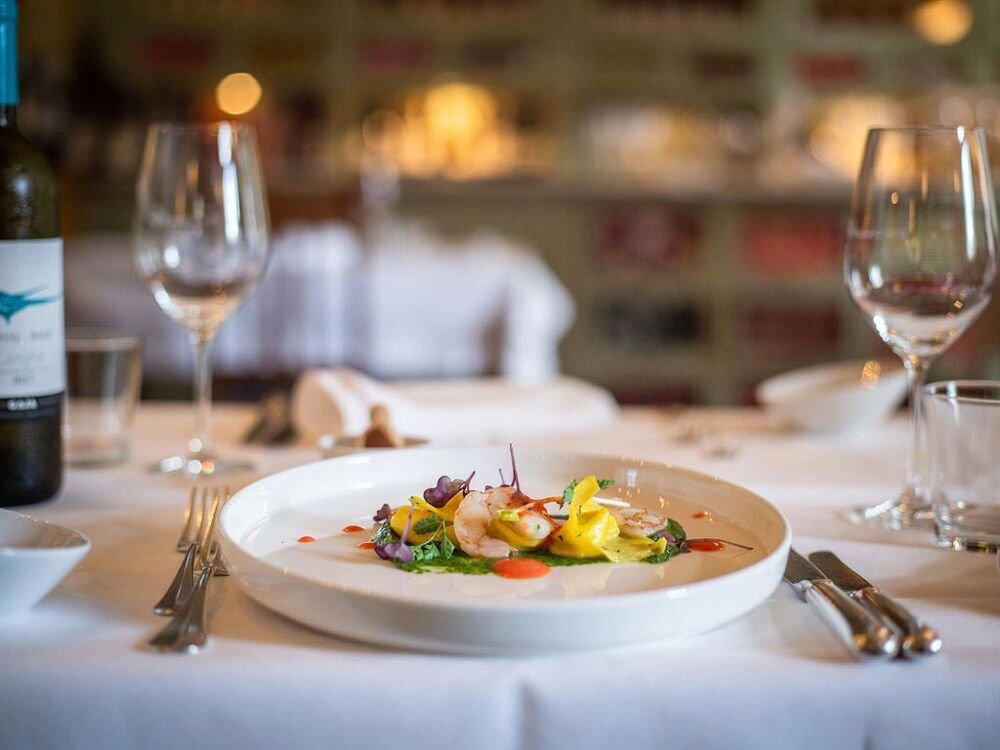
Italian restaurants in German cities occupy a specific cultural position. Germany has absorbed Italian cooking more deeply than almost any other Northern European country, and the result is a market with genuine sophistication at one end and enormous casual volume at the other. The ristorantino category, by contrast, tends to draw from the Italian tradition of the family-run room with a focused menu: fewer dishes, tighter sourcing, cooking that does not require explanatory theatre to land its point.
In a city like Nuremberg, where Franconian cooking traditions run deep and the local hospitality market rewards precision over novelty, an Italian room that operates with this kind of focus tends to find a loyal clientele. The comparison set worth drawing here is not with other Italian restaurants in the city but with the broader pattern across Germany's mid-tier cities: in Stuttgart, Düsseldorf, and Hamburg, the Italian rooms that have sustained decade-long reputations share a common characteristic of restraint. They hold a lane and deepen it. Restaurant Haerlin in Hamburg represents the formal end of this German fine-dining spectrum, while venues like Ristorantino Gismondi operate in the more intimate register that accounts for a significant share of the serious eating in any German city.
Nuremberg in the Broader German Fine-Dining Map
Germany's fine-dining geography tends to cluster around Munich, Hamburg, and the southwest, where Schwarzwaldstube in Baiersbronn and Waldhotel Sonnora in Dreis sit at the country's highest formal tier. Aqua in Wolfsburg and Vendôme in Bergisch Gladbach represent the serious rooms attached to hotel settings. At the more experimental end, CODA Dessert Dining in Berlin has pushed format boundaries in ways that few rooms elsewhere in the country have matched. JAN in Munich, ES:SENZ in Grassau, Schanz in Piesport, and Victor's Fine Dining by Christian Bau in Perl complete a picture of a country where serious cooking is distributed across a wide geography rather than concentrated in one city.
Nuremberg sits within this map as a city with genuine culinary depth that is rarely covered at the same length as Munich or Berlin. For international visitors planning a Bavarian circuit, the city rewards an extra night specifically to eat: the combination of Essigbrätlein at the summit tier and neighbourhood specialists like Ristorantino Gismondi in the middle register provides a range that most similarly sized German cities cannot match. For international reference points, the room's format and evident scale invite comparison with the more intimate end of New York's serious dining scene: venues like Atomix demonstrate how a small, focused room can operate at high intensity, while Le Bernardin represents the formal anchor at the opposite end of the scale spectrum.
Planning Your Visit
The restaurant is located at Winner Zeile 31 in Nuremberg's 90482 district, which places it outside the immediate historic centre. This kind of address is typical of the neighbourhood-specialist category: lower rents, a local clientele base, and a physical environment that does not compete with the tourist circuit. Visitors arriving by rail to Nuremberg Hauptbahnhof can reach the restaurant by public transit.
Given the format, a reservation is recommended, particularly for weekend evenings. Dietary requirements are worth confirming at booking rather than at the table: rooms of this scale typically accommodate with advance notice but cannot always improvise within a set menu structure. Current hours are Mon: 5-10 PM; Tue: 12-2 PM, 5-10 PM; Wed: 5-10 PM; Thu: 5-10 PM; Fri: 12-2 PM, 5-10 PM; Sat: 5-10 PM; Sun: Closed.
At a Glance
Comparable venues nearby, for context on price, style, and recognition.
| Venue | Cuisine | Price | Notes |
|---|---|---|---|
| Ristorantino GismondiThis venue — the venue you are viewing | Not listed | $$ | Not listed |
| Chai Roti Nürnberg | Altstadt, Indian Street Food | $$ | Not listed |
| Kakehashi | Mitte, Japanese Kappo Cuisine | $$$ | Not listed |
| Restauration Fischer | Not listed | $$$$ | Altstadt (Old Town), Modern Bavarian Haute Cuisine |
| Kokono Nürnberg | Not listed | $$ | Altstadt - St. Lorenz, Modern Japanese & Pan Asian Sushi |
| MINNECI | Not listed | $$$ | Old Town, Italian Fine Dining with Mediterranean Influences |
Continue exploring
More in Nuremberg
Restaurants in Nuremberg
Browse all →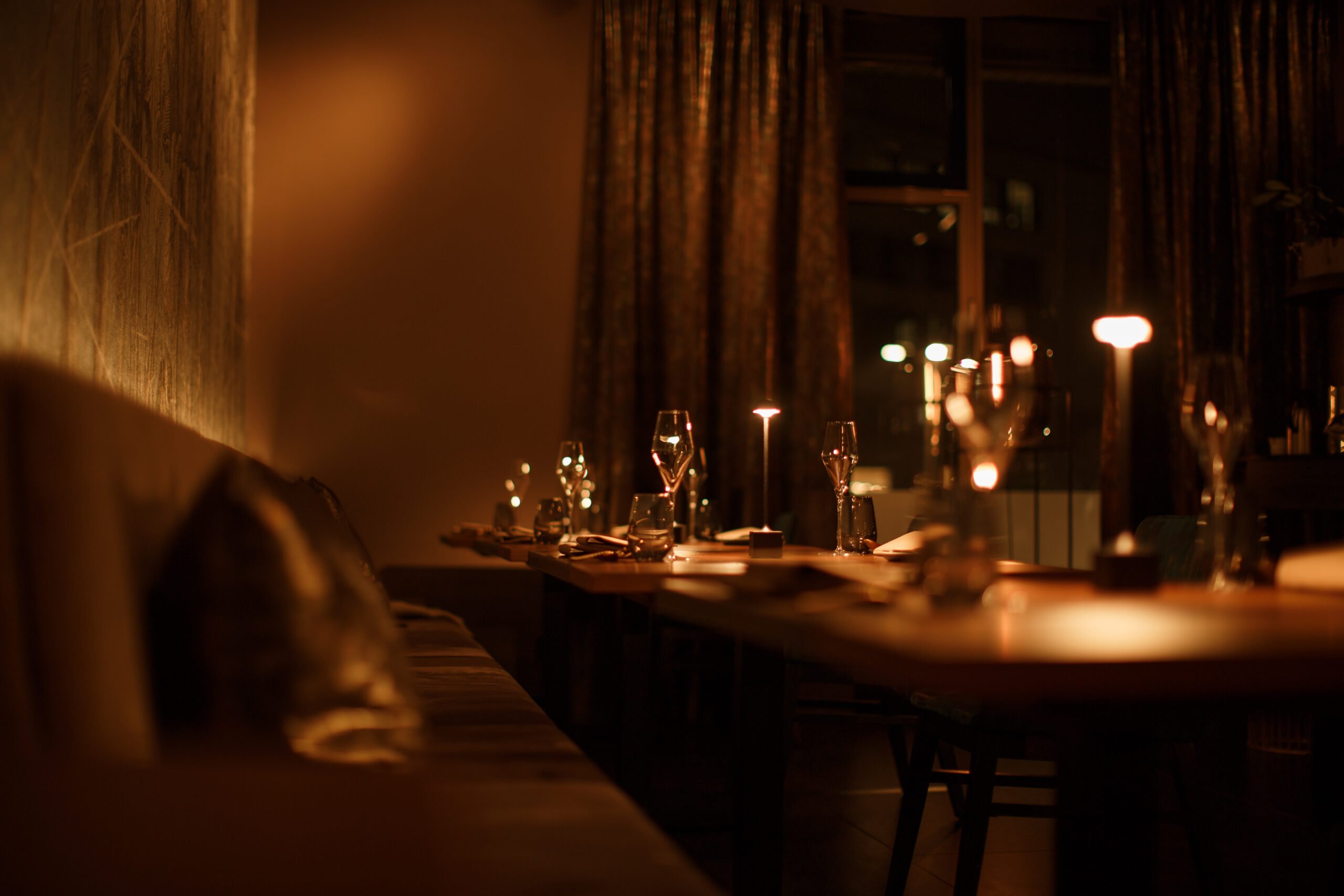
Bars in Nuremberg
Browse all →
Hotels in Nuremberg
Browse all →
Wineries in Nuremberg
Browse all →
At a Glance
- Cozy
- Classic
- Intimate
- Date Night
- Casual Hangout
- Standalone
- Beer Program
- Local Sourcing
Current opening hours
- Monday
- 5–10 PM
- Tuesday
- 12–2 PM, 5–10 PM
- Wednesday
- 5–10 PM
- Thursday
- 5–10 PM
- Friday
- 12–2 PM, 5–10 PM
- Saturday
- 5–10 PM
- Sunday
- Closed
Hours can change for holidays and private events. Last verified .
Small and cozy with a warm, welcoming atmosphere; intimate setting ideal for authentic Italian dining experience.