On Rimini's seafront stretch along Viale Amerigo Vespucci, Ristorante Marlin occupies a position familiar to the Adriatic dining tradition: a coastal address where the day's catch drives the menu. Rimini's restaurant scene divides between casual beachside trattorie and more considered seafood houses, and Marlin sits within that broader pattern of ingredient-led cooking shaped by proximity to the water.
- Address
- Viale Amerigo Vespucci, 71, 47921 Rimini RN, Italy
- Phone
- +39541785959
- Website
- ristorantemarlinrimini.it
- Directions
- Get directions
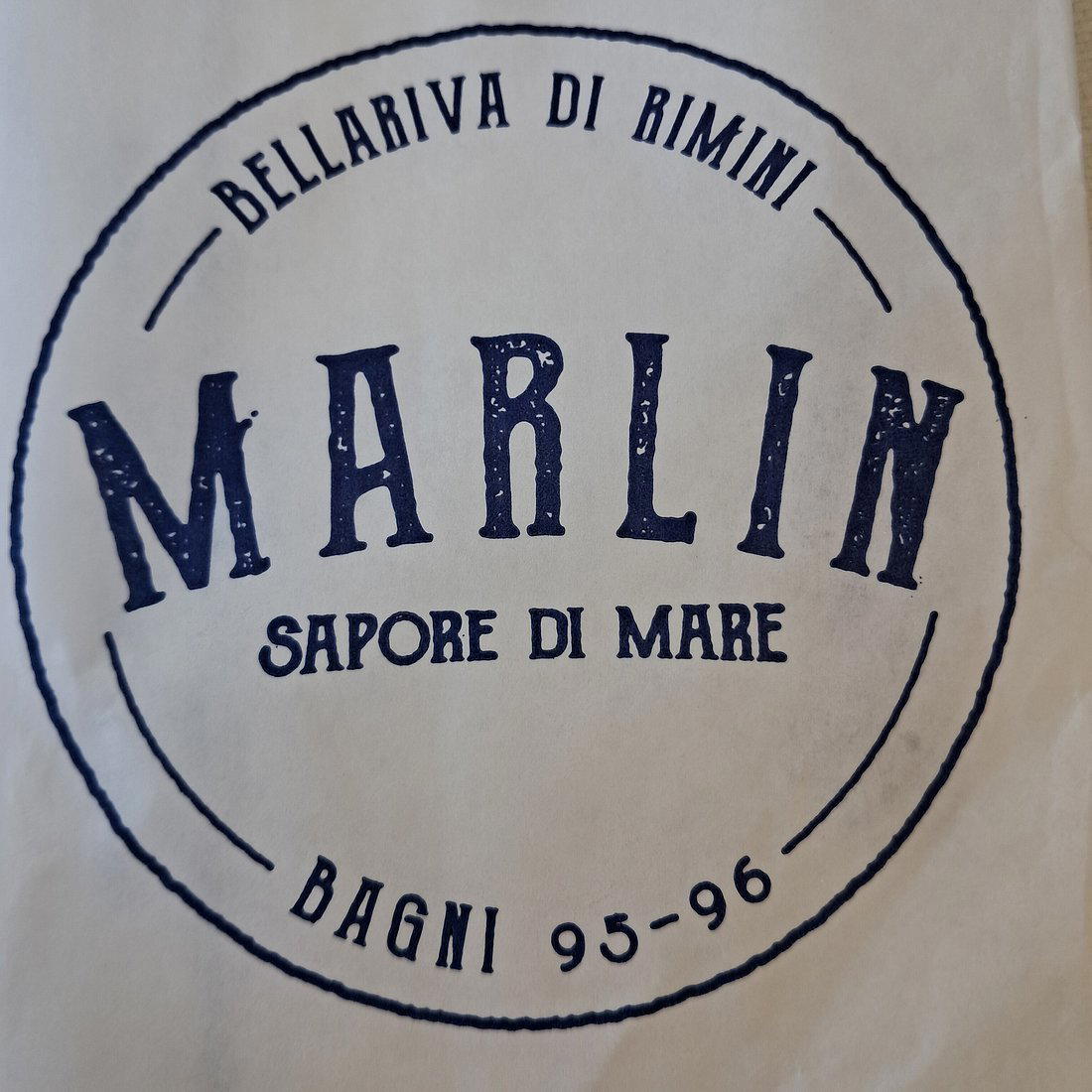
Where the Adriatic Sets the Menu
Viale Amerigo Vespucci runs parallel to Rimini's long arc of beach, a boulevard where the smell of salt air mingles with evening kitchen smoke and the steady hum of a city that treats the sea as both livelihood and larder. Ristorante Marlin sits along this stretch at number 71, a postcode that places it squarely within the seafront dining corridor that has defined Rimini's restaurant identity for decades. Approaching from the promenade, the venue belongs to a type recognisable across the northern Adriatic coast: a dining room oriented toward the water, with a clientele that ranges from local regulars who track the seasonal catch to visitors arriving from the broader Emilia-Romagna region.
Rimini occupies a specific position in the geography of Italian coastal dining. It is not a boutique fishing village. It is a city of scale, with a beach economy that drives high turnover and, in the better establishments, a genuine commitment to sourcing that separates the serious houses from the tourist-facing imitators. The Adriatic is a productive sea for certain species, cuttlefish, sole, mazzancolle prawns, the small clams that define spaghetti alle vongole in this region, and the leading Rimini tables treat proximity to the catch as a discipline, not a marketing point.
The Adriatic Sourcing Question
Along the Emilia-Romagna coastline, the conversation about ingredient sourcing has grown more specific over the past decade. The region's reputation rests partly on its agricultural interior, Parmigiano Reggiano, Prosciutto di Parma, the wine estates of the Colli Riminesi, but the coastal strip adds a parallel identity built on daily fish markets and the short distance between net and plate. Rimini's Mercato Ittico, the wholesale fish market that supplies much of the city's restaurant trade, sits close enough to the dining corridor that morning purchases can reach lunch service with minimal transit time. This logistics detail matters more than it might seem: Adriatic fish species, particularly flatfish and shellfish, benefit from the shortest possible chain between harbour and kitchen.
Restaurants along Viale Vespucci that take sourcing seriously operate within this tight supply geography. The decision about which fish to serve on a given day is, in the better houses, made after the market rather than before it. Menus printed daily or communicated verbally at the table are a reliable signal of this approach, since a static printed menu almost always indicates pre-committed purchasing rather than market-responsive cooking. In this context, a seafront address like Marlin carries both the advantage of proximity and the obligation to use it.
Rimini's Seafood Tier: Where Marlin Sits
Rimini's seafood restaurants currently divide into at least three legible tiers. At the base, beach-facing establishments serve grilled fish at accessible price points, prioritising speed and volume. In the middle tier, neighbourhood restaurants like Dallo Zio offer a more considered seafood focus at moderate prices, building loyal local followings over years. The upper tier includes addresses like Guido, which layers Piemontese culinary tradition onto Adriatic seafood at the €€€ price point, and Da Lucio, which applies a modern seafood approach at the same level. Abocar Due Cucine operates in the creative register, bringing a different kind of ambition to the city's dining conversation.
Ristorante Marlin occupies the €€€ tier and focuses on Italian Seafood. Comparisons within the city are useful precisely because they reveal how much the Adriatic sourcing question plays out differently across price points: the same raw material, handled with varying degrees of technique and editorial intent.
The Emilia-Romagna Table: Broader Context
Rimini belongs to a region that has produced some of Italy's most discussed restaurants. Osteria Francescana in Modena and Dal Pescatore in Runate operate at the level where regional identity and international recognition intersect. These are not directly comparable to a Rimini seafront address, but they establish the culinary seriousness that the wider region takes as a baseline expectation. Other Italian fine-dining points of reference include Enoteca Pinchiorri in Florence, Le Calandre in Rubano, Enrico Bartolini in Milan, Piazza Duomo in Alba, Reale in Castel di Sangro, and Quattro Passi in Marina del Cantone, each anchoring a distinct regional tradition. Beyond Italy, for readers benchmarking against the global seafood fine-dining tier, Le Bernardin in New York City and Atomix represent what sustained critical recognition looks like at the international level.
Within Rimini itself, the city's non-seafood identity is worth noting: Cà Miriam Piada e Cassoni represents the piadina tradition, the flatbread that is as much a marker of Romagnola identity as any fish dish, and functions as a reminder that the city's culinary character is not exclusively coastal.
Planning Your Visit
Ristorante Marlin is located at Viale Amerigo Vespucci, 71, in the 47921 postal district of Rimini, placing it within the main seafront dining corridor. Rimini is accessible by train on the main Bologna-Bari line, with the central station approximately twenty minutes' walk from the seafront. For visitors arriving by car, parking along and behind Viale Vespucci is variable in peak summer months, when the beach economy compresses demand across the entire seafront strip. The summer period from June through August represents Rimini's highest-footfall season; visiting in late May or September typically means shorter waits and a more local dining room. Booking in advance is advisable during peak season for any seafront address in this city. Specific hours are not published here, and reservations are recommended.
Fast Comparison
Comparable venues nearby, for context on price, style, and recognition.
| Venue | Cuisine | Price | Awards | Notes |
|---|---|---|---|---|
| Ristorante MarlinThis venue — the venue you are viewing | Italian Seafood | $$$ | Not listed | Not listed |
| i-Fame | Modern Italian Fine Dining | $$$ | Michelin Plate | Rimini |
| Quartopiano | Modern Italian Fine Dining | $$$ | Michelin Plate | business district |
| Cà Miriam Piada e Cassoni - Piadineria | Romagnola Piadina and Cassoni | $ | Not listed | Rimini beachfront |
| Osteria io e Simone | Traditional Emilia-Romagna Italian | $$ | Not listed | Historic Centre |
| Osteria de Börg | Traditional Romagnola Trattoria | $$ | Bib Gourmand | Borgo San Giuliano |
Continue exploring
More in Rimini
Restaurants in Rimini
Browse all →
Hotels in Rimini
Browse all →
Wineries in Rimini
Browse all →
At a Glance
- Cozy
- Terrace
- Waterfront
- Extensive Wine List
- Waterfront
Cool atmosphere with warm hospitality on a charming seafront terrace.