A small osteria on one of Rimini's quieter piazzas, io e Simone operates in the tradition of Romagna trattoria cooking, where the sourcing of ingredients shapes the menu more than any fixed formula. It sits in a different register from the city's seafood-forward restaurants, prioritising the inland pantry of Emilia-Romagna. For visitors willing to step away from the seafront circuit, it offers a grounded alternative to the louder dining options along the coast.
Pearl is the En Primeur Club membership app — saves, bookings, and concierge access live there. Same editors, same standards.
- Address
- Piazzetta Teatini, 3, 47921 Rimini RN, Italy
- Phone
- +39 0541 709742
- Website
- ioesimone.com
 Saves & bookings on Pearl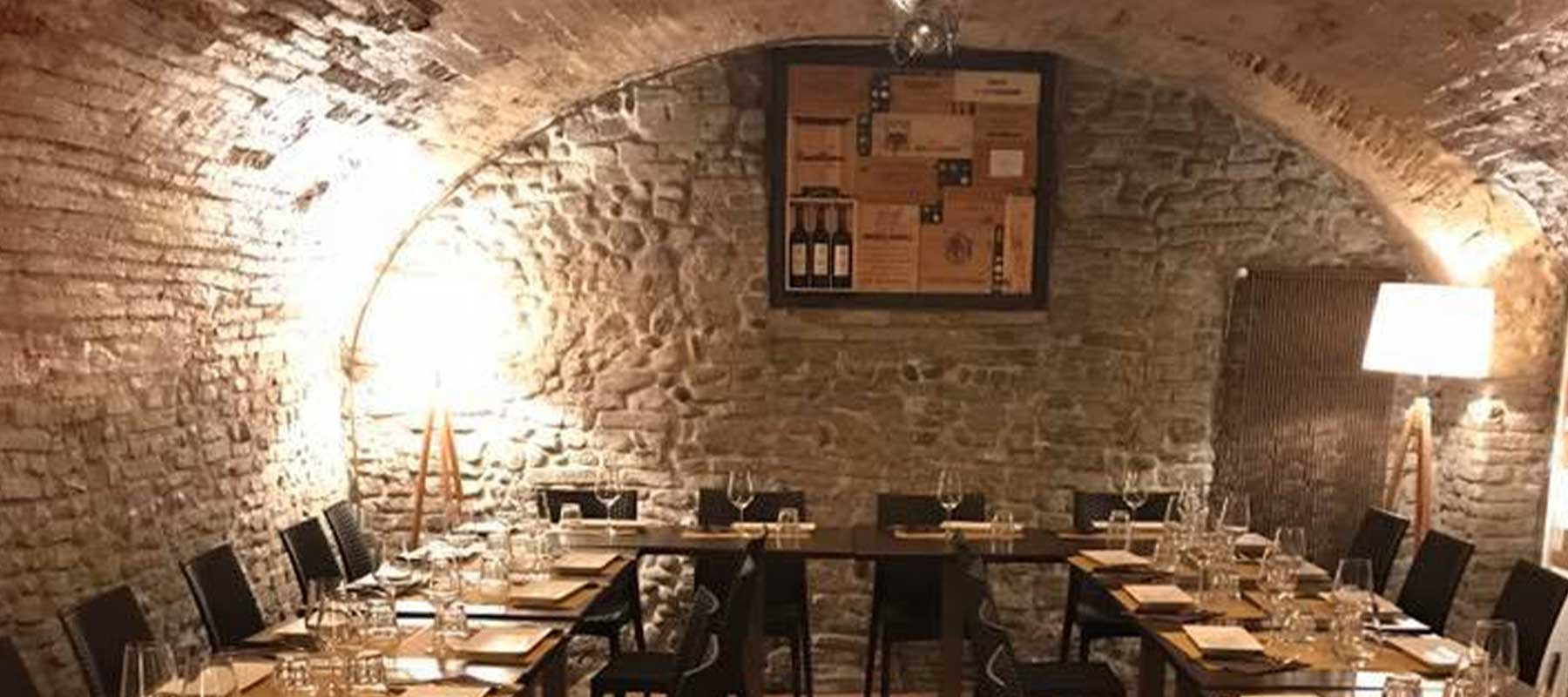
The Piazzetta Setting and What It Signals
Piazzetta Teatini is the kind of address that does not appear on most tourist itineraries. A few steps from the broader pedestrian grid of central Rimini, it sits in the old town at Piazzetta Teatini, 3. An osteria at this address is making a statement before a single plate arrives: the point is not visibility, it is the regulars who already know where to find it.
In Emilia-Romagna, the word osteria carries weight. It implies a specific set of commitments: a short menu anchored to the season, sourcing that leans on the regional pantry, and a room that prioritises comfort over theatre. The format has roots in the working-class dining houses that once fed farmers and travellers across the Po Valley, and while the modern osteria is rarely that austere, the better ones maintain the underlying logic of feeding people well from what is nearby and in season.
Rimini's Dining Map and Where an Osteria Fits
Rimini's restaurant scene divides roughly along a coastal-inland axis. The seafront and the fishing port pull the bulk of dining attention toward Adriatic catch, with venues like Guido and Da Lucio representing the higher end of seafood-led cooking, and places like Dallo Zio covering the mid-range. At the other extreme, a handful of spots focus on the inland Romagna tradition: handmade pasta, cured meats, and the kind of cooking where the quality of flour, lard, and aged cheese matters more than the morning's catch.
An osteria operating outside the seafood circuit places itself in a smaller, less contested niche. For visitors arriving from the Adriatic coast, the shift is noticeable. The frame of reference moves from the port to the hinterland, from grilled fish to slow-braised meat and hand-rolled pasta. This is not a lesser choice; it is a different one, and in many ways a more representative one for understanding what Emilia-Romagna actually eats across its full geography. At the more theatrical end of Italian fine dining, places like Osteria Francescana in Modena have put regional tradition into conversation with high-modernist technique. A neighbourhood osteria in Rimini operates at the opposite end of that spectrum, closer to the source.
Ingredient Sourcing as Editorial Position
In Emilia-Romagna, sourcing is not a marketing concept. It is the baseline assumption. The region produces some of Italy's most regulated and geographically specific ingredients: Parmigiano-Reggiano aged to strict DOP standards, Prosciutto di Parma and its Romagna counterpart, handmade pasta traditions tied to specific towns, and a culture of preserving and fermenting that predates industrial food by centuries. An osteria working within this tradition is, in effect, inheriting a supply chain that has been refined over generations.
What that means in practice is a menu where the sourcing decisions are visible in the cooking. Pasta made from local grain with local eggs behaves differently from commodity pasta. Lard rendered from heritage-breed pigs adds a flavour register that olive oil cannot replicate. Aged balsamic from Modena, properly made, has a depth that the commercial version approximates badly. These distinctions are not nostalgia; they are precision. The leading regional Italian cooking is, at its core, an argument for specificity of origin over efficiency of production, an argument that places like Dal Pescatore in Runate and Uliassi in Senigallia make at a different price point and with greater institutional recognition.
For those curious about how the sourcing ethic translates across format and budget in Italian cooking, the comparison with Reale in Castel di Sangro or Piazza Duomo in Alba is instructive. Those kitchens use the same underlying logic, local and seasonal sourcing as a non-negotiable foundation, but build upward into tasting-menu architecture and fine-dining production values. The neighbourhood osteria strips the architecture away and keeps the foundation.
Rimini as a Dining City Beyond the Beach
Most visitors arrive in Rimini for the coast, and the seafront dining strip serves that expectation efficiently. But the old town, centred on the Piazza Cavour and the streets around the Arch of Augustus, holds a different kind of eating culture: shorter hours, tighter menus, and a clientele that is largely local. This is where the piadina culture lives, at places like Cà Miriam Piada e Cassoni, and where osterie like io e Simone operate without needing to compete on tourist footfall.
The contrast with Rimini's more internationally recognised peers is sharp. Abocar Due Cucine represents the creative end of the city's dining, applying a more self-conscious culinary intelligence to regional ingredients. Io e Simone, based on its positioning and address, sits in the tradition-first camp, where the cooking is not making arguments about innovation but about continuity. Both are legitimate positions; they appeal to different expectations on the same evening.
For context on what ingredient-driven Italian cooking looks like when scaled to its highest expression, Le Calandre in Rubano, Enoteca Pinchiorri in Florence, and Enrico Bartolini in Milan each anchor a different tier of that argument. The neighbourhood osteria is where the argument began, before it acquired Michelin stars and tasting menus.
Further afield, comparisons with format-driven restaurants like Lazy Bear in San Francisco or Le Bernardin in New York City illustrate how far the sourcing-first philosophy has travelled from its regional Italian origins, and how much translation is required to carry it across cultural contexts. Atelier Moessmer Norbert Niederkofler in Brunico and Quattro Passi in Marina del Cantone show what the same philosophy looks like when applied at the fine-dining tier within Italy itself.
Planning a Visit
Piazzetta Teatini, 3 places the osteria in Rimini's historic centre. Booking is recommended.
Fast Comparison
Comparable venues nearby, for context on price, style, and recognition.
| Venue | Cuisine | Price | Awards | Notes |
|---|---|---|---|---|
| Osteria io e SimoneThis venue — the venue you are viewing | Traditional Emilia-Romagna Italian | $$ | , | |
| Dallo Zio | Traditional Italian Seafood | $$$ | Michelin Plate | Rimini center |
| Cà Miriam Piada e Cassoni - Piadineria | Romagnola Piadina and Cassoni | $ | , | Rimini beachfront |
| Osteria de Börg | Traditional Romagnola Trattoria | $$ | Bib Gourmand | Borgo San Giuliano |
| Quartopiano | Modern Italian Fine Dining | $$$ | Michelin Plate | business district |
| i-Fame | Modern Italian Fine Dining | $$$ | Michelin Plate | Rimini |
Continue exploring
More in Rimini
Restaurants in Rimini
Browse all →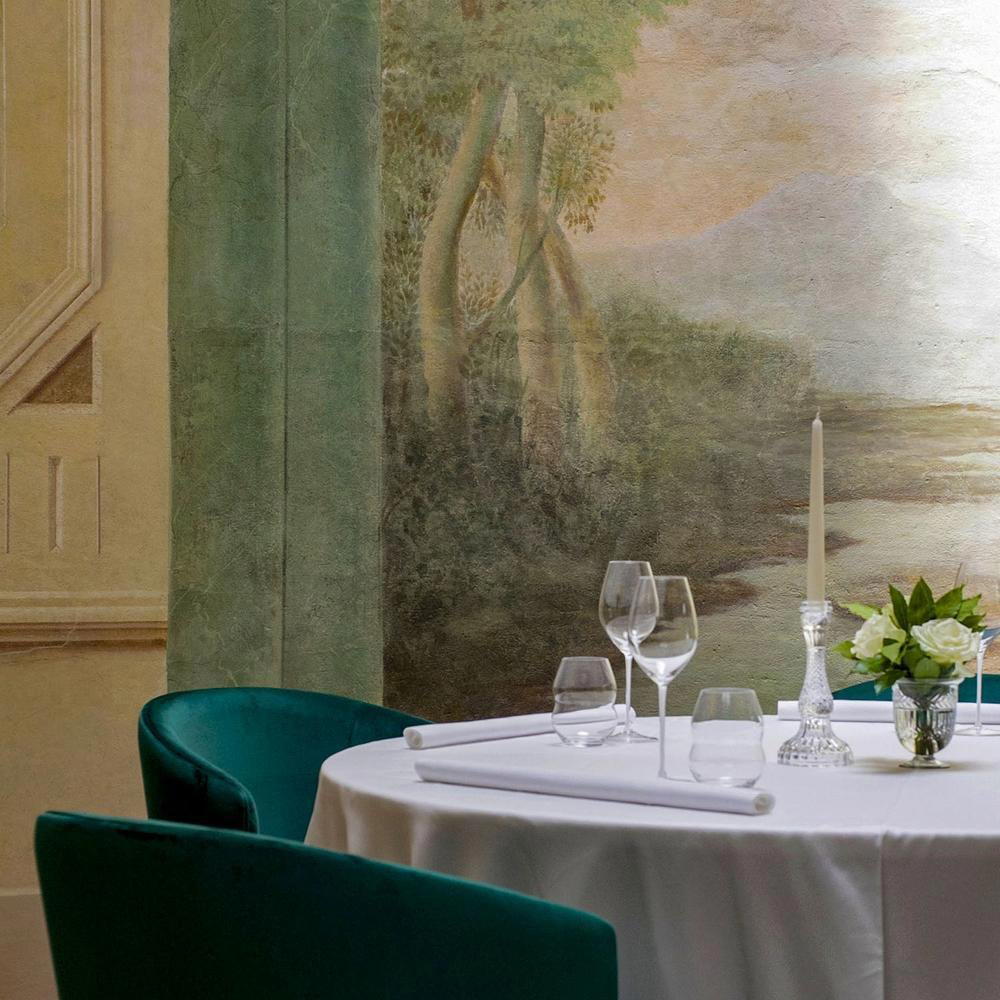
At a Glance
- Cozy
- Intimate
- Classic
- Rustic
- Date Night
- Family
- Group Dining
- Casual Hangout
- Open Kitchen
- Terrace
- Garden
- Historic Building
- Extensive Wine List
- Local Sourcing
- Garden
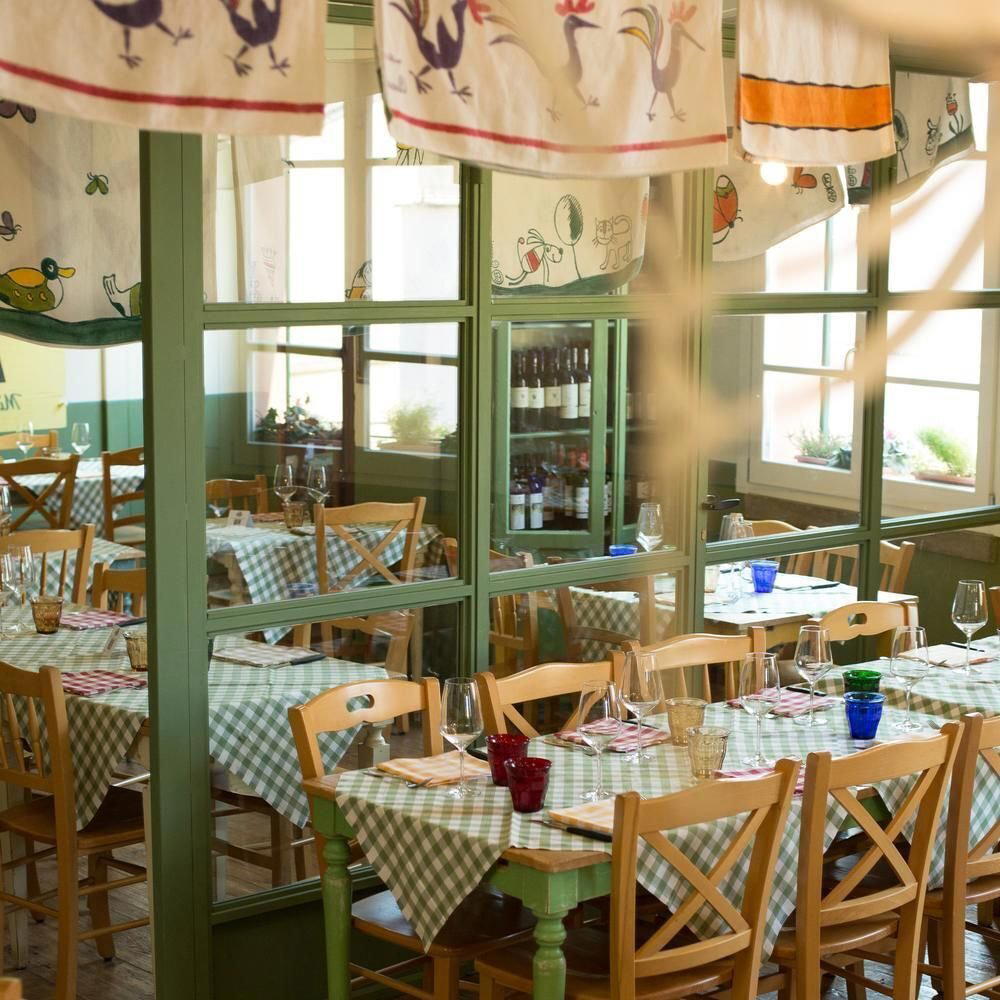
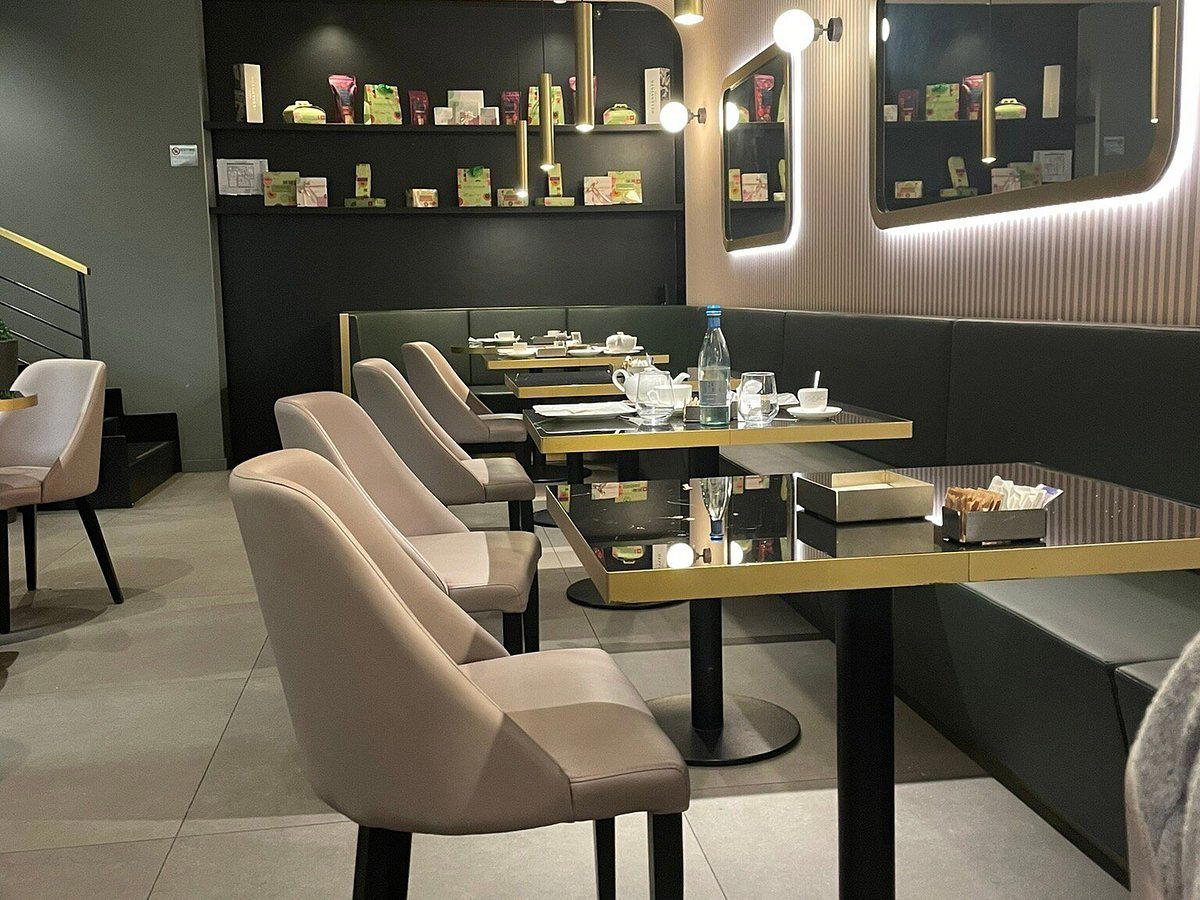
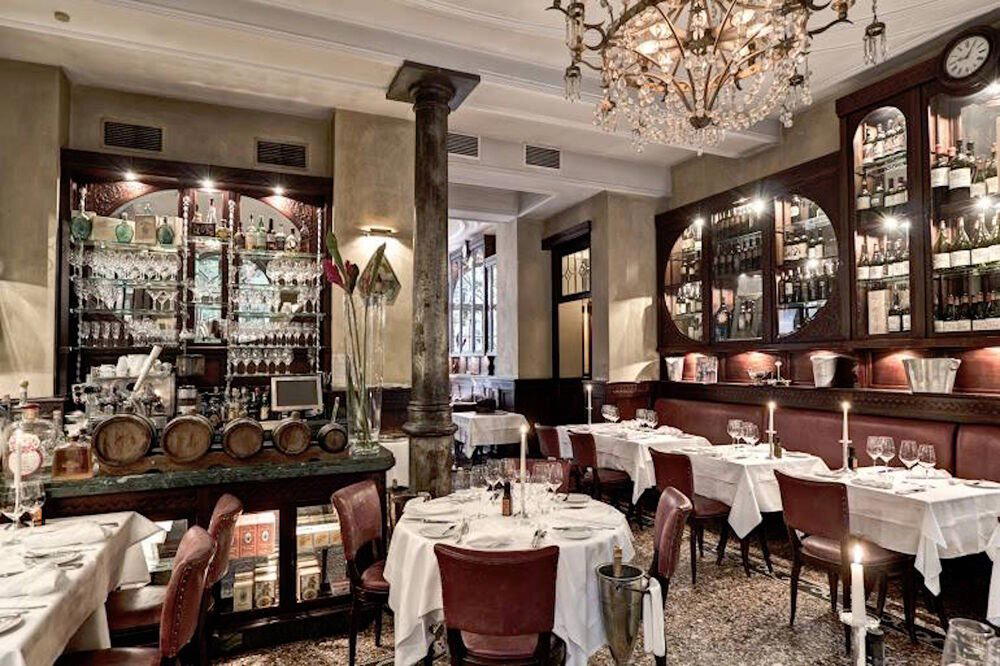
Warm and cozy with pleasant background music, intimate lighting, and a welcoming family-like atmosphere enhanced by beautiful outdoor seating under trees on a quiet square.