Ristorante Le Torri


A family-run trattoria on the main square of Castiglione Falletto, Le Torri sits at the centre of Barolo wine country and serves the kind of Langhe cooking that the surrounding vineyards were built around. The menu draws directly from Piedmontese tradition, with ingredients sourced from the agricultural fabric of one of Italy's most tightly defined wine-producing zones.
Pearl is the En Primeur Club membership app — saves, bookings, and concierge access live there. Same editors, same standards.
- Address
- Piazza Vittorio Veneto, 10, 12060 Castiglione Falletto CN, Italy
- Phone
- +39 0173 62937
- Website
- ristoranteletorri.it
- Directions
- Get directions
 Saves & bookings on Pearl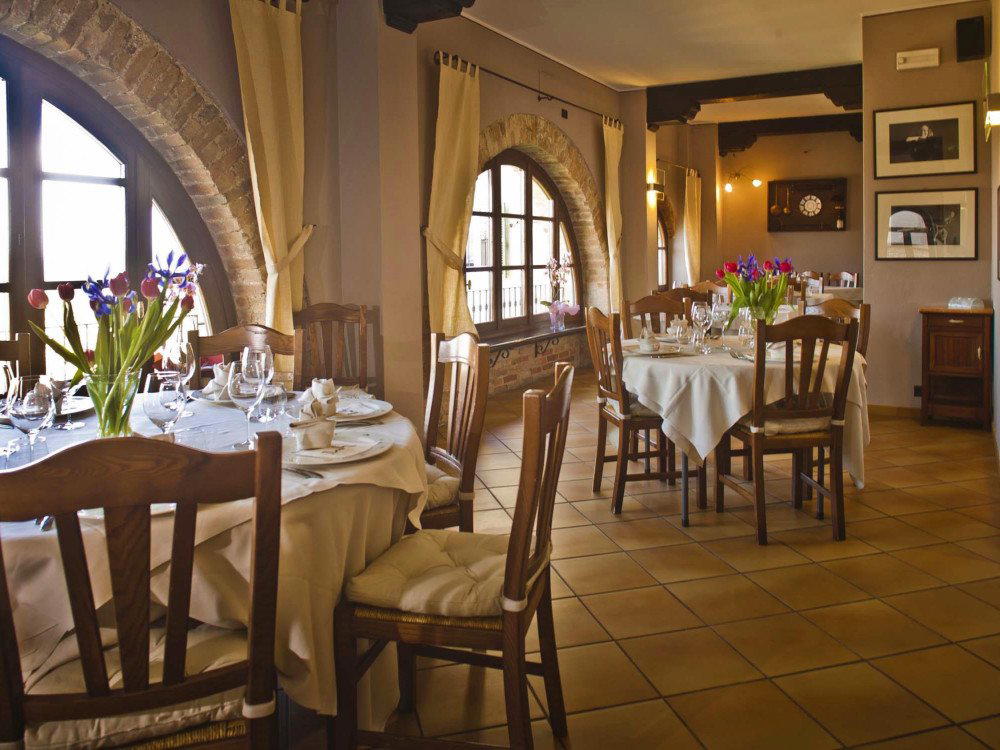
Where Barolo Country Meets the Table
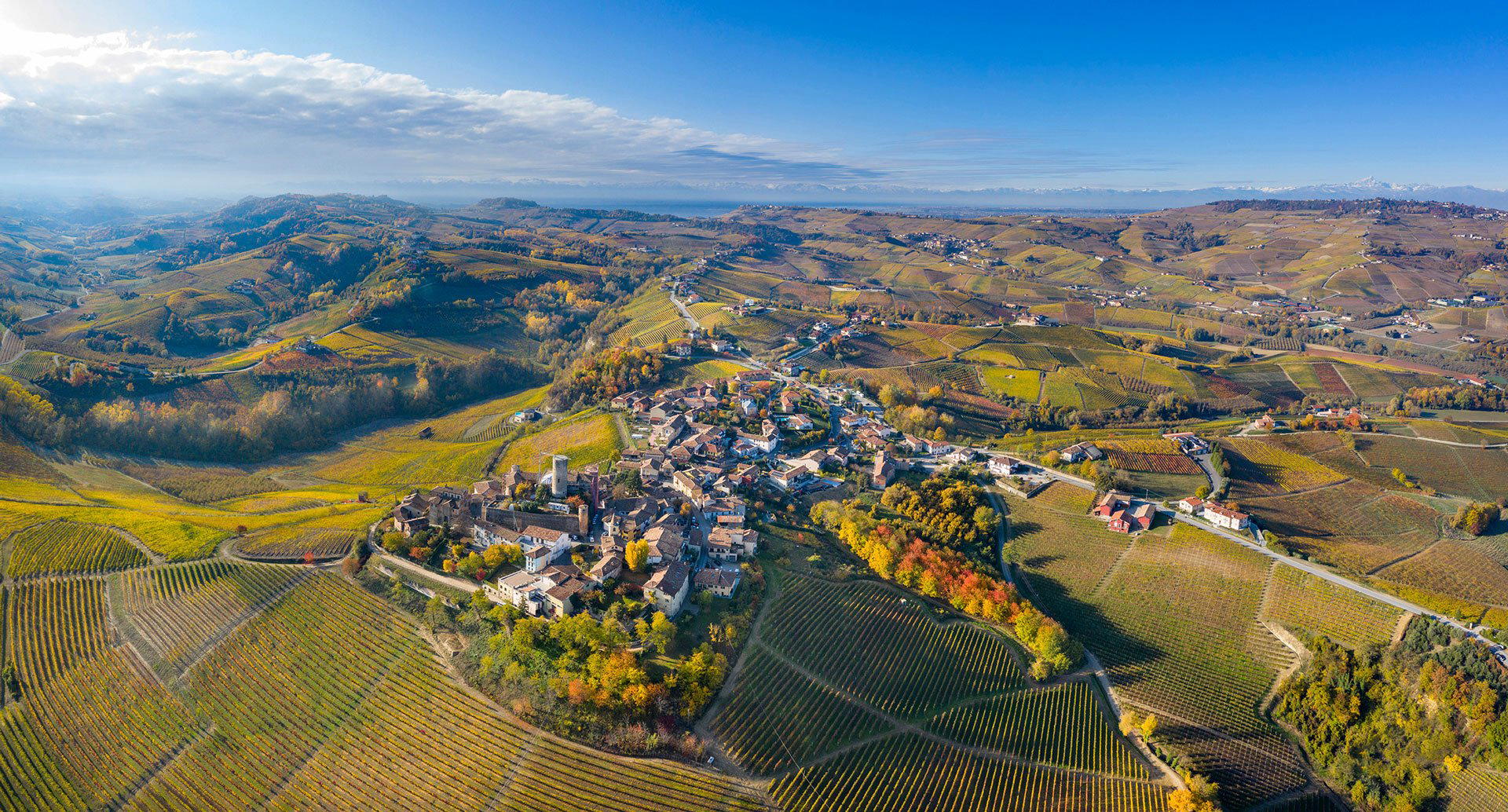
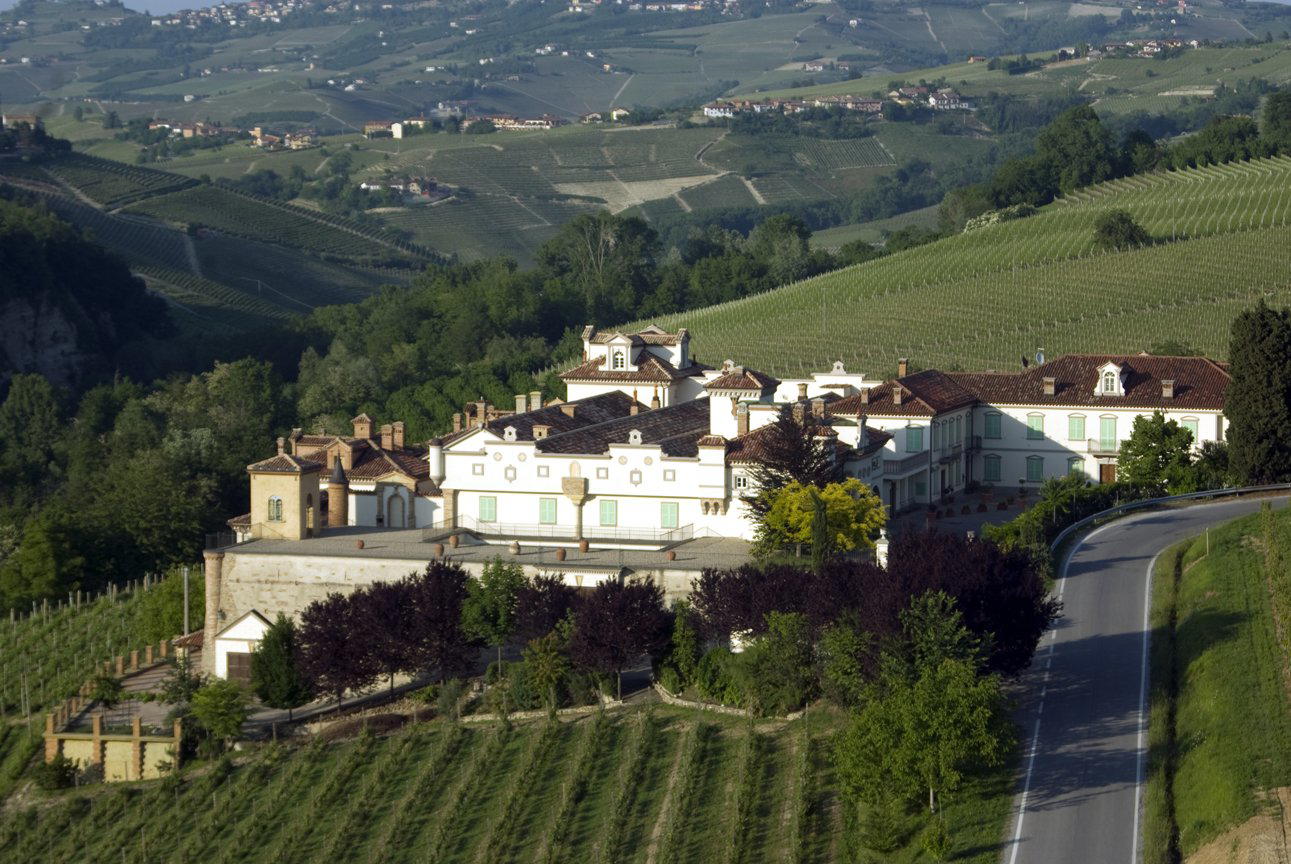
Castiglione Falletto is one of the smallest and most tightly bounded of the eleven Barolo communes, a medieval hilltop village where the castle tower still anchors the skyline and the streets are narrow enough that you brush the stone walls on both sides. Piazza Vittorio Veneto, the village's main square, is the kind of place where local wine producers stop to talk, where the afternoon light sits long on pale stone, and where a family-run restaurant has little margin for the generic. Everything around it is too specific, too rooted in a particular soil and a particular tradition, for the cooking to drift far from its origins. That specificity is the context in which Ristorante Le Torri operates, a traditional Piedmontese restaurant in Castiglione Falletto with.
The Langhe as a region has been producing some of Italy's most discussed food and wine for decades. Piazza Duomo in Alba, roughly fifteen kilometres to the south, represents one end of the spectrum: three Michelin stars, creative Piedmontese cooking read through a contemporary lens. Le Torri sits at a different point on the same line, a trattoria format grounded in the kind of cooking that preceded and still underlies those more technically ambitious interpretations. In Barolo country, that positioning is not a step down. It is its own category.
The Sourcing Logic of the Langhe
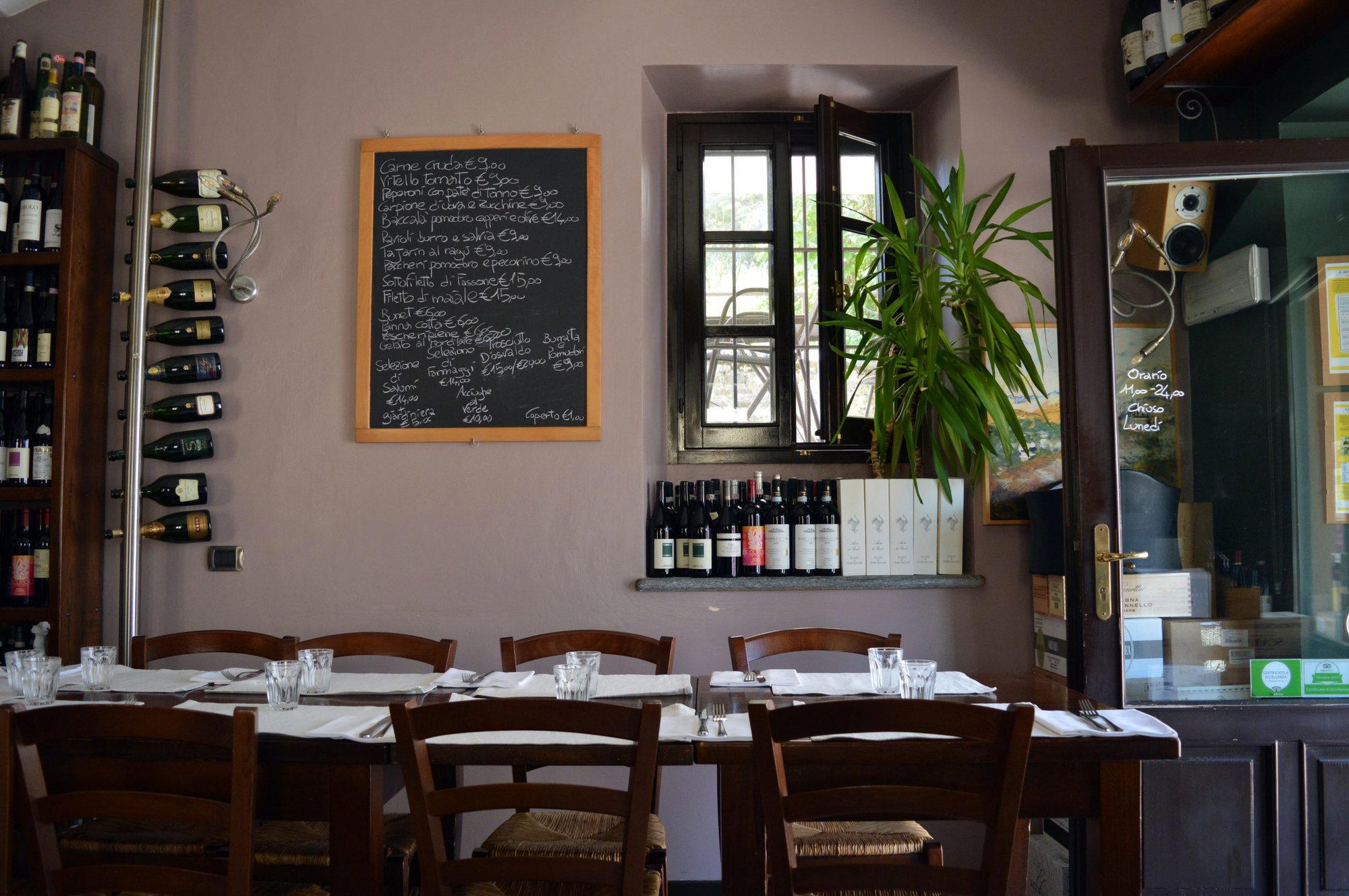
Piedmontese cooking is unusually ingredient-driven in its traditional form. Tajarin, the region's egg-yolk-rich fresh pasta, relies on a specific ratio of yolk to flour and is most often dressed with nothing more than butter and white truffle or a slow-cooked meat ragù. Vitello tonnato, one of the great Langhe antipasti, turns on the quality of the veal and the precision of the tuna sauce. Brasato al Barolo, braised beef cooked in the same wine that the valley is named for, is only as good as its braising liquid. In each case, the dish is almost entirely a function of its raw materials rather than technique applied on top of them.
This is the logic that shapes a family-run restaurant in a village like Castiglione Falletto. The local producers, the seasonal rhythms of the Langhe calendar, and the proximity of the white truffle markets of Alba (the season running roughly October through December) are structural advantages that a restaurant in this position can draw on in ways that larger urban operations often cannot. The white truffle Alba produces is among the more closely tracked agricultural commodities in Italy, with auction prices that fluctuate annually and international buyers who travel to the region specifically for it. A village restaurant on Piazza Vittorio Veneto has access to that supply chain at its source.
The Langhe also produces Castelmagno, an aged cow's milk cheese from the higher elevations of the Cuneo province, as well as hazelnuts from the Langhe specifically designated under IGP protection, both ingredients with strong denominazione credentials that appear regularly in regional cooking. A restaurant committed to the Piedmontese tradition in this location has the sourcing infrastructure immediately around it in a way that requires active effort to replicate elsewhere.
Family Format and the Village Setting
The family-run trattoria in a Piedmontese village is a specific format with its own operating logic. Menus tend to be extensive by the standards of more edited urban restaurants, reflecting the expectation that a regular clientele, including local producers finishing a day in the vineyards, will return frequently and want range. The cooking is rarely minimalist. Portions are calibrated for appetite rather than for presentation, and the service register is familial rather than formal.
Le Torri's position on the main square of Castiglione Falletto places it within walking distance of several of the Barolo zone's most important estates, including producers whose vineyards cover some of the MGA (Menzione Geografica Aggiuntiva) crus that give the commune its reputation, Villero, Bricco Rocche, Monprivato among them. For visitors spending time in the wine zone, the restaurant functions as the kind of grounding experience that context requires: the food side of what the Langhe is actually about, not translated into a tasting-menu format but served in the village where the wine is made.
Placing Le Torri in the Broader Italian Context
Italy's most acclaimed regional restaurants tend to occupy a different register entirely. Osteria Francescana in Modena, Dal Pescatore in Runate, and Le Calandre in Rubano each represent the Michelin-starred, tasting-menu tier of Italian regional cooking. Enoteca Pinchiorri in Florence and Enrico Bartolini in Milan extend that conversation into the Italian-French fusion and urban creative categories. Further afield, Atelier Moessmer Norbert Niederkofler in Brunico, Reale in Castel di Sangro, Uliassi in Senigallia, and Quattro Passi in Marina del Cantone each anchor regional Italian cooking in highly specific local contexts. Internationally, Le Bernardin in New York City and Emeril's in New Orleans represent the point at which regional culinary identity crosses into international recognition.
Le Torri is not in that tier, nor is it reaching for it. A village trattoria in a commune of fewer than seven hundred residents, with direct access to some of Italy's most closely defined agricultural ingredients, makes a specific argument about what matters in a meal. The argument is about proximity and tradition rather than transformation, and in Barolo country, that is a coherent and defensible position.
Planning a Visit
Castiglione Falletto sits in the Cuneo province of Piedmont, at Piazza Vittorio Veneto, 10. Reservations are recommended.
In Context: Similar Options
Comparable venues nearby, for context on price, style, and recognition.
| Venue | Cuisine | Price | Awards | Notes |
|---|---|---|---|---|
| Ristorante Le TorriThis venue — the venue you are viewing | Traditional Piedmontese | $$$ | Not listed | Not listed |
| L'Argaj | Creative Piedmontese | $$$ | Michelin Plate | Castiglione Falletto |
| Antica Trattoria Belletti | Traditional Emilian Trattoria | $$$ | Not listed | Montepastore |
| Barzac • Tradizione Piacentina | Traditional Piacenza-Emilian | $$$ | Not listed | Porta Garibaldi - Porta Nuova |
| Le Terrazze Restaurant | Traditional Italian with Lombard specialties | $$$ | Not listed | Buenos Aires - Porta Venezia - Porta Monforte |
Recognition history
Dated appearances from independent guides and award organizations, with the underlying list record or original source where available.
Opinionated About Dining Casual in Europe Recommended
Opinionated About Dining
Star Wine List
Star Wine List
Continue exploring
More in Castiglione Falletto
Restaurants in Castiglione Falletto
Browse all →
Bars in Castiglione Falletto
Browse all →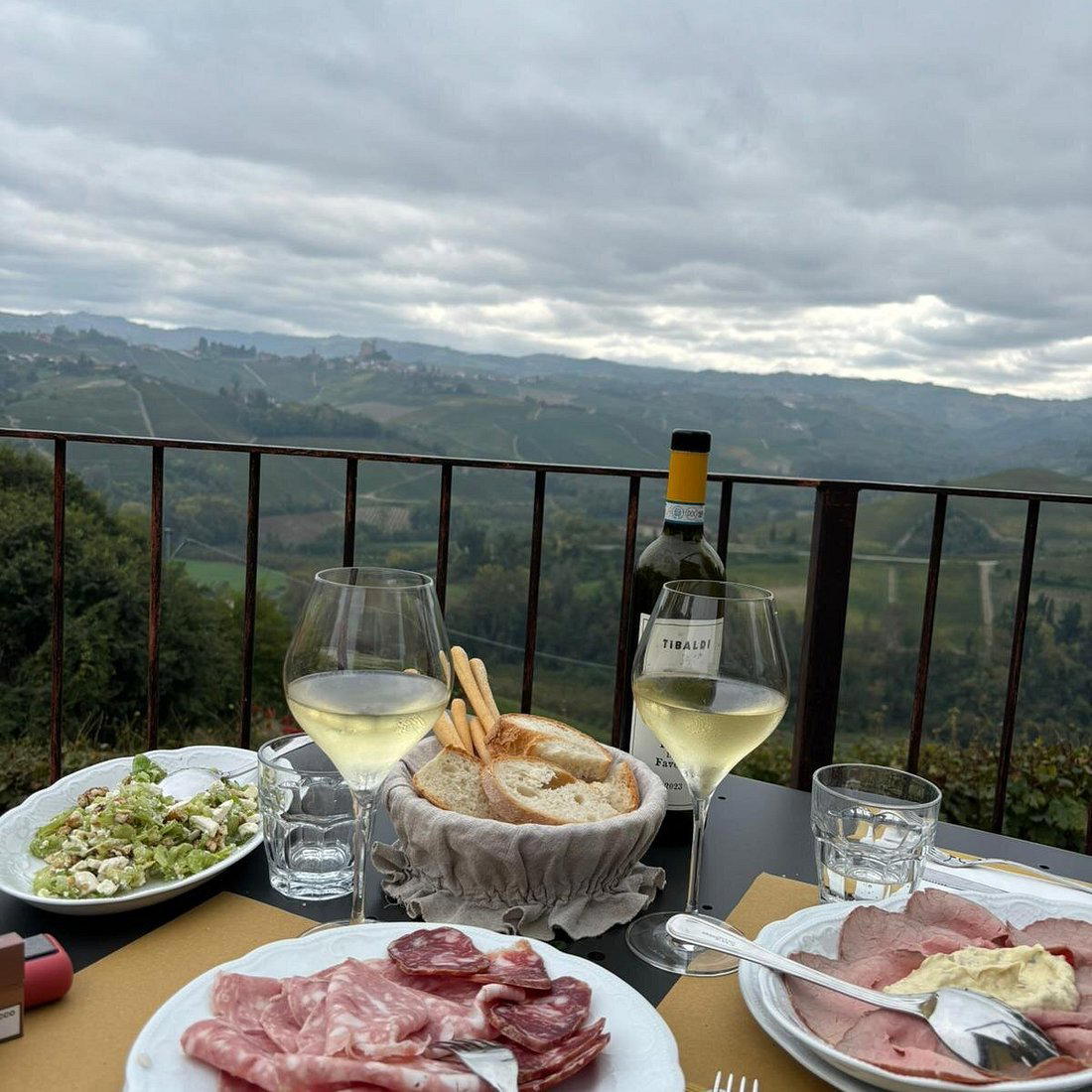
Hotels in Castiglione Falletto
Browse all →
At a Glance
- Elegant
- Rustic
- Romantic
- Intimate
- Scenic
- Date Night
- Family
- Special Occasion
- Terrace
- Panoramic View
- Wine Cellar
- Extensive Wine List
- Local Sourcing
- Vineyard
- Mountain
Current opening hours
- Monday
- 12:30–2:30 PM, 7:30–9:30 PM
- Tuesday
- Closed
- Wednesday
- Closed
- Thursday
- 12:30–2:30 PM, 7:30–9:30 PM
- Friday
- 12:30–2:30 PM, 7:30–9:30 PM
- Saturday
- 12:30–2:30 PM, 7:30–9:30 PM
- Sunday
- 12:30–2:30 PM, 7:30–9:30 PM
Hours can change for holidays and private events. Last verified .
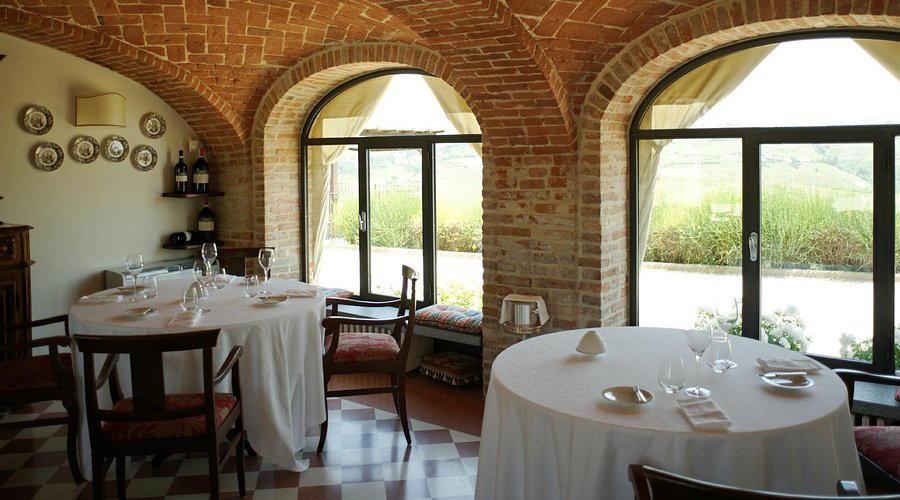
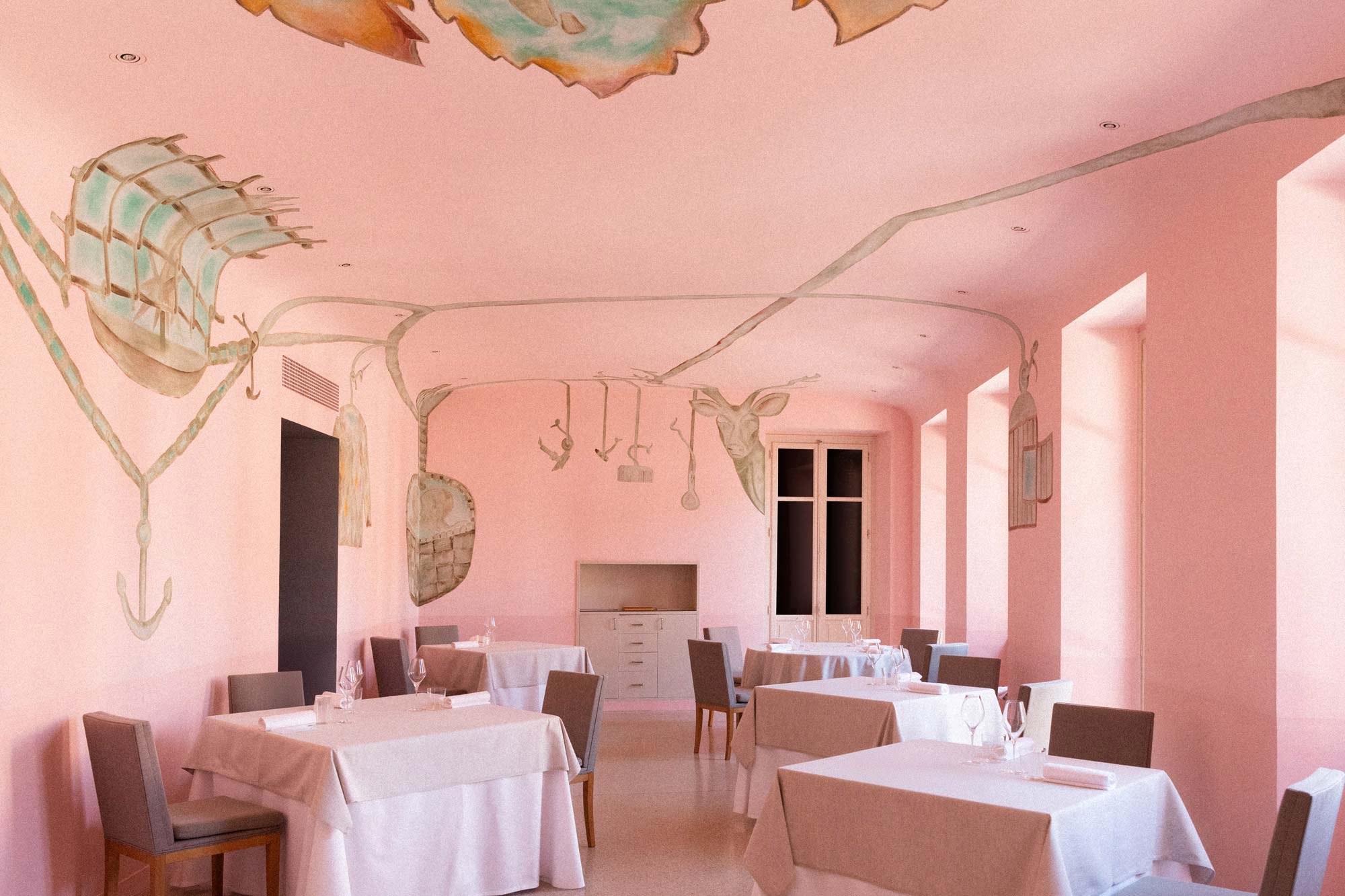
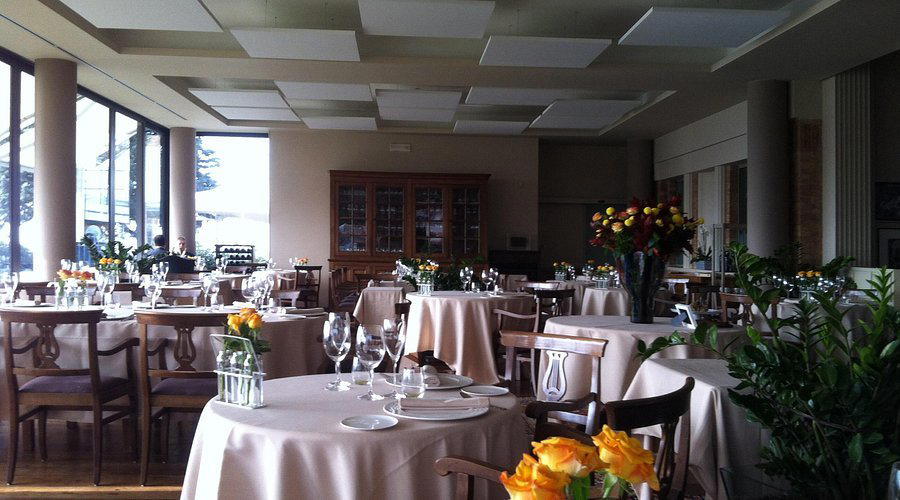
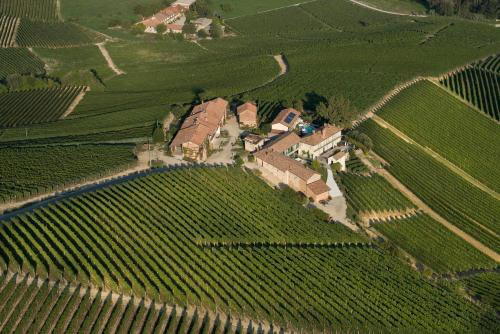
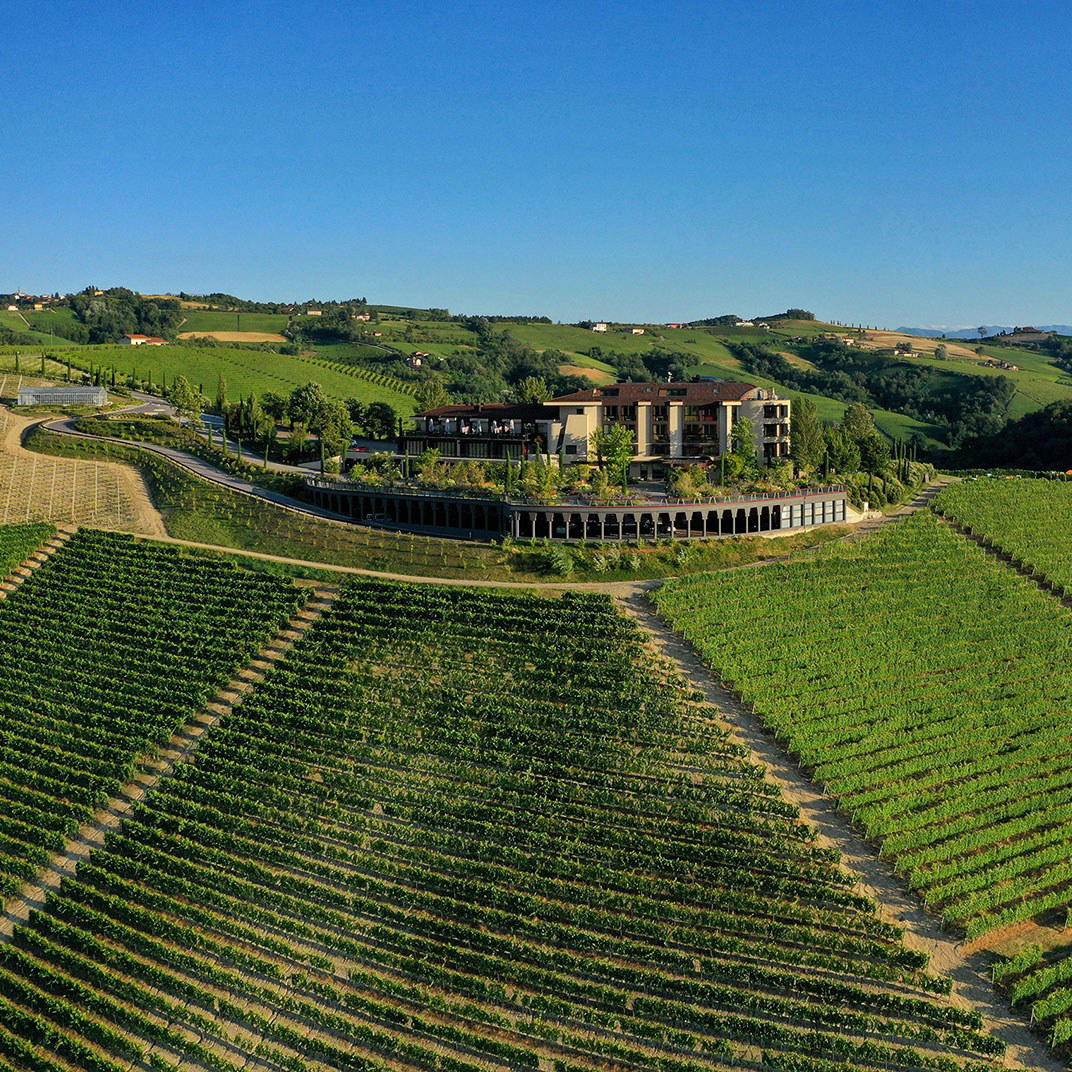
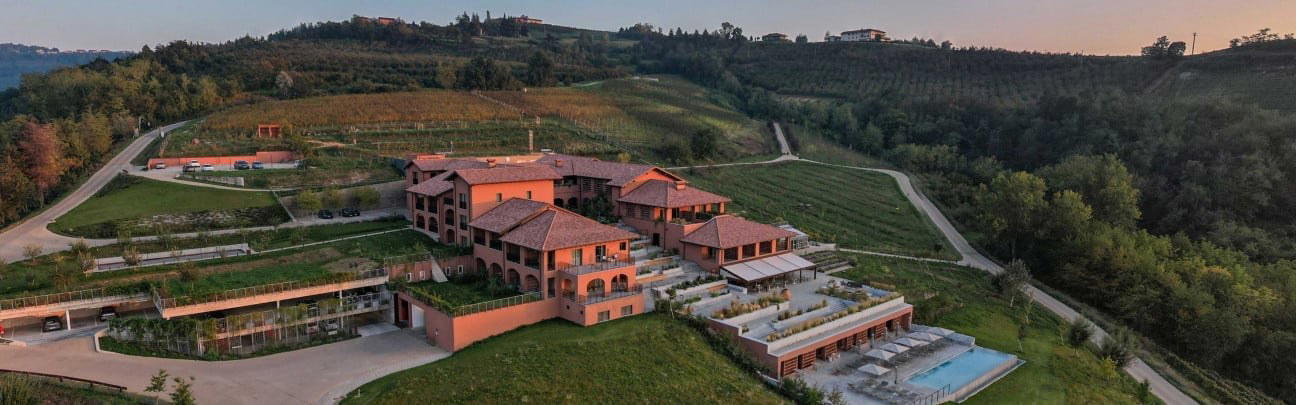
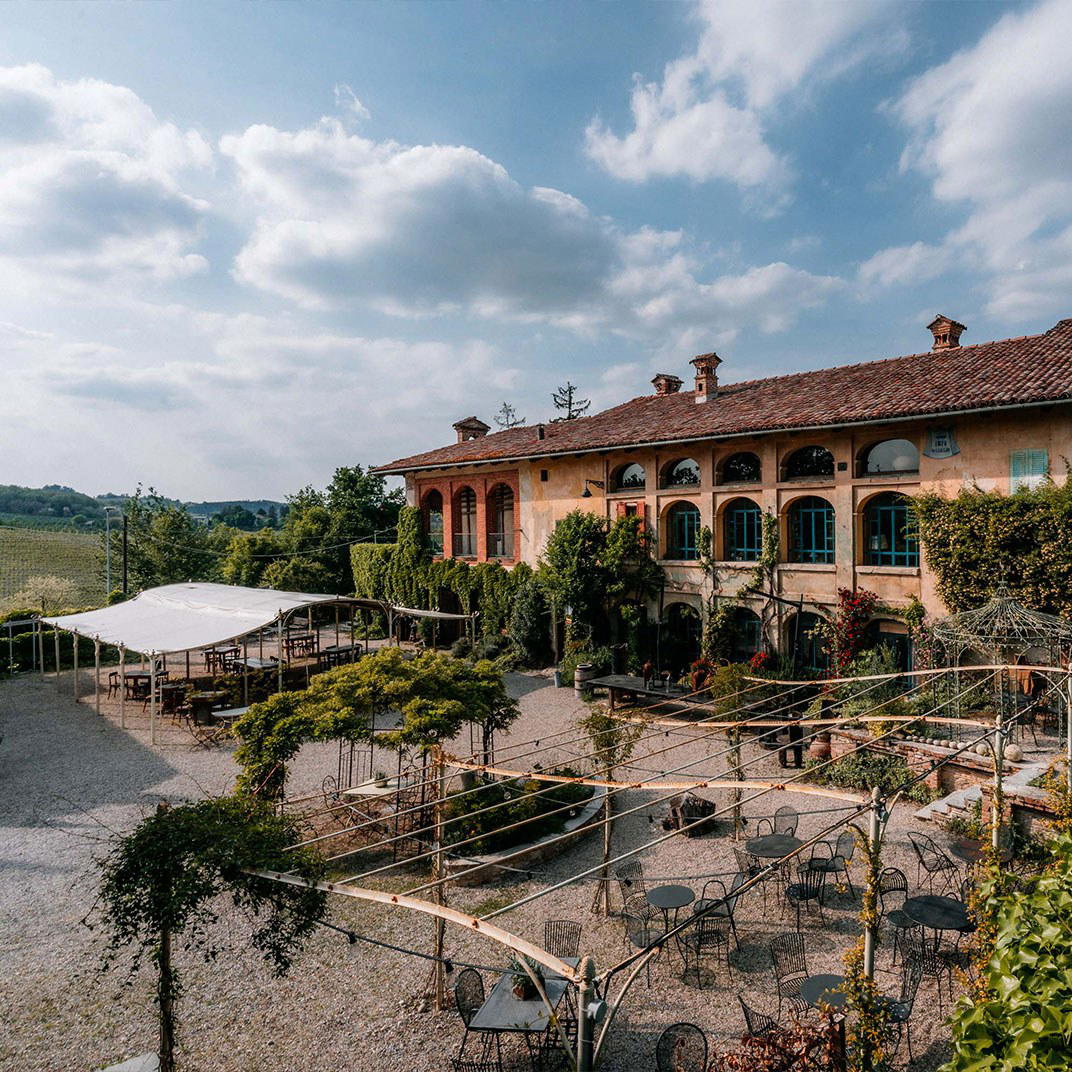
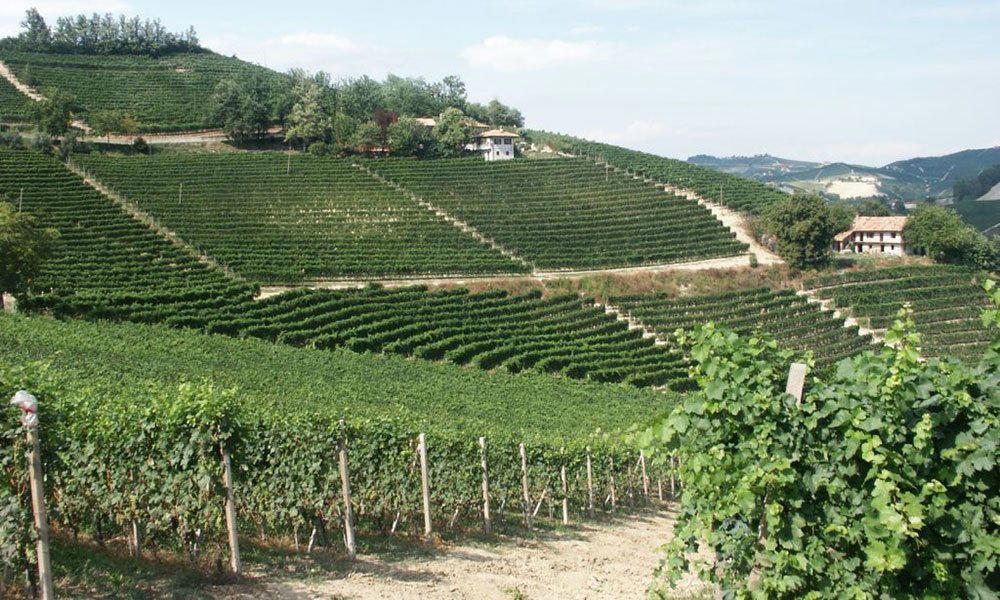
Elegant and familiar atmosphere with bright interiors, large windows, and a terrace offering far-reaching vineyard views.