
Ristorante Chenot brings wellness dining into Erbusco’s Franciacorta orbit, where vineyard country and hotel-led gastronomy shape the table. Its point of difference is the Chenot® method: dishes are built around nutritional balance, bodily rhythm, and clear flavor rather than the usual luxury cues of richness and excess.
Pearl is the En Primeur Club membership app — saves, bookings, and concierge access live there. Same editors, same standards.
- Address
- Via Vittorio Emanuele n° 23
- Phone
- +39 030 7762665
 Saves & bookings on Pearl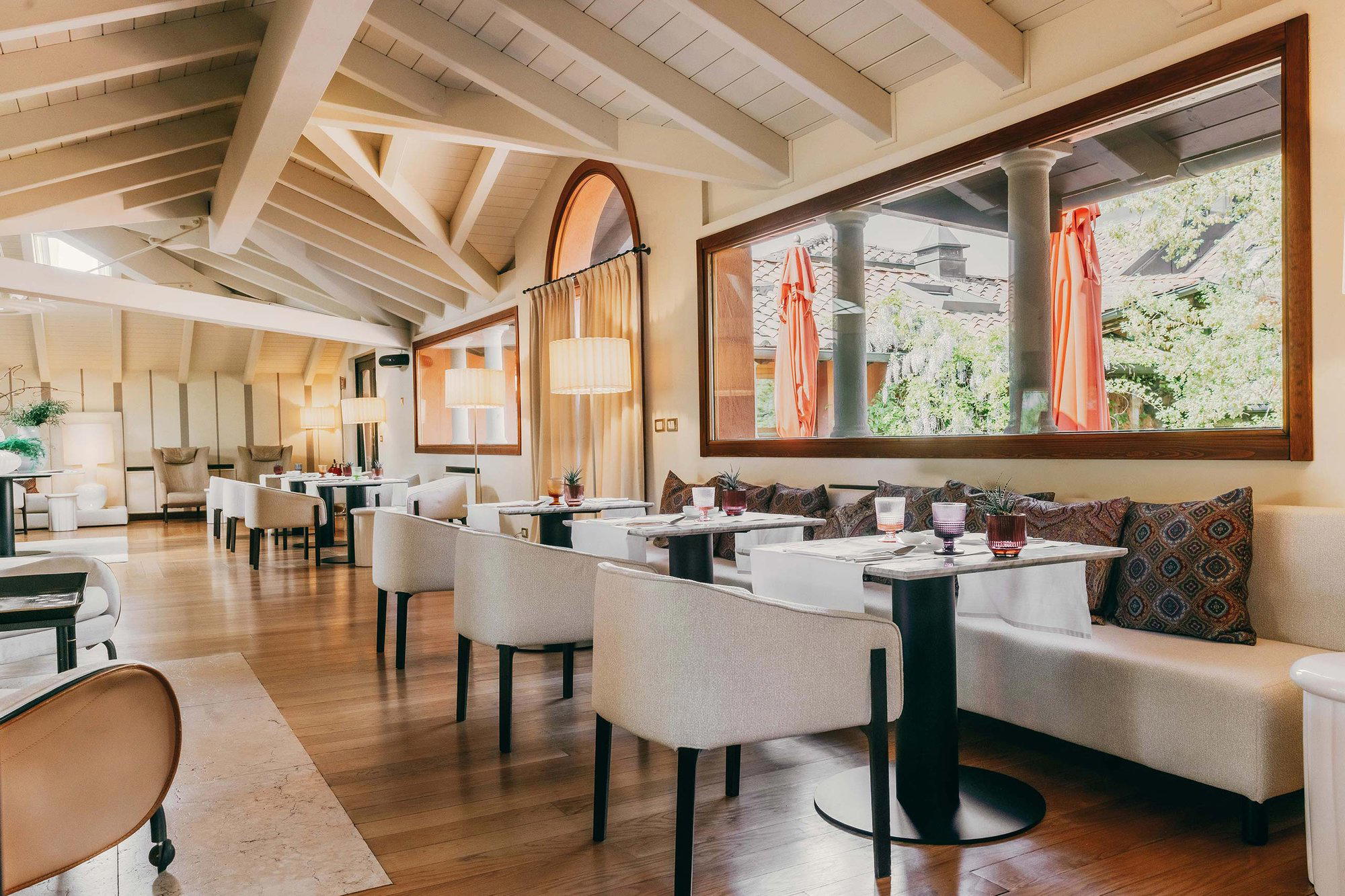
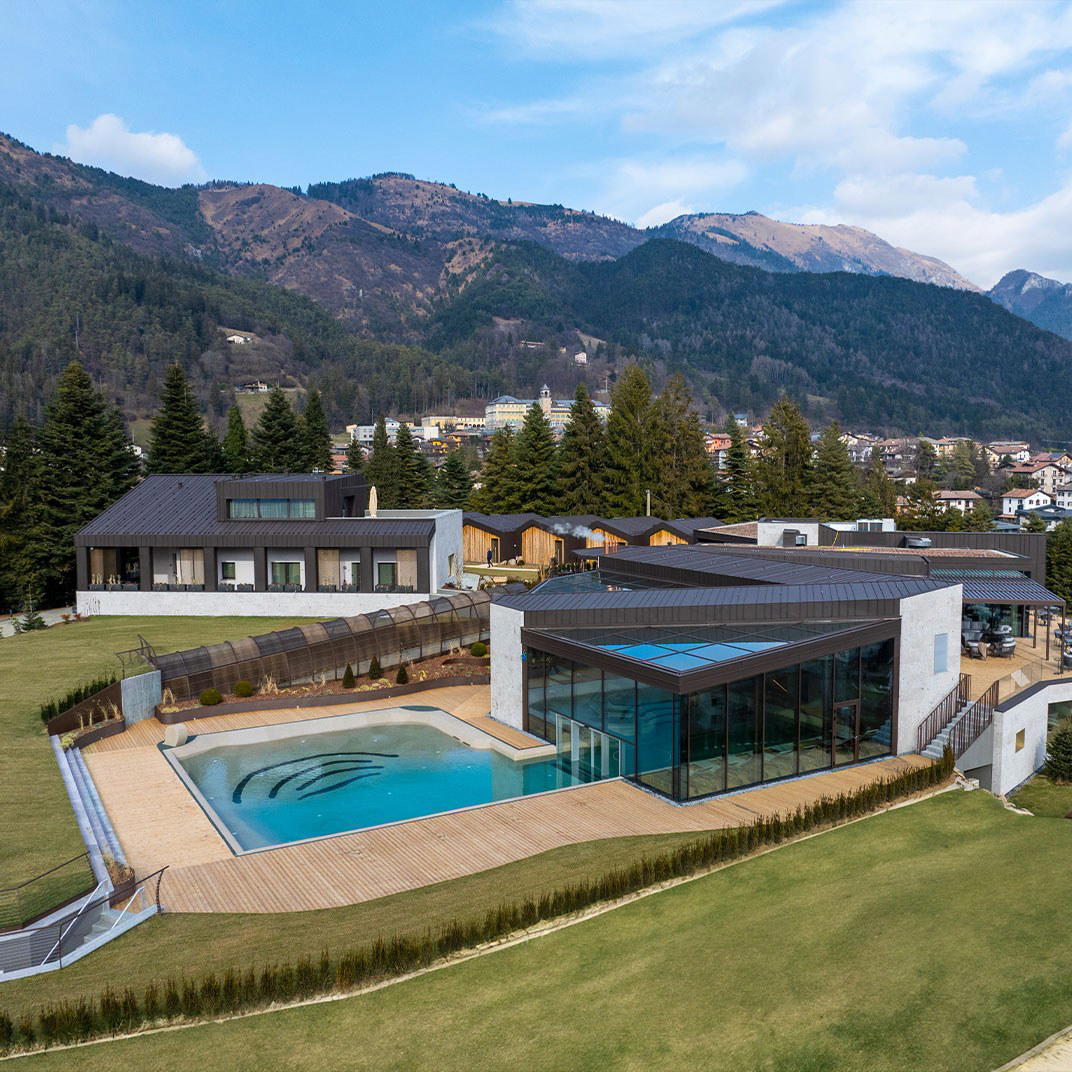
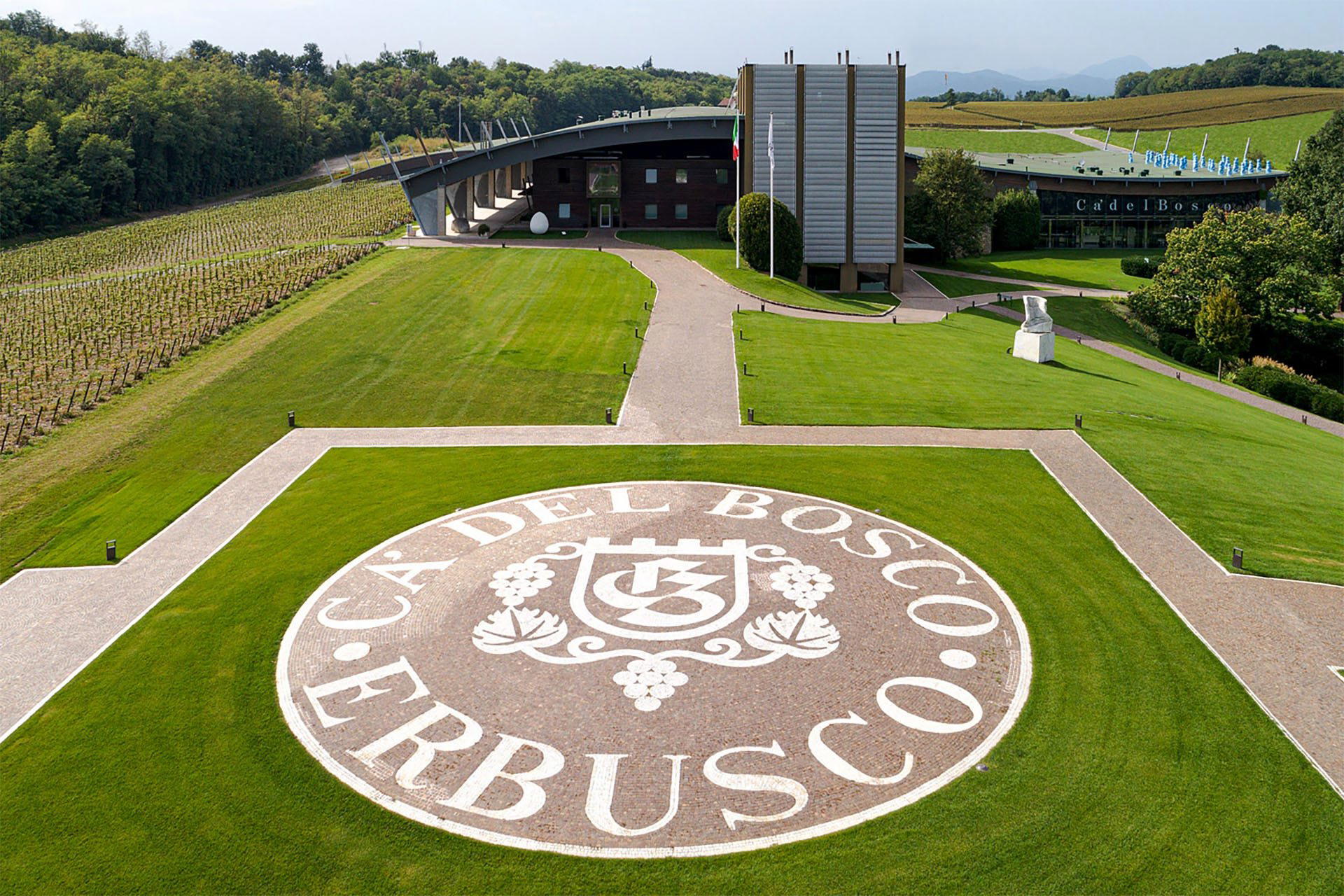
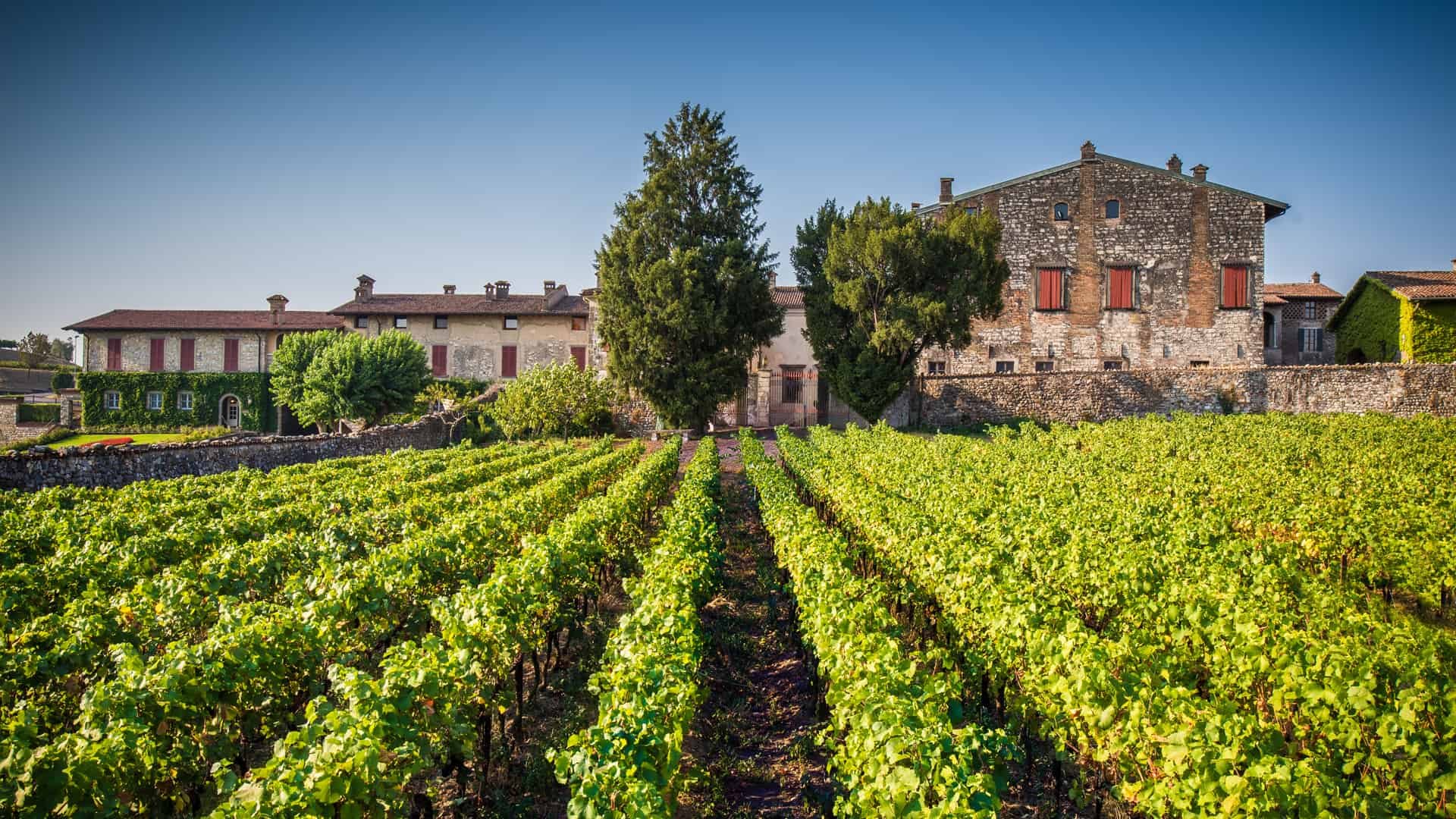
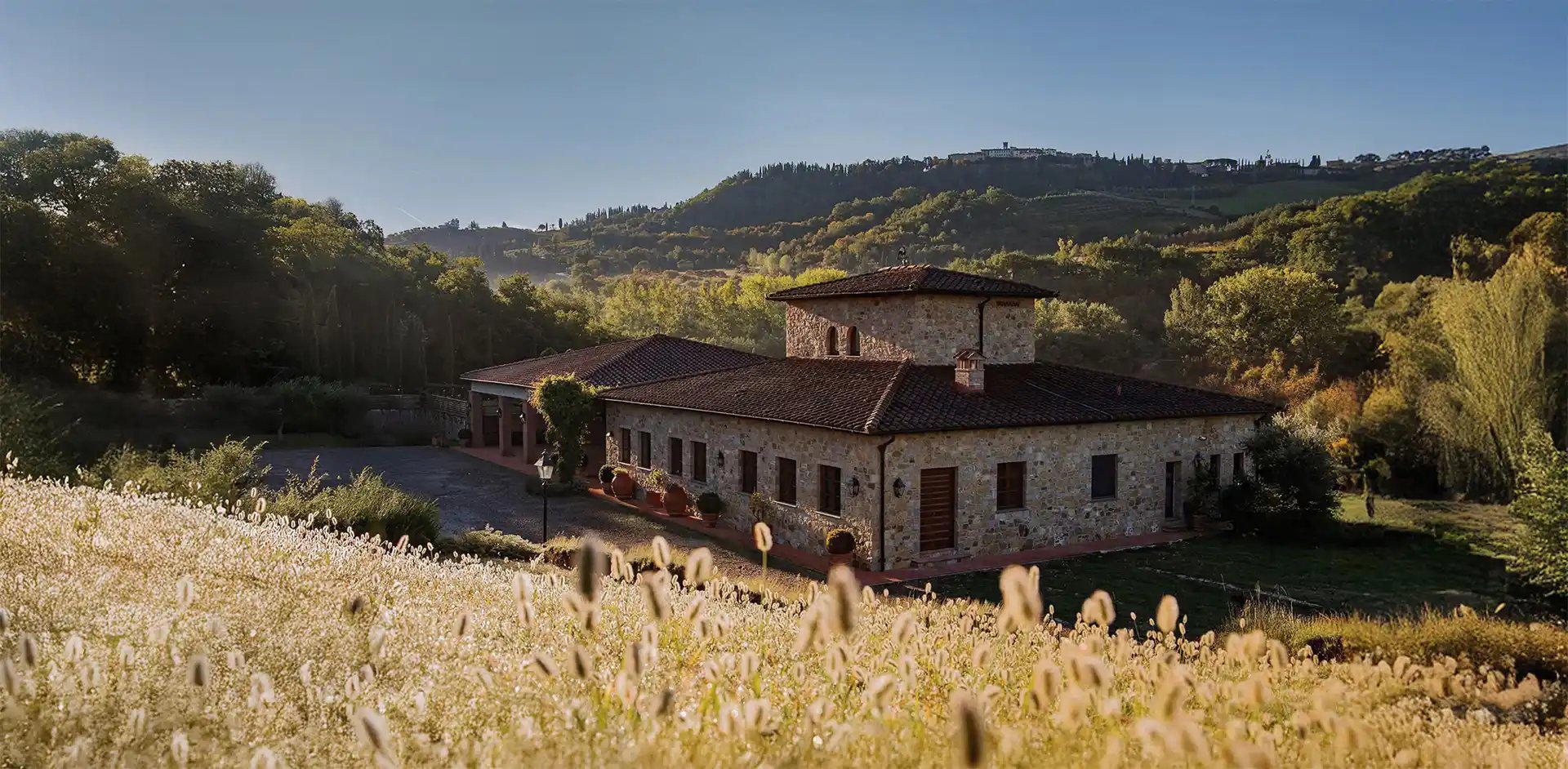
Erbusco approaches quietly: vineyard slopes, low Lombard light, and the measured pace of Franciacorta rather than the hard theatre of a metropolitan dining room. In that setting, wellness cuisine reads differently. It is not a side category or spa-dining afterthought; it becomes part of the region’s hospitality grammar, placed beside cellar culture, country-house hotels, and polished Italian dining.
Ristorante Chenot belongs to that more disciplined branch of the local scene. The kitchen is framed by the Chenot® method, an approach developed with nutrition experts around balance, bodily rhythm, vitality, and unadulterated flavor. That matters because wellness-led restaurants often split into two weak camps: punitive cooking that mistakes deprivation for seriousness, or luxury cooking that adds health language after the fact. Here, the premise is stricter. The meal has to operate inside a system, not merely borrow the vocabulary of wellbeing.
Wellness cuisine treated as a method, not a garnish
Ingredient sourcing is the lens through which this kind of restaurant should be judged. In Franciacorta, the surrounding food culture has deep access to northern Italian produce, dairy traditions, lake fish, grains, and the agricultural rhythms of Lombardy. A Chenot-style kitchen does not need to announce abundance through heavy sauces or extended menus; it needs produce that can carry clarity. The point is less about rusticity than control: clean flavor, measured richness, and a sense that ingredients have been selected for function as well as pleasure.
That separates the room from the broader Erbusco dining circuit. L'Aurum speaks more directly to Italian Lombardy cooking, while La Filiale - L'evoluzione della pizza pulls the conversation toward creative cooking and the evolution of pizza as a serious format. Leone Felice, listed in the Italian category with a €€€ price signal, sits closer to the familiar luxury-country-house model, and L’Albereta adds another local Italian reference point. Against that group, Ristorante Chenot is not competing on maximalism. It is competing on restraint, coherence, and whether wellness can hold its own as cuisine rather than programmatic dining.
The comparison is useful because Erbusco is not a large-city market where every concept can survive on novelty. Visitors generally come for Franciacorta, for the hotel circuit, or for a slower Lombard weekend built around wine and food. In that context, a restaurant shaped by nutrition experts has to justify itself at the table. The Chenot® framework gives it a clear identity: dishes are expected to balance culinary pleasure with a calibrated view of the body’s natural rhythms. That is a narrower brief than standard Italian hospitality, and a more demanding one.
Erbusco's hospitality scene rewards restraint when the sourcing is strong
Franciacorta has long trained diners to notice precision. Sparkling wine production in the area depends on timing, acidity, vineyard exposure, and cellar patience; those same values translate well to a kitchen built on balance. The broader region gives restaurants a useful pantry without requiring theatrical distance from Italian tradition. Vegetables, grains, herbs, fruit, freshwater references, and lighter preparations can all feel native to the place when handled with discipline.
That is the editorial case for Ristorante Chenot: it uses wellness not as decoration, but as a structure for deciding what belongs on the plate. In a region where many premium meals lean on generosity, cellar depth, and familiar signs of comfort, this format asks a different question: how much intensity can be achieved without excess? The answer depends on ingredient quality and technical restraint, which is why sourcing sits at the center of the experience.
Erbusco also benefits from being compact enough for clear comparisons. A visitor can read the town through adjacent formats: Ristorante Benessere for another wellness-adjacent signal, La Filiale for contemporary pizza thinking, L'Aurum for Lombard Italian identity, and Leone Felice for a more familiar Italian luxury register. For wider planning, the full Erbusco restaurants guide is the useful starting point, with context from Erbusco hotels, Erbusco bars, Erbusco wineries, and Erbusco experiences rounding out the weekend.
How to read the meal in a broader Italian context
Italy has always had multiple registers of eating: the deeply regional trattoria, the polished hotel dining room, the contemporary tasting-menu restaurant, the specialist counter, and the street-food institution. The Chenot model occupies a narrower lane, closer to wellness hospitality than to trattoria nostalgia. That does not make it less Italian; it makes it selective about which Italian instincts it emphasizes. Seasonality, ingredient clarity, and moderation have long belonged to the country’s food culture. The difference is the explicit nutritional frame.
That frame will appeal to diners who want a meal in Erbusco that aligns with a wellness stay, a Franciacorta itinerary, or a lighter counterpoint to cellar-led dining. It will be less suited to anyone seeking the long arc of a conventional tasting menu, named chef theatre, or a cooking style defined by excess. The stronger way to approach it is as a restaurant where sourcing, restraint, and method are the story.
For readers mapping Italian dining beyond Franciacorta, the contrast is instructive. 'E Curti Ristorante Tipico di Angela Ceriello & Co SAS in Sant Anastasia points toward regional typicality; 'l Trippaio di San Frediano in Florence toward street-level tradition; ‘O Fiore Mio in Faenza and ‘O Scugnizzo in Arezzo toward pizza’s regional and contemporary breadth; [àbitat] in San Fermo della Battaglia and [bu:r] in Milan toward modern northern Italian cooking. Even international references such as Jōdo Saké Bar in Los Angeles and Onigiri Time in Pasadena show how specialist formats increasingly define dining by discipline rather than breadth.
The restaurant’s value lies in that discipline. In Erbusco, where wine country hospitality can easily default to comfort and ceremony, a kitchen built around balance gives the town a different register: quieter, more controlled, and dependent on the quality of what it chooses not to overwork.
Quick Comparison
Nearby venues at a similar price tier for orientation.
| Venue | Cuisine | Price | Awards | Notes |
|---|---|---|---|---|
| Ristorante ChenotThis venue — the venue you are viewing | Wellness-focused Italian/Mediterranean fine dining based on the Chenot Diet® | $$$ | Not listed | Not listed |
| L’Albereta | Italian Fine Dining | $$$$ | Not listed | Franciacorta |
| La Filiale - L'evoluzione della pizza | Modern gourmet pizza by Franco Pepe in a luxury country hotel | $$$ | Not listed | Franciacorta |
| Leone Felice | Classic Italian Fine Dining | $$$$ | Michelin Plate | Erbusco |
| Stanza 54 | All‑day Italian lounge bar with light bites & wines | $$$$ | Not listed | .null |
| L'Aurum | Modern Italian Fine Dining | $$$$ | Michelin Plate | Erbusco |
Recognition history
Dated appearances from independent guides and award organizations, with the underlying list record or original source where available.
Relais Chateaux Award
Relais Chateaux
Continue exploring
More in Erbusco
Restaurants in Erbusco
Browse all →
Bars in Erbusco
Browse all →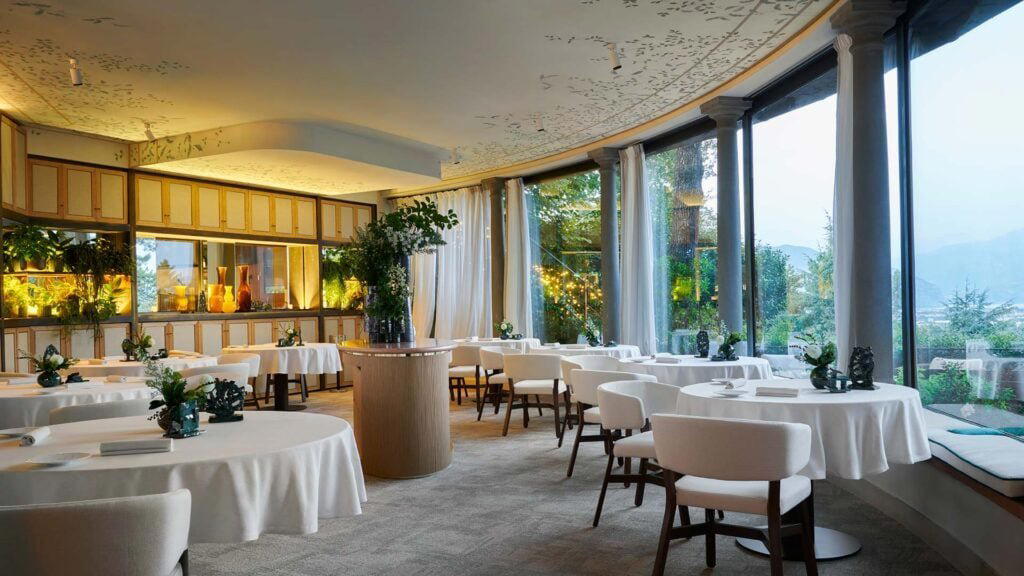
Hotels in Erbusco
Browse all →
At a Glance
- Quiet
- Elegant
- Sophisticated
- Romantic
- Special Occasion
- Business Dinner
- Date Night
- Group Dining
- Solo
- Hotel Restaurant
- Private Dining
- Extensive Wine List
- Zero Proof
- Farm To Table
- Local Sourcing
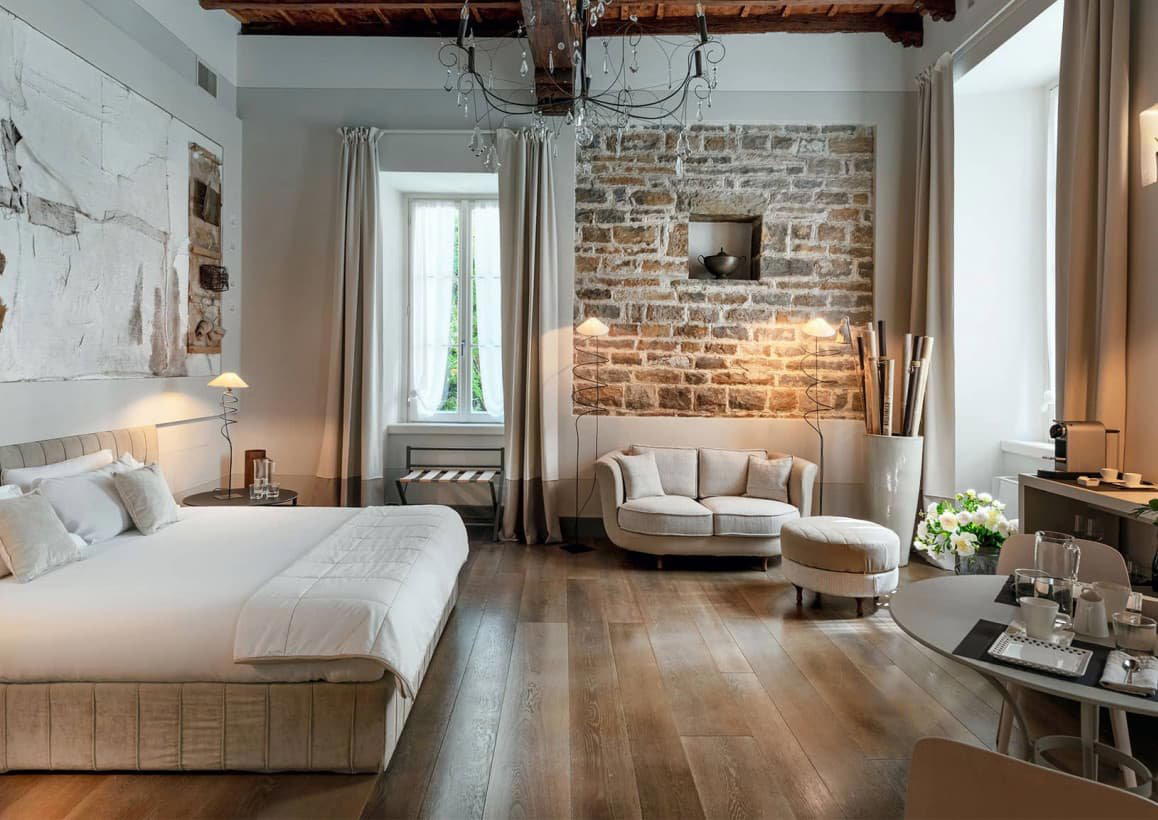
A serene, health-oriented dining room within a luxury spa hotel, where the focus is on calm, restorative meals that balance nutrition and flavor in a refined yet understated setting.