Michelin Plate
Our verdict
A Michelin Plate-recognized American restaurant in Washington D.C.'s West End, Ris trades in familiar comfort refined by technical confidence. The light-filled dining room on L Street draws a cross-section of neighborhood regulars, family gatherings, and business lunches, unified by a menu that keeps one foot in the classic and one in the unexpected. Linguine with clams, crab cakes, and a crown of cauliflower with mustard cream anchor the experience.

Pearl is the En Primeur Club membership app, where members save venues, book tables and use the concierge.
The menu
What to order
- Crab cakes
- Chicken Milanese
- Linguine with clams
Light, Earth Tones, and the Art of the Comfortable Room
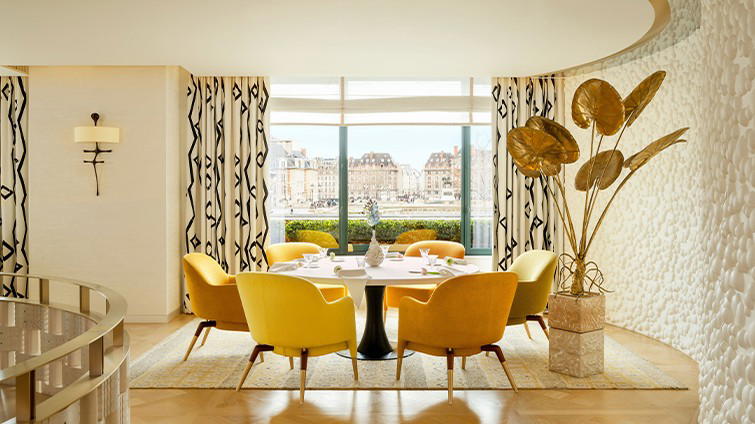
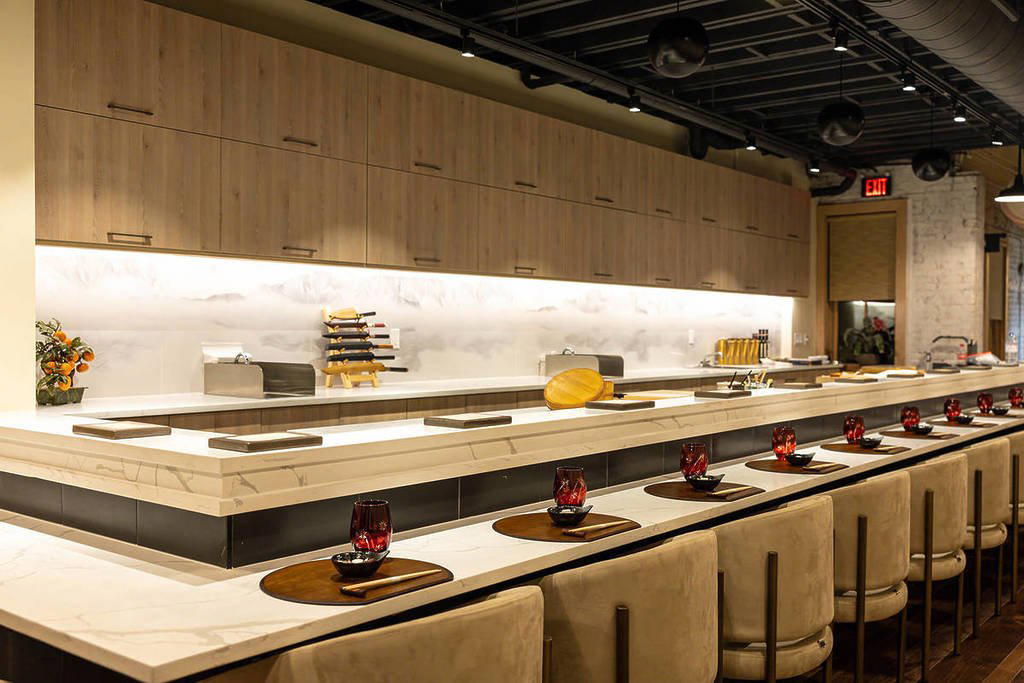
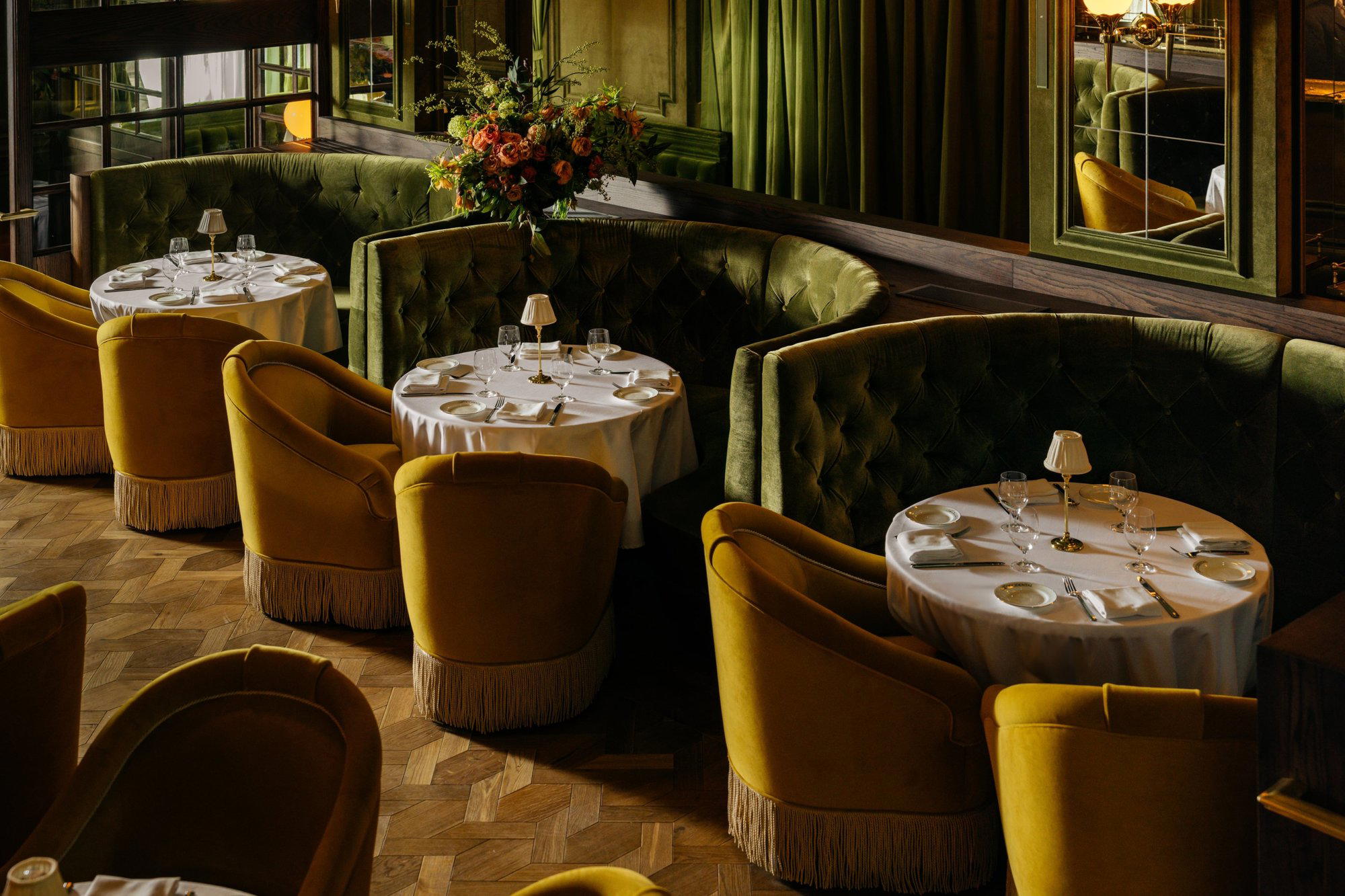
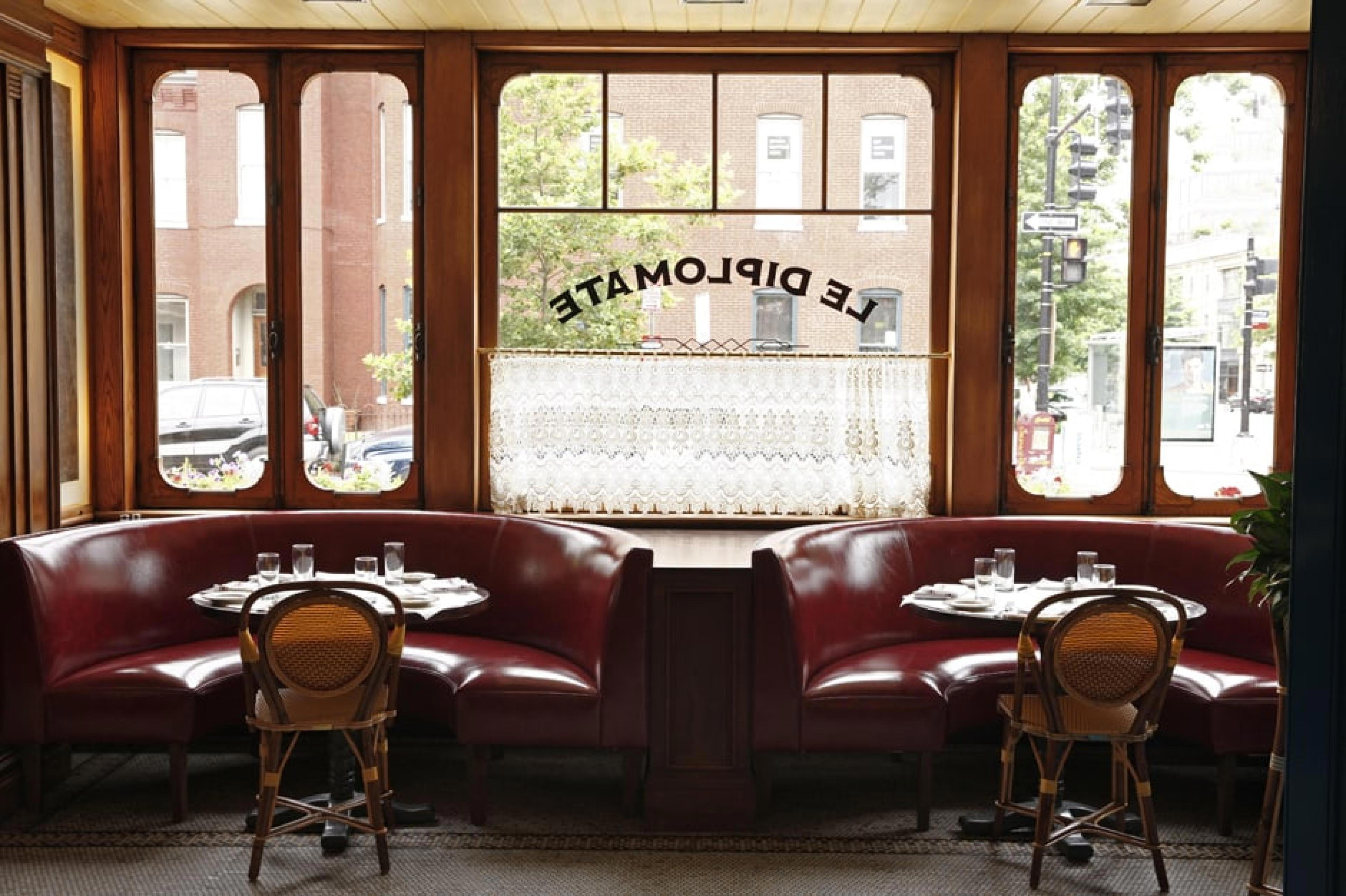
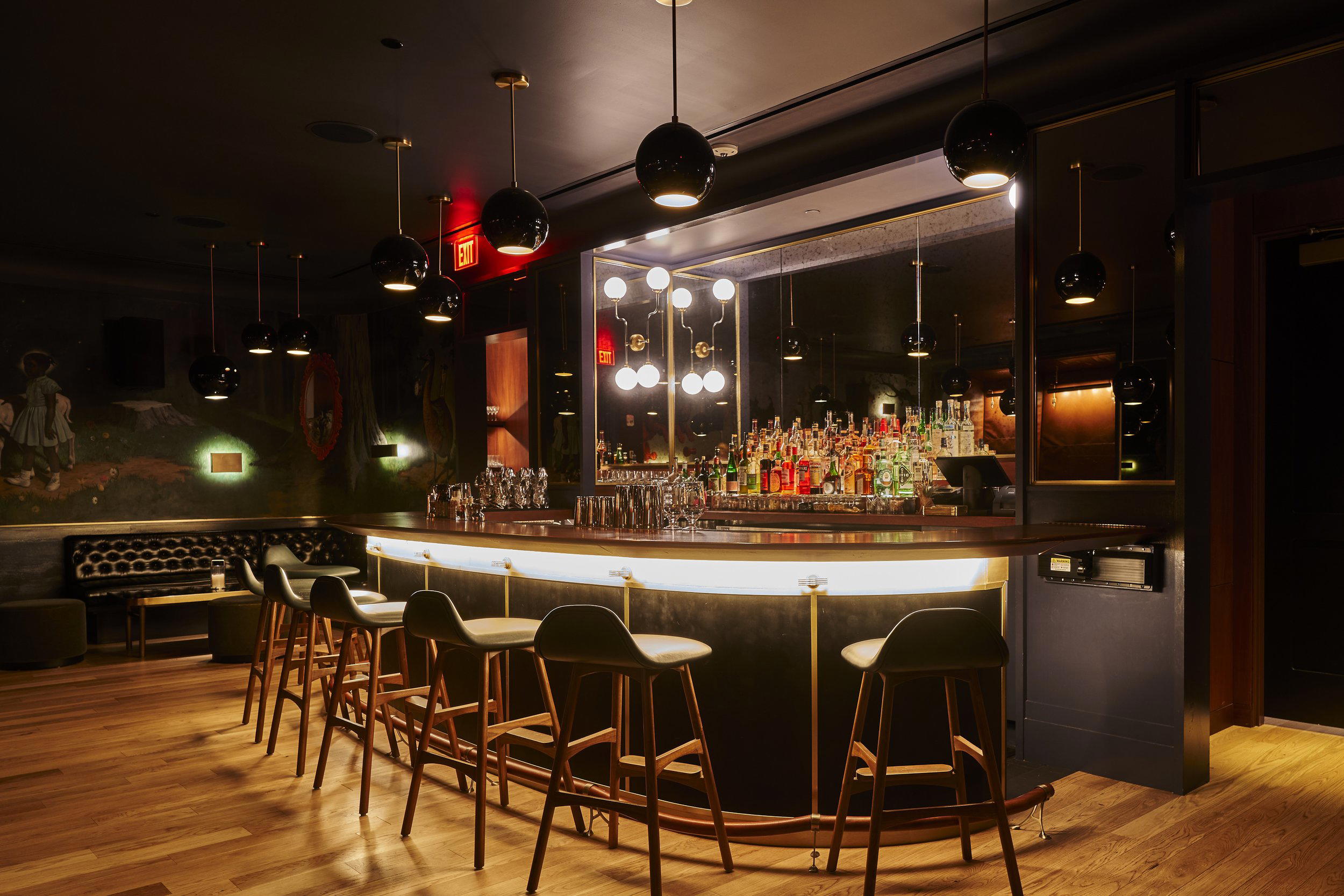
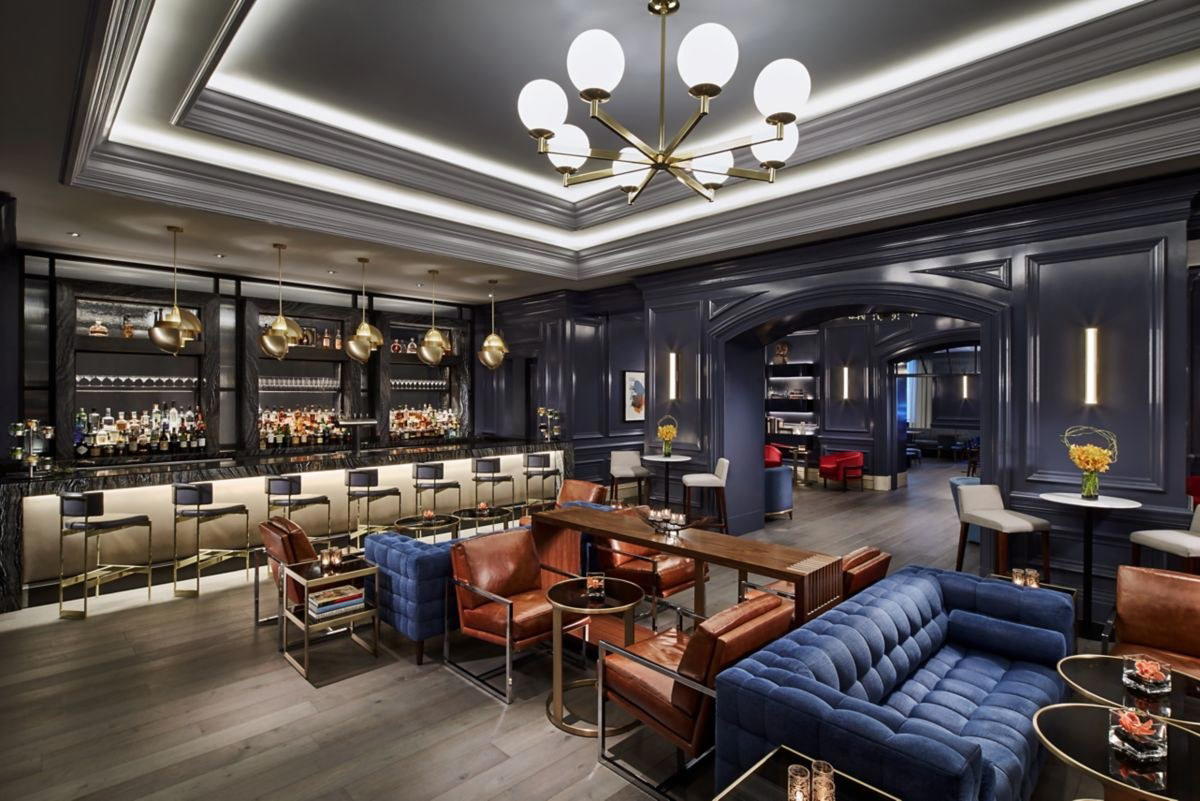
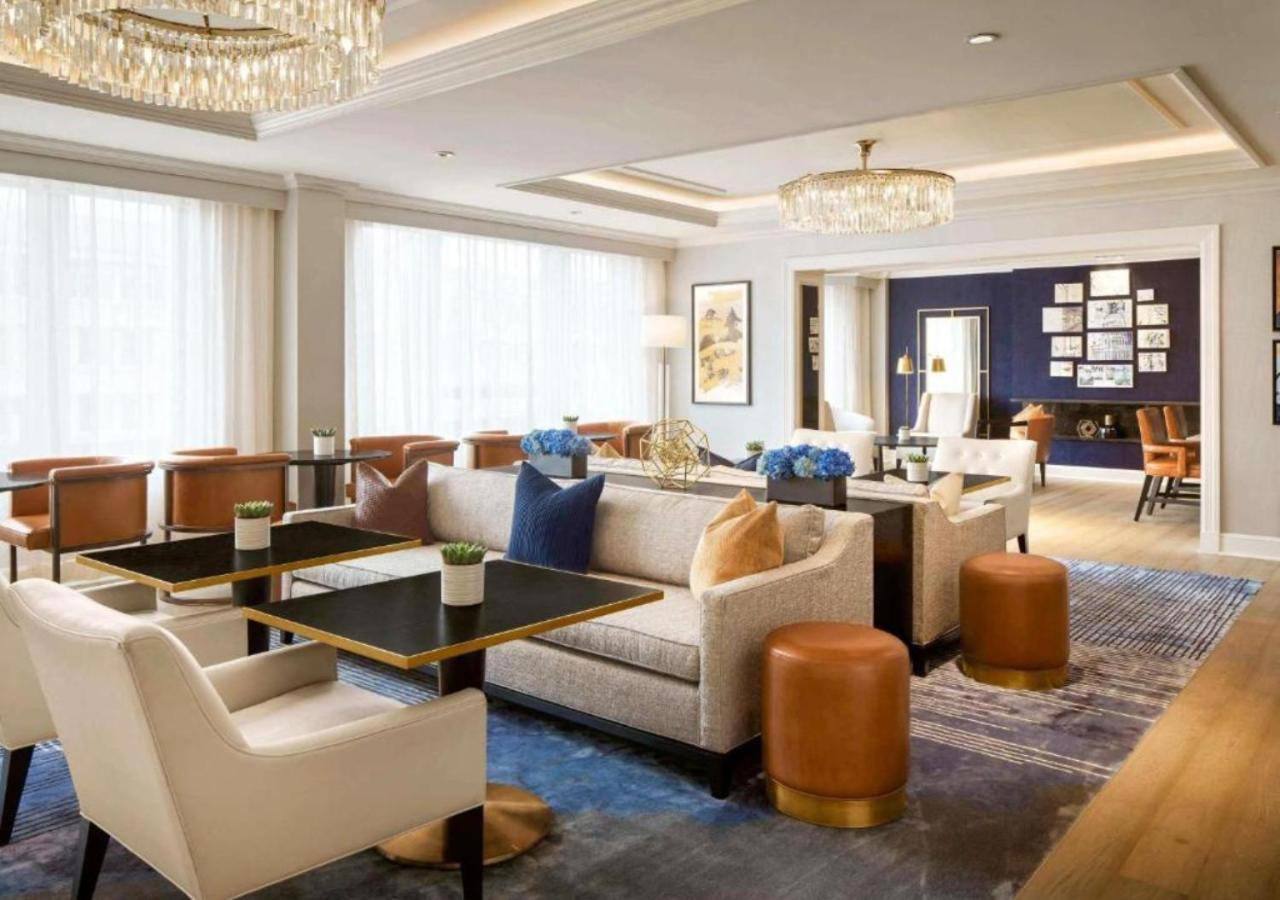
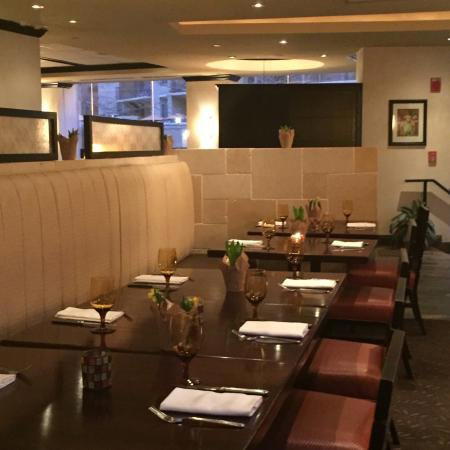
Washington D.C.'s West End is not a neighborhood that announces itself loudly. The corridor around L Street runs largely on professional routines: morning commuters, midday lunches, the after-work crowd peeling off from offices near the Kennedy Center. In that context, Ris operates less like a destination restaurant and more like a well-calibrated room that the neighborhood has quietly absorbed into its daily rhythm. Walk through the door at 2275 L Street and the first thing that registers is the light. The dining room is broad and generous with natural illumination, dressed in earth tones that keep the mood warm without crowding toward formality. Intimate corners are distributed throughout, so the sprawl of the space does not translate into exposure. You can hold a private conversation at dinner without competing against the acoustics of a room designed for theater.
This is a specific kind of American dining room, one that signals comfort and competence before a dish arrives. The design language positions Ris clearly within the mid-tier American dining tradition that D.C. has long supported alongside its more headline-grabbing contemporary kitchens. Where venues like Bresca or Gravitas operate at the $$$$ tier with contemporary tasting frameworks, Ris holds to a $$ price point and a format that prioritizes accessibility: a menu that speaks in familiar idioms, refined by technique rather than reinvented by concept.
A Menu That Works the Line Between Familiar and Unexpected
American cuisine at the middle-market level has a particular challenge. The repertoire is well-worn, pastas, roast chicken, crab cakes, vegetable preparations, and diners arrive with a calibrated set of expectations. What separates competent execution from something worth returning for is the degree to which a kitchen can introduce tension into familiar forms without unsettling the diner. That tension is where Ris makes its case most clearly.
The linguine with clams is a useful illustration. Loaded with butter and olive oil, jazzed with red pepper flakes, it leans into the briny richness of the shellfish rather than moderating it. It is not a restrained pasta; it is an amplified one, which is a deliberate choice in a category where many kitchens default to understatement. Chicken Milanese, another standard of American-Italian crossover cooking, arrives with a tomato topping that has enough acidity to cut through the fried exterior without overwhelming it. These are not innovative dishes in any conceptual sense. They are dishes executed at a level that rewards the diner who orders them expecting something reliable and receives something that clears that bar with headroom.
The crab cakes, by the reputation the restaurant has built in the neighborhood, are consistently on point. In a city where crab is part of the regional food culture through Maryland's proximity, consistent crab cake execution carries real credibility. Crab cakes that arrive over-bound or under-seasoned are a recurring complaint across D.C. menus; the version here avoids both failures. For context on how American restaurants elsewhere approach the crab cake tradition, the broader conversation plays out in kitchens from Emeril's in New Orleans to Hilda and Jesse in San Francisco, where regional seafood dishes serve as credibility markers on otherwise eclectic American menus.
Crown of cauliflower is the menu item that most clearly signals a kitchen thinking beyond simplicity. Roasted vegetables, mustard cream, and an ensemble of flavors assembled around a single brassica, it is the kind of dish that a vegetable-forward diner can anchor a meal around, and it operates in a different register than the pasta or the Milanese. The complexity here is layered rather than additive, which takes more kitchen discipline to execute.
Where Ris Sits in D.C.'s American Dining Tier
Washington's restaurant scene has stratified significantly over the past decade. The city now supports a tier of high-concept, high-price American restaurants with serious culinary credentials and Michelin recognition at the star level. Below that, a broader band of neighborhood-anchored American rooms operate at the $$ to $$$ price point, where the value proposition is not innovation but quality and consistency. Ris holds a Michelin Plate (2024), which in the Michelin framework signals a kitchen producing good cooking, not at the starred level, but reliably above the average. For D.C. diners working through the city's mid-tier American options, the Plate is a useful calibration point.
Compared to its West End and Georgetown-adjacent peers, Ris occupies a specific niche: enough culinary ambition to avoid the charge of being merely functional, but no aspirations toward the tasting-menu formalism of Gravitas or the modern French architecture of Michele's. The comparison set sits closer to 1789 and New Heights: historically grounded American rooms where the kitchen's identity comes from consistent execution of a focused repertoire rather than from seasonal menu reinvention. For those interested in a broader survey of what this tier looks like across the city, our full Washington, D.C. restaurants guide maps the range.
Ris Lacoste, who helms the kitchen, has built a reputation in D.C. over time that places her in the category of chefs who prioritize the diner's experience of comfort and coherence over personal expression. That is not a diminishment. American dining at its mid-market has historically depended on exactly this kind of disciplined hospitality, and the room's draw across family dinners, neighborhood regulars, and business associates reflects it. For a reference point on how American cuisine performs at the high-investment end of the national spectrum, venues like The French Laundry in Napa, Alinea in Chicago, or Lazy Bear in San Francisco occupy a different tier entirely. Ris is not in conversation with those rooms, nor does it need to be.
The Cross-Section of Diners That Finds It
The diversity of the Ris crowd is itself an editorial data point. Restaurants that work reliably for both family dinners and business lunches are navigating a real tension between noise management, pacing, and menu range. Too casual and the business lunch loses its register; too formal and the family dinner feels like a performance. The room's light and layout, and the menu's balance of approachable and considered, resolve that tension adequately. It reflects a broadly satisfied cross-section, which at the $$ price point is the operational target.
For broader exploration of D.C. beyond the restaurant tier, the EP Club maintains guides covering hotels, bars, wineries, and experiences across the city. If the American dining tradition in a more formal Georgetown register interests you, Blue Duck Tavern and Opal offer useful counterpoints within the same broad cuisine category. For American dining at the ambitious end of the West Coast spectrum, Selby's in Atherton and Single Thread Farm in Healdsburg demonstrate how far the form can stretch when price point and format are not constraints. At the fine-dining apex, Le Bernardin in New York City shows what sustained technical excellence looks like over decades.
Know Before You Go
- Address: 2275 L St NW, Washington, DC 20037
- Cuisine: American
- Price range: $$ (mid-range)
- Recognition: Michelin Plate (2024)
- Atmosphere: Spacious, light-filled dining room with intimate corners; earth-tone palette; suitable for family dinners and business meals alike
- Booking: Check venue directly for current availability
Frequently asked questions
Is Ris okay with children?
The sprawling, light-filled dining room at 2275 L St NW is designed with enough space to accommodate groups of mixed ages without the compression of a tightly packed room. The menu's range of familiar American preparations, pastas, crab cakes, chicken Milanese, gives younger diners accessible options alongside more complex plates. At the $$ price point, it functions as a practical choice for family dinners without the rigidity of a formal setting.
Is Ris formal or casual?
Ris occupies the middle register of D.C.'s American dining tier, priced at $$ and holding a Michelin Plate recognition for 2024. The room is dressed in earth tones with intimate corners that create a polished atmosphere, but the overall tone is relaxed enough to work for both business lunches and neighbourhood dinners. Jacket-and-tie formality is not the register here; the room is designed for comfort over ceremony.
What's Ris known for in terms of accolades?
Ris has received recognition including: Ris Lacoste helms the stove at this terrific neighborhood spot, a draw for diners in the company of family, friends, and business associates alike. The sprawling, light-filled dining room is dressed in earth tones and filled with intimate c….
What dish is Ris famous for?
The crab cakes carry the most consistent reputation on the menu, recognised in the venue's Michelin Plate citation for their reliable execution. The linguine with clams, loaded with butter, olive oil, and red pepper flakes, is briny and draws repeat attention, while the crown of cauliflower with roasted vegetables and mustard cream has built a following among guests looking beyond the obvious comfort choices.
What kind of cuisine does Ris serve?
Cuisine-First Comparison
A quick peer reference to anchor this venue in its category.
| Venue | Cuisine | Price | Awards | Notes |
|---|---|---|---|---|
| RisThis venue (the venue you are viewing) | Modern American Bistro | $50–100 | Michelin Plate | Not listed |
| Albi | Modern Levantine Fine Dining | $300–500 | 1 Michelin Star · World's 50 Best #6 | United States, Middle Eastern |
| Causa | Modern Peruvian Fine Dining | $150–200 | 1 Michelin Star · James Beard Award Best Chef: Mid-Atlantic | Peruvian |
| Oyster Oyster | Modern Vegetable-Focused Tasting Menu | Not listed | 1 Michelin Star · James Beard Award Outstanding Chef #1 | New American, Vegetarian, Vegetarian (Sustainable) |
| Bresca | Modern French Bistronomy | $150–200 | 1 Michelin Star · James Beard Award Semi Finalist | Modern French, Contemporary |
| Gravitas | Modern American Fine Dining | $150–200 | 1 Michelin Star | New American, Contemporary |
Recognition history
Dated appearances from independent guides and award organizations, with the underlying list record or original source where available.
Michelin Plate
Michelin
Full recognition history (2 entries)
Michelin Plate
Michelin