Rincón Chileno
Our verdict
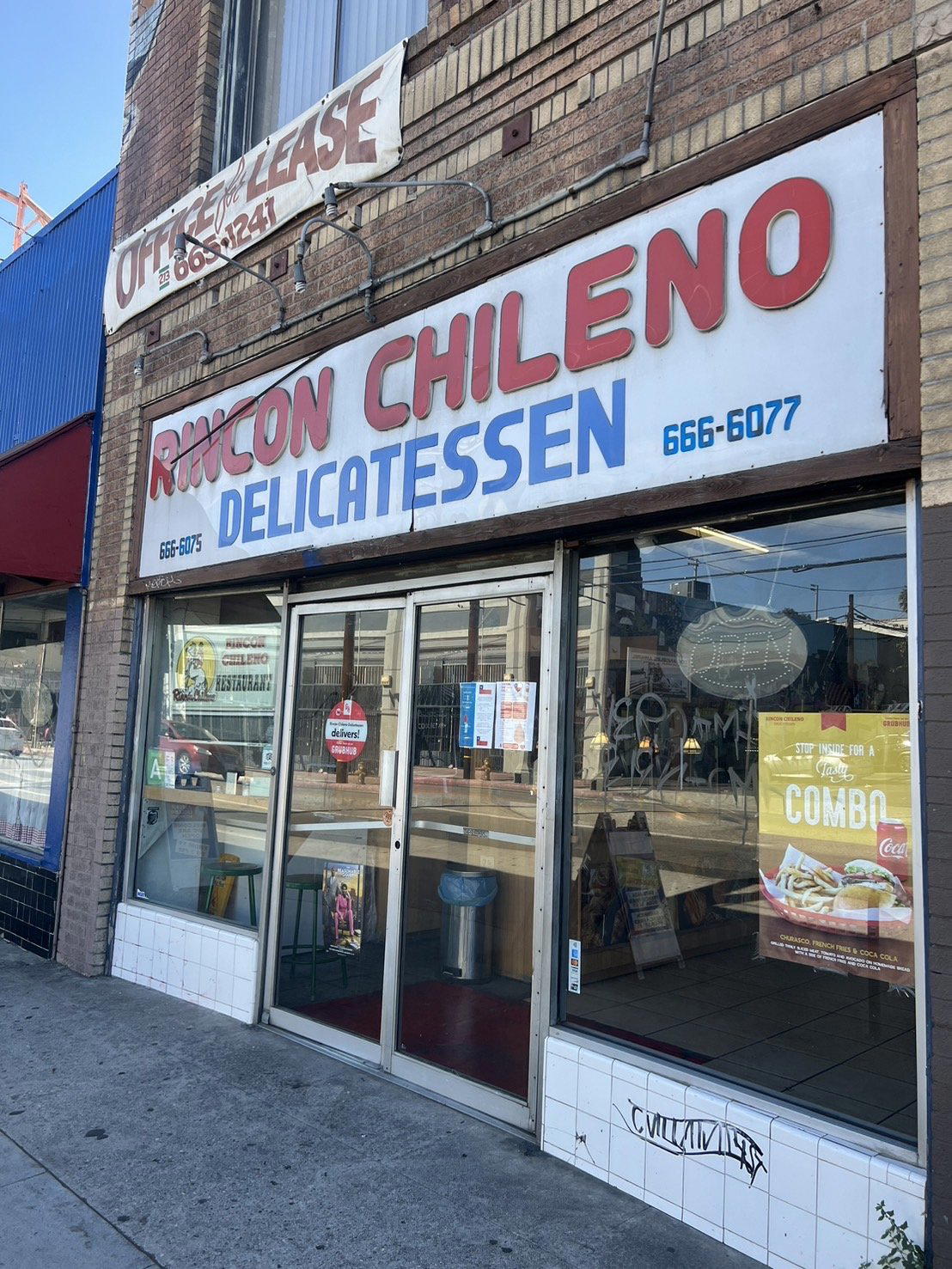
On Melrose Avenue in Los Angeles's East Hollywood corridor, Rincón Chileno represents a category that rarely surfaces on the city's fine-dining radar: Chilean home cooking, served in a neighborhood better known for taquerias and ramen than South American traditions. For anyone tracking how Latin American regional cuisines travel and adapt in Southern California, this address on Melrose is a reference point worth understanding.

Pearl is the En Primeur Club membership app — saves, bookings, and concierge access live there. Same editors, same standards.
Melrose Avenue and the Geography of Regional Latin Cooking in Los Angeles
The stretch of Melrose Avenue that runs through East Hollywood and into Los Feliz is not where most visitors expect to find South American cooking. The corridor is dense with pan-Asian spots, Salvadoran lunch counters, and the occasional wine bar, which makes the presence of a Chilean kitchen at 4354 Melrose Ave all the more instructive about how Los Angeles absorbs regional cuisines from across the Americas. Rincón Chileno sits in a part of the city where eating is functional rather than theatrical, and where longevity tends to signal genuine community support rather than marketing momentum.
Chilean cuisine occupies a distinctive position among the Latin American traditions that have taken root in Southern California. Unlike Mexican or Peruvian cooking, which have built substantial dining infrastructure across Los Angeles over decades, Chilean food operates at a smaller scale, with fewer dedicated venues and a narrower profile among non-Chilean diners. That scarcity gives places like Rincón Chileno an outsized role in preserving and transmitting the tradition locally. In a city where Kato has pushed New Taiwanese cooking into the national conversation, and where Hayato anchors Japanese kaiseki at the highest formal level, Chilean home cooking operates in a different register entirely, one defined by access and community rather than tasting menus and allocations.
What Chilean Cooking Looks Like in an LA Neighborhood Context
Chilean cuisine draws on a geography that stretches from the Atacama Desert in the north to Patagonia in the south, producing a culinary range that is wider than most outsiders expect. Coastal preparations involving congrio, a deep-water eel endemic to Chilean waters, sit alongside wheat-based pastries, slow-cooked stews, and empanadas whose construction differs in subtle but legible ways from Argentine or Colombian versions. The influence of German and Croatian immigration, particularly in the south of Chile, produced baking traditions that have no direct parallel elsewhere in Latin America.
In Los Angeles, that complexity rarely survives translation at the neighborhood level. Most Chilean restaurants in the city function as community anchors first, and as culinary showcases second. The East Hollywood address places Rincón Chileno within a dense residential area with a substantial Latin American population, which shapes both the clientele and the kitchen's reference points. The neighborhood context matters because it explains the register: this is not a restaurant oriented toward the kind of critical attention that has attached to spots like Somni or Osteria Mozza, but rather one that performs a different and equally valid function within the city's eating ecosystem.
Los Angeles as a Context for Niche Regional Cuisines
Los Angeles has a longer history of absorbing regional Latin American cuisines than almost any other American city, and Chilean food has been part of that story for decades. The Chilean diaspora in California dates to the 1970s and 1980s, with significant acceleration following economic and political upheaval in Chile during that period. The restaurants that emerged from that community were not designed for critical recognition; they were designed to feed a specific population with specific tastes, which is why they often operate below the radar of conventional food media.
That dynamic is not unique to Chilean cuisine. Salvadoran pupuserías, Oaxacan mezcalerías, and Peruvian cevicherías all followed similar trajectories in Los Angeles before any of them attracted serious critical attention. The pattern in this city is consistent: a diaspora community establishes a cooking tradition in accessible neighborhoods, that tradition stabilizes over years, and eventually a subset of those restaurants gets absorbed into the broader dining conversation. Rincón Chileno on Melrose exists somewhere in that arc.
For diners accustomed to the formal end of the Los Angeles spectrum, where Providence holds two Michelin stars for its seafood program, the frame of reference shifts entirely at a neighborhood spot like this. The comparison set is not Le Bernardin in New York City or Alinea in Chicago or The French Laundry in Napa. It is the handful of other Chilean kitchens operating in Southern California, most of which have even lower public profiles.
Planning a Visit
The Melrose Avenue location places Rincón Chileno within easy reach of Silver Lake, Los Feliz, and East Hollywood. Street parking on Melrose is available but follows standard Los Angeles patterns: easier on weekday afternoons, more competitive on weekend evenings. The surrounding neighborhood has enough adjacent dining options that a broader eating itinerary in this corridor is direct to assemble.
Neighborhood restaurants at this end of Melrose have historically kept informal hours and may adjust seasonally. For context on how this venue fits within a broader Los Angeles eating itinerary, the full Los Angeles restaurants guide covers the city's dining geography in detail, from neighborhood spots to the kind of formal programs found at Addison in San Diego and comparable West Coast destinations like Lazy Bear in San Francisco and Single Thread Farm in Healdsburg.
Visitors whose interest in Latin American regional cooking extends beyond Los Angeles will find useful comparison points in Emeril's in New Orleans, Bacchanalia in Atlanta, and Blue Hill at Stone Barns in Tarrytown, all of which approach regional American and international traditions from distinct angles. Korean fine dining on both coasts, represented by Atomix in New York City, offers a parallel case study in how a diaspora cuisine achieves critical recognition over time. Internationally, 8 1/2 Otto e Mezzo Bombana in Hong Kong demonstrates how transplanted culinary traditions can anchor entirely different markets. The Inn at Little Washington rounds out the picture of how regional specificity builds long-term dining reputation. None of these are direct analogues to a Chilean neighborhood restaurant on Melrose, but they illustrate the broader principle: specificity of place and tradition, sustained over time, is what gives a restaurant its authority.
Quick reference: 4354 Melrose Ave, Los Angeles, CA 90029.
Frequently asked questions
What's the address for Rincón Chileno?
Rincón Chileno is located at 4354 Melrose Ave, Los Angeles, CA 90029, Los Angeles.
Is Rincón Chileno one of the only dedicated Chilean restaurants in Los Angeles?
Chilean cuisine has a significantly smaller restaurant footprint in Los Angeles than Mexican, Peruvian, or Salvadoran cooking, meaning venues that focus specifically on Chilean food occupy an uncommon niche in the city. Rincón Chileno on Melrose Ave is among a small number of Los Angeles restaurants built around Chilean cooking rather than broader Latin American menus. That specificity is the point: if Chilean food is what you are looking for in LA, the options are narrow enough that this address is worth knowing.
What's the best thing to order at Rincón Chileno?
Chilean restaurant menus in Los Angeles diaspora contexts are typically anchored by empanadas, cazuela, and dishes that reflect the country's coastal and agricultural regions. The 4354 Melrose Ave location serves a neighborhood with an appetite for regional specificity, so expect the menu to lean toward Chilean home-cooking staples rather than Pan-Latin fusion.
How far ahead should I plan for Rincón Chileno?
Neighborhood restaurants in East Hollywood's Melrose corridor generally operate on a walk-in or same-day basis, without the reservation pressure of formal dining rooms in West Hollywood or Downtown. Rincón Chileno at 4354 Melrose Ave fits that pattern. Arriving during off-peak hours on weekday evenings is a reasonable hedge, though weekend timing may warrant a call ahead if phone contact is available at the time of your visit.
The Minimal Set
Comparable venues nearby, for context on price, style, and recognition.
| Venue | Cuisine | Price | Notes |
|---|---|---|---|
| Rincón ChilenoThis venue — the venue you are viewing | Authentic Chilean | $20–30 | Not listed |
| Big Boi | Filipino Comfort Food | $20–30 | Sawtelle Japantown, Filipino Comfort Food |
| The Megaformer Studio | Fitness Studio (Not a Restaurant) | Not listed | Beverly Grove, Fitness Studio (Not a Restaurant) |
| Today Starts Here | Chinatown, other | Not listed | Not listed |
| modelFIT WeHo | Fitness Studio | Not listed | Beverly Grove, Fitness Studio |
Continue exploring
More in Los Angeles
Restaurants in Los Angeles
All restaurants in Los Angeles →
Bars in Los Angeles
All bars in Los Angeles →
Hotels in Los Angeles
All hotels in Los Angeles →


Wineries in Los Angeles
All wineries in Los Angeles →
Details
- Cozy
- Rustic
- Casual Hangout
- Family
- Historic Building
- A La Carte
Current opening hours
- Monday
- Closed
- Tuesday
- 11 AM–6 PM
- Wednesday
- 11 AM–6 PM
- Thursday
- 11 AM–6 PM
- Friday
- 11 AM–6 PM
- Saturday
- 10 AM–6 PM
- Sunday
- 10 AM–6 PM
Hours can change for holidays and private events. Last verified .
Warm, cozy, and unpretentious with a homely atmosphere evoking traditional Chilean gatherings.