Riesen
On a quiet residential street in El Cangrejo, Riesen occupies a house address that signals something deliberately apart from Panama City's main restaurant corridor. The kitchen works at the intersection of European technique and Central American produce, placing it in a small but growing cohort of Panama City restaurants treating local ingredients as the primary creative variable rather than the decorative one.
Pearl is the En Primeur Club membership app — saves, bookings, and concierge access live there. Same editors, same standards.
- Address
- Calle D, casa #16 (Calle Hercilia Lamela y Eusebio A. Morales), Ciudad de Panamá, Panamá
- Directions
- Get directions
 Saves & bookings on Pearl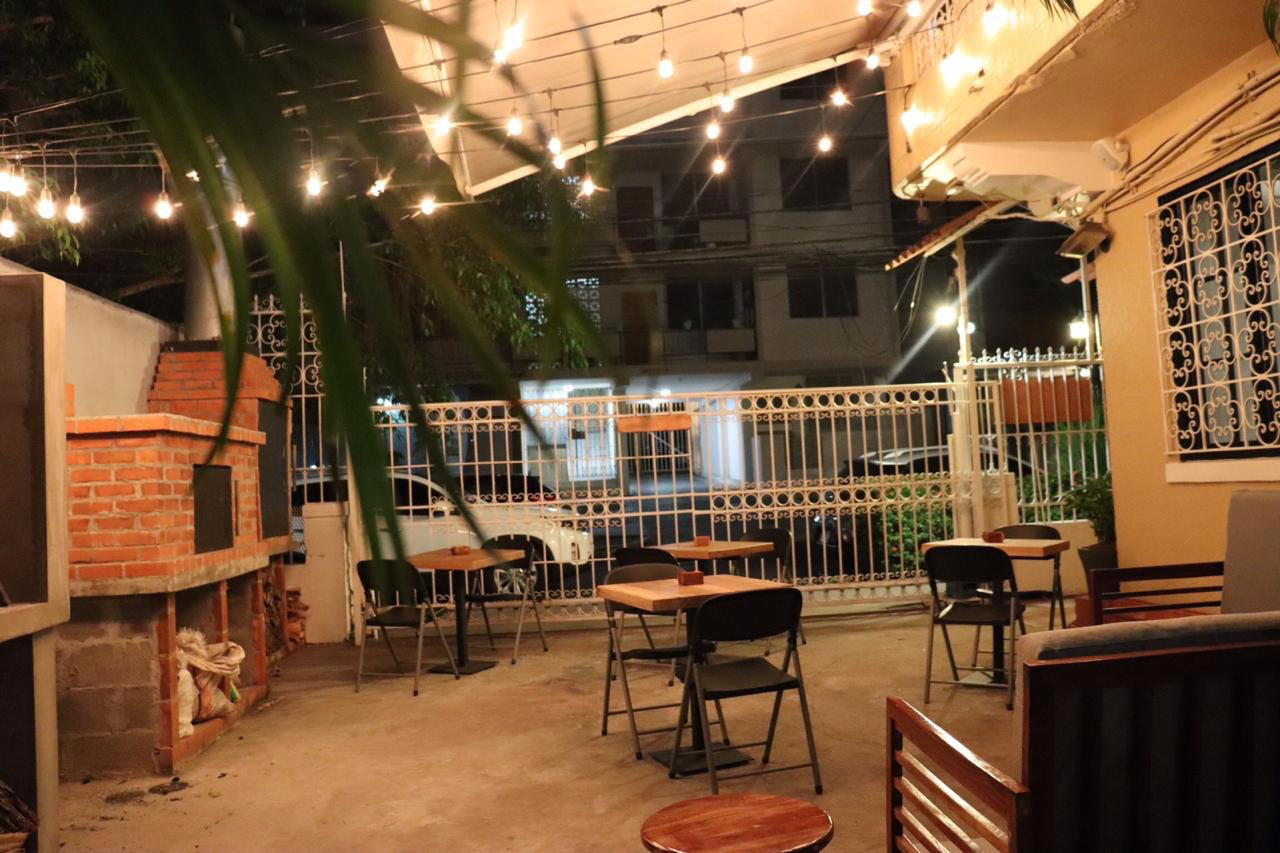
A House Address in the Middle of the Dining Conversation
Panama City's restaurant scene has reorganized itself around two poles in recent years: the Casco Viejo revival, where colonial architecture lends atmosphere to everything from craft cocktail bars to contemporary Panamanian tasting menus, and the financial district corridor, where expense-account dining follows a fairly predictable international playbook. Riesen is a restaurant serving Contemporary Panamanian cuisine in Panama City, Panamá, at a price tier of 3. It sits at neither pole. Its address on Calle D, between Calle Hercilia Lamela and Eusebio A. Morales in what reads as a residential stretch of the city, is itself an editorial statement about the kind of dining it represents, the type that earns its audience through word of mouth rather than street-level visibility.
That geography matters when you're thinking about Panama City's current dining trajectory. The restaurants generating critical conversation right now tend to share a similar posture: they are serious about sourcing, they carry technical training into a distinctly Central American ingredient context, and they are not especially interested in volume. Maito (Panamanian) established much of the template for this approach, making the case that Panamanian produce, cacao, plantain, yuca, tropical fish from both coasts, could carry a full contemporary tasting menu without apology. The generation of restaurants that followed, including those operating out of less conspicuous addresses, owes something to that precedent.
Technique as the Variable, Not the Product
The broader shift in ambitious Latin American dining over the past decade has been a reorientation of what technique is for. In an earlier mode, European classical training was applied to local ingredients to legitimize them, a kind of culinary credentialism. The more interesting current version inverts the hierarchy: the ingredient leads, and the technique exists to reveal rather than transform. This is the frame within which restaurants like Riesen position themselves in the Central American context, where the Pacific and Caribbean coasts supply fish and shellfish with distinct profiles, and the interior highlands produce coffee, cacao, and vegetables with enough character to bear close examination.
Panama's geographic position, a narrow isthmus between two oceans and two continents, with indigenous culinary traditions alongside Spanish colonial layers and significant Afro-Caribbean and Asian immigrant communities, creates a more complex ingredient palette than any single regional label captures. The restaurants doing interesting work in Panama City tend to treat this complexity as an asset rather than a problem to resolve. Atope and Caleta both operate within versions of this framework, each finding a slightly different editorial emphasis in how they construct the relationship between technique and local produce.
The model has international parallels worth noting. At Aponiente in El Puerto de Santa María, the kitchen treats the marine ecology of the Bay of Cádiz as a primary creative constraint. At Amber in Hong Kong, local and regional sourcing has become more central to the menu architecture over time, even within a European fine-dining format. The pattern, imported methods, indigenous products, recurs across enough serious kitchens globally that it reads less as a trend and more as a settled position in how ambitious restaurants now construct their identity.
The Neighbourhood and What It Signals
El Cangrejo and the streets immediately surrounding it occupy an interesting middle ground in Panama City's geography. The area is neither the heritage-tourism destination of Casco Viejo nor the glass-tower modernity of Punta Pacífica, and that in-between quality has historically made it more hospitable to the kind of low-key, serious dining that doesn't need a backdrop of Instagram architecture. Several of Panama City's more considered independent restaurants operate out of houses converted to dining spaces in this zone, a format that naturally limits covers and tends to select for a more intentional dining audience.
For readers arriving from outside Panama, the logistics of reaching a house-address restaurant on a quieter residential street are worth thinking through in advance. Panama City's taxi and ride-share infrastructure is functional, and the address on Calle D is specific enough to navigate by, but confirming the reservation policy before arrival is particularly important for venues of this format. The same applies to any of the city's more intimate independent operations: BRIO Brasserie and Umi Restaurante Bar Izakaya both reward advance planning for similar reasons.
Placing Riesen in the Wider Conversation
Panama City has entered the kind of moment that several Latin American capitals passed through a decade ago: a period when local cuisine stops being a category of nostalgia and becomes a category of ambition. The restaurants that matter in this moment are those treating local produce as a design brief rather than a marketing angle. Riesen's address in a residential pocket of the city, its separation from the more tourist-facing dining corridors, and its apparent positioning within the local-ingredients-plus-global-technique cohort place it in the same competitive conversation as Maito and the other restaurants reshaping what a serious dinner in Panama City looks like.
For readers who have followed similar progressions in other cities, the way Lazy Bear in San Francisco built its reputation through format discipline rather than location advantage, or the way Atomix in New York City used Korean ingredients as a primary creative language within a technically rigorous format, the pattern at work in Panama City's current restaurant moment should feel familiar. The specific geography and ingredient palette differ, but the underlying dynamic is the same: technique as a tool for expressing place, rather than as a substitute for it.
Planning Your Visit
Riesen's address at Calle D, casa #16, between Calle Hercilia Lamela and Eusebio A. Morales, places it in a part of Panama City where street-level wayfinding is more reliable than map apps alone. Arriving by taxi or app-based car service with the full address in hand is the practical approach. Given the format, a house-scale space in a residential block, table availability is likely constrained, and reserving in advance is the appropriate first step before building an itinerary around it. For regional context, Receta Michilá in Isla Carenero offers a point of comparison for how indigenous ingredients are being handled in other parts of Panama beyond the capital.
Same-City Peers
Comparable venues nearby, for context on price, style, and recognition.
| Venue | Cuisine | Price | Notes |
|---|---|---|---|
| RiesenThis venue — the venue you are viewing | Contemporary Panamanian | $$$ | Not listed |
| Mai Mai | Peruvian-Nikkei Japanese Fusion Izakaya | $$$ | Costa Del Este |
| Patagonia Grill | Argentinian Grill | $$$ | Panama City |
| Atope | Spanish-Panamanian Fusion Tapas | $$$ | Costa del Este |
| Lung Fung | Authentic Cantonese Dim Sum | $$ | Las Angles |
| Intimo | Modern Panamanian Fusion | $$$ | San Francisco |
Continue exploring
More in Panama City
Restaurants in Panama City
Browse all →
Bars in Panama City
Browse all →
At a Glance
- Cozy
- Intimate
- Rustic
- Trendy
- Date Night
- Special Occasion
- Open Kitchen
- Farm To Table
- Local Sourcing
- Organic
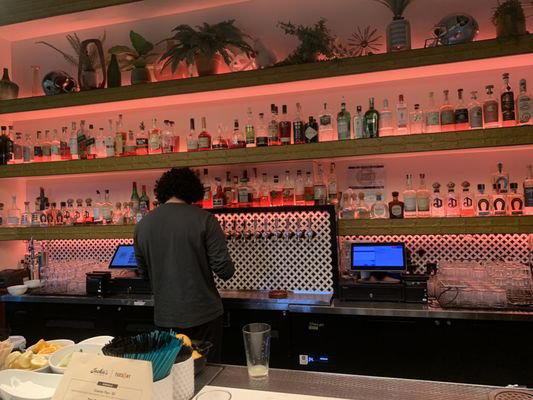
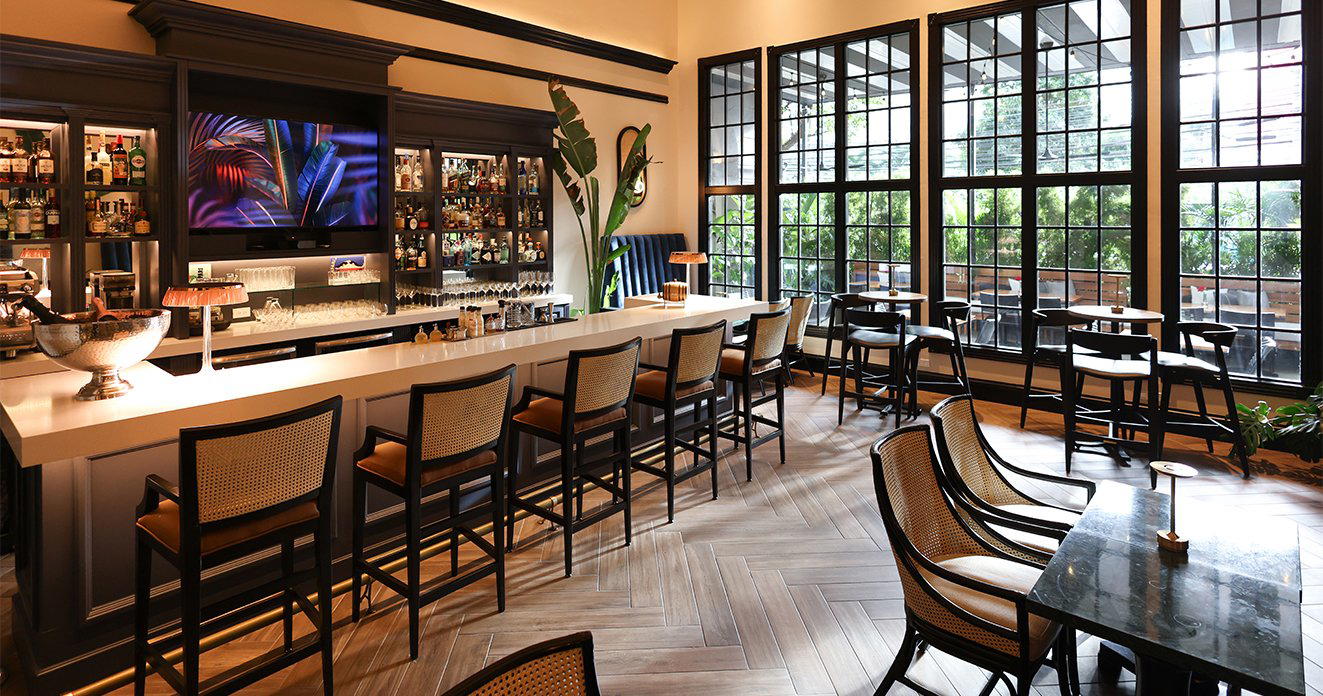
Cozy and intimate with a rustic trendy modern vibe, featuring warm family service in a historic residence.