
Tabelog 100 #71
Our verdict
F ridge sits in Fukuoka’s compact Italian-and-wine-bar tier, with Tabelog Italian WEST “Tabelog 100” selections in 2023 and 2025 and a dinner budget of JPY 10,000–14,999. The appeal is less about spectacle than reputation: a small Watanabedori room, Italian cooking, wine-bar pacing, and the kind of local critical signal that matters in Japan’s regional dining scene.

Pearl is the En Primeur Club membership app, where members save venues, book tables and use the concierge.
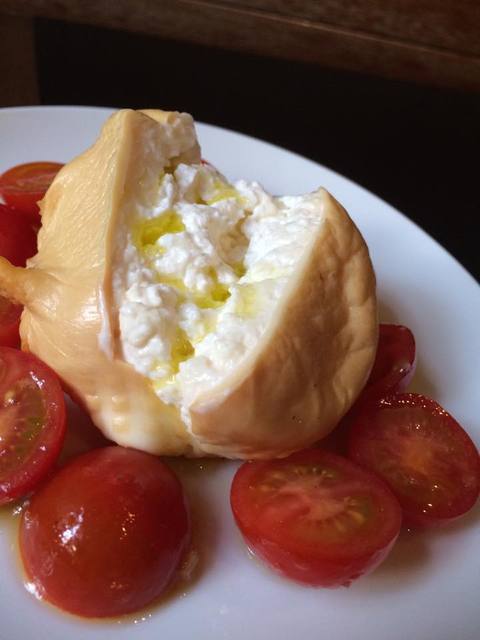
Fukuoka changes register quickly: retail glare softens, side streets tighten, and dinner becomes a matter of smaller rooms rather than grand dining rooms. In that setting, Fukuoka’s Italian dining has developed a particular character. It is less theatrical than larger luxury tasting-menu circuits and less export-facing than hotel dining, but it rewards places with clear identity, patient regulars, and wine lists built for repeat meals. F ridge belongs to that category: Italian by classification, wine bar by rhythm, and local enough in scale that its reputation carries more weight than any decorative claim.
The useful way to read its recognition is through Tabelog Hyakumeiten recognition, where the restaurant was selected in 2025. In Japan, that signal matters differently from Michelin. It reflects a consumer-review ecosystem with strong local participation, and for regional cities it often captures rooms that travelling diners might miss if they only chase international guides. A Tabelog score of 3.78 places it in a serious bracket for Fukuoka Italian, especially for a restaurant operating outside the broad tourist shorthand of sushi, ramen, and yakitori.
Italian cooking in Fukuoka has become a wine-bar conversation, not a hotel-dining performance
Fukuoka’s dining identity is usually described through seafood, hotpot, casual street-side eating, and ramen, but that misses an important middle tier: small European-leaning restaurants that use the city’s appetite for drinking well and eating late. Italian cooking has particular traction here because it can flex between pasta, fish, grilled meat, and wine without asking diners to submit to a long ceremonial format. The category works when the room feels edited rather than underbuilt.
That is where the Italian-and-wine-bar pairing becomes important. A restaurant in this lane is judged less by a single trophy dish than by how it manages sequence, bottle choice, and the social tempo of a table. The classification also puts it in a different competitive conversation from casual pasta counters or full dégustation restaurants. Among local comparison points, Yama Basque, Sakana to Sakana Ito Okashi, Kamo to Negi Yodomizu Nigyo, and Kuwaman show how varied Fukuoka’s dining field can be across format, mood, and occasion. F ridge’s awards profile moves it toward the reputation-driven end of that local spectrum.
For visitors building a broader Fukuoka eating map, other local dining rooms show how varied the city’s mid-to-premium dining field has become, from spice-led meals and older local cooking to seafood-focused counters and casual specialties. Italian here is not an imported luxury costume; it is one of the ways Fukuoka diners organize an evening around food and wine.
Recognition matters because the room is focused and the category is crowded
The restaurant’s scale sharpens the point. The experience belongs to the compact urban model common in Japan: controlled service, a focused room, and a guest mix that favors people who know why they are there. That kind of room does not need a sprawling concept to make sense. It needs consistency, and selection for Tabelog Hyakumeiten in 2025 suggests that consistency has registered beyond ordinary local attention.
There is also a settled quality behind the reputation. The restaurant reads as part of a city whose dining habits have shifted with inbound tourism, redevelopment, and the growing visibility of Kyushu ingredients. Established small restaurants often survive by becoming part of local routine rather than chasing novelty. In Fukuoka, that can be a stronger endorsement than a louder room with a shorter memory.
The critical takeaway is not that every traveller needs Italian dinner in Fukuoka. It is that the city’s food culture is broader than its headline dishes, and the restaurants with regional awards help reveal that breadth. A night here makes sense for diners who want a quieter counterpoint to Fukuoka’s high-energy staples, especially when wine is part of the plan. Without needing to lean on a personality-driven story, attention stays where it belongs: the category, the room, and the restaurant’s standing among recognized Italian dining in Japan.
How to place it in a Fukuoka itinerary
Fukuoka rewards alternation. A strong trip can move from market seafood to curry, from casual counters to small wine-led rooms, rather than repeating the same kind of Japanese dinner every night. The city’s size makes that possible: dining choices can be built by mood and pacing rather than by neighborhood logistics alone. In that pattern, F ridge is the dinner for the evening when the point is conversation, wine, and a more contained room.
Use the broader city guides to balance the meal rather than treating one reservation as the whole plan. The full Fukuoka restaurants guide is the natural starting point, with parallel planning through the Fukuoka hotels guide, Fukuoka bars guide, Fukuoka wineries guide, and Fukuoka experiences guide. For a wider Japan dining frame, compare how regional specialization appears in other dining rooms across the country. Beyond Japan, Japanese dining formats travel, adapt, and sometimes lose the local precision that makes rooms like this compelling.
Frequently asked questions
How much does it cost to eat at F ridge?
Pricing at F ridge is listed as JPY 10,000 - JPY 14,999.
Where is F ridge in Fukuoka?
Fukuoka.
What's the best way to book F ridge?
Plan ahead for dinner in the JPY 10,000 - JPY 14,999 range. Diners can contact the venue by phone at +81-92-762-6355.
What makes F ridge worth seeking out?
Its case is the combination of category and recognition: an Italian wine bar in Fukuoka that was selected for Tabelog Hyakumeiten in 2025. The JPY 10,000–JPY 14,999 price band places it in a focused dinner bracket rather than a casual neighborhood stop.
Price and Positioning
Side-by-side context: comparable cuisine and price.
| Venue | Cuisine | Price | Awards | Notes |
|---|---|---|---|---|
| F ridgeThis venue (the venue you are viewing) | Intimate Italian Wine Bar | $50–100 | Tabelog 100 #71 | Not listed |
| クッカーニャ | Chūō, 会員制イタリアン | Not listed | Not listed | Not listed |
| Bekk | Creative Italian with Kyushu Ingredients | $100–150 | Tabelog 100 #41 | Kokura North District, Creative Italian with Kyushu Ingredients |
| なかがわ | Italian-Inspired Seasonal Kyushu Cuisine | $100–150 | Tabelog 100 #28 | Chūō, Italian-Inspired Seasonal Kyushu Cuisine |
| Verona | Classic Italian trattoria with pasta and pizza | $30–50 | Tabelog 100 #25 | Chūō, Classic Italian trattoria with pasta and pizza |
| Yorgo | Seasonal Japanese‑French natural‑wine bistro | $50–100 | Tabelog 100 #27 | Chūō, Seasonal Japanese‑French natural‑wine bistro |
Recognition history
Dated appearances from independent guides and award organizations, with the underlying list record or original source where available.
Tabelog 100 #71 · No. 71
Tabelog · Tabelog 100 - Italian - WEST - 2025
Continue exploring
More in Fukuoka
Restaurants in Fukuoka
All restaurants in Fukuoka →

F ridge
The wine
- Wine program
- Deep wine list
- Extensive wine list
- Natural wine
Details
- Cozy
- Intimate
- Classic
- Date Night
- Special Occasion
- After Work
- Solo
- Standalone
- Extensive Wine List
- Natural Wine
- Natural Wine
- A La Carte
- Small Plates
- Wine
- Natural Wine
Current opening hours
- Monday
- Closed
- Tuesday
- 4–9 PM
- Wednesday
- 4–9 PM
- Thursday
- 4–9 PM
- Friday
- 4–9 PM
- Saturday
- 2–9 PM
- Sunday
- 2–9 PM
Hours can change for holidays and private events. Hours as of .
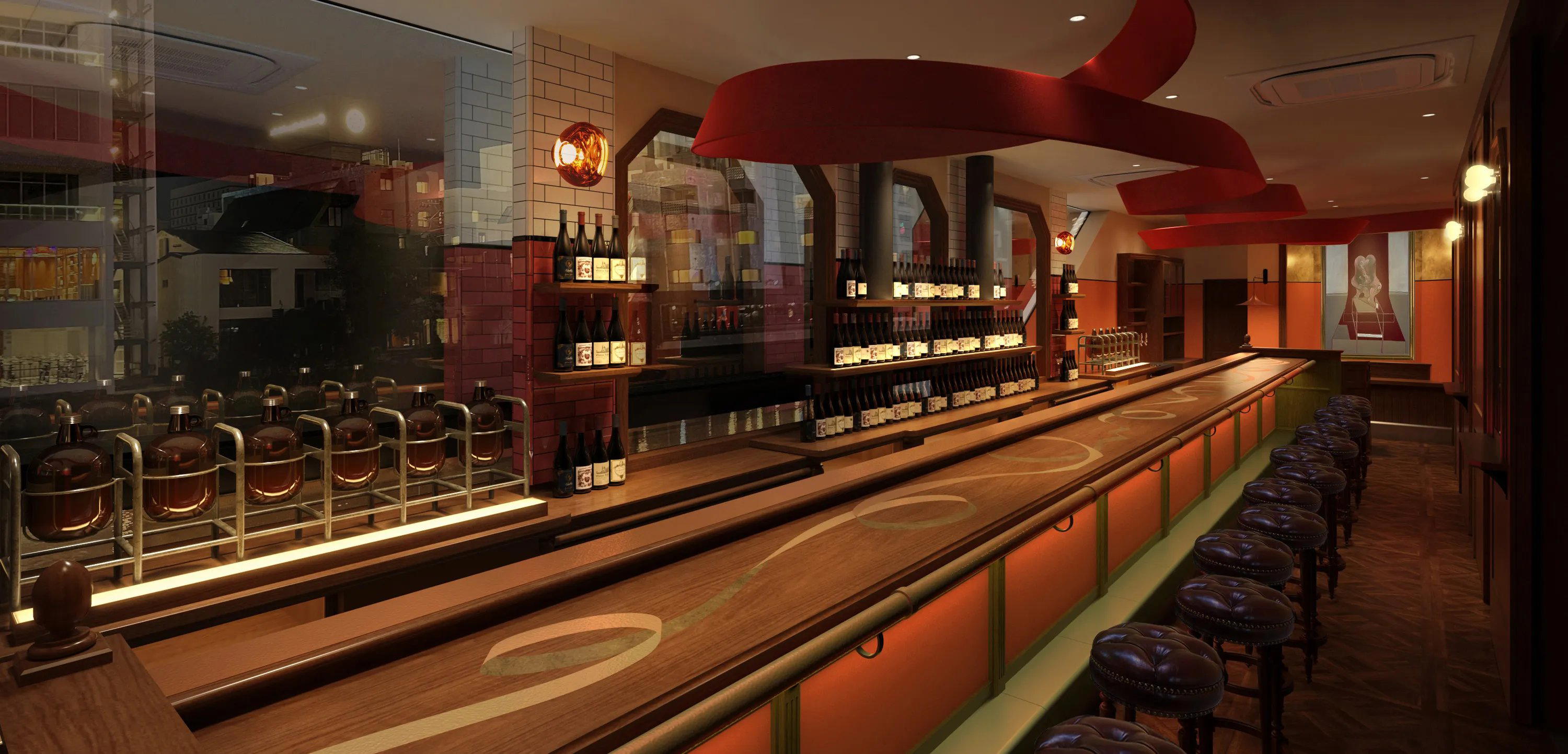
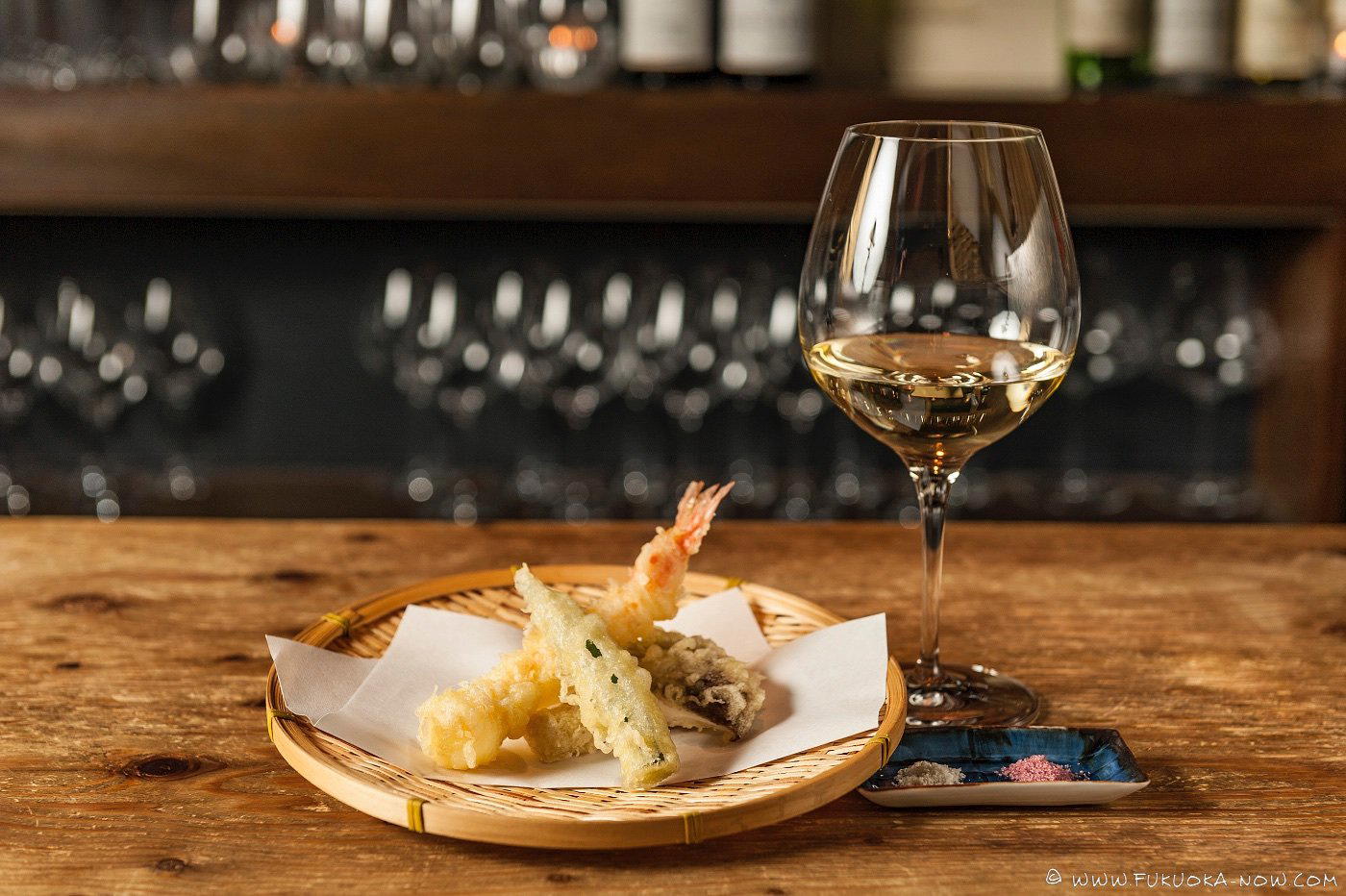
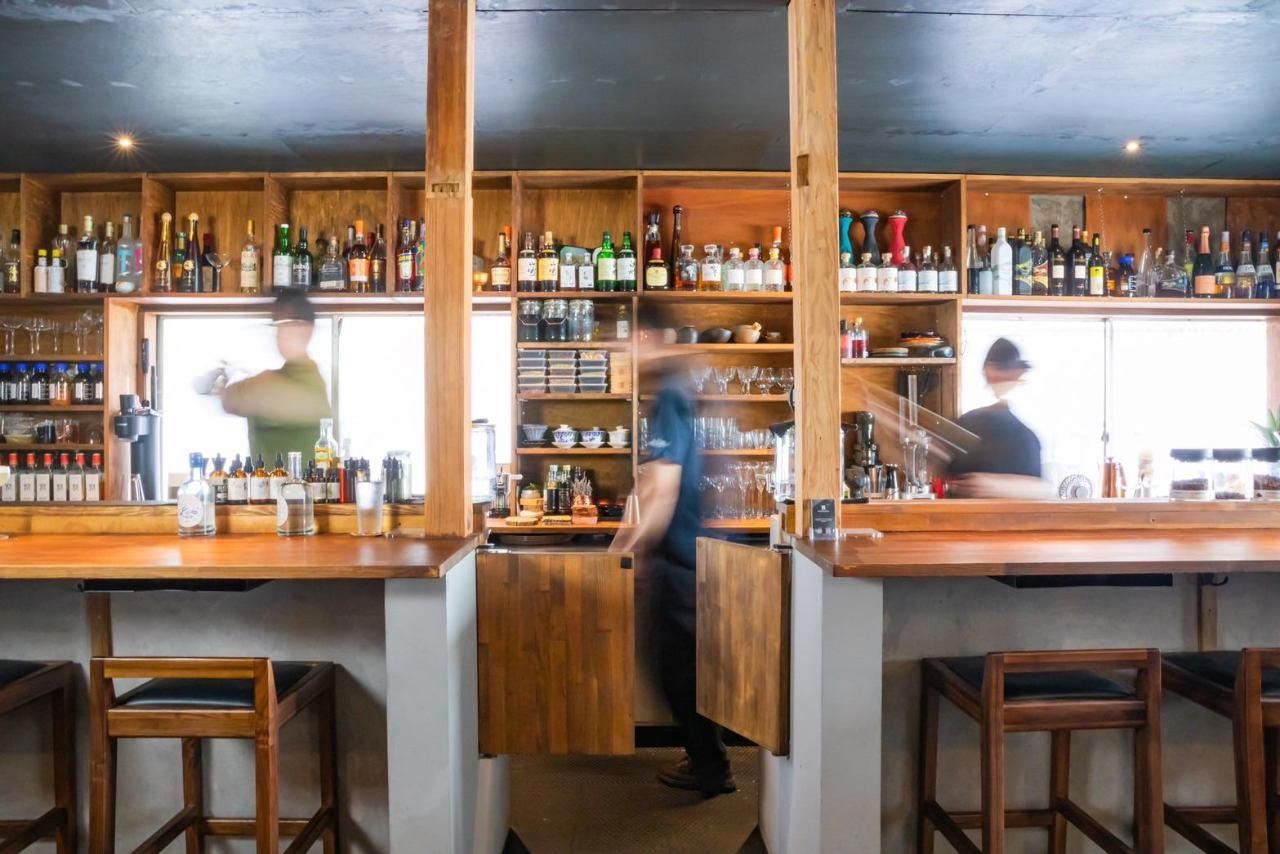
Small, non‑smoking osteria with around 14 seats, giving a cozy, quietly conversational atmosphere that leans classic rather than flashy, suited to relaxed dinners with friends or dates.