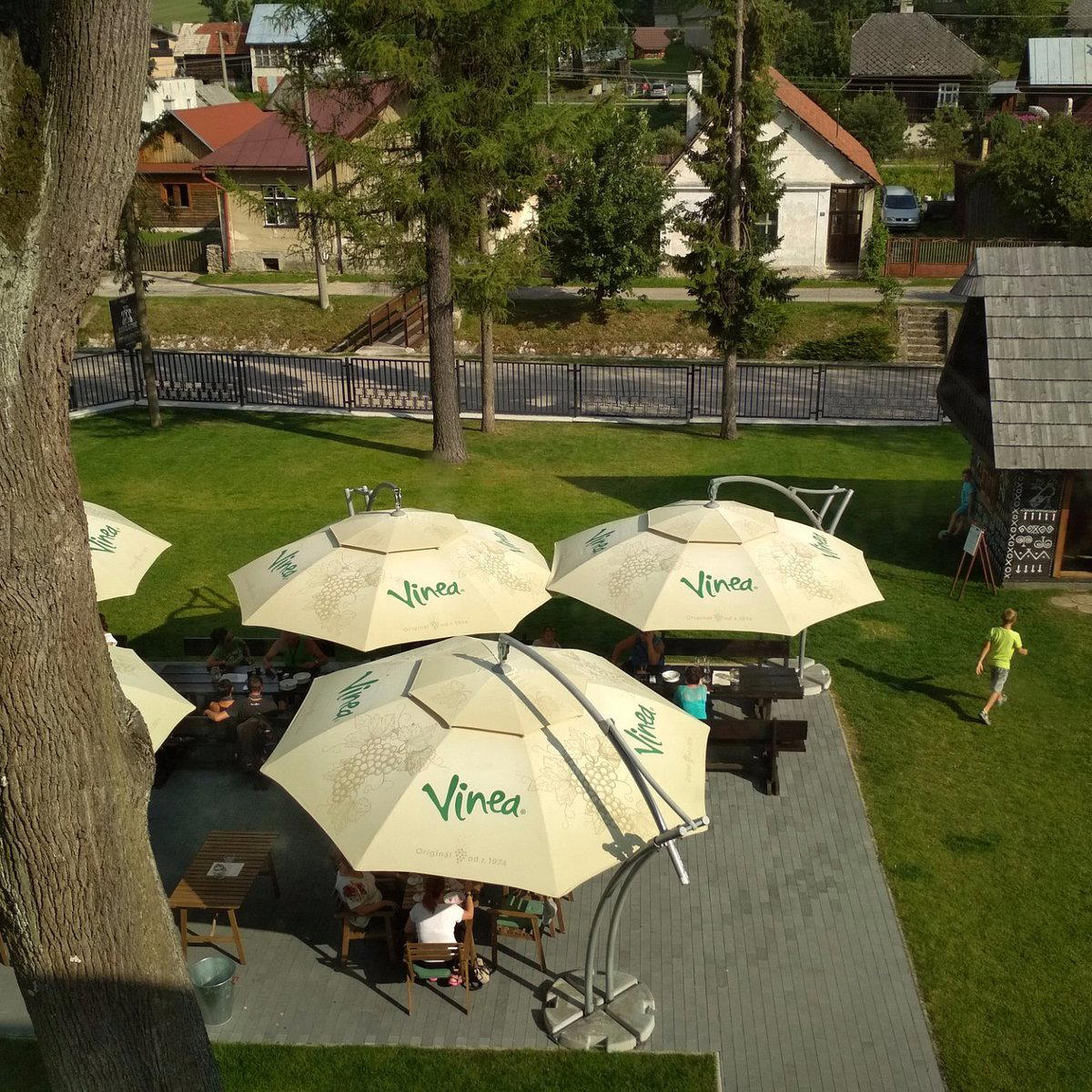
Reštaurácia Pri lipe sits in the village of Dohňany in northwestern Slovakia, where the dining tradition pulls directly from the agricultural rhythms of the Považie region. The kitchen draws on locally sourced ingredients typical of Slovak countryside cooking, placing it within a broader pattern of rural restaurants that prioritize seasonal produce over formal menus. A practical stop for travellers moving through the Trenčín district.
Pearl is the En Primeur Club membership app — saves, bookings, and concierge access live there. Same editors, same standards.
- Address
- Dohňany 464, 020 51 Dohňany, Slovakia
- Phone
- +421948301395
- Website
- restauraciaprilipe.sk
- Directions
- Get directions
 Saves & bookings on Pearl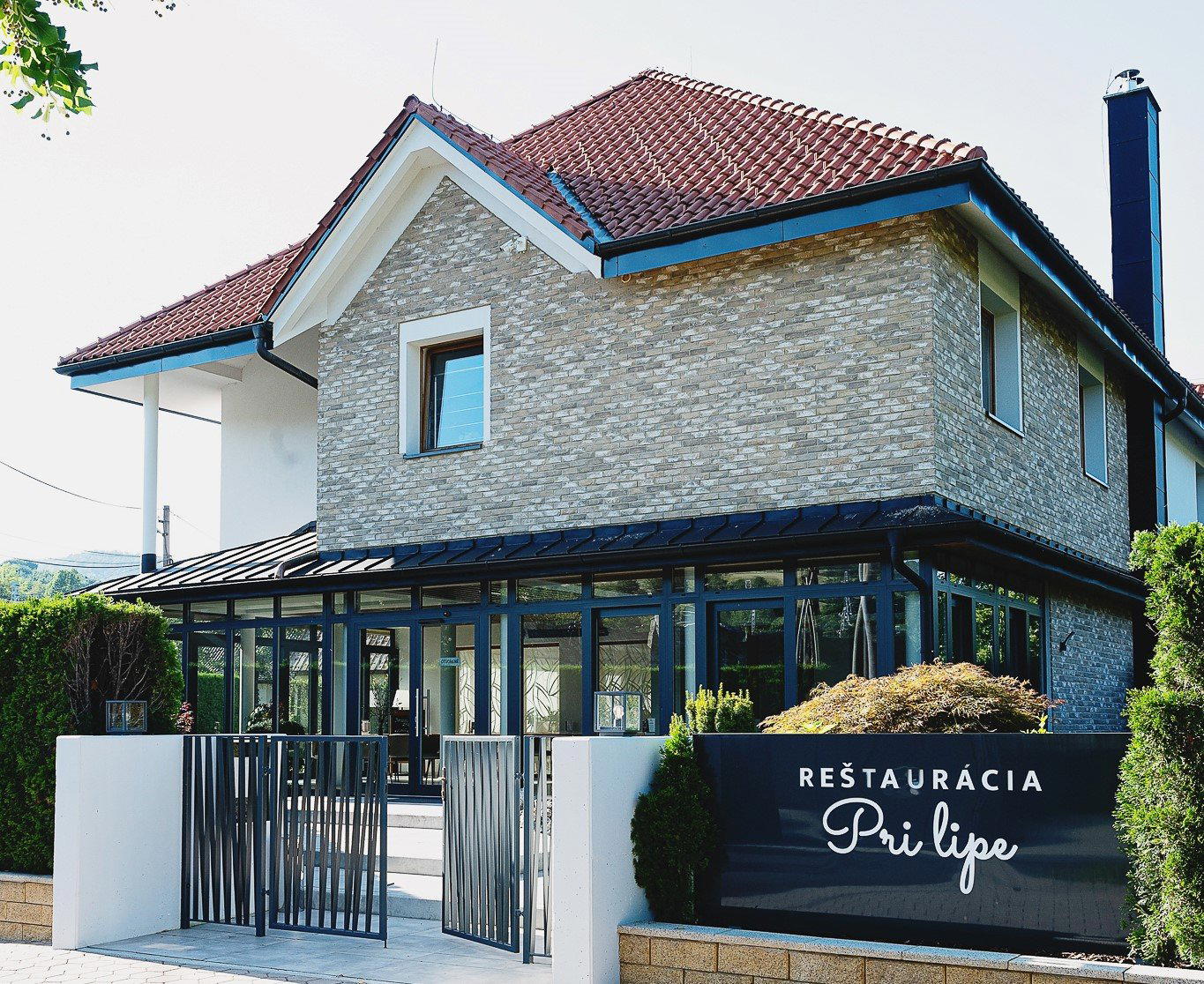
Rural Slovak Cooking in the Považie Valley
In villages like Dohňany, the kitchen is shaped by what the surrounding farmland and forests produce, and that logic runs through most of the credible restaurants in the Trenčín district. Reštaurácia Pri lipe operates within that tradition, sitting in a small agricultural village where the supply chain is short almost by necessity rather than by design philosophy.
The name itself is worth noting: "pri lipe" means "at the linden tree," a reference that places the restaurant firmly in the vernacular of Slovak village life. The linden tree carries deep cultural weight in Central European tradition, associated with community gathering and rural settlement patterns. That kind of naming convention signals something about the intended register of the place before you arrive.
Where the Ingredients Come from and Why That Matters
The dominant pattern in Slovak rural dining is a direct relationship between kitchen and local agricultural producers. Dohňany sits in a valley in the Považie region, where mixed farming, dairy production, and orchard cultivation have shaped the food culture for generations. Restaurants operating in this environment tend to work with pork, game, freshwater fish from regional rivers, and seasonal vegetables in ways that urban kitchens cannot easily replicate, not because of technique, but because proximity to source determines freshness and availability.
This is the context that separates a village restaurant like Pri lipe from a Slovak-themed restaurant in a larger city. The distance between supplier and kitchen in this part of northwestern Slovakia is measured in kilometers, sometimes in walking distance. That compression of supply chain translates into a kitchen calendar that shifts with the seasons: spring herbs, summer vegetables, autumn game, and preserved winter preparations built from the preceding harvest. It is a model that older Slovak cooks describe as simply how things were done, and which younger urban kitchens now attempt to replicate under the "farm-to-table" framework.
For context on how other Slovak regional kitchens position this kind of sourcing, the approach differs markedly from the urban Slovak format seen at venues like the more contemporary operations in Bratislava, or even the structured koliba model found at places like Koliba Patria in Štrbské Pleso. Where mountain kolibas tend to theatricalize the folk tradition, village restaurants in the Považie region tend to practice it without performance.
The Considering region: Dining in Northwestern Slovakia
The Trenčín region, which encompasses Dohňany, sits between the White Carpathian mountains to the west and the Váh river valley to the east. Historically, this was a corridor for trade and movement between Moravia and the Slovak interior, and the food culture reflects that cross-border influence. Dishes common to this area often share characteristics with Moravian and Hungarian cooking, particularly in preparations involving smoked meats, fermented dairy, and slow-cooked legumes.
This geographic and cultural position makes the Trenčín district interesting for anyone tracking how Slovak cuisine has absorbed regional variations. Unlike the more uniform tourist-driven menus found in high-traffic areas, the restaurants in smaller Považie villages often preserve preparations that have disappeared from city menus.
Within the broader Northwest Slovak dining circuit, travellers who enter the region through Považská Bystrica will find a different register of restaurant entirely at Hotel and Restaurant Gino Park Palace in Považská Bystrica, which operates closer to a hotel-dining format with a more structured menu. Moving south toward Trenčín, Cafe Sissi in Trenčín shifts again toward a Central European café tradition. Pri lipe in Dohňany occupies a different position in this spectrum: a village restaurant without the hotel infrastructure or the city-café format, likely serving the local community as much as passing travellers.
Situating Pri lipe in the Slovak Rural Dining Category
Slovak rural restaurants can be mapped onto a rough spectrum. At one end, you have the koliba format: theatrical folk dining, open fireplaces, sheep-cheese preparations, and menus designed for visitors from Bratislava or from abroad. These venues, including operations like KOLIBA na Vršku in Bytča (a short distance from Dohňany), exist partly as cultural presentations. At the other end, you have working village restaurants that serve lunch to local tradespeople, farmers, and residents on a daily menu that changes by availability.
Pri lipe, based on its location in a village of roughly 1,500 people and the address format suggesting a standalone building on the main settlement road, fits more naturally toward the latter category. The better comparison is with local-function restaurants that anchor village social life across the Považie. For a point of contrast further down the Slovak food spectrum, Fatrabeef in Ľubochňa represents a more specialized, single-product approach to Slovak countryside ingredients that has attracted wider editorial attention.
It is also worth noting how the Slovak rural kitchen differs from the hyper-sourced independent restaurant models that have attracted international attention at venues like Wild Kitchen Modra in Modra, or for a point of contrast with how different the ingredient-sourcing conversation looks at the level of Le Bernardin in New York City. The village restaurant tradition in Slovakia predates the sourcing conversation entirely: it simply never outsourced to industrial supply chains in the first place.
Planning a Visit to Dohňany
Dohňany is a small settlement in the Nové Mesto nad Váhom district, accessible by road from Trenčín to the south or from Považská Bystrica to the north, both of which are on the main Bratislava-Žilina rail and road corridor. Anyone approaching from Žilina will pass through Bytča, where KOLIBA na Vršku provides a benchmark for what the koliba format offers in the same geographic band.
Reservations are recommended, and opening hours are Monday to Friday from 11 AM to 3 PM, with Saturday and Sunday closed. Village restaurants in this part of Slovakia often operate on lunch-heavy schedules, with kitchens closing in mid-afternoon and reopening for evening service only on busier days. For additional options in the wider region, Focus Restaurant in Žilina provides a more urban reference point if Dohňany's kitchen is closed on arrival.
At-a-Glance Comparison
Comparable venues nearby, for context on price, style, and recognition.
| Venue | Cuisine | Price | Notes |
|---|---|---|---|
| Reštaurácia Pri lipeThis venue — the venue you are viewing | Slovak Traditional | $$ | Not listed |
| Otto | Central European Bistro | $$ | Staré Mesto |
| YellCousine | Modern Slovak Cuisine | $$ | Bystrická cesta |
| Café Devín | Modern Pressburg Café Cuisine | $$ | Staré Mesto |
| NEAPOLI | Authentic Neapolitan Pizza | $$ | Solinky Juh |
| VíK - Vegan Venue | 100% Vegan Cafe & Bistro | $ | Staré Mesto |
At a Glance
- Cozy
- Quiet
- Classic
- Intimate
- Casual Hangout
- Family
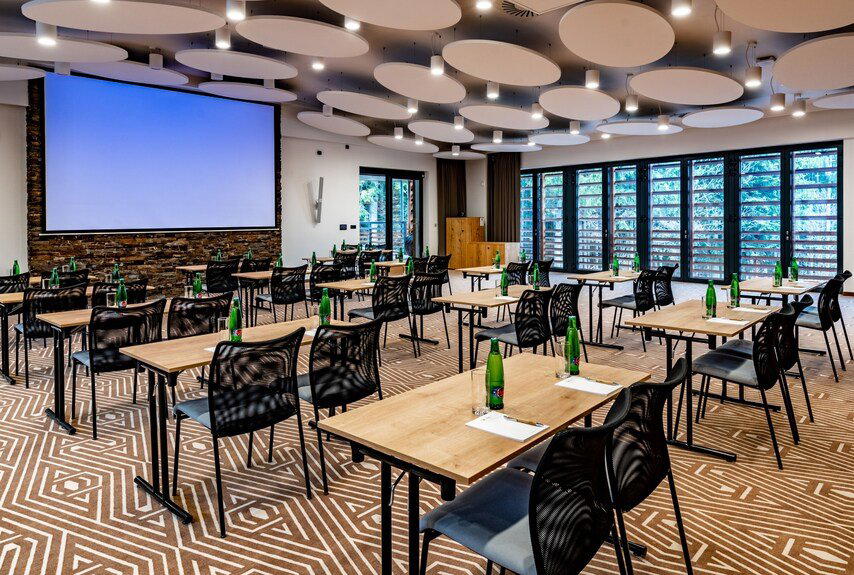
- Group Dining
- Business Dinner
- Celebration
- Standalone
- Beer Program
- Local Sourcing
Current opening hours
- Monday
- 11 AM–3 PM
- Tuesday
- 11 AM–3 PM
- Wednesday
- 11 AM–3 PM
- Thursday
- 11 AM–3 PM
- Friday
- 11 AM–3 PM
- Saturday
- Closed
- Sunday
- Closed
Hours can change for holidays and private events. Last verified .
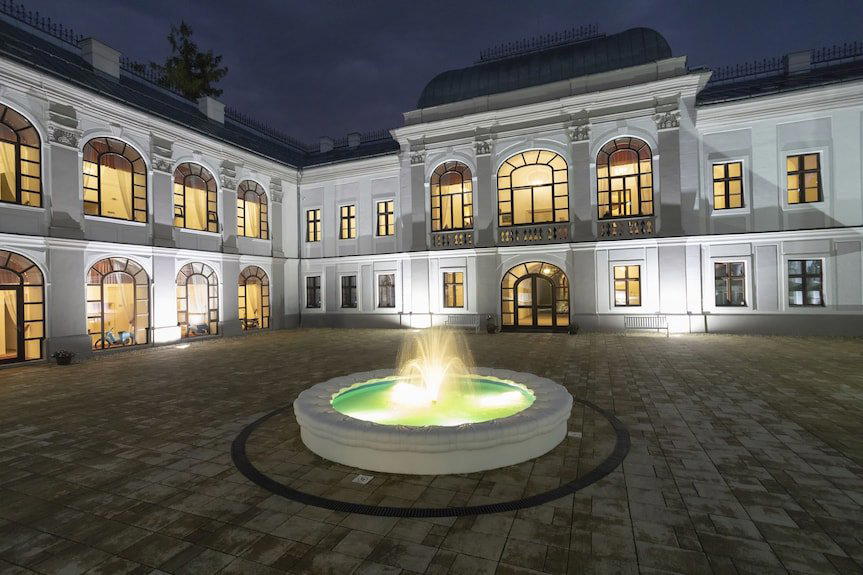
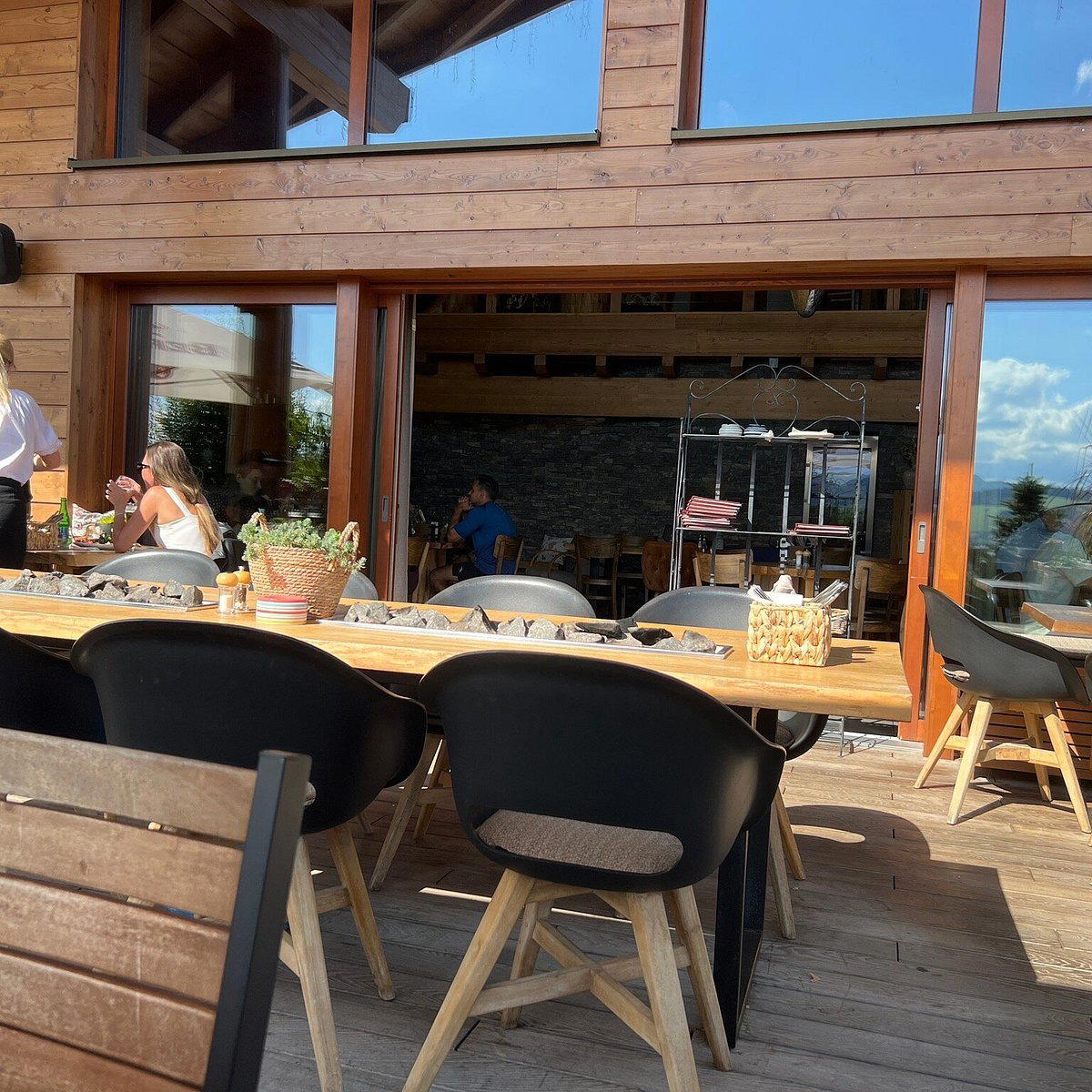
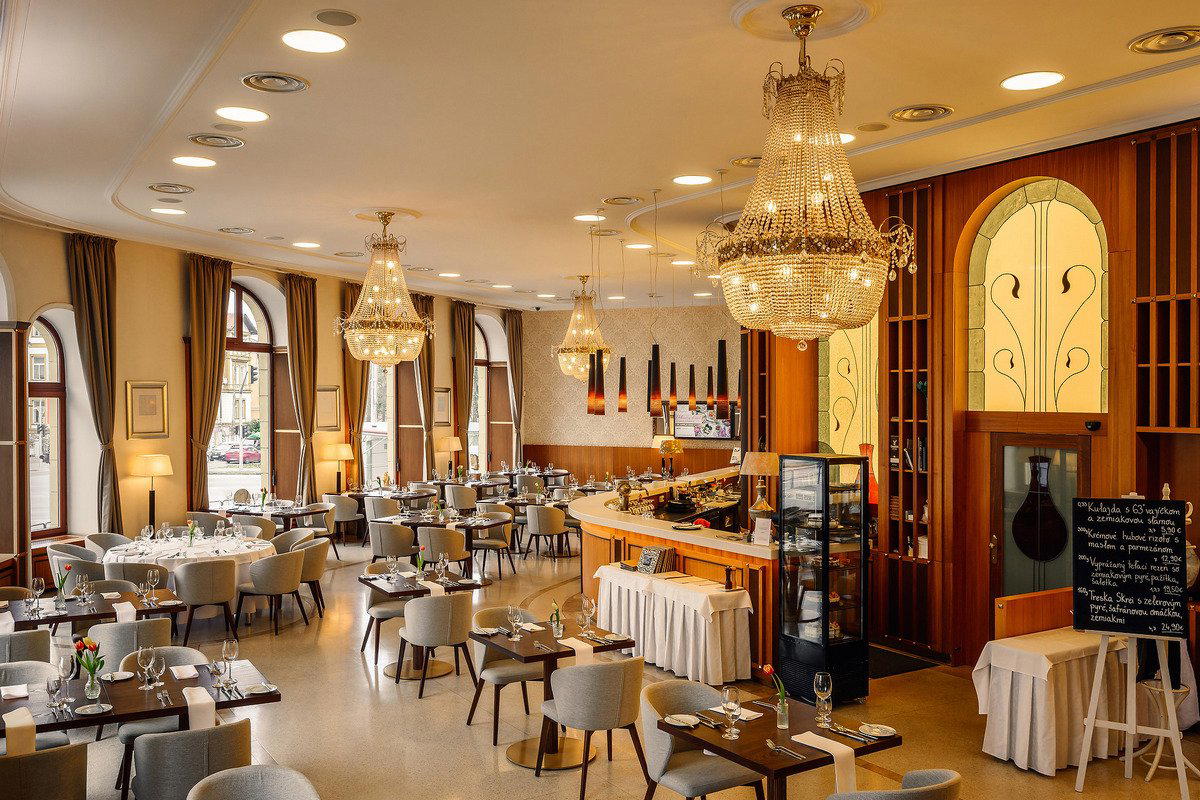
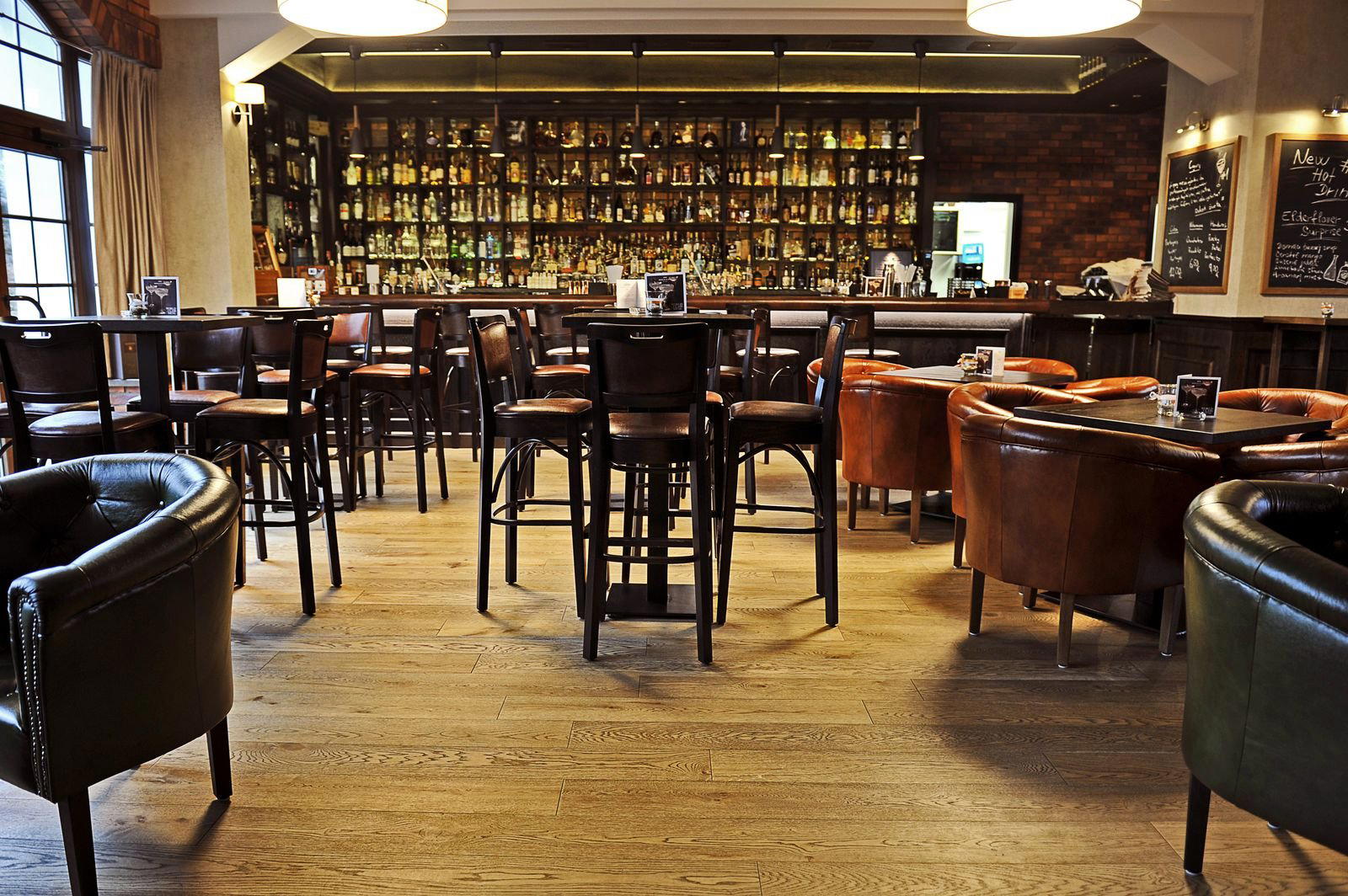
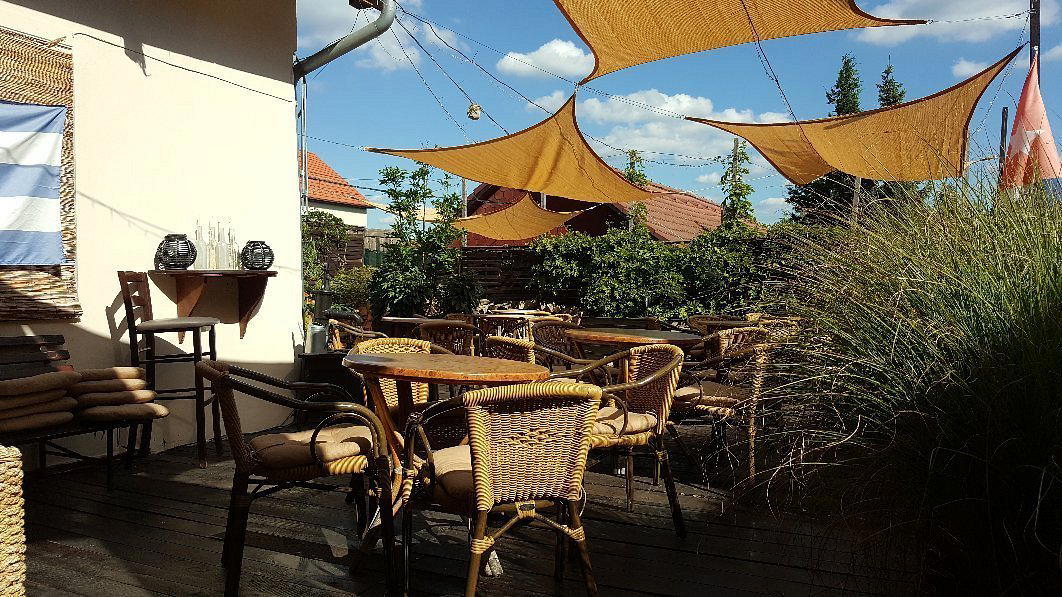
Calm, comfortable and informal, with a smaller, intimate dining room intended for relaxed lunches, family celebrations and unhurried meals.