


On Calle de Montalbán in Madrid's Retiro district, García de la Navarra occupies a quieter tier of the city's dining scene: traditional Spanish cooking ranked consecutively in Opinionated About Dining's Casual Europe list in both 2024 and 2025. Open Tuesday through Saturday for lunch and dinner, it draws the kind of repeat custom that sustains neighbourhood restaurants across generations.
Pearl is the En Primeur Club membership app — saves, bookings, and concierge access live there. Same editors, same standards.
- Address
- C. de Montalbán, 3, Retiro, 28014 Madrid, Spain
- Phone
- +34 915 23 36 47
- Website
- garciadelanavarra.com
- Directions
- Get directions
 Saves & bookings on Pearl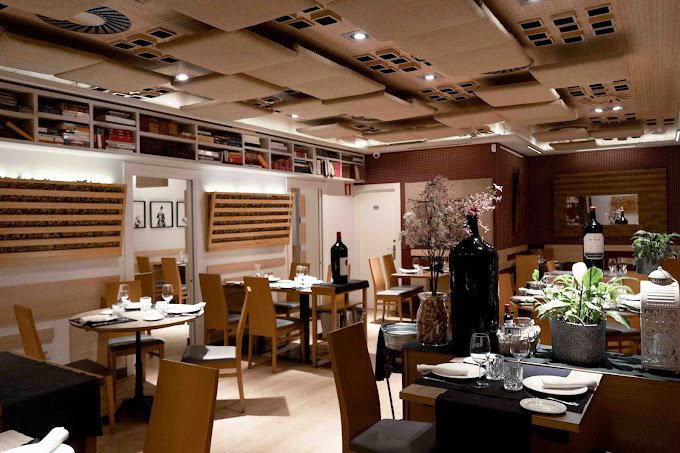
Calle de Montalbán and the Case for Traditional Cooking
The streets feeding off the eastern edge of Retiro carry a different register from Madrid's noisier dining corridors. Calle de Montalbán runs close to the Museo del Prado and the formal gardens of the park itself, and the restaurants here tend to serve a local and professional clientele rather than the tourist circuits that fill parts of Malasaña or La Latina. The physical approach to Restaurante Vinoteca García de la Navarra sets expectations correctly: this is a neighbourhood room with a serious wine list implied by its name, not a stage-set dining event. In a city where particularly visible restaurants operate tasting menus at €€€€ price points, venues like DiverXO, Coque, and Deessa, the traditional Spanish table occupies a different but durable position.
That position is worth understanding on its own terms. Spanish traditional cooking in Madrid has historically meant product-led preparation: quality cuts treated with discipline, sauces built from reductions and time, and a wine program that contextualises the food rather than competing with it. The vinoteca designation signals something specific in the Spanish restaurant vocabulary, a space where the cellar and the kitchen are conceived together, not as separate departments. It is a format with a long Madrid lineage, and García de la Navarra fits inside that tradition rather than departing from it.
Critical Reception: What OAD Consecutive Rankings Signal
Relevant external validation for García de la Navarra comes from Opinionated About Dining, the critic-weighted ranking system that has become one of the more credible signals for serious casual dining in Europe. The venue ranked 654th in OAD's Casual Europe list for 2025. For context, the OAD Casual Europe list covers thousands of entries; consecutive ranked positions indicate sustained quality judgement from the contributing critic base rather than a single strong year. The jump in ranking, while not dramatic in absolute terms, confirms that the restaurant is holding its standard and gaining marginal ground with a knowledgeable reviewing community.
This matters in Madrid's broader critical environment. The city's most-awarded restaurants, those with Michelin stars and World's 50 Best recognition, absorb much of the editorial attention. Properties like DSTAgE and Paco Roncero operate in a tier oriented around technical ambition and international visibility. García de la Navarra's OAD presence situates it in a different but equally serious segment: the kind of room that earns repeat visits from people who know what they are eating, rather than the kind built for first-time spectacle. Those two populations overlap less than the broader restaurant conversation tends to assume.
Google's review aggregate offers a complementary data point: 4.6 from over 1,000 reviews is a signal worth reading carefully. The combination of OAD recognition and a stable Google aggregate across a significant review count suggests a kitchen that performs reliably rather than theatrically.
Traditional Spanish in Madrid: The Category in Context
Understanding what traditional Spanish cooking means in practice is useful before booking a table. The format in Madrid tends to prioritise primary ingredients with regional provenance, Ibérico cuts, seasonal fish from the Atlantic coasts, vegetables from Castilian market gardens, and preparation methods that privilege technique over transformation. A vinoteca context adds the expectation of cellar depth: Spanish DOs from Ribera del Duero, Rioja, and Priorat alongside less trafficked regions, selected to pair with food rather than to perform as a list. This is a different proposition from the creative Spanish formats that have earned Spain's most internationally visible restaurants their reputations. For the traveller who has already experienced the tasting-menu registers of places like Arzak in San Sebastián, El Celler de Can Roca in Girona, or Disfrutar in Barcelona, a well-executed traditional room offers a different kind of intelligence about what Spanish food actually is at its foundation.
Spain's most decorated progressive kitchens, Aponiente, Quique Dacosta, Azurmendi, derive their authority in part from a deep understanding of the traditional base they are departing from. Spending time in a serious traditional room is not a lesser version of that experience; it is a different and complementary one. The same logic applies to well-executed traditional formats internationally: a restaurant like Le Bernardin in New York City or Taberna El Olmo in Córdoba earns its standing not through innovation but through the relentless discipline of doing established things at a high level.
Retiro as a Dining Neighbourhood
Retiro is one of Madrid's more residential and culturally concentrated districts. The proximity to the Prado, the Reina Sofía, and the Thyssen-Bornemisza creates a particular rhythm: the neighbourhood draws afternoon visitors but retains a working population that fills lunch services and early dinner sittings. Restaurant survival here tends to depend on repeat custom rather than tourism volume, the economics favour kitchens that earn loyalty over seasons rather than those dependent on one-time visits. A restaurant that has maintained OAD rankings and a 4.6 Google aggregate in this context has almost certainly built a stable local base alongside whatever critical recognition it carries. For visitors staying near Retiro or planning a museum-day itinerary, the geographical logic of lunch at García de la Navarra is clear.
Planning Your Visit
The practical structure of the week is worth noting before you book. García de la Navarra runs Tuesday through Saturday for both lunch (1:30 to 5:00 pm) and dinner (8:30 PM to 12 AM), and closes on Sunday and Monday. The Sunday and Monday closure is standard for many serious Madrid restaurants, the kitchen calendar follows a professional rather than tourist schedule. For visitors with flexibility, a Saturday lunch makes use of the full service window in the Retiro neighbourhood, which is at its most accessible on weekend afternoons.
At a Glance: How García de la Navarra Compares
| Venue | Format | Price Tier | Critical Signal | Closure Days |
|---|---|---|---|---|
| García de la Navarra | Traditional Spanish / Vinoteca | Not published | OAD Casual Europe #654 (2025) | Sun, Mon |
| DiverXO | Progressive Asian-Creative | €€€€ | 3 Michelin Stars | Variable |
| Coque | Spanish Creative | €€€€ | 2 Michelin Stars | Variable |
| DSTAgE | Modern Spanish Creative | €€€€ | 2 Michelin Stars | Variable |
| Deessa | Modern Spanish Creative | €€€€ | 1 Michelin Star | Variable |
What Dish Is García de la Navarra Known For?
The vinoteca format and traditional Spanish designation suggest a program built around seasonal product and regional sourcing rather than fixed signature items, a kitchen philosophy common among serious Spanish traditional rooms where the menu shifts with market availability. For verified current dish information, contacting the restaurant directly before your visit is the reliable approach.
- Turbot
- Ibérico pork loin
- Artichokes
- Scrambled boletus
- Hake neck
- Tripe stew
- Octopus
- Lamb chops
Comparable Spots
Comparable venues nearby, for context on price, style, and recognition.
| Venue | Cuisine | Price | Notes |
|---|---|---|---|
| Restaurante Vinoteca García de la NavarraThis venue — the venue you are viewing | Seasonal Spanish with Navarran Specialties | $$$ | Not listed |
| Pelotari | Traditional Basque Steakhouse | $$$ | Recoletos |
| Desencaja | Modern Castilian Fine Dining | $$$ | Ciudad Universitaria |
| Balear | Balearic-Inspired Spanish Rice Dishes | $$$ | Valdebebas |
| Taberna La Gaditana | Traditional Andalusian Seafood & Rice | $$$ | Goya |
| Caja de Cerillas | Quality Spanish Bistro | $$$ | Arapiles |
Recognition history
Dated appearances from independent guides and award organizations, with the underlying list record or original source where available.
Guía Repsol 1 Sol
Guía Repsol
Macarfi 7.4 Food Rating
Macarfi
Opinionated About Dining Casual in Europe Recommended
Opinionated About Dining
Opinionated About Dining Casual in Europe Ranked #654
Opinionated About Dining
Opinionated About Dining Casual in Europe Ranked #683
Opinionated About Dining
Continue exploring
More in Madrid
Restaurants in Madrid
Browse all →
Bars in Madrid
Browse all →
Hotels in Madrid
Browse all →


At a Glance
- Elegant
- Sophisticated
- Classic
- Intimate
- Business Dinner
- Date Night
- Special Occasion
- Wine Cellar
- Terrace
- Standalone
- Extensive Wine List
- Sommelier Led
- Farm To Table
- Local Sourcing
Current opening hours
- Monday
- Closed
- Tuesday
- 1:30–5 PM, 8:30 PM–12 AM
- Wednesday
- 1:30–5 PM, 8:30 PM–12 AM
- Thursday
- 1:30–5 PM, 8:30 PM–12 AM
- Friday
- 1:30–5 PM, 8:30 PM–12 AM
- Saturday
- 1:30–5 PM, 8:30 PM–12 AM
- Sunday
- Closed
Hours can change for holidays and private events. Last verified .
Elegant and refined with a relaxed front bar area featuring high tables, transitioning to a more formal dining room in back; warm, welcoming atmosphere with attentive service.