Restaurante El Tigre Vestido
Set within Hotel Finca Rosa Blanca in the coffee-growing hills above Heredia, Restaurante El Tigre Vestido occupies a position that few Costa Rican hotel restaurants can claim: a sourcing story rooted in the land immediately surrounding it. The Brunca coffee region and Central Valley farms define what arrives on the plate, making this a dining room where provenance is structural rather than decorative.
Pearl is the En Primeur Club membership app — saves, bookings, and concierge access live there. Same editors, same standards.
- Address
- 800 m norte del Centro de Distribucion de Cafe Britt, en el Hotel Finca Rosa Blanca, Jesús de Santa Bárbara
- Directions
- Get directions
 Saves & bookings on Pearl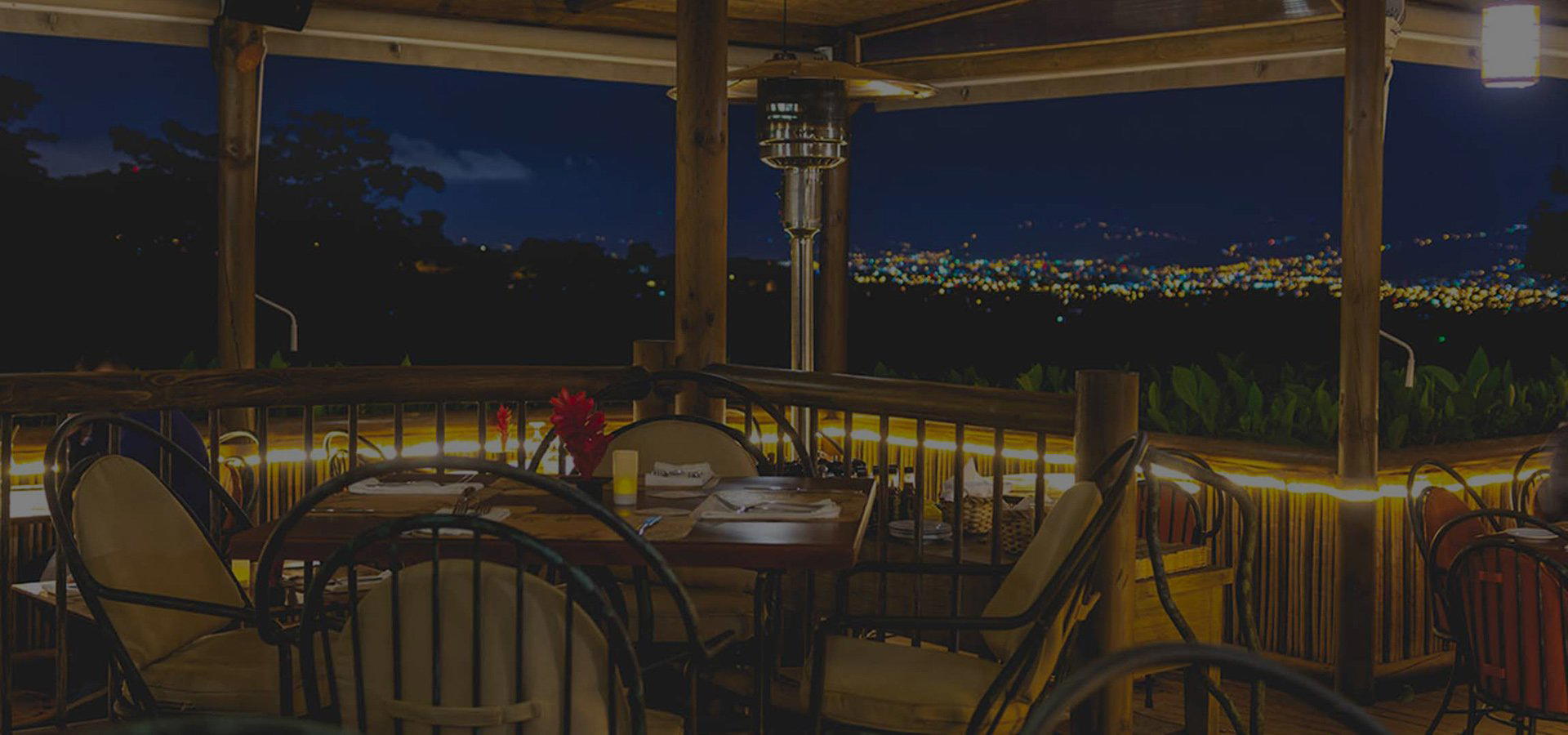
Where the Central Valley's Agriculture Meets the Table
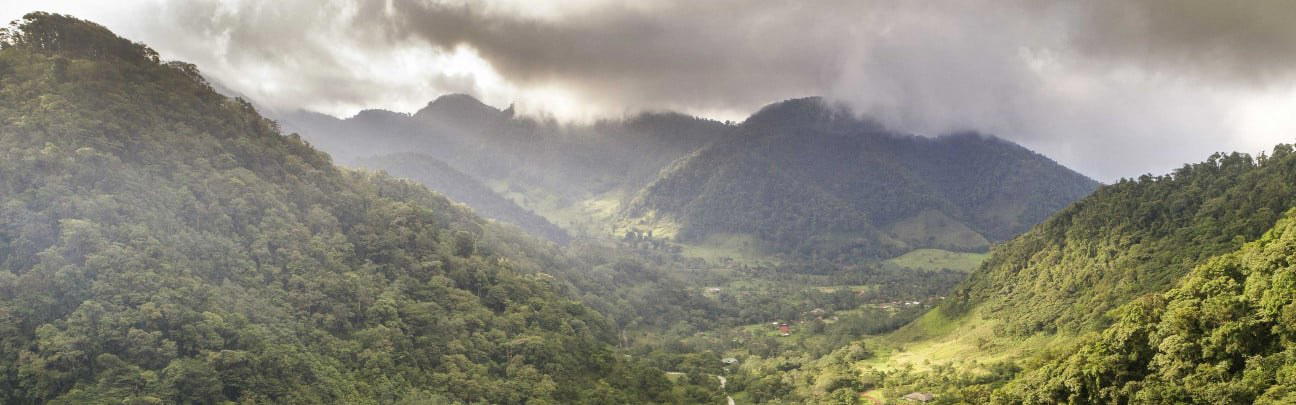
The road to Jesús de Santa Bárbara climbs through coffee terraces before the Hotel Finca Rosa Blanca announces itself against the hillside — and Restaurante El Tigre Vestido, set within that property 800 metres north of the Café Britt distribution centre, inherits that agricultural gravity entirely. The surrounding landscape is not backdrop; it is supply chain. Costa Rica's Central Valley sits at elevations between 1,000 and 1,500 metres, where volcanic soils and consistent cloud cover produce some of the country's most prized Arabica and a range of produce that hotel-adjacent restaurants in San José have to truck in from a distance. Here, the distance is often measured in walking minutes rather than highway kilometres.
That proximity shapes a category of lodge and farm-hotel restaurant that has grown meaningfully in Costa Rica over the past decade. Properties like El Silencio Lodge & Spa in Bajos del Toro and Nayara Springs in San Carlos have built dining programs anchored in regional sourcing, drawing guests who expect the plate to reflect the region they travelled to reach. El Tigre Vestido sits in that same tier, where the hotel property and the cooking program are interdependent rather than incidental to one another. For comparison, Sentido Norte in Las Catalinas and Casa Chameleon at Las Catalinas in Potrero work within a similar lodge-dining framework on the Pacific side, though their sourcing ecosystems reflect coastal rather than highland agriculture.
The Sourcing Logic of a Coffee-Country Kitchen
Costa Rican cuisine at this level is not defined by a single theatrical ingredient but by the density of what the Central Valley reliably produces: yuca, plantains, hearts of palm, various squash and chayote, tropical citrus, and — running through every meal in some form, coffee. A restaurant positioned this close to Café Britt's operations and within the broader Heredia coffee belt has the option to treat coffee not as a closing beverage but as a cooking ingredient, a fermentation agent, or a flavour note within sauces and rubs. Whether El Tigre Vestido pursues that approach in its current program is something guests should confirm directly with the property, but the geographic conditions make it structurally possible in a way that an urban San José restaurant cannot replicate.
The highland farm-to-table model also differs from what coastal properties offer. At Pacific-facing properties, sourcing conversations centre on sustainable seafood, a question of catch provenance and fisher relationships. In the Central Valley, the equivalent conversation is about smallholder coffee and vegetable farms, many of which operate at the scale where a hotel relationship represents a meaningful share of their output. That interdependency tends to produce more deliberate seasonal menus: when the farm rotates crops, the kitchen rotates dishes. It is a less glamorous sourcing story than a fisherman arriving at dawn with the catch, but it is arguably more consistent with the agricultural identity of the region.
For those who want to compare this highland sourcing approach against urban Costa Rican interpretations, La Uvita Perdida Cantina de vinos in San José and Conservatorium in San José represent the capital's take on ingredient-led cooking, where provenance is narrated rather than immediately visible through the window. Elsewhere in Costa Rica, Puna in Liberia and AmorLoco in La Fortuna anchor regional sourcing to very different microclimates and agricultural traditions. Our full Jesús de Santa Bárbara restaurants guide places El Tigre Vestido within the local dining hierarchy more precisely.
The Hotel Restaurant Format and What It Means for the Experience
Dining within a hotel property at this level in Costa Rica carries particular expectations that differ from a standalone restaurant visit. The guest mix skews international, the pacing is generally unhurried, and the menu is typically designed to work across multiple dietary profiles without sacrificing ambition. What separates the better hotel restaurants from the merely serviceable ones is whether the kitchen uses the captive audience as an excuse to coast, or as an opportunity to work with a consistent flow of engaged guests who chose the property partly because of its culinary reputation.
Finca Rosa Blanca has operated long enough in the boutique eco-hotel space that its positioning is deliberate rather than accidental. Hotel restaurants at properties with that kind of identity tend to treat the dining room as a continuation of the stay's environmental argument: the sourcing is part of the ethics pitch, and the food itself is meant to demonstrate that responsible land use and cooking quality are compatible rather than in tension. That is a harder case to make than it sounds, and it distinguishes the serious operators in this segment from those who use sustainability language without the sourcing infrastructure to support it. Properties like Nairi Awari Restaurant in Bajo Tigre and Conservatorium in Ciudad Colón occupy adjacent positions in the broader Costa Rican eco-hospitality conversation.
For reference, international hotel restaurants working at the upper end of their segments, such as Le Bernardin in New York City or Atomix in New York City, illustrate how a hotel or destination-dining format can carry genuine culinary ambition without compromising on either rigour or identity. The Central Valley context is different in every practical respect, but the underlying question is the same: does the kitchen use its setting as a crutch or as a credential?
Planning a Visit
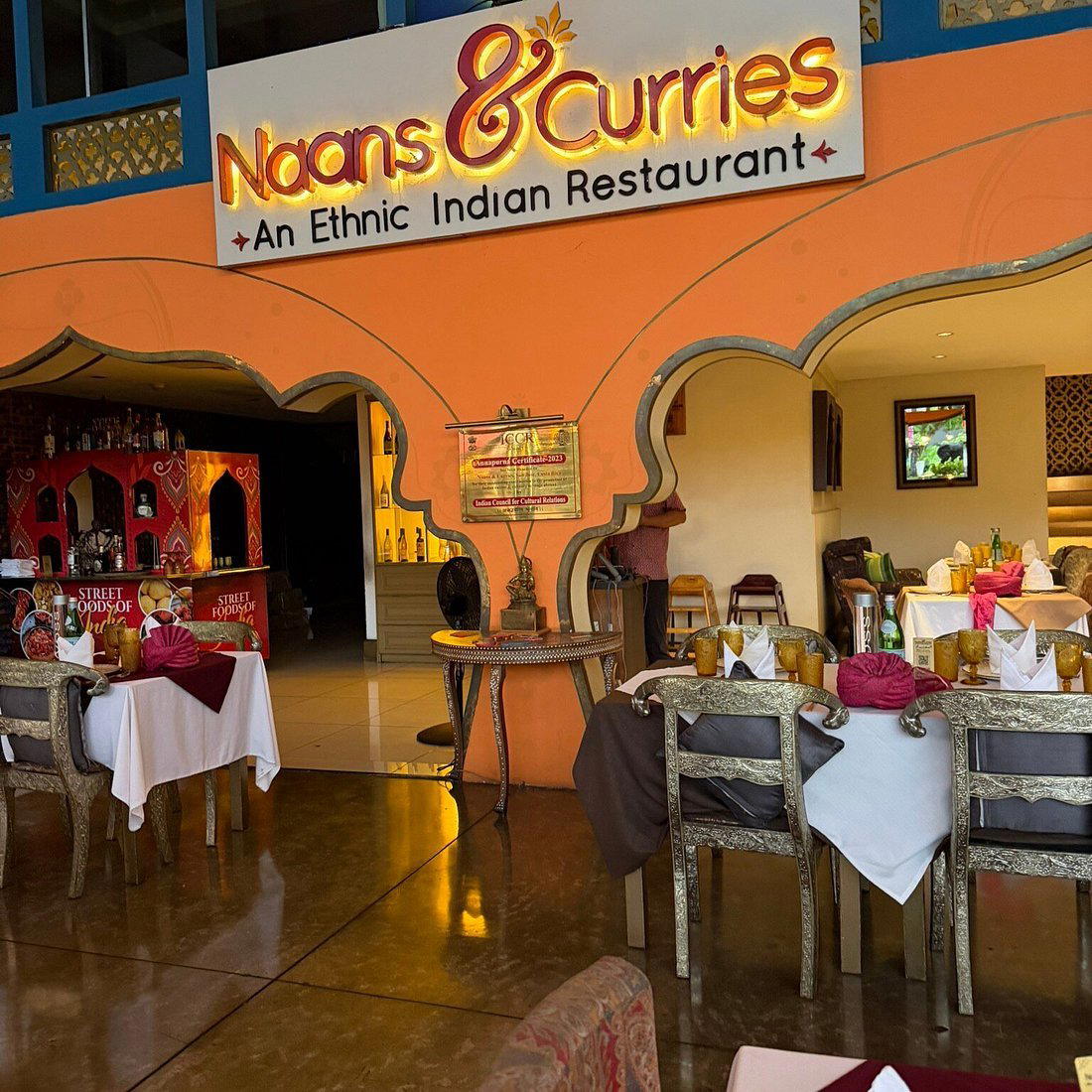
Jesús de Santa Bárbara sits in the Heredia province, a short drive north of San José, accessible enough to reach from the capital on a half-day itinerary, but far enough to feel genuinely removed from urban pace. The Hotel Finca Rosa Blanca address is well-established, and the restaurant is leading approached as a destination lunch or dinner rather than a quick stop, given the travel involved and the setting's unhurried character. Guests staying at the property have the obvious advantage of walking down to the dining room, but outside diners make the trip regularly. Booking directly with the hotel is the standard approach; specific hours, menu format, and pricing should be confirmed with the property ahead of arrival. Diners interested in the broader Heredia dining circuit might also note Ristorante L'Ancora da Ciro e Tony in Montes De Oca Canton as a point of comparison within the Greater Metropolitan Area, along with contrasting regional styles at Koji's in Puntarenas, wave restaurant in Santa Cruz, Naans & Curries in Santa Ana Canton, and Naans & Curries, Momentum Pinares in Curridabat Canton.
Comparable Venues
Comparable venues nearby, for context on price, style, and recognition.
| Venue | Cuisine | Price | Notes |
|---|---|---|---|
| Restaurante El Tigre VestidoThis venue — the venue you are viewing | Latin Fusion Farm-to-Table | $$$ | Not listed |
| Koji's | Japanese-Peruvian Fusion Sushi | $$$ | Santa Teresa |
| Sentido Norte | Coastal Costa Rican | $$$ | Las Catalinas |
| Rocamar | Beachfront Seafood and Costa Rican | $$ | Santa Teresa |
| Seba’s | Pizza | Not listed | Uvita |
| C. 33 | Modern Latin Fusion Tapas & Artisanal Beers | $$$ | Barrio Escalante |
Continue exploring
More in Jesús de Santa Bárbara
Restaurants in Jesús de Santa Bárbara
Browse all →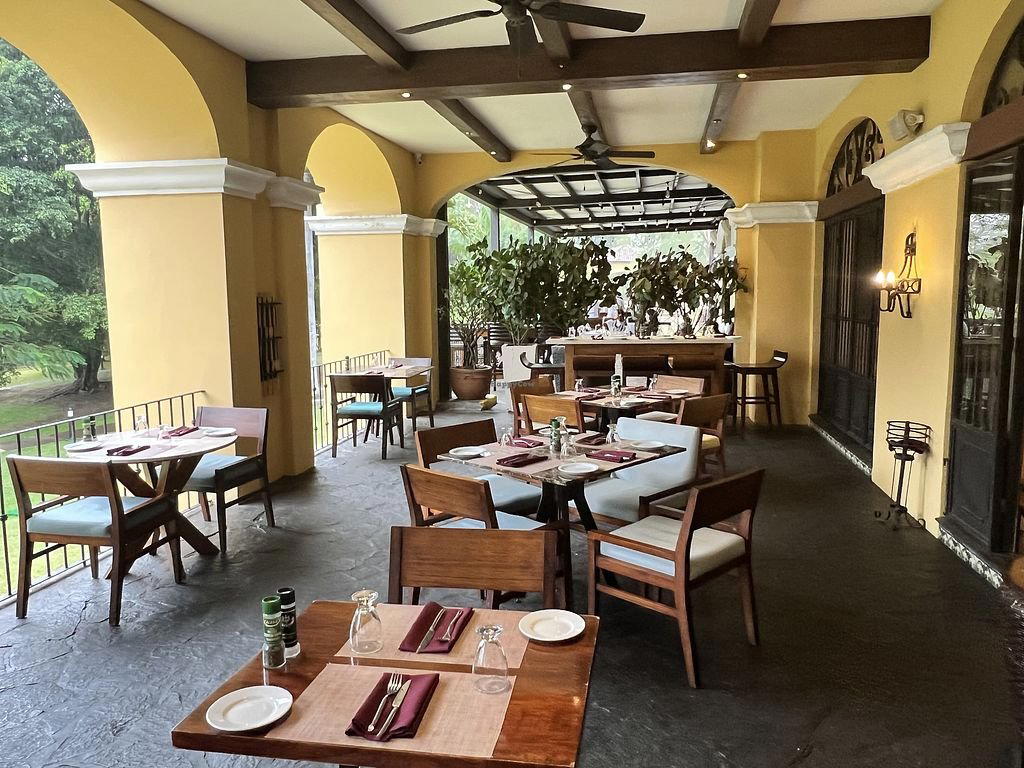

Bars in Jesús de Santa Bárbara
Browse all →

At a Glance
- Romantic
- Scenic
- Cozy
- Rustic
- Elegant
- Date Night
- Special Occasion
- Brunch
- Terrace
- Garden
- Farm To Table
- Organic
- Local Sourcing
- Mountain
- Garden
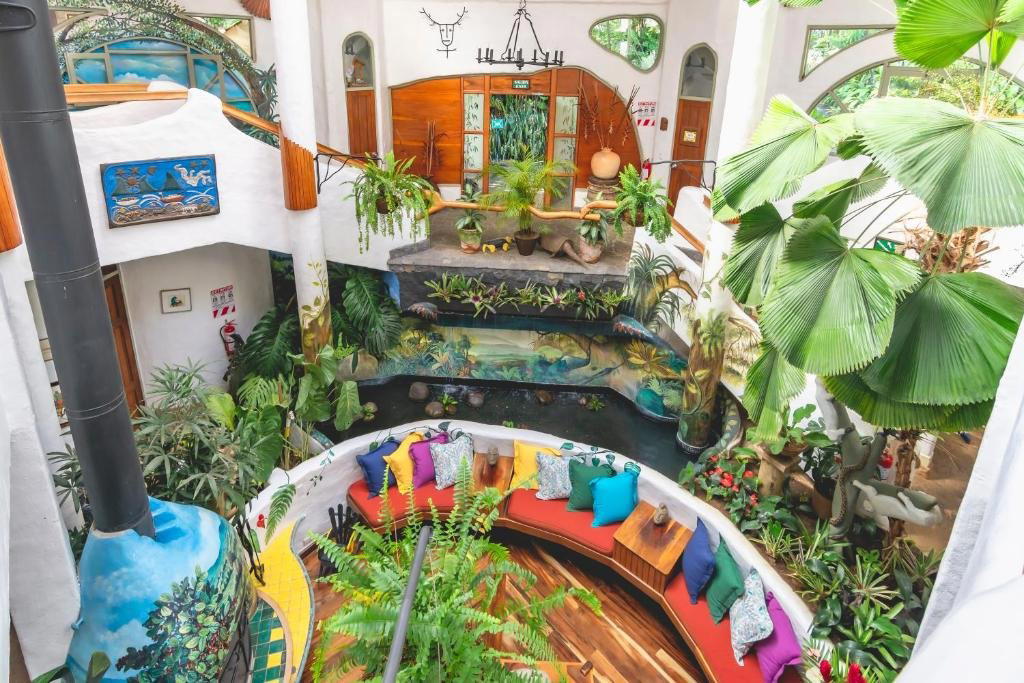
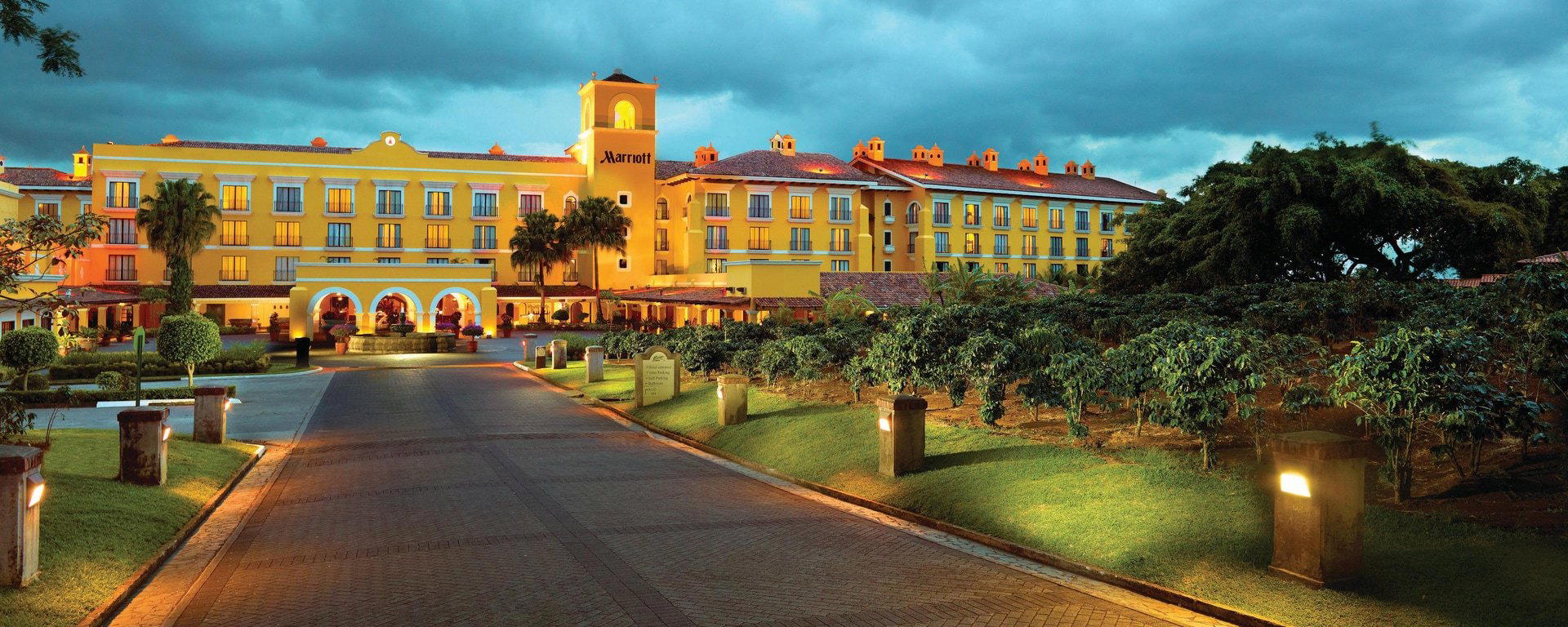
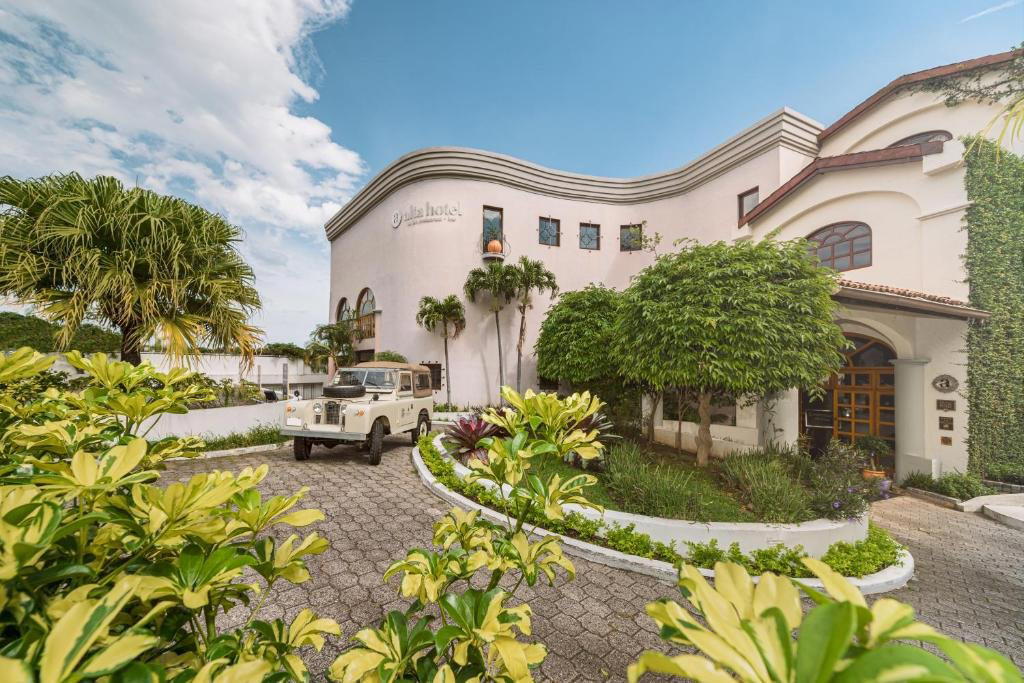
Cozy indoor fireplace setting or open-air terrace with twinkling lights overlooking the Central Valley, surrounded by lush gardens and coffee farms.