Nairi Awari Restaurant
Nairi Awari Restaurant sits within Pacuare Lodge in Bajo Tigre, one of Costa Rica's most remote jungle lodge settings, positioned along the Pacuare River corridor where access itself is part of the experience. The kitchen operates in a context where ingredient sourcing is shaped entirely by geography — deep rainforest, limited road infrastructure, and proximity to indigenous Cabécar territory. For Costa Rica's premium lodge dining scene, that constraint is also the defining editorial point.
Pearl is the En Primeur Club membership app — saves, bookings, and concierge access live there. Same editors, same standards.
- Address
- 1.5 km sureste de la plaza de deportes, en Pacuare Lodge, Bajo Tigre
- Directions
- Get directions
 Saves & bookings on Pearl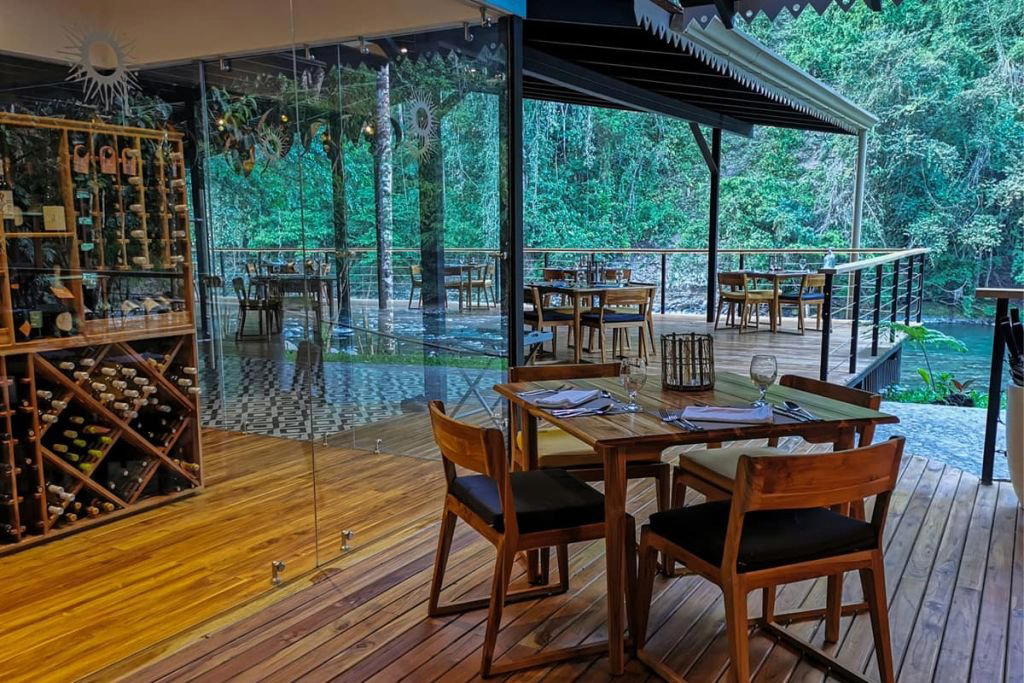
Where the River Determines the Menu
In Costa Rica's premium lodge dining circuit, the kitchen's relationship to its surroundings tends to fall into one of two categories: properties that import their supply chains and happen to be set in nature, and those where the physical remoteness genuinely shapes what ends up on the plate. Nairi Awari Restaurant, operating within Pacuare Lodge in Bajo Tigre, belongs to the second category. The lodge sits along the Pacuare River in Limón Province, reachable only by whitewater raft or aerial tram depending on the season, which means the supply logistics that define most Costa Rican kitchens simply do not apply here. That isolation is not incidental — it is structural, and it pushes the kitchen toward a sourcing model rooted in what the surrounding region can actually provide.
Properties like El Silencio Lodge & Spa in Bajos del Toro and Nayara Springs in San Carlos occupy a similarly high-end jungle lodge tier, each navigating the tension between international guest expectations and locally sourced ingredients. At Pacuare Lodge, the tension resolves differently: the access constraints remove the option of routine resupply, which in practice means the kitchen must work closer to a farm-to-table model not as a marketing choice but as a logistical necessity. For context on how this fits within Costa Rica's broader dining scene, see our full Bajo Tigre restaurants guide.
Ingredient Geography in a Rainforest Context
The Pacuare River valley sits within one of the most biodiverse corridors in Central America, bordering indigenous Cabécar territory and dense primary rainforest. This geography has direct implications for a kitchen operating in the area. Tropical fruits, river fish, and foraged ingredients that would be specialty-order items in San José are, in this context, adjacently available. The editorial argument for jungle lodge dining at this tier is not that remoteness equals refinement, but that genuine engagement with local food systems produces menus that carry a sense of place that urban Costa Rican restaurants, however technically accomplished, cannot replicate.
That contrast is worth sitting with. A restaurant like Conservatorium in San José or the wine-forward program at La Uvita Perdida Cantina de Vinos in San Jose operates with full urban supply chain access and pitches at an audience that arrives by taxi. Nairi Awari's guest base arrives by raft. The dining proposition is shaped accordingly: the room, the light, the sound of the river, and the physical effort of getting there all prime the guest before a single dish arrives. Few dining formats in Central America load that much context into the experience before service begins.
The Lodge Dining Format at This Tier
Premium lodge dining in Costa Rica has expanded considerably over the past decade. Properties from the Pacific coast — including Casa Chameleon at Las Catalinas in Potrero and Sentido Norte in Las Catalinas, have raised the baseline expectation for what lodge-adjacent dining should deliver. On the Caribbean slope, where Pacuare Lodge operates, the reference points are different: the culinary traditions of Limón Province draw on Afro-Caribbean cooking, river culture, and indigenous food practices that do not appear in Pacific-side lodge menus. That regional specificity is where Nairi Awari's kitchen has the most interesting editorial material to work with, even if the public record on its specific execution remains limited.
The format itself, a restaurant embedded within an all-inclusive jungle lodge, carries practical implications for how guests engage with it. Dining is not a standalone reservation decision in the way it would be at an urban restaurant like Puna in Liberia or AmorLoco in La Fortuna. Instead, the meal is woven into the overall lodge stay, which tends to concentrate the guest's attention and remove the ambient distractions of city dining. That attentional shift is one of the underappreciated advantages of remote lodge restaurants: the guest is present in a way that urban diners rarely achieve.
Comparing Nairi Awari directly to urban fine dining programs, say, the technically rigorous tasting formats at Le Bernardin in New York City or the precision-driven Korean progression at Atomix in New York City, is a category error. Within Costa Rica, that set is small. Within the Pacuare River corridor, Nairi Awari occupies the position by default, but also by the fact that Pacuare Lodge has maintained a consistent international profile as one of the country's leading eco-luxury properties.
Other Costa Rican lodge kitchens worth reading against this include the programs at Conservatorium in Ciudad Colón and the more urban-adjacent Restaurante El Tigre Vestido in Jesús de Santa Bárbara, both of which approach Costa Rican ingredients from a different geographic and logistical starting point. The contrast clarifies what is specific to Nairi Awari's position: the river access, the rainforest adjacency, and the Cabécar cultural context are not decorative, they are the sourcing reality.
Planning a Visit
Reaching Nairi Awari Restaurant means reaching Pacuare Lodge, which sits 1.5 kilometres southeast of the Bajo Tigre sports plaza. As noted, the lodge is not accessible by conventional road, guests typically arrange transport through the lodge itself, which coordinates raft or aerial tram entry depending on conditions. This is not a restaurant you drive to and walk in. The practical implication is that dining at Nairi Awari is inseparable from a lodge stay booking, and planning should begin with the lodge reservation rather than the restaurant separately. For travelers building a broader Costa Rican itinerary that includes dining comparisons, the EP Club guides to Koji's in Puntarenas, wave restaurant in Santa Cruz, Naans & Curries in Santa Ana Canton, Naans & Curries, Momentum Pinares in Curridabat Canton, and Ristorante L'Ancora da Ciro e Tony in Montes De Oca Canton provide useful contrast across price tiers and cuisines.
How It Stacks Up
Comparable venues nearby, for context on price, style, and recognition.
| Venue | Cuisine | Price | Notes |
|---|---|---|---|
| Nairi Awari RestaurantThis venue — the venue you are viewing | Costa Rican Latin American Fusion | $$$ | Not listed |
| Pangas Tamarindo | Tropical Seafood Fusion | $$$ | Tamarindo |
| Couleur Cafe | French-Inspired Cafe | $$ | Playa Hermosa |
| Restaurante El Tigre Vestido | Latin Fusion Farm-to-Table | $$$ | Santa Barbara |
| Mis Amores | Northern Italian Fine Dining | $$$ | La Fortuna |
| Pizzeria La Baula | Authentic Italian Pizza | $$ | Tamarindo |
Continue exploring
More in Bajo Tigre
Restaurants in Bajo Tigre
Browse all →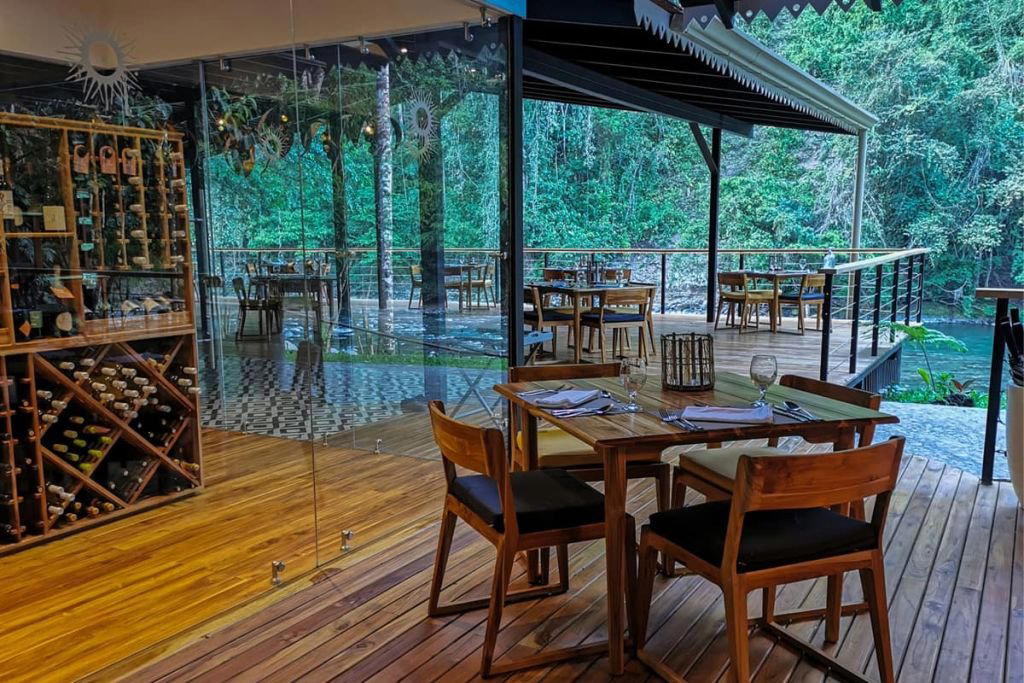

Hotels in Bajo Tigre
Browse all →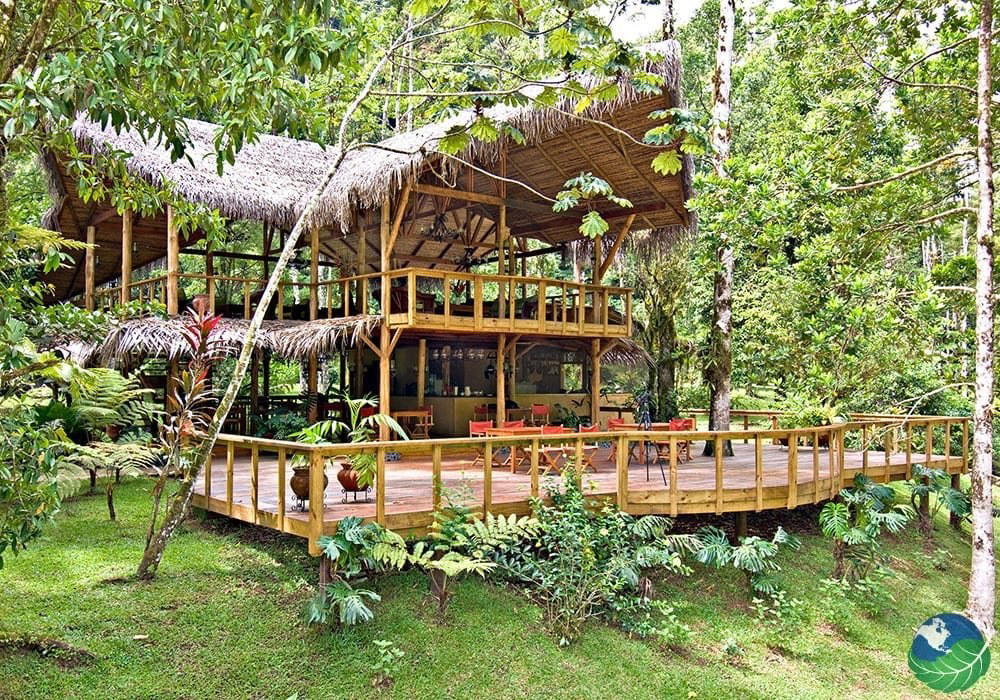
At a Glance
- Romantic
- Scenic
- Cozy
- Rustic
- Special Occasion
- Date Night
- Waterfront
- Open Kitchen
- Terrace
- Farm To Table
- Local Sourcing
- Organic
Romantic and immersive jungle atmosphere with open-air seating overlooking the river, accompanied by natural sounds.