
At Hoefstadestraat 23, Restaurant U centres its menu on vegetables sourced from a nearby CSA pick-your-own farm, prepared with precision at a kitchen-encircling U-shaped table that defines both the room and the name. A vegetarian option accompanies every dish, and fully plant-based meals are available on request. It occupies a distinct position in Genk's dining scene: produce-driven, format-conscious, and closer in spirit to the city's creative mid-tier than to its formal fine-dining addresses.
- Address
- Hoefstadestraat 23, 3600 Genk, Belgium
- Phone
- +32491634547
- Website
- restaurant-u.be
- Directions
- Get directions
A Table Built Around the Kitchen
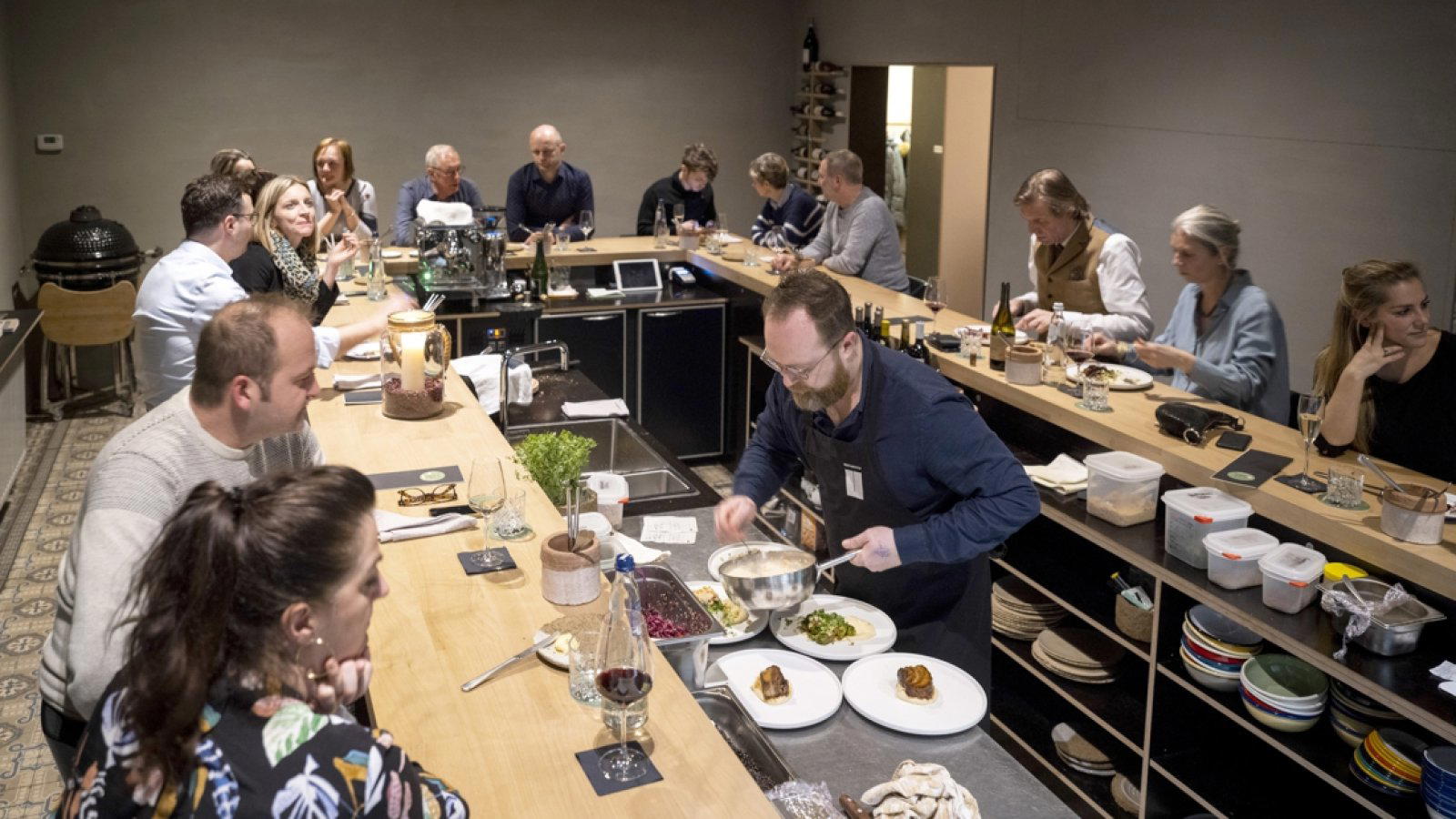
Restaurant U is a seasonal Belgian open-kitchen restaurant in Genk, Belgium, with a price tier around $65 per person. The U-shaped communal table at Hoefstadestraat 23 is not a design detail added after the fact. It is the organising logic of the entire restaurant. Diners sit facing the kitchen rather than each other, and that physical arrangement signals something about what the meal will ask of you: attention to process, proximity to the source of things. This format has become recognisable in European restaurant thinking, where the counter or the shared table replaces the isolated two-top as the primary social unit of eating. Restaurant U works squarely within that tradition.
Genk is not the first city that comes to mind when mapping Belgium's serious dining addresses. That conversation more often starts in Brussels, Ghent, or Antwerp, where venues like Zilte in Antwerp and Bozar Restaurant in Brussels anchor the country's dining reputation. But Genk has developed a coherent mid-tier dining scene with genuine range: from the formal Modern French of De Kristalijn and the Italian seafood focus at La Botte, to accessible Creative French at Feast and Moonstone. Restaurant U sits in that group but occupies a distinct niche within it, defined less by cuisine category and more by a structural commitment to vegetables and their origin.
The CSA Supply Chain and What It Means on the Plate
Belgium's relationship with seasonal produce is long and geographically specific. Flemish and Walloon markets have historically prized hyperlocal sourcing, and the country's tradition of kitchen gardens runs deep in both rural and suburban contexts. The community-supported agriculture model, where a farm and its members share both the harvest and the risk of a growing season, has gained traction across northern Europe as restaurant culture has pushed sourcing transparency higher up the agenda. Restaurant U draws its vegetables from exactly this kind of arrangement: a CSA self-picking farm located close to the restaurant.
That supply relationship matters to what ends up on the table. When vegetables come from a pick-your-own CSA farm, the restaurant's menu is shaped by what is ready rather than by a fixed seasonal template. It is a fundamentally different creative constraint compared with ordering from a wholesale supplier. The flavour argument for this approach is well-documented in the broader vegetable-forward dining movement: shorter transit times, harvest-to-kitchen speed, and varietal choice driven by flavour rather than shelf stability. Restaurants that have built similar supply chains, from Belgium's own mid-tier to coastal producers like those supplying Willem Hiele in Oudenburg, consistently report that the constraint forces a kind of menu discipline that benefits the diner.
Vegetable-Forward Cooking in the Belgian Context
Belgium is not primarily associated with vegetable-forward cuisine in the way that, say, Scandinavian restaurant culture is. Its culinary identity runs more naturally toward bistro richness, game, shellfish, and the kind of classical technique on display at places like Hof van Cleve in Kruishoutem or Boury in Roeselare. That context makes the restaurant's orientation more interesting, not less. It is working against a dominant grain in its local culinary tradition rather than flowing with it.
The vegetarian option available for every dish is the structural expression of this position. It is not a single accommodation on a predominantly meat-led menu, which is the standard Belgian approach even in mid-range restaurants. Every dish has a parallel vegetarian path, and guests who want to eat an entirely plant-based meal can do so without any compromise in the arc of the experience. Internationally, this parity model has become a marker of seriousness in restaurants that take produce-led cooking at face value. It is a more demanding editorial standard to meet than simply offering a vegetarian starter and main, and it changes the internal logic of menu development considerably.
Compared with addresses further afield that have anchored their identity in non-vegetarian French-American traditions, such as Le Bernardin in New York City or Emeril's in New Orleans, the restaurant represents a European mid-tier interpretation of the same underlying discipline: find a defined position, commit to it structurally, and let the sourcing do the argumentative work.
Where Restaurant U Sits in Genk's Dining Picture
Genk's restaurant scene has enough range now to make meaningful distinctions. At the higher price points, De Kristalijn and La Botte operate at €€€€ and signal formal occasion dining. Foglia, Feast, and Moonstone occupy a more accessible middle tier. The restaurant's position within this spread is not fully pinnable from public data alone, but the CSA sourcing model and format-led identity place it closer to the deliberate, considered mid-tier than to casual neighbourhood eating. It is a restaurant with a point of view, which in Genk's context is still a distinguishing quality.
Planning a Visit
The restaurant is at Hoefstadestraat 23, 3600 Genk. With a fixed communal table structure and a farm-supply chain that determines what is available on a given day, visiting with some advance planning is sensible rather than dropping in on impulse. Because the restaurant's seasonal and CSA sourcing model means the menu changes with harvest availability, contacting the restaurant before arrival to confirm the current format and confirm vegetarian or fully plant-based requirements is the practical approach. Guests who communicate their dietary position in advance are better placed to get the full arc of what the kitchen is doing on that day.
The restaurant reads as a more informal but deliberately constructed address. The format is intimate. The U-shaped table means you are eating with others, not next to them, which suits shared curiosity over the food more than private celebration. The experience rewards diners who are genuinely interested in where food comes from and how that shapes what arrives in front of them.
Frequently Asked Questions
Does Restaurant U work for a family meal?
In a city like Genk, where the mid-tier dining options range from Italian seafood to Creative French, the restaurant occupies a considered niche that works well for families with an interest in produce-driven eating. The communal U-shaped table and the vegetarian parity across the menu make it more inclusive than many comparable addresses. For families that include non-meat-eaters, the fact that every dish has a vegetarian option removes the typical negotiation that burdens mixed-diet groups. That said, the format is structured and attentive rather than casual, which is worth factoring in with younger children.
What's the vibe at Restaurant U?
Genk's mid-tier restaurant scene sits between informal neighbourhood eating and full occasion-dining formality. The restaurant lands in the deliberate middle: the U-shaped table creates proximity and shared focus, but the sourcing structure and produce-first menu give the meal a considered quality that separates it from relaxed bistro eating. It reads as a restaurant where the setting has been thought through with intent, and the atmosphere reflects that. Convivial rather than hushed, attentive rather than showy.
What do regulars order at Restaurant U?
Because the menu follows what is available from the CSA farm at any given time, the kitchen works seasonally rather than around fixed signatures. The vegetable-forward structure means the recurring logic is seasonal produce prepared with care, with a vegetarian path available for every course. Regulars who have aligned with the kitchen's philosophy tend to communicate their dietary position in advance and let the current harvest dictate the menu rather than arriving with fixed expectations. The experience rewards that approach.
Budget Reality Check
Comparable venues nearby, for context on price, style, and recognition.
| Venue | Cuisine | Price | Notes |
|---|---|---|---|
| Restaurant UThis venue — the venue you are viewing | Seasonal Belgian Open Kitchen | $$ | Not listed |
| Gusto | Not listed | $$ | Carbon Hotel area, Contemporary French-Belgian Fine Dining |
| Peppe's | Genk center, Authentic Italian Bistro | $$ | Not listed |
| Robijn | Not listed | $$ | Genk center, Wine Bar with Sharing Plates |
| Balena | Not listed | $$$ | Winterslag, Italian-French Fusion Osteria |
| Corneille | Genk, Belgian & French Grande Cuisine | $$$ | Not listed |
Recognition history
Dated appearances from independent guides and award organizations, with the underlying list record or original source where available.
We're Smart World 3 Radishes
We're Smart World
Continue exploring
More in Genk
Restaurants in Genk
Browse all →
Bars in Genk
Browse all →
Hotels in Genk
Browse all →

At a Glance
- Intimate
- Cozy
- Minimalist
- Date Night
- Special Occasion
- Open Kitchen
- Chefs Counter
- Natural Wine
- Local Sourcing
- Sustainable Seafood
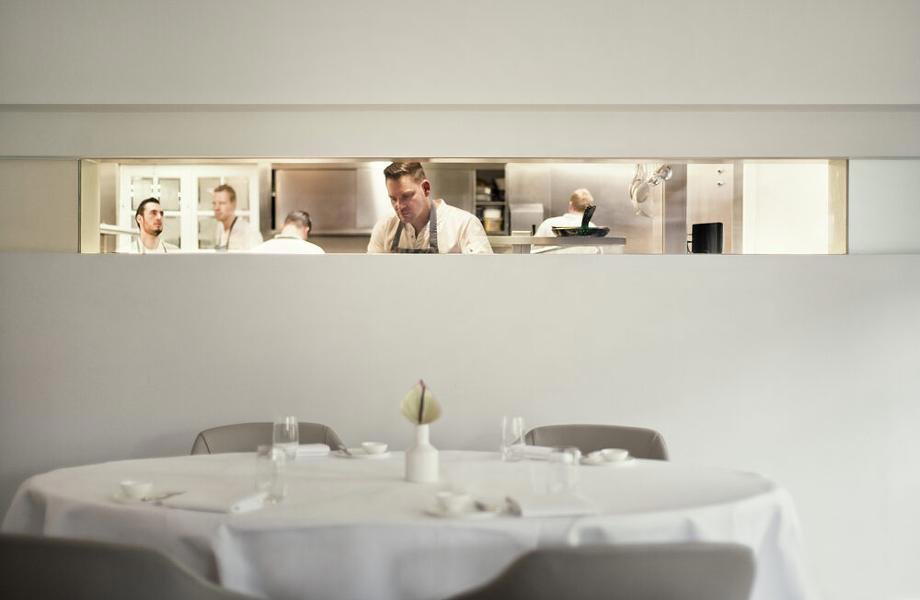
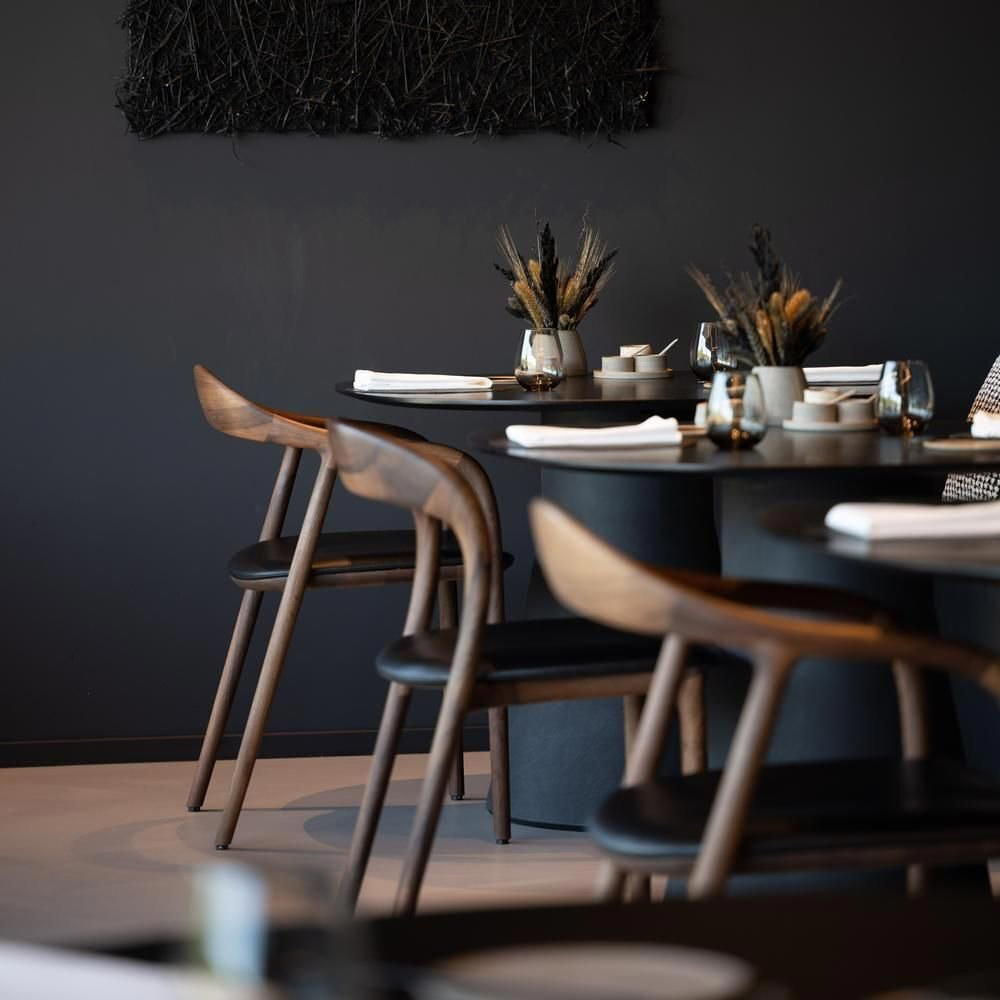
Minimalist interior with focus on the open kitchen, creating a quiet, intimate, and cozy atmosphere.