Restaurant Rajasthan brings the cooking traditions of northwest India to Le Mans's central Rue d'Arcole, a city better known for its circuit than its subcontinental dining. In a provincial French context where Indian cuisine remains a relatively thin category, the restaurant occupies a specific niche: the kind of address that rewards advance planning over walk-in spontaneity. Visitors should check current hours and booking availability directly before visiting.
Pearl is the En Primeur Club membership app — saves, bookings, and concierge access live there. Same editors, same standards.
- Address
- 43 Rue d'Arcole, 72000 Le Mans, France
- Phone
- +33253764826
- Website
- rajasthan-lemans.fr
- Directions
- Get directions
 Saves & bookings on Pearl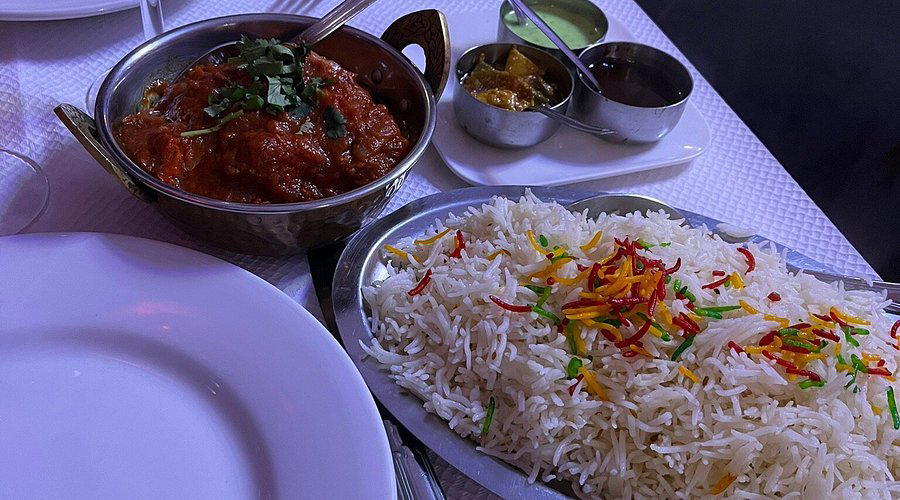
Indian Cooking in Provincial France: What Le Mans's Scene Actually Looks Like
Provincial French cities have a complicated relationship with subcontinental cooking. Restaurant Rajasthan is a traditional Indian restaurant in Le Mans, France, at 43 Rue d'Arcole, with a price tier of about $25 per person. Paris has the density to support multiple regional Indian traditions, Rajasthani, Keralan, Punjabi, South Indian, operating at different price points with genuine differentiation. Cities like Le Mans operate with a thinner market, which means Indian restaurants here tend toward consolidation: a single kitchen attempting to represent a broader range of dishes rather than drilling deep into one regional tradition. That compression can read as a limitation, but it can equally create the conditions for a kitchen to develop a coherent house identity rather than competing across an overcrowded category. Restaurant Rajasthan, at 43 Rue d'Arcole in the city centre, sits in that provincial context, a single Indian address in a city whose dining conversation is dominated by French regional cooking and a handful of creative modern kitchens.
L'Auberge de Bagatelle and L'insouciant both operate at the €€€ tier with creative and modern cuisine formats. L'épi'Curieux, La Reserve, and La Vieille Porte round out a scene that skews heavily toward French technique and local produce. Within that context, an Indian restaurant at street level on Rue d'Arcole represents a different category entirely, not competing for the same occasion, but offering an alternative logic of eating.
Reading the Menu: What Rajasthani Cooking Signals
The name carries editorial weight. Rajasthan, the northwestern Indian state whose cooking is built around the constraints of an arid climate, has a cuisine logic that differs substantially from the butter chicken and tikka masala shorthand that dominates Indian restaurant menus across Europe. Rajasthani cooking leans on preserved proteins, dried legumes, and dairy-intensive gravies as adaptations to scarce water and limited fresh produce. Dal baati churma, laal maas, and ker sangri are the canonical anchors of the tradition: strong by origin rather than by design, shaped by geography rather than restaurant convention.
A restaurant that names itself after this tradition is, in effect, making a menu claim before a dish is served. Whether the kitchen actually executes within that regional frame, or uses the name as an atmospheric gesture while running a broader North Indian menu, is the first practical question any informed diner should bring to the table. In the French provincial context, menus often adapt to local palate expectations, which can mean moderating heat levels and incorporating more familiar proteins. That adaptation is not inherently a failure; it is a consistent feature of how regional Indian cooking travels and resheds across European markets.
For diners who want a reference point for what a fully committed regional Indian kitchen looks like at the high end of the format, the contrast with destinations like Mirazur in Menton or Flocons de Sel in Megève, both operating within tightly defined culinary logics, illustrates the principle. Menu discipline, the willingness to exclude dishes that fall outside a defined tradition, is one of the clearest signals that a kitchen has made a genuine editorial choice rather than a commercial hedge.
The Address and What It Tells You
Rue d'Arcole sits in Le Mans's city centre, a street-level position that places the restaurant within walking distance of the old town's medieval quarter. That location matters for foot traffic and walk-in viability, but it also means the restaurant competes for attention in a neighbourhood that draws visitors primarily for its architecture and the wider Sarthe tourism circuit rather than for destination dining. The better-positioned French kitchens in Le Mans tend to occupy either the old town's higher-traffic zones or suburban locations that function as deliberate destination addresses. A central Indian restaurant on Rue d'Arcole sits in a different commercial logic: accessible, generalist in its appeal, aimed at both regulars and visiting diners who want a departure from the French menu dominant elsewhere.
Troisgros in Ouches, Auberge de l'Ill in Illhaeusern, and Bras in Laguiole define what committed destination dining looks like in the French regional context. Paul Bocuse in Collonges-au-Mont-d'Or remains the historical anchor of that tradition. Restaurant Rajasthan is not in conversation with those addresses, it is doing something categorically different, which is the point.
How to Approach a Visit
The practical approach requires direct contact before visiting. The address at 43 Rue d'Arcole is confirmed. For everything else, current menu, opening days, and reservation policy, check directly before visiting. In the Le Mans dining context, where the more discussed French-format restaurants at the creative end of the market (L'Auberge de Bagatelle, L'insouciant) operate with defined booking windows, an Indian restaurant of this format likely runs with more flexible availability, though that cannot be confirmed without direct inquiry.
Visitors arriving for the Le Mans 24 Hours race in June should plan ahead, since the city is busier during race week. Planning any restaurant visit during that window requires earlier confirmation than would otherwise be necessary. Outside race season, Le Mans operates as a moderate-footfall regional city where same-week bookings are generally achievable at most addresses.
Alléno Paris au Pavillon Ledoyen and AM par Alexandre Mazzia in Marseille represent the direction that ambitious French kitchens take when they engage with global spice traditions. Assiette Champenoise in Reims, Au Crocodile in Strasbourg, Le Bernardin in New York City, and Atomix in New York City illustrate the broader range of formal cooking traditions operating at the level where menu architecture becomes a genuine statement of intent.
Awards and Standing
Comparable venues nearby, for context on price, style, and recognition.
| Venue | Cuisine | Price | Awards | Notes |
|---|---|---|---|---|
| Restaurant RajasthanThis venue — the venue you are viewing | Traditional Indian Cuisine | $$ | Not listed | Not listed |
| La Vieille Porte | Traditional French Bistro | $$ | Not listed | Cité Plantagenêt |
| Zilwa Le Mans restaurant Mauricien | Mauritian Fusion | $$ | Not listed | Vieux Mans |
| Le Bellifontain | French Bistronomique | $$ | Not listed | near gare du Mans |
| La Reserve | French Bistro | $$ | Not listed | Place de la République, city center |
| L'insouciant | Modern French Bistronomy | $$$ | Michelin Plate | Le Mans City |
Continue exploring
More in Le Mans
Restaurants in Le Mans
Browse all →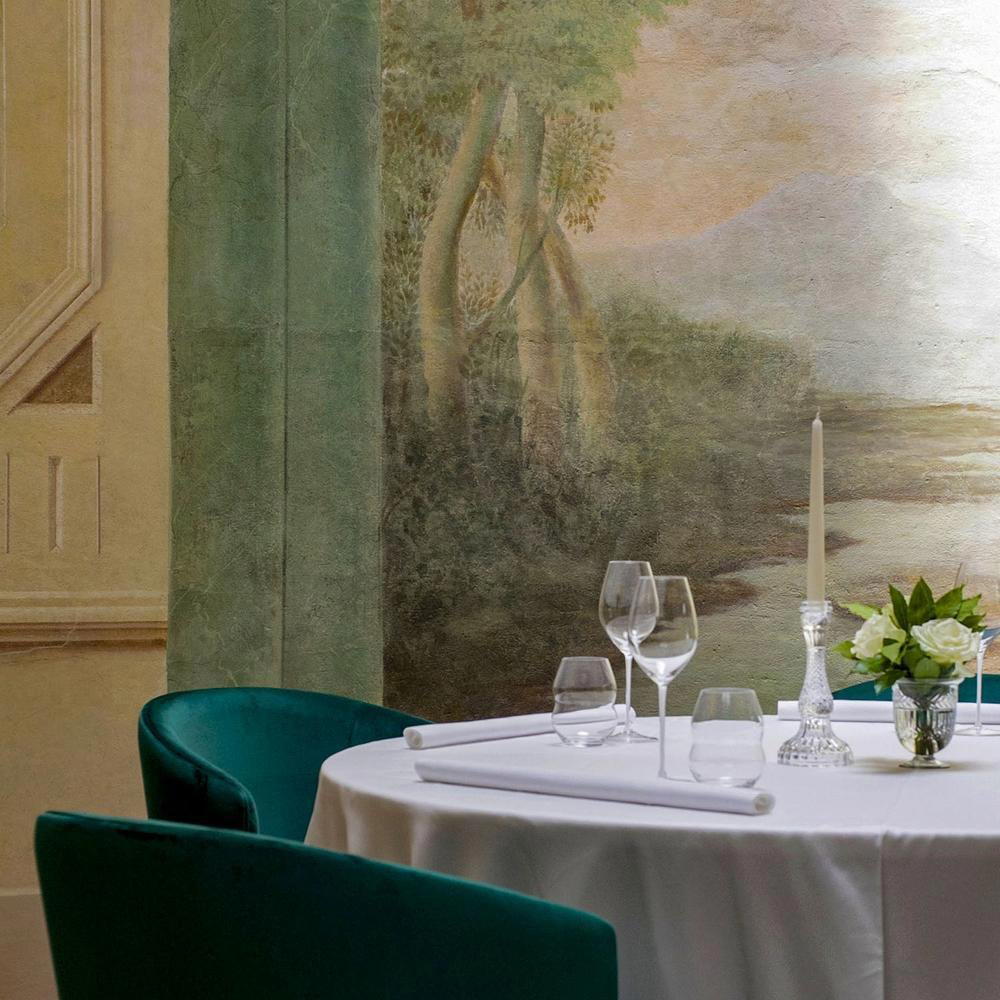
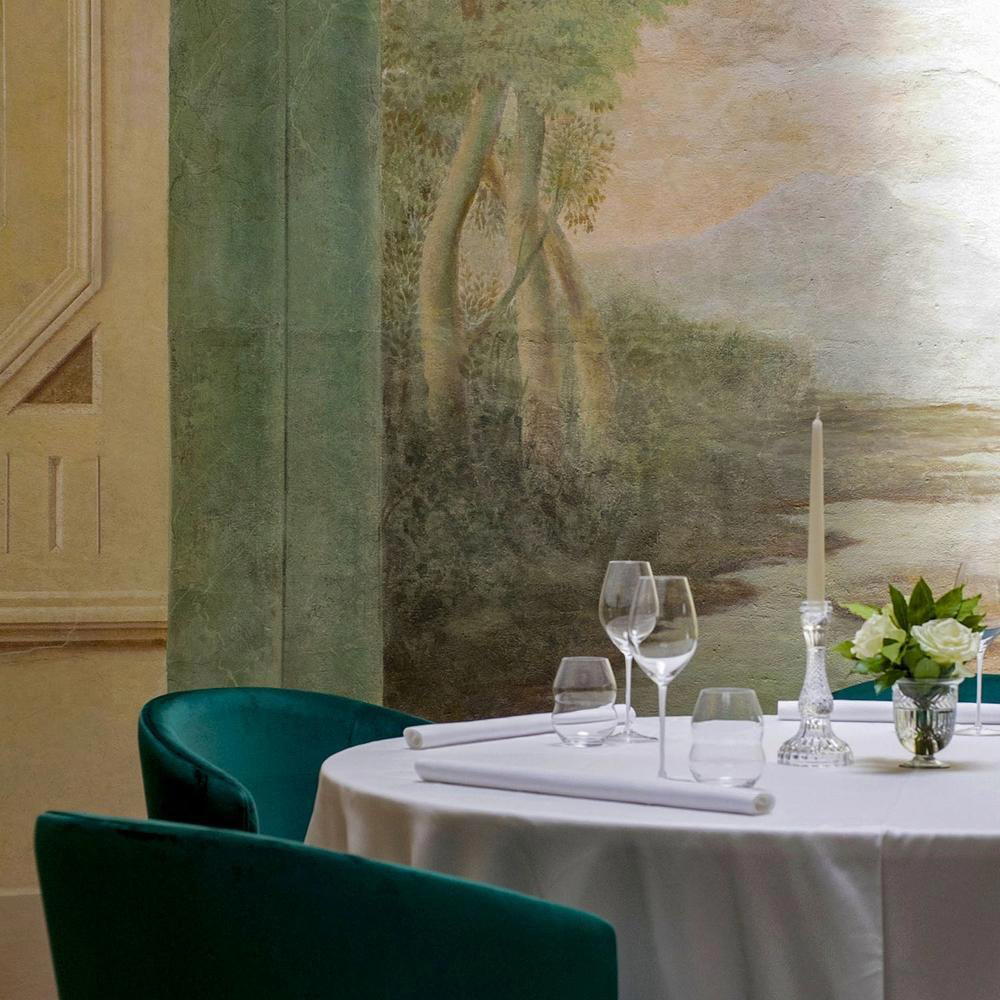
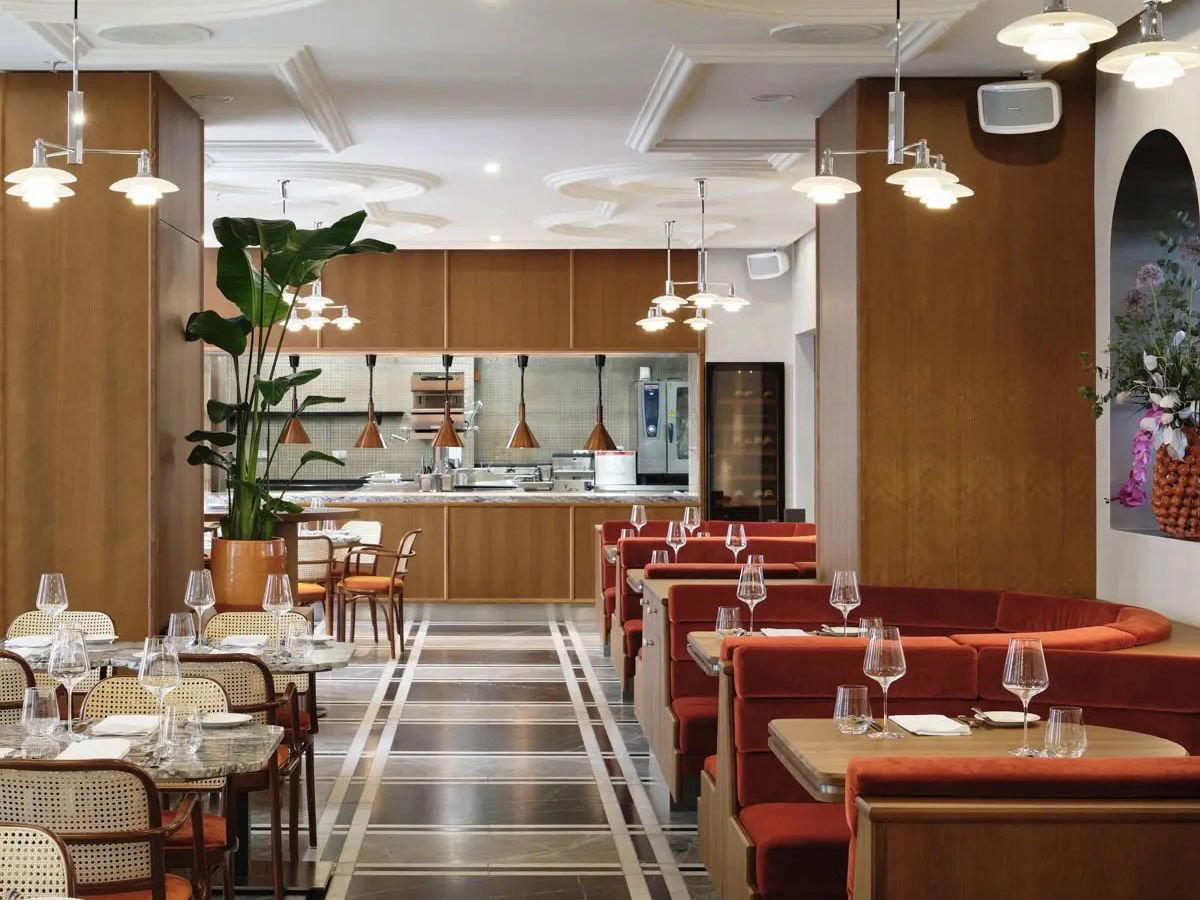
Hotels in Le Mans
Browse all →
Wineries in Le Mans
Browse all →
At a Glance
- Cozy
- Classic
- Casual Hangout
- Group Dining
- Family
Current opening hours
- Monday
- Closed
- Tuesday
- 12–2:30 PM, 7–11 PM
- Wednesday
- 12–2:30 PM, 7–11 PM
- Thursday
- 12–2:30 PM, 7–11 PM
- Friday
- 12–2:30 PM, 7–11 PM
- Saturday
- 12–2:30 PM, 7–11 PM
- Sunday
- 12–2:30 PM, 7–11 PM
Hours can change for holidays and private events. Last verified .
Warm and inviting dining room with traditional Indian decor, creating an immersive Indian dining experience.