Our verdict
Mauritian cuisine occupies a rare position in Le Mans, where the city's restaurant scene skews heavily toward French regional and creative European formats. Zilwa, at 11 Rue des 3 Sonnettes, represents that gap: a place where the Indian Ocean's layered Creole, Indian, and African cooking traditions land in a city more accustomed to rillettes and river fish. For travellers seeking something outside Le Mans's dominant culinary register, it merits a considered look.

Pearl is the En Primeur Club membership app, where members save venues, book tables and use the concierge.

An Indian Ocean Table in the Sarthe
Le Mans has a dining identity shaped almost entirely by the Loire Valley's proximity and the Sarthe's own produce: pork rillettes, freshwater fish, local mushrooms, and a conservative but capable run of French bistros and modern tables. The city's creative fringe, places like L'insouciant and L'Auberge de Bagatelle, pushes that tradition in new directions without straying far from a fundamentally European frame. Mauritius does not fit that frame. Its cooking draws from four centuries of Portuguese, Dutch, French, Indian, and African contact, producing a Creole register that has no direct French regional analogue. That's what makes a Mauritian restaurant in Le Mans genuinely unusual, and what makes Zilwa's address at 11 Rue des 3 Sonnettes worth registering on any considered visit to the city.
The street sits within Le Mans's central pedestrian zone, a short walk from the Vieux Mans district where the medieval city wall still stands. Approaching the address, you move through a part of town that reads more as working-day urban than tourist circuit, the kind of block where a neighbourhood restaurant earns its custom from repeat local trade rather than visitor footfall. That positioning tends to sharpen a kitchen's priorities: menus calibrated for locals who return rather than for tourists who won't be back.
What Mauritian Cooking Actually Is
Mauritius sits roughly 900 kilometres east of Madagascar, and its cuisine reflects the labour and trade migrations that defined the island's colonial history. French colonisers brought classical technique and the island's plantation-era larder; Indian indentured workers who arrived in the nineteenth century embedded spice logics, curry leaves, fenugreek, cumin, into everyday cooking; African and Malagasy influences shaped the use of root vegetables, legumes, and slow-cooked preparations. The result is a cuisine of genuine complexity, where a single dish might carry French sauce construction, Indian spicing, and Creole seasoning simultaneously.
In France, Mauritian restaurants occupy a different niche than the broader wave of West African or North African dining that has shaped French multicultural food culture over decades. They are rarer, less frequently written about, and often operating at a community scale that predates the current wave of interest in Indian Ocean foodways. That relative scarcity in cities like Le Mans gives a place like Zilwa a contextual weight that a Mauritian address in Paris, where the diaspora is larger, might not carry in the same way. For comparison, the kind of technical ambition you find at AM par Alexandre Mazzia in Marseille, a chef whose Congolese roots inform his cooking, shows how Indian Ocean and African food traditions can operate at the highest level of French fine dining. Zilwa, in a different register entirely, belongs to the community end of that spectrum rather than the tasting-menu tier.
The Sensory Character of the Room
Creole-inflected cooking carries a particular aromatic signature: the slow-fried onion and garlic base of a rougaille, the warm spice of a cari poisson, the sharp brightness of pickled chilli condiments served alongside. These are kitchens where heat is patient rather than violent, where colour comes from turmeric and tomato rather than reduction and butter. In a city where dining rooms tend toward the neutral palette of French bistro classicism, cream walls, zinc countertops, chalkboard menus, a room geared toward Mauritian cooking reads differently: warmer in its seasoning logic, more aromatic in its first moments.
What can be said is that neighbourhood Mauritian restaurants in France typically operate at a scale that keeps the experience personal, seating counts that allow for direct service rather than the managed distance of a large dining room. Given the address type and the local-trade character of the street, that model seems the likely frame here.
Where Zilwa Sits in Le Mans's Dining Tier
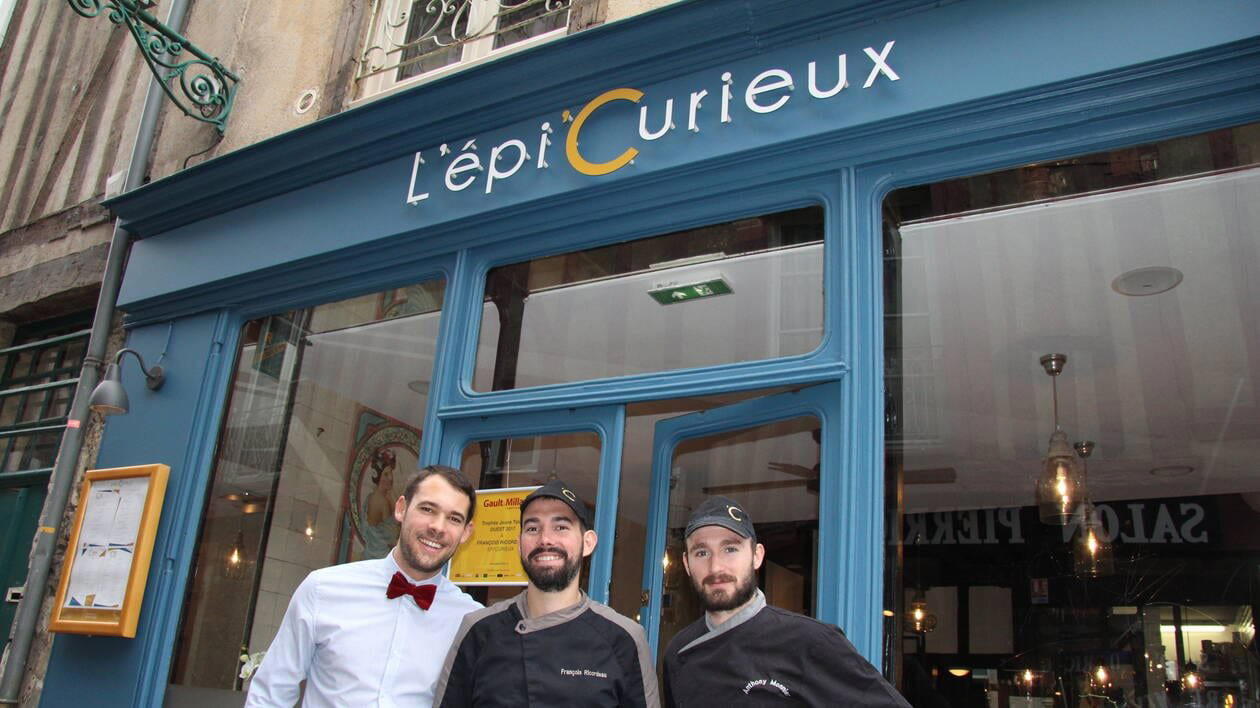
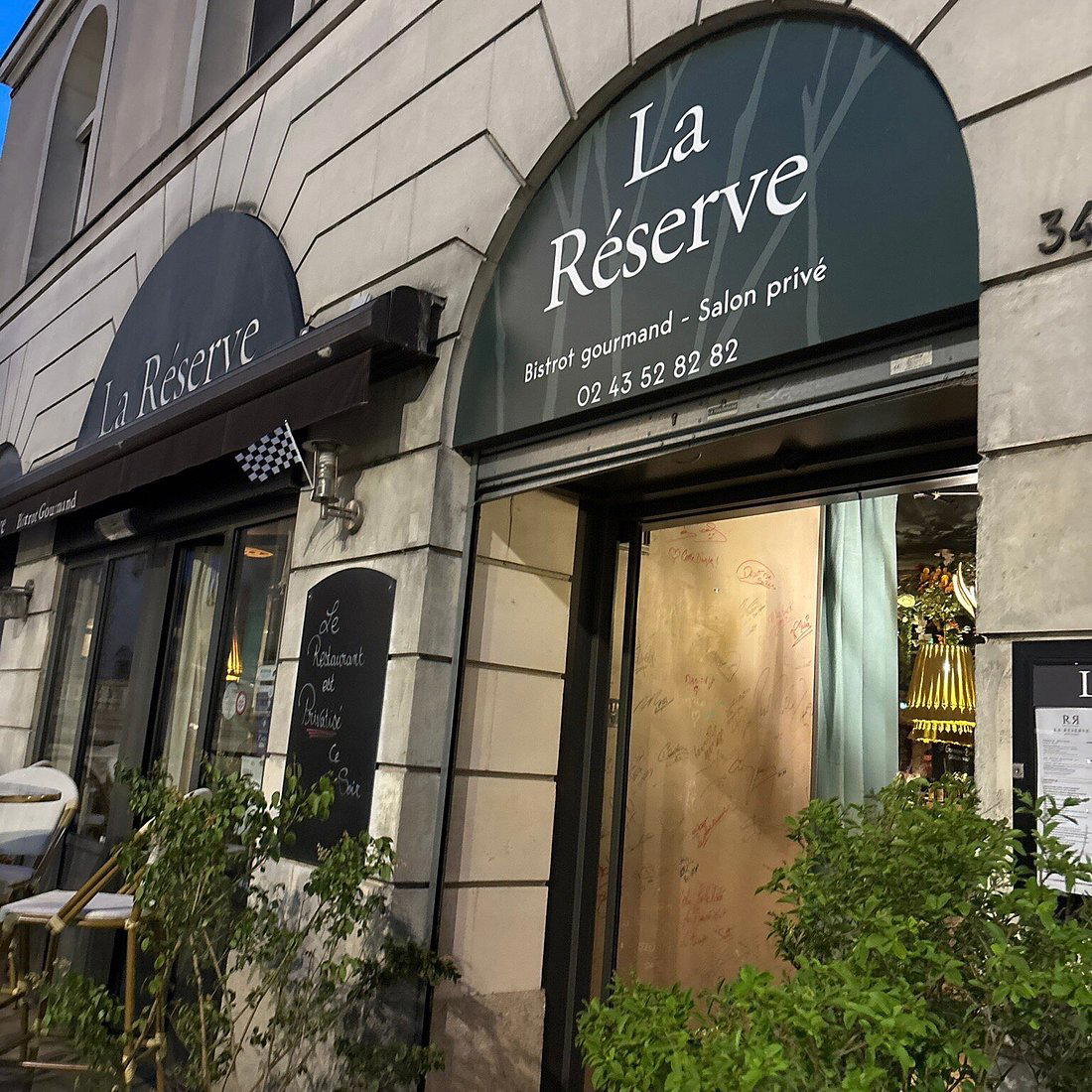
Le Mans's mid-range restaurant scene includes several addresses worth knowing: L'épi'Curieux, La Reserve, and La Vieille Porte cover different points in the city's French-centric spectrum. The relevant comparison isn't which Le Mans bistro does the leading duck confit, but rather whether a Mauritian table in a mid-sized French provincial city is operating with sufficient confidence in its own register to justify the visit. That's a harder question to answer without current pricing or menu data, but the restaurant's continued presence at a permanent central address is itself a signal of local credibility.
France's most decorated tables, from Mirazur in Menton to Troisgros in Ouches to Auberge de l'Ill in Illhaeusern, operate in a tier defined by decades of institutional recognition. Zilwa sits nowhere near that conversation, and it isn't trying to. The relevant frame is a city where Mauritian cooking is otherwise absent, and where a kitchen working in that tradition fills a gap that no French-lineage address can cover. That scarcity is a form of value, even if it doesn't come with a star or a guide listing.
Planning a Visit
Rue des 3 Sonnettes is within walking distance of Le Mans's main train station, making Zilwa accessible to visitors arriving by TGV from Paris Montparnasse, a journey of roughly one hour. The central location also puts it in range of the Vieux Mans, the old Roman city, which most visitors to Le Mans use as their geographical anchor. For a broader orientation to what Le Mans offers at table, our full Le Mans restaurants guide maps the city's dining character across cuisine types and price points.
Frequently asked questions
Where is Zilwa Le Mans restaurant Mauricien located?
Zilwa Le Mans restaurant Mauricien is located at 11 Rue des 3 Sonnettes, 72000 Le Mans, France, Le Mans.
Is Zilwa Le Mans a good option for dinner before or after a TGV journey from Paris?
Rue des 3 Sonnettes places Zilwa within walking distance of Le Mans's main train station, which sits on the Paris Montparnasse TGV line, the journey runs roughly 55 minutes. That positioning makes it one of the more convenient specialist restaurants in the city for rail travellers, since you are not adding a taxi or lengthy transfer to the equation. Among Le Mans addresses serving a cuisine this distinct from the Loire Valley norm, that proximity is a genuine practical advantage.
What should I eat at Zilwa Le Mans restaurant Mauricien?
Zilwa's kitchen draws on Mauritian Creole tradition, which means dishes built around rougaille, a slow-cooked tomato and onion sauce, and cari-style preparations using warm spice blends shaped by the island's Indian, African, and Chinese culinary migrations. These are the structural dishes to anchor your order. Le Mans has no comparable Mauritian address, so the repertoire here covers ground unavailable elsewhere in the Sarthe.
How hard is it to get a table at Zilwa Le Mans restaurant Mauricien?
Zilwa sits on Rue des 3 Sonnettes in central Le Mans, within walking distance of the main train station, which makes it reachable without advance logistics planning. As a specialist Mauritian address in a city where that cuisine has no direct competition, demand from curious diners and the Mauritian diaspora community can make weekends busier than the room size suggests. Booking ahead for Friday and Saturday evenings is the practical move.
City Peers
Comparable venues nearby, for context on price, style, and recognition.
| Venue | Cuisine | Price | Notes |
|---|---|---|---|
| Zilwa Le Mans restaurant MauricienThis venue (the venue you are viewing) | Mauritian Fusion | $20–30 | Not listed |
| La Vieille Porte | Traditional French Bistro | $30–50 | Cité Plantagenêt |
| La Reserve | French Bistro | $20–30 | Place de la République, city center |
| Restaurant Rajasthan | Traditional Indian Cuisine | $20–30 | Le Mans City |
| Le Bellifontain | French Bistronomique | $30–50 | near gare du Mans |
| L'épi'Curieux | Modern French Bistronomy | $30–50 | Cité Plantagenêt |
Continue exploring
More in Le Mans
Restaurants in Le Mans
All restaurants in Le Mans →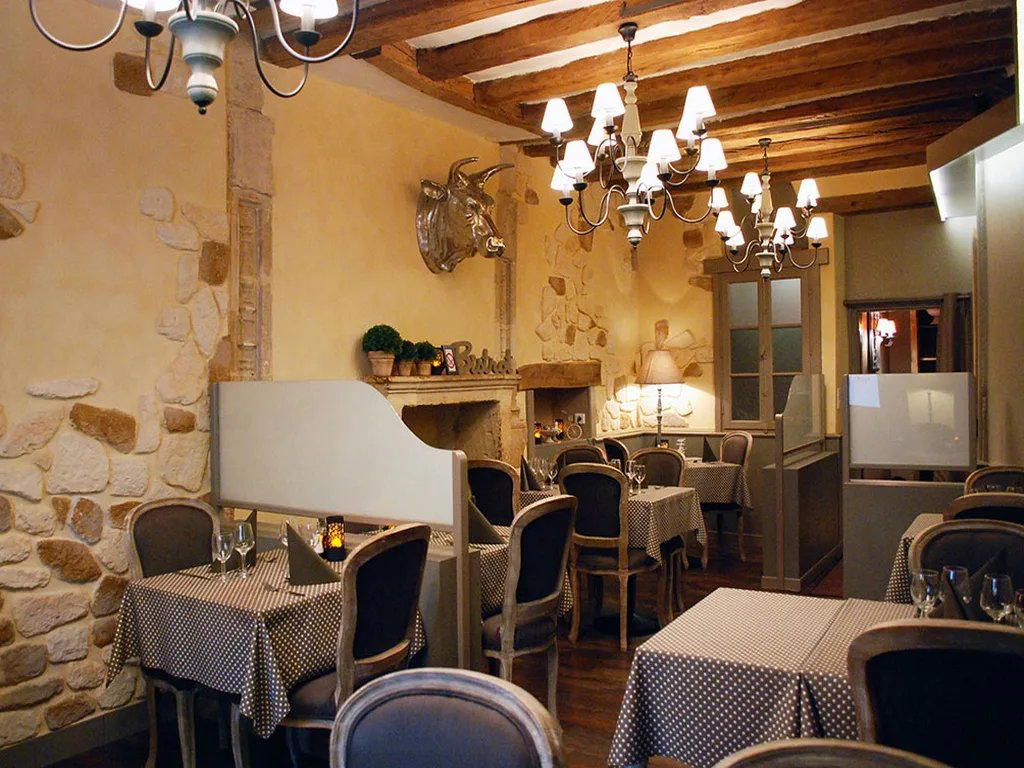
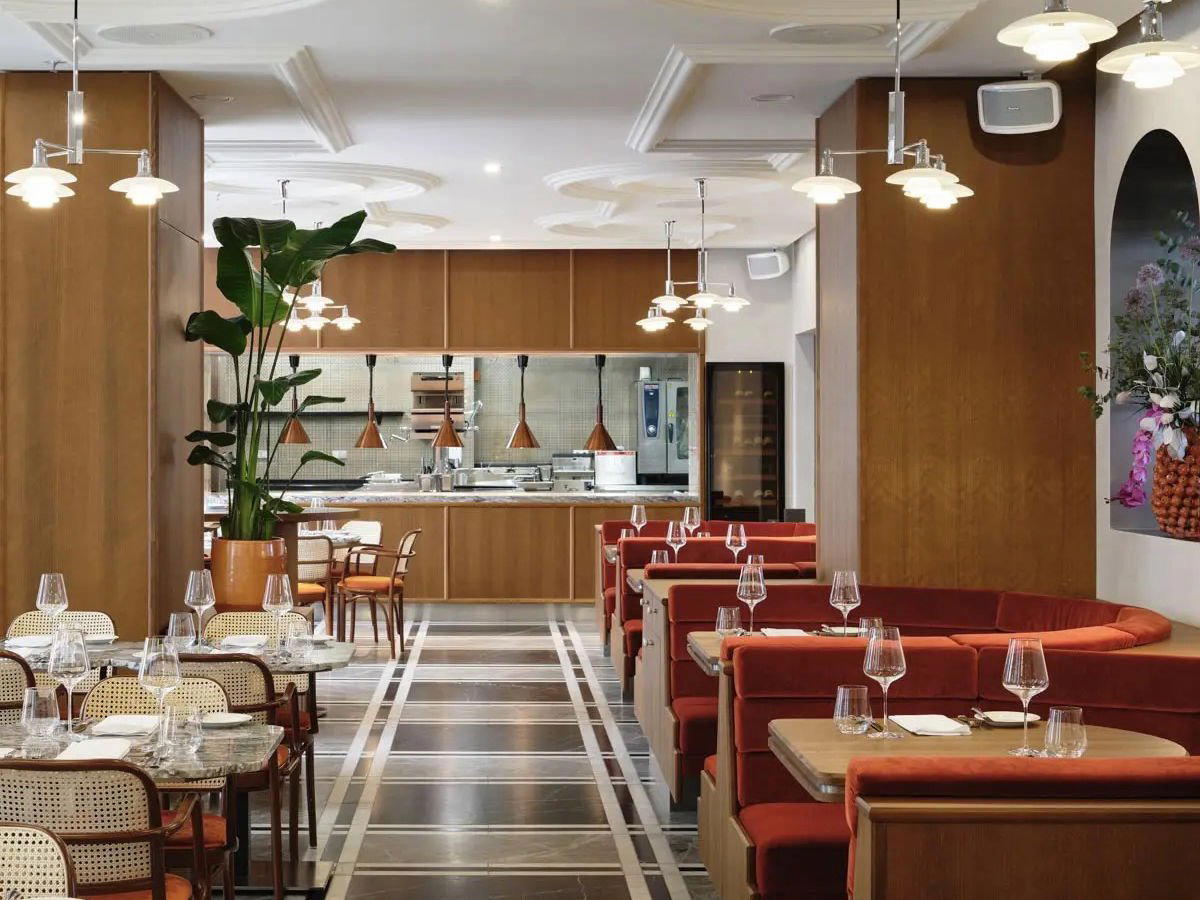
Hotels in Le Mans
Browse all →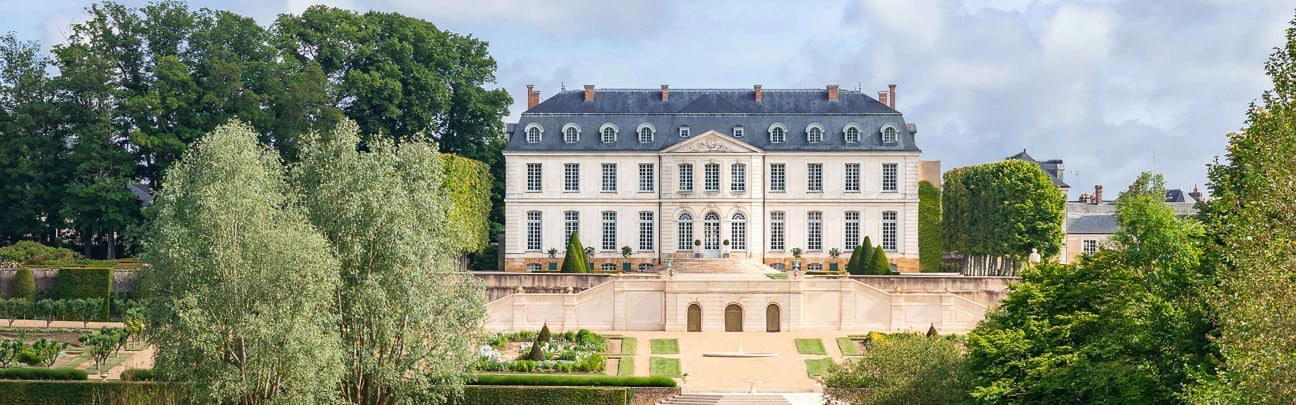
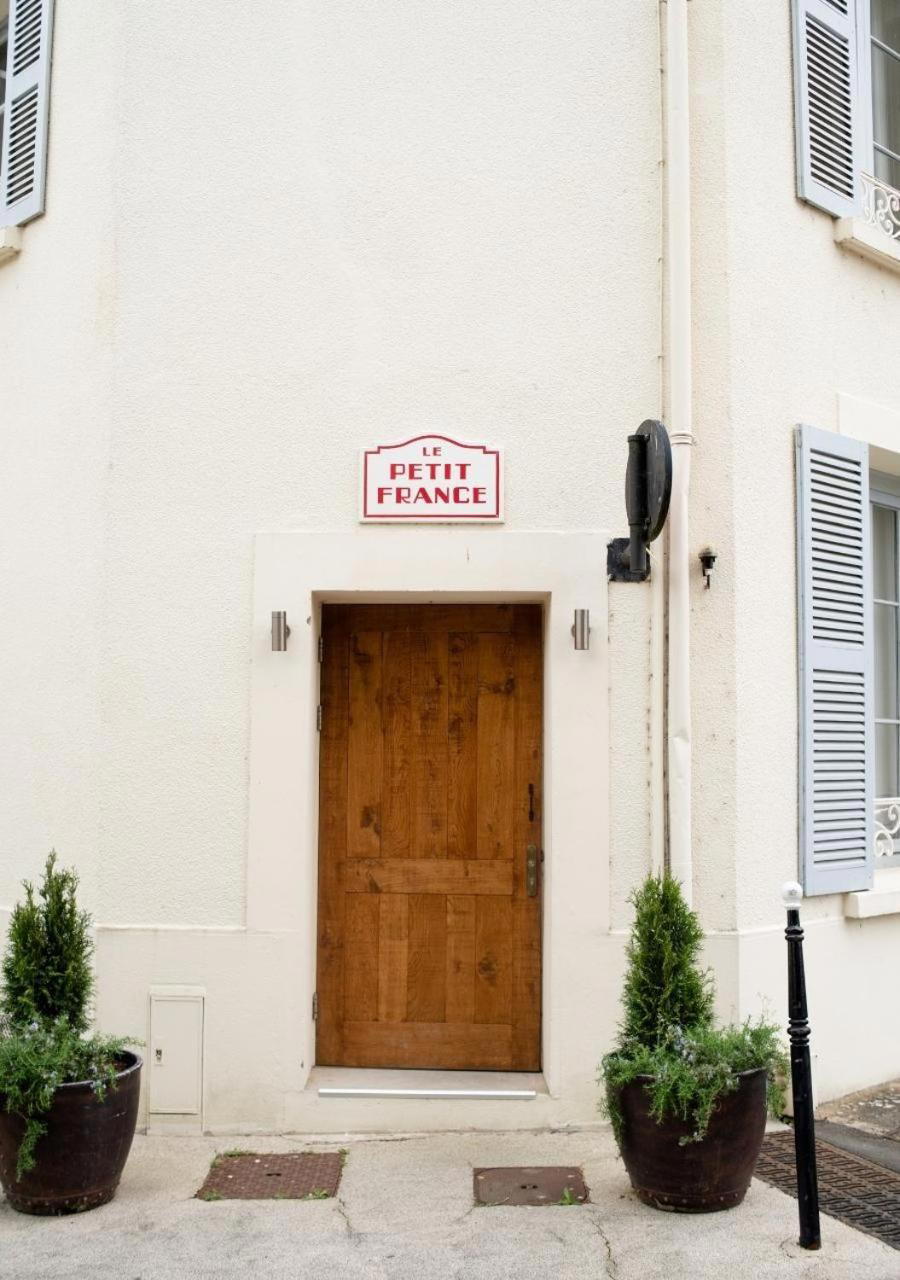
Wineries in Le Mans
Browse all →
Details
- Cozy
- Family
- Casual Hangout
- Standalone
- Local Sourcing
- A La Carte
- Vegetarian Friendly
Current opening hours
- Monday
- 12–2 PM, 7–10 PM
- Tuesday
- 12–2 PM, 7–10 PM
- Wednesday
- Closed
- Thursday
- 12–2 PM, 7–10 PM
- Friday
- 12–2 PM, 7–11 PM
- Saturday
- 12–2 PM, 7–11 PM
- Sunday
- 12–2 PM, 7–9:30 PM
Hours can change for holidays and private events. Hours as of .
Warm, familial, and relaxed atmosphere in a cozy setting.