Le Bellifontain sits on Avenue du Général Leclerc in Le Mans, placing it within reach of a city that takes its table culture seriously despite lacking the international profile of France's bigger dining destinations. In a local scene where a handful of addresses compete for the attention of residents who expect classical rigour without spectacle, Le Bellifontain holds a position worth understanding before you book.
Pearl is the En Primeur Club membership app — saves, bookings, and concierge access live there. Same editors, same standards.
- Address
- 110 Av. du Général Leclerc, 72000 Le Mans, France
- Phone
- +33243246538
- Directions
- Get directions
 Saves & bookings on Pearl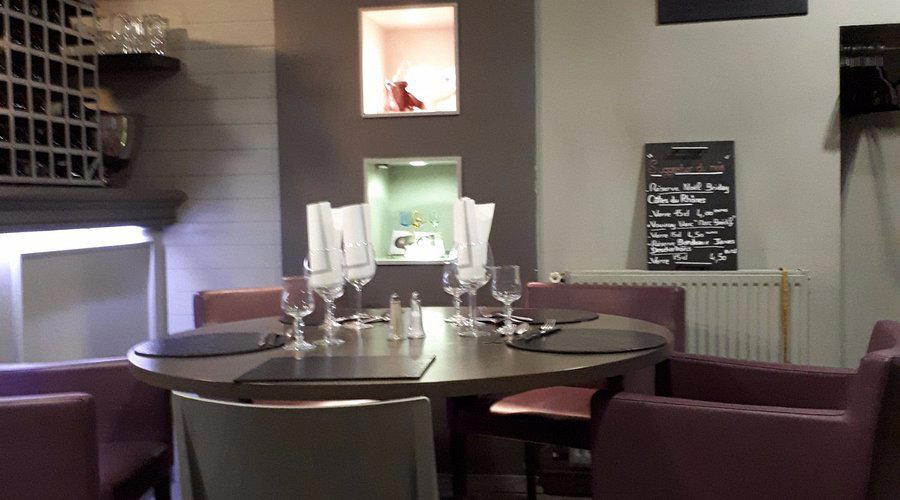
A Street, a City, and the Weight of the French Dining Ritual
Avenue du Général Leclerc runs through Le Mans with the purposeful straightness of a postwar arterial road, lined with the kind of architecture that suggests civic ambition rather than tourist charm. A restaurant at this address is not positioning itself alongside the medieval lanes of the Cité Plantagenêt or the weekend crowd that fills the old city's brasseries. It is making a different kind of argument: that serious eating happens away from the scenic backdrop, in rooms where the ritual of the meal itself carries the weight.
That ritual is the defining grammar of the French provincial table. In cities like Le Mans, where the dining culture is shaped more by local habit than by guidebook traffic, restaurants earn loyalty through consistency of format rather than novelty. Arrival, greeting, the card, the bread, the first glass: these are not incidental steps but the architecture of a meal that takes time seriously. Le Bellifontain occupies an address that places it squarely in that tradition, drawing from a neighbourhood that serves the city's residents rather than its visitors.
Where Le Bellifontain Sits in the Le Mans Dining Order
Le Mans has a small but coherent tier of serious restaurants. L'Auberge de Bagatelle represents the modern cuisine end of the spectrum at the €€€ price point, while L'insouciant occupies the creative register at a comparable price. Both signal that the city sustains a layer of ambitious cooking above the everyday bistro. Addresses like L'épi'Curieux, La Reserve, and La Vieille Porte fill out the mid-tier, giving the city a fuller range than its modest international profile might suggest.
In this context, a restaurant on Avenue du Général Leclerc is not competing for the same diner as the old-town brasseries. It is drawing on a different current of local life: the lunch appointment that extends past two o'clock, the family dinner that marks a particular occasion, the professional table that values reliability over surprise. France's provincial restaurant culture has always been built on exactly this kind of address, and strong examples among them tend to be found not in particularly photographed districts but in the parts of a city where people actually live.
The Pacing of a Meal and Why It Matters Here
The French dining ritual is not about speed. It is structured around the assumption that a lunch or dinner is a complete event, not a transaction. In provincial France, this is not an affectation but a remnant of a culture that has maintained the long table against considerable pressure. The question for any restaurant operating within that tradition is whether it enforces the ritual convincingly or allows it to collapse into something closer to efficient service.
Le Mans, positioned between Paris and the Atlantic coast, draws from a culinary tradition that leans toward the Loire Valley's classical approach: butter-rich sauces, freshwater fish, charcuterie of local provenance, and a wine list that pulls from a region producing some of France's most underappreciated whites. Restaurants in this tradition do not need to announce their relationship to place; it is expressed through what arrives at the table and the pace at which it arrives. The quality of that expression is what separates the addresses worth seeking out from those that simply exist within the format.
For comparison, the restaurants that define France's most demanding versions of this ritual operate at a different scale of resource and recognition. Troisgros - Le Bois sans Feuilles in Ouches and Auberge de l'Ill in Illhaeusern represent what the provincial fine dining tradition looks like at its most fully realised. Bras in Laguiole and Flocons de Sel in Megève demonstrate how regional identity can become the organising principle of a kitchen. Paul Bocuse - L'Auberge du Pont de Collonges in Collonges-au-Mont-d'Or remains the reference point for what the classical French table meant at its apex. The distance between those addresses and a neighbourhood restaurant in Le Mans is considerable, but the underlying logic of the meal is the same.
How Le Mans Compares to France's Broader Dining Map
France's dining geography has always rewarded those willing to look beyond Paris and the handful of cities that attract international food media. Addresses like Alléno Paris au Pavillon Ledoyen and Mirazur in Menton operate at the pinnacle of a system that also includes hundreds of serious provincial tables receiving almost no coverage outside their own regions. AM par Alexandre Mazzia in Marseille and Assiette Champenoise in Reims demonstrate that the cities most often read as secondary to Paris consistently produce cooking of genuine consequence. Au Crocodile in Strasbourg adds a further data point: regional capitals with strong local food cultures tend to sustain serious restaurants across multiple generations.
Le Mans is not a regional capital in that sense, but it is a city of around 140,000 people with a stable, food-literate population. For comparison, internationally decorated rooms like Le Bernardin in New York and Atomix in New York operate in a context of acute competitive pressure and global visibility. Provincial France works differently: the audience is largely local, the rhythms are slower, and a restaurant earns its place not through media cycles but through the accumulated trust of repeat diners over years.
Planning Your Visit to Le Bellifontain
The restaurant is at 110 Avenue du Général Leclerc, 72000 Le Mans, a address that is accessible by car from the city centre and within reasonable distance of Le Mans train station for those arriving via TGV from Paris Montparnasse, which covers the journey in around an hour. The French lunch service remains a fixture at restaurants of this type, typically running from noon until early afternoon, with dinner from early evening; verifying specific hours directly with the venue before making the journey is advisable, as provincial restaurants often observe closures on certain days that are not widely publicised.
Cuisine Lens
Comparable venues nearby, for context on price, style, and recognition.
| Venue | Cuisine | Price | Awards | Notes |
|---|---|---|---|---|
| Le BellifontainThis venue — the venue you are viewing | French Bistronomique | $$ | Not listed | Not listed |
| Restaurant Rajasthan | Traditional Indian Cuisine | $$ | Not listed | Le Mans City |
| La Vieille Porte | Traditional French Bistro | $$ | Not listed | Cité Plantagenêt |
| La Reserve | French Bistro | $$ | Not listed | Place de la République, city center |
| L'insouciant | Modern French Bistronomy | $$$ | Michelin Plate | Le Mans City |
| Zilwa Le Mans restaurant Mauricien | Mauritian Fusion | $$ | Not listed | Vieux Mans |
Continue exploring
More in Le Mans
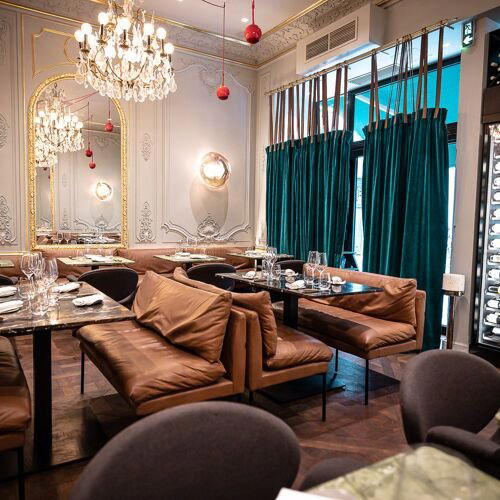
Restaurants in Le Mans
Browse all →
Hotels in Le Mans
Browse all →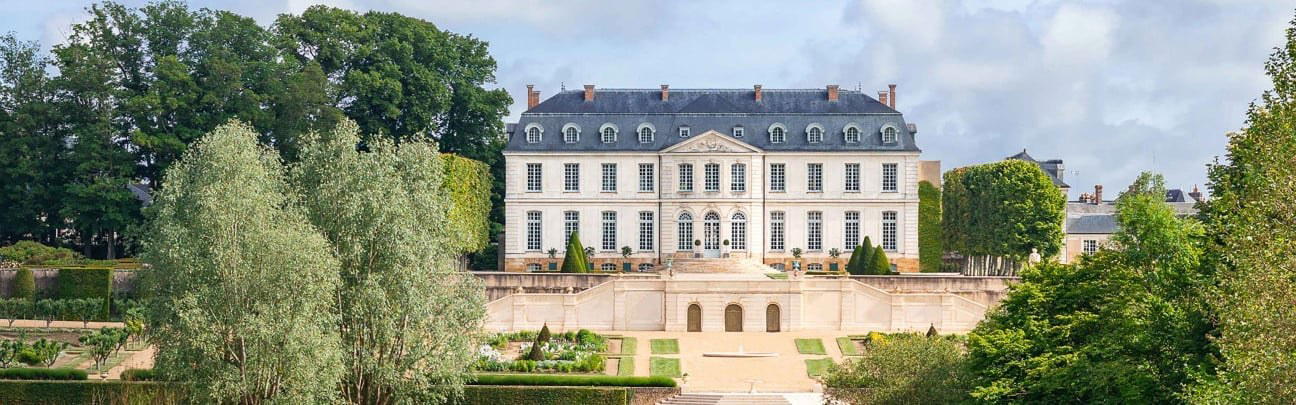
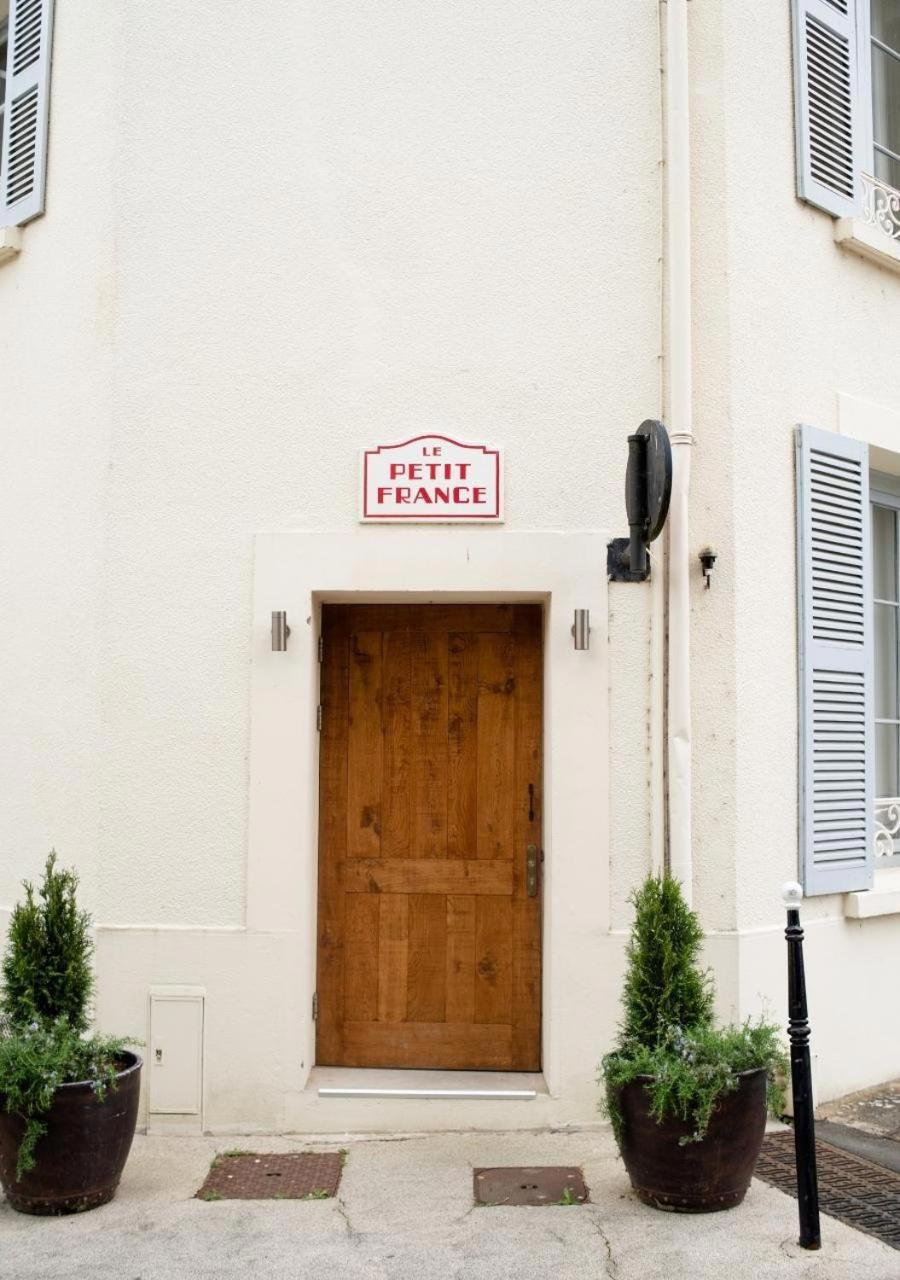
Wineries in Le Mans
Browse all →
At a Glance
- Cozy
- Elegant
- Classic
- Business Dinner
- Date Night
- Private Dining
- Extensive Wine List
- Local Sourcing
Current opening hours
- Monday
- 12–1:30 PM, 7:30–9:30 PM
- Tuesday
- 12–1:30 PM, 7:30–9:30 PM
- Wednesday
- 12–1:30 PM, 7:30–9:30 PM
- Thursday
- 12–1:30 PM, 7:30–9:30 PM
- Friday
- 12–1:30 PM, 7:30–9:30 PM
- Saturday
- Closed
- Sunday
- Closed
Hours can change for holidays and private events. Last verified .
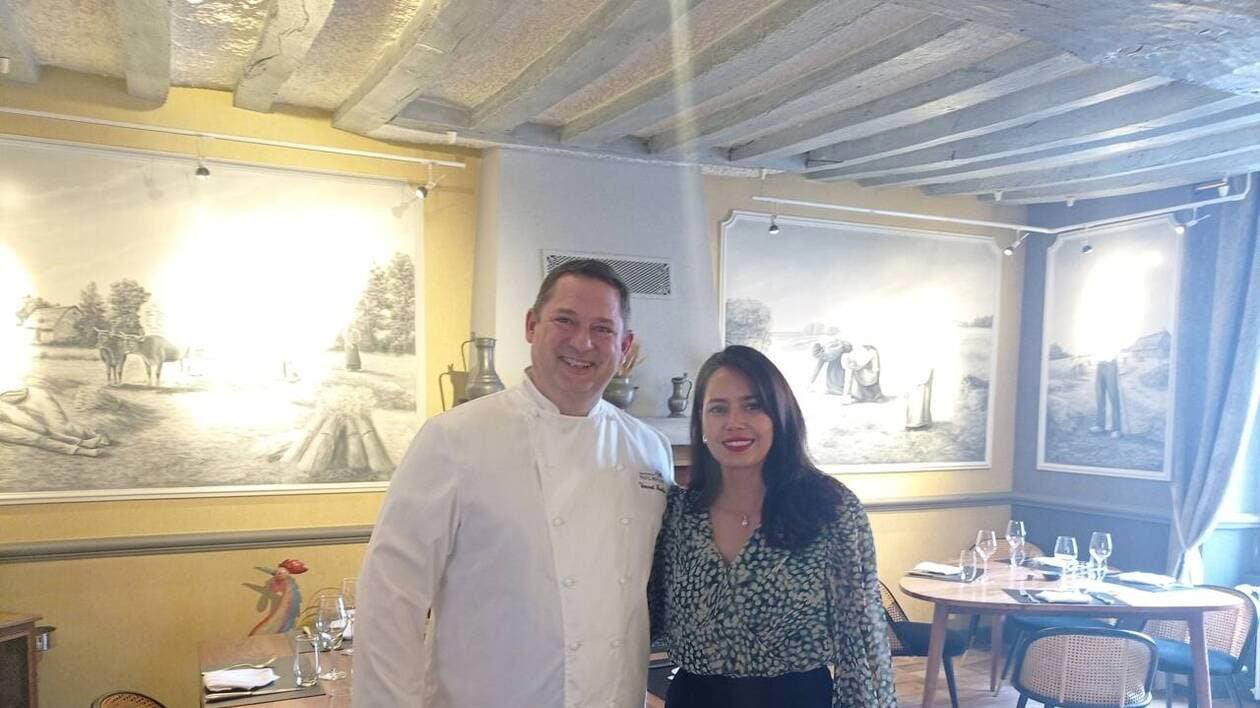
Chaleureux et convivial with trendy gray and violet decor, chalkboard menus, and an intimate, refined atmosphere.