Our verdict
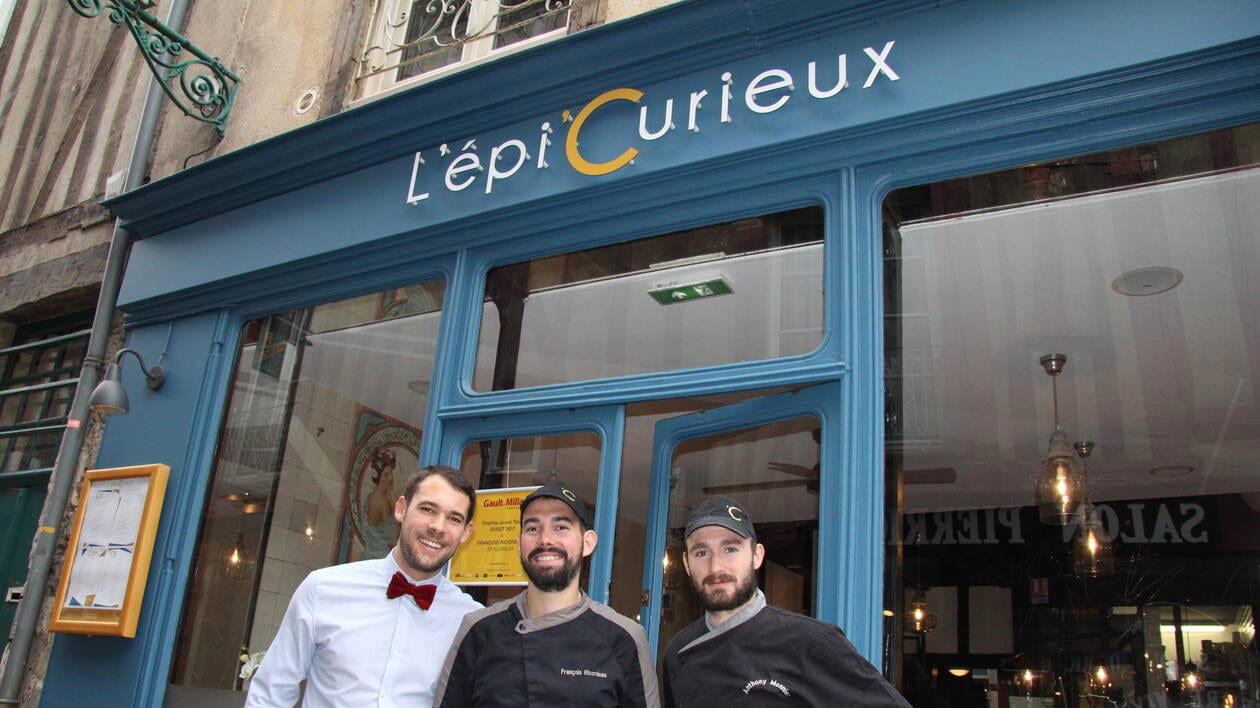
Positioned along the ancient Rue de la Vieille Porte in Le Mans' old city, L'épi'Curieux occupies a neighbourhood where medieval stonework and modern dining coexist. Against the city's small cluster of creative and modern cuisine addresses, it represents a more curious, character-led approach. For visitors arriving for the 24 Hours or exploring the Sarthe on foot, it sits within the most concentrated stretch of the old town's restaurant options.

Pearl is the En Primeur Club membership app — saves, bookings, and concierge access live there. Same editors, same standards.
- Address
- Le, 4 Rue de la Vieille Prte, 72000 Le Mans, France
- Phone
- +33243771563
- Hours
- Mon ClosedTue–Thu 12:15–2 PM, 7:15–10 PMFri–Sat 12:15–2 PM, 7:15–10:30 PMSun Closed
- Website
- restaurant-lepicurieux.fr
- Directions
- Get directions
The menu
What to order
- Huîtres tièdes au sabayon de champagne
- Mac’n cheese sarthois à la truffe
- Pigeonneau au kaki
Stone Streets and a Particular Address
The Rue de la Vieille Porte runs through the oldest part of Le Mans, a quarter where the Plantagenet walls still stand and the street grid resists any logic imposed after the medieval period. Walking it, you pass the kind of architecture that French provincial cities preserve almost by accident: narrow facades, heavy timber, stone worn to a grey-amber by eight or nine centuries of weather. It is not a neighbourhood designed for restaurant-going in any modern sense, which makes the presence of a place like L'épi'Curieux — its name a wordplay on "épicurieux," collapsing "épicurien" and "curieux" into a single restless idea — feel appropriate rather than incongruous.
Le Mans as a dining city operates at a register most visitors overlook. The 24 Hours race pulls international attention every June, but the old town's food scene is compact, locally-oriented, and rewards the traveller who stays past the circuit. The restaurant options concentrated around the medieval core represent a small but coherent peer group: La Vieille Porte and Le Bellifontain occupy the same immediate geography, while L'Auberge de Bagatelle and L'insouciant push the creative and modern cuisine tier in a city not especially crowded with either. L'épi'Curieux sits within that cluster, drawing its identity as much from its location and its tone as from any single category claim. For the full context of what Le Mans offers across price points and styles, our full Le Mans restaurants guide maps the options across the city.
What the Old Town Format Produces
Restaurants in medieval French town centres tend to inherit a particular set of physical constraints: low ceilings, irregular room shapes, walls that absorb sound differently than modern build. These are not disadvantages. They produce dining rooms where the acoustic environment is closer to a private house than a purpose-built commercial space, and where the furniture and lighting decisions carry more weight than in a blank modern room. The neighbourhood imposes a kind of editorial discipline on any kitchen that opens within it, the setting already communicates something, and the food and service either align with that signal or work against it.
In France's mid-sized provincial cities, this dynamic produces a category of restaurant that often punches harder on atmosphere and cooking coherence than its price point or regional profile would suggest. The comparison set for a place like L'épi'Curieux is not the multi-starred destination restaurants that draw international reservation traffic, properties like Mirazur in Menton, Troisgros in Ouches, or Alléno Paris au Pavillon Ledoyen operate in a different tier of ambition and infrastructure entirely. Nor is it the deep-rooted regional institution model of Auberge de l'Ill in Illhaeusern or Paul Bocuse in Collonges-au-Mont-d'Or. The comparison is closer, more local: a restaurant whose primary value is being the right address in the right part of a city that most people move through rather than to.
Le Mans Between the Sarthe and the Circuit
Understanding L'épi'Curieux requires understanding what Le Mans is as a food city, beyond the race weekend mythology. The Sarthe department produces serious agricultural material, rillettes du Mans carries IGP status and appears on tables across France, and the broader region draws on a Loire-adjacent produce tradition that extends into game, freshwater fish, and orchard fruit. A kitchen embedded in the old town has access, through local suppliers and market relationships, to ingredients with regional specificity that a generic French brasserie would not prioritise.
The city itself sits at a point where the Loire Valley's food culture shades into the Normandy apple-and-dairy corridor to the northwest. That geographic position gives Le Mans restaurants a breadth of regional reference that is genuinely distinct from, say, the herb-and-altitude logic of Flocons de Sel in Megève or the southern Mediterranean register of AM par Alexandre Mazzia in Marseille. The Sarthe sits in a middle band of French gastronomy, less visible than Alsace (home to Au Crocodile in Strasbourg) or Champagne (where Assiette Champenoise in Reims holds its position), but substantive in its own quieter way.
Placing the Visit
The Rue de la Vieille Porte address is walkable from the cathedral and from the main pedestrian routes through the old city, which makes L'épi'Curieux a natural choice for anyone already moving through the medieval quarter on foot. Visitors arriving for the 24 Hours race, which runs in mid-June and compresses the city's hospitality capacity significantly, will find the old town's restaurants under considerable pressure during race week; booking ahead during that window is not a precaution so much as a requirement. Outside race season, Le Mans receives a different kind of visitor: travellers on the Paris-to-Brittany or Paris-to-Nantes axis who stop for a half-day, and those specifically drawn to the Plantagenet city and its cathedral. For both groups, the old town's restaurant cluster, including La Reserve, represents a concentrated and manageable set of options within walking distance.
Name L'épi'Curieux carries its own editorial point. "Épicurien" in the French sense does not mean hedonism in the tabloid register; it implies a philosophical orientation toward pleasure, craft, and the considered life. "Curieux" adds the question mark, the curiosity that stops a meal from becoming routine. Whether the kitchen consistently delivers on that implied promise is a matter the diner has to test directly. What the address and the neighbourhood supply is already half the argument: a street in a medieval city that has been feeding travellers, pilgrims, and locals for longer than almost any modern dining concept can claim to reckon with.
For French provincial dining at a comparable level of ambition but different in scale and register, Bras in Laguiole demonstrates what a deeply place-rooted kitchen can produce over decades. For international reference points at the technical extreme, Le Bernardin in New York City and Atomix in New York City show what the pursuit of a singular culinary idea looks like when executed at high investment and high pressure. L'épi'Curieux operates on a different scale entirely, but the question it answers, where to eat well in Le Mans' old town, is the right question for the address it holds.
Planning Your Visit
L'épi'Curieux is located at 4 Rue de la Vieille Porte, 72000 Le Mans, in the heart of the medieval quarter. The address is on foot from the cathedral and the main sights of the old city. Current hours, pricing, and reservation availability are best confirmed directly with the venue, as details are not centrally listed. During the 24 Hours de Le Mans in June, advance booking across all old-town restaurants is strongly advised given the city-wide surge in visitors. Outside race season, the quarter is considerably quieter and walk-in options may be available, though calling ahead remains the more reliable approach.
Frequently asked questions
Where exactly is L'épi'Curieux?
L'épi'Curieux is located at Le, 4 Rue de la Vieille Prte, 72000 Le Mans, France, Le Mans.
Is L'épi'Curieux a good option for dining near the Le Mans Plantagenet walls and cathedral?
The address at 4 Rue de la Vieille Porte places L'épi'Curieux inside the medieval quarter, walkable from both the cathedral and the surviving Plantagenet ramparts that define this part of the city. For visitors spending time in the old city rather than the modern centre, it is one of the more convenient sit-down options within the historic perimeter. The street itself runs through one of Le Mans' oldest neighbourhoods, which shapes the physical character of restaurants along it.
What should I eat at L'épi'Curieux?
The restaurant's current menu is best confirmed directly with the venue, as dishes follow seasonal availability. The Sarthe department, where Le Mans sits, produces rillettes, poultry, and freshwater fish that appear consistently across serious kitchens in the region — these are worth asking about when you book. Arriving with regional context, rather than a fixed dish in mind, tends to reward the visit.
Do I need a reservation for L'épi'Curieux?
During the 24 Heures du Mans in June, the city absorbs tens of thousands of visitors and restaurants in the old quarter fill well in advance — a reservation at that point is essential, not precautionary. Outside race weekends, the Rue de la Vieille Porte address draws both locals and visitors to the medieval quarter, so booking ahead remains the sensible approach. check the venue's official channels to confirm availability and current hours.
Just the Basics
Comparable venues nearby, for context on price, style, and recognition.
| Venue | Cuisine | Price | Awards | Notes |
|---|---|---|---|---|
| L'épi'CurieuxThis venue — the venue you are viewing | Modern French Bistronomy | $30–50 | Not listed | Not listed |
| La Reserve | French Bistro | $20–30 | Not listed | Place de la République, city center, French Bistro |
| La Vieille Porte | Traditional French Bistro | $30–50 | Not listed | Cité Plantagenêt, Traditional French Bistro |
| Zilwa Le Mans restaurant Mauricien | Mauritian Fusion | $20–30 | Not listed | Vieux Mans, Mauritian Fusion |
| L'insouciant | Modern French Bistronomy | $50–100 | Michelin Plate | Le Mans City, Modern French Bistronomy |
| Le Bellifontain | French Bistronomique | $30–50 | Not listed | near gare du Mans, French Bistronomique |
Continue exploring
More in Le Mans
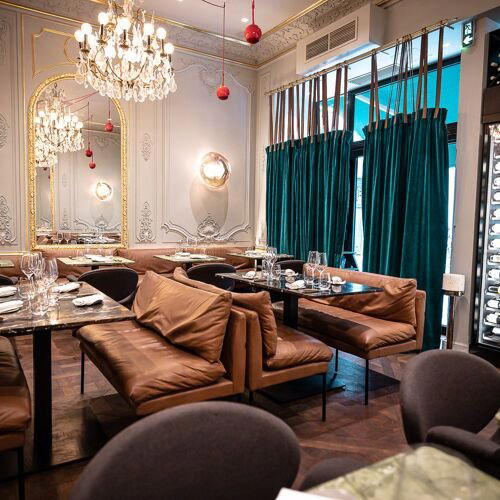
Restaurants in Le Mans
Browse all →
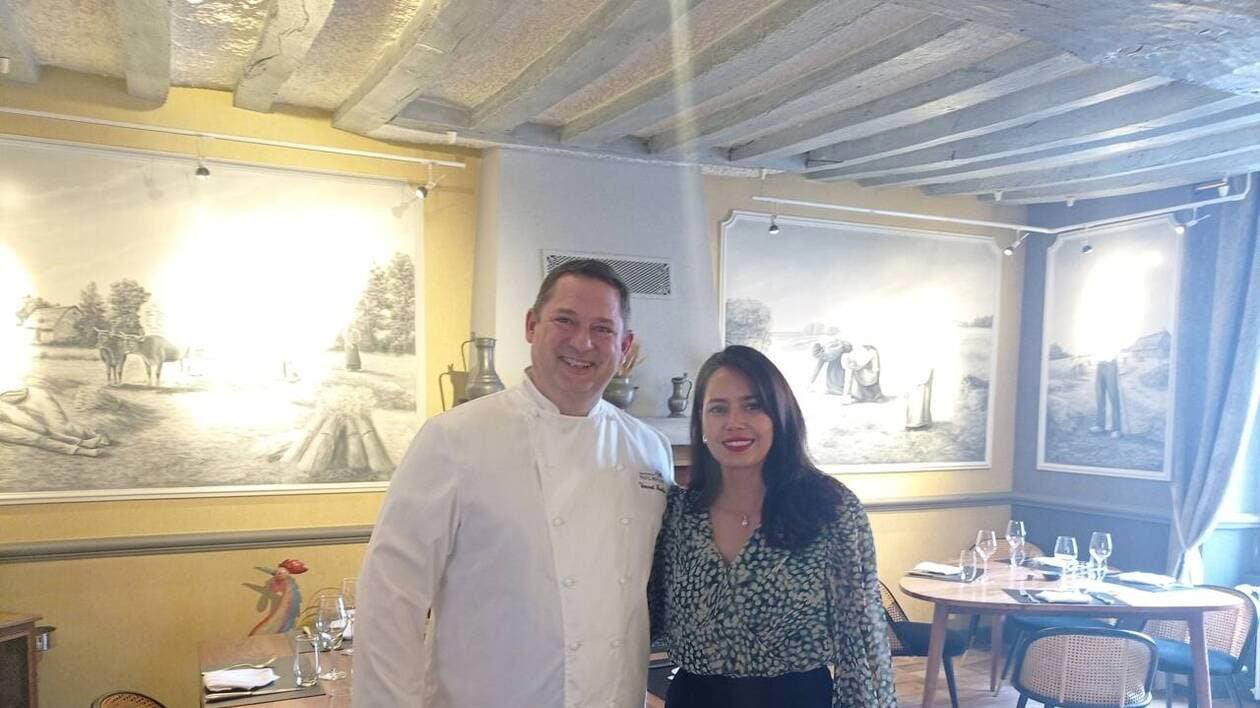
Hotels in Le Mans
Browse all →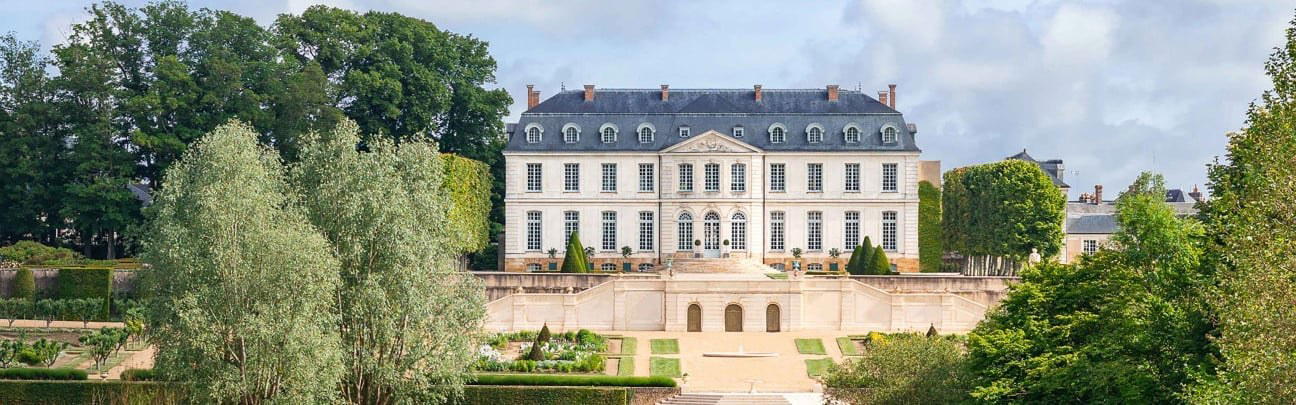
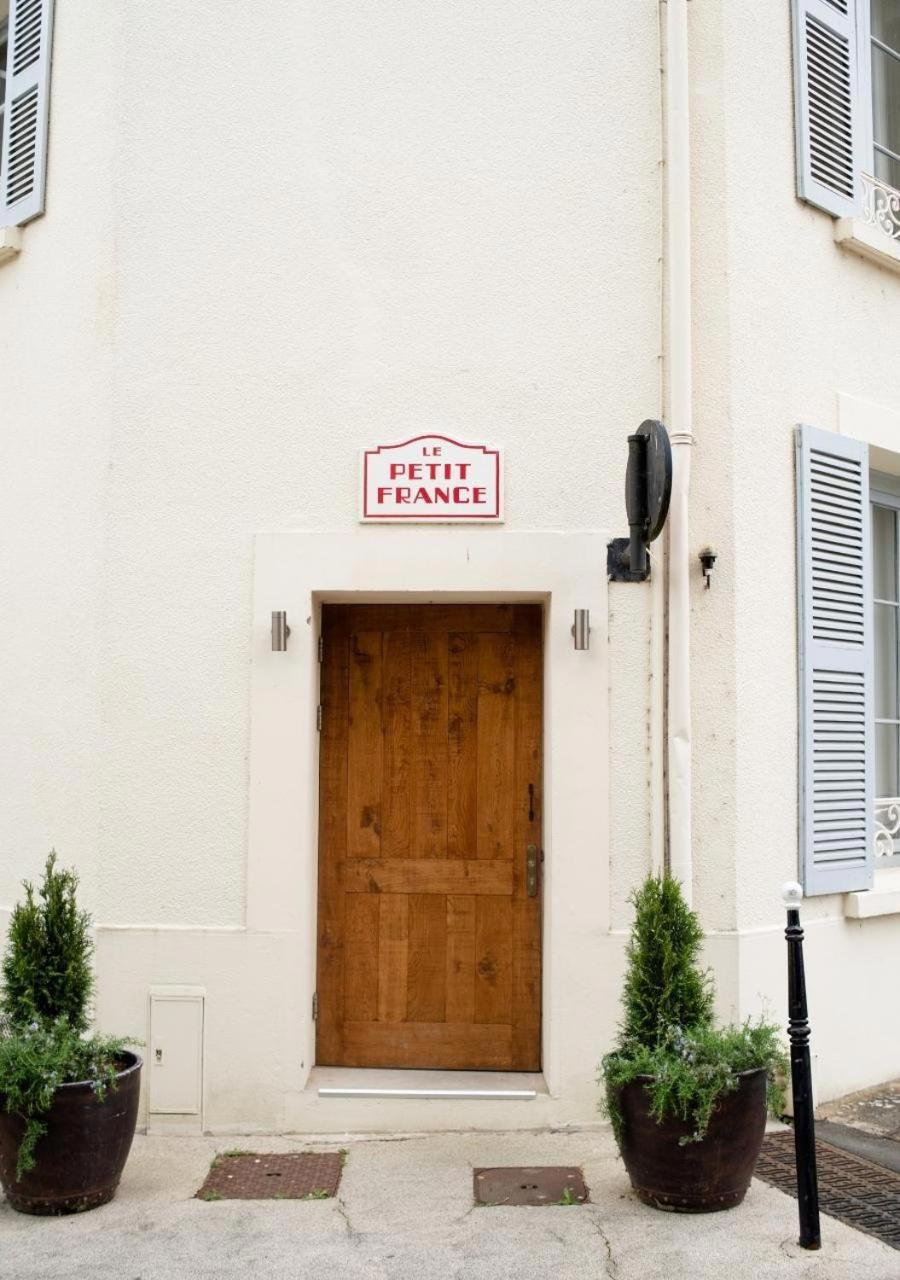
Wineries in Le Mans
Browse all →
Details
- Romantic
- Cozy
- Elegant
- Date Night
- Special Occasion
- Standalone
- Local Sourcing
- Farm To Table
- A La Carte
- Vegetarian Friendly
Current opening hours
- Monday
- Closed
- Tuesday
- 12:15–2 PM, 7:15–10 PM
- Wednesday
- 12:15–2 PM, 7:15–10 PM
- Thursday
- 12:15–2 PM, 7:15–10 PM
- Friday
- 12:15–2 PM, 7:15–10:30 PM
- Saturday
- 12:15–2 PM, 7:15–10:30 PM
- Sunday
- Closed
Hours can change for holidays and private events. Last verified .
Cozy French-style setting with romantic atmosphere.