La Reserve occupies a central address on Place de la République in Le Mans, placing it within easy reach of the city's historic quarter and the cathedral district. In a city better known for motorsport than gastronomy, it represents part of a growing mid-tier dining conversation that rewards visitors who look beyond the race circuit. For an informed read on the broader Le Mans table, it sits alongside several notable neighbourhood addresses worth knowing.
Pearl is the En Primeur Club membership app — saves, bookings, and concierge access live there. Same editors, same standards.
- Address
- 34 Pl. de la République, 72000 Le Mans, France
- Phone
- +33243528282
- Website
- lareservelemans.com
- Directions
- Get directions
 Saves & bookings on Pearl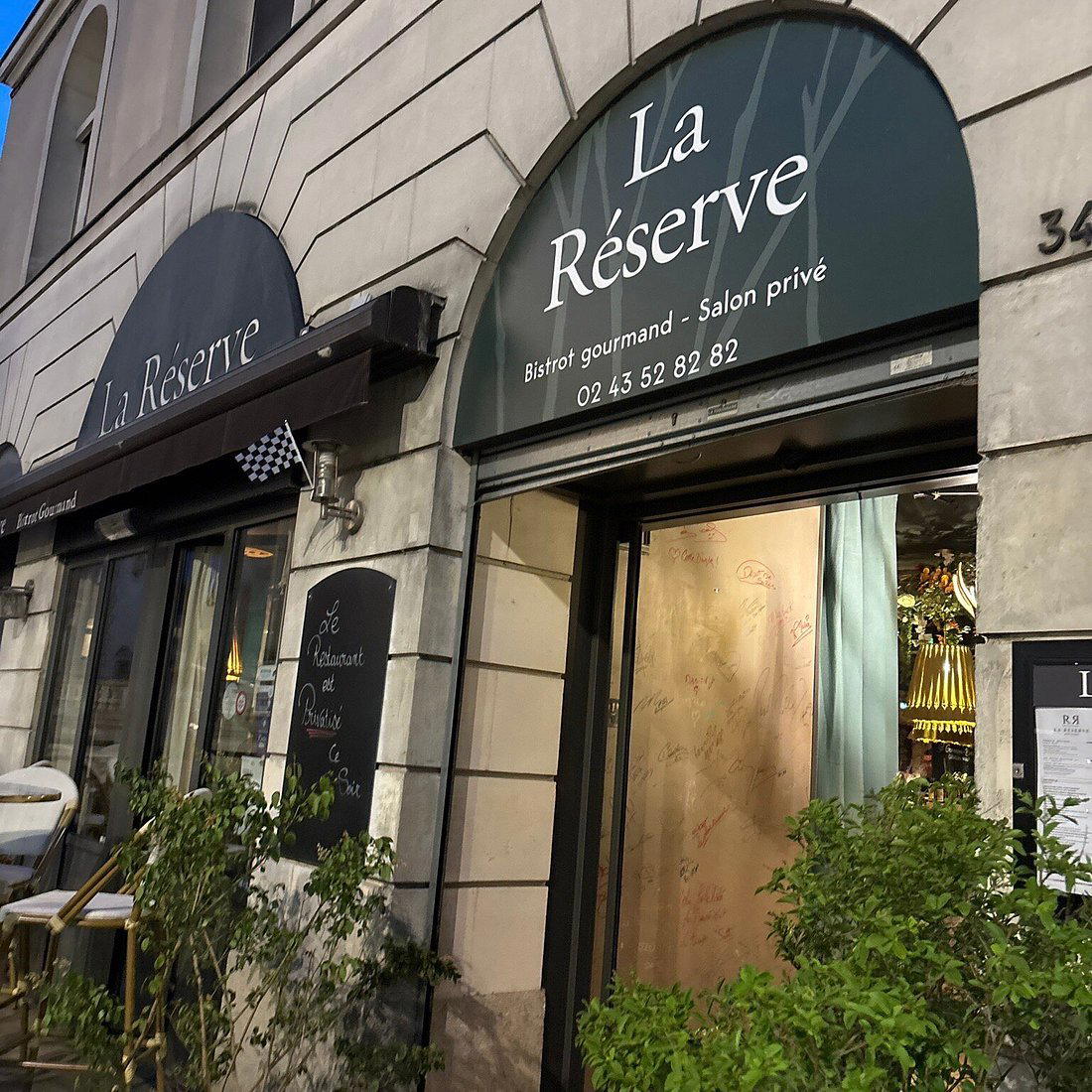
Place de la République and the Dining Geography of Le Mans
Sitting directly on Place de la République, the square that anchors Le Mans's civic centre, La Reserve occupies a position that says something about how the city's restaurant culture is organised. In French provincial towns of this size, the restaurants that settle around the main public square tend to serve a dual function: they draw both local regulars and visitors arriving without much prior research. That placing creates a particular kind of pressure. A restaurant in this spot has to earn its credibility across a broader audience than a neighbourhood address tucked away in the medieval Cité Plantagenêt, where curious diners arrive with intention. At 34 Place de la République, La Reserve is visible, accessible, and measured against the everyday expectations of a city that has historically undersold its culinary identity relative to its motorsport fame.
Le Mans draws an international crowd every June for the 24 Hours race, but the dining infrastructure that serves that influx has not always translated into a year-round scene of the same depth. That is changing, slowly. Addresses like L'Auberge de Bagatelle, operating at the €€€ tier with a modern cuisine approach, and L'insouciant, working the creative end of the same price bracket, have helped build a more considered mid-to-upper dining tier in the city. La Reserve sits in that same conversation, at an address that makes it one of the more geographically central options in that cohort.
Why Sourcing Matters in a City Like Le Mans
The Sarthe département, in which Le Mans sits, has a stronger agricultural identity than its urban reputation might suggest. The region is the source of Label Rouge Poulet de Sarthe chickens, rillettes du Mans (the potted pork preparation that has been produced here for centuries), and a productive market garden tradition fed by the Loire valley's proximity to the south. In French provincial cooking, the question of whether a restaurant actively draws on these local supply chains, or defaults to national wholesale channels, is often one telling indicator of seriousness. A kitchen that uses Sarthe poultry sourced directly from farms within the département is making a different kind of argument than one that simply lists it on a menu for regional credibility.
This sourcing question connects Le Mans to a broader pattern in French regional cooking. At the multi-starred end of the spectrum, houses like Bras in Laguiole and Flocons de Sel in Megève have made hyperlocal terroir the structural logic of their menus, treating ingredient geography as the primary creative constraint. At Mirazur in Menton, the kitchen garden sits within the restaurant's own property, collapsing the distance between soil and plate to its minimum. These are extreme positions, but they set a standard against which more everyday provincial restaurants are now being read. The question for a place like La Reserve is whether the Sarthe's notable larder informs the kitchen's decisions in ways that go beyond decoration.
Other established French houses have long demonstrated that regional fidelity and culinary ambition are not in tension. Auberge de l'Ill in Illhaeusern has built decades of reputation on Alsatian ingredients read through a refined kitchen lens. Troisgros in Ouches has moved its physical location specifically to be closer to its agricultural sources. These are not templates for a square-facing Le Mans restaurant to replicate directly, but they illustrate how the sourcing argument can operate at different scales across French dining.
The Le Mans Mid-Tier Table: What the Competitive Set Looks Like
Within Le Mans, the restaurants most directly comparable to the restaurant in terms of positioning operate in the €€€ band and share a city-centre or historic-quarter address. L'épi'Curieux and La Vieille Porte are part of this conversation, as is Le Bellifontain. The distinction between these addresses tends to come down to kitchen ambition and whether the format is oriented toward local regulars, business lunches, or visitors with a more considered dining interest. At the higher end of French provincial ambition, references like Assiette Champenoise in Reims or Au Crocodile in Strasbourg demonstrate what a provincial city restaurant can achieve with consistent investment in product and technique over time.
For visitors arriving from Paris, the comparison is a useful calibration. The capital operates at a different density and budget level, with addresses like Alléno Paris au Pavillon Ledoyen and AM par Alexandre Mazzia in Marseille representing what French fine dining looks like at its most technically driven. But provincial mid-tier cooking has its own argument to make, particularly when it draws on local supply chains that metropolitan kitchens cannot access with the same directness. The value proposition in a city like Le Mans is not that it replicates what Paris does; it is that it does something Paris structurally cannot.
Planning a Visit to La Reserve
The restaurant is at 34 Place de la République, within walking distance of both Le Mans's TGV station and the cathedral and old town, making it direct to combine with an afternoon in the Cité Plantagenêt. For visitors using the 24 Hours race weekend as their anchor, advance planning is essential regardless of the venue: the city's accommodation and dining supply compresses sharply in mid-June, and restaurants at this address fill well ahead of that period. Outside race season, Le Mans runs on a quieter rhythm, and the square-facing location is better appreciated then, when the city belongs more to its residents than to motorsport tourism. For international dining context, it is worth noting that the kind of precise, technically ambitious cooking found at places like Le Bernardin in New York City or Atomix in New York City sets a benchmark for what sourcing-led, technique-forward cooking can look like at its most developed, useful context for calibrating expectations when reading any provincial French address against global standards.
- Cancale oysters
- escargots du Maine
- tartare
- filet de biche with grand veneur sauce
- Cluizel chocolate coulant
- steak
Comparison Snapshot
Comparable venues nearby, for context on price, style, and recognition.
| Venue | Cuisine | Price | Awards | Notes |
|---|---|---|---|---|
| La ReserveThis venue — the venue you are viewing | French Bistro | $$ | Not listed | Not listed |
| L'épi'Curieux | Modern French Bistronomy | $$ | Not listed | Cité Plantagenêt |
| La Vieille Porte | Traditional French Bistro | $$ | Not listed | Cité Plantagenêt |
| Zilwa Le Mans restaurant Mauricien | Mauritian Fusion | $$ | Not listed | Vieux Mans |
| Le Bellifontain | French Bistronomique | $$ | Not listed | near gare du Mans |
| L'insouciant | Modern French Bistronomy | $$$ | Michelin Plate | Le Mans City |
Continue exploring
More in Le Mans
Restaurants in Le Mans
Browse all →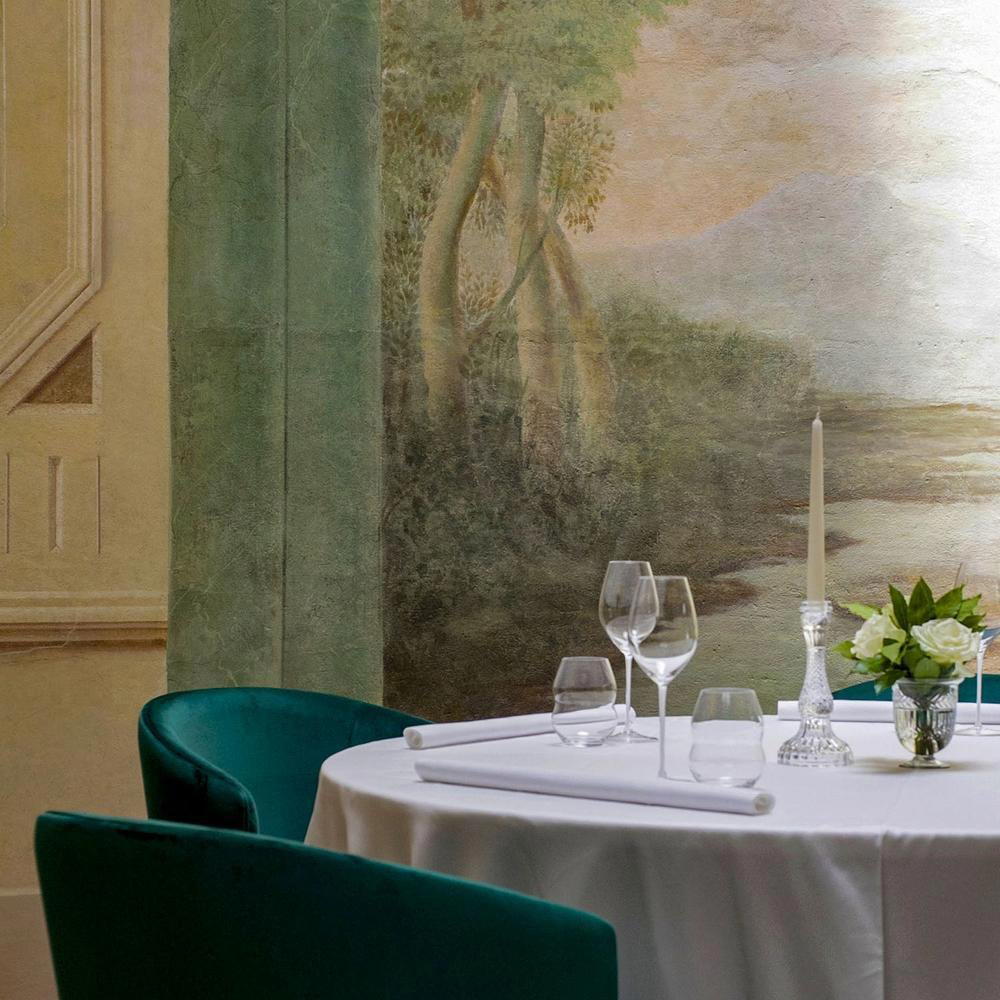
Hotels in Le Mans
Browse all →
Wineries in Le Mans
Browse all →
At a Glance
- Elegant
- Cozy
- Classic
- Casual Hangout
- Date Night
- Business Dinner
- Group Dining
- Standalone
Current opening hours
- Monday
- Closed
- Tuesday
- 12–1:45 PM, 6–9:45 PM
- Wednesday
- 12–1:45 PM, 6–9:45 PM
- Thursday
- 12–1:45 PM, 6–9:45 PM
- Friday
- 12–2 PM, 6–10:45 PM
- Saturday
- 12–2:30 PM, 6–10:45 PM
- Sunday
- Closed
Hours can change for holidays and private events. Last verified .
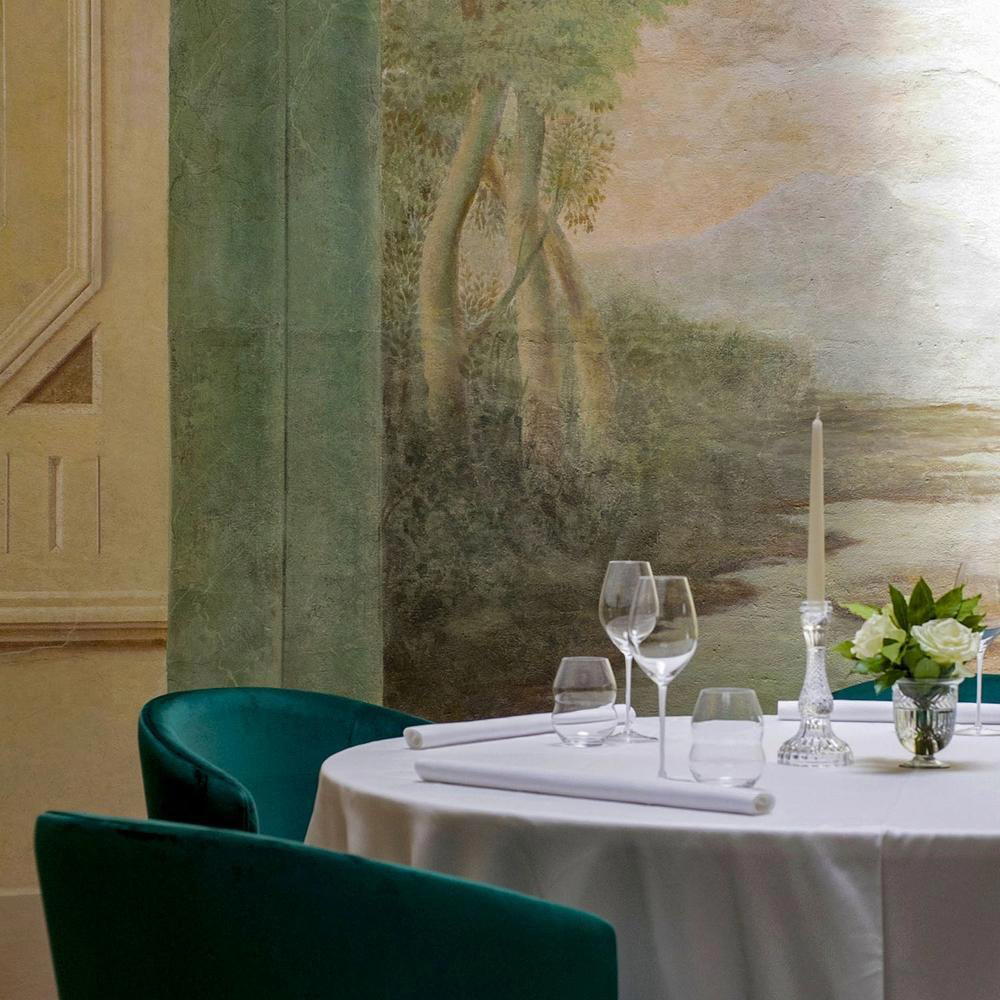
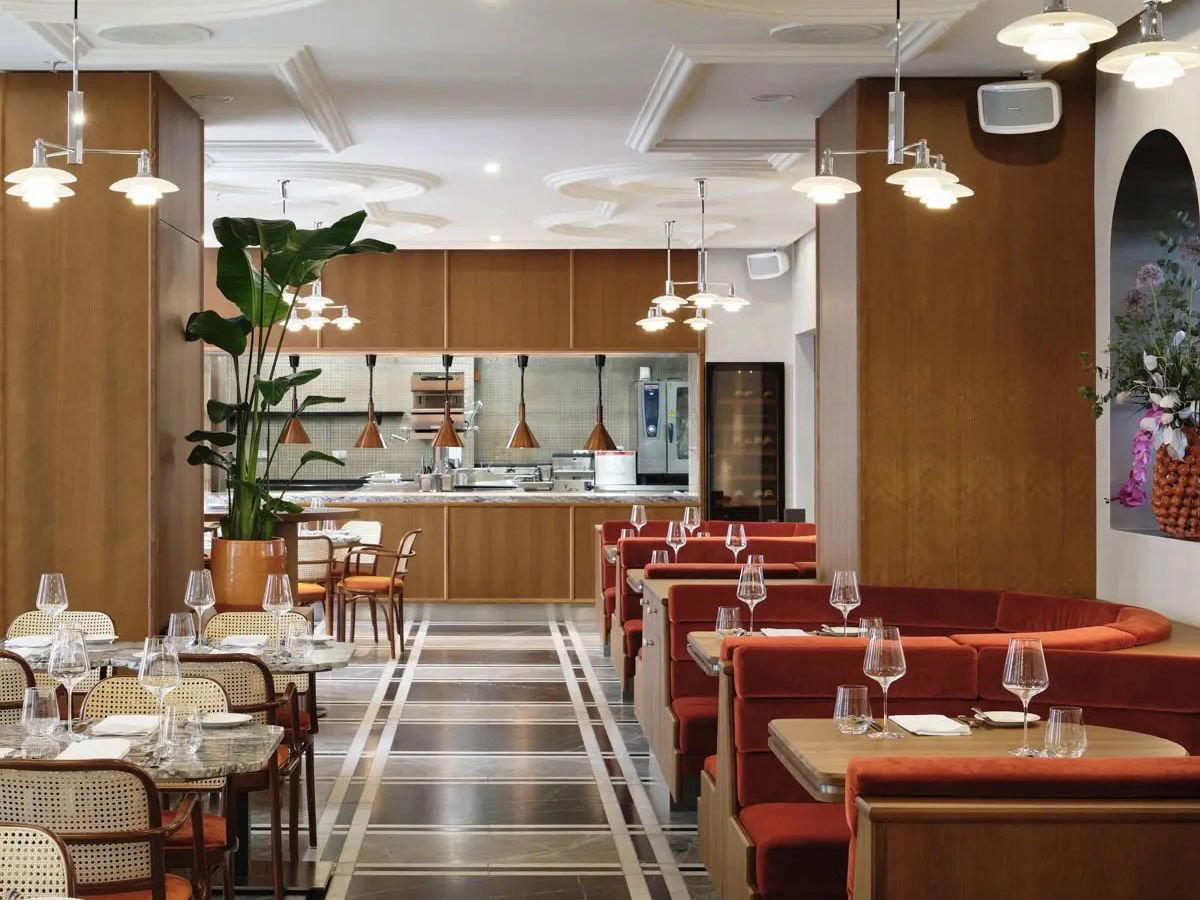
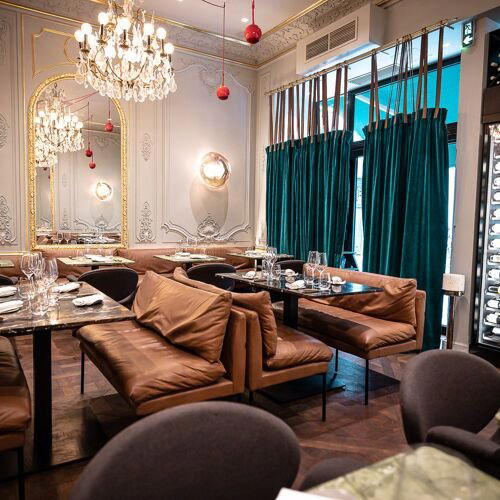
Warm and welcoming atmosphere with elegant decor and attentive service; described as coconing and refined with beautiful interior design.