Restaurant l'Été Indien
Our verdict
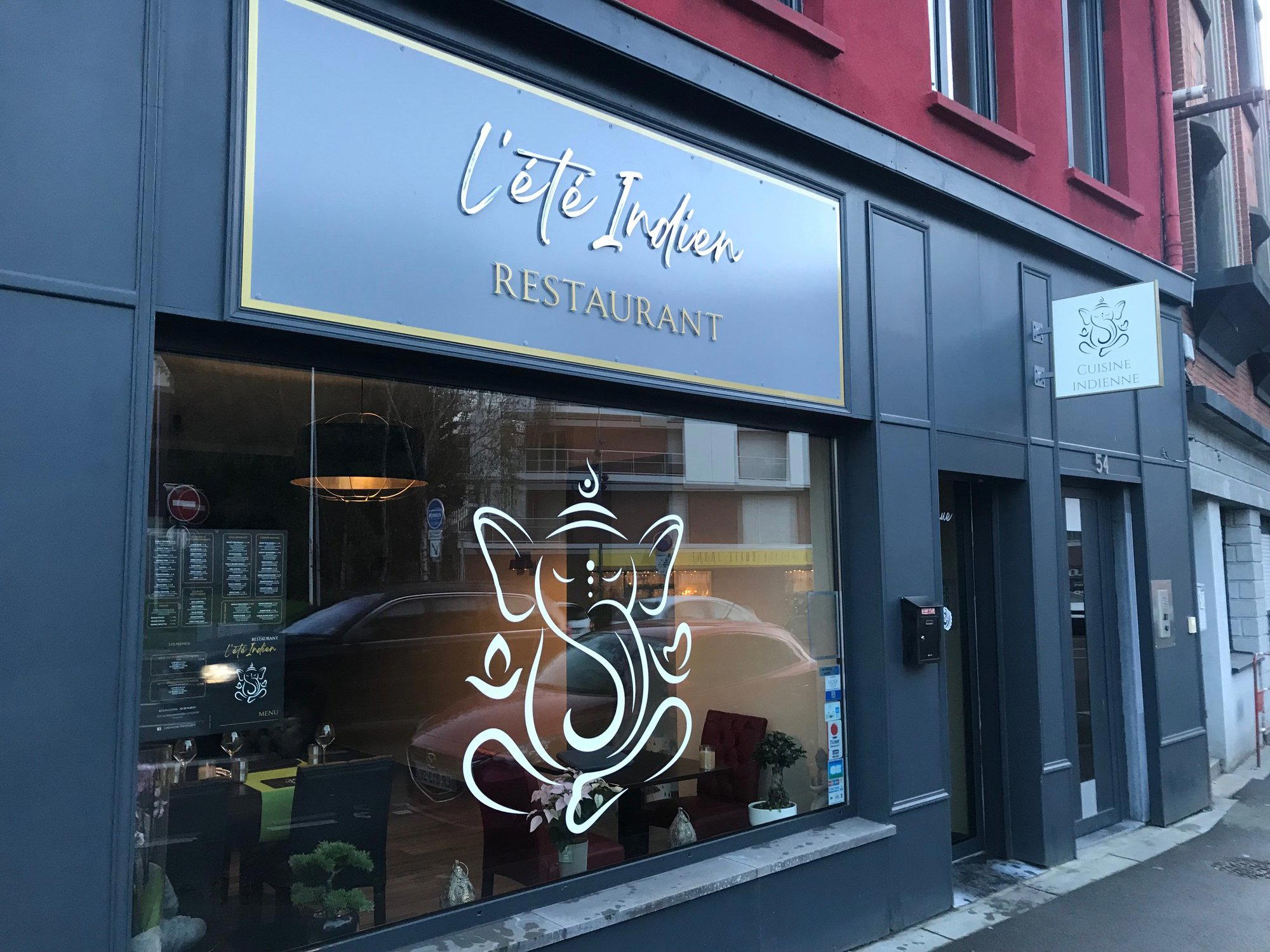
Restaurant l'Été Indien sits on Rue du Général de Gaulle in La Madeleine, a commune that borders Lille to the north and carries its own quiet dining identity. The name, French for Indian Summer, signals a warmth of register that distinguishes it from the more austere northern French table. For readers building a serious itinerary around the Hauts-de-France region, it belongs in the same conversation as the area's most considered neighbourhood addresses.

Pearl is the En Primeur Club membership app, where members save venues, book tables and use the concierge.
The menu
What to order
- Poulet tikka massala
- Butter chicken
La Madeleine's Place in the Northern French Dining Picture
The communes that ring Lille, La Madeleine, Marcq-en-Barœul, Lambersart, have developed a dining culture that operates largely outside the review circuits that concentrate on the city centre. That relative distance from the spotlight is a structural feature of how French provincial gastronomy has always worked: serious cooking accumulates in quiet residential streets, sustained by regular local clientele rather than destination tourists. Restaurant l'Été Indien, addressed at 54 Rue du Général de Gaulle in La Madeleine, occupies precisely this kind of position. The name, a French rendering of Indian Summer, the meteorological phenomenon of unexpected warmth arriving after the season has apparently turned, sets a tonal expectation from the moment you encounter it. There is an implied generosity in that choice, a resistance to the austerity that northern French cooking can sometimes perform.
La Madeleine itself is a commune of around 22,000 people sharing a border with Lille's northern edge. Its restaurant scene is smaller and less documented than Lille's Vieux-Lille quarter, but that compression has a practical advantage: the addresses that persist here tend to do so because local diners return, not because a guidebook directed passing trade their way. For a broader orientation to what the area offers, our full La Madeleine restaurants guide maps the commune's dining character in more detail.
The Cultural Register of a Name Like Indian Summer
French restaurants that draw on non-French cultural references in their naming fall into a recognisable tradition. The reference is rarely literal, few such addresses are actually cooking another culture's food, and more often signals a warmth of hospitality, an informality of spirit, or simply a proprietor's affection for a particular image. L'été indien entered French cultural consciousness most visibly through the 1975 film of the same name directed by Claude Berri, and the phrase carries associations of unexpected tenderness and borrowed time. A restaurant that chooses this name is making a deliberate tonal commitment, positioning itself against both the cool formality of classical French service and the deliberate rusticity of the auberge format.
This matters because tone is inseparable from the dining experience in French restaurant culture. The brasserie, the bistrot, the restaurant gastronomique, each carries a codified set of expectations about pacing, service register, and the relationship between kitchen and dining room. A name like l'Été Indien steps deliberately outside those codes, suggesting something more personal and less categorisable. Across France, the addresses that sustain themselves in residential communes over years often share exactly this quality: a defined identity that owes more to a consistent atmosphere than to a cuisine category.
For context on how French restaurants across the country express these cultural commitments at the highest level, the range is considerable. Alléno Paris au Pavillon Ledoyen in Paris operates at the maximalist creative end, while addresses like Auberge de l'Ill in Illhaeusern and Georges Blanc in Vonnas represent the deeply rooted regional house that has accumulated meaning over generations. Bras in Laguiole and Mirazur in Menton show how landscape and philosophy can fuse into a restaurant identity that transcends its geography. The neighbourhood address, committed to a smaller radius, a specific community, is a different mode entirely, but no less intentional.
Hauts-de-France and the Northern Table
The Hauts-de-France region has never positioned itself as a gastronomic destination in the way Burgundy, Lyon, or Alsace have. Its cooking tradition is hearty and dairy-forward, drawing on Flemish influences through the historic proximity to Belgium: carbonnade flamande, potjevleesch, endive preparations, and the regional cheese culture built around Maroilles. These are not refined-restaurant staples in the way that Breton shellfish or Périgord truffle have become shorthand for French luxury. They are working-kitchen ingredients that carry regional identity precisely because they have not been abstracted into high-end performance.
What this means for the serious diner visiting the area is that the most interesting food often arrives without the signalling apparatus, the tasting menus, the Michelin infrastructure, the designed dining rooms, that frames the experience in better-documented regions. The northern French table at its most genuine is encountered in addresses like this one: a street-level restaurant in a residential commune, named for a borrowed warmth, serving a community that has chosen it as a regular rather than a destination.
Neighbouring La Madeleine, LA MANIGUETTE offers a useful point of comparison for how the commune's dining scene reads across different registers. Further afield in the national picture, addresses like Flocons de Sel in Megève, Assiette Champenoise in Reims, and Christopher Coutanceau in La Rochelle show how regional identity translates at the credentialled end of the market. Troisgros in Ouches, Paul Bocuse in Collonges-au-Mont-d'Or, and Auberge du Vieux Puits in Fontjoncouse represent the deep-province gastronomic house at its most durable. For comparison outside France, AM par Alexandre Mazzia in Marseille, L'Oustau de Baumanière in Les Baux, and Au Crocodile in Strasbourg illustrate the regional diversity of the French table across its southern and eastern axes. Internationally, Le Bernardin in New York City and Atomix in New York City demonstrate how French culinary frameworks travel and transform in transatlantic contexts.
Planning a Visit
Restaurant l'Été Indien is located at 54 Rue du Général de Gaulle, 59110 La Madeleine. The address sits in the commune's main residential artery, reachable from Lille centre in under ten minutes by car or via the Lille Métro to a northern terminus with a short connection. For residential-quarter addresses of this type in northern France, lunch service on weekdays and dinner across the latter part of the week are the typical format, but this should be confirmed rather than assumed. The restaurant does not appear to operate a prominent online booking presence, which is consistent with the neighbourhood address model that relies on telephone or walk-in engagement.
Frequently asked questions
How do I find Restaurant l'Été Indien?
Restaurant l'Été Indien is located at 54 Rue du Général de Gaulle, 59110 La Madeleine, France, La Madeleine.
Is Restaurant l'Été Indien a good option for dinner when visiting Lille?
La Madeleine shares a municipal border with Lille, placing l'Été Indien at 54 Rue du Général de Gaulle within practical reach of the city centre without the noise or density of central Lille dining. For travellers already based in Lille, the commune offers a quieter setting that reflects the residential, neighbourhood character of the Hauts-de-France dining scene rather than its more tourist-facing tier.
What's the must-try dish at Restaurant l'Été Indien?
Specific menu details for l'Été Indien are not part of the current public record. For a neighbourhood restaurant in La Madeleine, the commune directly bordering Lille to the north, the kitchen is likely shaped by the Hauts-de-France tradition of seasonal, produce-driven cooking rather than a fixed signature dish. check the venue's official channels at 54 Rue du Général de Gaulle to ask about the current menu before visiting.
How far ahead should I plan for Restaurant l'Été Indien?
No confirmed booking window is publicly documented for l'Été Indien. Neighbourhood restaurants along La Madeleine's Rue du Général de Gaulle corridor tend to fill quickly on Friday and Saturday evenings, so a booking placed several days in advance is a reasonable baseline. For weekend visits, a week's notice is a practical minimum.
What has Restaurant l'Été Indien built its reputation on?
No awards or formal critical credentials appear in the current public record for l'Été Indien. Its position in La Madeleine, a commune where the dining culture operates largely outside Lille's central review circuit, suggests a reputation built through local return custom rather than guide recognition. That pattern is common among the more durable addresses in the Lille suburbs.
Pricing, Compared
Comparable venues nearby, for context on price, style, and recognition.
| Venue | Cuisine | Price | Awards | Notes |
|---|---|---|---|---|
| Restaurant l'Été IndienThis venue (the venue you are viewing) | Authentic Indian | $20–30 | Not listed | Not listed |
| LA MANIGUETTE | Modern French Bistronomy | $30–50 | Not listed | La Madeleine, Modern French Bistronomy |
| Bombay | Authentic Indian & Pakistani | $10–20 | Not listed | Centre-ville, Authentic Indian & Pakistani |
| Signorvino Paris | Italian trattoria & wine bar | $30–50 | Gambero Rosso 2 Bottiglie | Latin Quarter, Italian trattoria & wine bar |
| Estaminet 'T Rijsel | Traditional Flemish Bistro | $30–50 | Not listed | Vieux Lille 2, Traditional Flemish Bistro |
| In Bocca Al Lupo | Authentic Italian Trattoria | $20–30 | Not listed | Vieux Lille 3, Authentic Italian Trattoria |
Continue exploring
More in La Madeleine
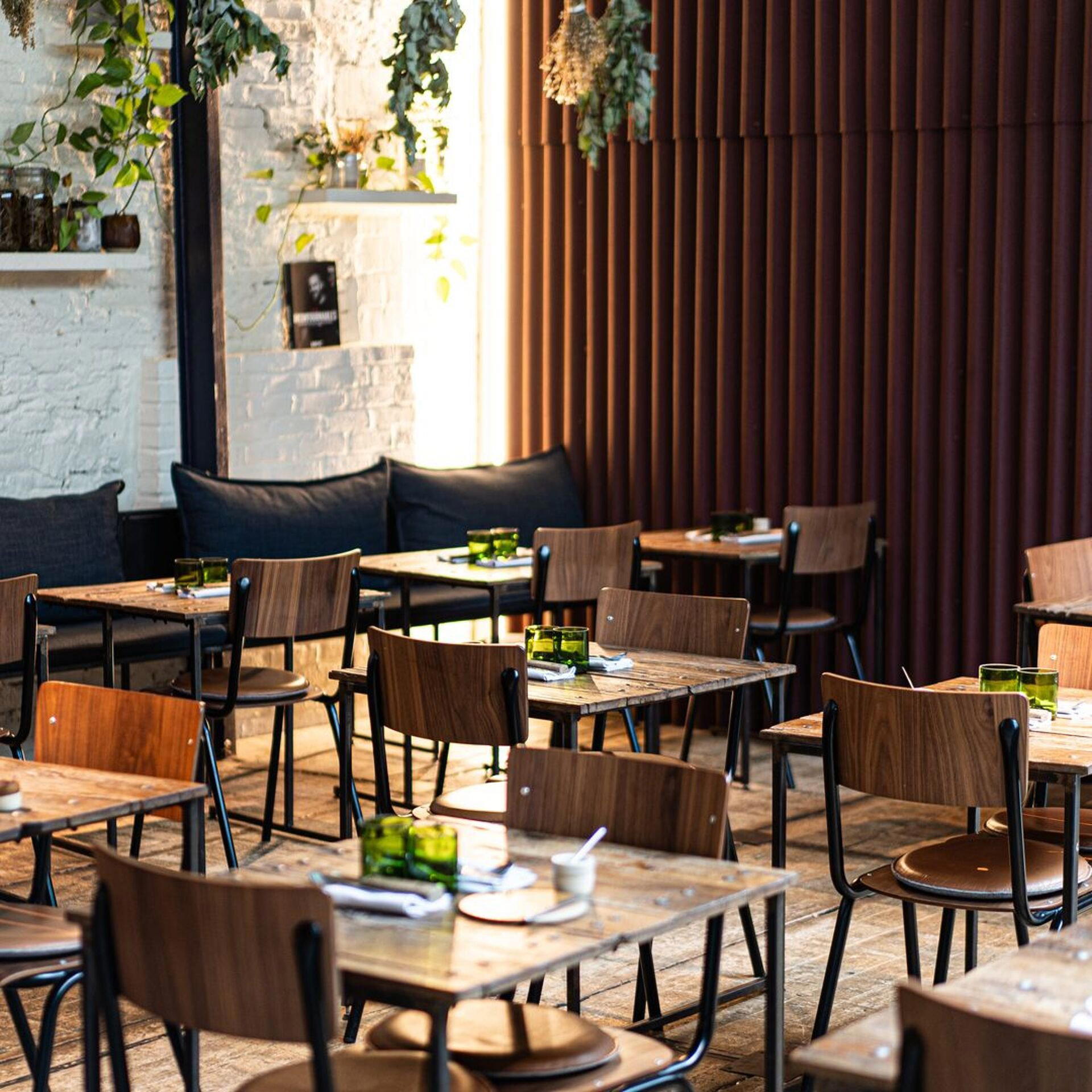
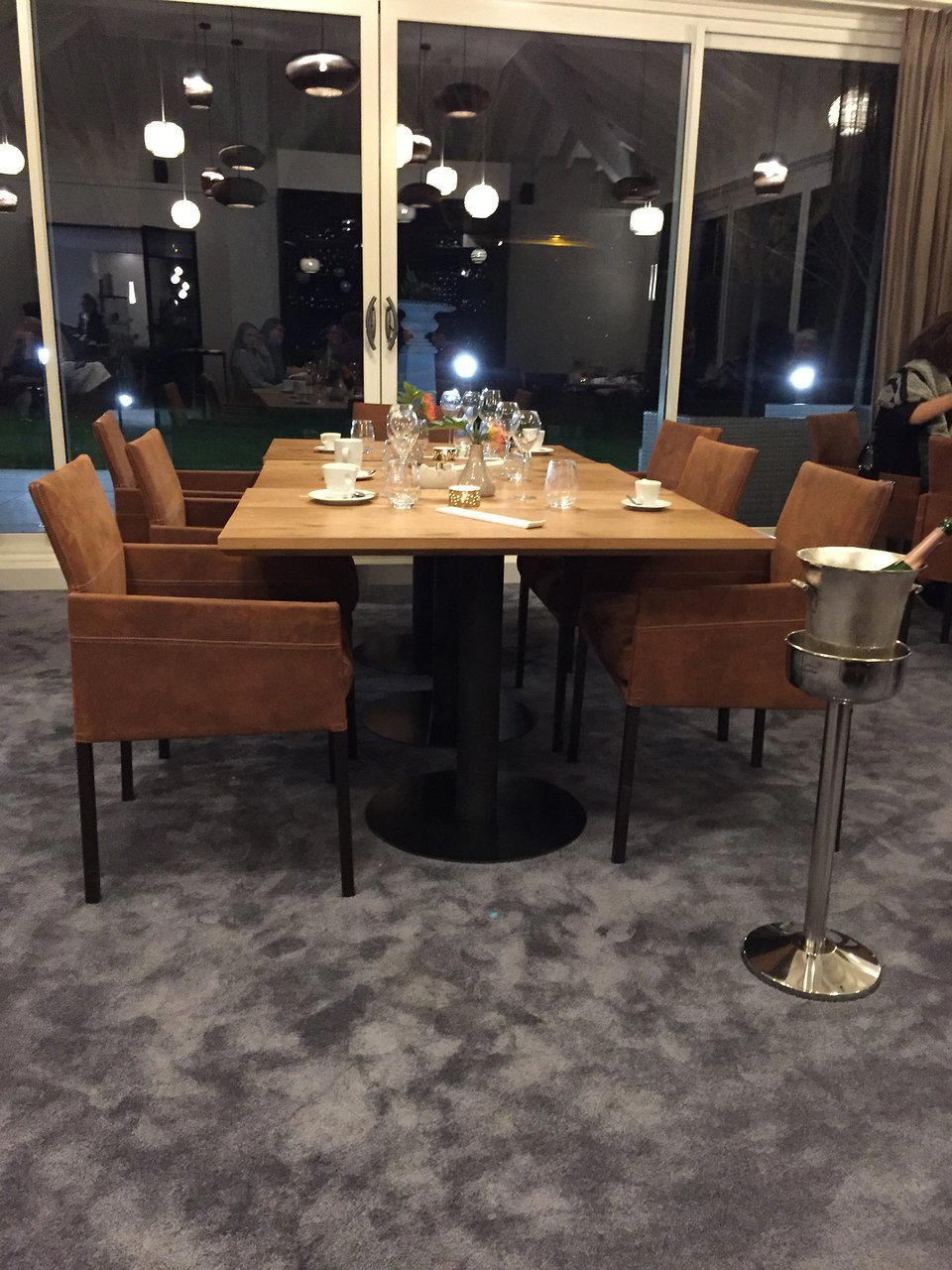
Restaurants in La Madeleine
All restaurants in La Madeleine →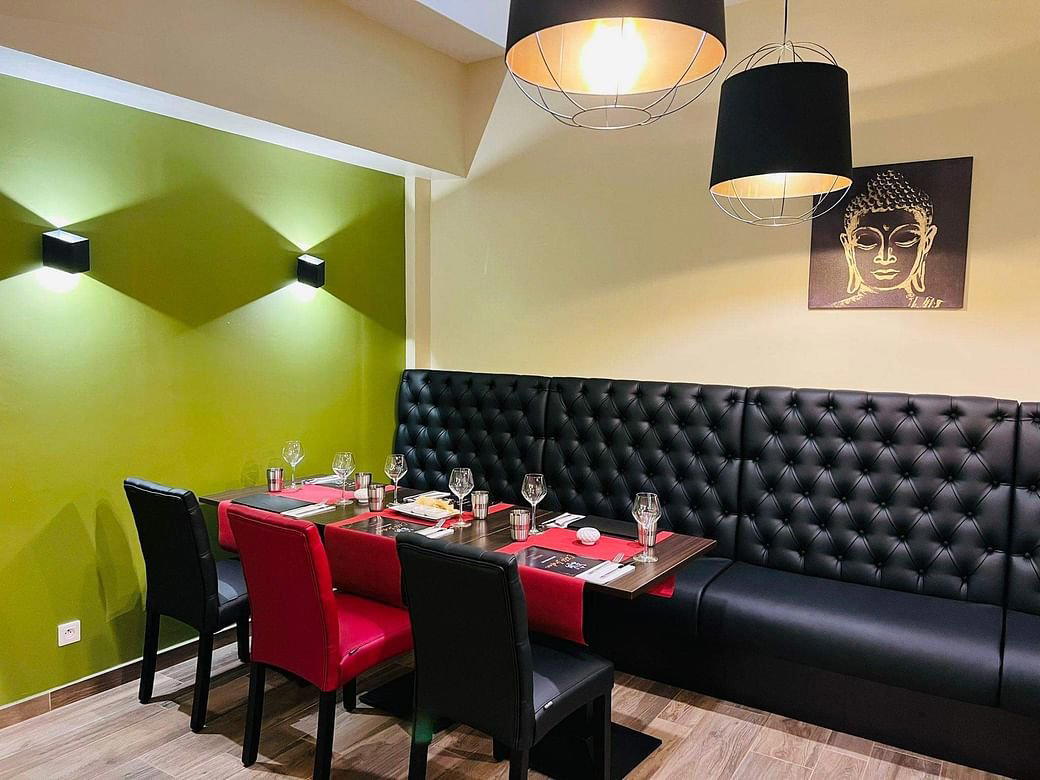
Bars in La Madeleine
Browse all →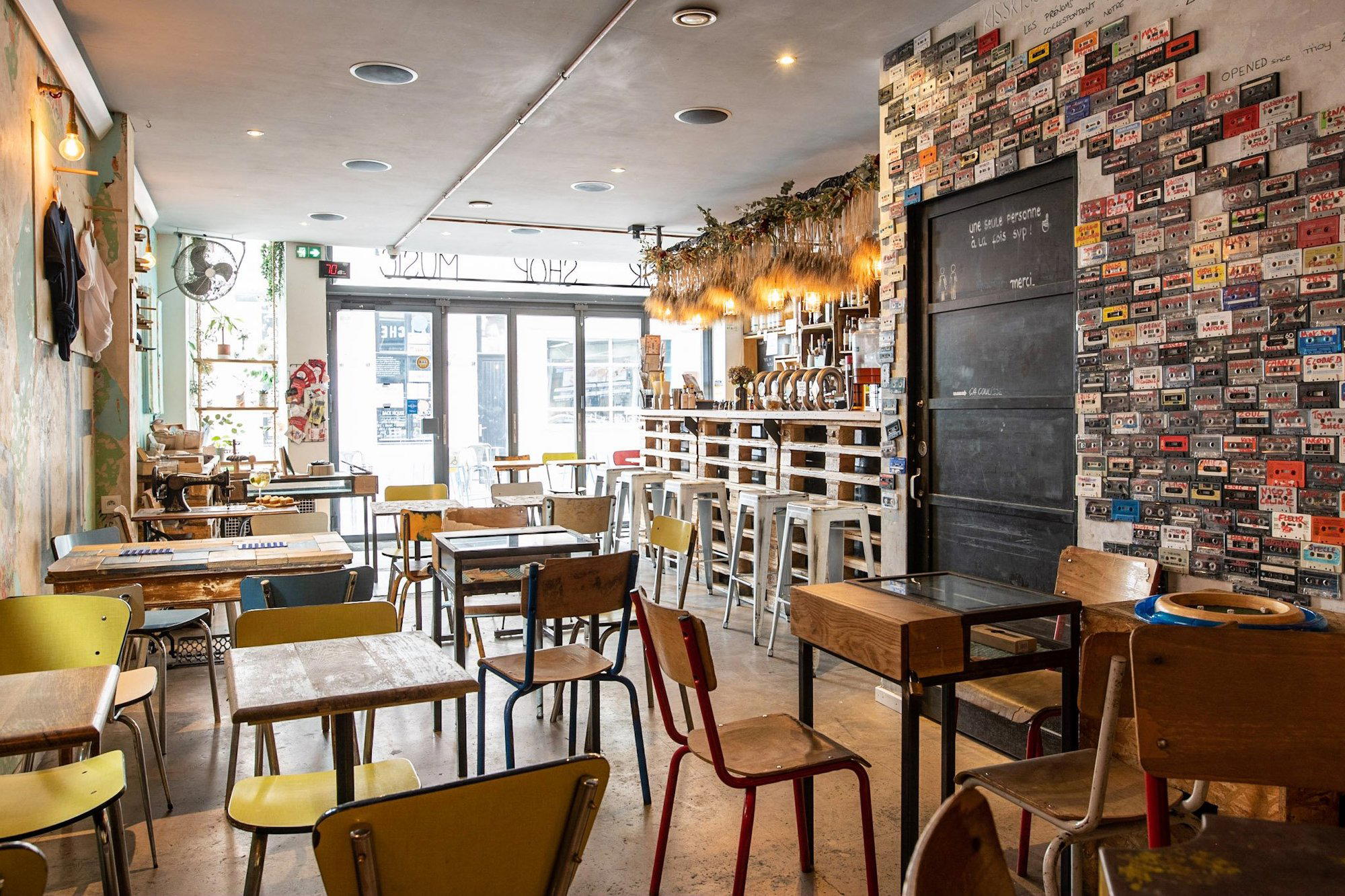
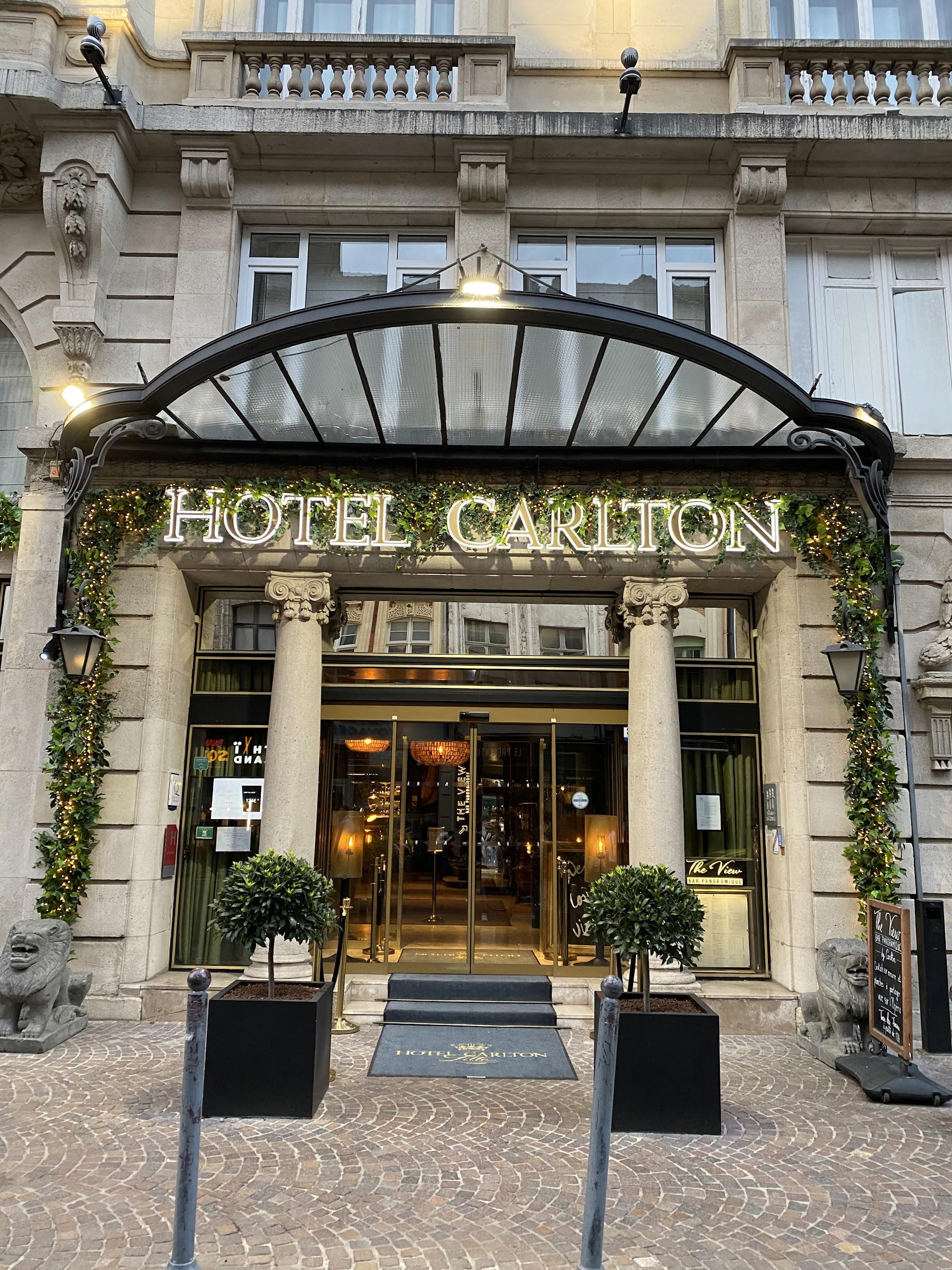
Hotels in La Madeleine
Browse all →
Wineries in La Madeleine
Browse all →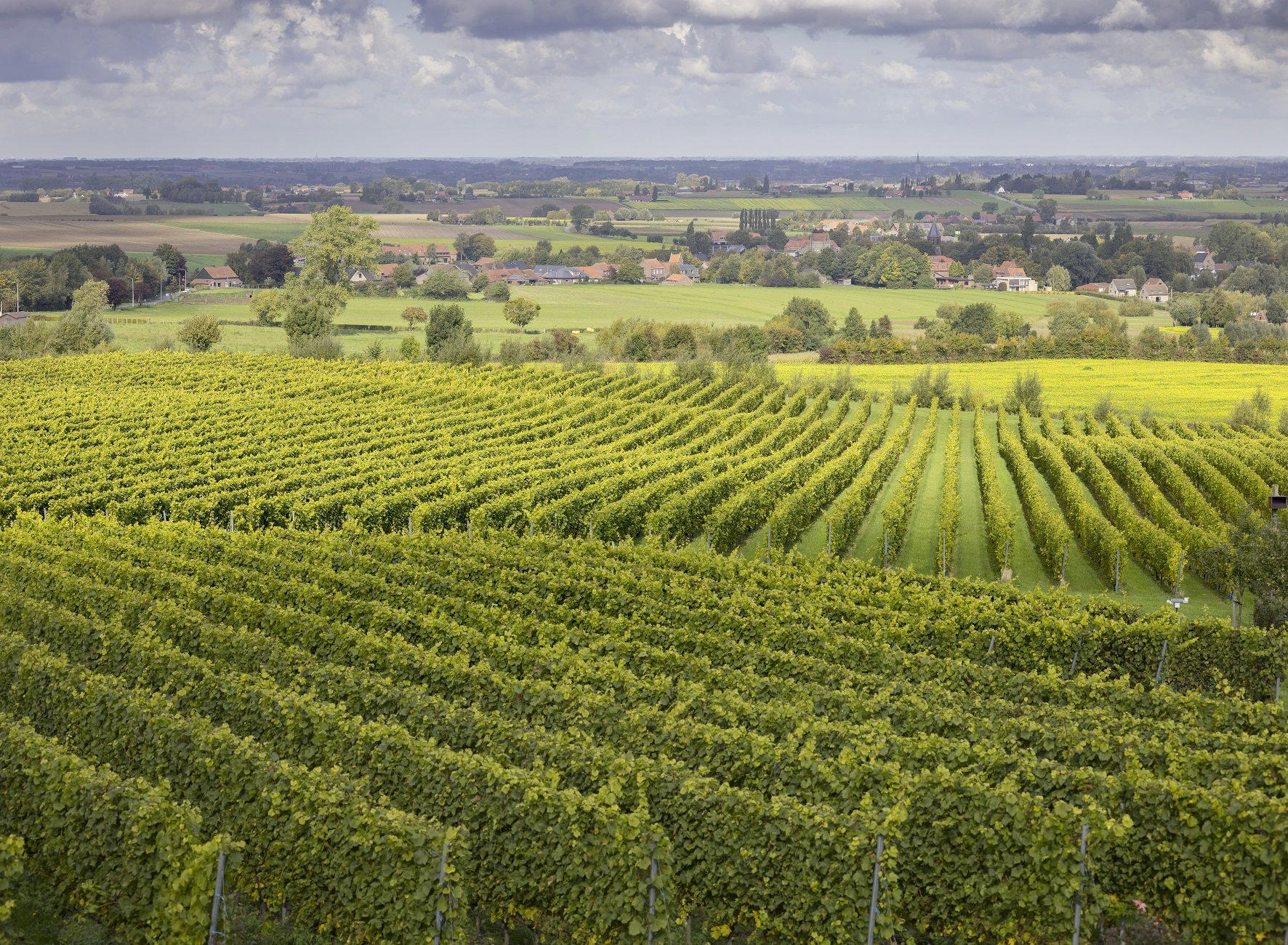
Details
- Modern
- Cozy
- Family
- Casual Hangout
- Extensive Wine List
- Local Sourcing
- A La Carte
- Vegetarian Friendly
Current opening hours
- Monday
- Closed
- Tuesday
- 11:45 AM–2 PM, 6:45–10 PM
- Wednesday
- 11:45 AM–2 PM, 6:45–10 PM
- Thursday
- 11:45 AM–2 PM, 6:45–10 PM
- Friday
- 11:45 AM–2 PM, 6:45–10:30 PM
- Saturday
- 11:45 AM–2 PM, 6:45–10:30 PM
- Sunday
- Closed
Hours can change for holidays and private events. Hours as of .
Modern ambiance with touches of Indian culture, warm and welcoming.