Our verdict
Chamonix's craft beer scene has a clear anchor point on the Route du Bouchet, where MBC Chamonix operates as one of the valley's few dedicated microbreweries. The format puts house-brewed beer at the centre of the experience rather than the periphery, a distinction that separates it from the resort's broader après-ski bar circuit. For visitors moving between mountain days and evening eating, the address offers a more focused alternative to standard alpine brasserie fare.

Pearl is the En Primeur Club membership app — saves, bookings, and concierge access live there. Same editors, same standards.
- Address
- 350 Rte du Bouchet, 74400 Chamonix-Mont-Blanc, France
- Phone
- +33 4 50 53 61 59
- Hours
- Daily 4 PM–2 AM
- Website
- mbchx.com
- Directions
- Get directions
- Booking
- Book on the venue's website
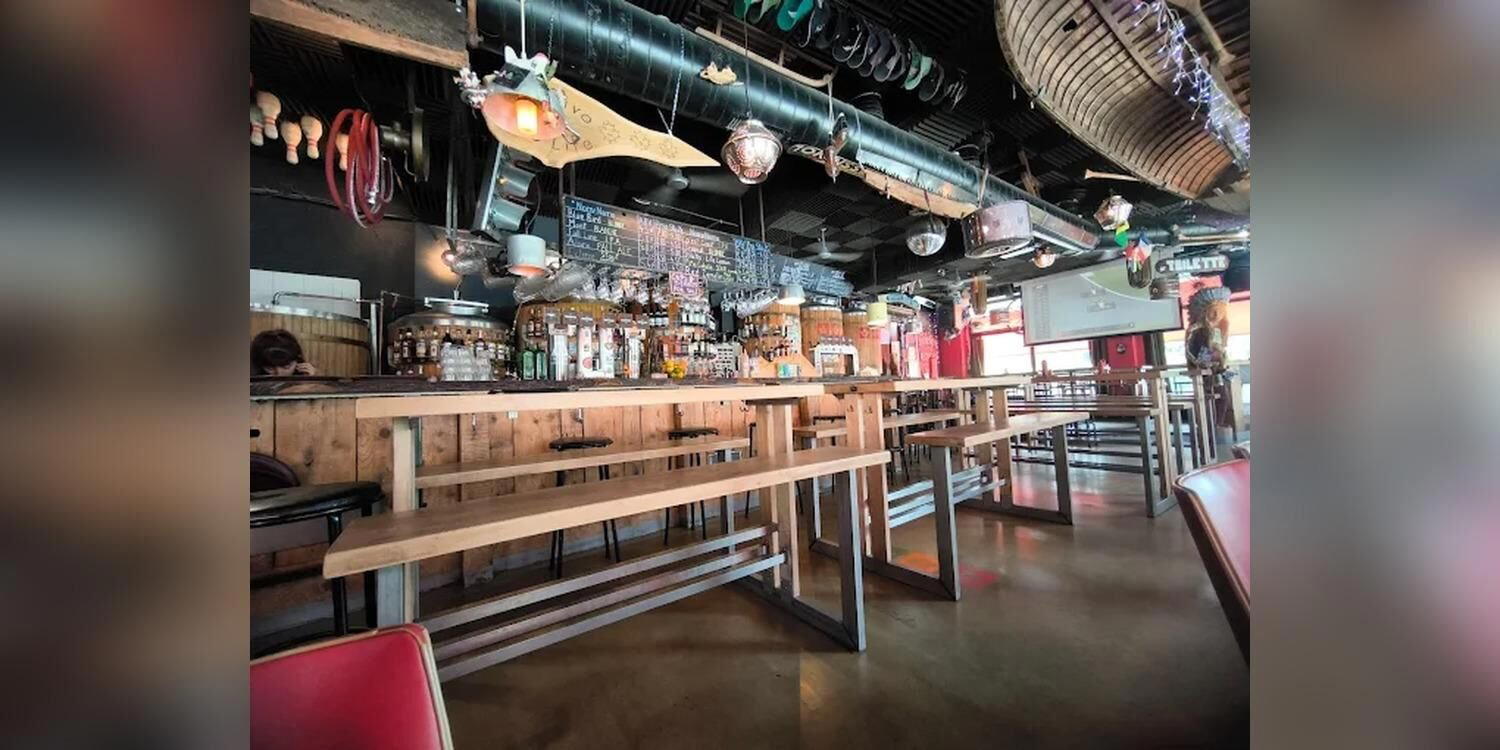
Where the Valley Comes Down to Drink
Chamonix sits in one of the most vertically dramatic valleys in the Alps, and the town's eating and drinking culture reflects that tension between altitude and ground level. Up high, places like Le 3842 serve food at the edge of the accessible mountain. Down in the valley, the après-ski circuit runs from the centre toward the quieter residential stretches along routes like the Bouchet. MBC Chamonix Microbrewery sits on that lower register, at 350 Route du Bouchet, slightly removed from the high-traffic pedestrian core. That address matters: the venue draws a crowd that has made a deliberate choice rather than stumbling in off the main drag, which shapes the atmosphere considerably.
Craft brewing in alpine resort towns has followed a similar arc across Europe. In the 1990s and early 2000s, resort drinking culture was almost entirely dominated by large commercial lager brands and wine-heavy mountain traditions. The microbrewery format arrived slowly, carried in by operators who saw the same gap that urban craft brewers were exploiting: a demand for something produced locally, with visible process and specific flavour, rather than something trucked in from a distant industrial facility. Chamonix, with its international visitor base and year-round activity calendar, proved a workable market for that approach. MBC sits within that evolution, as one of the addresses that established house-brewed beer as a legitimate part of the valley's offer rather than a novelty.
Craft Beer in an Alpine Context
The broader French craft brewing movement has grown substantially since the early 2010s, with the number of active breweries in France rising from under 300 to well over 2,000 within a decade. That national trend has filtered into mountain towns, though the alpine context creates specific dynamics. Visitors arriving for skiing or hiking tend to drink socially across longer sessions than urban diners, which makes flavour variety and session-friendly formats commercially important. Microbreweries that can offer a rotating or varied tap list alongside food gain a structural advantage over single-format bars. In this sense, the microbrewery model suits Chamonix's visitor rhythm more naturally than it might in a city where dining moves in sharper, shorter arcs.
For comparison, Chamonix's dining options span a wide range. La Calèche represents the traditional Savoyard dining end of the spectrum, heavy on fondue and tartiflette in the style the region has exported globally. Crémerie du Glacier and La Cabane Des Praz occupy a more relaxed, mid-range territory closer to mountain refuge dining than formal restaurant service. Burger Poco Loco anchors the casual end with a direct American-style format. MBC occupies a different category from all of these: it is defined by its production rather than its cuisine tradition, making it the kind of place where the drink is genuinely the primary event, with food serving a supporting role.
What the Address Tells You About the Experience
The Route du Bouchet stretch is not where Chamonix puts its showpiece addresses. The mountain is the showpiece. Restaurants and bars along this corridor tend to function as neighbourhood fixtures rather than destination draws, which means the atmosphere inside MBC is likely to skew local and repeat-visitor rather than first-night tourist. That is not a weakness. In resort towns, the places where guides, instructors, and long-stay visitors congregate often deliver more reliable consistency than the high-visibility addresses near the tourist office. The social mix tends toward people who know what they want and come back because it reliably delivers it.
Chamonix operates year-round in a way that many alpine resorts do not. The summer hiking and trail-running season now rivals winter in terms of visitor numbers, and the crowd profile shifts substantially between December and August. A microbrewery format holds across both seasons more easily than a restaurant concept tied tightly to one culinary register. Beer is seasonally neutral in a way that raclette is not, which likely contributes to MBC's position as an across-the-year fixture rather than a purely winter address.
Placing It in the Regional Dining Picture
The Haute-Savoie region contains some of France's most serious fine dining addresses. Flocons de Sel in Megève holds three Michelin stars and represents the apex of alpine haute cuisine in this part of the country. Further afield, France's broader fine dining tradition runs through houses like Auberge de l'Ill in Illhaeusern, Bras in Laguiole, and Troisgros in Ouches, institutions that have shaped what French restaurants are understood to mean internationally. MBC operates at the opposite end of that formality spectrum, but the contrast is worth naming: Chamonix holds both the high-altitude tasting menu ambition of the wider region and the unpretentious, production-led drinking format that MBC represents. Neither cancels the other out.
Internationally, the casual craft brewing taproom has become a standard format across North American and European cities. References like Lazy Bear in San Francisco show how the American casual dining scene has absorbed craft beverage culture at a more ambitious level. In France, the integration has been slower, given wine's structural dominance over the drinking culture. The presence of a functioning microbrewery in a valley otherwise defined by Savoyard cheese and wine-list dining says something specific about how Chamonix's international visitor base has shifted what the town is willing to support commercially.
Planning Your Visit
MBC Chamonix sits at 350 Route du Bouchet, reachable on foot from the town centre in around ten to fifteen minutes heading southeast, or by taxi if arriving after a full day on the mountain. Given the informal nature of the format, advance booking is unlikely to be necessary for most visits, though peak winter weekends can compress capacity at popular valley-floor venues. Arriving earlier in the evening tends to secure more comfortable positioning. Visitors moving across Chamonix's broader dining options should also consult our full Chamonix restaurants guide for a complete picture of the valley's current offer across price points and styles.
Frequently asked questions
Where is MBC Chamonix Microbrewery located?
MBC Chamonix Microbrewery is located at 350 Rte du Bouchet, 74400 Chamonix-Mont-Blanc, France, Chamonix.
Is MBC Chamonix one of the few breweries producing beer on-site in the French Alps?
France had fewer than 500 active craft breweries at the start of the 2010s; by the mid-2020s that number had grown past 2,000, but mountain-based production breweries with taprooms remain relatively rare compared to urban counterparts. MBC Chamonix at 350 Route du Bouchet is among a small number of operations in the French Alps that both brew and serve on the same site. That on-site production model distinguishes it from the many Chamonix bars that simply stock third-party craft labels.
What do people recommend at MBC Chamonix Microbrewery?
MBC is a working microbrewery, so the house-brewed beers are the main draw rather than an imported selection. Visitors to 350 Route du Bouchet tend to gravitate toward whatever is currently on tap from the in-house brewing programme. Checking with staff on arrival about seasonal or limited batches is the most practical approach, as rotating lines are common in brewpub formats.
What's the best way to book MBC Chamonix Microbrewery?
MBC Chamonix operates as a brewpub rather than a reservation-driven dining room, so walk-ins are the standard approach. During Chamonix's peak winter and summer seasons, arriving early in the evening is advisable to secure seating. No booking phone or online reservation system is publicly listed for the venue at 350 Route du Bouchet.
What's the defining dish or idea at MBC Chamonix Microbrewery?
The central idea at MBC Chamonix is the beer itself: this is a venue where production and consumption share the same address on Route du Bouchet, placing the brewing process at the centre of the experience. In the context of Haute-Savoie, which is better known for raclette and Michelin-starred mountain cuisine, a dedicated local brewery fills a specific gap in the valley's drinking culture.
Can MBC Chamonix Microbrewery adjust for dietary needs?
Guests with particular requirements should ask staff directly on arrival at 350 Route du Bouchet, where the team can advise on what is available that day.
Just the Basics
Comparable venues nearby, for context on price, style, and recognition.
| Venue | Cuisine | Price | Notes |
|---|---|---|---|
| MBC Chamonix MicrobreweryThis venue — the venue you are viewing | Canadian Microbrewery Pub | $20–30 | Not listed |
| La Cabane Des Praz | Modern French with Savoyard Specialties | $50–100 | Les Praz, Modern French with Savoyard Specialties |
| La Calèche | Traditional Savoyard | $30–50 | Chamonix main town, Traditional Savoyard |
| Le Sérac | Traditional Savoyard & French Alpine | $30–50 | Chamonix Centre, Traditional Savoyard & French Alpine |
| Restaurant La Crèmerie du Glacier | Traditional Savoyard Alpine Bistro | $30–50 | Argentière, Traditional Savoyard Alpine Bistro |
| Burger ”Poco Loco” | American Burgers & Crêpes | $10–20 | main town, American Burgers & Crêpes |
Continue exploring
More in Chamonix
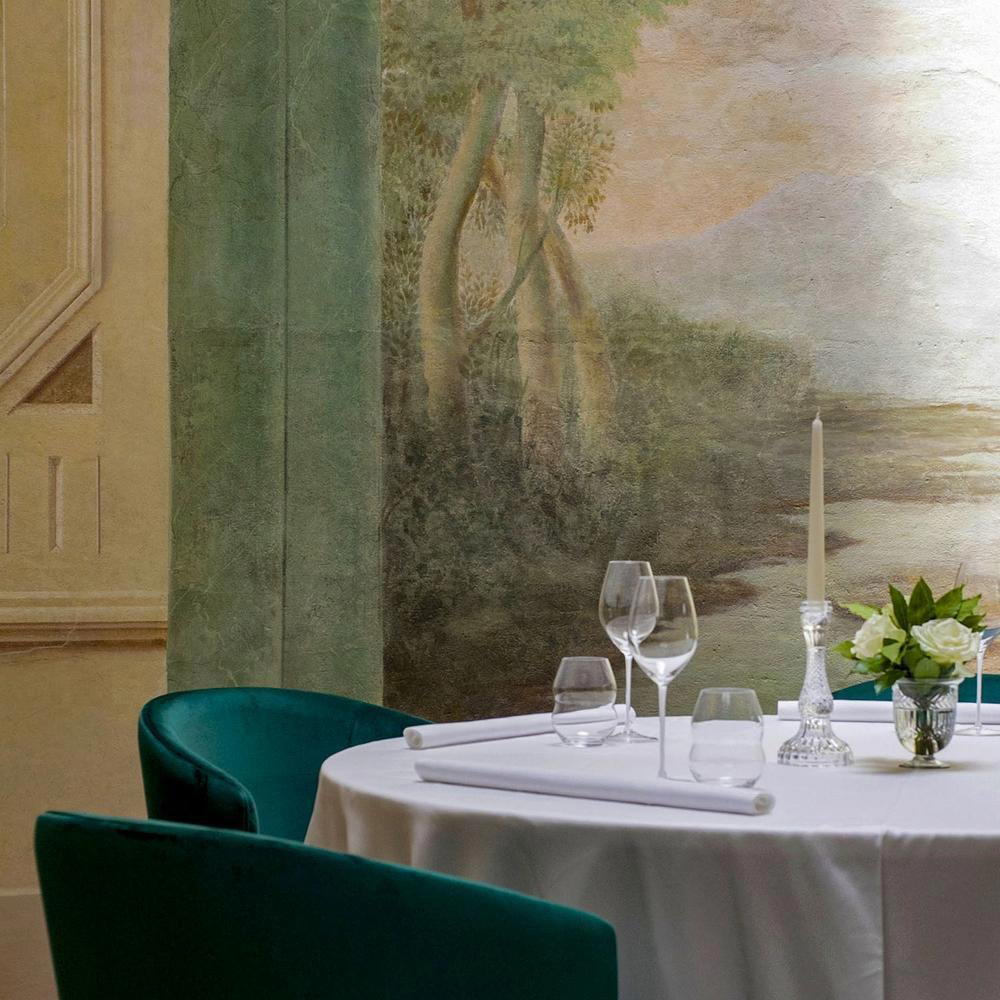
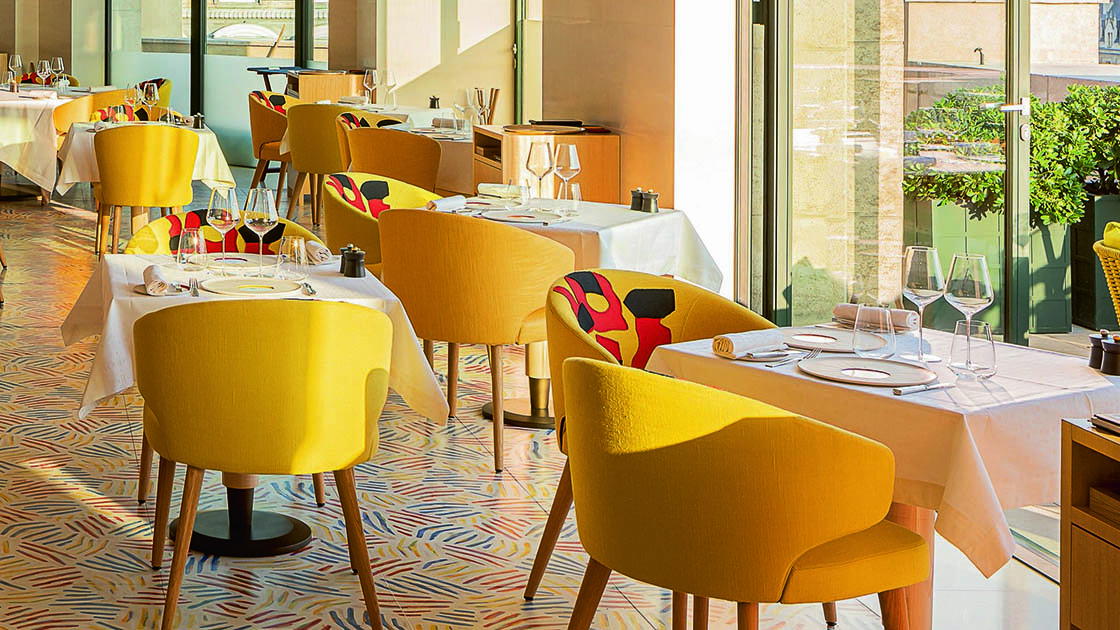
Restaurants in Chamonix
Browse all →
Bars in Chamonix
Browse all →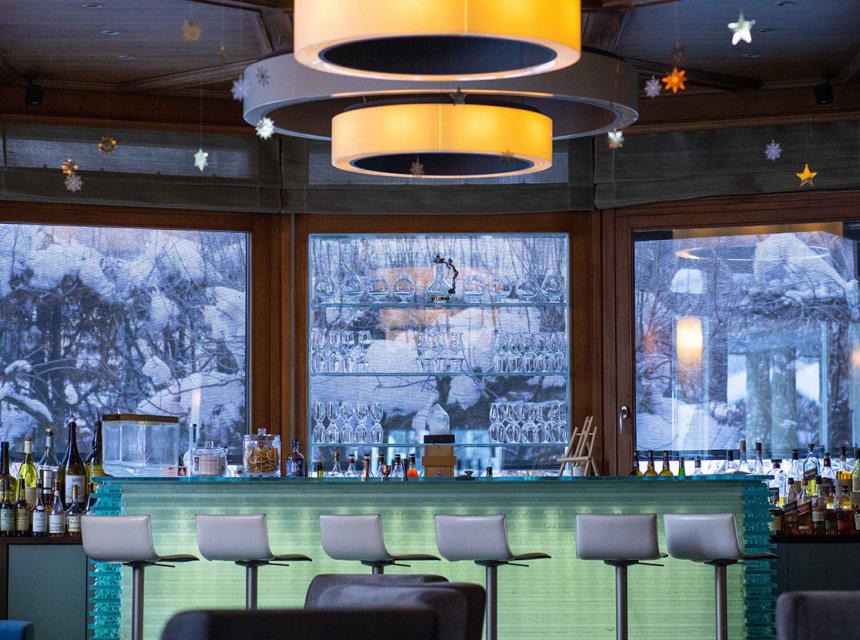
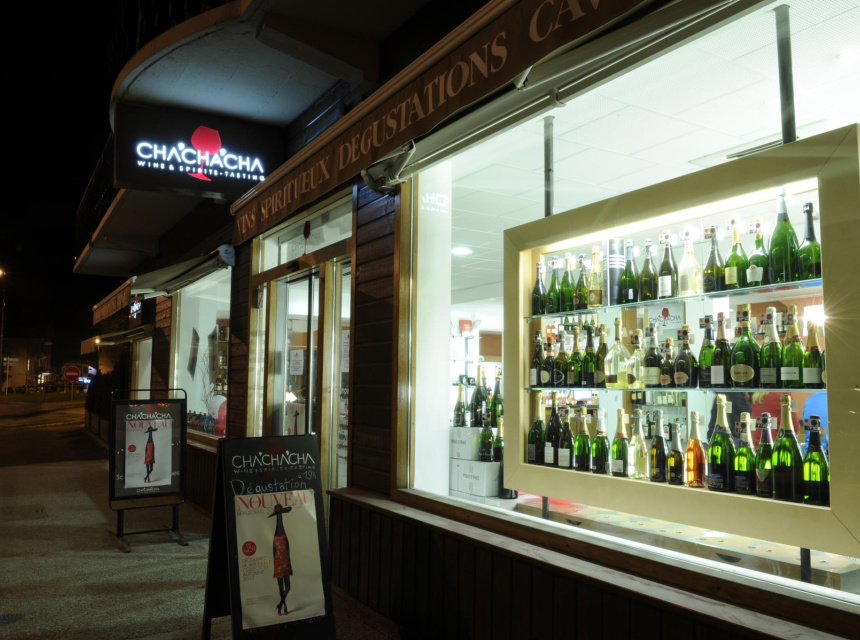
Hotels in Chamonix
Browse all →

Details
- Lively
- Cozy
- Rustic
- Energetic
- Casual Hangout
- After Work
- Group Dining
- Late Night
- Live Music
- Open Kitchen
- Beer Program
- Local Sourcing
- Mountain
- A La Carte
- Craft Beer
- Vegetarian Friendly
Current opening hours
- Monday
- 4 PM–2 AM
- Tuesday
- 4 PM–2 AM
- Wednesday
- 4 PM–2 AM
- Thursday
- 4 PM–2 AM
- Friday
- 4 PM–2 AM
- Saturday
- 4 PM–2 AM
- Sunday
- 4 PM–2 AM
Hours can change for holidays and private events. Last verified .
Cozy cabin-like pub with friendly atmosphere, live music, DJs, and dramatic mountain views, well-suited for après-ski unwinding.