Restaurant Kato occupies a suite address on Chemin d'Aylmer in Gatineau's western residential stretch, positioning it as a destination rather than a drop-in. Set against Gatineau's growing appetite for considered dining, Kato operates in a city where French culinary heritage and a bilingual restaurant culture intersect in ways that rarely get the attention they deserve from diners crossing the Ottawa River.
 Discover on Pearl
Pearl is the En Primeur Club membership app — saves, bookings, and concierge access live there. Same editors, same standards.
- Address
- 1170 Chem. d'Aylmer Suite 100, Gatineau, Quebec J9H 7L1, Canada
- Phone
- +18197767950
- Website
- restaurantkato.com
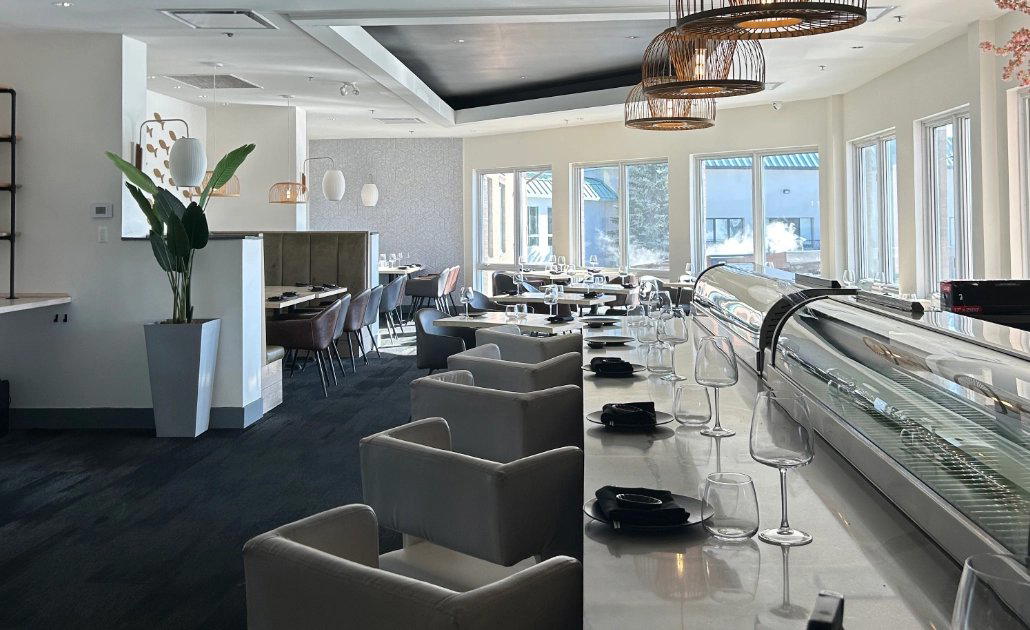
Chemin d'Aylmer and the Western Gatineau Dining Shift
The address tells part of the story before you walk in. Suite 100 at 1170 Chemin d'Aylmer places Restaurant Kato in the Aylmer sector, Gatineau's westernmost district and the one most removed from the tourist-facing waterfront restaurants clustered near the Maison du Citoyen. Aylmer has historically operated as a quieter anglophone enclave within a predominantly francophone city, which gives restaurants in this corridor a subtly different audience than those in Hull's more visited rue Laval strip. A destination address like this functions as a filter: the guests who arrive here have made a deliberate choice rather than stumbled in from a nearby hotel lobby.
That deliberateness matters in Gatineau, a city whose dining culture tends to be measured against Ottawa across the river rather than judged on its own terms. The comparison is reductive. Gatineau's French-rooted culinary tradition runs deeper and in different directions than its federal-capital neighbour, shaped by Quebec's distinct food culture rather than by the transient professional class that drives much of Ottawa's restaurant economy. Restaurants like Arôme and Caméline anchor the more visible end of Gatineau's considered dining scene, while the Aylmer sector represents an extension of that scene into a more residential, less scrutinized part of the city.
Quebec's French Culinary Inheritance in a Bilingual City
Understanding what a restaurant like Kato is doing requires some context about what Gatineau's culinary culture actually is. Quebec's food heritage is not simply French cuisine transposed to North America. It is a distinct tradition shaped by centuries of colonial agriculture, Indigenous ingredients, Catholic feast-day cooking, and the specific larder of the St. Lawrence valley. Dishes built around game, freshwater fish, maple, and preserved pork have a historical logic that is entirely separate from continental French technique, even when French knife skills and classical structure underpin the execution.
Gatineau sits at the edge of the Outaouais region, which has its own foraging and hunting culture extending into the Laurentian Shield. That proximity to an ingredient-rich hinterland is something the better Gatineau restaurants have learned to use deliberately. Where Tanière³ in Quebec City has built an entire identity around pre-colonial and Nordic ingredients, Gatineau restaurants tend to integrate regional product more quietly, without the programmatic intensity of a destination kitchen in a tourist city. The results can be less theatrical but often more grounded.
For a broader sense of where Quebec's ingredient-forward cooking sits relative to the national picture, AnnaLena in Vancouver and Restaurant Pearl Morissette in Lincoln represent the west's version of the same foraging-and-terroir argument, while Eigensinn Farm in Singhampton takes the farm-as-restaurant model to its logical extreme. Quebec's version of this conversation has its own lineage, rooted in a French-language culinary press and a professional kitchen culture that trained through Montreal before fanning out to regional cities.
The Gatineau Restaurant Tier: Where Kato Sits
Gatineau's dining scene has developed a recognizable structure over the past decade. At the more casual end, neighbourhood bistros like Banco Bistro and Bistro la Gargouille serve the city's everyday dining demand, drawing on French bistro conventions adapted to a Quebec context. Further up the scale, restaurants with more composed menus and wine programs that extend beyond crowd-pleasers occupy a middle tier that the city has been slowly building out. Restaurant Kato, by virtue of its suite address and destination positioning in Aylmer, sits in this more considered middle-to-upper tier rather than the casual neighbourhood end.
That positioning also reflects what the city's dining audience has become. Gatineau's proximity to Ottawa means a significant portion of its restaurant-going population works in the federal public service, academia, or diplomacy: an audience with international travel exposure and some expectation of kitchen seriousness. Restaurants that hold this audience tend to offer menus that can bear scrutiny without leaning on spectacle. The comparison set for a restaurant like Kato is not the tourist-facing dining of the Hull waterfront but rather the quieter serious tables that Ottawa diners sometimes cross the river specifically to visit. Don Floriano occupies a parallel position for Italian-rooted cooking in the same city.
For context on what ambition looks like at the national level, Alo in Toronto and Jérôme Ferrer - Europea in Montréal represent the award-tracked upper tier of Canadian fine dining, where tasting menu formats, deep wine lists, and kitchen teams with documented international credentials define the comparable set. Gatineau does not operate at that altitude, and the restaurants here are not pretending to. What the better Gatineau tables offer is something closer to what Narval in Rimouski or Aux Anciens Canadiens in Quebec represent in their respective cities: serious, place-specific cooking that earns its audience through consistency rather than through national press cycles.
Planning a Visit to Restaurant Kato
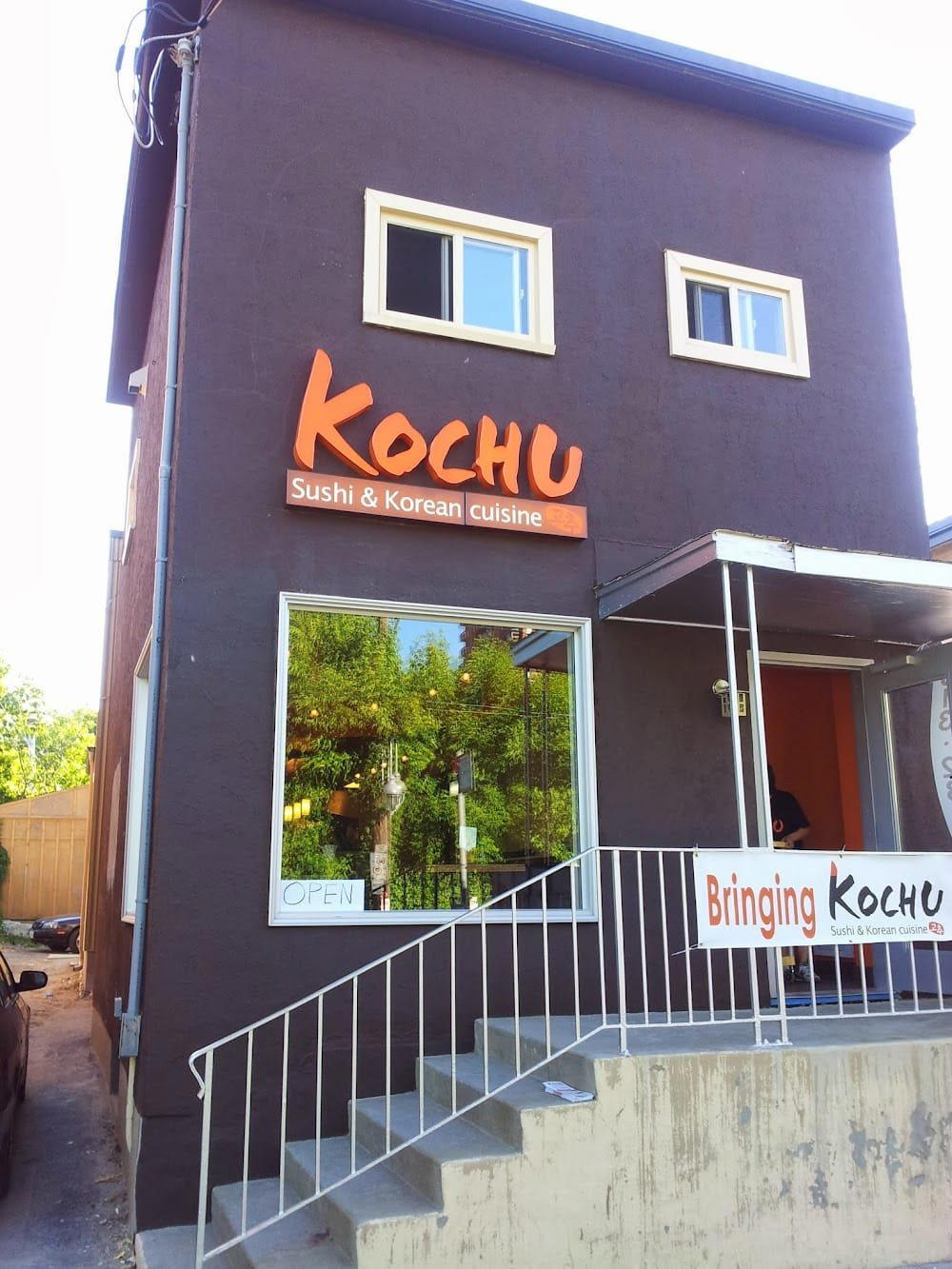
Restaurant Kato is a Japanese-Korean Fusion restaurant in Gatineau, Quebec, at 1170 Chemin d'Aylmer, Suite 100. Reaching it from central Ottawa involves crossing the Champlain Bridge and driving west along Boulevard des Allumettières, a route that takes roughly 20 to 25 minutes by car depending on traffic. The address is a suite within a larger building, which means first-time visitors should confirm the entrance point before arriving.
Visitors who want to extend the evening into the broader Gatineau and Ottawa dining circuit might consider how Kato fits into a longer itinerary. The Aylmer sector is not dense with post-dinner options in the way that Hull's rue Laval is, which makes Kato more of a standalone destination than a first stop on a multi-venue evening. That suits a certain kind of visit, particularly for diners arriving from Ottawa specifically to eat here rather than drifting between spots. For cross-border comparison, Le Bernardin in New York City and Atomix in New York City represent the international frame of reference that serious Canadian diners often carry, and against which regional Quebec cooking increasingly holds its own. Barra Fion in Burlington sits at a similar regional-destination register for Ontario, offering a useful point of comparison for what this tier of cooking looks like outside Quebec.
A Pricing-First Comparison
Comparable venues nearby, for context on price, style, and recognition.
| Venue | Cuisine | Price | Awards | Notes |
|---|---|---|---|---|
| Restaurant KatoThis venue — the venue you are viewing | Aylmer, Japanese-Korean Fusion | $$$ | , | |
| Enoteca Monza Pizzeria Moderna | $$ | , | Les Promenades Gatineau, Modern Italian Pizzeria | |
| Banco Bistro | Casino du Lac-Leamy, American Bistro | $$$ | , | |
| Bistro la Gargouille | Saint-Joseph, Canadian Bistro | $$ | , | |
| Arôme | Lac-Leamy, Seafood and Grill Steakhouse | $$$$ | , | |
| Sushiyana Coréen et Japonais | $$ | , | Mont-Bleu, Japanese & Korean Sushi Fusion |
At a Glance
- Modern
- Cozy
- Elegant
- Date Night
- Business Dinner
- Terrace
- Open Kitchen
- Craft Cocktails
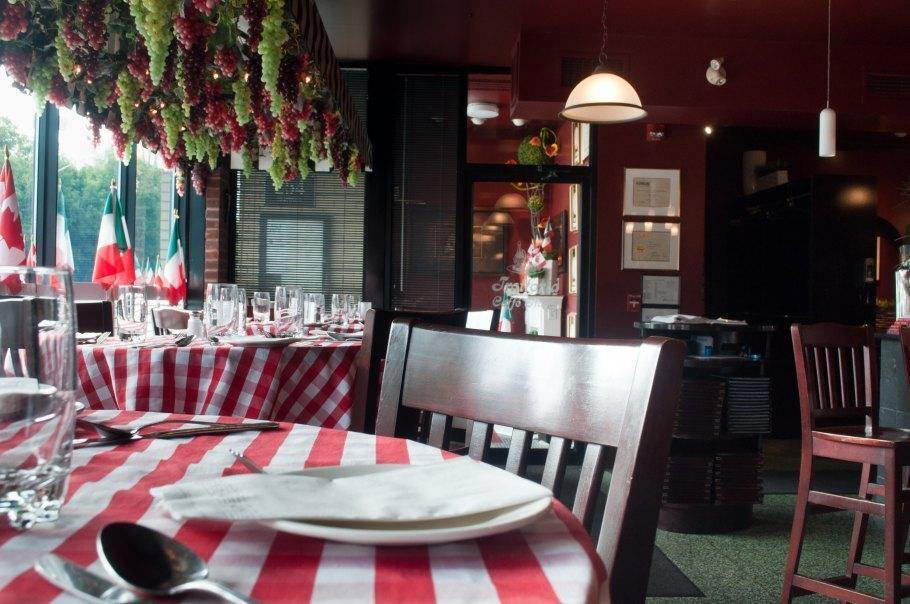
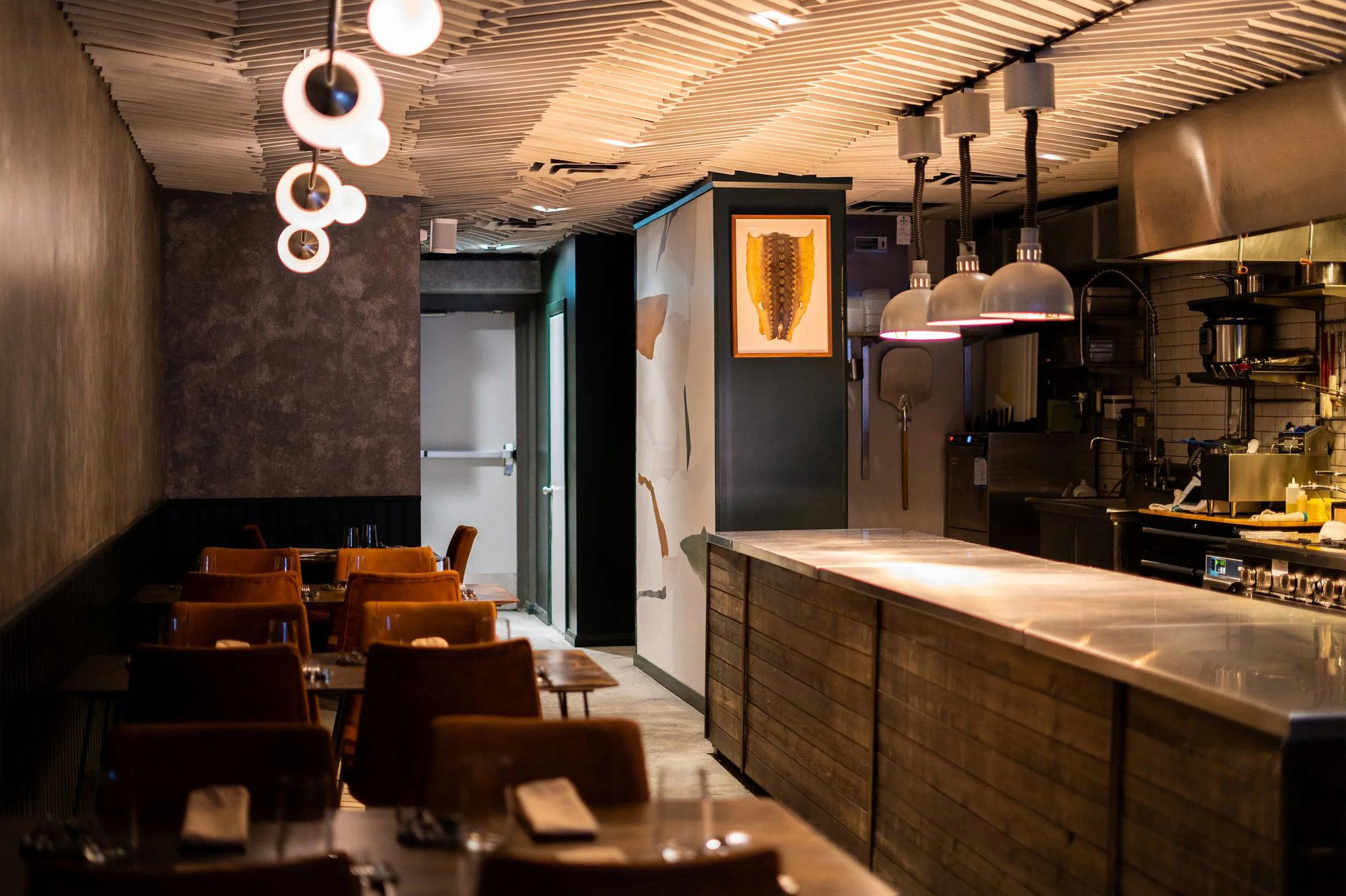
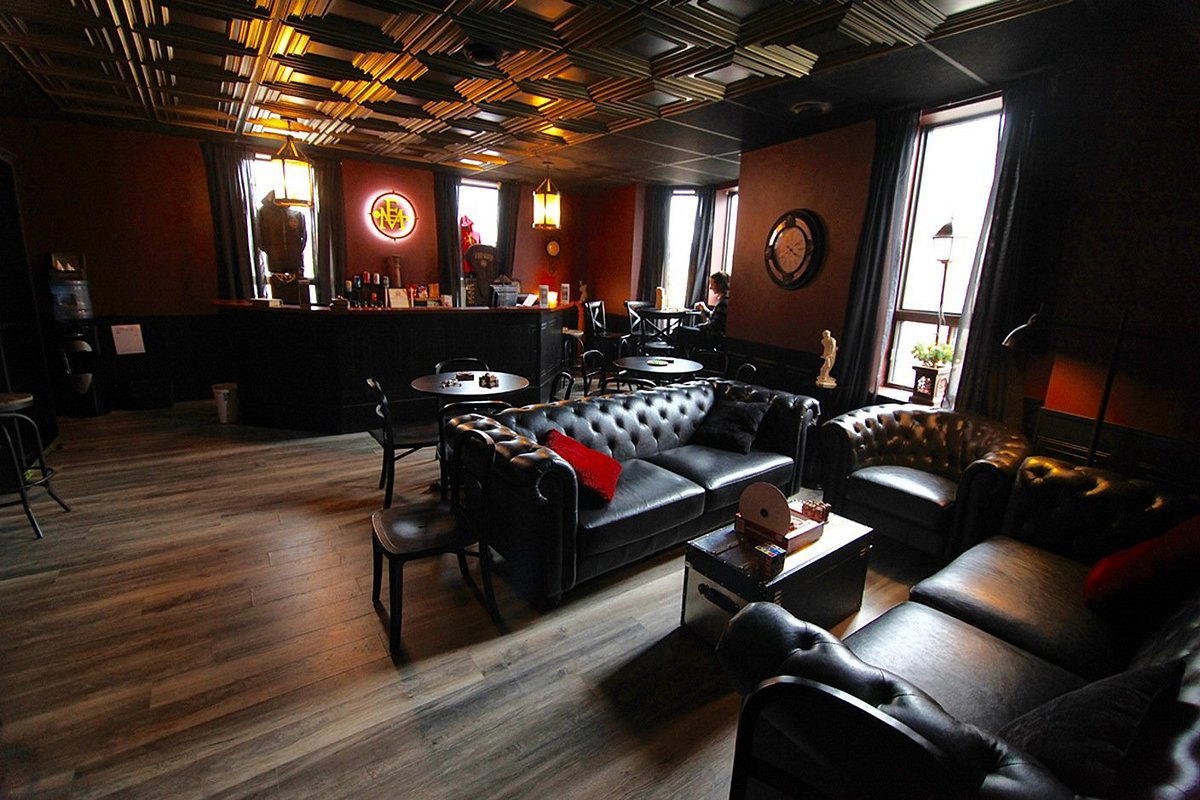
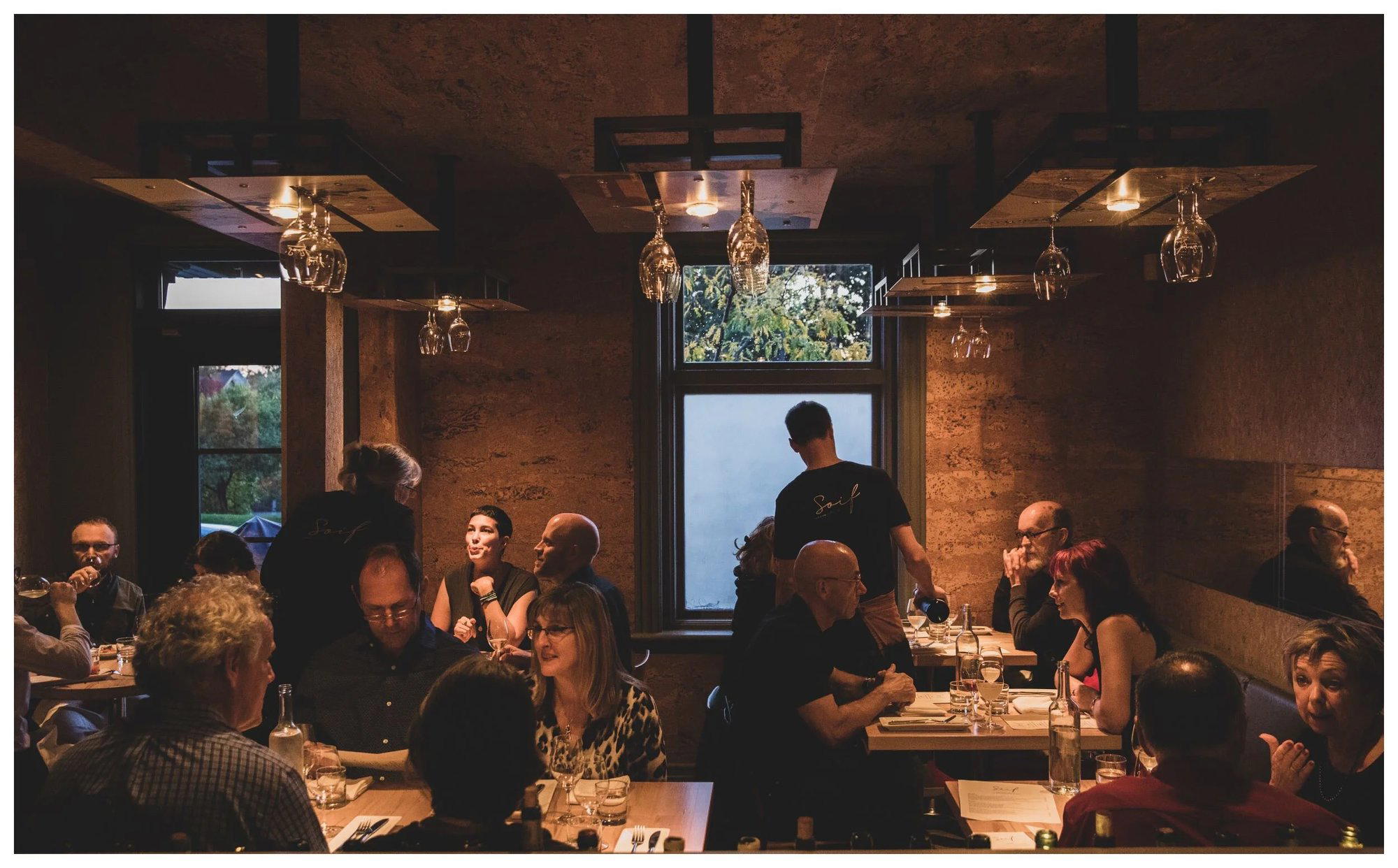
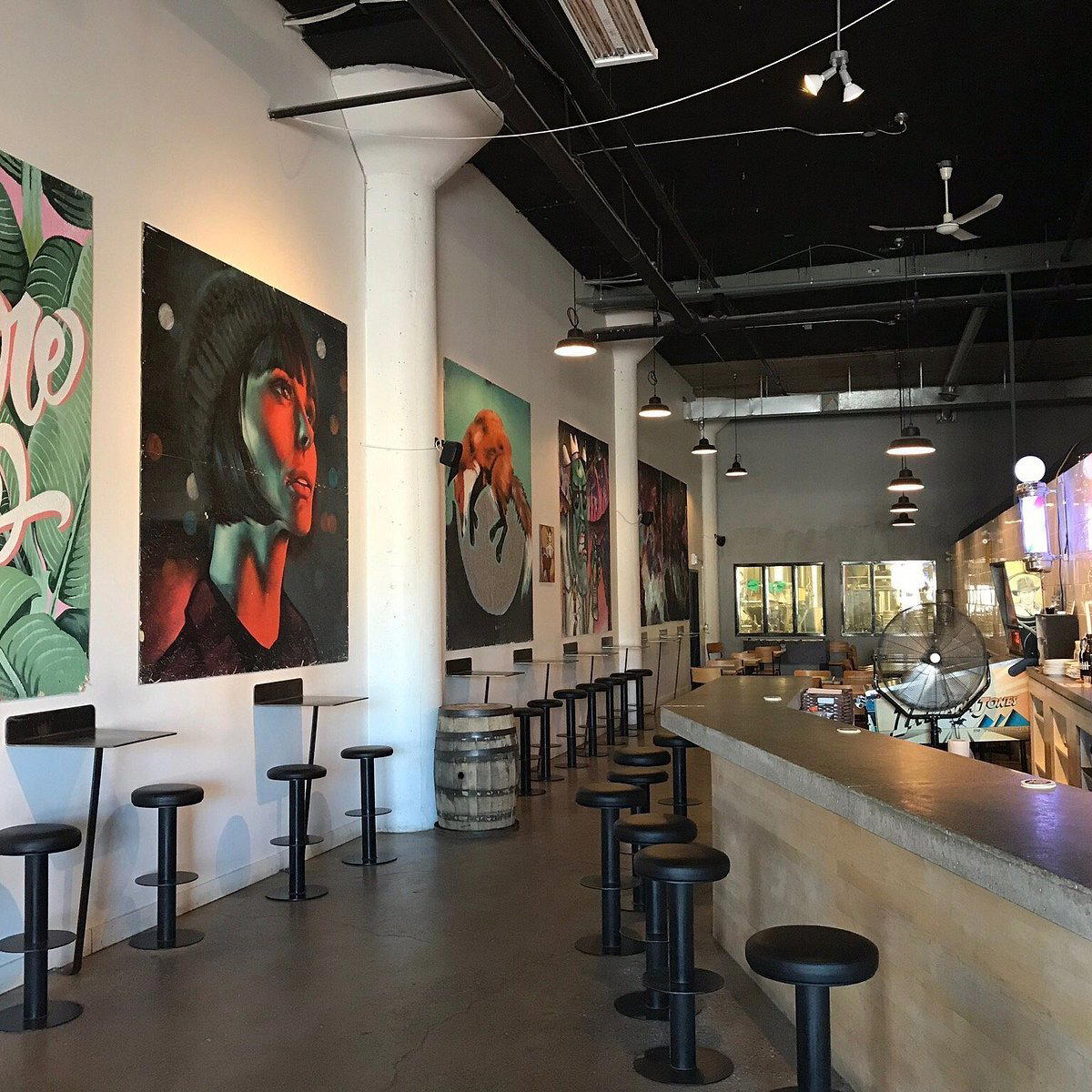
Cozy lighting and warm, modern atmosphere that's stylish, inviting, and relaxing with views of the spas from the terrace.