Caméline sits on Rue Saint-Jacques in the Vieux-Gatineau district, where the city's older francophone neighbourhood character anchors a quieter alternative to Ottawa's restaurant circuit. The address places it among Gatineau's more considered dining options, drawing guests who cross the river looking for something rooted in the Quebec side of the National Capital Region's culinary conversation.
Pearl is the En Primeur Club membership app — saves, bookings, and concierge access live there. Same editors, same standards.
- Address
- 51 Rue Saint-Jacques, Gatineau, QC J8X 2Y7, Canada
- Phone
- +18199310502
- Website
- restaurantcameline.ca
 Saves & bookings on Pearl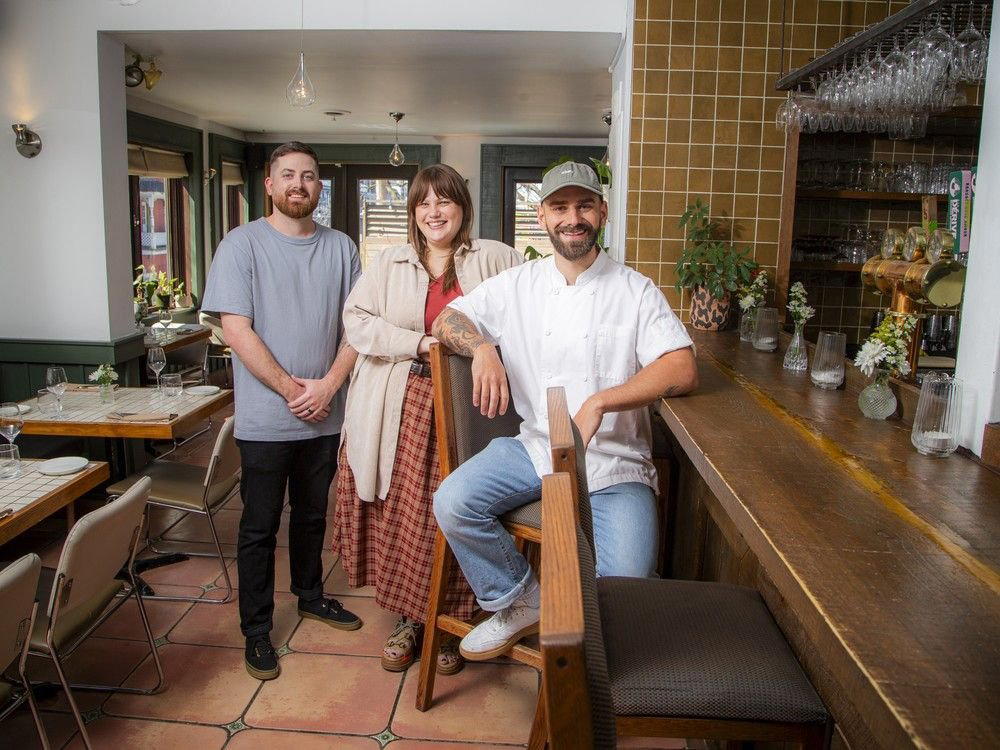
The Quebec Side of the Capital's Table
The Ottawa-Gatineau border runs through one of the more interesting fault lines in Canadian dining. On the Ontario side, the federal capital produces restaurants calibrated to government expense accounts and diplomatic entertaining. Cross the Portage or Alexandra Bridge into Quebec, and the register shifts: francophone neighbourhood bistro culture, a different relationship with wine and service, and a dining public that expects the table to be a social institution rather than a transaction. Rue Saint-Jacques, in the older residential core of Gatineau's Hull sector, sits inside that tradition. Caméline, at number 51, is an Italian restaurant with Quebec terroir in Gatineau, QC, at 51 Rue Saint-Jacques.
That address is editorial information in itself. Vieux-Gatineau and the streets around Hull's older quartiers have resisted the kind of large-format restaurant development that concentrates around Gatineau's newer commercial zones. The result is a dining environment where independents hold ground, where the crowd walking through the door is likely to be local rather than visiting, and where a kitchen that earns repeat business does so through consistency over a long run rather than through opening-night momentum.
Where Caméline Sits in Gatineau's Restaurant Conversation
Gatineau's restaurant scene is smaller than its geographic proximity to a major capital might suggest. The city has a cluster of addresses that carry real local credibility: Arôme, Banco Bistro, Bistro la Gargouille, Don Floriano, and Enoteca Monza Pizzeria Moderna among them, each working a distinct register. The competitive set is not enormous, which means that restaurants earning genuine local loyalty tend to become fixtures over time. Caméline operates in that environment: a city where the dining pool is selective enough that sustained reputation carries weight.
Across the broader Quebec fine dining conversation, the pressure points are set by kitchens like Tanière³ in Quebec City and Jérôme Ferrer's Europea in Montreal, both operating at a scale and recognition level that functions as a reference ceiling. Canadian independent restaurants more broadly, from Alo in Toronto and AnnaLena in Vancouver to destination-format operations like Eigensinn Farm in Singhampton and Fogo Island Inn Dining Room in Joe Batt's Arm, have made the case internationally that serious cooking happens outside Canada's largest cities. Caméline operates closer to the neighbourhood bistro end of that spectrum than the destination-dining end, but the spectrum matters: it contextualises what a kitchen on Rue Saint-Jacques is working against and alongside.
For comparison, kitchens at a similar neighbourhood-rooted register elsewhere in Canada include Narval in Rimouski and The Pine in Creemore, both of which demonstrate that culinary ambition in a smaller city functions differently than in a metropolitan centre: the audience is more concentrated, the room for error is smaller, and longevity itself becomes a kind of credential. Restaurant Pearl Morissette in Lincoln and Busters Barbeque in Kenora extend that point across different cuisine registers entirely, suggesting that what makes a restaurant matter in a mid-sized Canadian city is rarely the same formula that drives recognition in Toronto or Montreal. For internationally-minded readers calibrating expectations, the reference points are elsewhere: Le Bernardin in New York City and Lazy Bear in San Francisco anchor the high end of the North American conversation that neighbourhood restaurants like Caméline sit at a considerable distance from, by design.
The Hull Neighbourhood as Context
Hull, the older quarter of what became Gatineau through amalgamation, carries a specific urban texture that distinguishes it from the rest of the city. The streets around Rue Saint-Jacques were built for a working francophone population, and the neighbourhood retained that character through decades of urban change that elsewhere in the National Capital Region produced glass towers and suburban sprawl. For a restaurant, that setting carries consequences: the clientele skews local, the rhythm of service follows neighbourhood hours rather than tourist or conference schedules, and the relationship between kitchen and regulars has time to develop into something more durable than novelty.
Gatineau as a whole benefits from being less spotlighted than Ottawa. For the reader willing to cross the bridge, that dynamic represents a practical advantage: reservations are more accessible, rooms less prone to the distortion that heavy press attention brings, and the dining experience more likely to reflect a kitchen cooking for its community rather than performing for an audience.
Planning Your Visit
Caméline is located at 51 Rue Saint-Jacques in the Hull sector of Gatineau, a short distance from the interprovincial bridges connecting to Ottawa. The address is accessible by foot from the Alexandra Bridge for those staying on the Ottawa side, and the surrounding neighbourhood offers street parking for those arriving by car. As with most independent restaurants in Gatineau's older districts, contacting the venue directly to confirm current hours and reservation availability is advisable before visiting. See the full Gatineau restaurants guide for broader context on the city's dining options across neighbourhoods and price points.
A Tight Comparison
Comparable venues nearby, for context on price, style, and recognition.
| Venue | Cuisine | Price | Notes |
|---|---|---|---|
| CamélineThis venue — the venue you are viewing | Vieux-Hull, Italian with Quebec Terroir | $$ | Not listed |
| Don Floriano | Not listed | $$ | Saint-René Ouest, Authentic Italian Trattoria |
| Enoteca Monza Pizzeria Moderna | Not listed | $$ | Les Promenades Gatineau, Modern Italian Pizzeria |
| Bistro la Gargouille | Saint-Joseph, Canadian Bistro | $$ | Not listed |
| Arôme | Lac-Leamy, Seafood and Grill Steakhouse | $$$$ | Not listed |
| Le Cellier | Not listed | $$$ | downtown Gatineau, French Bistro with Market Cuisine |

At a Glance
- Elegant
- Cozy
- Intimate
- Rustic
- Date Night
- Casual Hangout
- Group Dining
- Standalone
- Open Kitchen
- Craft Cocktails
- Beer Program
- Local Sourcing
- Farm To Table
Current opening hours
- Monday
- Closed
- Tuesday
- 5–10 PM
- Wednesday
- 5–10 PM
- Thursday
- 5–10 PM
- Friday
- 5–10 PM
- Saturday
- 5–10 PM
- Sunday
- Closed
Hours can change for holidays and private events. Last verified .
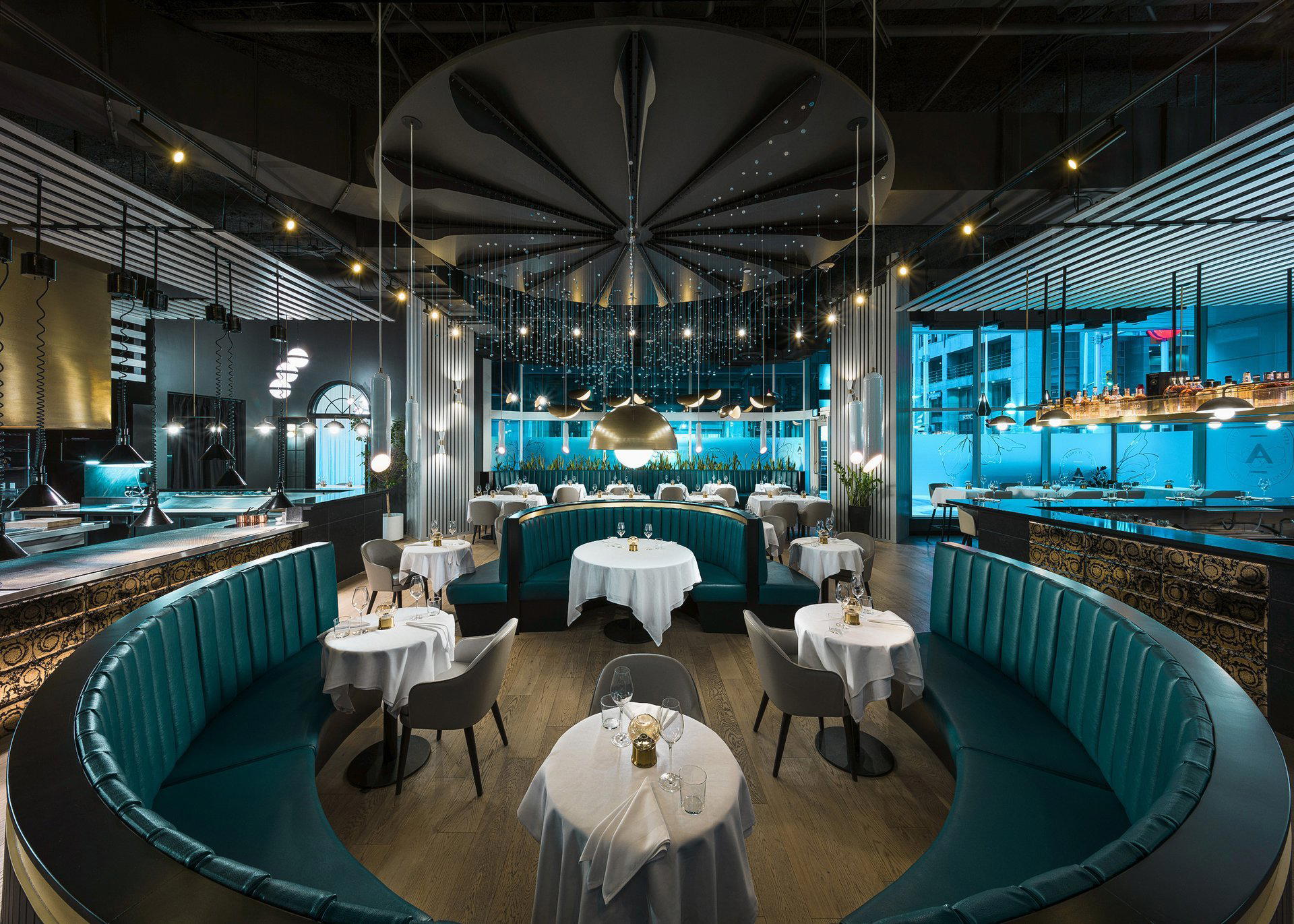
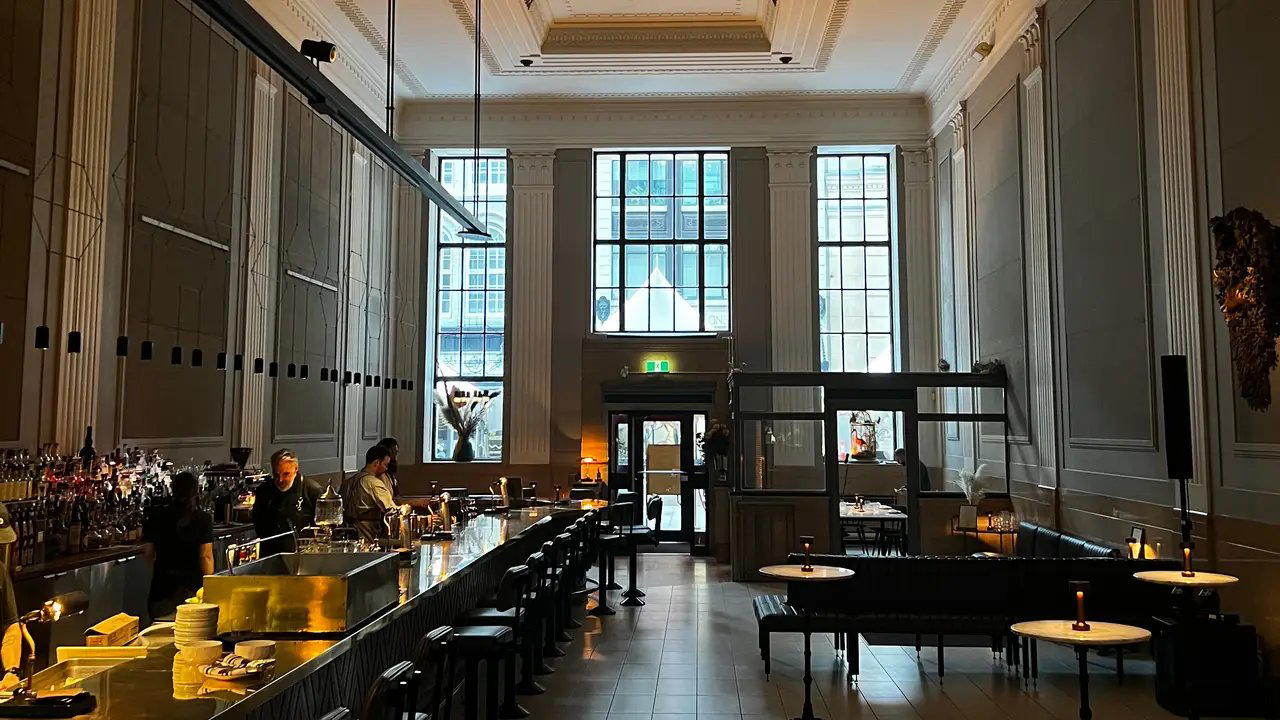
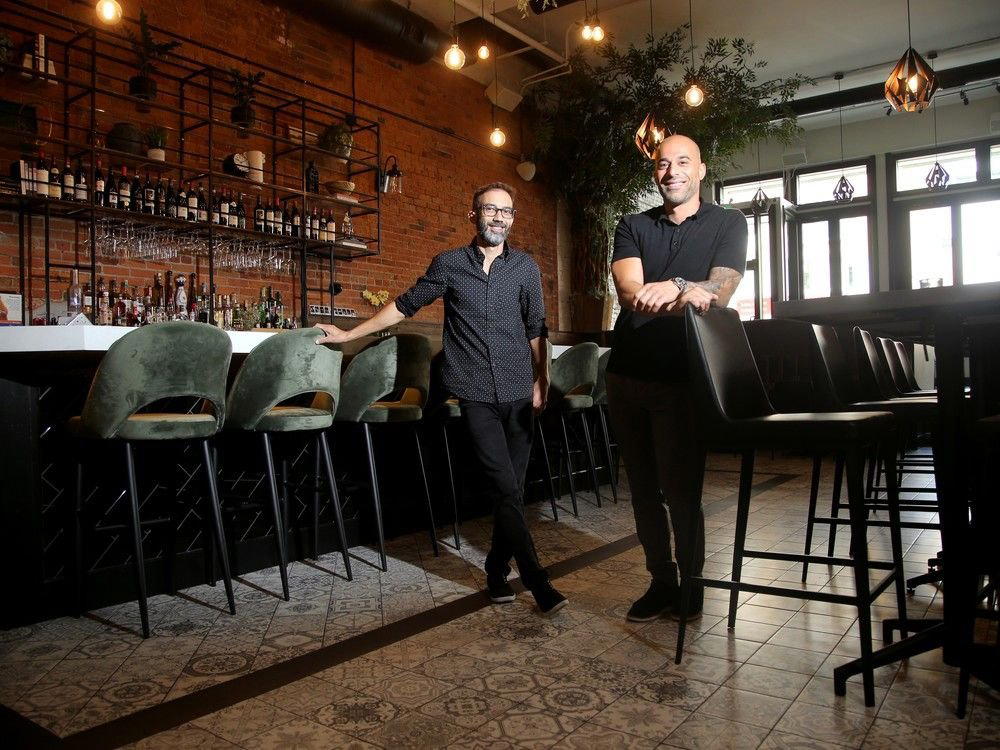
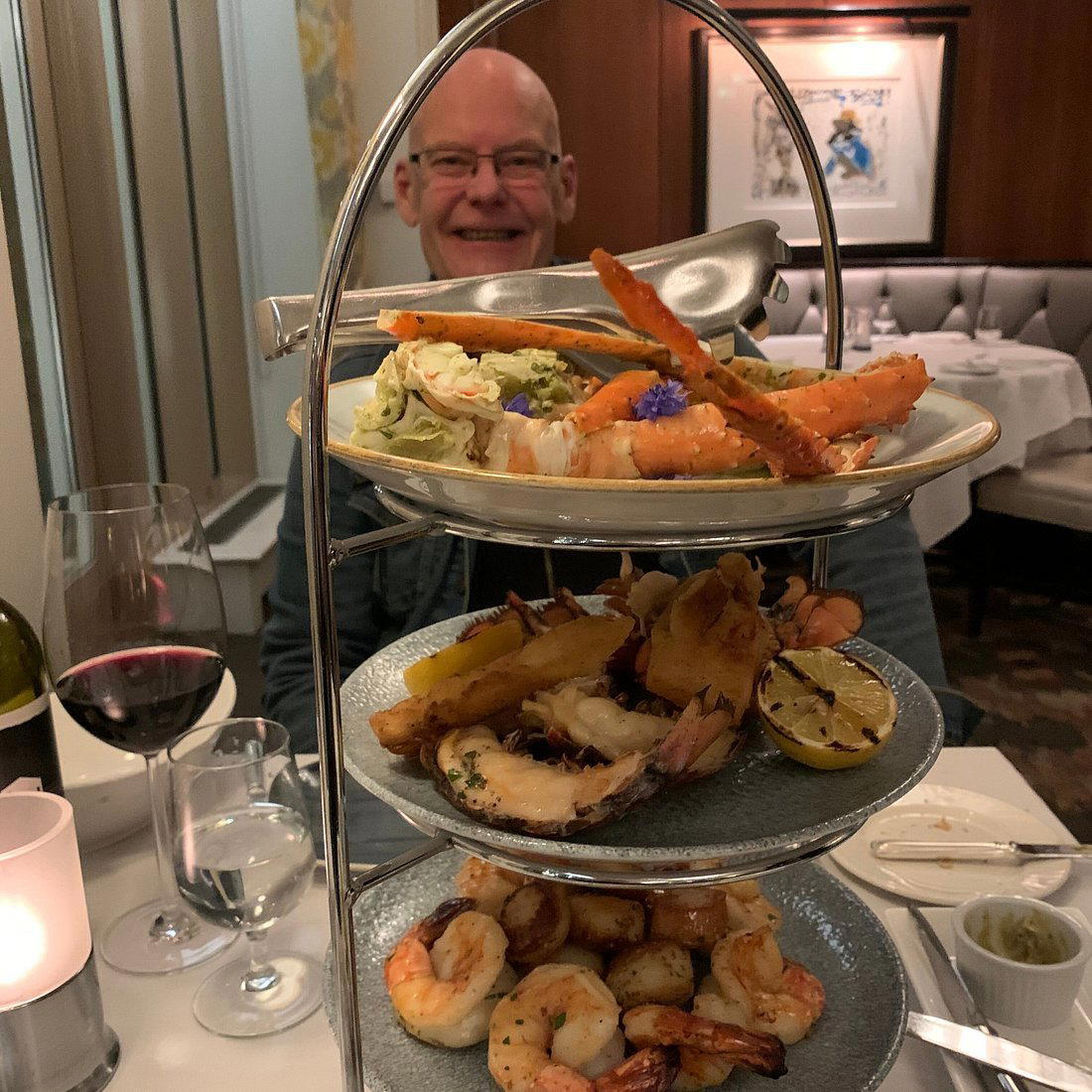
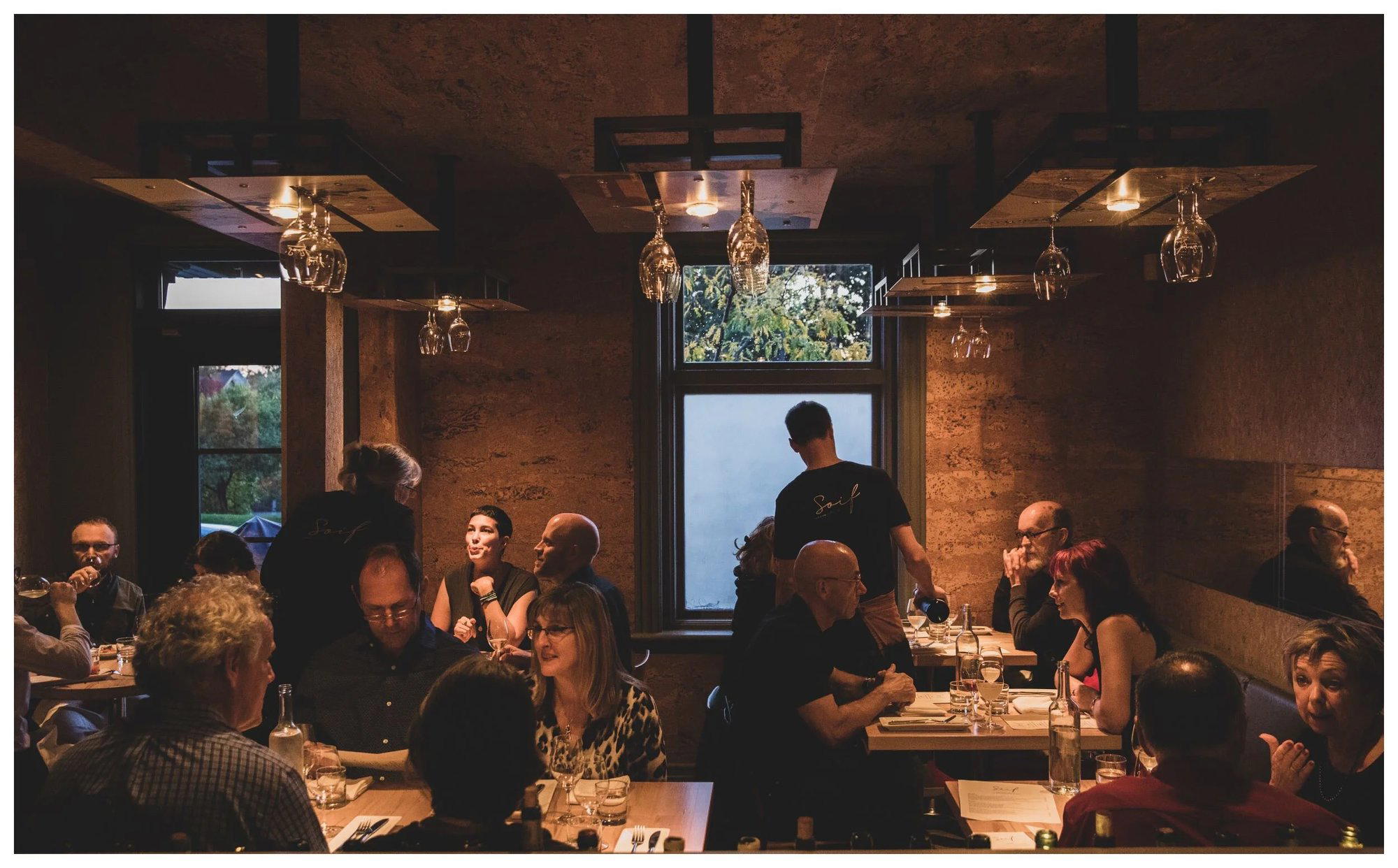
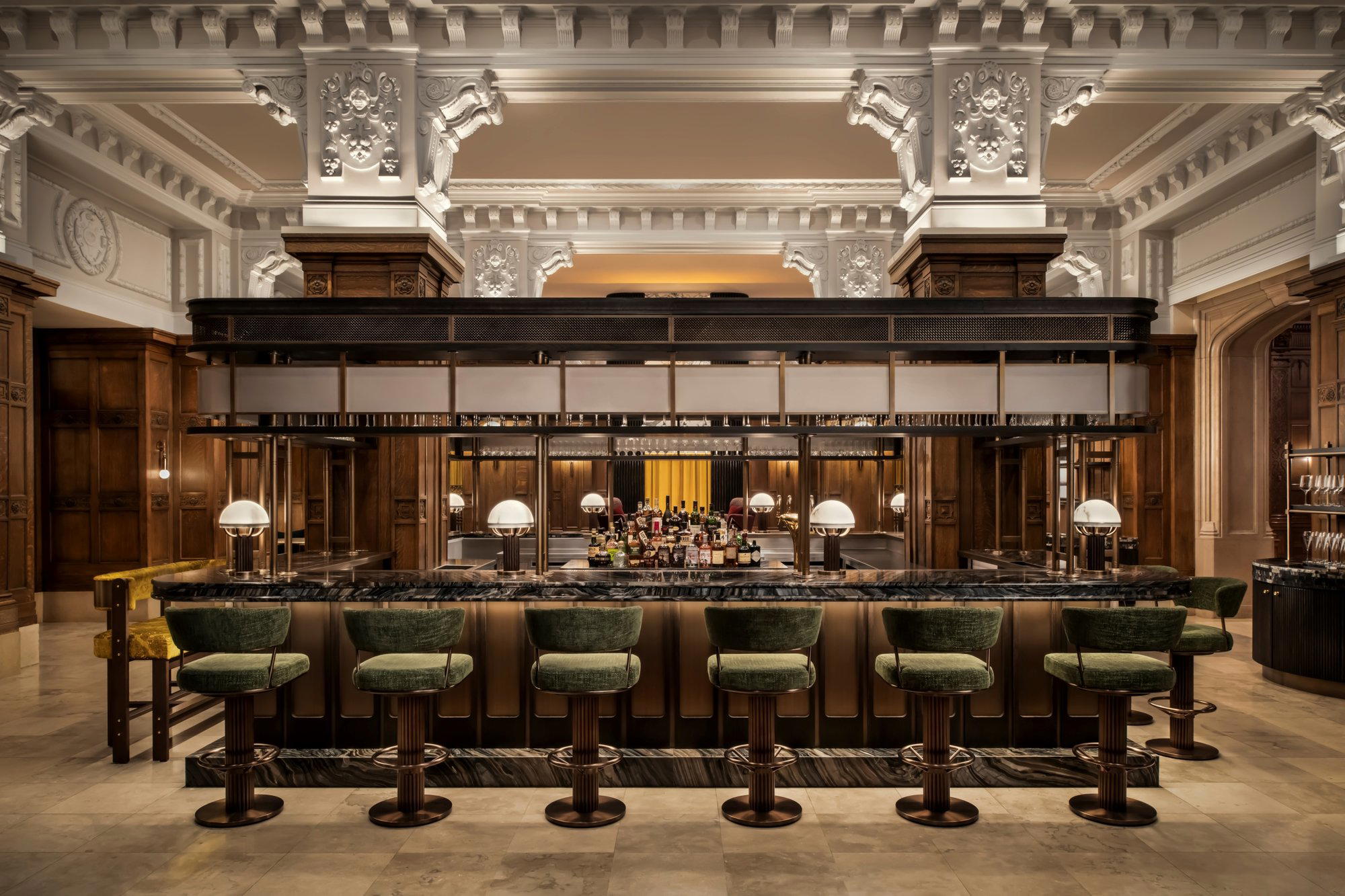
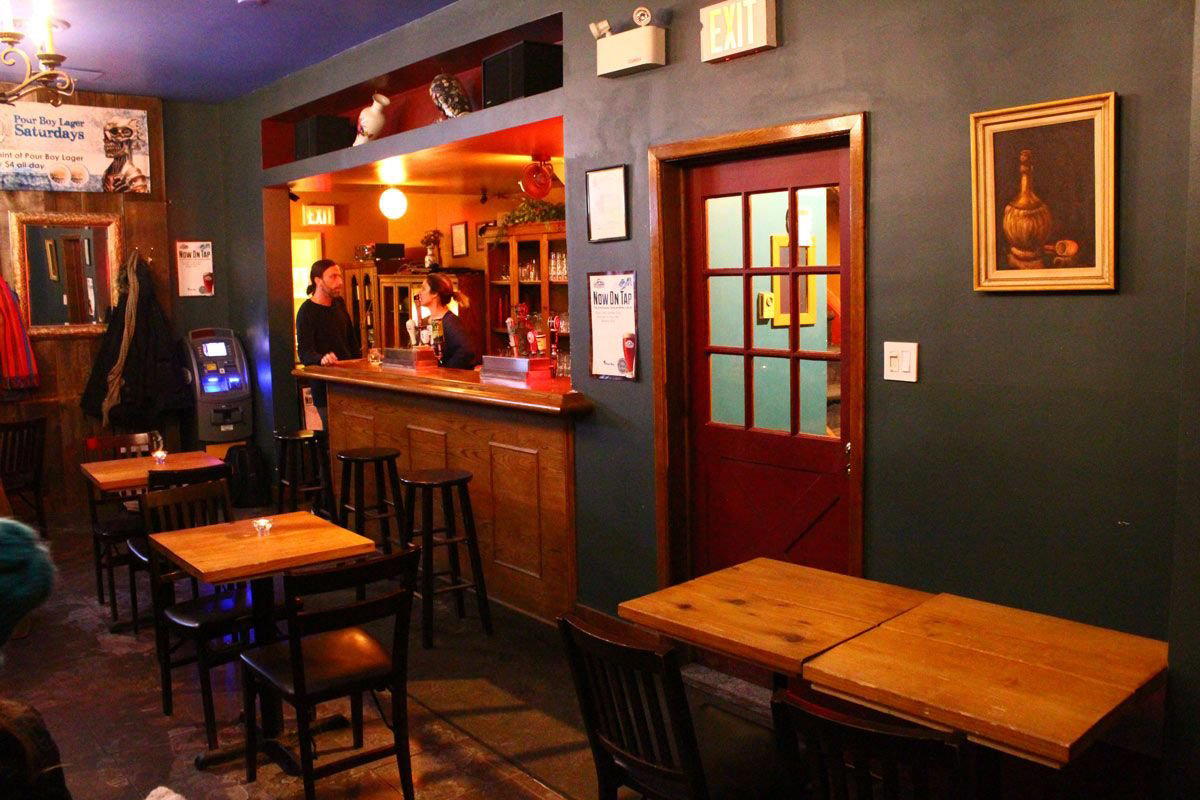
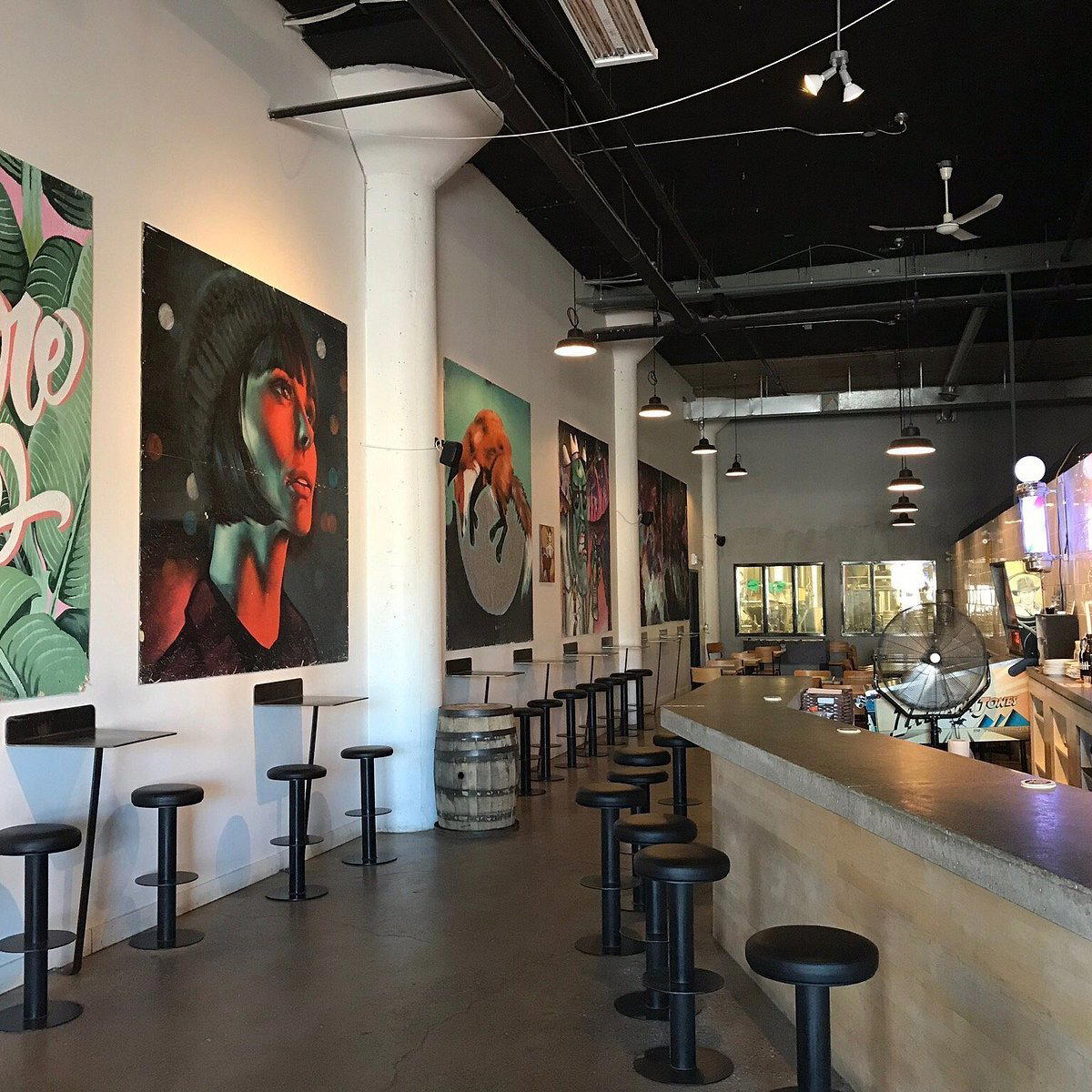
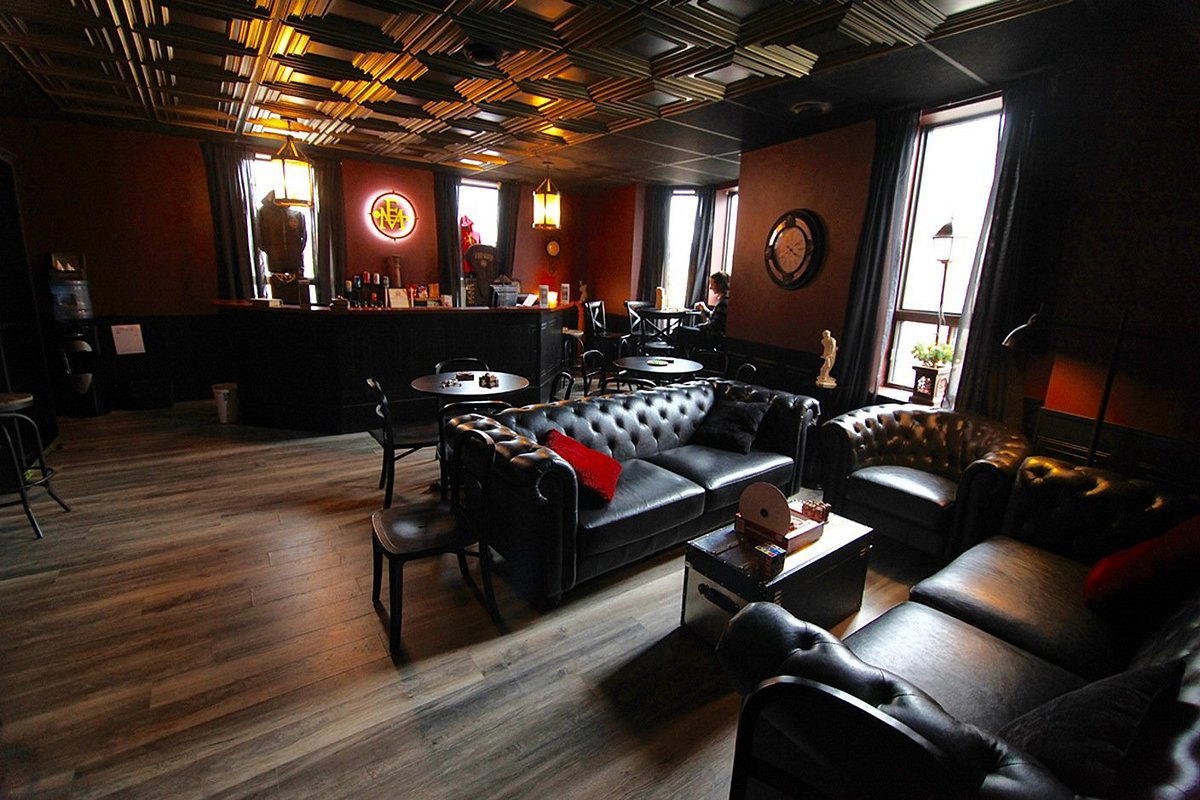
Elegant yet simple decor with authentic charm; refined neighborhood setting in a heritage Vieux-Hull location that feels warm and inviting.