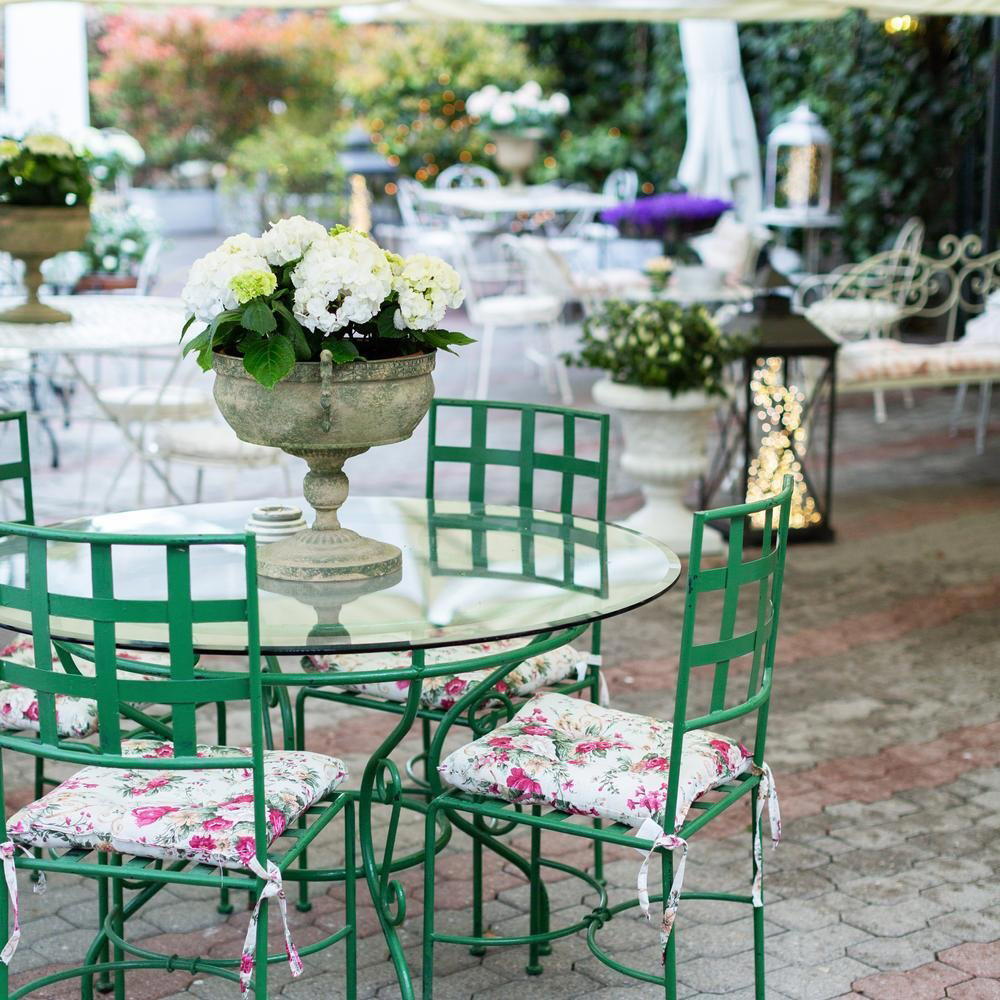
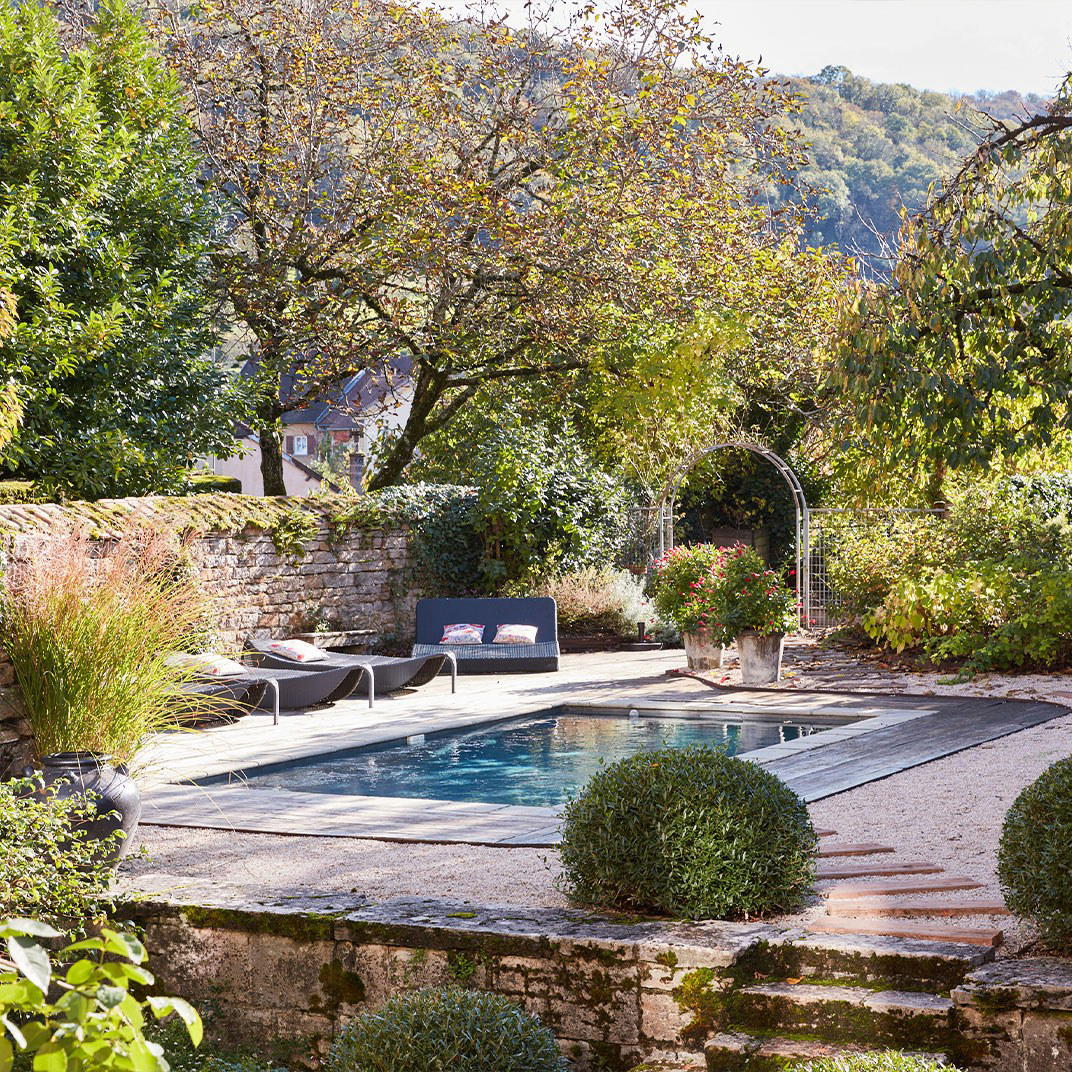
Les Tables d'antan serves Traditional Franc-Comtois French with an extensive wine list and terrace seating; conversational pacing suits lunch or dinner, and crumble à la saucisse de Morteau anchors the menu.
Pearl is the En Primeur Club membership app — saves, bookings, and concierge access live there. Same editors, same standards.
- Address
- 18 Rue Bersot, 25000 Besançon, France
- Phone
- +33381830442
- Website
- lestablesdantan.fr
- Directions
- Get directions
 Saves & bookings on Pearl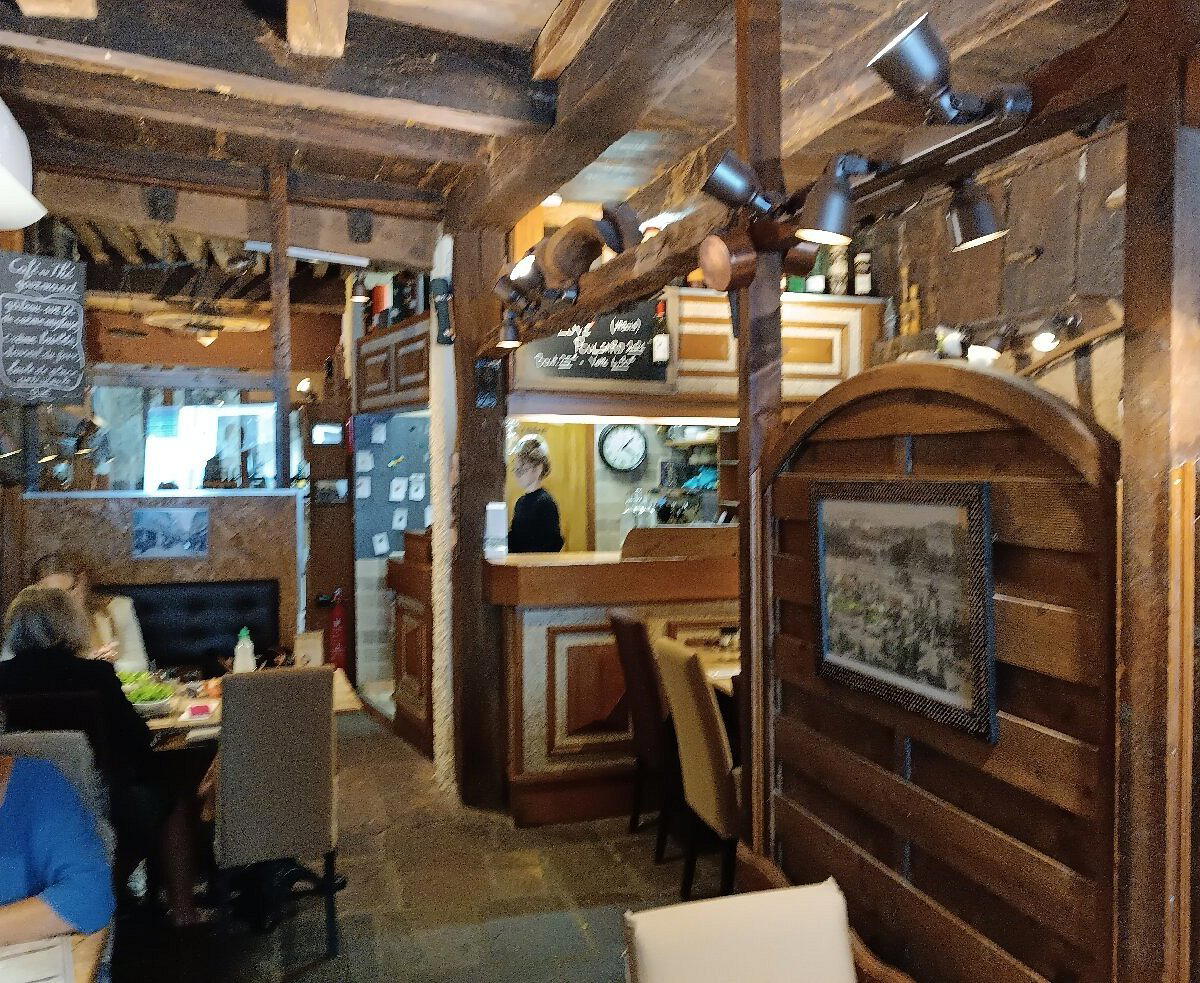
Old Stones, Slow Dining: Besançon's Rue Bersot and the Bistro Tradition
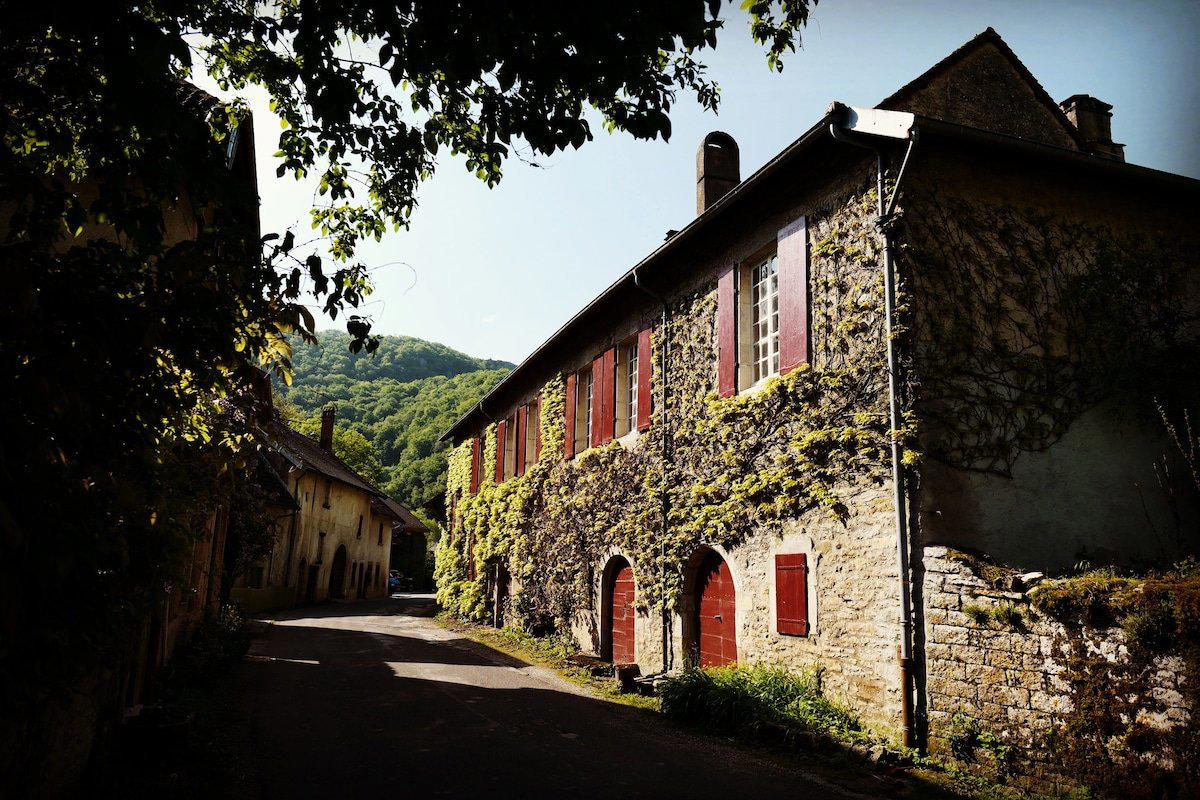
Rue Bersot cuts through one of Besançon's older residential quarters, a short walk from the Vauban citadel that defines the city's skyline. In a town that the rest of France often overlooks in favour of Lyon or Strasbourg, this street hosts a cluster of neighbourhood restaurants that function less as destination dining and more as expressions of how the Franche-Comté region actually eats. Les Tables d'antan, at number 18, belongs to that category. The name signals its positioning plainly: les tables d'antan translates loosely as "the tables of yesteryear," a deliberate reference to an era of French dining before tasting menus and modernist technique became the dominant currency of ambition.
This framing matters in context. Eastern France maintains a strand of restaurant culture that resists the tasting-menu format that drives coverage at high-profile addresses like Alléno Paris au Pavillon Ledoyen, Flocons de Sel in Megève, or Mirazur in Menton. That resistance isn't a failure of ambition — it reflects a legitimate regional tradition in which the set menu of two or three courses, built around market availability and regional produce, is itself a considered culinary statement. Along the eastern arc from Alsace through Franche-Comté to Burgundy, restaurants like Au Crocodile in Strasbourg or Auberge de l'Ill in Illhaeusern have always operated within a French classical canon that prizes proportion, sourcing, and regional identity over spectacle.
What the Franche-Comté Table Looks and Tastes Like
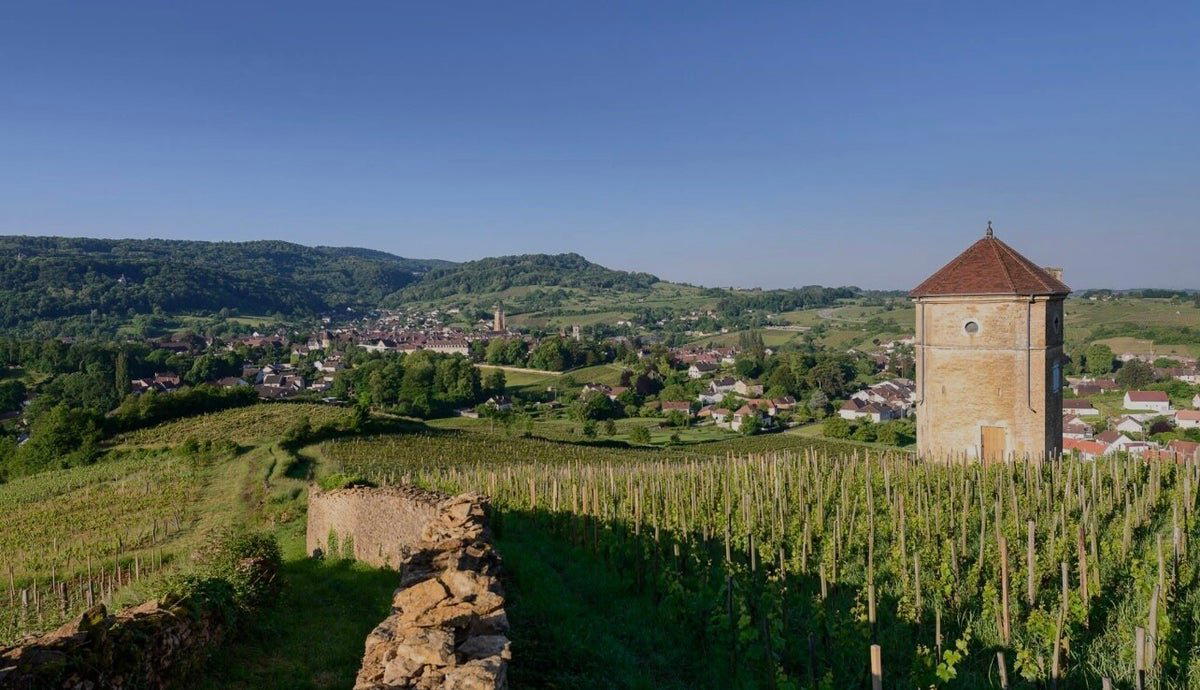
The sensory grammar of a traditional Franche-Comté table is specific enough to be worth understanding before you sit down. Comté cheese in its various aging stages, Morteau sausage, smoked meats from the Haut-Doubs, freshwater fish from the Loue and Doubs rivers, and vin jaune from the nearby Jura vineyards form the backbone of what cooks in this region have drawn on for generations. These are not nostalgia props. Comté aged for 24 months carries a depth — crystalline texture, toasted-nut finish, that competes with any plateau de fromages served at addresses like Troisgros - Le Bois sans Feuilles in Ouches or Bras in Laguiole. Vin jaune, oxidatively aged in Jura oak barrels for a minimum of six years and three months, brings a sherry-like complexity that cuts through cream sauces and amplifies aged cheese in ways that most wine lists in other regions cannot replicate.
A restaurant operating under the antan banner in Besançon signals its audience: diners who want those regional pillars presented cleanly, without deconstruction. In Besançon's current restaurant scene, that positions Les Tables d'antan in a different bracket from modern-cuisine addresses like Basilic Instant or Bleu de Sapin, and closer to the traditional-cuisine tier occupied by Casinne and L'Affineur Comtois. Each occupies a distinct register: Basilic Instant leans toward contemporary French technique, while L'Affineur Comtois foregrounds the region's cheese tradition specifically. Les Tables d'antan sits somewhere between the two, anchored in the bistro model where the atmosphere is as much the point as the plate.
The Atmosphere of an Old Bistro Done Properly
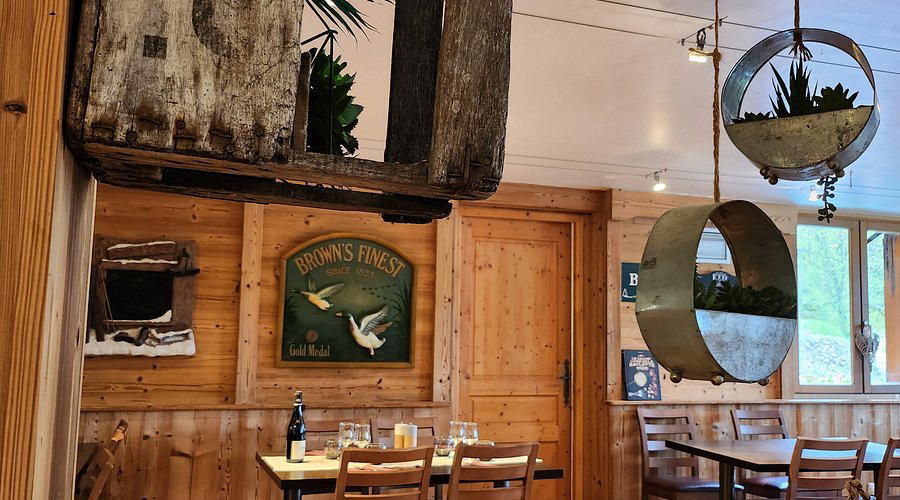
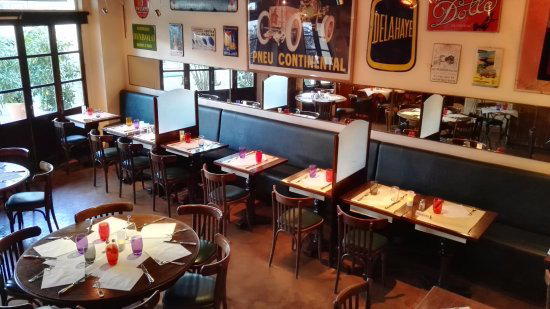
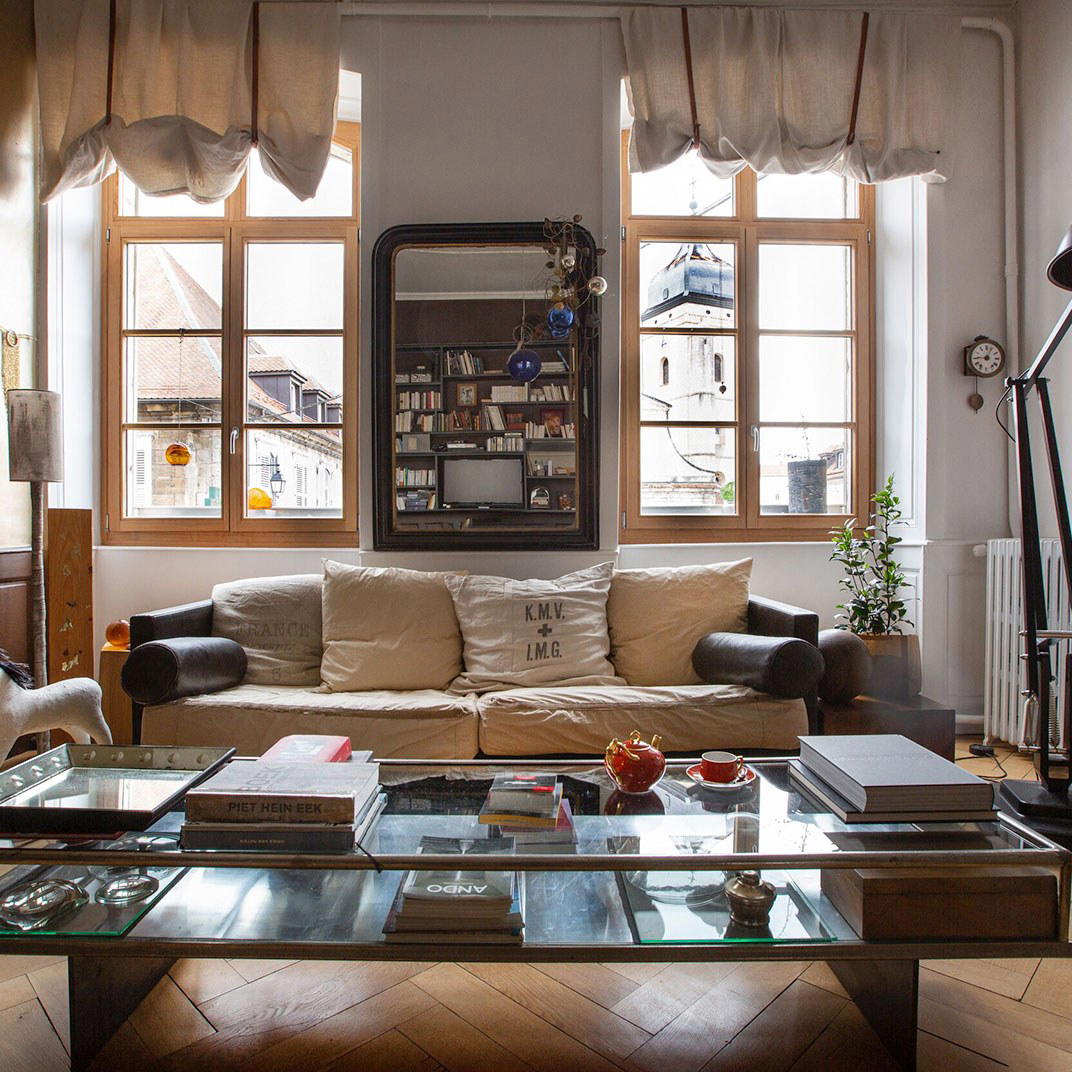
The bistro format, when executed with discipline, delivers something that modernist dining formats cannot: a room that has accumulated time. The particular weight of a wooden banquette, the low light from fixtures that predate the LED era, the sound of a dining room at full occupancy where conversation dominates over music, these are sensory features that define the antan category and that cannot be reverse-engineered into a new build. Eastern France has preserved more of these interiors than most regions, partly because the renovation economics of smaller cities like Besançon make wholesale refurbishment less automatic than in Paris or Lyon.
What this means for a Tuesday evening in Besançon is that the experience of sitting down at a table on Rue Bersot connects the diner to a physical continuity with the neighbourhood's past. The street itself is close to the historic centre that makes Besançon, a UNESCO-listed city for its Vauban fortifications, a worthwhile destination in its own right. The citadel is visible from multiple angles as you approach from the centre, and the compact geography of the old town means that a pre-dinner walk covers meaningful ground quickly. Arriving at a bistro at this address after an hour in the old town shifts the register of the meal in a way that a restaurant accessed directly by taxi does not.
Placing Besançon in the Broader French Dining Map
Besançon rarely appears in the shortlists that define French restaurant travel. The coverage concentrates predictably on Paris, Lyon, the Côte d'Azur, and Alsace. Addresses like Paul Bocuse's Auberge du Pont de Collonges, AM par Alexandre Mazzia in Marseille, or Assiette Champenoise in Reims anchor regional prestige. Franche-Comté sits in the gaps between those poles, which creates the conditions for a specific kind of restaurant to flourish: one that serves its city rather than attracting destination diners, that prices against local competition rather than international benchmarks, and that treats regional produce as a given rather than a marketing angle.
For travellers arriving from outside France, this context recalibrates expectations. It is the tradition of the French regional bistro, a format that has exported badly but survives with integrity in cities like Besançon, Colmar, and Bourg-en-Bresse. When those cities are on the itinerary, seeking out the address that does the regional tradition without compromise is a more reliable guide to satisfaction than chasing stars.
Among Besançon's current restaurant options covered in our full Besançon restaurants guide, the city also includes Chez Achour for North African-inflected cooking, and Le Saint-Pierre for traditional cuisine at a comparable price tier. The variety across those addresses reflects a mid-sized French city whose dining scene has depth without pretension.
Planning a Visit
Les Tables d'antan is at 18 Rue Bersot, 25000 Besançon. Contact details and current hours are best confirmed through a direct search closer to your visit, as phone and web information for smaller bistros of this type changes more frequently than for larger operations. Besançon is served by TGV from Paris Gare de Lyon in approximately two hours and fifteen minutes, making a day trip or overnight stay direct from the capital. The autumn and winter months align well with the regional food calendar: Comté aged through the summer reaches its peak, game appears on seasonal menus, and the vin jaune from the Jura is the natural accompaniment. Spring visits catch a different produce cycle, with freshwater fish from the snowmelt-fed rivers appearing more prominently. Whichever season brings you to Rue Bersot, the bistro format means the experience is weighted toward the room and the table rather than the theatre of service.

At a Glance
- Rustic
- Cozy
- Classic
- Family
- Casual Hangout
- Terrace
- Extensive Wine List
- Local Sourcing
Current opening hours
- Monday
- Closed
- Tuesday
- 6:30–9:30 PM
- Wednesday
- 11:30 AM–1:30 PM, 6:30–9:30 PM
- Thursday
- 11:30 AM–1:30 PM, 6:30–9:30 PM
- Friday
- 11:30 AM–1:30 PM, 6:30–9:30 PM
- Saturday
- 11:30 AM–1:30 PM, 6:30–9:30 PM
- Sunday
- Closed
Hours can change for holidays and private events. Last verified .
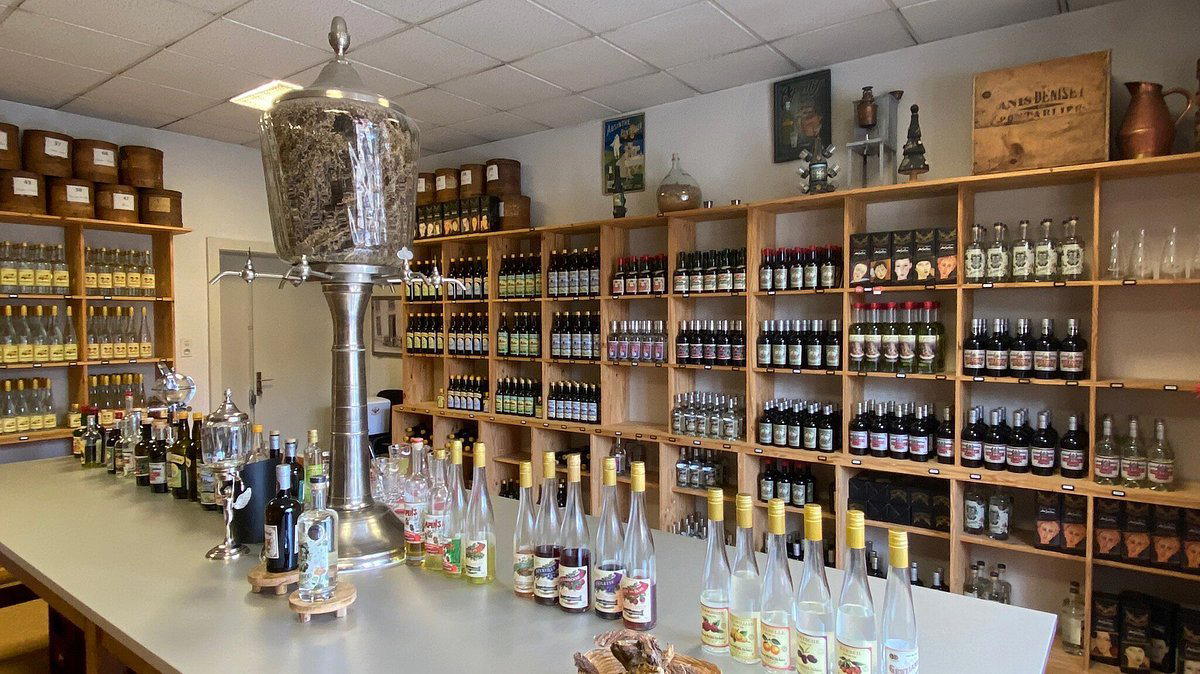
Subtle rustic charm with cozy, typical regional decor featuring warm lighting and an unpretentious, intimate atmosphere.