Our verdict
On the Rue du Faubourg Saint-Denis, one of Paris's most culturally layered streets, Restaurant Derya represents the kind of Turkish-rooted cooking that the 10th arrondissement has long supported without fanfare. The address places it inside a neighbourhood corridor where Anatolian, Kurdish, and Middle Eastern traditions have coexisted for decades, making Derya less an outlier than a continuation of that culinary thread.

Pearl is the En Primeur Club membership app, where members save venues, book tables and use the concierge.
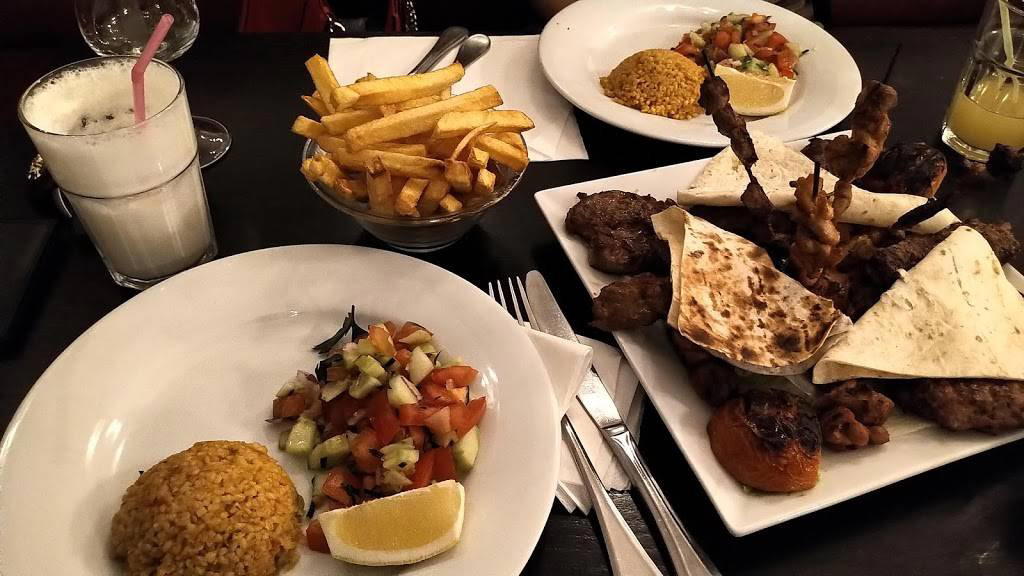
The menu
What to order
- Derya Kabob
- Mixed Meze Platter
- Lamb Chops
- Etli Manti
The 10th Arrondissement's Turkish Table
The Rue du Faubourg Saint-Denis has functioned as one of Paris's great immigrant food corridors since the mid-twentieth century. Turkish, Kurdish, West African, and South Asian kitchens have traded here for generations, making the street less a curiosity and more a working record of the city's demographic shifts. Restaurant Derya, at number 16, sits inside that tradition rather than at its edges. The address is not incidental, this stretch of the 10th is where Anatolian cooking in Paris has historically been most concentrated, and where the gap between French haute cuisine and the city's immigrant kitchen culture is most visible. For context on how that gap plays out across the broader Paris dining scene, our full Paris restaurants guide maps the city's range from neighbourhood staples to multi-starred rooms.
Turkish Cooking in a French Context
Turkish cuisine occupies an unusual position in Paris. Unlike the city's North African kitchens, which benefit from decades of mainstream press attention and a firmly established couscous-and-tagine shorthand for French diners, Turkish cooking has remained less categorised, and therefore less diluted. The 10th arrondissement's Turkish restaurants largely operate outside the Michelin orbit, which means they are judged by their regulars rather than by inspectors. That accountability produces a different kind of consistency: the dishes that survive on a neighbourhood menu do so because they are ordered repeatedly by people who know what they should taste like.
Anatolian cooking at this level of the market tends to centre on grilled meats, slow-cooked legume dishes, flatbreads, and cold vegetable preparations built around olive oil and lemon. The tradition draws from a geography that spans the Aegean coast through Central Anatolia to the Kurdish southeast, and each of those regions brings distinct techniques and ingredient emphases. A Kurdish-influenced kitchen, for example, will often weight lamb and bulgur more heavily than the seafood-forward preparations of Izmir or Istanbul's Bosphorus restaurants. Where Derya sits within that regional spectrum is part of what defines its particular offer to the neighbourhood.
What the Faubourg Saint-Denis Address Signals
Real estate on the Rue du Faubourg Saint-Denis communicates something specific. This is not the polished version of immigrant cooking that surfaces in the Marais or the 11th, where gentrification has reshaped menus toward a fusion-aware audience. The Faubourg Saint-Denis addresses that have lasted tend to operate on volume, price accessibility, and repeat custom. They are not staging grounds for chef ambition in the way that, say, the kitchens feeding Alléno Paris au Pavillon Ledoyen or Arpège function. The comparison is not a diminishment, it is a category distinction. The €€€€ tier occupied by Le Cinq at the Four Seasons George V or L'Ambroisie answers a different question than the one a diner on the Faubourg Saint-Denis is asking. The question here is whether the food is honest, correctly seasoned, and worth returning to.
That standard, applied consistently, is harder to meet than it sounds. The restaurants that survive longest on this street do so by executing a narrow repertoire with discipline. Turkish grills, in particular, demand precise temperature management and an understanding of how different cuts, adana, urfa, shish, behave over charcoal versus gas. Where kitchens in this corridor have historically distinguished themselves is not through menu innovation but through sourcing decisions and the accumulated skill of repetition.
The 10th in the Wider Paris Dining Picture
Paris's fine dining conversation is largely conducted elsewhere: in the 8th, around the Champs-Élysées addresses, and in the Left Bank rooms that have held institutional status for decades. The 10th operates on different terms. It is where Paris eats rather than where Paris performs eating. That distinction matters when placing Restaurant Derya in context. The address shares a postcode with some of the city's most-visited kebab windows and some of its most interesting natural wine bars, a combination that reflects how the arrondissement functions as a genuinely mixed-use food neighbourhood rather than a curated dining destination.
French regional cooking at the top tier, represented by addresses like Mirazur in Menton, Flocons de Sel in Megève, or Bras in Laguiole, operates from a position of deep terroir specificity. The Turkish kitchen tradition on the Faubourg Saint-Denis is, in its own way, equally rooted, in community, in repetition, and in the particular tastes of a diaspora that has been present in Paris long enough to develop genuine expectations. The food critic's tools, sourcing, technique, consistency, value at price point, apply across both registers.
Planning a Visit
Restaurant Derya sits at 16 Rue du Faubourg Saint-Denis in the 10th arrondissement, within walking distance of the Strasbourg-Saint-Denis and Château d'Eau metro stations. The neighbourhood is dense and active throughout the day and evening; the street itself is leading approached on foot. The 10th's Turkish corridor tends to be busiest at lunch on weekdays and across both services on weekends, timing a visit to either session gives a clearer read of how the kitchen performs under pressure.
For a broader frame of reference across France's most decorated kitchens, the EP Club covers addresses from Paul Bocuse's Auberge du Pont de Collonges and Auberge de l'Ill in Illhaeusern through to newer critical reference points like AM par Alexandre Mazzia in Marseille and Assiette Champenoise in Reims. Internationally, cross-cultural comparisons are possible with the Korean-American precision of Atomix in New York or the seafood authority of Le Bernardin, both representing immigrant culinary traditions that have reached different levels of institutional recognition than the Faubourg Saint-Denis Turkish kitchens, though not necessarily different levels of craft.
Frequently asked questions
What do regulars order at Restaurant Derya?
The Rue du Faubourg Saint-Denis Turkish corridor has long been associated with grilled meat preparations, adana and shish kebabs, lamb chops, and the cold meze plates that precede them. At neighbourhood restaurants in this tradition, regulars tend to navigate by the grilled section rather than specials, and by the consistency of accompaniments like rice pilaf, flatbread, and ayran. The EP Club Paris guide covers the broader restaurant categories across the city.
What is the ideal way to book Restaurant Derya?
Given the informal operating culture typical of Turkish neighbourhood restaurants in the 10th arrondissement, a direct visit during off-peak hours or a phone inquiry using current contact details found via search is the most reliable approach. Walk-in availability is common at this price tier in the Faubourg Saint-Denis corridor, particularly at lunch.
What is Restaurant Derya leading at?
Within the Anatolian cooking tradition the 10th arrondissement has sustained for decades, the category strength is grilled meats and the cold vegetable and legume preparations that frame them. Turkish kitchens at this address tier are typically judged on the quality of their charcoal grill work and the accuracy of their spice balance, the same standards that define the cuisine in its source regions. Derya's position on the Rue du Faubourg Saint-Denis places it inside a competitive local corridor where those standards are applied by a knowledgeable, repeat-visit clientele.
How does Restaurant Derya compare to other Turkish restaurants in the 10th arrondissement?
Differentiation in this corridor typically comes down to grill technique, the quality of sourced lamb, and the depth of the cold meze selection. The EP Club Paris guide provides additional context on how this neighbourhood fits into the city's wider dining picture.
Category Peers
Comparable venues nearby, for context on price, style, and recognition.
| Venue | Cuisine | Price | Awards | Notes |
|---|---|---|---|---|
| Restaurant DeryaThis venue (the venue you are viewing) | Authentic Turkish-Mediterranean Grill | $20–30 | Not listed | Not listed |
| Restaurant 52 | Modern French Neo-Bistro with Asian Influences | $30–50 | Michelin Plate | 10th Arr. - Entrepôt |
| Zola | Italian Trattoria & Pizza | $20–30 | Not listed | Vivienne (Passage des Panoramas) |
| Chez Nenesse | Traditional French Bistro | $20–30 | Not listed | Le Marais |
| NA RUGA | Southern Italian Trattoria & Neapolitan Pizza | $30–50 | Not listed | Marais |
| La Mère Catherine | Traditional French Bistro | $30–50 | Not listed | Montmartre |
Continue exploring
More in Paris
Restaurants in Paris
All restaurants in Paris →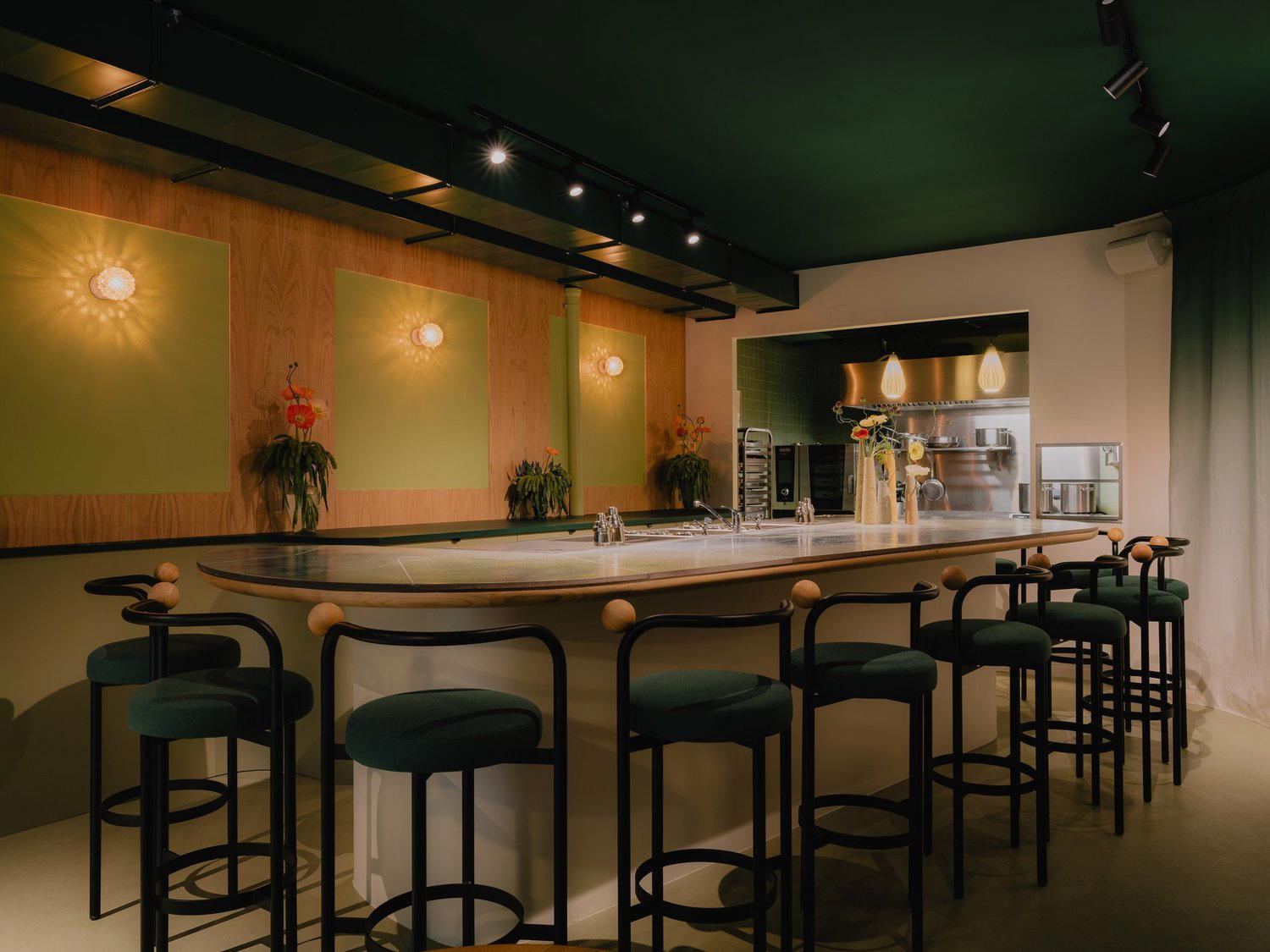
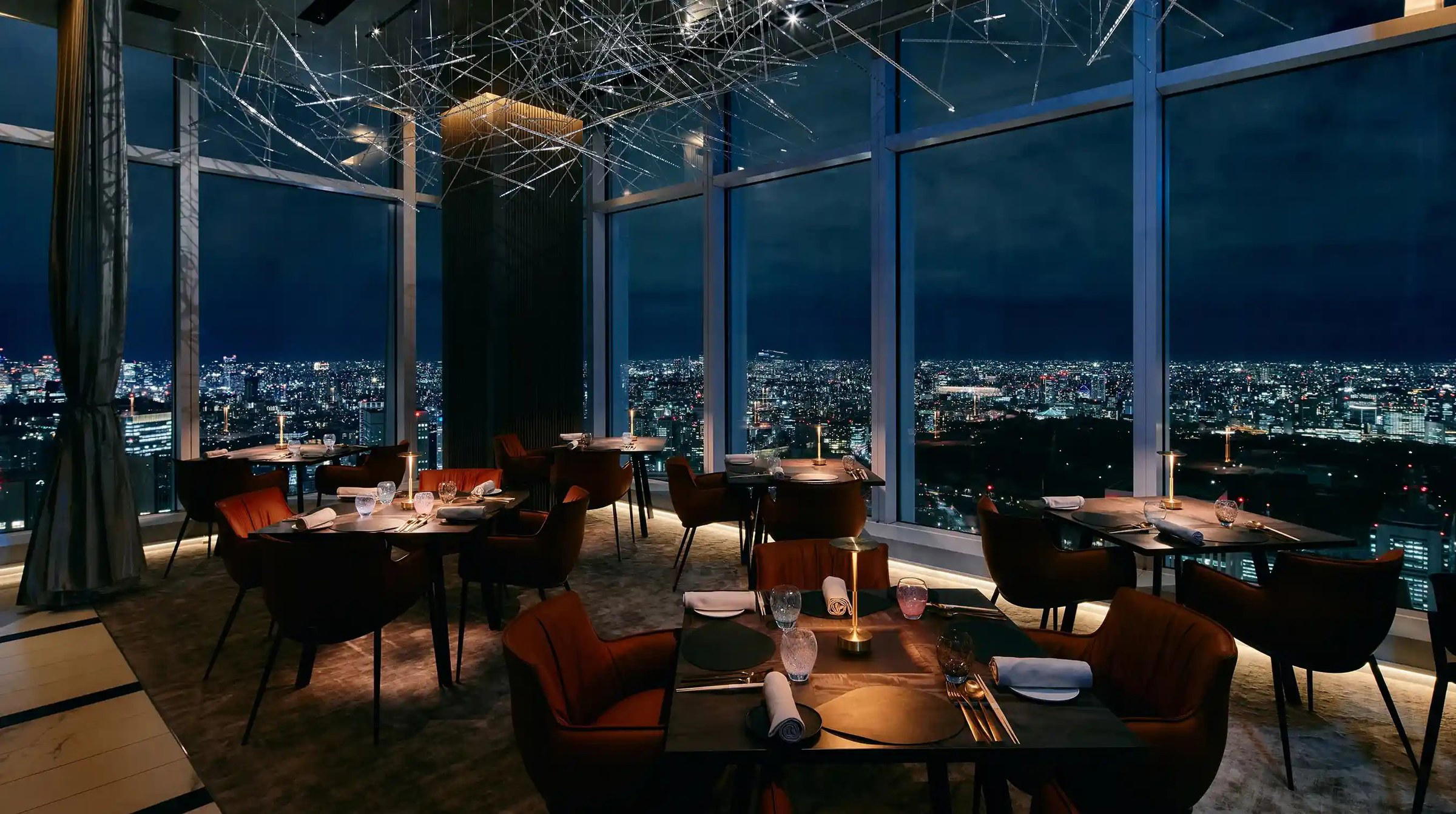
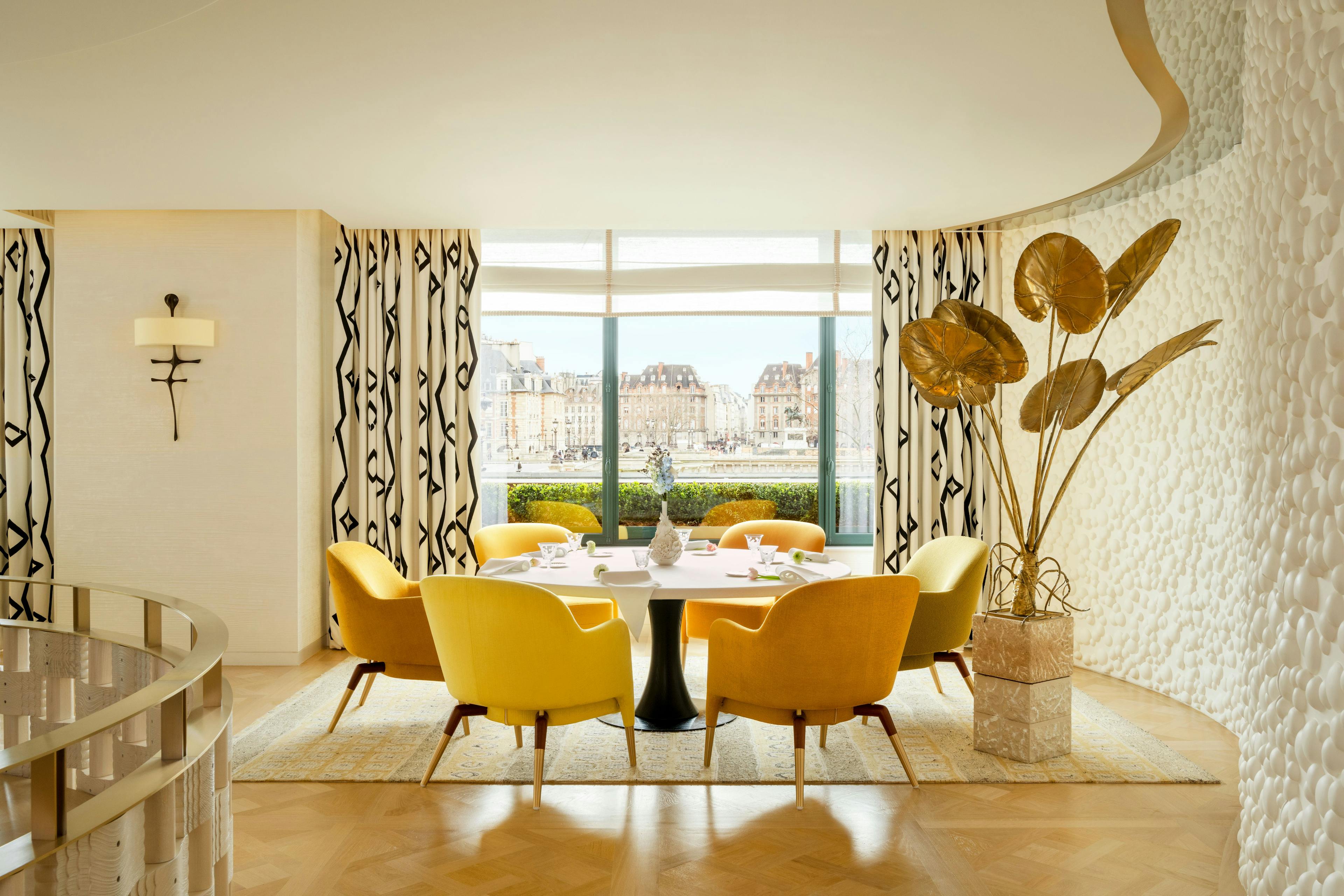
Bars in Paris
All bars in Paris →
Details
- Cozy
- Lively
- Date Night
- Group Dining
- Casual Hangout
- Open Kitchen
- Extensive Wine List
- Local Sourcing
- A La Carte
- Small Plates
- Vegetarian Friendly
- Vegan Options
- Gluten Free Options
- Halal
Current opening hours
- Monday
- 10:30 AM–11 PM
- Tuesday
- 12–11 PM
- Wednesday
- 10:30 AM–11 PM
- Thursday
- 10:30 AM–11 PM
- Friday
- 10:30 AM–12 AM
- Saturday
- 10:30 AM–12 AM
- Sunday
- 10:30 AM–11 PM
Hours can change for holidays and private events. Hours as of .
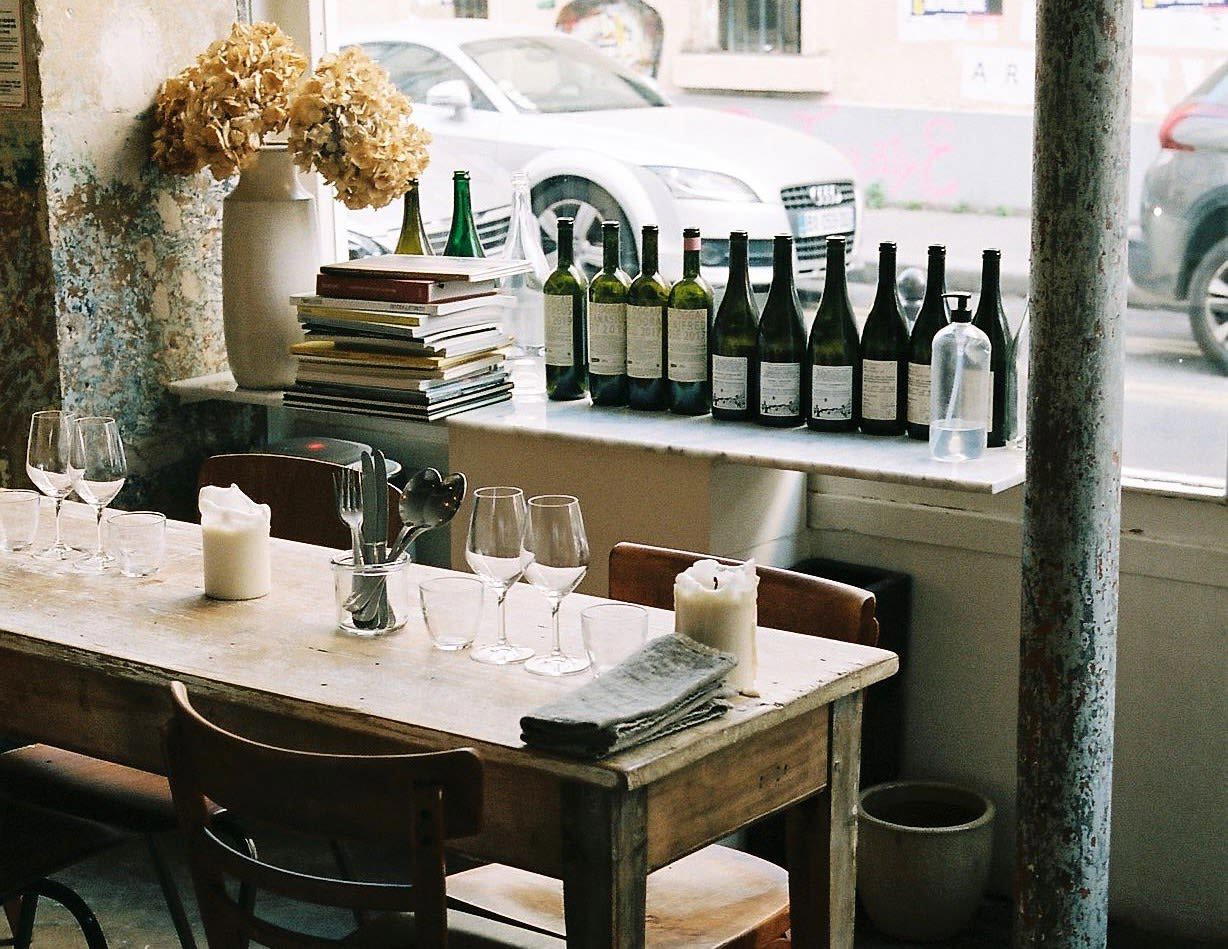
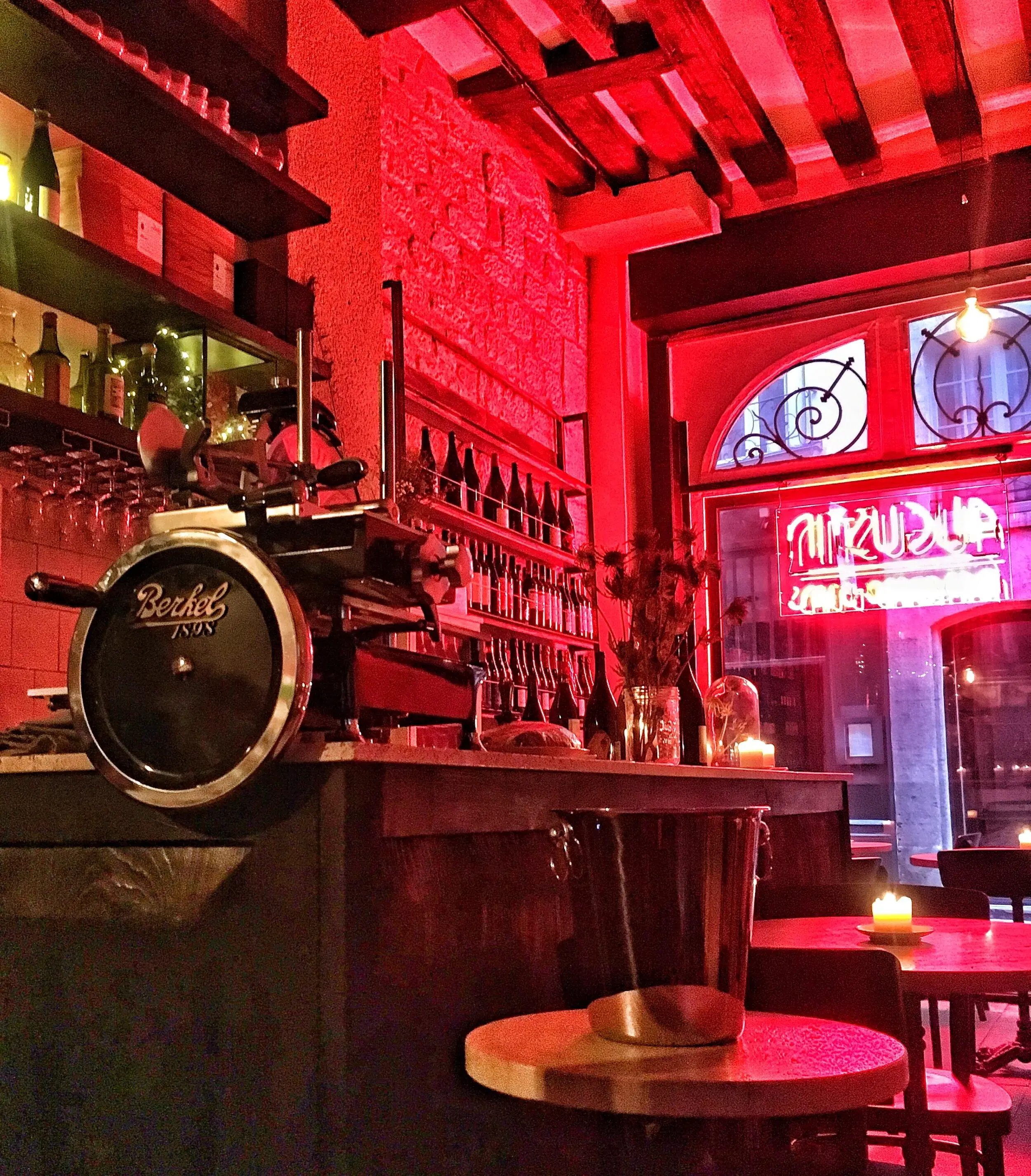
Chaleureux cadre with high ceilings, plenty of room, good atmosphere though a little noisy per reviews.