Restaurant Chesa
A dining address on Promenada 18 in the Alpine village of Flims, Restaurant Chesa sits within a Swiss mountain dining scene that rewards kitchens drawing on local produce and seasonal rhythms. Graubünden's larder, from valley-floor vegetables to high-pasture dairy, shapes what ends up on the plate here, placing Chesa in the ingredient-led tradition that defines the region's most considered restaurants.
Pearl is the En Primeur Club membership app — saves, bookings, and concierge access live there. Same editors, same standards.
- Address
- Promenada 18, 7018 Flims, Switzerland
- Phone
- +41819112338
- Website
- hotelchesa.ch
- Directions
- Get directions
 Saves & bookings on Pearl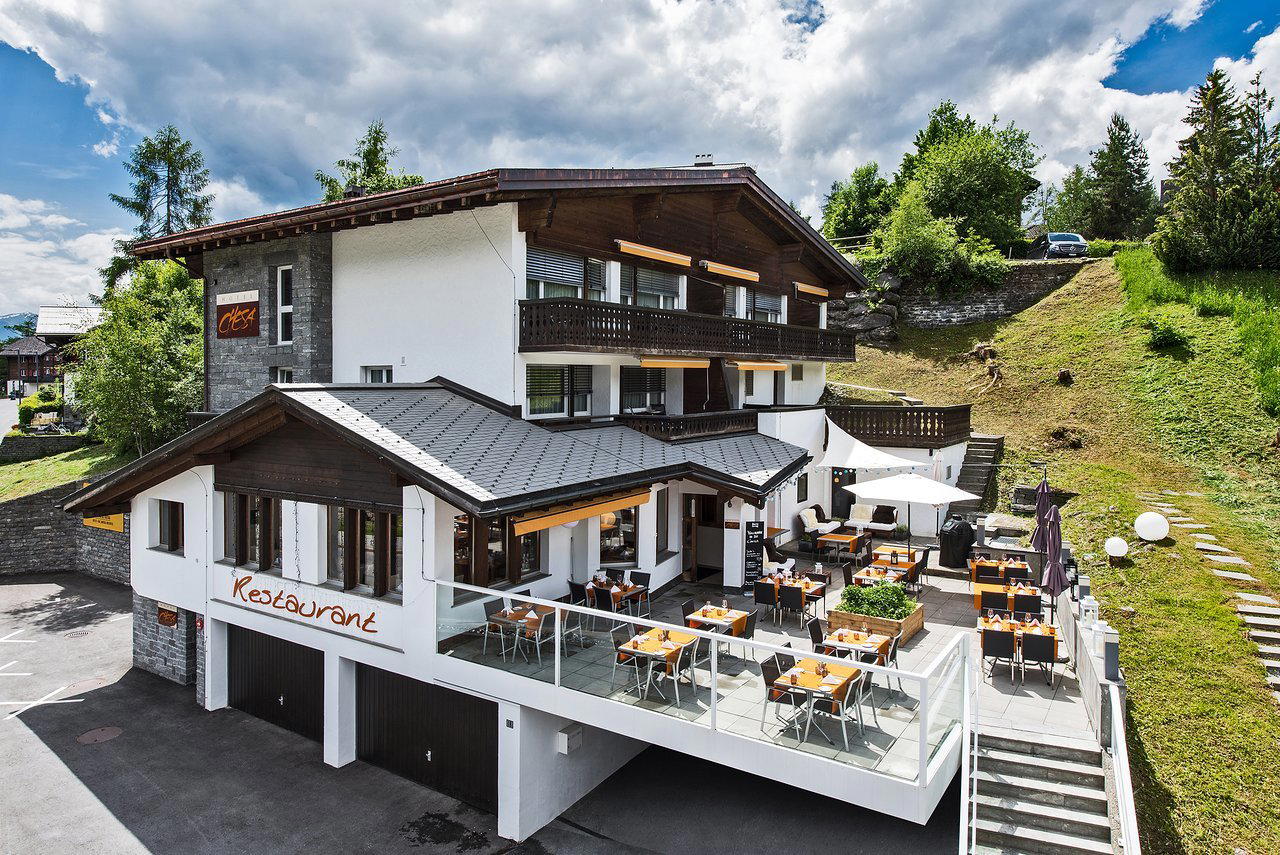
Where the Graubünden Larder Meets the Table
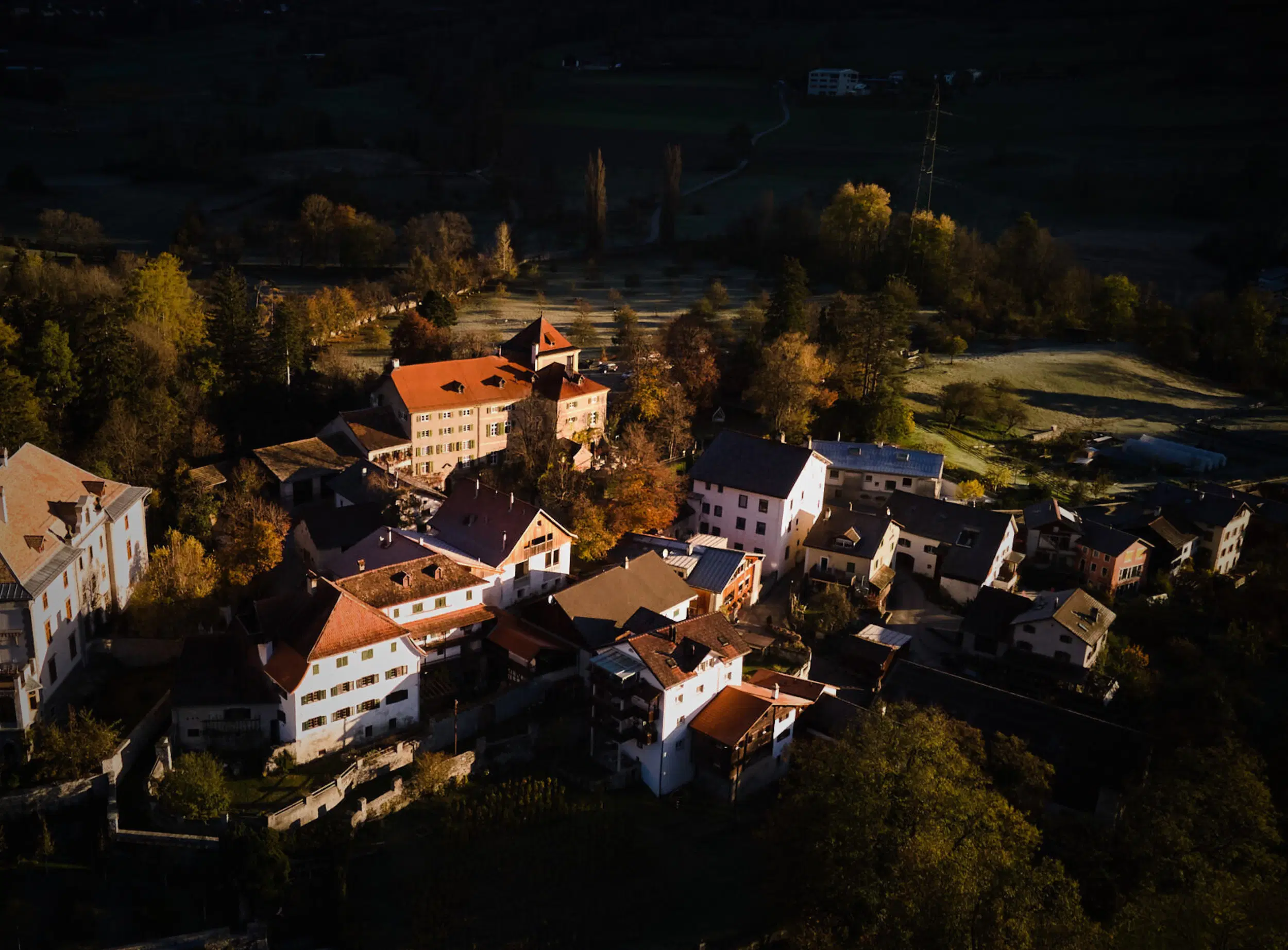
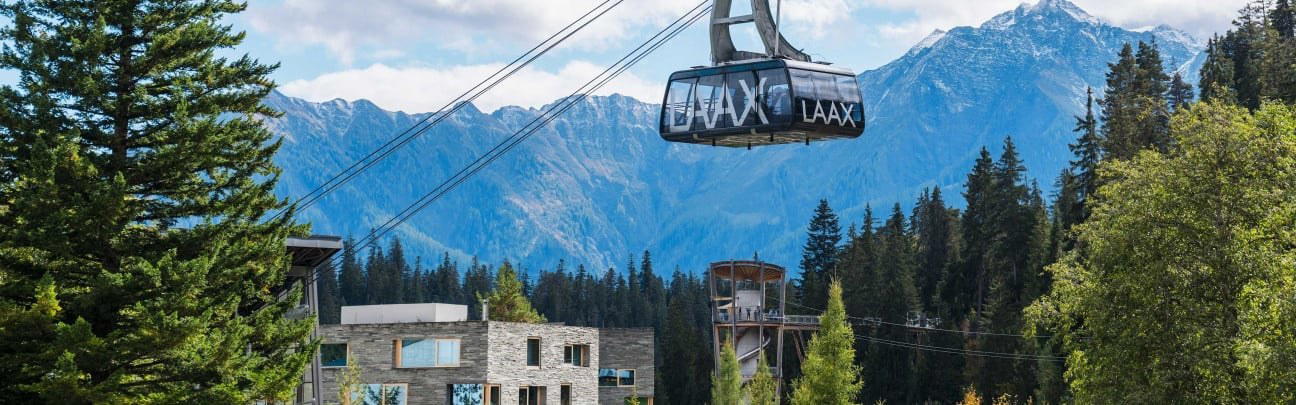
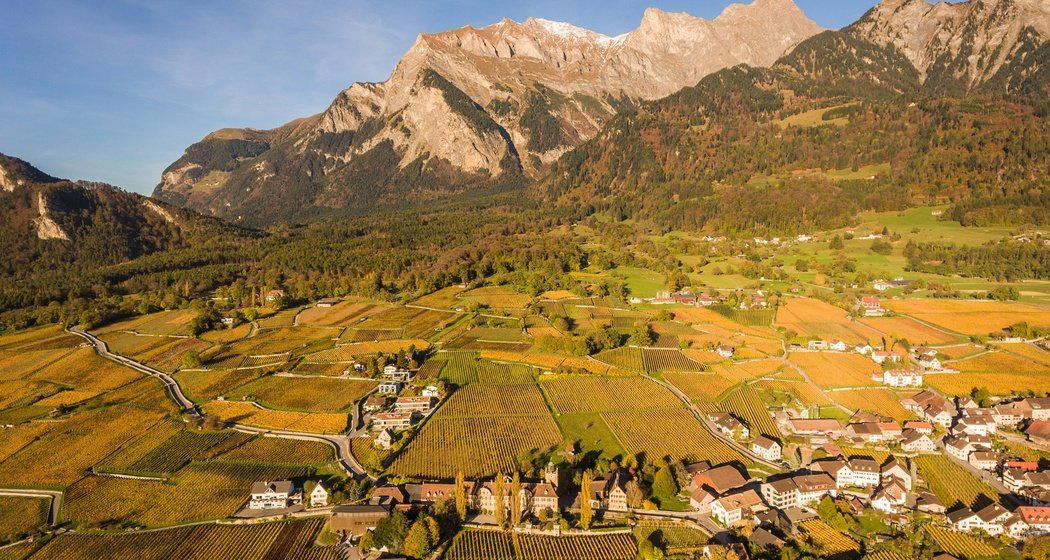
The road into Flims descends through a landscape that makes its culinary argument before you arrive anywhere. Spruce forests give way to open pasture, the Rhine Gorge cuts through limestone below, and the villages between Chur and the Laax ski area sit at an altitude where dairy cattle graze well into summer. This is Graubünden canton, Switzerland's largest and most geographically varied, and its produce has long underpinned the cooking at addresses like Restaurant Chesa on Promenada 18 in the centre of Flims. The name itself, in Romansh, means simply "house" — the local language's shorthand for somewhere you eat, gather, and stay close to what the land provides.
Alpine dining has shifted considerably over the past two decades. Where mountain restaurants once defaulted to a formula of fondue, rösti, and cured meats as the full extent of their seasonal ambition, a younger generation of Graubünden kitchens now reads the regional larder more carefully: highland cheeses, river trout, foraged herbs from the forest edge, and the short-season vegetables that the valley floor produces between snowmelt and first frost. Restaurant Chesa sits in a village that has enough restaurant infrastructure to generate real comparison — Adula, Cavigilli, and Schweizerhof Flims all occupy their own positions in the local dining mix, which means any address here earns its audience through a specific point of difference rather than by default proximity to the slopes.
The Ingredient Logic of High-Altitude Cooking
The sourcing argument in Alpine Switzerland is not merely a marketing posture. It is a practical consequence of geography. Flims sits at roughly 1,100 metres, with limited road logistics for imported produce during winter months and a summer growing season compressed into weeks rather than months. Kitchens that work with this constraint well end up building menus around what is genuinely available and at its peak, rather than what a broader supply chain makes possible year-round. The result is a style of cooking that reads, on the plate, as restrained and precise, not because restraint is a philosophy but because a short-season carrot or a local Bergkäse needs less done to it.
Graubünden's dairy tradition in particular gives local kitchens a resource that restaurants elsewhere pay a premium to access. The canton's alpine cheeses, aged in village cellars, and the fresh dairy products from cooperative farms in the Rhine Valley provide both cooking fats and finished ingredients that do not need to travel far. This is the same sourcing logic that has shaped more widely recognised Swiss addresses: Schloss Schauenstein in Fürstenau, which holds three Michelin stars and draws on its own kitchen garden in the Domleschg valley, represents the apex of this approach in the canton. The principle scales down the price and formality ladder without losing its integrity, and that is where addresses in Flims operate.
Flims in the Broader Swiss Dining Picture
Switzerland's fine dining conversation tends to cluster around a handful of urban and destination addresses: Hotel de Ville Crissier in Crissier, Cheval Blanc by Peter Knogl in Basel, IGNIV Zürich by Andreas Caminada, and Memories in Bad Ragaz. Mountain destinations, by contrast, generate a different kind of dining energy, one less oriented toward tasting-menu formalism and more toward the meal as an extension of place. The Graubünden resort corridor, which stretches from Flims-Laax through Davos and down toward St. Moritz, contains some of Switzerland's most location-specific cooking precisely because the alternative, generic Alpine comfort food, is so easy to produce and so easy to see through.
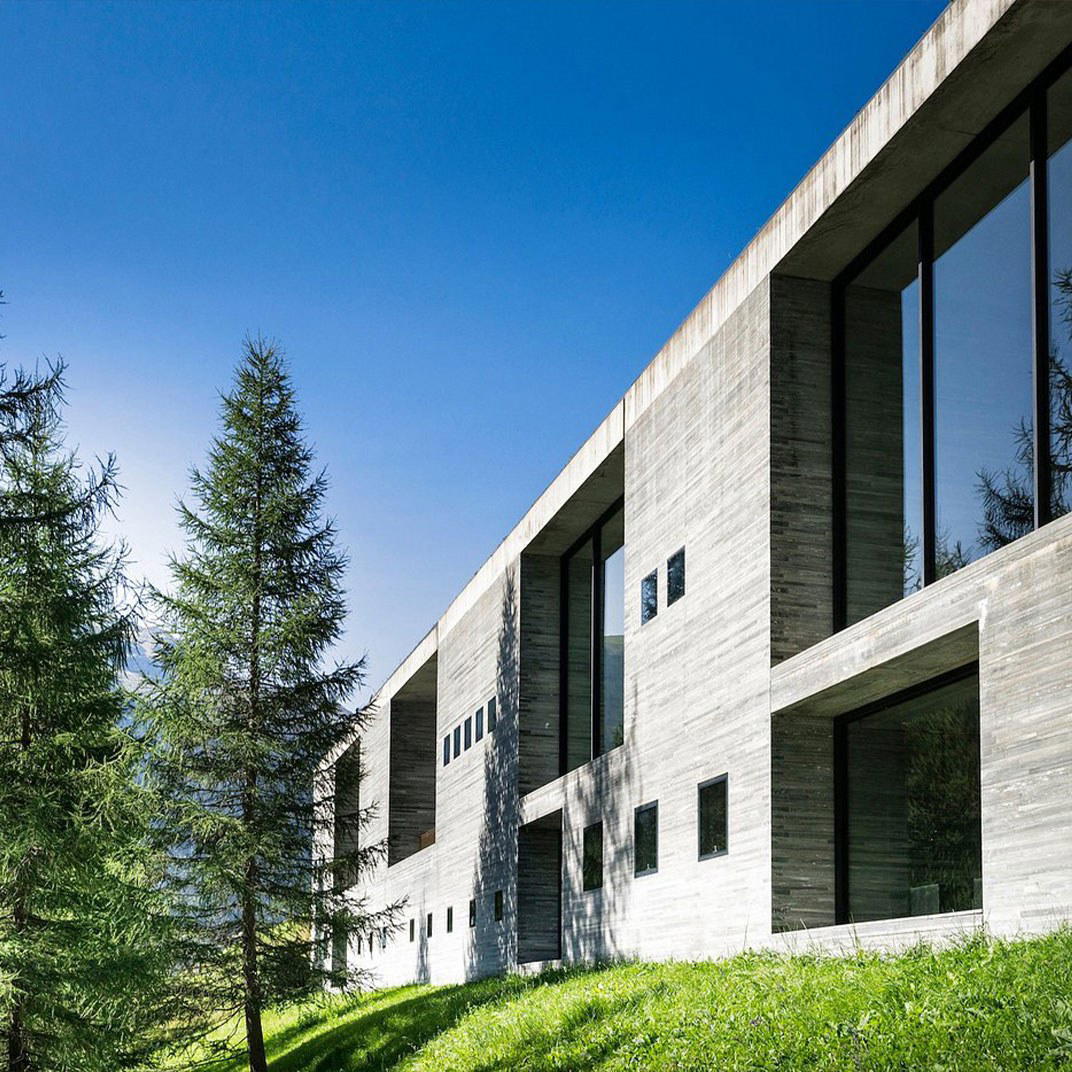
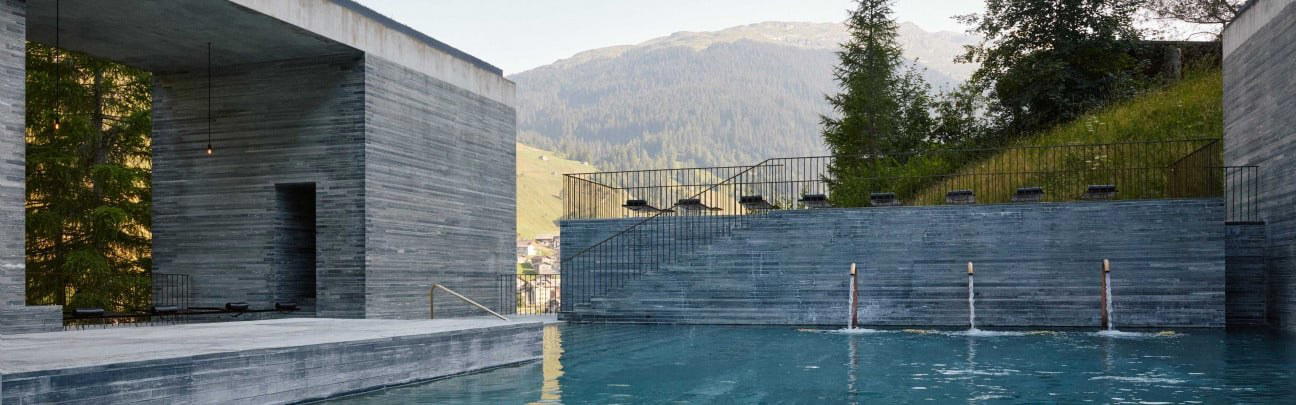
The Engadine and its surrounds produce a more internationally visible tier of resort dining: Da Vittorio in St. Moritz brings a Bergamo family's three-Michelin-star credentials into the resort market. Further west, 7132 Silver in Vals operates within the architecturally renowned Therme Vals complex. Flims, positioned at the gateway to the Rhine Gorge and within easy reach of Chur by road, occupies a slightly different register: a village with serious hiking and skiing infrastructure but without the marquee international hotel brands that drive restaurant development in St. Moritz or Davos. That positioning tends to favour kitchens that earn loyalty from repeat visitors rather than from one-night destination diners, and it shapes the kind of cooking worth looking for here.
Planning a Meal at Restaurant Chesa
Restaurant Chesa is at Promenada 18 in central Flims, walkable from the main village and positioned on the pedestrian promenade that runs through the resort area. Flims is connected to Chur, the cantonal capital, by a 30-minute drive or a bus connection from Laax/Flims, making it accessible as a day or evening excursion from the wider region. Given the seasonal rhythm of Alpine resorts, the kitchen's sourcing and menu character will read differently in peak winter (December to March) than in summer (June to September), when the valley's growing season is active. Contact details for the restaurant are not currently listed through EP Club's database, so confirming current hours and reservation availability directly before your visit is advisable, particularly during shoulder seasons when opening schedules can vary by week.
For a broader picture of where Chesa sits among Flims dining options, the full Flims restaurants guide maps the village's full range across categories and price points. Readers exploring the Swiss Alpine dining circuit more widely will find relevant comparisons at focus ATELIER in Vitznau, Colonnade in Lucerne, Einstein Gourmet in Sankt Gallen, La Brezza in Ascona, and, for those benchmarking against international standards, Le Bernardin in New York City and Atomix in New York City for technique-driven reference points and L'Atelier Robuchon in Geneva for the Swiss end of the French-classical spectrum.

At a Glance
- Cozy
- Rustic
- Scenic
- Special Occasion
- Family
- Terrace
- Panoramic View
- Hotel Restaurant
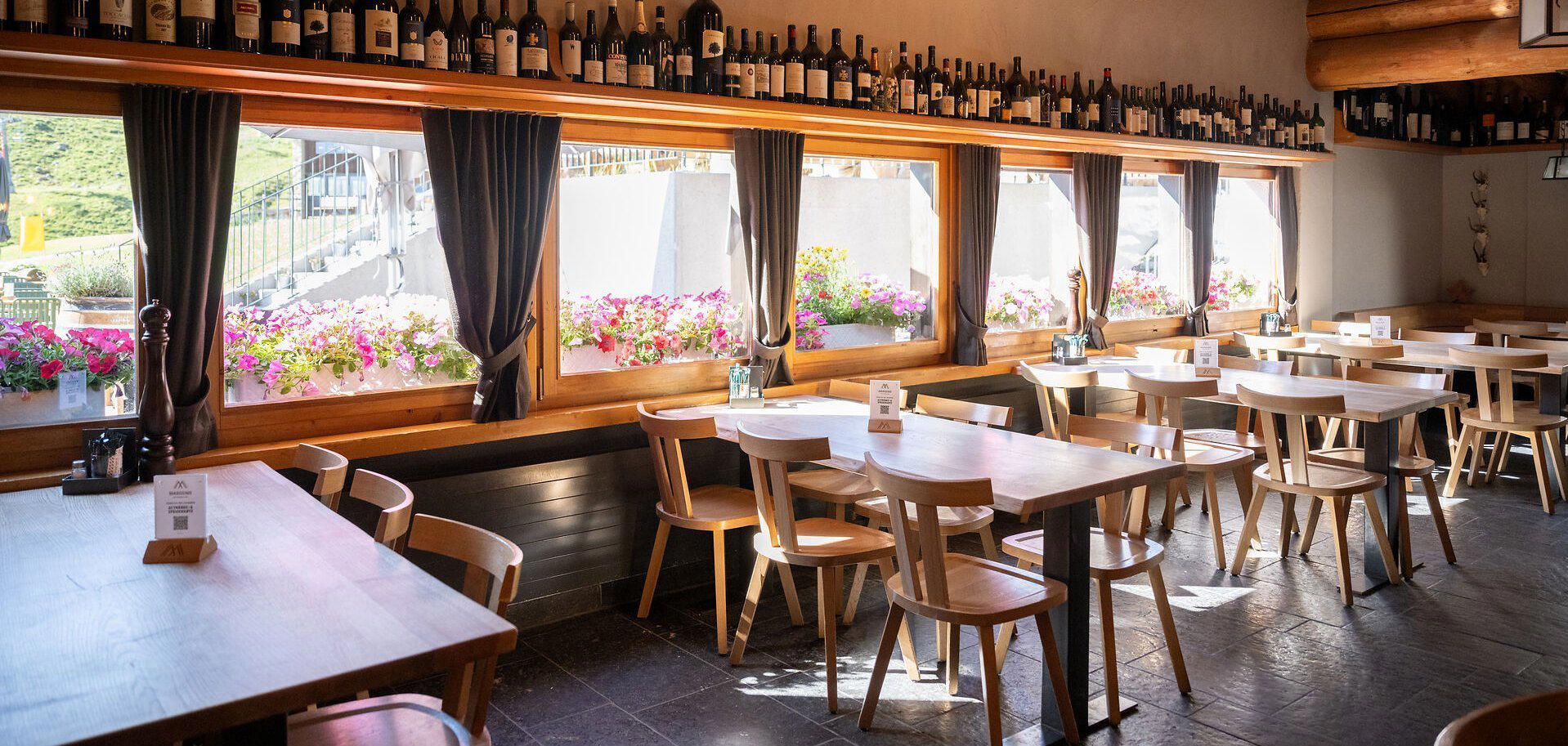
- Extensive Wine List
- Local Sourcing
- Mountain
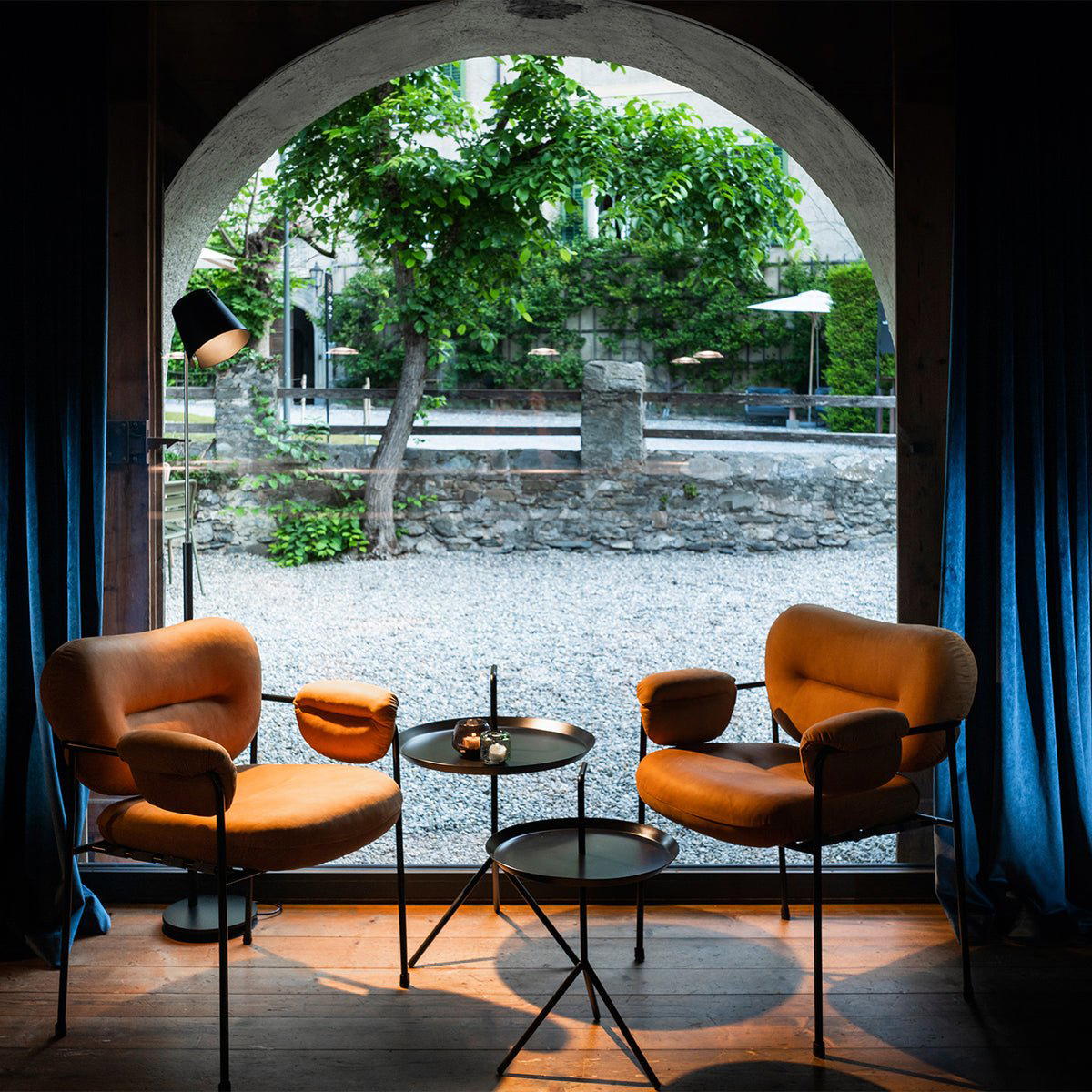
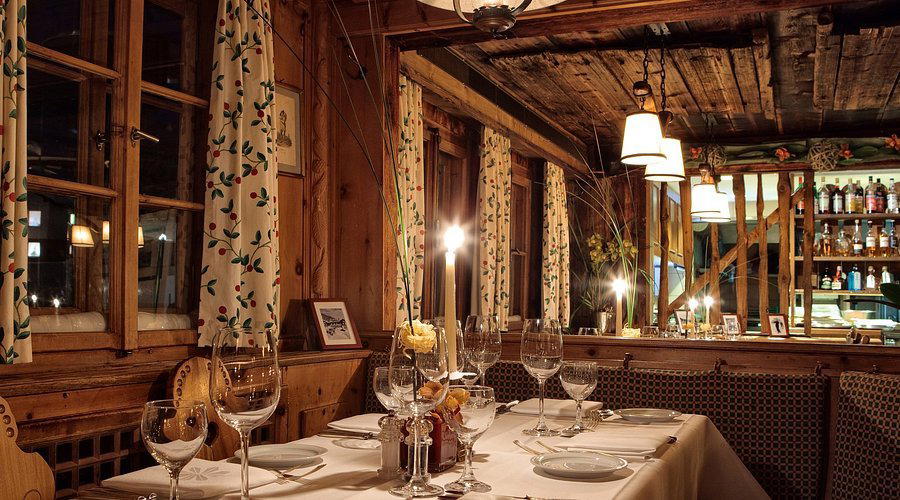
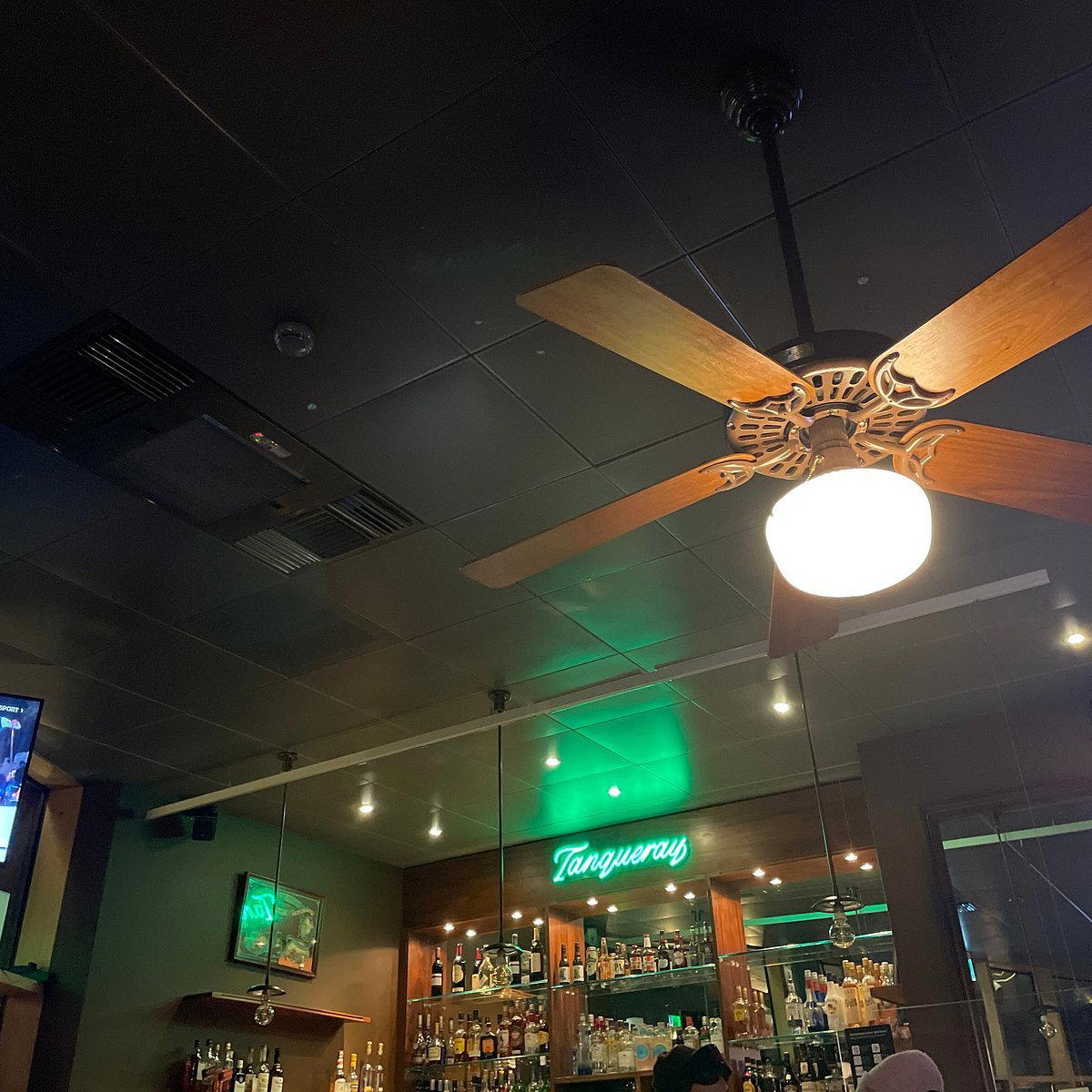
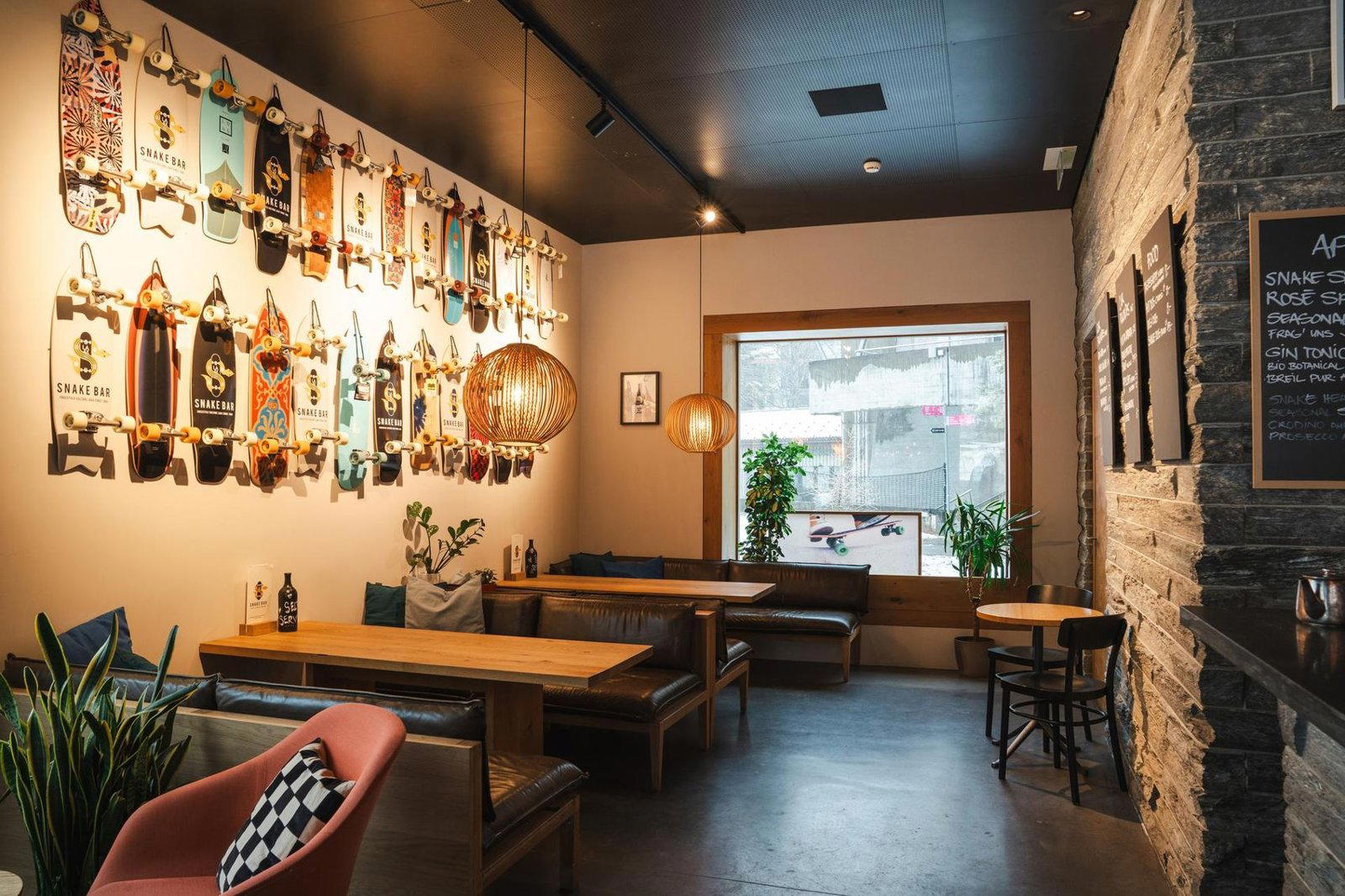
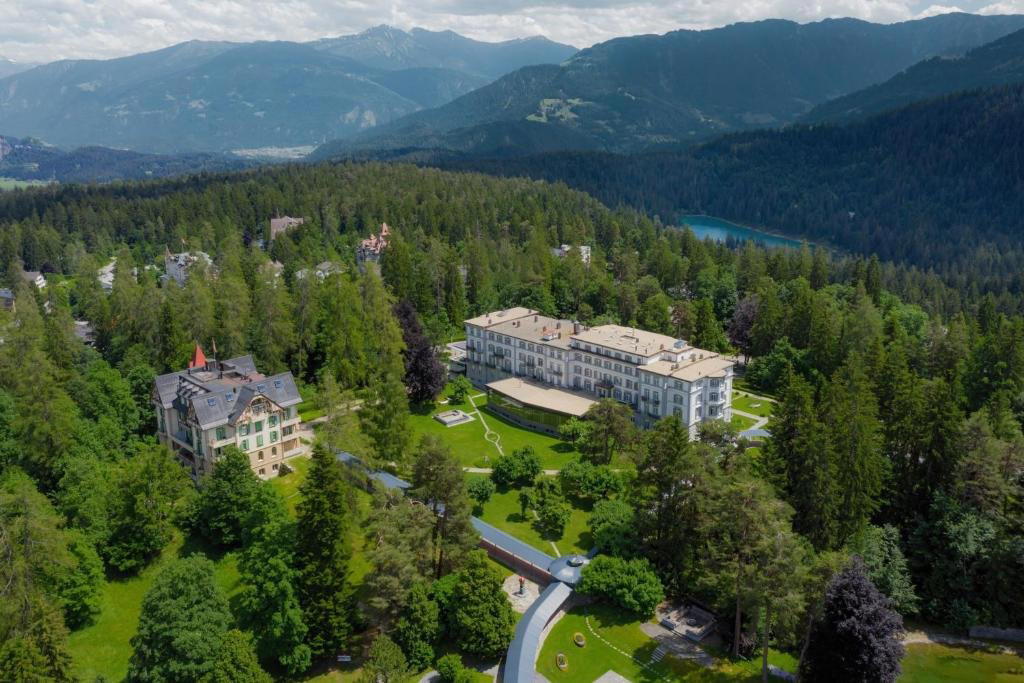
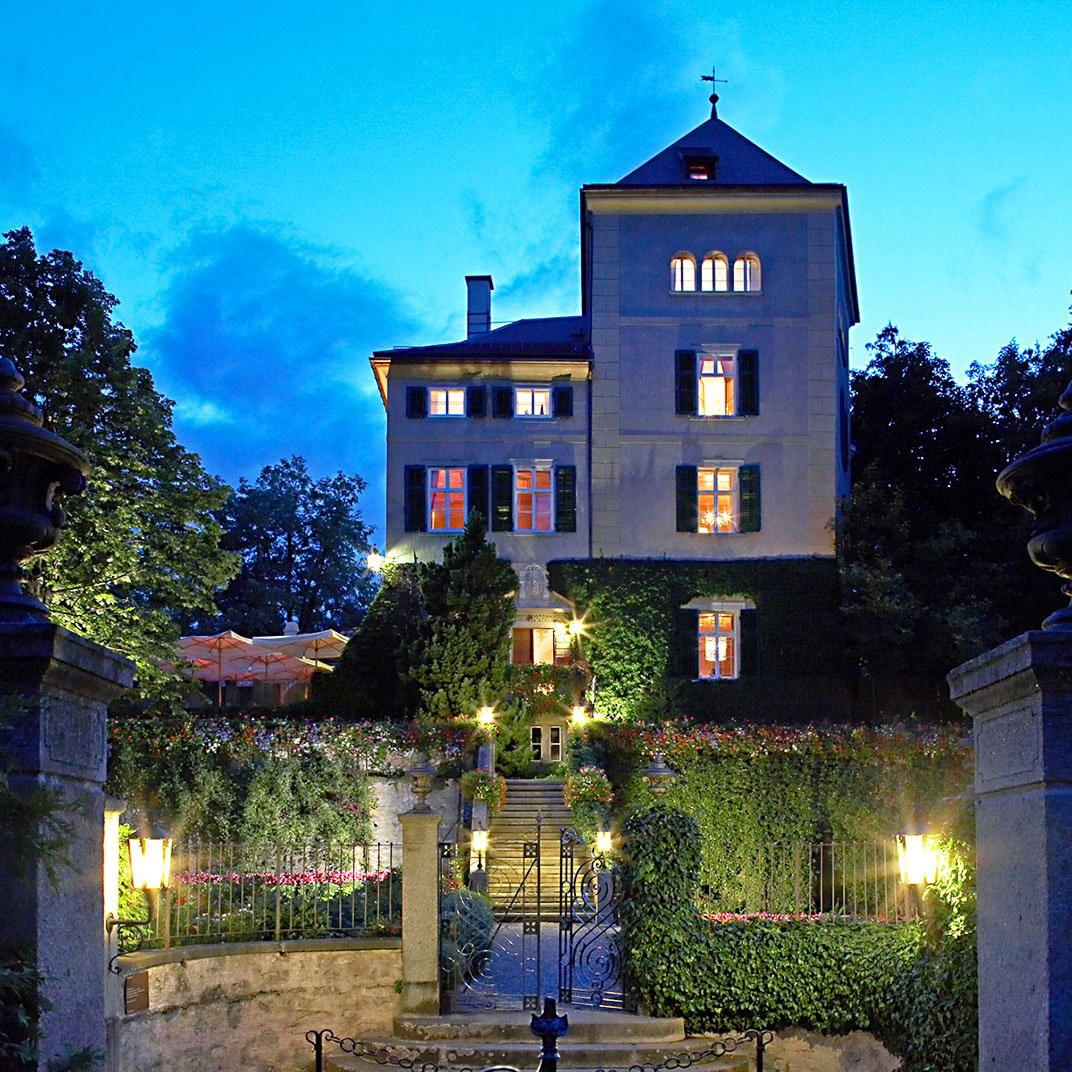
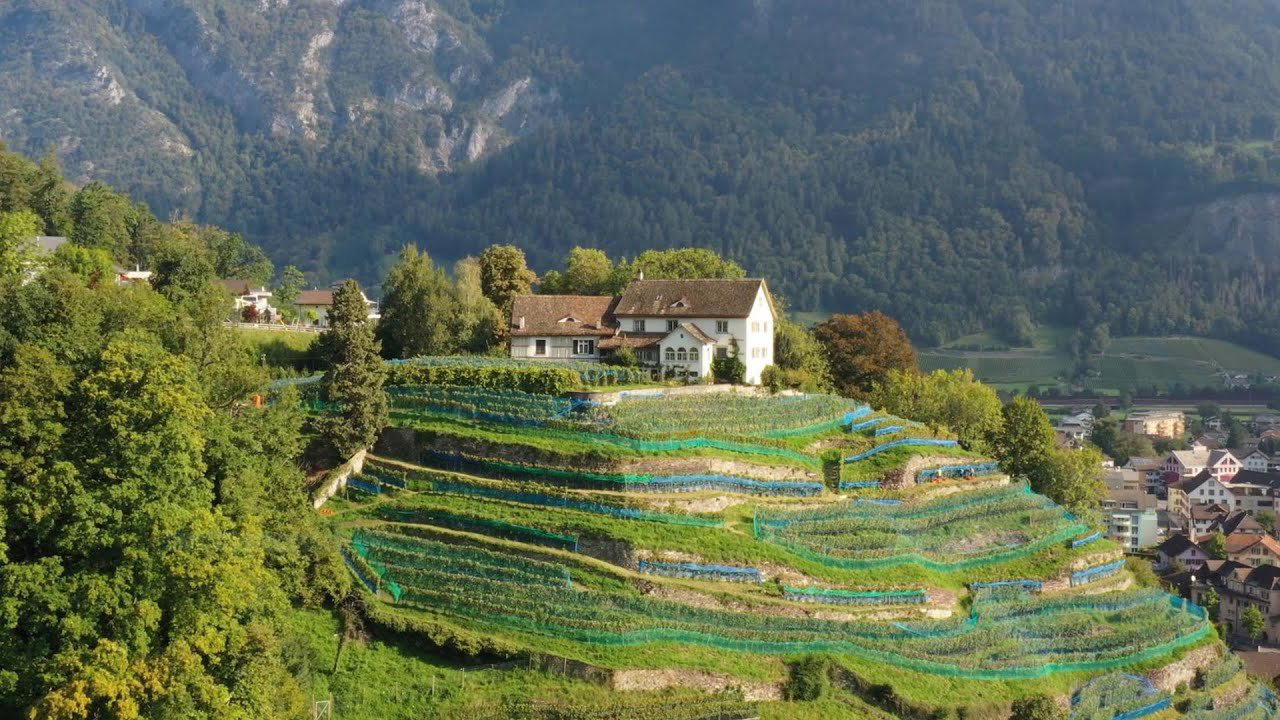
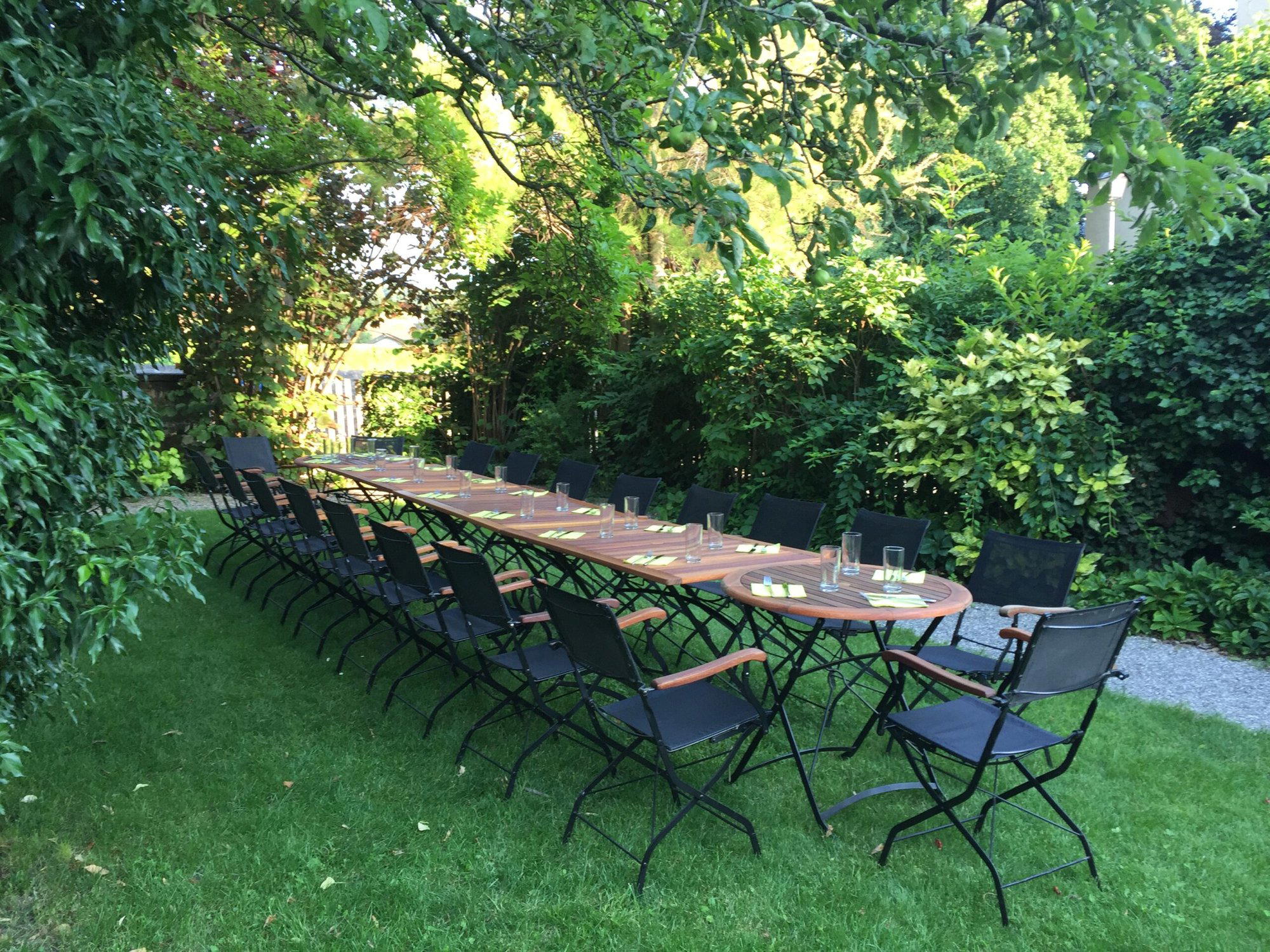
Cozy and bright atmosphere with warm hospitality and a sun-kissed terrace offering splendid mountain views.
Know Before You Go
- Getting there
- Promenada 18, 7018 Flims, Switzerland