Adula
Adula sits in Flims at Via Sorts Sut 3, a village in the Surselva valley where the Alps shape both the calendar and the larder. Dining here connects to a broader Swiss alpine tradition in which altitude, season, and proximity to source determine what appears on the plate. For context on the wider Flims dining scene, our full guide maps the options across price points and styles.
Pearl is the En Primeur Club membership app — saves, bookings, and concierge access live there. Same editors, same standards.
- Address
- Via Sorts Sut 3, 7018 Flims, Switzerland
- Phone
- +41819282828
- Website
- adula.ch
- Directions
- Get directions
 Saves & bookings on Pearl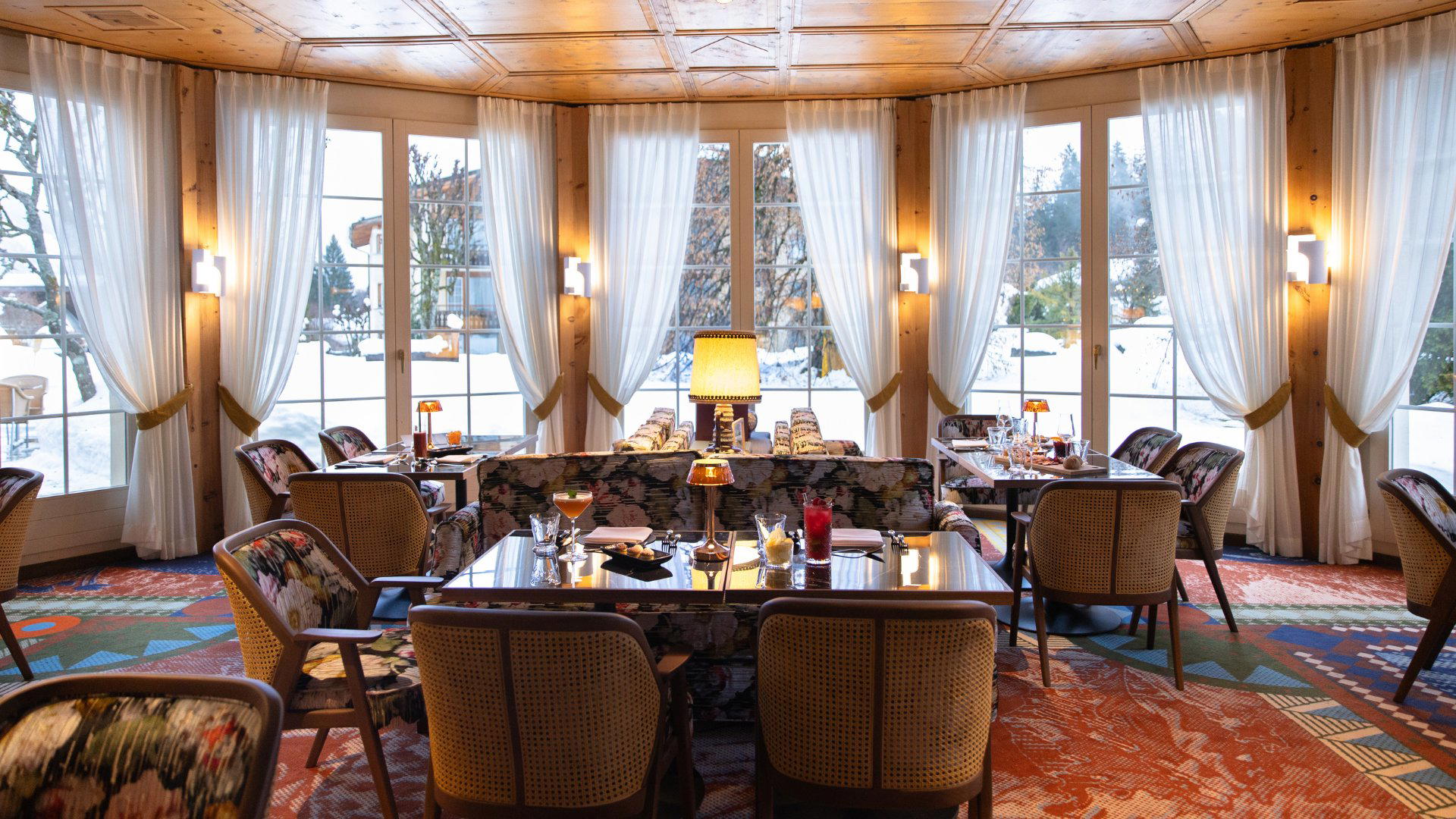
Where the Valley Determines the Menu
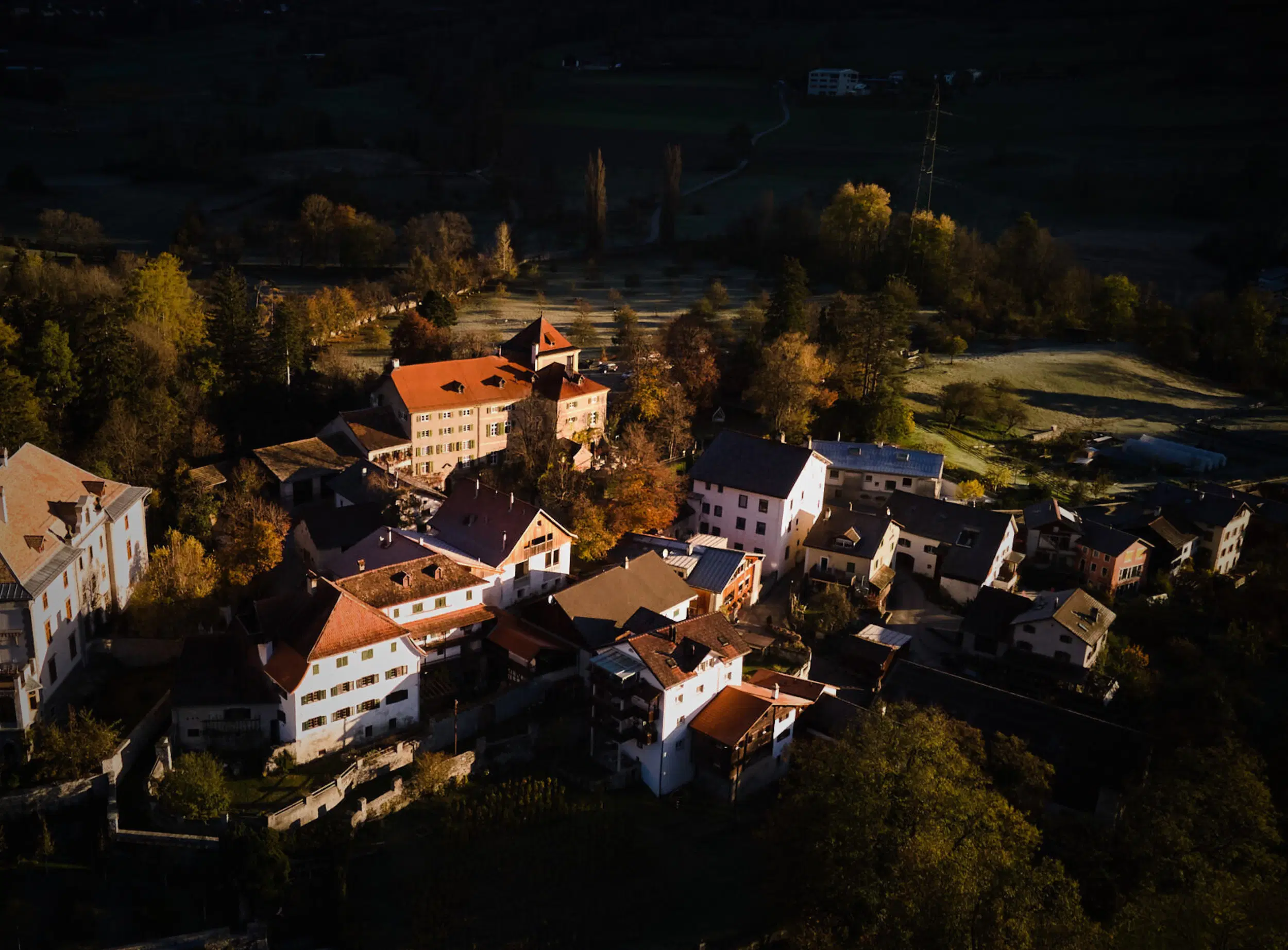
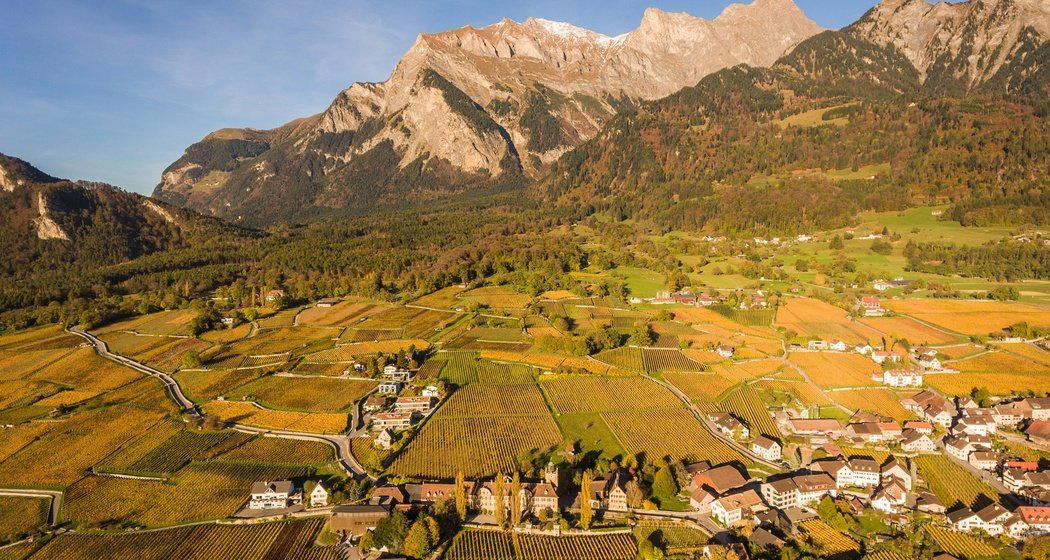
Approach Flims from the Rhine gorge — the Ruinaulta, carved by glacial meltwater over millennia — and the logic of alpine ingredient sourcing becomes self-evident before you reach the village. The Surselva valley sits at an elevation where the growing season compresses, livestock graze on mountain pasture rather than lowland feed, and the distance between field and kitchen shrinks to something a city restaurant could never replicate. Adula, at Via Sorts Sut 3 in Flims, occupies this context. The address alone places it within a village where the surrounding terrain is not backdrop but supply chain.
Swiss alpine dining has long operated on a sourcing logic that larger urban restaurants borrow in name but rarely match in practice. In Graubünden specifically, the canton that contains both Flims and the broader Surselva, producers of dairy, cured meats, and foraged goods operate at small scale across fragmented terrain. The shortest route from pasture to plate is, in most cases, a local one. That compression of supply chain is the central argument for eating in a place like Flims rather than importing the experience to a city dining room. Adula sits inside that argument.
Flims in the Context of Alpine Dining
Flims is a mountain resort with a dining scene that reflects two pressures: the international expectations of visitors arriving for skiing and hiking, and the local food culture of a Romansh-speaking valley with its own cured meats, grain traditions, and dairy practices. The result is a set of restaurants that range from casual après-ski formats to more considered table-service operations. Cavigilli anchors the accessible Swiss end at an €€ price point, while Schweizerhof Flims and Restaurant Chesa each represent different approaches to the hotel-dining format common in alpine resort towns. The full Flims restaurants guide maps the range across formats and budgets.
Within this scene, the question of ingredient provenance carries real weight. Graubünden's food identity is built on a few specific traditions: Bündnerfleisch (air-dried beef cured at altitude), Maluns (a potato-and-flour dish with deep rural roots), and a dairy culture shaped by transhumance grazing. Restaurants that engage seriously with these materials are doing something different from those that use regional branding as a marketing frame while sourcing conventionally. The gap between those two approaches is visible in what appears on the plate.
Switzerland's Broader Fine Dining Map
Flims sits within a country that has produced some of Europe's most rigorous fine dining, much of it oriented toward local sourcing and seasonal restraint. Schloss Schauenstein in Fürstenau has made Graubünden itself a reference point for destination dining, with its kitchen garden model setting a high bar for how alpine sourcing can underpin a serious tasting menu. Memories in Bad Ragaz and Einstein Gourmet in Sankt Gallen represent the Swiss German tradition of precision-led cooking anchored in regional produce. Further west, Hotel de Ville Crissier in Crissier and Maison Wenger in Le Noirmont hold the French-Swiss tradition at its most considered. In the mountain resort tier specifically, Da Vittorio in St. Moritz shows how international formats transplant into alpine settings, while Mammertsberg in Freidorf and focus ATELIER in Vitznau each pursue a more singular editorial vision.
Beyond Switzerland, the sourcing-first model that informs alpine dining has close parallels in formats that prioritise relationship with producers over menu spectacle. Lazy Bear in San Francisco built its reputation on the same logic of compressed supply chains and seasonal constraint. Le Bernardin in New York City demonstrates what rigorous sourcing discipline looks like when applied to a single protein category at the highest tier. In alpine dining, the version of that discipline is terrestrial rather than marine, but the underlying argument is the same: the quality of the source material is the cooking.
Planning Your Visit
Flims is accessible by train from Zurich via Chur, with the journey taking approximately two hours to Chur followed by a regional connection into the Surselva. The village itself is compact and most addresses are within walking distance of each other. Via Sorts Sut 3 places Adula within the Flims Dorf area, the older core of the village distinct from the more developed Flims Waldhaus zone popular with resort visitors. Seasonality matters here: Flims operates on a ski-season and summer-hiking calendar, and dining options, hours, and staffing levels shift accordingly. Visiting outside peak season, typically the shoulder months of May and October, means a quieter village but also reduced availability across the dining scene.
Comparable mountain-resort formats elsewhere in the Swiss Alps include La Table du Valrose in Rougemont and The Japanese Restaurant in Andermatt, both of which operate within resort contexts but pursue distinct culinary identities. The contrast between those venues and Flims's more locally-rooted options illustrates how alpine resort dining has diversified beyond the traditional Swiss-German comfort food format. Skin's in Lenzburg offers a useful reference for what Swiss-sourced, producer-focused dining looks like in a non-resort context.
| Venue | Cuisine | Price | Awards |
|---|---|---|---|
| AdulaThis venue — the venue you are viewing | This venue | Not listed | Not listed |
| Cavigilli | Swiss | €€ | Swiss, €€ |

At a Glance
- Elegant
- Lively
- Cozy
- Sophisticated
- Date Night
- Casual Hangout
- After Work
- Group Dining
- Celebration
- Terrace
- Open Kitchen
- Hotel Restaurant
- Live Music
- Craft Cocktails
- Local Sourcing
- Mountain
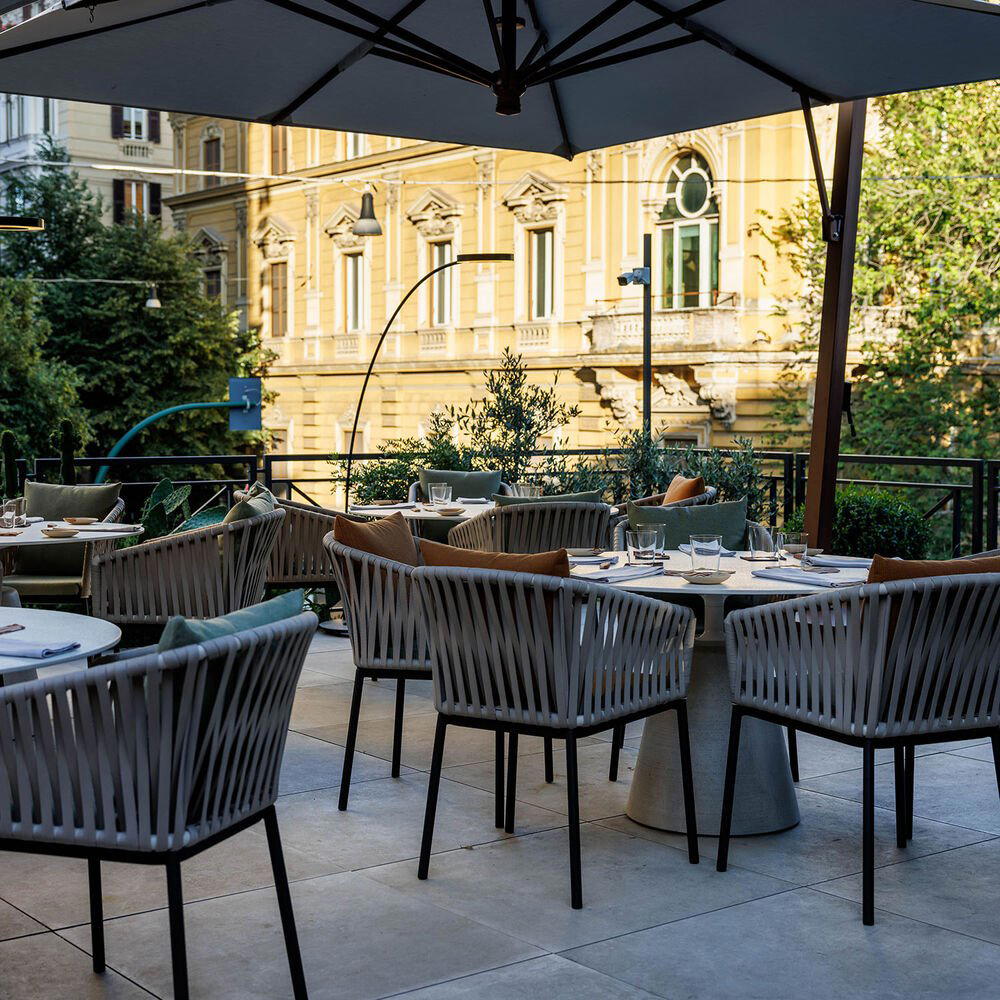
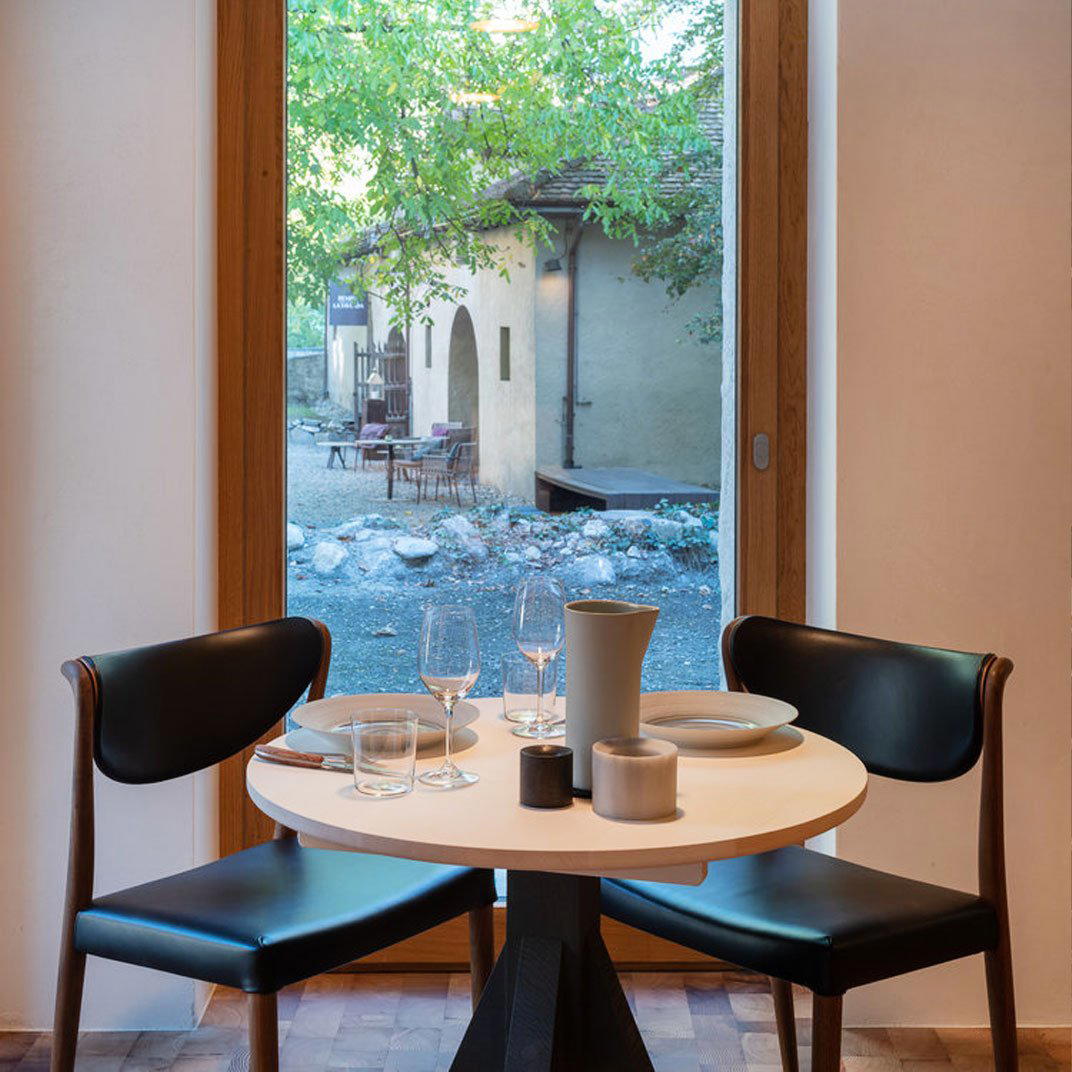
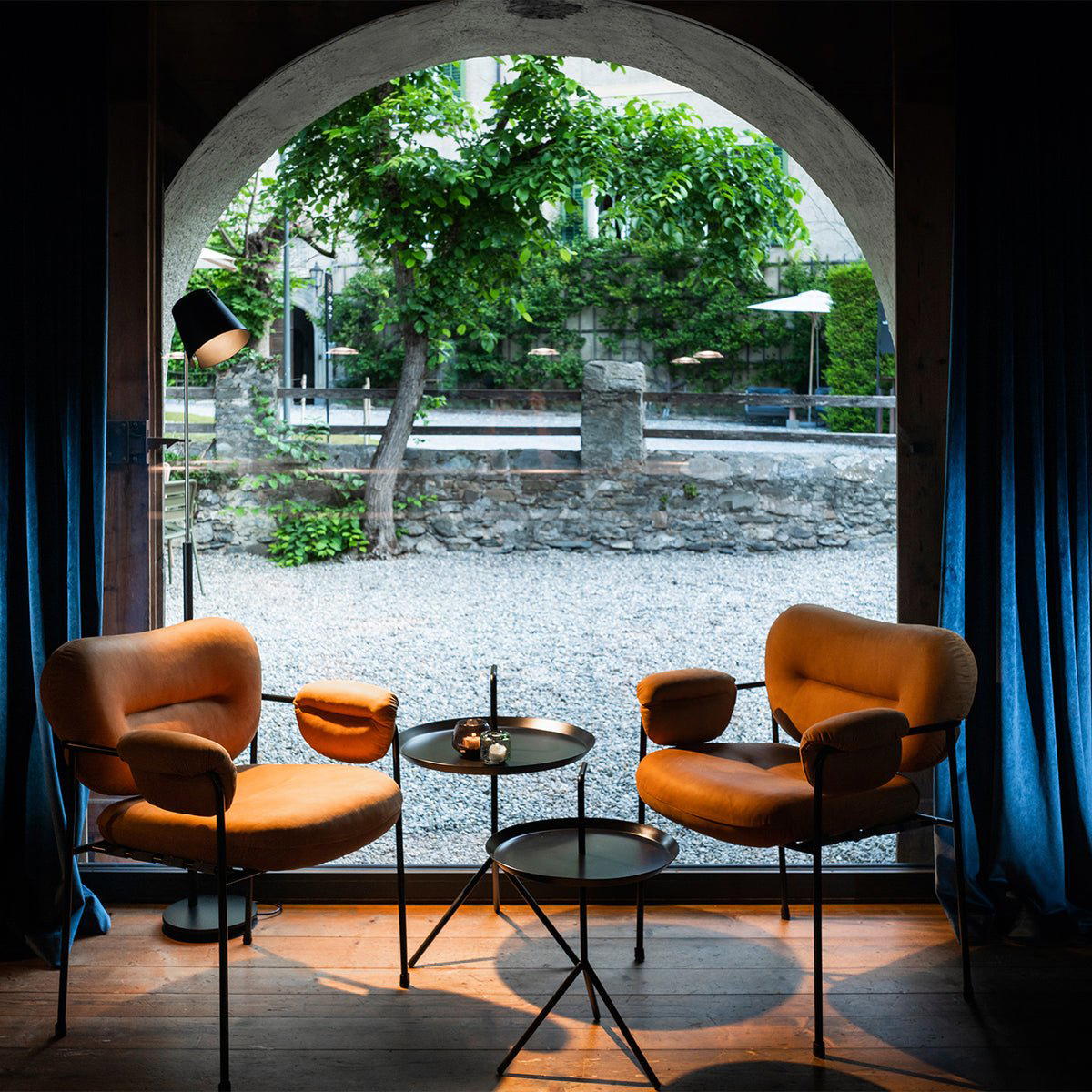
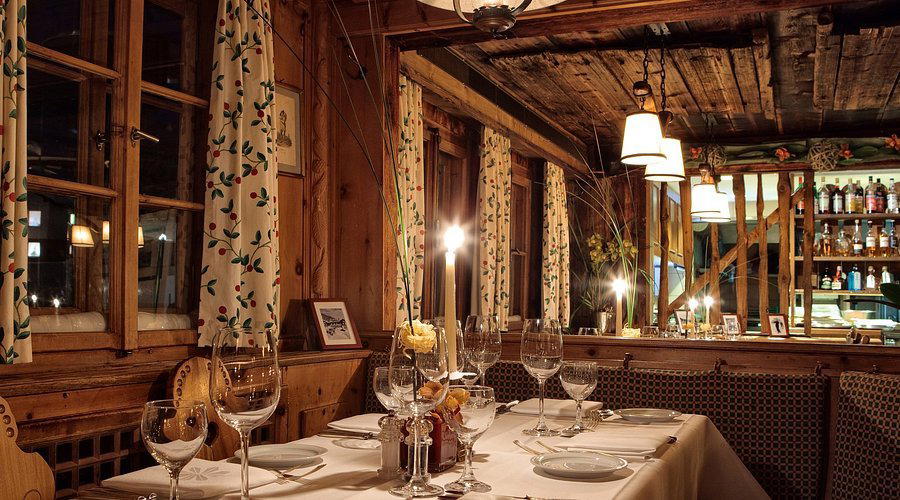
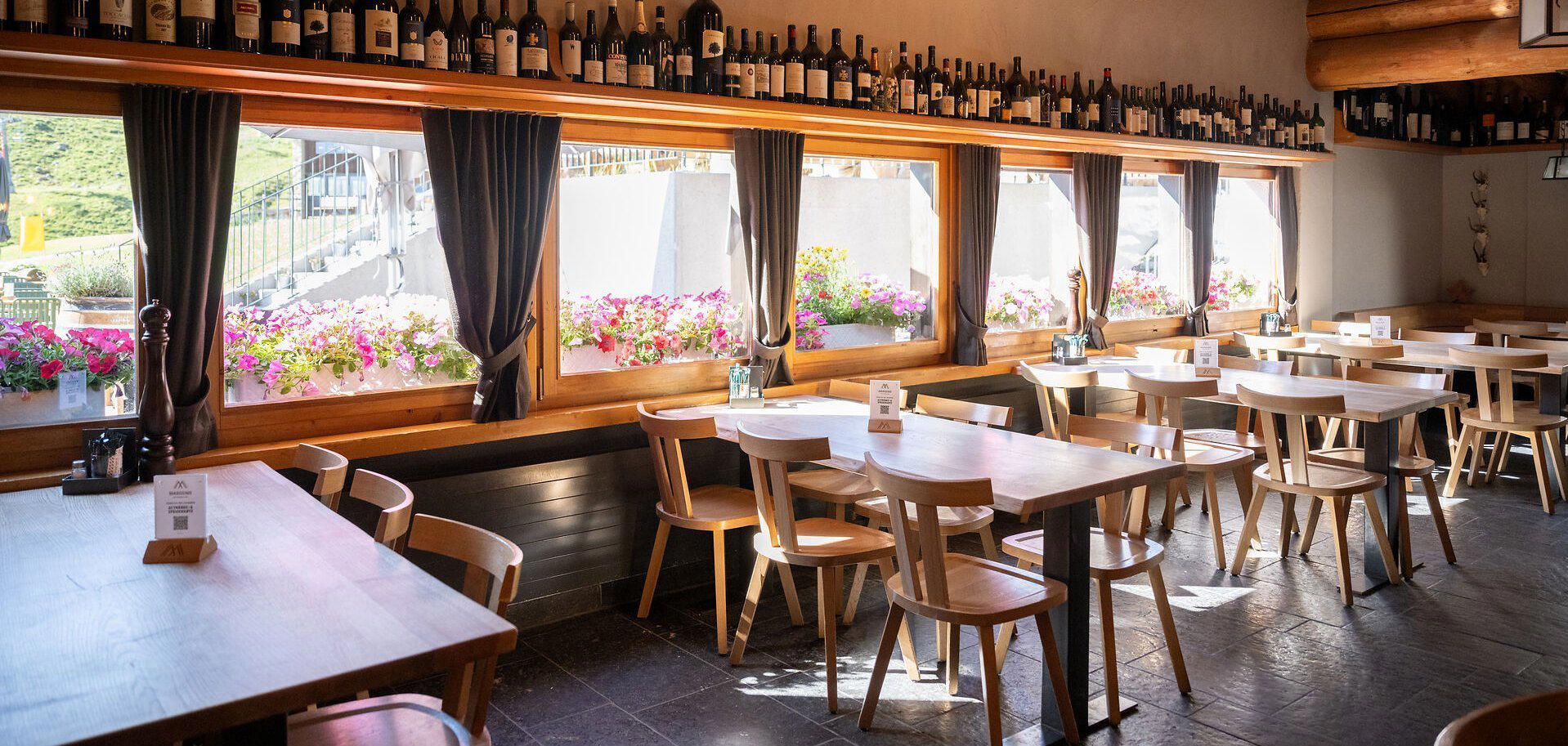
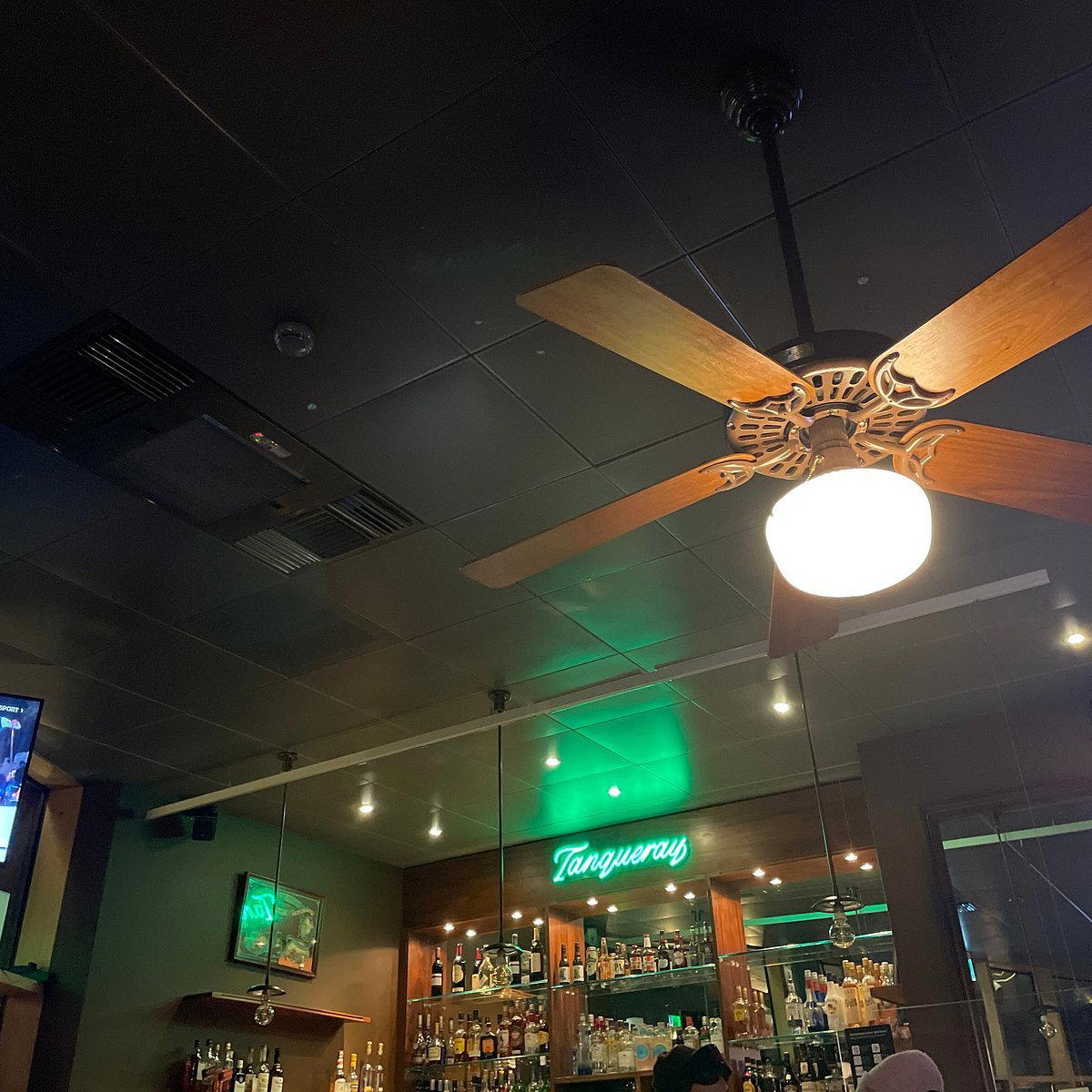
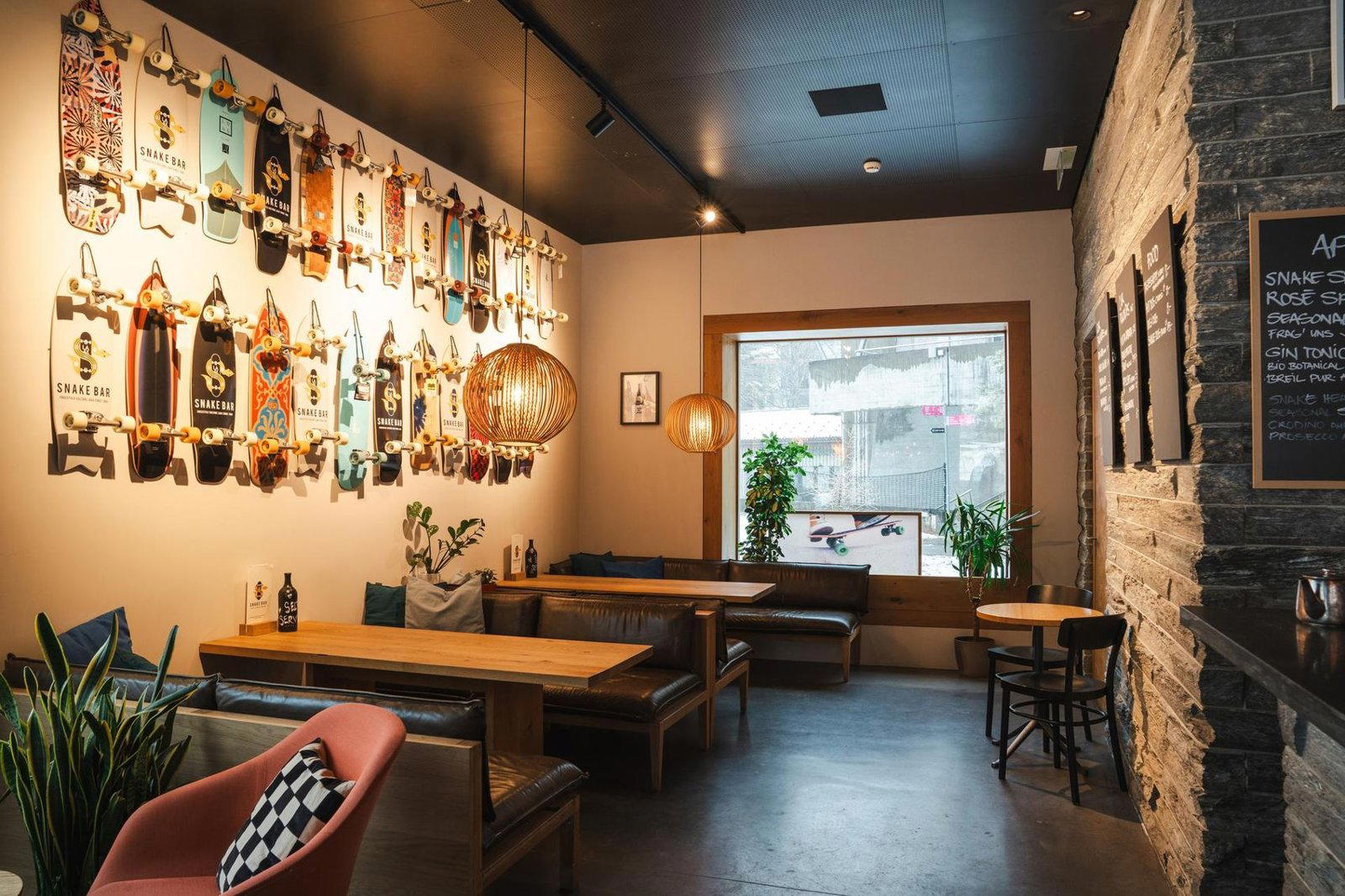
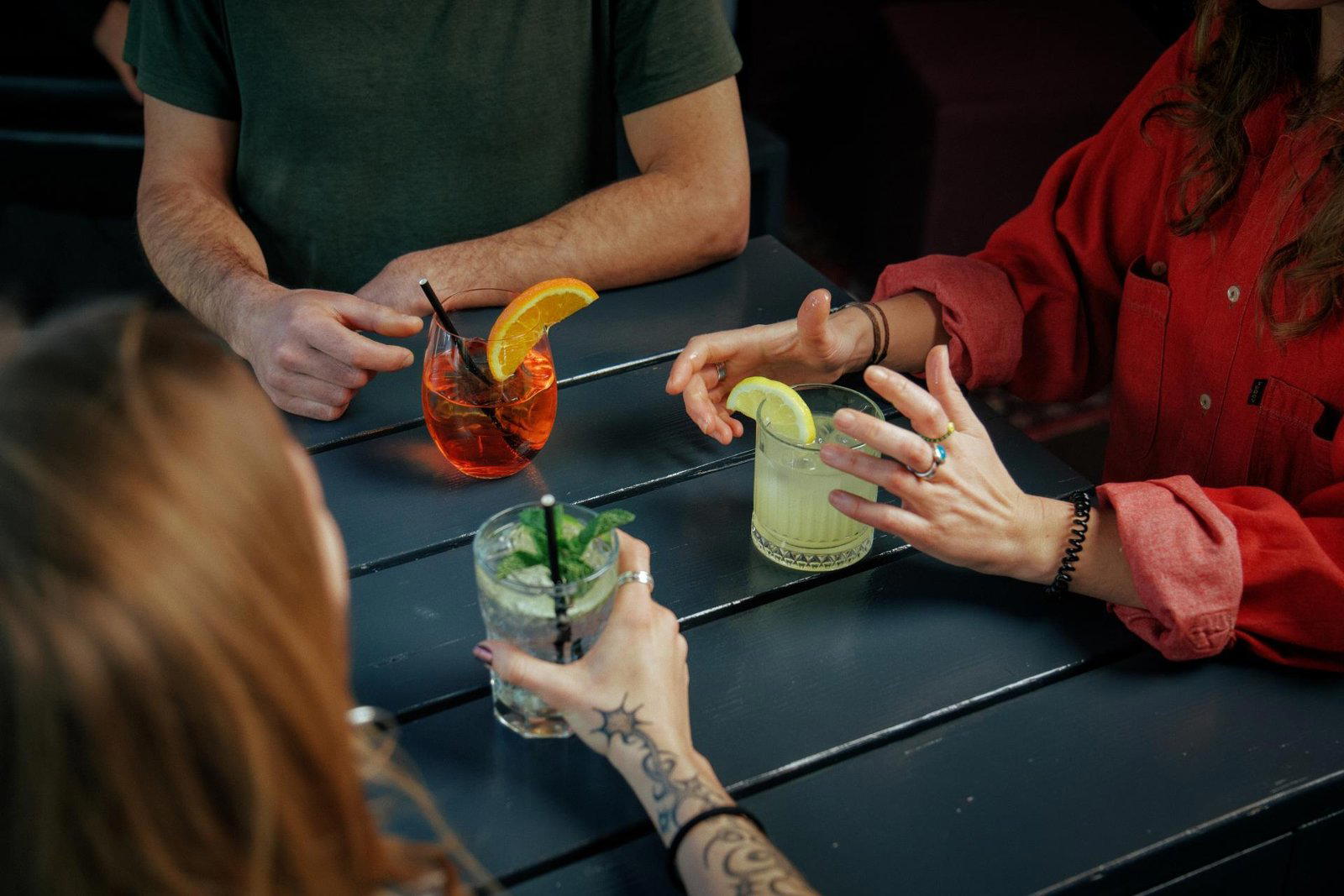
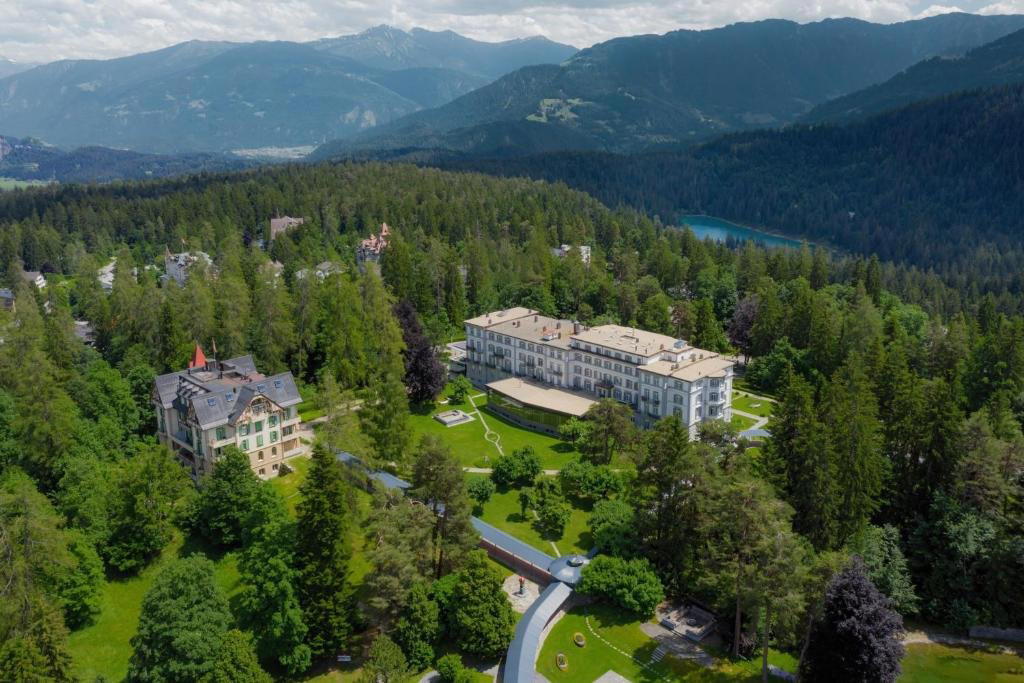
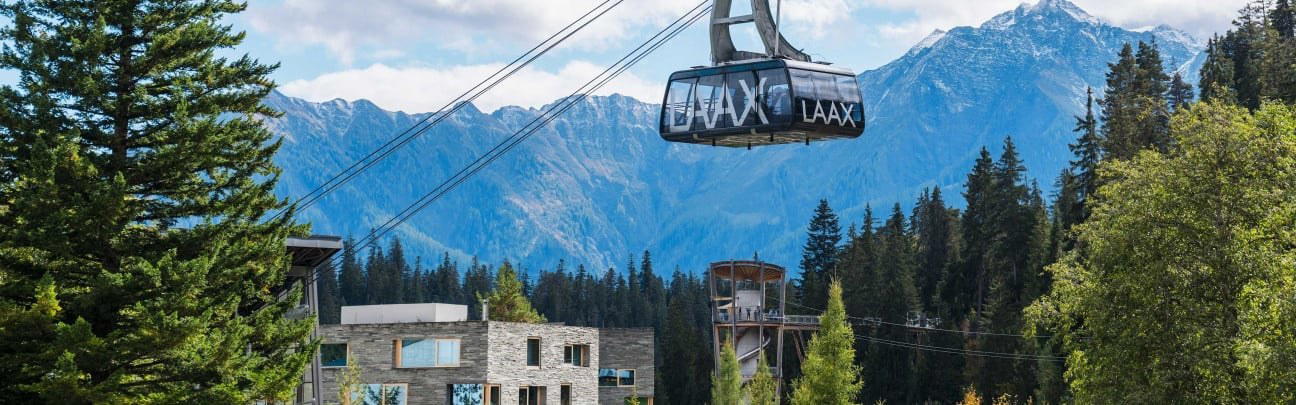
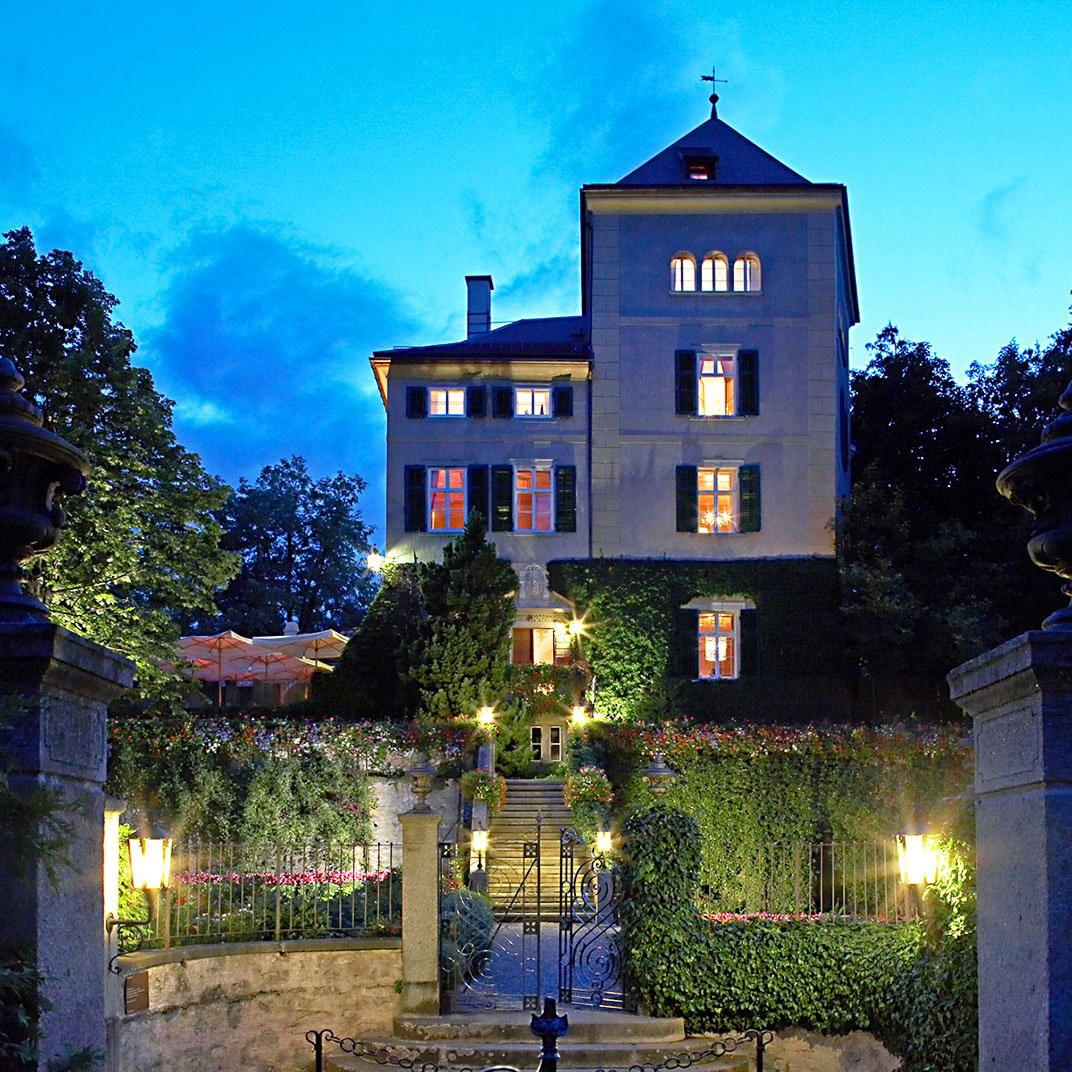
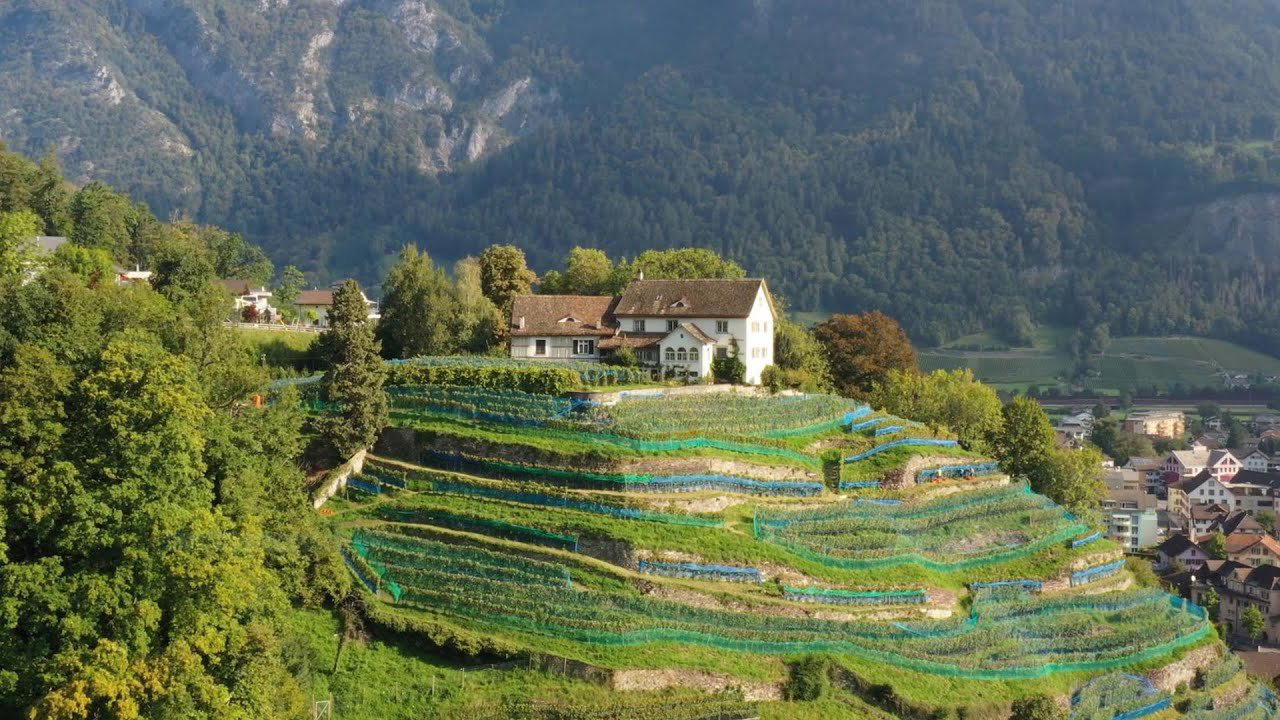
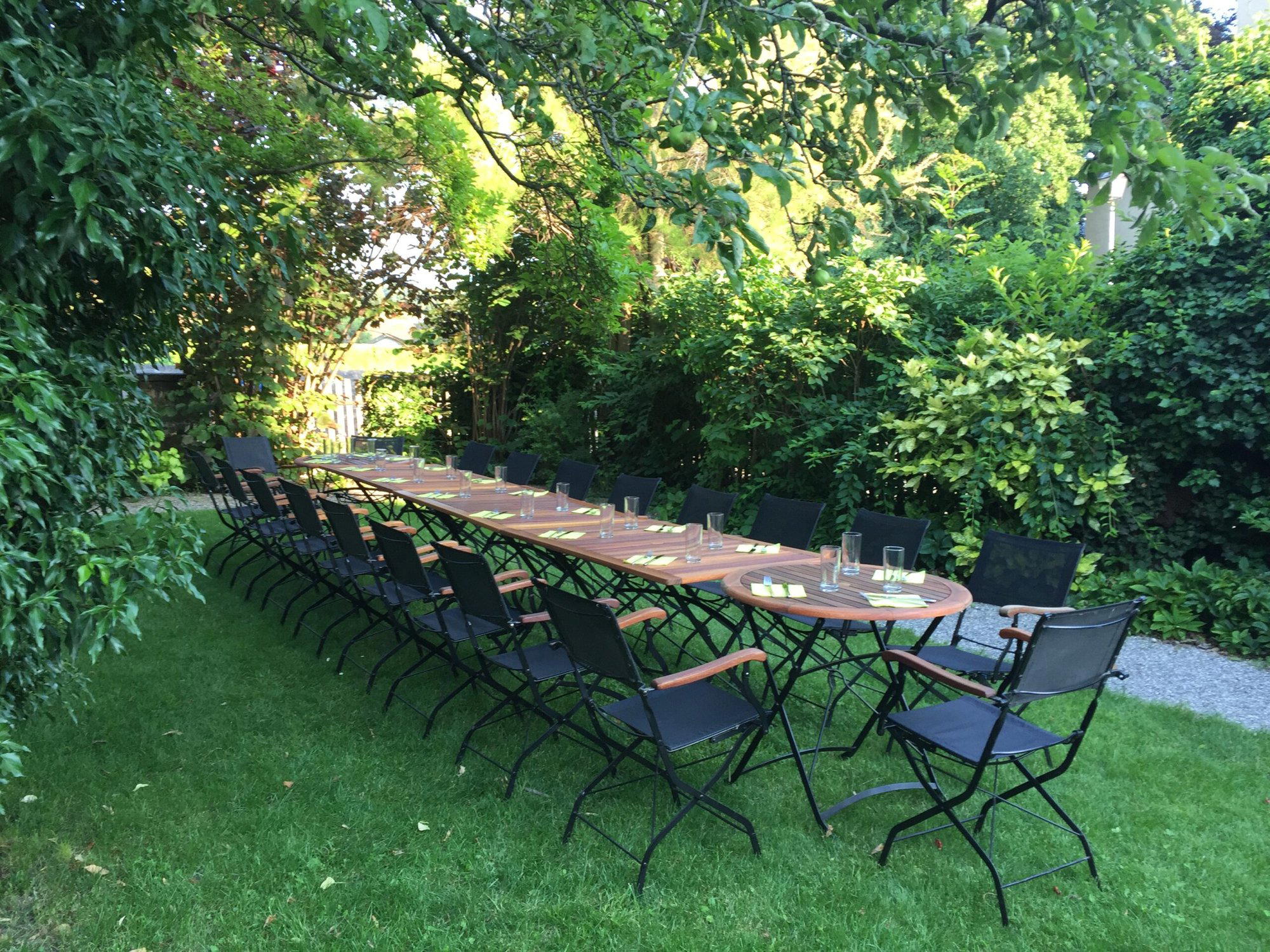
Stylish alpine setting with warm, inviting atmosphere; lively bar scene with DJ entertainment Wednesday-Saturday; cozy indoor dining and relaxed open-air terrace with mountain views.
Know Before You Go
- Getting there
- Via Sorts Sut 3, 7018 Flims, Switzerland