Schweizerhof Flims
Our verdict
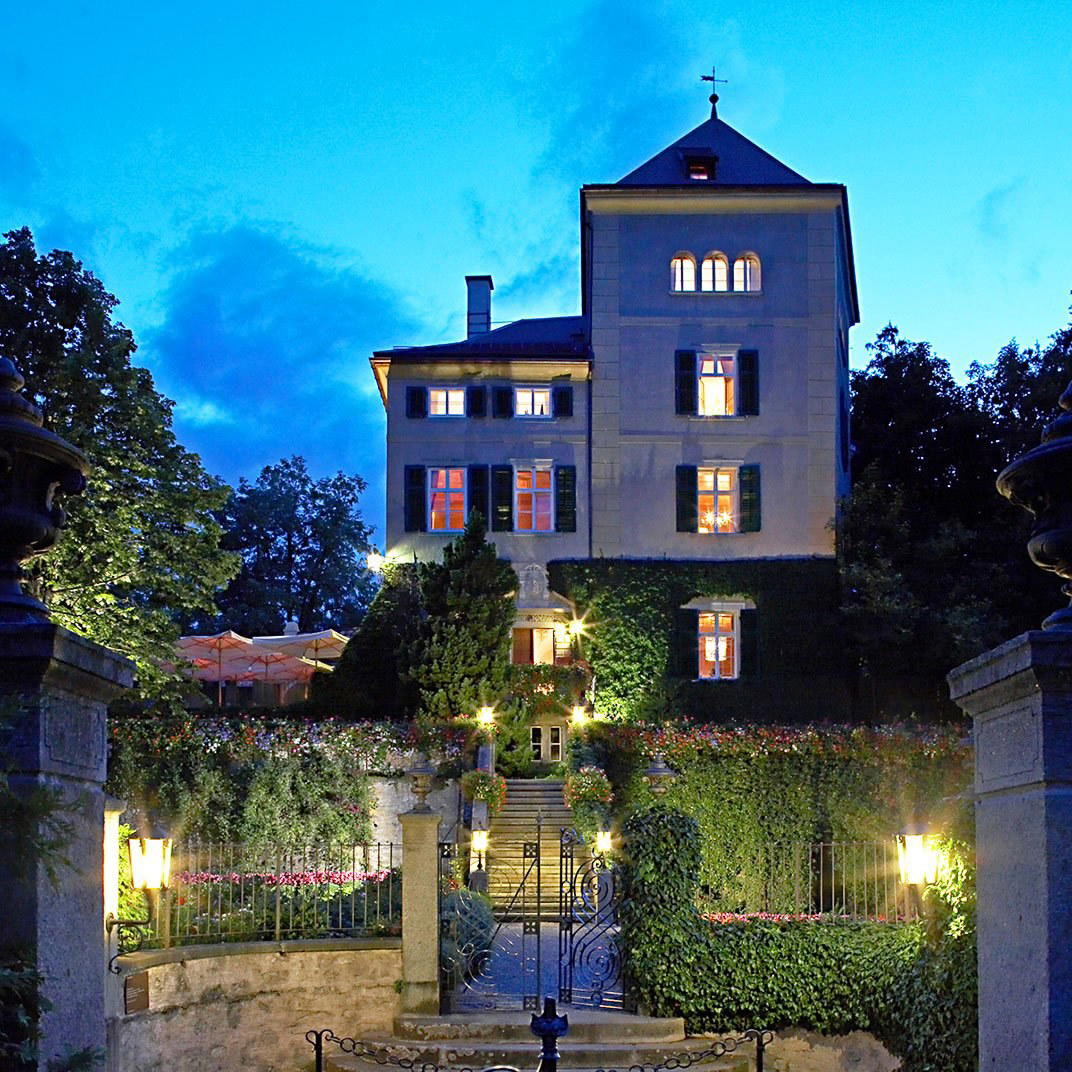
Schweizerhof Flims sits in the Waldhaus district of Flims, a village in Graubünden whose dining scene draws from both Alpine tradition and the broader Swiss culinary network.

Pearl is the En Primeur Club membership app, where members save venues, book tables and use the concierge.

Where Alpine Terrain Shapes the Table
Graubünden, Switzerland's largest canton by area, has long operated as a parallel culinary world to Zurich and Geneva. The mountains here are not backdrop, they are infrastructure. Seasonal availability, altitude, and the deep German-Romansh-Italian cultural layering of the region all press on what ends up on the plate in villages like Flims. The Waldhaus district, where Schweizerhof Flims is addressed at Rudi Dadens 1, sits within this context: a mountain community that takes its food seriously not because of proximity to a city dining scene, but because of distance from one.
Flims itself occupies a particular tier in Swiss Alpine hospitality. It is not St. Moritz, which has attracted international restaurant outposts like Da Vittorio - St. Moritz and carries a decades-long reputation for high-spend tourism. Nor is it Vals, where 7132 Silver operates within a design-led architectural destination. Flims is a working mountain village where the dining offer is built around the community that lives and visits there year-round, with seasonal peaks in winter and summer that tighten reservation windows and set the tempo for everything from sourcing to staffing.
The Cultural Roots of Alpine Swiss Dining
To understand a property like Schweizerhof Flims, it helps to understand what Alpine Swiss cuisine actually is, and what it is not. It is not reducible to cheese and cured meat, though both feature prominently in the canton. Graubünden has its own charcuterie tradition in Bündnerfleisch, its own pasta form in Maluns, and a bread culture rooted in rye that diverges sharply from the wheat-forward baking of the Swiss Mittelland. The canton's three official languages, German, Romansh, and Italian, reflect a history of trade routes and valley isolations that produced micro-regional food cultures within a single political boundary.
This plurality matters in practice. A restaurant in the Surselva region of Graubünden, where Flims sits, is drawing on a different ingredient tradition than one in the Engadine or the Mesolcina. The proximity to Romansh-speaking communities means certain preparation methods and product names appear on menus that would look unfamiliar in Basel or Bern. Switzerland's broader restaurant culture, which includes three-Michelin-star operations like Hotel de Ville Crissier in Crissier and Schloss Schauenstein in Fürstenau, the latter itself a Graubünden property, tends to filter slowly into mountain village dining, arriving through trained staff rather than headline formats.
Flims as a Dining Village
Cavigilli operates in the Swiss tradition at the mid-range price point, offering a grounded local reference for visitors and residents alike. Adula and Restaurant Chesa round out a scene that prioritises reliability and regional character over the kind of technical ambition found at Memories in Bad Ragaz or Cheval Blanc by Peter Knogl in Basel. In a village context, that is a reasonable division of labour. The pressure on any single property is not to lead a cuisine movement but to serve the actual population of the place, which in Flims means a mix of Swiss weekend guests, international skiers in winter, and hikers from across Europe in summer.
That seasonal rhythm affects planning in ways that visitors from city dining scenes may not anticipate. Winter, roughly December through March, brings the heaviest reservation pressure, particularly around school holiday periods in Germany, the Netherlands, and Switzerland itself. Summer, from late June through August, is the second peak. The shoulder months of April to May and October to November represent the quietest windows, when mountain restaurants often reduce hours or close entirely for changeover. For anyone planning around Schweizerhof Flims specifically, confirming current seasonal operation before travel is advisable, as mountain properties in this tier adjust opening periods more frequently than urban counterparts.
What the Setting Implies for the Experience
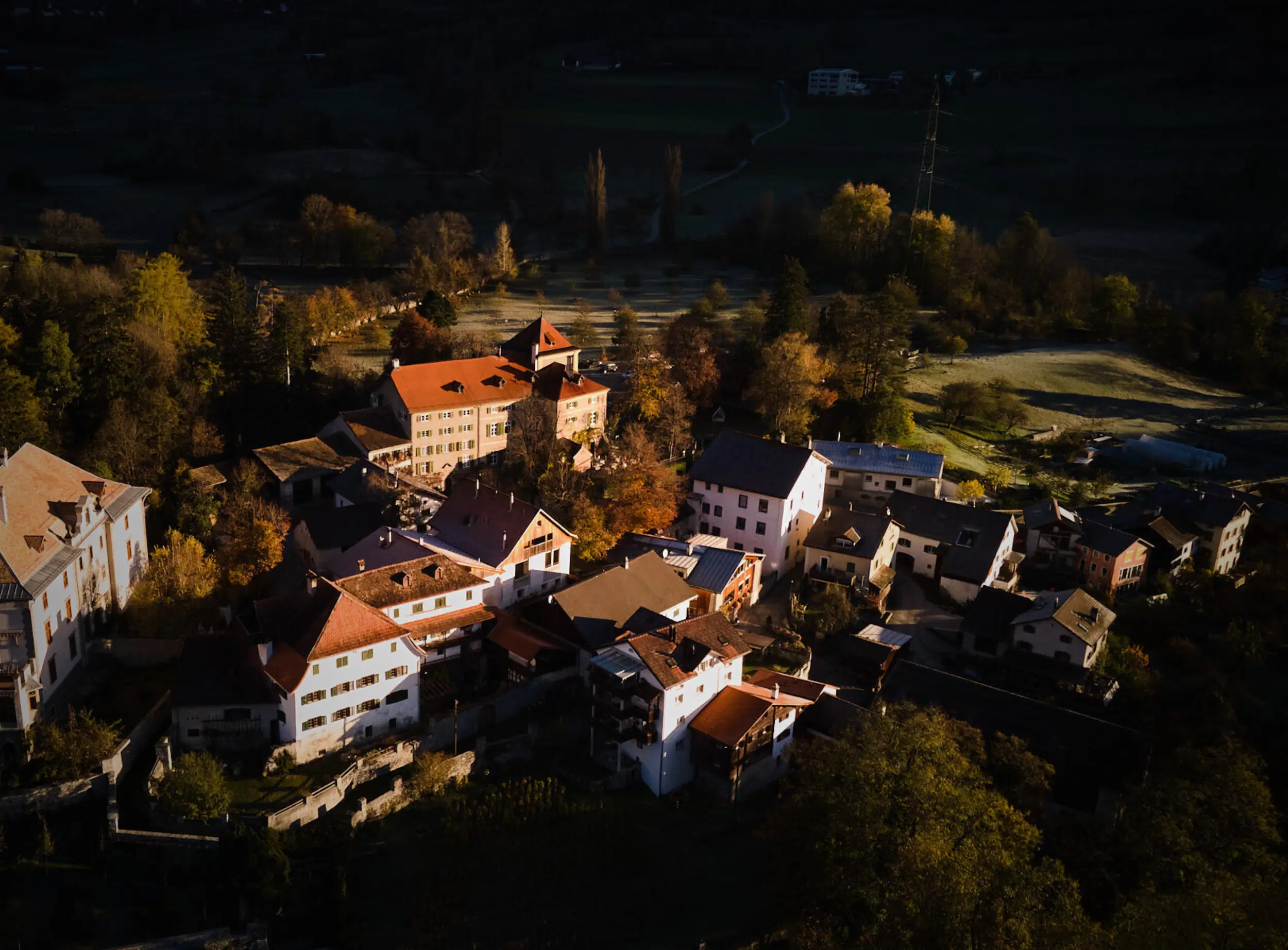
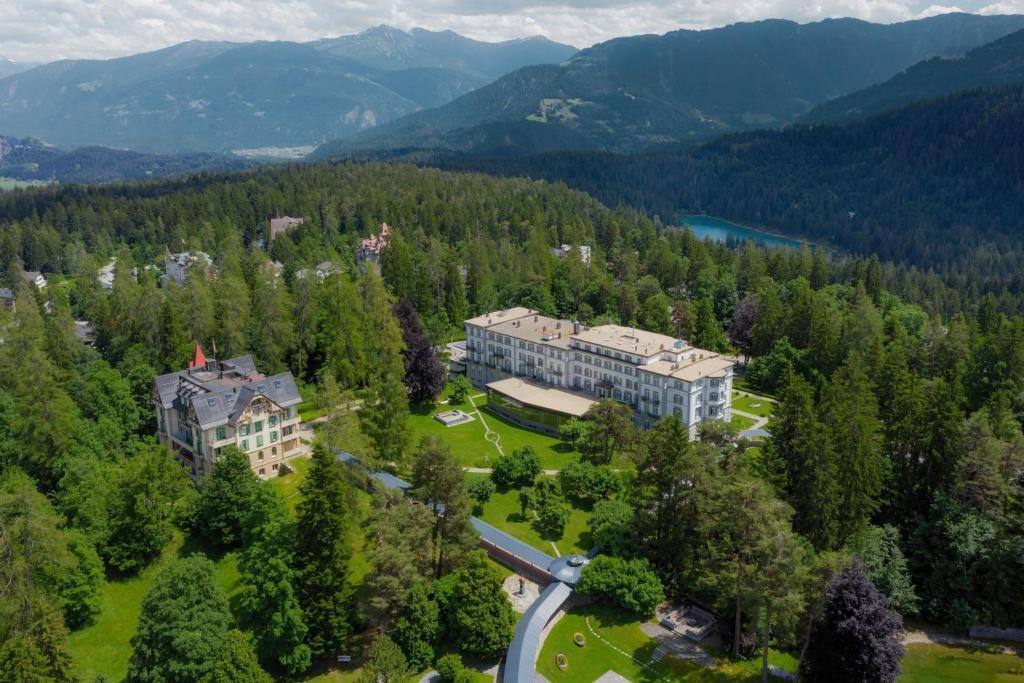
The Waldhaus area of Flims carries its own atmosphere distinct from the village centre. Properties here tend toward the residential and quieter end of the local spectrum, set further from the main thoroughfares that concentrate après-ski activity. The physical environment of this part of Flims, forested, refined, with the Caumasee lake accessible nearby, shapes the character of the dining experience more than any single menu decision. In practice, this is the kind of setting where the meal is not separated from the landscape but embedded in it, where arriving at dinner means moving through mountain air rather than a city street.
For a broader frame on where fine and premium dining sits in Switzerland's mountain regions, the comparison points span considerable range. focus ATELIER in Vitznau, IGNIV Zürich by Andreas Caminada in Zurich, and Einstein Gourmet in Sankt Gallen define one end of the Swiss spectrum. At the other, village restaurants in Alpine cantons like Graubünden operate as community anchors, and their value lies precisely in that function. The two reference points are not in competition; they serve different decisions at different moments in a trip.
Planning Your Visit
Schweizerhof Flims is located at Waldhaus CH, Rudi Dadens 1, 7018 Flims. Flims is reachable by train from Zurich to Chur, then by PostBus or regional connection into the village, a total journey of roughly 90 to 100 minutes from Zurich Hauptbahnhof. For drivers, the approach from the Rhine Valley floor to the Flims plateau takes under 30 minutes from Chur. Given Flims's position as a resort village with defined seasonal peaks, advance planning of even a few days is worthwhile in winter and summer, while the shoulder periods typically allow for more flexibility.
For a broader picture of where Schweizerhof Flims sits within the local dining offer, our full Flims restaurants guide maps the village's options across price points and styles. For comparison across the wider Swiss scene, properties like Colonnade in Lucerne, La Brezza in Ascona, and L'Atelier Robuchon in Geneva provide reference points across the country's different hospitality registers. For those whose Switzerland trip connects to broader international travel, the context of serious contemporary dining elsewhere, Le Bernardin in New York City or Atomix in New York City, serves as a reminder of how differently mountain village dining operates from metropolitan fine dining, and why that difference is often the point.
Frequently asked questions
Would Schweizerhof Flims be comfortable with kids?
The Waldhaus quarter of Flims, where Schweizerhof sits at Rudi Dadens 1, tends toward a quieter, residential atmosphere rather than a high-energy resort setting. That character generally suits families looking for a calm base rather than an activity-dense resort hub.
Is Schweizerhof Flims better for a quiet night or a lively one?
Based on its location in the Waldhaus area of Flims, a district that sits apart from the village centre and runs quieter, Schweizerhof skews toward the settled end of the spectrum. Guests after a lively evening would likely need to head into central Flims or the broader village for bars and social dining. The property's address at Rudi Dadens 1 places it in territory that rewards those who prefer calm over scene.
Is Schweizerhof Flims a good base for exploring Graubünden's Alpine terrain?
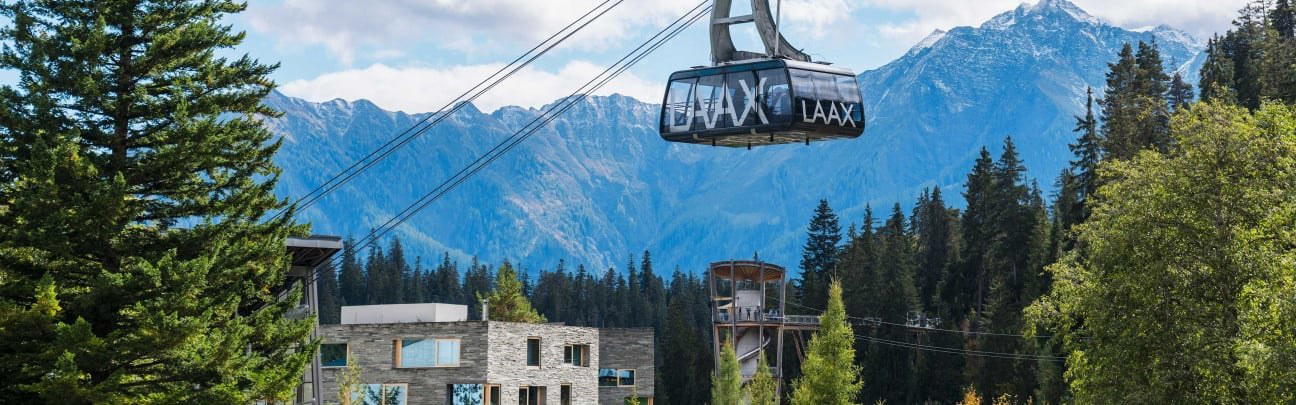
Flims sits within Graubünden, Switzerland's largest canton by area, giving guests access to the Flims-Laax-Falera ski and hiking region from a single address at Rudi Dadens 1, 7018 Flims. The Waldhaus location is quieter than the village core, which suits those using the property as a recovery and staging point between days in the mountains. Chur, the cantonal capital and main rail hub, is reachable by PostBus or regional connection, opening routes across the wider canton.
What's the must-try dish at Schweizerhof Flims?
Graubünden's broader Alpine Swiss tradition draws on ingredients like maluns, capuns, and locally sourced game, so regional dishes of that style are worth asking about when you arrive. For confirmed menu detail, contacting the property at Rudi Dadens 1, 7018 Flims, is the most reliable approach.
Where do I go for Schweizerhof Flims?
Schweizerhof Flims is located at Waldhaus CH, Rudi Dadens 1, 7018 Flims, Switzerland, Flims.
Price and Recognition
| Venue | Cuisine | Price | Awards | Notes |
|---|---|---|---|---|
| Schweizerhof FlimsThis venue (the venue you are viewing) | French-Swiss Fine Dining | $50–100 | Not listed | Not listed |
| Cavigilli | Swiss Traditional with Seasonal Focus | $50–100 | Michelin Plate | Swiss |
| Adula | Modern Italian Brasserie | $50–100 | Not listed | Not listed |
| Restaurant Chesa | Swiss Regional with Mediterranean Influences | $50–100 | Not listed | Not listed |
Continue exploring
More in Flims
Restaurants in Flims
All restaurants in Flims →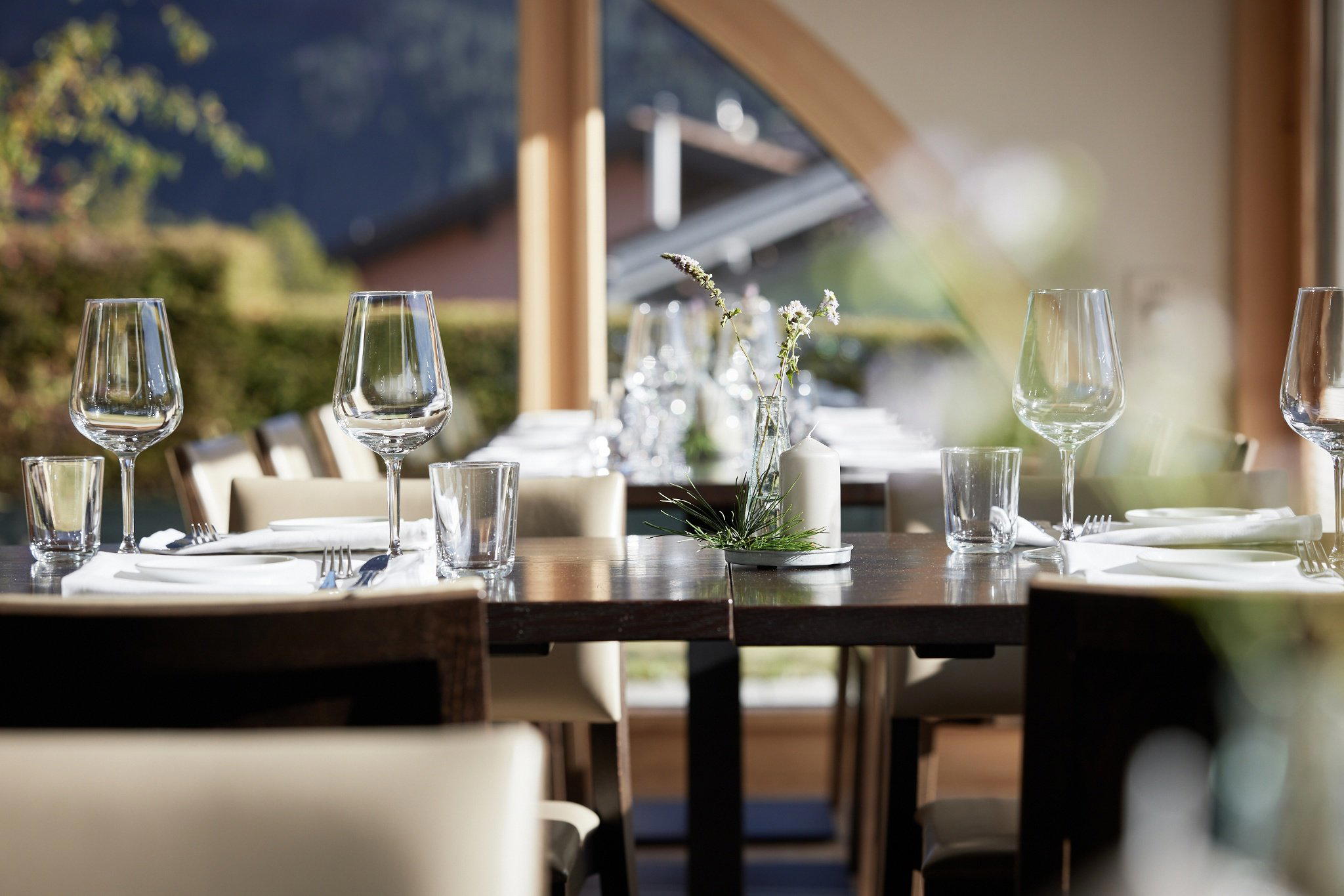
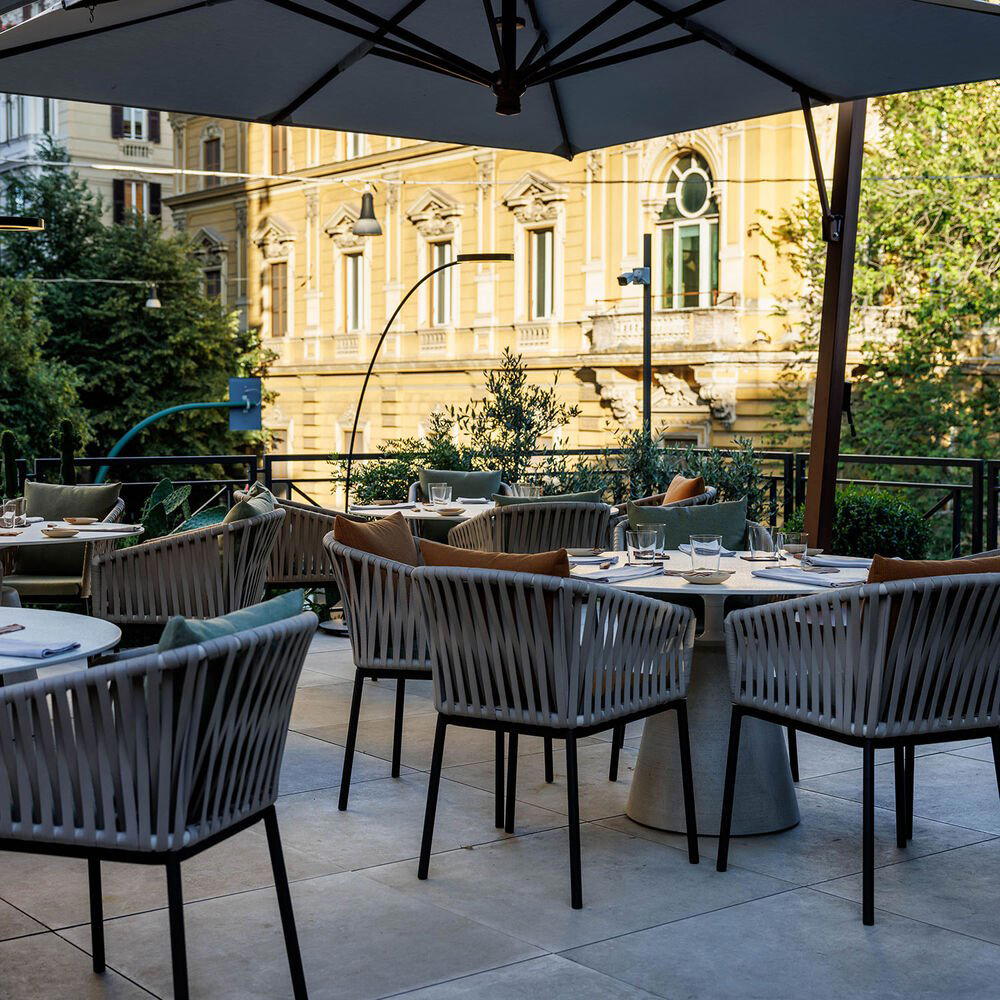

Details
- Romantic
- Elegant
- Classic
- Cozy
- Sophisticated
- Date Night
- Special Occasion
- Family
- Hotel Restaurant
- Terrace
- Extensive Wine List
- Local Sourcing
- Mountain
- A La Carte
- Vegetarian Friendly
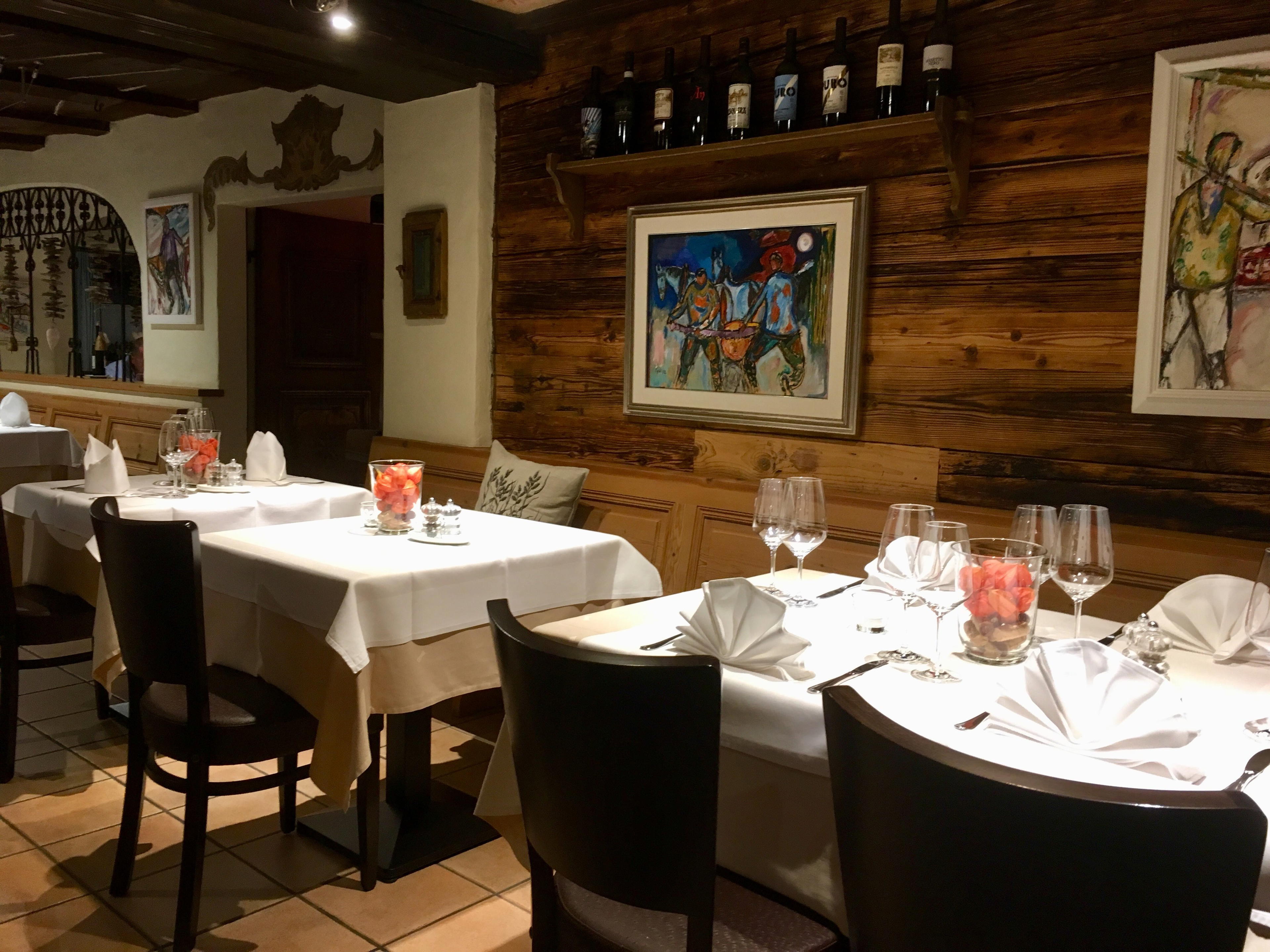
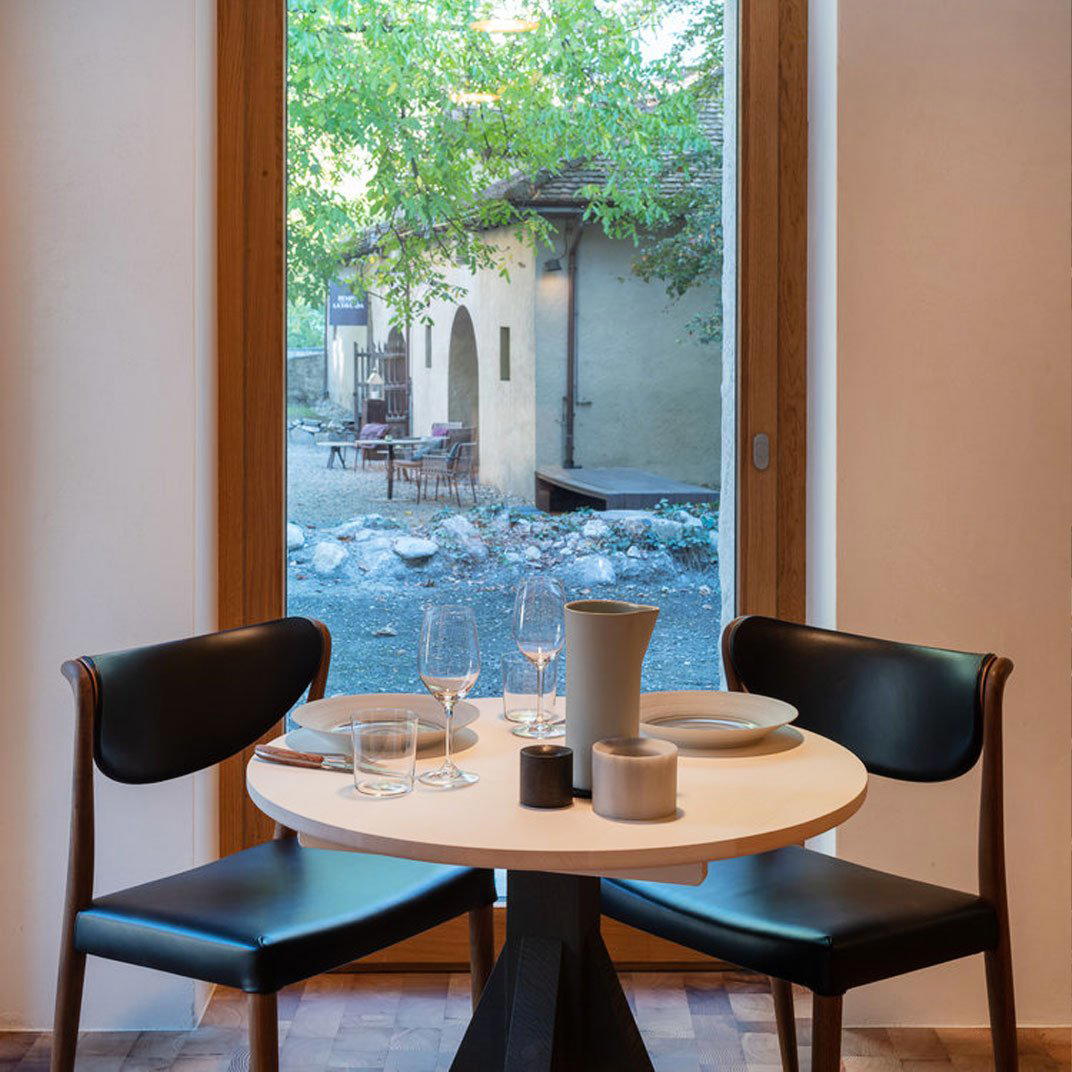
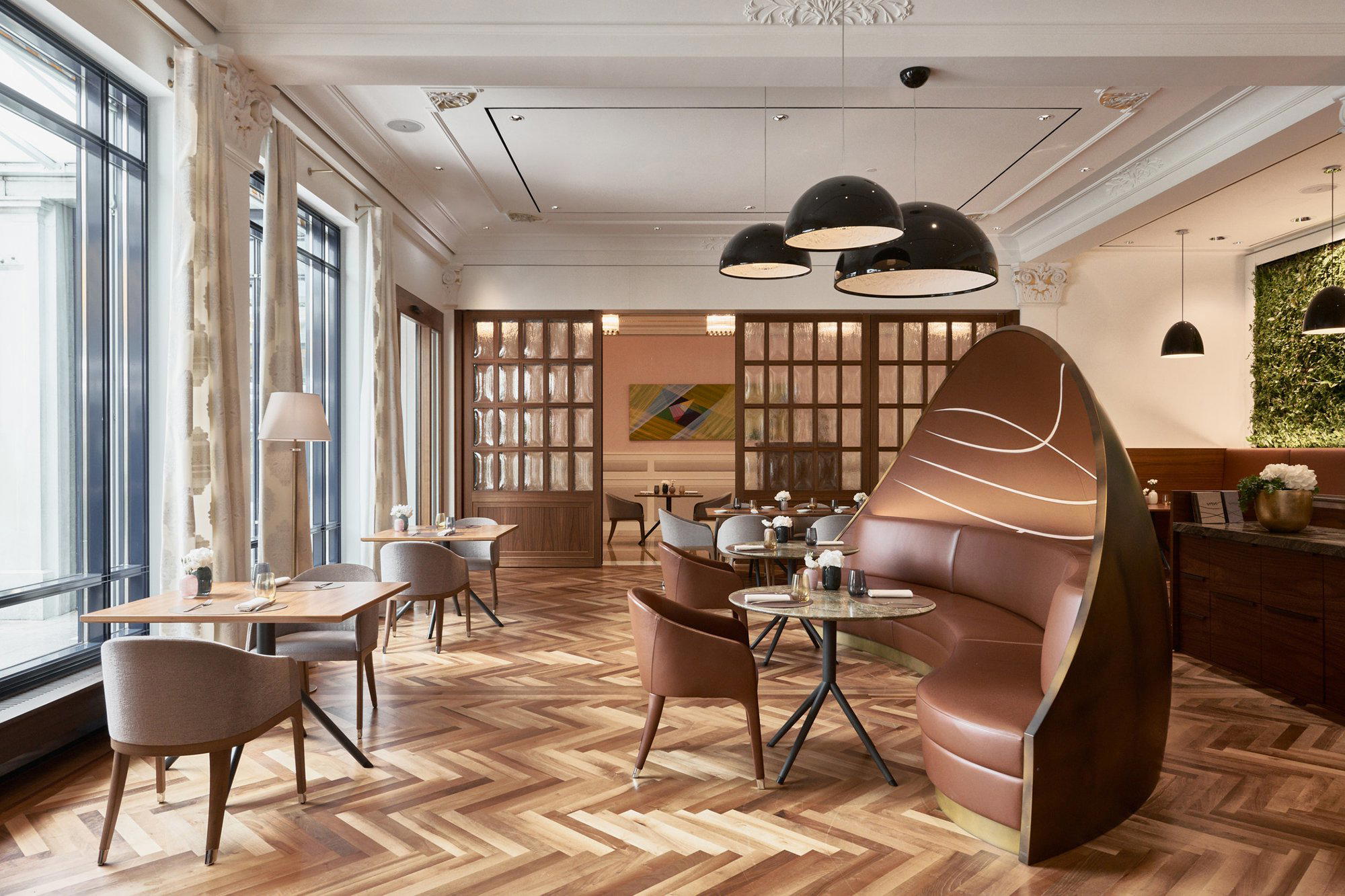
Elegant Jugendstil dining room with candlelight, evoking the turn-of-the-century atmosphere.