
Relais Chateaux Award
Our verdict
In a mid-sized Alentejo city with a working-market pace, Restaurant at Largo de São João brings creative cooking to a region where Portuguese regional cuisine typically plays it straight. Chef Craig Jones earns a 4.8/5 member rating across 41 reviews, signalling consistent execution well above the local norm. For Beja, that combination of formal creative intent and neighbourhood accessibility is relatively rare.

Pearl is the En Primeur Club membership app — saves, bookings, and concierge access live there. Same editors, same standards.
- Address
- Largo de São João 6, 7800-487 Beja, Portugal
- Phone
- +351 967 606 912
- Directions
- Get directions
The menu
What to order
- Migas with secretos
- Cod stew
- Dogfish soup
Where Beja Sits in the Portuguese Regional Dining Conversation
Alentejo cooking has a strong identity: slow-braised pork, migas, cured meats from Black Iberian pigs, and bread-thickened soups that make use of a landscape producing some of Portugal's most exported olive oil and wine. For most of its history, the food of Beja has reflected that tradition faithfully, with restaurants functioning as keepers of regional continuity rather than laboratories of reinvention. Creative cooking in the Alentejo interior is not impossible, but it operates against the grain of a region that tends to reward fidelity over experimentation. That context matters when assessing what Restaurant, sitting on Largo de São João in central Beja, is attempting to do.
The broader Iberian creative dining circuit runs through the north and east of Spain: think Arzak in San Sebastián, El Celler de Can Roca in Girona, or Disfrutar in Barcelona. Further south, Aponiente in El Puerto de Santa María and Quique Dacosta in Dénia demonstrate that the creative impulse in Iberian cooking is not confined to the Basque Country or Catalonia. But all of those addresses carry deep infrastructure: dense food media, proximity to culinary tourism circuits, and domestic audiences primed to follow restaurant culture closely. Beja has none of that surrounding noise, which means creative cooking here must justify itself on the plate rather than through context. That absence of hype is, depending on how you read it, either an obstacle or an advantage.
The Chef's Position in a Regional Setting
Chef Craig Jones operating in Beja rather than in a metropolitan centre is itself an editorial point worth examining. The pattern of trained chefs choosing smaller, less-trafficked cities over obvious culinary capitals has become more common across Europe over the past decade. Cities like Cáceres, just across the Portuguese-Spanish border, have demonstrated that serious creative cooking can anchor itself in mid-sized historic cities without the support structure of Lisbon, Madrid, or Barcelona, provided the chef has the discipline and sourcing access to sustain it. Jones's presence in Beja follows that logic.
What the EP Club membership data captures, across 41 reviews yielding a 4.8/5 rating, is consistent execution over time rather than a single impressive visit. In a market this size, that kind of sustained score is harder to maintain than in a city where a rotating international audience might forgive uneven service or off nights more readily. Beja regulars come back, and they notice. The CREATIVE COOKING highlight signals that the kitchen is working in a register beyond direct Portuguese regional reproduction, bringing technical ambition to an address that sits within a city of roughly 35,000 people.
For comparison, the broader Spanish creative tier represented by venues like DiverXO in Madrid, Azurmendi in Larrabetzu, Martin Berasategui in Lasarte-Oria, and Mugaritz in Errenteria operates at a scale of investment and media infrastructure that a single-city operation in the Alentejo interior cannot replicate. That is not a criticism; it is a different category entirely. Ricard Camarena in València offers a closer analogy: a chef working in a city that is not the obvious capital of its national dining scene but building a strong local and destination audience through consistent creative output.
The Setting at Largo de São João
Largo de São João is one of Beja's older central squares, situated in a city whose Roman and Moorish layers are visible in the street grid and the surviving architecture. The address places Restaurant in the historic core, where the spatial scale is domestic rather than monumental, and where foot traffic comes from residents rather than from tourist loops. For a creative restaurant, that kind of address carries a specific social weight: it signals a rootedness in the city rather than a positioning exercise aimed at external visitors. Whether that matters to a first-time diner from outside Beja is debatable, but it shapes the atmosphere inside in ways that are harder to manufacture than a curated interior.
For those travelling to Beja specifically for this meal, the logistics are worth planning around. Beja sits roughly 170 kilometres from Lisbon and around 75 kilometres from the Spanish border crossing toward Badajoz. It is more accessible by road than by rail for most international visitors, and the city's scale means accommodation is limited: see our full Beja hotels guide for the current shortlist. The surrounding region offers enough in the way of cork forest, Roman ruins at Pisões, and Alentejo wine estates to justify a full-day visit before or after the meal, which makes a booking here a natural anchor for a longer Alentejo circuit. For context on what else to do in the city, our full Beja restaurants guide, Beja bars guide, Beja wineries guide, and Beja experiences guide cover the adjacent options.
What the 4.8 Rating Actually Tells You
A 4.8/5 across 41 EP Club member reviews is a signal worth reading carefully. It is a small sample by the standards of high-volume urban restaurants, but the EP Club membership skews toward experienced diners who travel specifically for food and hospitality: this is not a general public review pool. A 4.8 in that context suggests the restaurant is meeting or exceeding expectations set by people who have eaten at addresses like those listed above. More usefully, it suggests the experience is replicable. Creative cooking restaurants often spike high on opening energy and drift on subsequent visits; sustained near-perfect scores from a membership that includes repeat visitors imply that the kitchen and front of house are operating with consistency, not coasting on a debut impression.
Planning Your Visit
Booking ahead is advisable given Beja's limited restaurant options at this tier. Given the city's modest size, the restaurant is reachable on foot from most central accommodation. For travellers arriving from Spain, the A66 and Extremadura road network connects easily to the Portuguese border, putting Beja within comfortable day-trip range of Cáceres, whose own serious restaurant scene makes the cross-border circuit a worthwhile pairing.
Frequently asked questions
Would Restaurant be comfortable with kids?
The venue sits on Largo de São João, one of Beja's older central squares, in a city with a relaxed pace that generally accommodates families. The creative Portuguese regional format — rooted in Alentejo traditions like slow-braised pork and bread-based dishes — tends toward a sit-down dining rhythm rather than a casual drop-in one. Parents with younger children should factor in that this is a considered cooking environment rated 4.8/5 by EP Club members, which suggests a crowd that expects a degree of calm at the table.
Is Restaurant better for a quiet night or a lively one?
Given Beja's size and the address at Largo de São João, this is not a high-volume urban room turning covers at pace. Chef Craig Jones working in a regional setting rather than a city like Lisbon reinforces that the draw is the plate, making this a stronger option for a focused, quieter evening than for a celebratory group night out.
What distinctions does Restaurant have?
Restaurant has received recognition including: HIGHLIGHTS: • CREATIVE COOKING DIRECTIONS & ACCESS: Directions By car From Madrid A 5, exit n° 248, Cáceres A 58. A 66 (Oviedo, Cadiz) exit n° 551 Cáceres centro By plane Badajoz Talavera 90 km Madrid-Barajas (Intl) 300 km By train Cáceres ….
What do regulars order at Restaurant?
The menu falls under creative Portuguese regional cuisine, which in the Alentejo context means dishes drawing on Black Iberian pork, migas, cured meats, and bread-thickened soups as foundational references. Chef Craig Jones's noted approach is creative cooking within that regional frame, so expect Alentejo staples reworked rather than abandoned.8/5 appear to endorse.
Where is Restaurant in Beja?
Restaurant is located at Largo de São João 6, 7800-487 Beja, Portugal, Beja.
Which chef is Restaurant associated with?
The chef associated with Restaurant is Craig Jones.
Side-by-Side Snapshot
Comparable venues nearby, for context on price, style, and recognition.
| Venue | Cuisine | Price | Awards | Notes |
|---|---|---|---|---|
| RestaurantThis venue — the venue you are viewing | Traditional Alentejo Portuguese | $10–20 | Relais Chateaux Award | Not listed |
| Restaurant | Modern Portuguese & Mediterranean | $20–30 | Relais Chateaux Award | Not listed |
| 1638 Restaurant & Wine Bar | Modern Iberian fine dining tasting menu | $150–200 | Michelin Plate | Vila Nova de Gaia |
| Ponto Final | Traditional Portuguese Seafood | $20–30 | Not listed | Cacilhas |
| O Mercado | Portuguese Seafood Grill | $20–30 | Not listed | Alcantara |
| Grill Traineira Steakhouse | Portuguese Steakhouse & Grill | $30–50 | Not listed | Santa Cruz |
Recognition history
Dated appearances from independent guides and award organizations, with the underlying list record or original source where available.
Relais Chateaux Award
Relais Chateaux

Details
- Rustic
- Classic
- Cozy
- Family
- Group Dining
- Casual Hangout
- Historic Building
- Local Sourcing
- A La Carte
- Small Plates
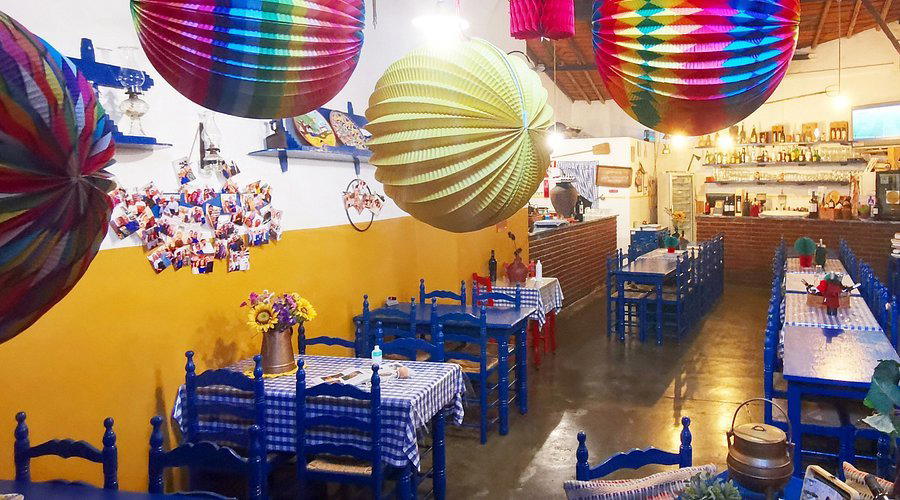
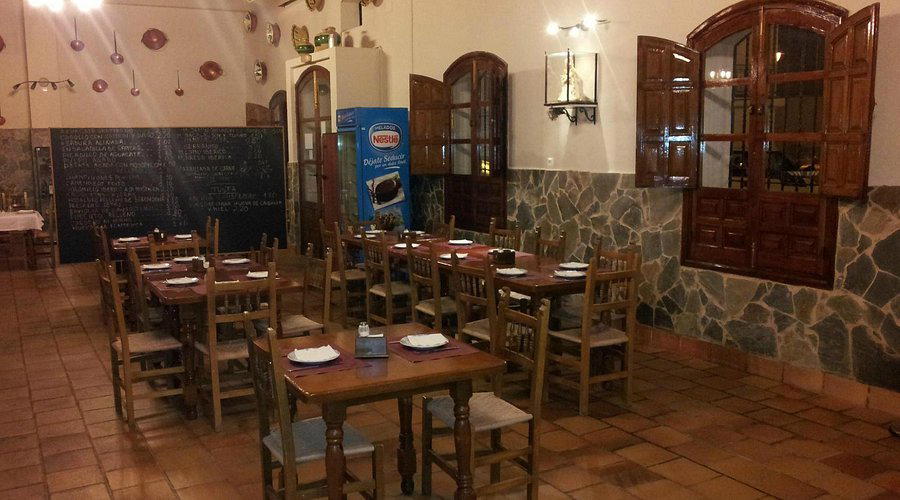
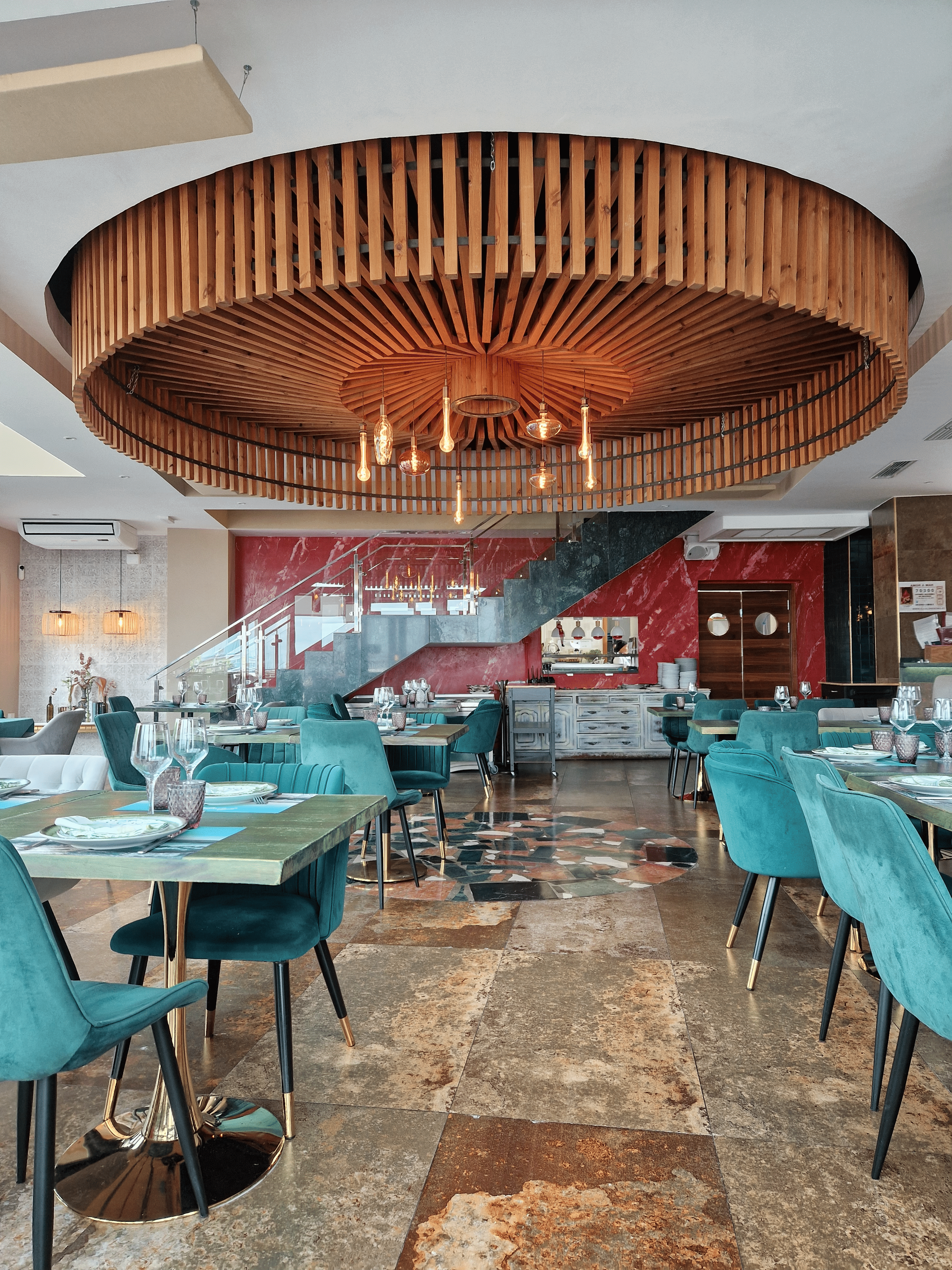
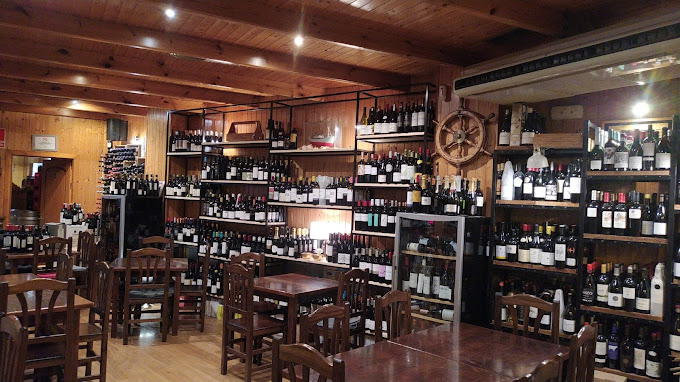
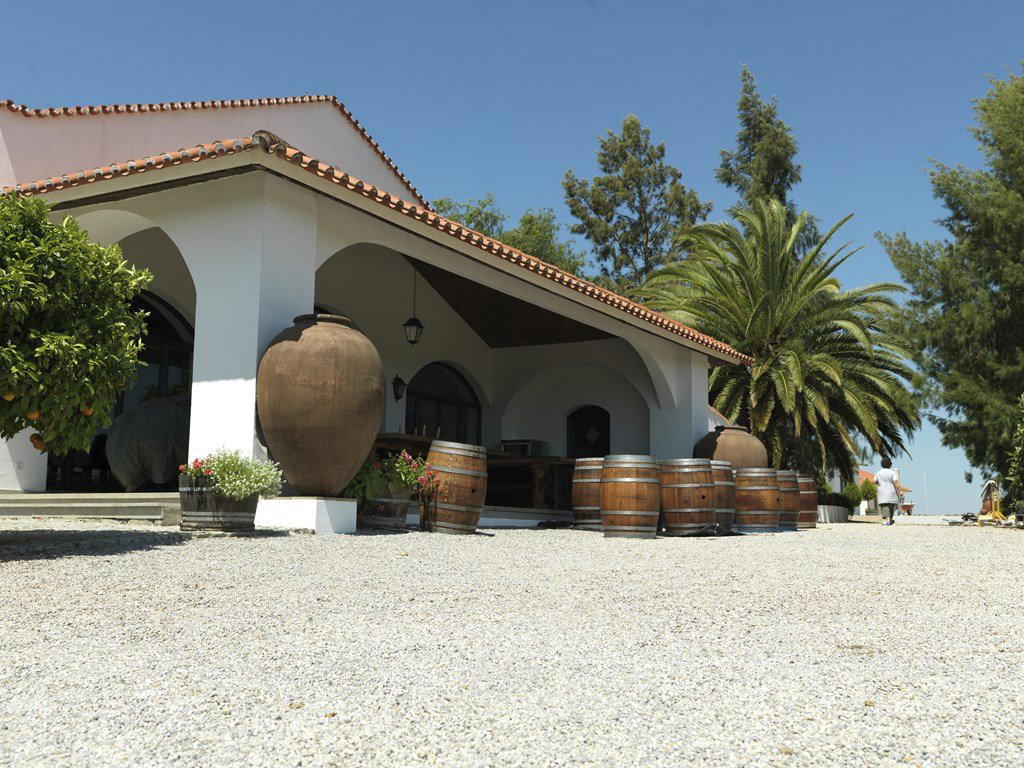
Typical Alentejo decoration with a welcoming, character-filled interior that creates a cozy and traditional atmosphere.