Our verdict
Restaurant Bacchus operates on Schloßstraße in Perl, a small Saarland town where Germany, France, and Luxembourg converge along the Moselle and Saar rivers. That tri-border geography creates a sourcing corridor spanning three national food traditions within a short drive. The restaurant sits in the same town as Victor's Fine Dining, Germany's westernmost three-Michelin-star kitchen, within a dining scene shaped by cross-border produce culture and a regionally committed local public.

Pearl is the En Primeur Club membership app, where members save venues, book tables and use the concierge.
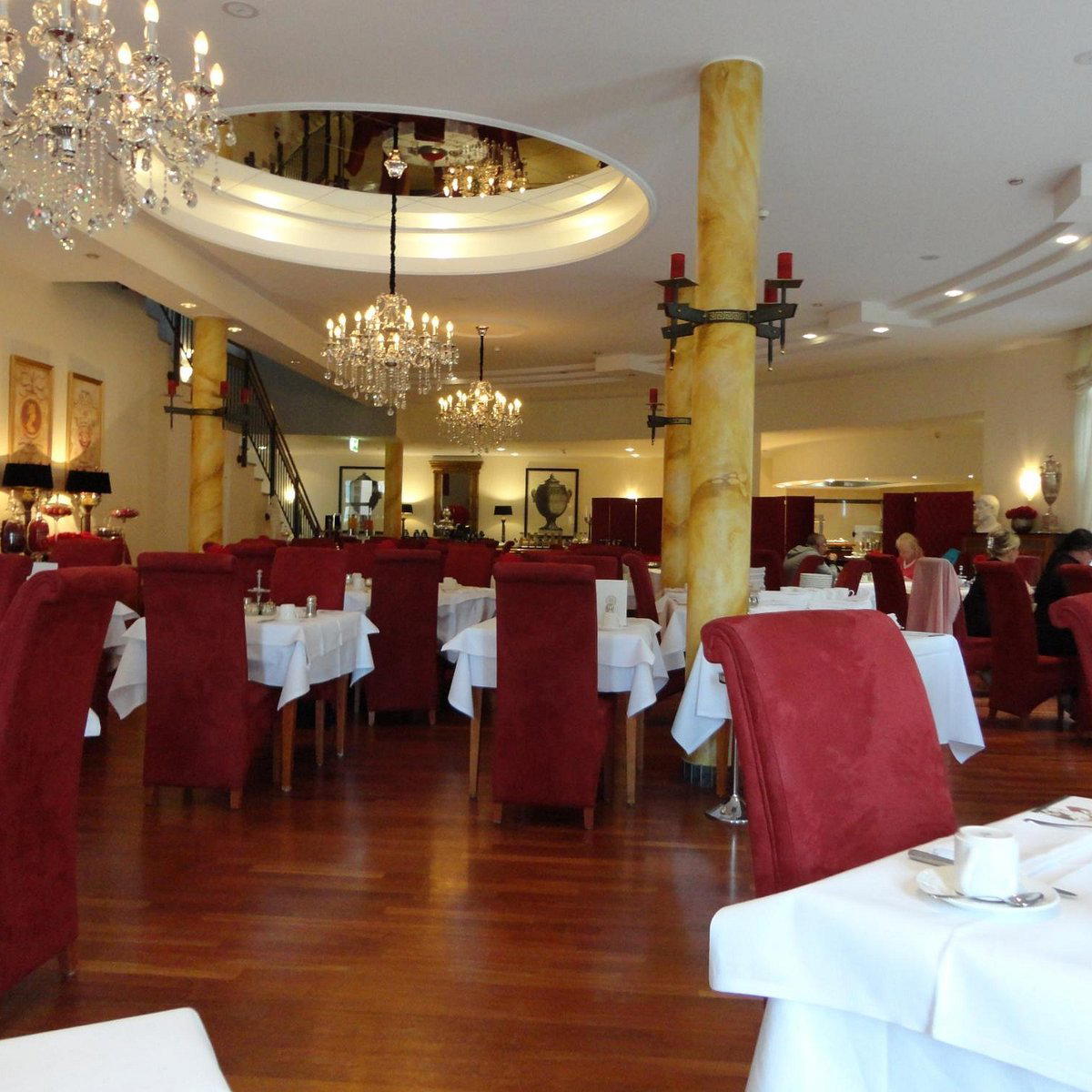
Where the Saar-Moselle Triangle Shapes the Table
Perl sits at one of Germany's more geographically precise intersections: the point where Germany, France, and Luxembourg meet along the Moselle and Saar rivers. The tri-border position is not incidental to dining here. It creates a sourcing corridor that few German towns of comparable size can claim, with French market culture, Luxembourg's cross-border produce trade, and the Moselle valley's wine and agricultural traditions all within reach. Restaurant Bacchus, on Schloßstraße in the centre of Perl, operates inside this geography in ways that define what lands on the plate before a kitchen decision is ever made.
The address places the restaurant in a quiet residential-commercial street rather than a tourist corridor, which gives it the character of a locals' institution that visitors discover rather than one built to intercept passing trade. That positioning matters when reading the room: this is a place where the dining public arrives with expectations shaped by the surrounding region's produce and wine culture, not by a hotel concierge's recommendation list.
The Ingredient Argument in the Tri-Border Zone
The broader significance of this corner of the Saar-Lor-Lux region for serious dining lies in proximity. Lorraine, directly across the French border, contributes a tradition of market-driven cuisine rooted in mirabelle plums, Munster-influenced cheesemaking, and river fish. The Luxembourg side brings a distinct butchery and charcuterie culture. The Moselle valley itself, threading through all three countries, delivers Riesling and Auxerrois from vineyards whose slope-and-slate conditions rival those further north toward Trier.
Restaurants in this zone that take sourcing seriously have an unusually dense supplier network available within a short drive. The argument for proximity sourcing is not ideological here; it is logistical. You can pull from three national food traditions without extending your supply chain beyond the immediate region. That compression of geographic diversity into a small sourcing radius is what gives dining in Perl a character distinct from, say, the Baden Black Forest tradition anchored around Schwarzwaldstube in Baiersbronn, or the Moselle-focused approach at Schanz in Piesport, each of which draws from a more regionally singular larder.
Perl's most celebrated kitchen is Victor's Fine Dining by Christian Bau, which holds three Michelin stars and operates at the upper tier of German fine dining. That presence in a small town of roughly 8,000 residents signals something about what the region can support and what visiting diners will travel for. Restaurant Bacchus sits in a different register within the same town, serving a dining public that includes both residents and the broader audience that already makes the journey to this corner of the Saarland.
German Fine Dining Beyond the Major Cities
One of the structural patterns in German Michelin geography is how consistently high-level kitchens appear outside the country's major urban centres. Waldhotel Sonnora in Dreis, ES:SENZ in Grassau, and Vendôme in Bergisch Gladbach all demonstrate that Germany's serious dining culture disperses into smaller towns and rural settings in ways that differ markedly from France or the UK, where recognition tends to concentrate in a few metropolitan centres. Perl fits this pattern. The town's dining identity is defined less by urban density and more by the willingness of a regional dining public to travel for quality and the presence of producers whose output justifies serious culinary attention.
This dispersed model also affects how individual restaurants position themselves. Without the competitive noise of a city restaurant district, kitchens in towns like Perl tend to develop a clearer relationship with their immediate supply territory. The comparison set for Restaurant Bacchus is not the restaurant two streets away; it is the broader constellation of Saarland and Rhineland-Palatinate kitchens, and the cross-border dining culture that French and Luxembourgish diners bring when they cross into Germany for an evening.
Planning a Visit to Perl
Perl is accessible by road from Trier in approximately 30 minutes, making it a viable extension of a Moselle wine itinerary. Saarbrücken lies around an hour to the south-east. For those arriving from Luxembourg, the border crossing at Schengen is minutes away, and Perl's position on the Luxembourg-Germany border means the town is a natural stopping point for cross-border day trips. Visitors to the region combining a meal at Restaurant Bacchus with the broader Perl dining offer would do well to book well in advance, particularly given that Victor's Fine Dining draws destination diners who fill local accommodation. For context on the wider Perl dining scene, our full Perl restaurants guide maps the options across price points and styles.
Comparable cross-border dining regions in Germany's west include the area around Bagatelle in Trier and the broader Saarland cluster that includes ATAMA by Martin Stopp in Sankt Ingbert. Further afield, the creative dining programmes at JAN in Munich, AUGUST in Augsburg, and AURA by Alexander Herrmann and Tobias Bätz in Wirsberg illustrate how widely Germany's serious dining culture distributes itself beyond Berlin and Hamburg. For international reference points operating in ingredient-first frameworks, Le Bernardin in New York City and Atomix in New York City both demonstrate how proximity sourcing and defined ingredient philosophy can structure an entire menu approach, as does the dessert-focused precision at CODA Dessert Dining in Berlin. Within the northern German context, Aqua in Wolfsburg and Restaurant Haerlin in Hamburg represent the northern anchor of the country's fine dining spread, while ammolite in Rust shows how proximity to France's Alsace shapes kitchens along the Rhine just as the Moselle shapes those in Perl.
Frequently asked questions
Can I bring kids to Restaurant Bacchus?
Restaurant Bacchus is located at Schloßstraße 27-29 in Perl, a setting that aligns with the region's tradition of considered, sit-down dining rather than casual family meals. Given the fine dining context of this corner of the Saar-Moselle triangle, families with older children who are comfortable at a formal table will find it more appropriate than those with young children. check the venue's official channels to confirm their policy before booking.
What's the overall feel of Restaurant Bacchus?
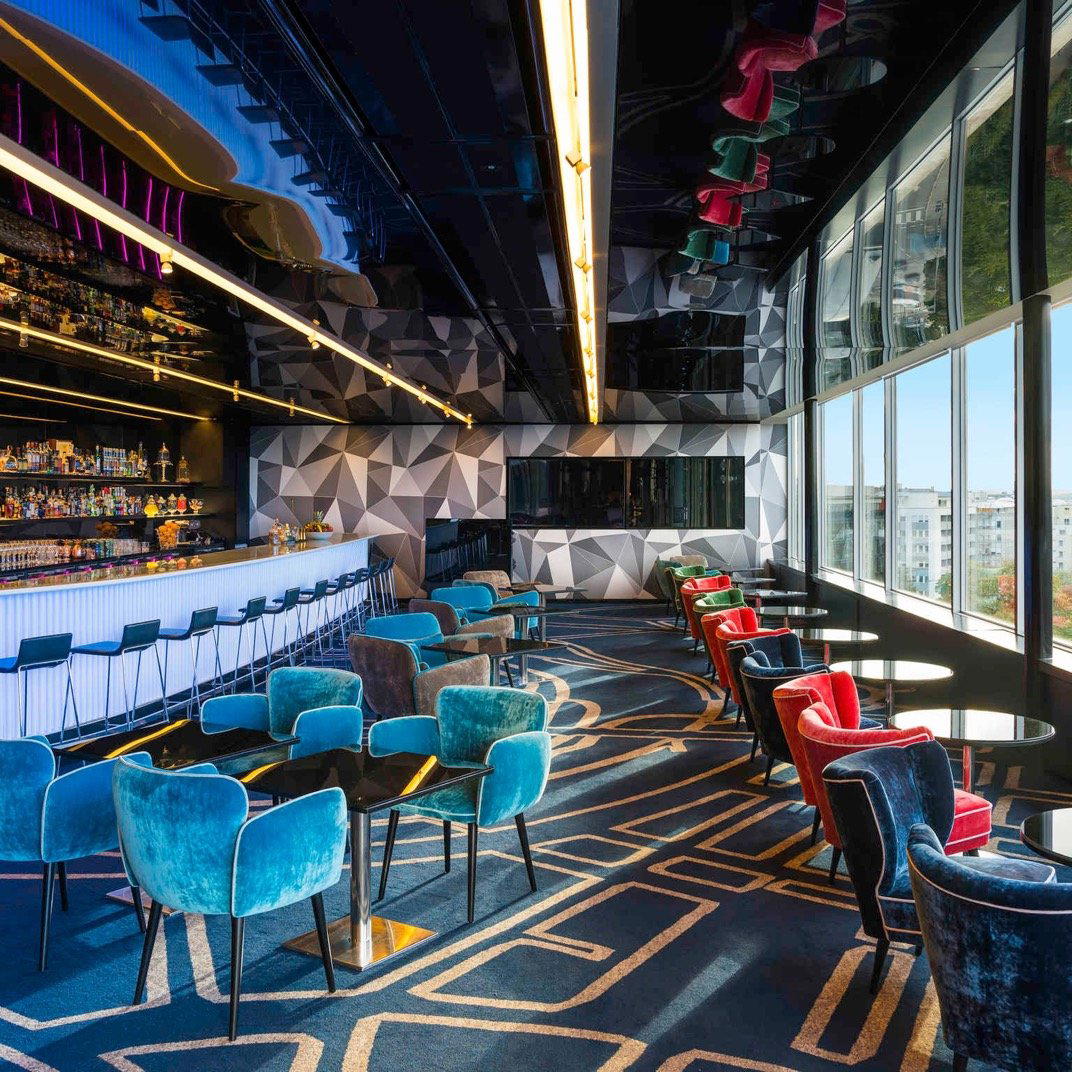
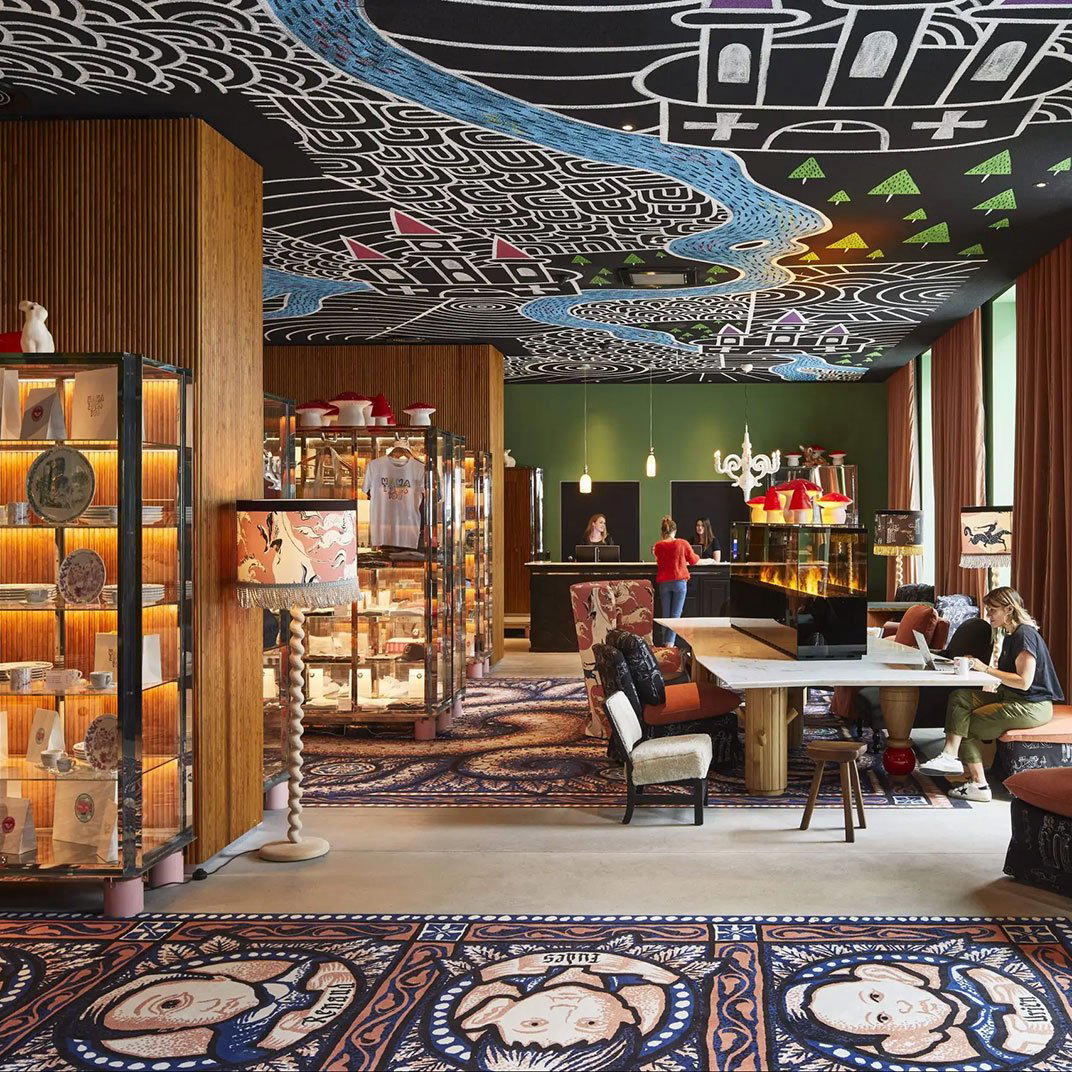
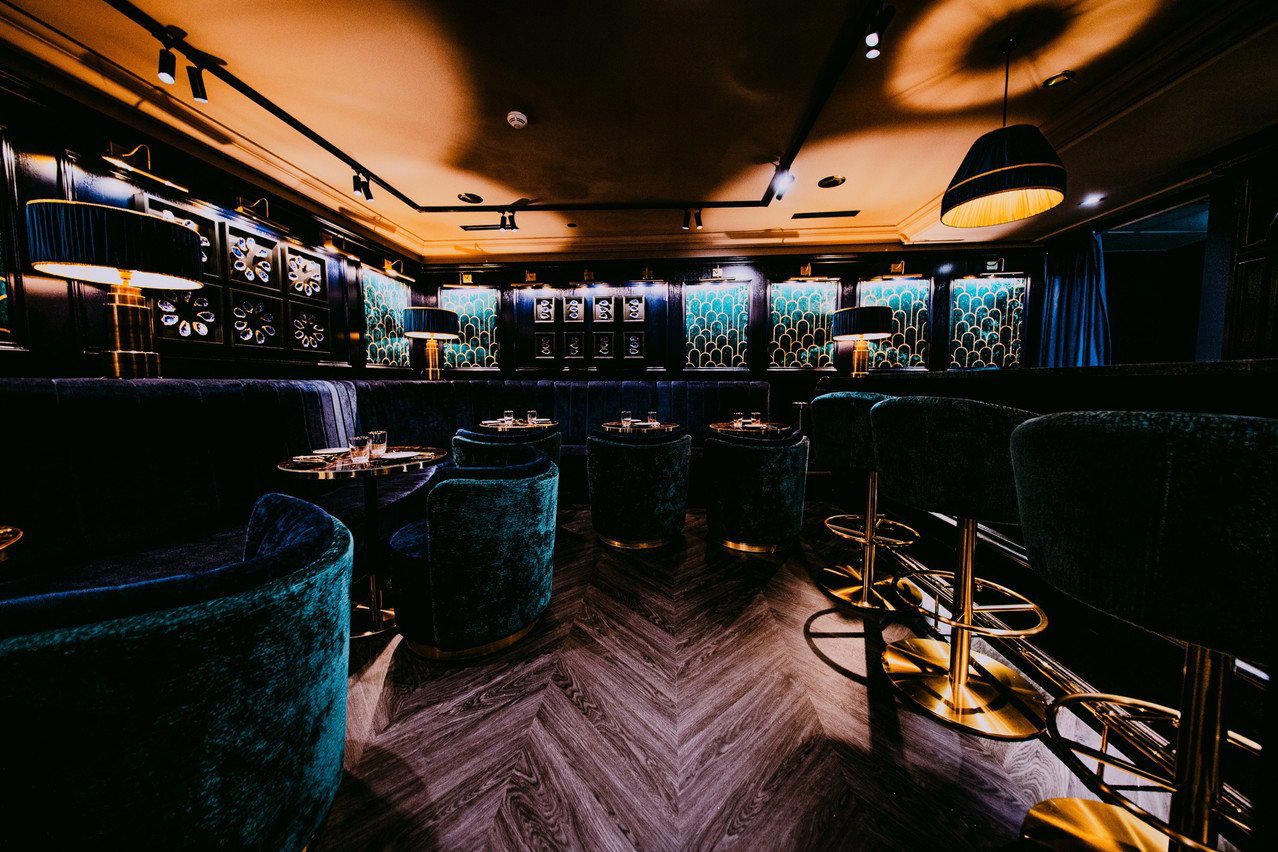
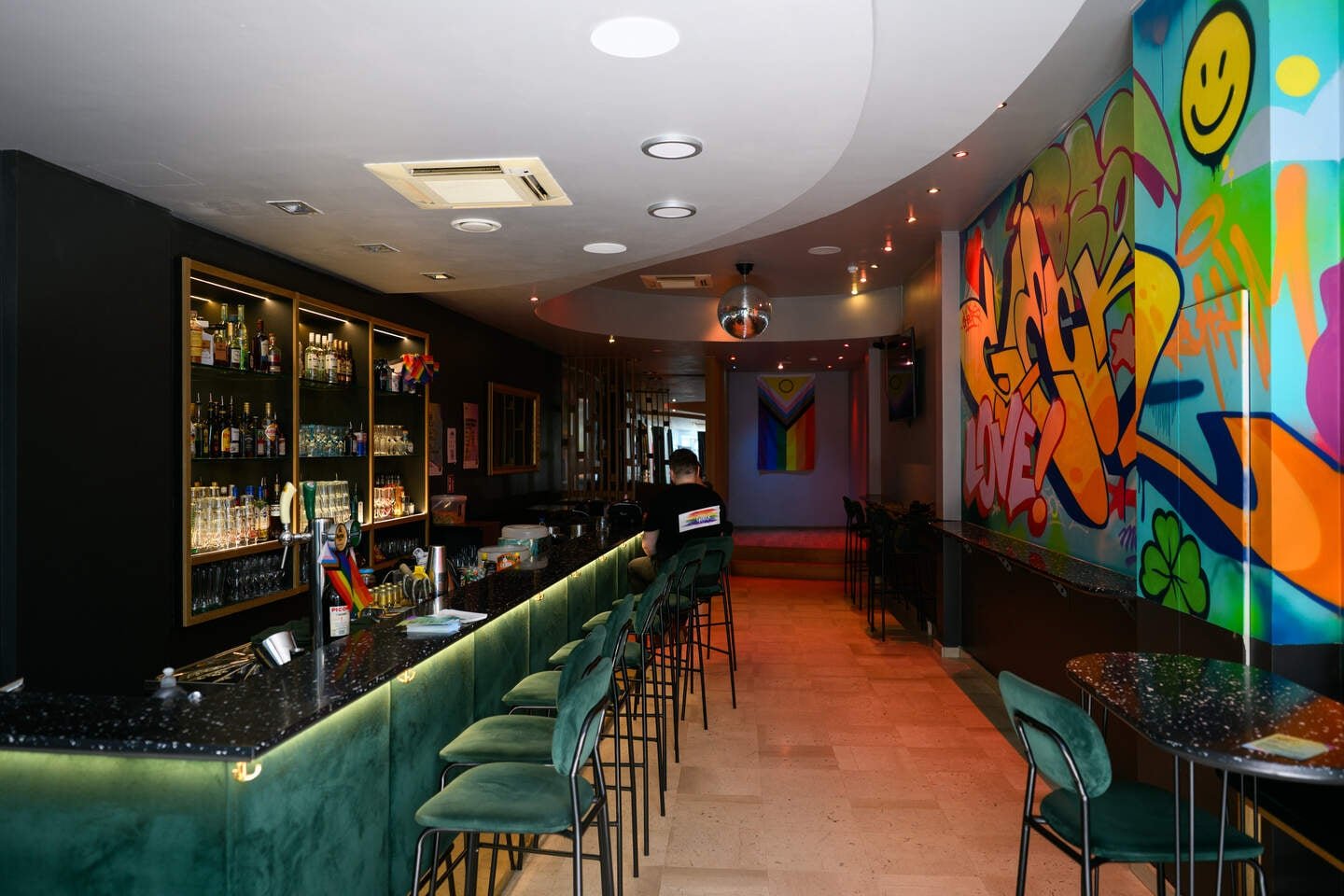
Perl occupies a geographically specific position where Germany, France, and Luxembourg converge along the Moselle and Saar rivers, and that cross-border identity tends to shape the atmosphere of serious kitchens here. Restaurant Bacchus carries the measured, regionally grounded character typical of high-level German dining rooms outside the major cities, more focused on the plate and producer than on theatrical spectacle. Expect a composed, adult-oriented room rather than a high-energy urban setting.
How does Restaurant Bacchus fit into a Moselle wine trip from Trier or Luxembourg?
Perl sits approximately 30 minutes from Trier by road and is reachable from Luxembourg city in a comparable drive, placing Restaurant Bacchus at a practical midpoint for anyone tracing the Moselle valley. The Saar-Lor-Lux tri-border region has developed a coherent fine dining identity distinct from Germany's urban restaurant circuits, with kitchens here drawing on French Lorraine and German Moselle producers simultaneously. For travellers building a wine-focused itinerary, Perl functions as a credible dining destination in its own right rather than a detour.
What's the must-try dish at Restaurant Bacchus?
What the kitchen's location does signal is access to strong primary ingredients: Lorraine lies directly across the French border, and the Moselle corridor supplies some of Germany's more precisely sourced produce and fish. Contacting the restaurant ahead of your visit to ask about current signature preparations is the most reliable approach.
How do I find Restaurant Bacchus?
Restaurant Bacchus is located at Schloßstraße 27-29, 66706 Perl, Germany, Perl.
Is Restaurant Bacchus reservation-only?
No booking or hours data is publicly available for Restaurant Bacchus at Schloßstraße 27-29, Perl. At the level of dining this address and regional context suggest, walk-in availability is rarely guaranteed. Reaching out in advance is advisable, particularly if you are incorporating the visit into a broader Moselle wine itinerary from Trier, which lies roughly 30 minutes away by road.
Comparison Snapshot
Comparable venues nearby, for context on price, style, and recognition.
| Venue | Cuisine | Price | Awards | Notes |
|---|---|---|---|---|
| Restaurant BacchusThis venue (the venue you are viewing) | Modern Italian | Not listed | Not listed | Not listed |
| Victor's Fine Dining by christian bau | French-Japanese Fine Dining | $300–500 | 3 Michelin Stars · La Liste Top Restaurants | Perl-Nennig |
| Portale 50 | Modern Italian Gourmet | $30–50 | Not listed | Innenstadt-West |
| Restaurant Franco L'Osteria Vineria | Authentic Italian Osteria | $50–100 | Not listed | R7 |
| Fellini | Italian Ristorante with Pizza and Grill | $30–50 | Not listed | Limburg an der Lahn |
| Ristorante Fontana di Trevi | Authentic Italian Fine Dining | $50–100 | Not listed | Palmengarten |
Continue exploring
More in Perl
Restaurants in Perl
All restaurants in Perl →

Details
- Elegant
- Sophisticated
- Date Night
- Business Dinner
- Terrace
- Hotel Restaurant
- Extensive Wine List
- Local Sourcing
- A La Carte
- Vegetarian Friendly
Current opening hours
- Monday
- 7–11 AM, 6:30–10 PM
- Tuesday
- 7–11 AM, 6:30–10 PM
- Wednesday
- 7–11 AM, 6:30–10 PM
- Thursday
- 7–11 AM, 6:30–10 PM
- Friday
- 7–11 AM, 6:30–10 PM
- Saturday
- 7 AM–12 PM, 6:30–10 PM
- Sunday
- 7 AM–12 PM
Hours can change for holidays and private events. Hours as of .
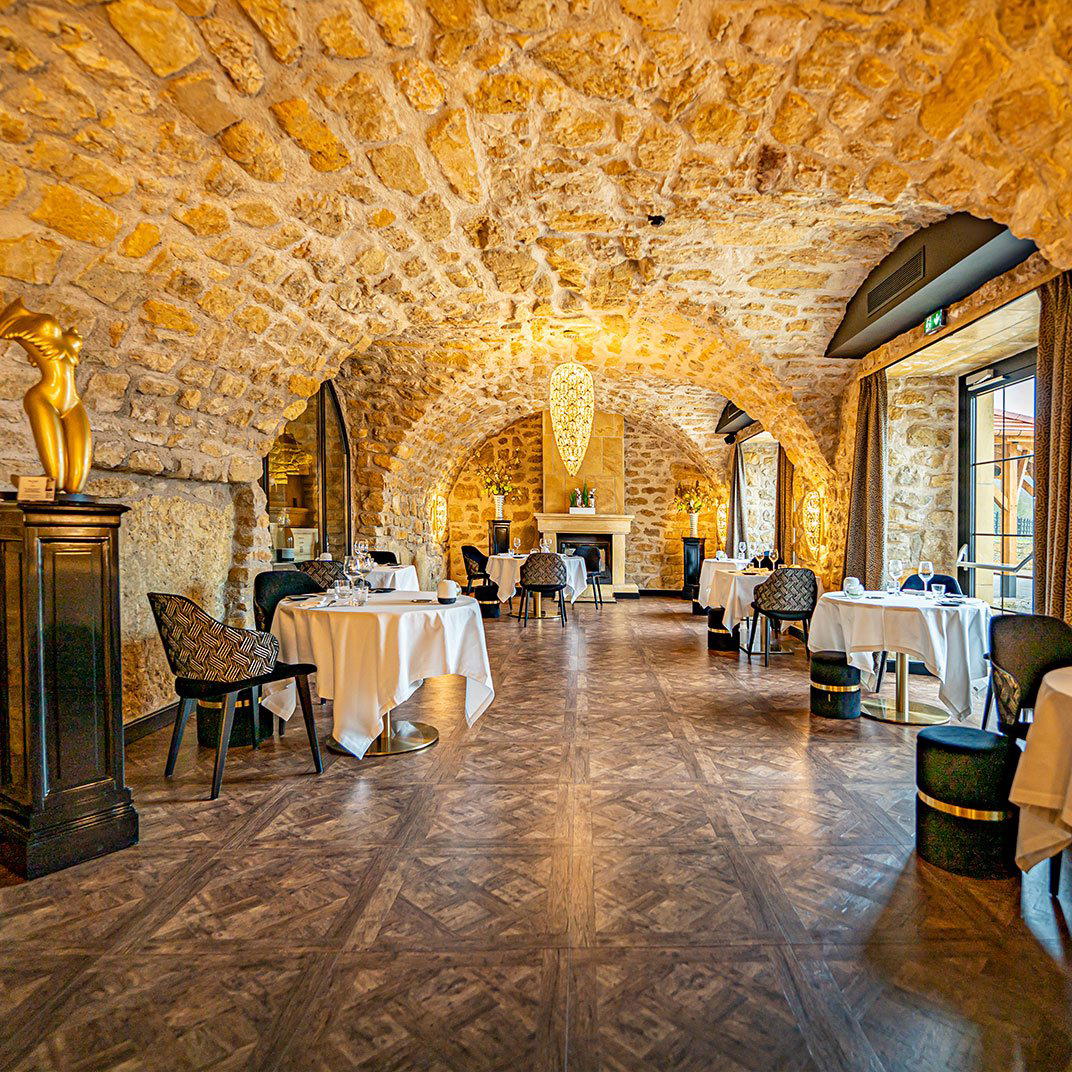
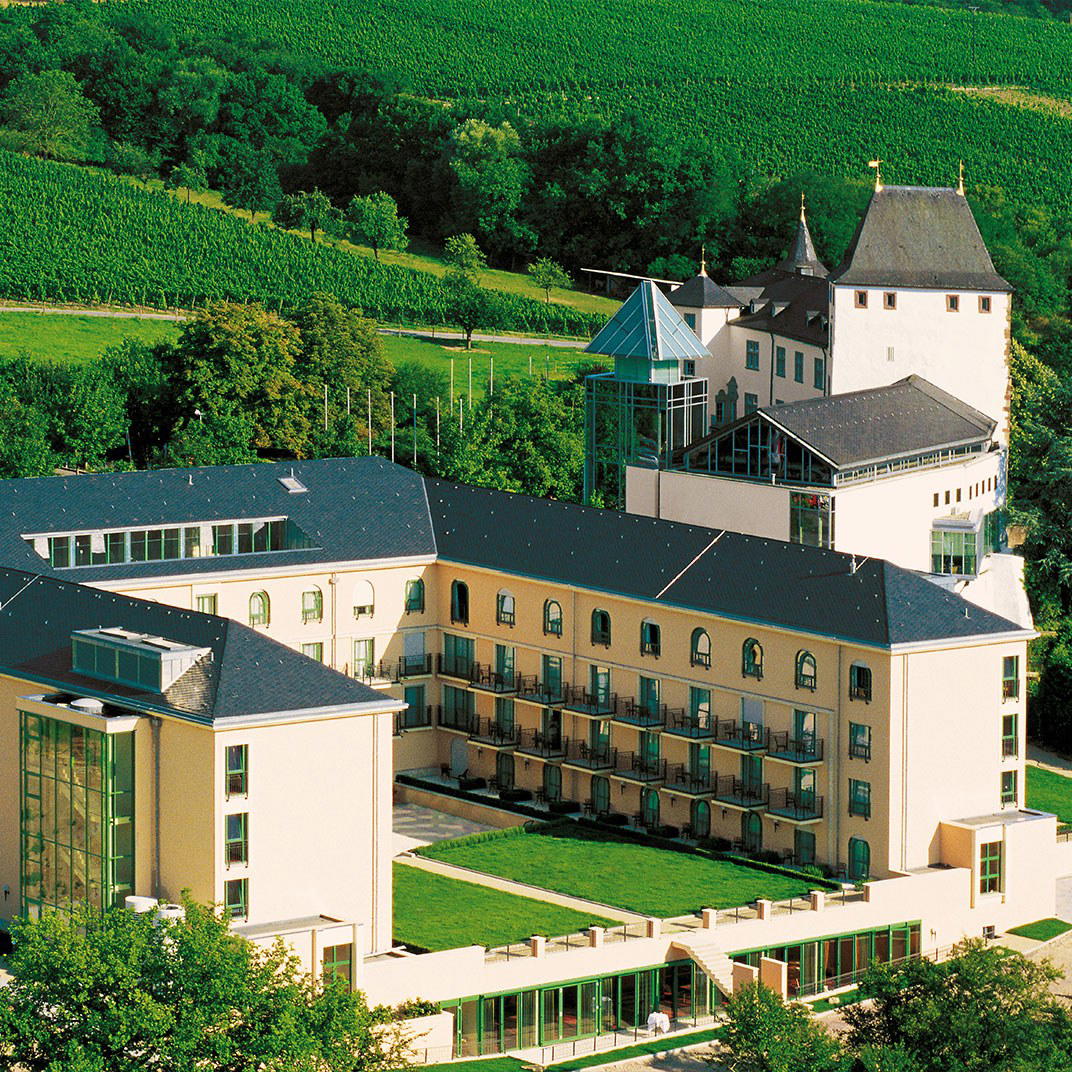
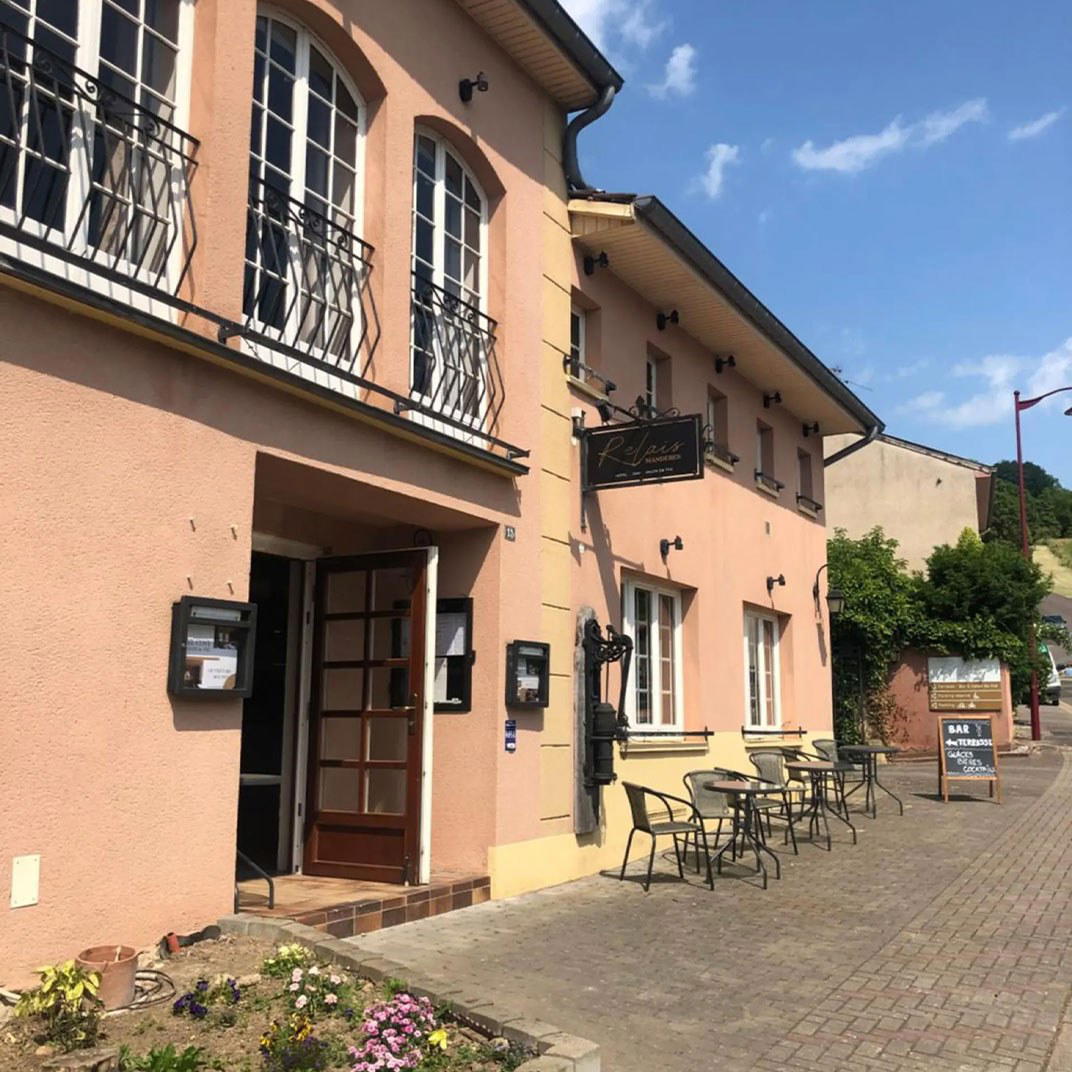
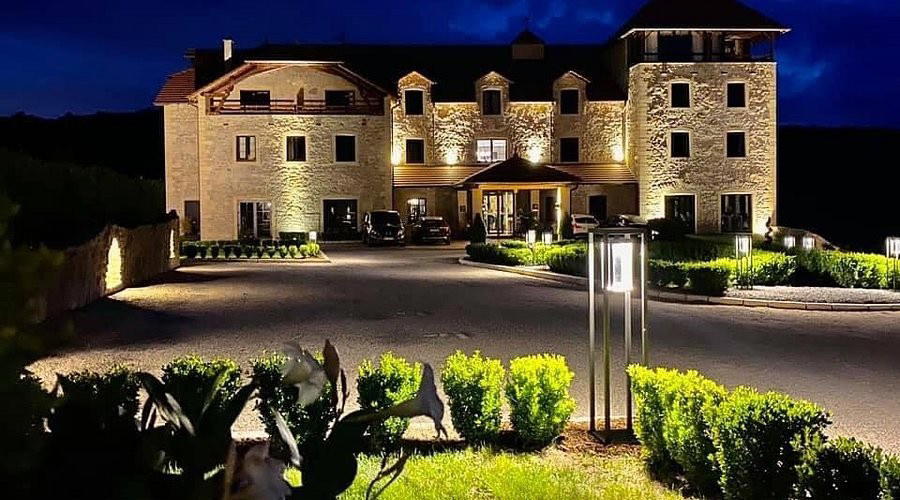
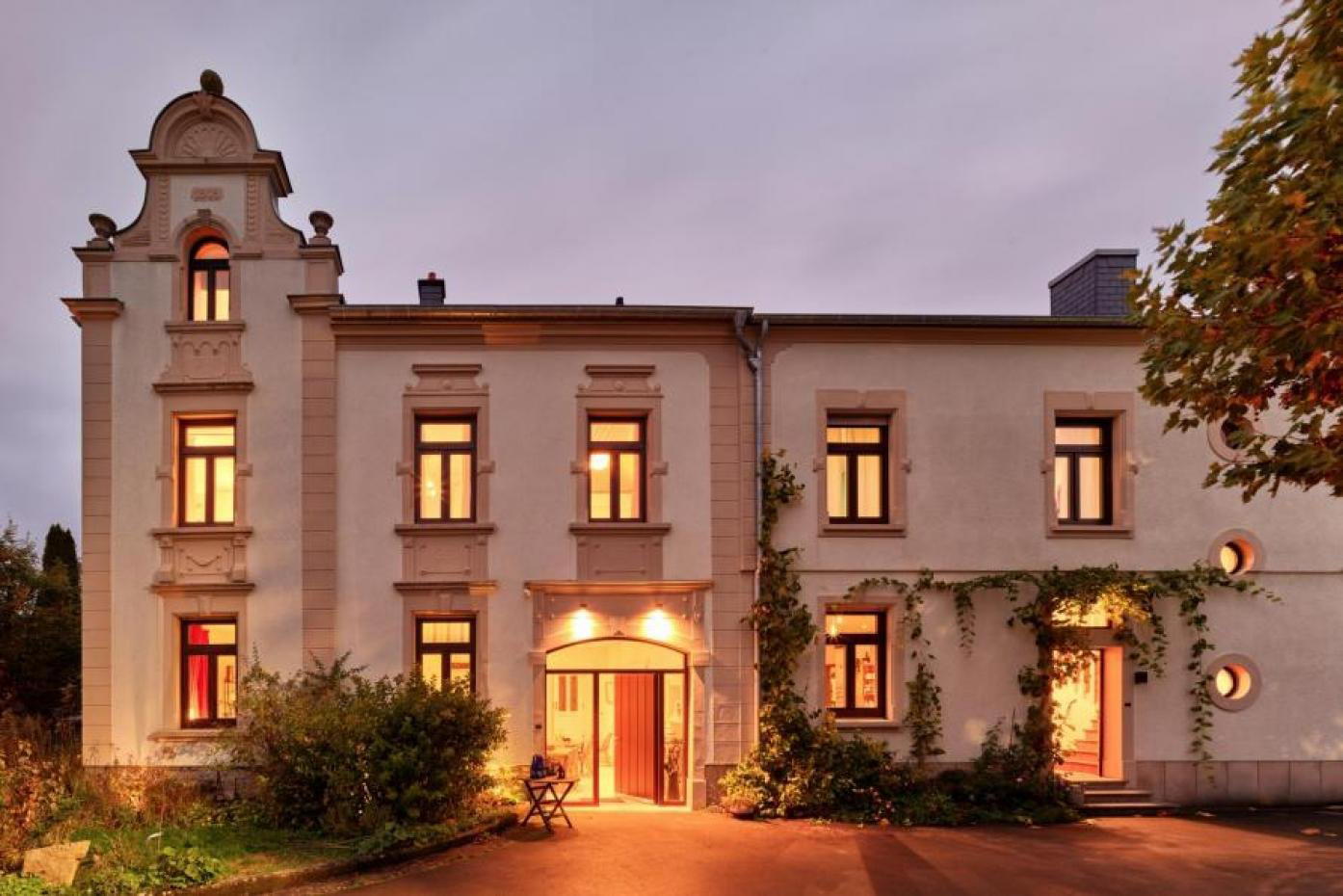
Elegant villa setting with candlelight dinners and terrace views over hills at sunset.