Domaine Madame Aly Duhr S.A
Domaine Madame Aly Duhr S.A brings Ahn’s Moselle identity into focus through hand-harvested, low-yield vines, native-yeast fermentations and a documented family history dating to 1872. Its strongest editorial interest is terroir: small parcels along a 32 km river corridor, named-site Riesling and Pinot Gris, and Crémant aged long on lees rather than rushed to market.

Pearl is the En Primeur Club membership app — saves, bookings, and concierge access live there. Same editors, same standards.

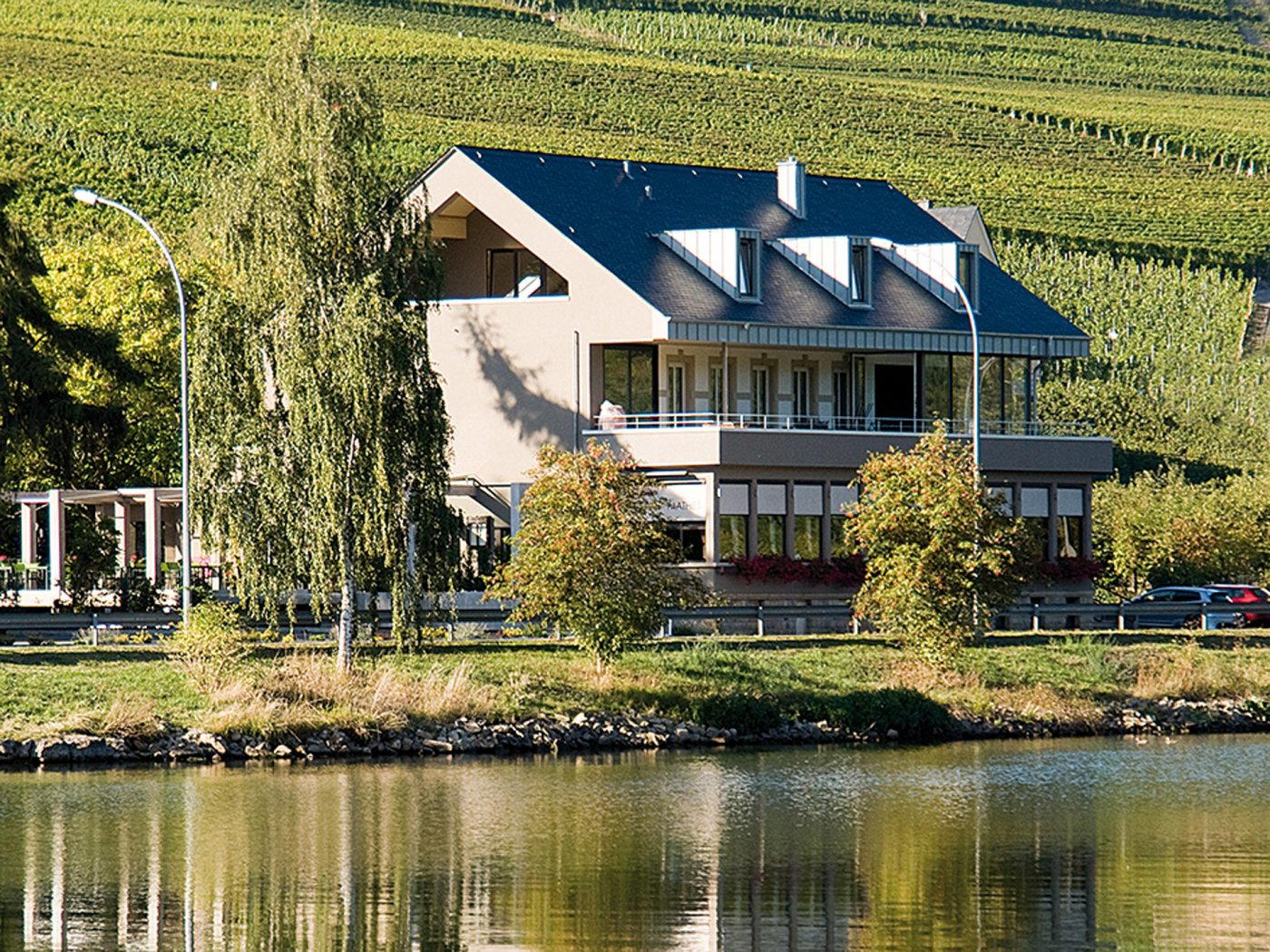
Approaching Ahn means entering a Moselle setting where vineyard scenery shapes the pace of a visit. Domaine Madame Aly Duhr S.A is best presented through the essentials: a historic, family-run Moselle estate with a classic, rustic and intimate character. Its appeal is not built on a confirmed award list or a detailed public service checklist here; it rests on the estate’s focus on low-yield, hand-harvested vines and long, native-yeast fermentations. Those are not decorative details. They are the clearest available signals of how the estate wants to be understood: through vineyard care, time in the cellar and a sense of continuity rather than through spectacle or heavy promotion.
For travelers, that means a reliable way to understand the venue is as an artisanal wine-estate experience in Ahn rather than as a restaurant, bar or generic event space. The tone is scenic and sophisticated without losing the hidden-gem feeling associated with a small Moselle setting. It is the kind of place to approach with attention rather than haste, letting the surrounding vineyard landscape and the estate’s quieter character set expectations before any tasting or event plan is built around it.
Low-yield vines and a patient Moselle estate style
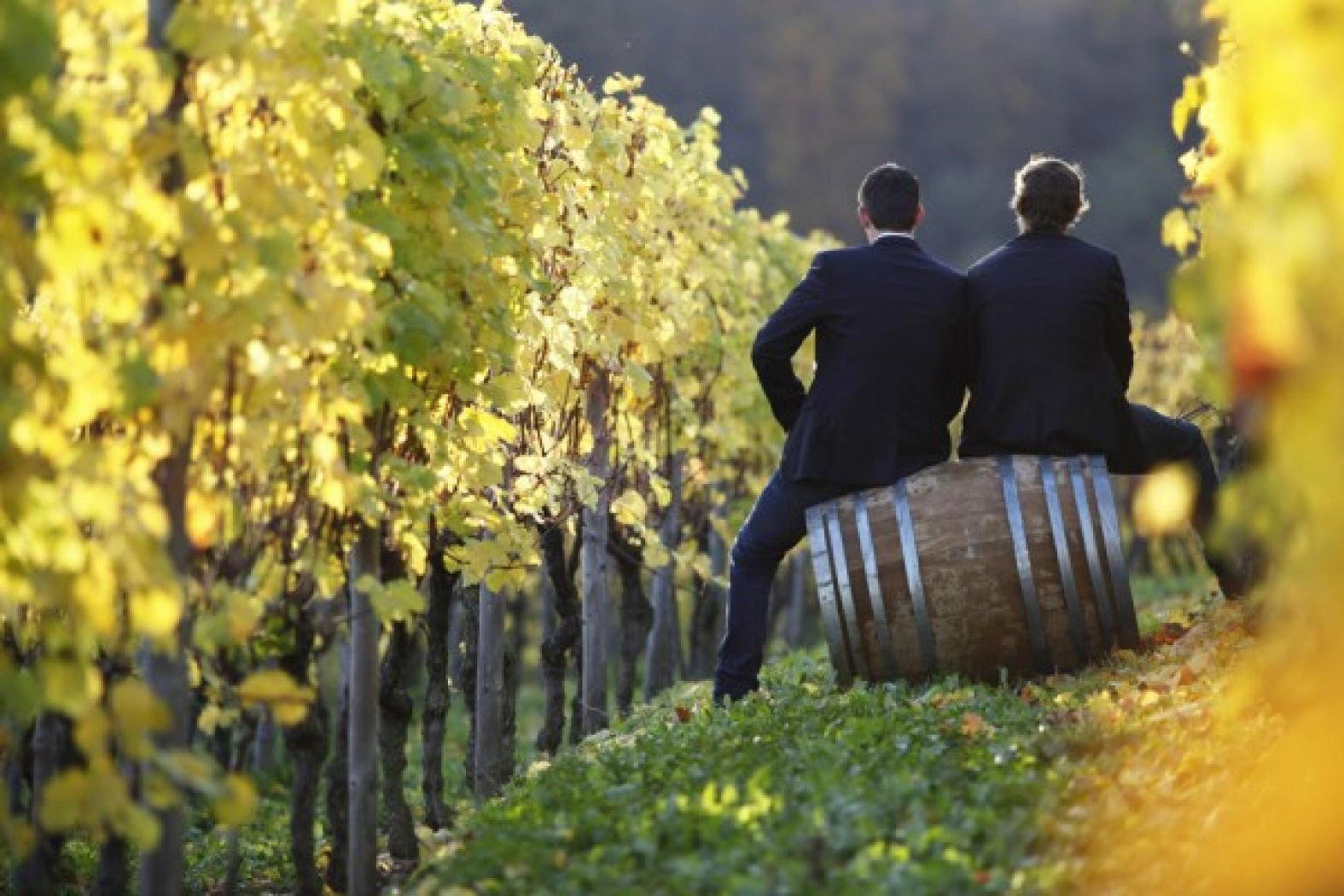
The story centers on careful vineyard work: low yields, hand harvesting and a production style that gives time to native-yeast fermentations. Those details are enough to place Domaine Madame Aly Duhr S.A on the more artisanal side of Moselle wine travel, where the visit is about patience, craft and estate character rather than speed or spectacle. Low-yield vines suggest an emphasis on concentration and selectivity, while hand harvesting reinforces the impression of close, manual attention in the vineyard. Together, they create a coherent picture of an estate whose identity begins before the cellar, in the way the fruit is approached.
What can be said with confidence is that the estate’s identity is classic, scenic, rustic, intimate and sophisticated, with a historic family-run feel. Those qualities matter because they define the likely mood of the visit as much as the technical wine language does. “Classic” and “rustic” keep the tone grounded; “intimate” and “sophisticated” suggest that the experience is better understood as focused and personal rather than broad or commercial. The family-run element adds a sense of continuity, while the Moselle scenery gives the setting its natural frame.
That makes the venue most relevant for visitors who want a focused Moselle estate stop in Ahn and are comfortable with a page that privileges confirmed facts over embellished detail. It is not necessary to overstate the offering for the core appeal to come through. The strongest reading is a restrained one: a wine estate with a clear artisanal profile, a scenic village context and enough confirmed production detail to justify interest from travelers who care about how a place works as well as how it looks.
Why the cellar work matters more than the romance
The cellar-side detail that is distinctive is the use of long, native-yeast fermentations. In editorial terms, that matters because it points to an approach where time and fermentation character are part of the estate’s identity. It also supports the broader impression of an artisanal yet classic Moselle venue. Long fermentations imply patience, and native yeasts point toward a process that is connected to the estate environment rather than framed only by uniformity. Without needing to add tasting notes or technical claims, the detail still gives useful texture to the way Domaine Madame Aly Duhr S.A should be read.
Hospitality should be understood in the same restrained way. The description supports a historic, family-run estate atmosphere suitable for tastings and events, but it does not confirm exact opening hours, appointment rules, languages, room names, payment methods, parking, shipping, seating, menus or service format. Those details should be checked directly before planning around them. This matters especially for travelers who may be building a Moselle itinerary around several stops, because the difference between a casual drop-in, a reserved tasting and a private event can shape the whole day. The responsible approach is to treat the atmosphere and wine-estate identity as confirmed, while leaving logistics to direct confirmation.
For a wider Ahn itinerary, consider the winery alongside other dining and wine-related stops in Ahn in a general sense, while keeping the focus here on the estate’s verified Moselle character. Its role in an itinerary is therefore best defined as a calm, wine-centered anchor rather than a catch-all hospitality venue. Visitors looking for a sense of place, vineyard context and a more intimate estate mood will understand the appeal most clearly.
A concise verdict on the visit
The winery is strongest for visitors who value a historic family-run Moselle estate with a scenic, classic and intimate atmosphere. The grounded appeal is clear: low-yield, hand-harvested vines and long, native-yeast fermentations, expressed in an artisanal setting in Ahn. The venue’s character is not presented through a long list of extras, and that restraint is part of the point. Its profile is narrower, quieter and more rooted in wine-estate fundamentals.
The honest recommendation is therefore simple: treat the winery as a refined Moselle estate stop in Ahn, and confirm practical details directly before visiting. Go for the essentials: the family-run historic feel, the scenic Moselle context, the low-yield and hand-harvested vineyard focus, and the patience implied by long, native-yeast fermentations.
At a Glance
- Classic
- Scenic
- Rustic
- Intimate
- Sophisticated
- Group Outing
- Celebration
- Wine Education
- Special Occasion
- Solo Exploration
- Barrel Room
- Estate Grounds
- Historic Building
- Organic
- Sustainable
- Dry Farmed
- Vineyard
- Waterfront
- Moselle Luxembourgeoise AOC
- Riesling
- Pinot Gris
- Pinot Blanc
- Pinot Noir
- Chardonnay
- Auxerrois
- Still White
- Still Red
- Still Rosé
- Sparkling
- Dessert
- By Appointment Cellar Tasting
- Estate Visit
Historic family-run Moselle estate focused on low-yield, hand-harvested vines and long, native-yeast fermentations, giving an artisanal yet classic feel to tastings and events.