Restaurant Aubergine
Our verdict
Restaurant Aubergine brings a French-Midwestern framework to St Paul, operating in a tier of American fine dining where classical technique and regional ingredient sourcing do the most meaningful work. The kitchen draws from the agricultural traditions of the Upper Midwest, translating them through a French lens that has become increasingly credible in mid-sized American cities. For St Paul diners accustomed to Minneapolis stealing the spotlight, Aubergine is a reason to stay on the east bank.

Pearl is the En Primeur Club membership app, where members save venues, book tables and use the concierge.
French Technique in the Upper Midwest: What Aubergine Represents
St Paul has spent years in the shadow of its twin city across the river, where the dining conversation tends to concentrate. But the French-Midwestern format that Restaurant Aubergine occupies points to something happening more quietly on this side: a small cohort of kitchens that treat the Upper Midwest not as a culinary disadvantage but as a provenance argument. The French classical tradition has long required the leading local ingredients to do its heaviest lifting, and few American regions can answer that brief as credibly as the farmland stretching south and west of the Twin Cities metro.
That intersection, French structure, Midwestern terroir, is a pairing that American fine dining has been working through at scale for roughly two decades. It shows up at Blue Hill at Stone Barns in Tarrytown and Single Thread Farm in Healdsburg at the high end of the format. Aubergine occupies that same intellectual territory in St Paul, where the sourcing arguments are made with Minnesota-grown produce, game, and dairy rather than Hudson Valley or Sonoma County producers.
What You Walk Into
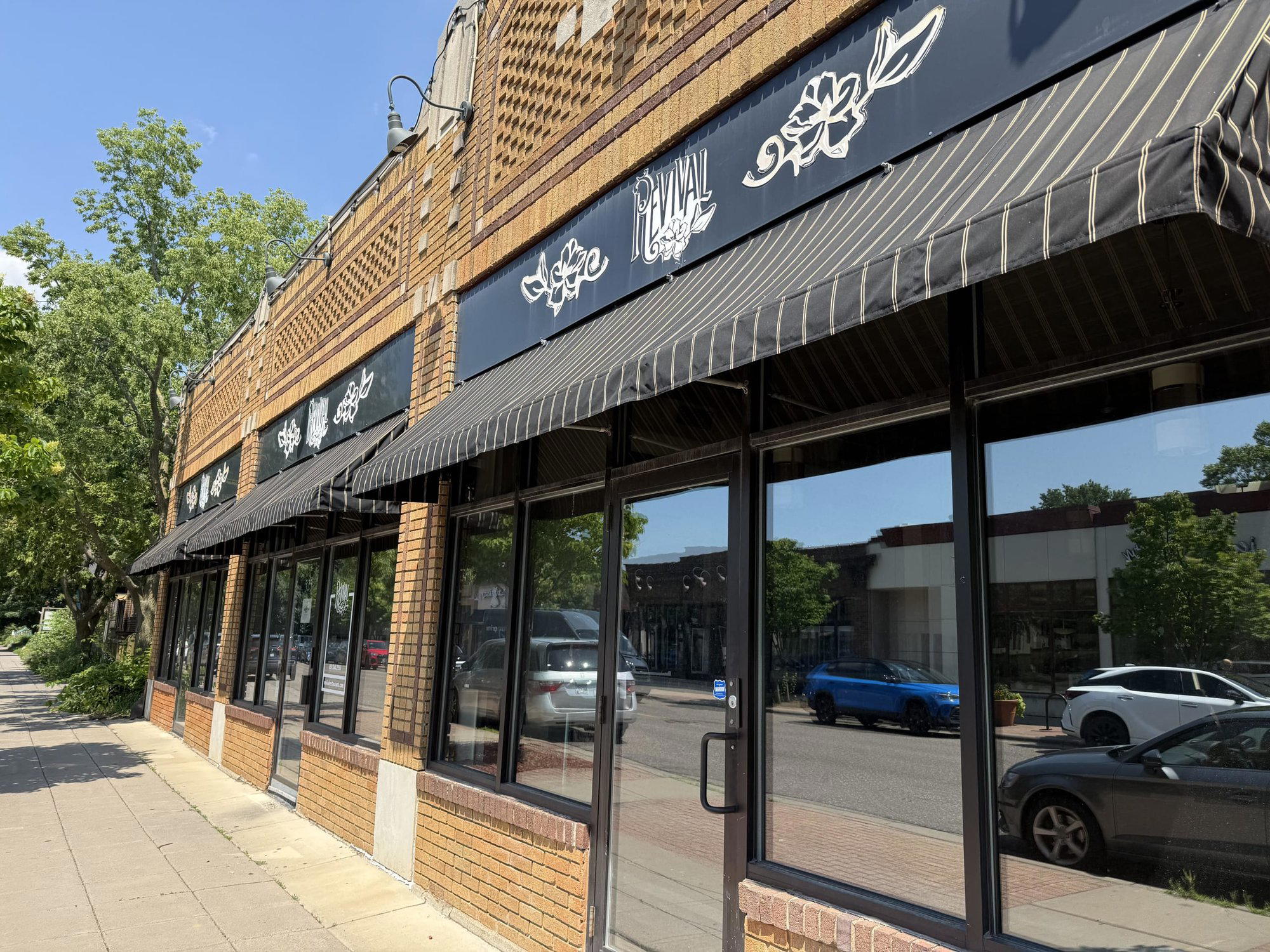
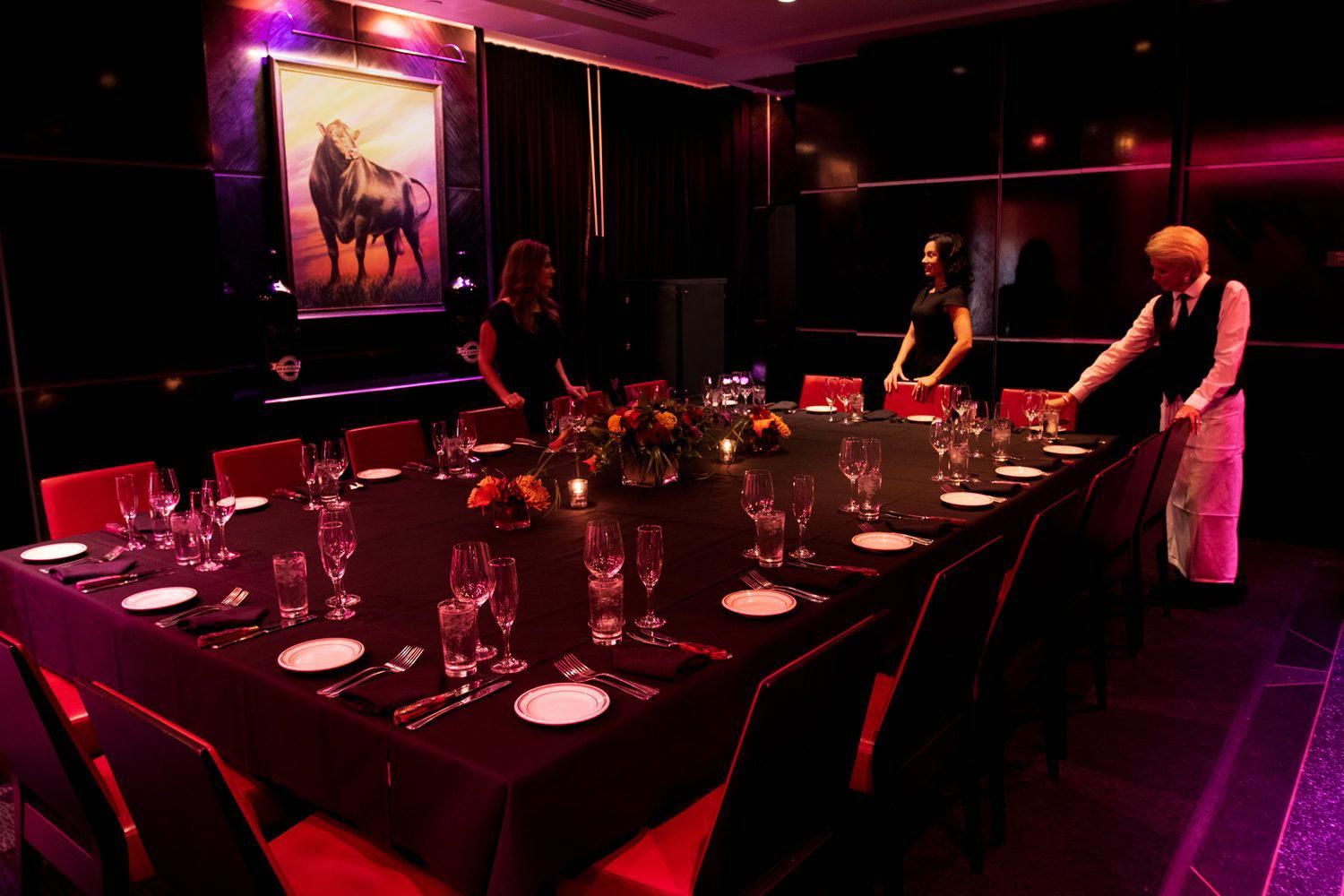
Fine dining rooms in mid-sized American cities tend to make one of two bets: they either replicate the visual grammar of coastal luxury, or they root their design in the specific character of where they are. St Paul's built environment, its older commercial blocks, its quieter streets compared to Minneapolis, its European-inflected urban scale, provides a particular kind of backdrop for a French restaurant. Walking into a room shaped by that context is different from arriving at a white-tablecloth template that could sit in any downtown. Whether Aubergine's dining room resolves that tension in favor of local character or cosmopolitan register is the kind of thing that shapes the first five minutes of a meal before a single plate arrives.
Rooms designed for French-inflected tasting-format dining tend toward a particular stillness: controlled acoustics, measured lighting, tables spaced for conversation rather than covers. For those coming from Minneapolis's denser, louder dining rooms, that register shift is part of what crossing the river for dinner provides.
Ingredient Sourcing and the French-Midwestern Argument
The French-Midwestern cuisine classification carries more weight than a hyphen usually does. French classical cooking, at its foundational level, is a discipline of transformation, of taking a region's raw materials and building from them through technique. Applied to the Midwest, that means engaging with ingredients that have genuine claim to quality: pork from smaller producers in southern Minnesota, root vegetables that overwinter in cold storage and develop sweetness, freshwater fish from regional lakes, wild game with provenance that no coastal menu can replicate.
This is what separates a credible French-Midwestern kitchen from one that borrows the label for positioning purposes. The sourcing argument has to be specific, seasonal, and auditable. The Upper Midwest growing season is compressed compared to California or the Southeast, which means a kitchen working honestly with regional supply will show a different rhythm through the year, less ingredient-variety in winter, more intensity per ingredient as a result. That constraint, in the French tradition, tends to produce better cooking rather than worse.
For context, the same sourcing logic operates at places like The French Laundry in Napa and Lazy Bear in San Francisco, where the kitchen's relationship with regional supply chains is treated as a primary credential. In the Midwest, that story is less told, which means Aubergine operates in a space where the argument is underrepresented rather than saturated.
Where Aubergine Sits in the National Fine Dining Conversation
American fine dining above a certain price threshold has sorted itself into recognizable camps. There are the coastal institutions, Le Bernardin in New York City, Providence in Los Angeles, where French classical discipline anchors menus with decades of accumulated reputation. There are the progressive American rooms like Alinea in Chicago that treat technique as the primary statement. And there are a smaller number of kitchens, spread across secondary and tertiary markets, where a genuine engagement with place generates menus that couldn't logically exist anywhere else.
Aubergine's French-Midwestern classification places it in that third category. It is closer, conceptually, to kitchens like Addison in San Diego or The Inn at Little Washington, ambitious fine dining in places that require a reader to adjust their geographic expectations before the meal becomes legible on its own terms.
St Paul's dining scene, which you can survey in more depth through our full St Paul restaurants guide, has enough breadth now that a single ambitious French-leaning restaurant is no longer an anomaly. It is part of a pattern.
Planning a Visit
St Paul operates on a different visitor logic than Minneapolis. The dining, bar, and hotel infrastructure is smaller but less congested, and evenings at restaurants like Aubergine rarely involve the wait-times or booking competition that comparable Minneapolis rooms generate. For those exploring the broader Twin Cities area, combining dinner at Aubergine with a night in St Paul rather than Minneapolis changes the texture of the trip. Our St Paul hotels guide maps the accommodation options near the city's dining corridor. For pre- or post-dinner drinks, our St Paul bars guide covers the short list of rooms worth your time.
For those interested in the broader food-and-drink picture, our St Paul wineries guide and our St Paul experiences guide fill in the surrounding context. If Aubergine anchors the evening, the rest of the day can be built around the city's quieter, less-covered cultural offers.
Dinner at a French-format room in this price tier runs leading when you're not pressed for time on either end. The format rewards a slow approach, which St Paul's pace, relative to Minneapolis, tends to accommodate.
Frequently asked questions
Can I bring kids to Restaurant Aubergine?
Restaurant Aubergine's French-Midwestern format is structured around a formal fine dining experience, which typically means extended multi-course pacing and a quieter room. That environment tends to work better for older teenagers comfortable with a longer table commitment than for younger children. Check directly with the restaurant on their policy before booking a family table.
What should I expect atmosphere-wise at Restaurant Aubergine?
The room sits within St Paul's fine dining register, meaning a quieter and less congested evening than you'd encounter at comparable Minneapolis addresses. French classical cooking sets the tonal anchor, expect measured service pacing, a deliberate room, and the kind of atmosphere where conversation carries rather than competes. It reads as a destination for occasion dining rather than a drop-in.
How does Restaurant Aubergine's French-Midwestern cuisine differ from standard French fine dining?
Where a conventionally French restaurant draws its ingredient vocabulary from European tradition, Aubergine's French-Midwestern classification signals a deliberate substitution: Upper Midwest regional sourcing in place of imported or coastal product, with classical French structure holding the cooking logic together. That means the same foundational techniques, reduction-based sauces, precise butchering, disciplined mise en place, applied to the produce, proteins, and dairy that define Minnesota and its neighbouring states. It's a specific culinary argument, not a geographic novelty, and it positions Aubergine differently from the French-inflected restaurants that dominate coastal fine dining markets.
What do regulars order at Restaurant Aubergine?
The French-Midwestern classification points to dishes where classical French technique is applied to Upper Midwest ingredients, so regulars likely gravitate toward whatever reflects that tension most directly on any given menu cycle. Because Aubergine's kitchen operates within a seasonal sourcing logic, the dishes worth ordering shift with the calendar. The best approach is to ask your server what the kitchen is currently behind.
Quick Comparison
Comparable venues nearby, for context on price, style, and recognition.
| Venue | Cuisine | Price | Awards | Notes |
|---|---|---|---|---|
| Restaurant AubergineThis venue (the venue you are viewing) | Cafe | Not listed | Not listed | Not listed |
| Cafe Latte | American Bakery Cafe | $20–30 | Not listed | Summit Hill |
| Burger Dive on Bay Street | Dining | $20–30 | Not listed | West Seventh |
| The Nook | American Burgers | Not listed | Diners, Drive-Ins and Dives Featured Restaurant | Beverly Hills |
| Shish | Mediterranean Grill & Cafe | $20–30 | Not listed | Macalester-Groveland |
| Caffe Biaggio | Homestyle Italian | $20–30 | Not listed | St. Anthony Park |
Continue exploring
More in Saint Paul
Restaurants in Saint Paul
All restaurants in Saint Paul →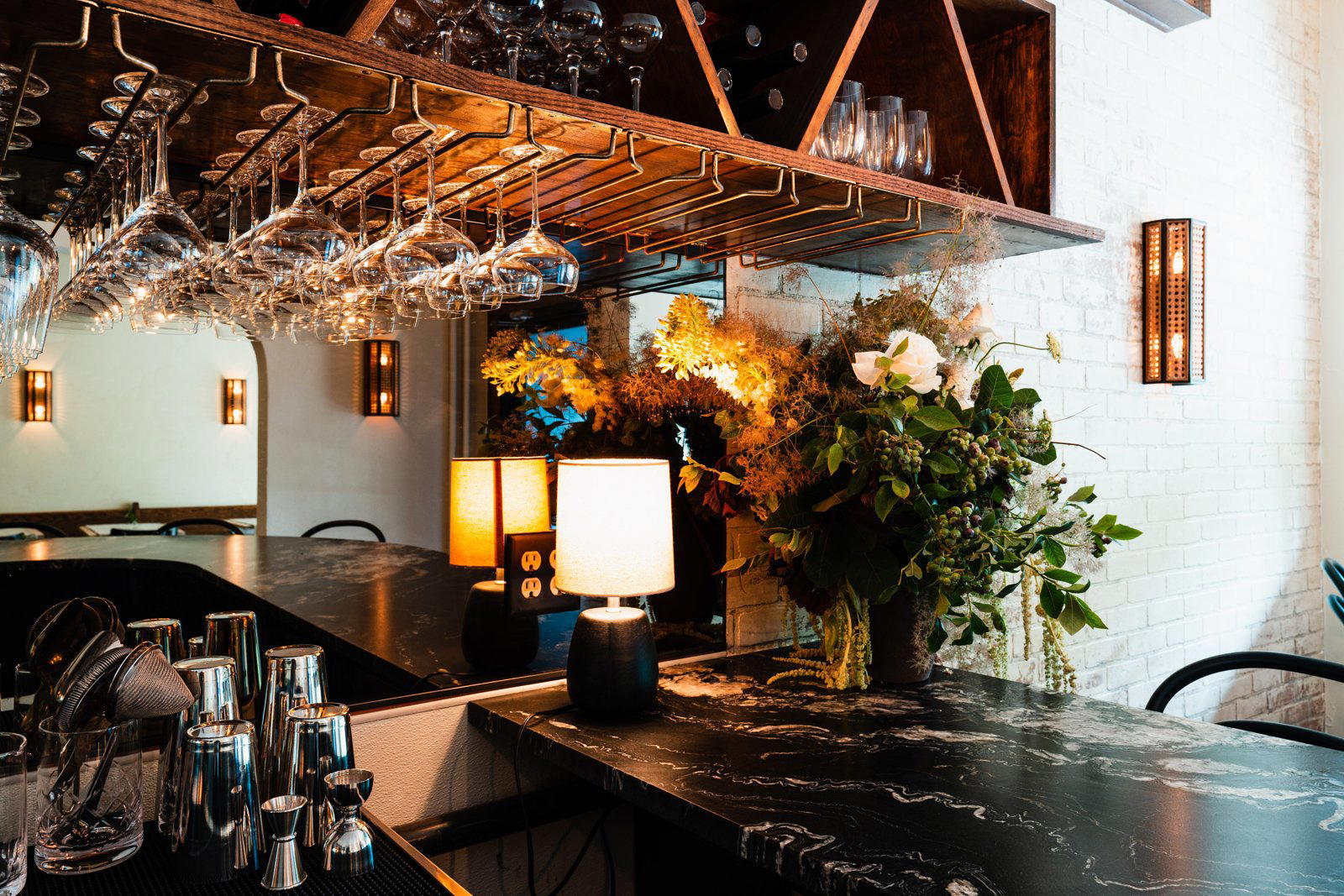

Bars in Saint Paul
All bars in Saint Paul →


Details
- Cozy
- Casual Hangout
- A La Carte
- Vegetarian Friendly
Warm and quaint atmosphere.