Restaurang Kvarnen occupies a corner of Södermalm that has been feeding Stockholm's working and creative classes for over a century. The room carries the weight of that history in its tiled walls, long wooden tables, and the particular low hum of a place that has never needed to reinvent itself. It sits at a considerable remove from the tasting-menu circuit, operating instead as a reference point for Swedish brasserie dining done without ceremony.
Pearl is the En Primeur Club membership app — saves, bookings, and concierge access live there. Same editors, same standards.
- Address
- Tjärhovsgatan 4, 116 21 Stockholm, Sweden
- Phone
- +46 8 643 03 80
- Website
- kvarnen.com
- Directions
- Get directions
 Saves & bookings on Pearl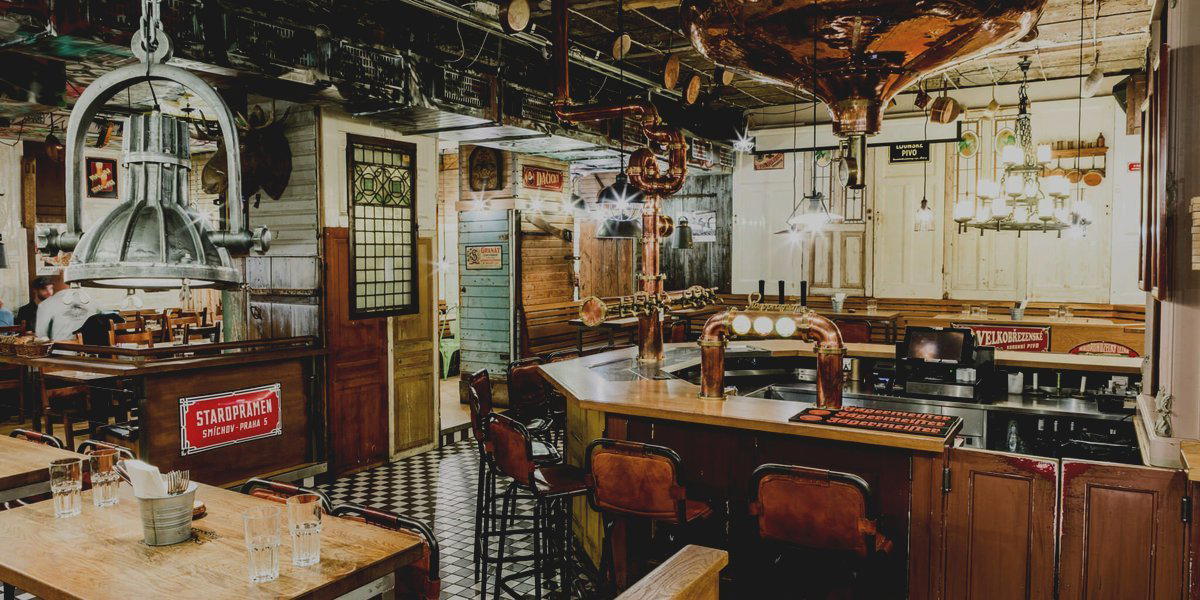
A Room That Has Earned Its Permanence
Södermalm has a specific kind of institutional confidence that separates it from Stockholm's more restless dining districts. The island's older establishments — the ones that predate the city's contemporary fine-dining wave — tend to wear their age as authority rather than nostalgia, and Restaurang Kvarnen at Tjärhovsgatan 4 is among the clearest examples of that posture. Walking toward the building, the architecture signals something older and more deliberate than the neighbourhood bars and concept restaurants that have gathered around it over the past two decades. The exterior has the settled quality of a place that did not arrive recently and has no particular anxiety about what arrives next.
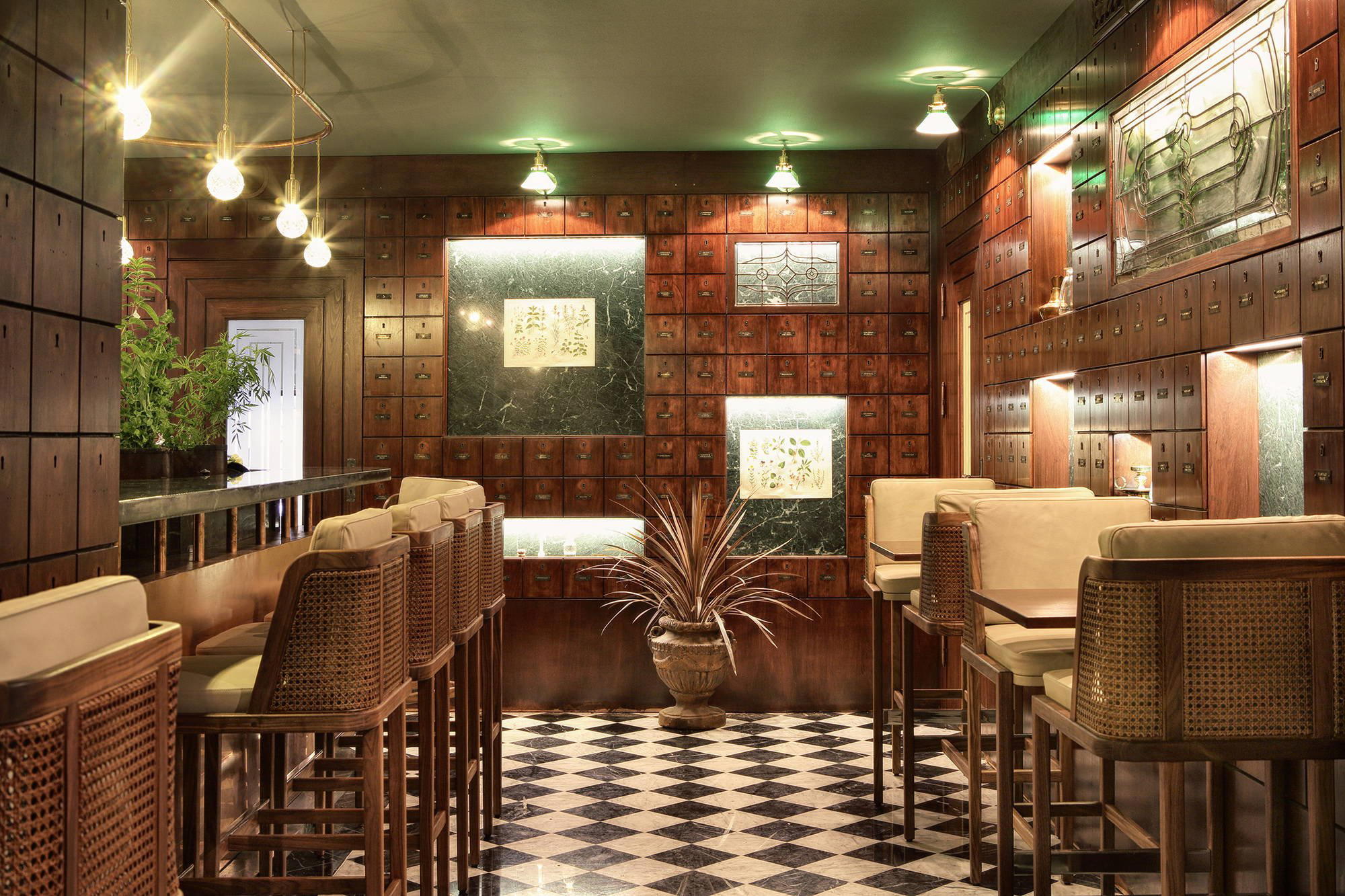
Inside, the room operates as a kind of sensory counterargument to the stripped-back minimalism that defines much of Stockholm's current restaurant design. Tiled walls, dark wood, and the accumulated patina of sustained use create an atmosphere where the décor is less a design choice than a historical record. Sound behaves accordingly: conversations overlap, glasses land on wood, and the general register is one of people who come here regularly and feel no need to lower their voices. This is the Swedish brasserie at its most archetypal, not the polished reinterpretation you find at higher price points, but the original model, operating on its own terms.
Where Kvarnen Sits in Stockholm's Dining Order
Stockholm's restaurant scene in the 2020s has bifurcated sharply. At one end, a cohort of tasting-menu destinations, places like Frantzén, AIRA, and Aloë, operate within an international fine-dining framework where the competitive reference points are as likely to be Copenhagen or Tokyo as they are Stockholm itself. At the other end, a smaller but equally significant group of established institutions holds a different kind of cultural position: they are where Stockholm actually eats, across generations, across budgets, and without the occasion-driven reasoning that a Michelin-starred booking requires.
Kvarnen belongs firmly to that second category. Kvarnen's competitive comparison is with the broader tradition of Scandinavian brasserie and beer hall dining, a format that has remained relatively unchanged in its essentials even as the city around it has transformed. The result is a venue that functions as a fixed point of reference precisely because it does not compete on the same terms as its higher-profile neighbours.
That positioning has its own logic. In cities where the fine-dining tier has expanded rapidly, Stockholm is not alone here; Le Bernardin in New York and Lazy Bear in San Francisco both operate in markets where the high-end tier has grown denser, there is an increasing appetite for the kind of institution that does not ask anything of you except that you show up and order. Kvarnen fulfils that function in Södermalm with a consistency that newer openings cannot replicate on a short timeline.
The Atmosphere as the Offering
The sensory argument for Kvarnen is not built on the kitchen. Swedish brasserie cooking of this type, the category the room represents rather than any specific dish claim, leans on direct preparation, familiar ingredients, and the understanding that the food is in service of the broader social act rather than the reverse. This is a meaningful distinction. In Stockholm's current restaurant culture, where kitchens at places like Adam / Albin are themselves the point of the visit, Kvarnen operates on the older logic: the room is the point, and the food is competent support for it.
Beer is central to that logic. The venue's identity as a beer hall precedes its identity as a restaurant in any contemporary sense, and that history shapes how the space feels during service. The beer selection anchors the menu in a way that a wine list at a more formal Stockholm address would not, it establishes the register and tells you what kind of evening you are having before you look at the food. This is not a minor atmospheric detail. It determines the pace, the volume, and the social contract between the room and its guests in a way that distinguishes Kvarnen from the growing number of Stockholm restaurants that apply craft-beer branding as a style choice rather than an institutional identity.
Sweden Beyond Stockholm: The Broader Context
Understanding what Kvarnen represents is easier when you consider how Sweden's more formal dining institutions are distributed across the country. The kind of occasion-driven, destination-level cooking that Kvarnen pointedly is not can be found well beyond the capital: Vollmers in Malmö, VYN in Simrishamn, Signum in Mölnlycke, and ÄNG in Tvååker all operate at a level of kitchen ambition where the meal is a structured, multi-hour commitment. The same applies to Knystaforsen in Rydöbruk, PM & Vänner in Växjö, Bistro Jarlen in Halmstad, Claesgatan 8 in Malmö, Sydkustens at Pillehill in Skivarp, and Hoze in Gothenburg.
Kvarnen is the counterweight to all of that. It is where you go when the point is the evening rather than the kitchen, when the company matters more than the menu, and when you want a room with enough history in its walls that you don't need to manufacture atmosphere from scratch. That is a specific and genuinely useful function in any city's restaurant culture, and Stockholm is not so different from Paris, Vienna, or Prague in needing both ends of that spectrum to be well-served. See our full Stockholm restaurants guide for a broader map of where the city's dining sits across categories and price points.
Planning Your Visit
Restaurang Kvarnen is located at Tjärhovsgatan 4 in Södermalm, accessible by metro to Medborgarplatsen, which puts the entrance a short walk from one of the neighbourhood's main squares. The area is dense with bars and restaurants, so the practical advice is to arrive with a sense of what you want from the evening: Kvarnen rewards those who come for the room and the beer rather than those expecting the precision of Stockholm's higher-tier kitchens. Given the venue's institutional status and consistent local following, weekends in particular tend to be busy; arriving earlier in the evening or on a weeknight gives you more of the room at its characteristic register. For current hours and reservations, the venue's own channels are the reliable source, as operating details can shift seasonally.
How Restaurang Kvarnen Stockholm compares with similar nearby venues.
| Venue | Cuisine | Price |
|---|---|---|
| Woodstockholm | Contemporary | €€ |
Continue exploring
More in Stockholm
Restaurants in Stockholm
Browse all →
Bars in Stockholm
Browse all →
At a Glance
- Lively
- Classic
- Rustic
- Well Known
- Casual Hangout
- Group Dining
- Historic Building
- Beer Program
Current opening hours
- Monday
- 11 AM–11 PM
- Tuesday
- 11 AM–11 PM
- Wednesday
- 11 AM–12 AM
- Thursday
- 11 AM–12 AM
- Friday
- 11 AM–3 AM
- Saturday
- 11:30 AM–3 AM
- Sunday
- 11:30 AM–11 PM
Hours can change for holidays and private events. Last verified .
Charming oak-paneled beer hall with high ceilings, patina, and working-class pub atmosphere.
Know Before You Go
- Getting there
- Tjärhovsgatan 4, 116 21 Stockholm, Sweden