Reina XIV



A Michelin Plate-recognised address in the royal town of La Granja de San Ildefonso, Reina XIV translates the ceremonial heritage of Philip V's court into a contemporary tasting format. Chef Borja Aldea, trained at Etxanobe and Disfrutar, anchors dishes such as Judiones de la Granja with pheasant consommé in deep local tradition. Priced at the €€€ tier with both à la carte and tasting menu formats, it sits adjacent to the Parador on Calle Reina.
Pearl is the En Primeur Club membership app — saves, bookings, and concierge access live there. Same editors, same standards.
- Address
- C. Reina, 14, 40100 Real Sitio de San Ildefonso, Segovia, Spain
- Phone
- +34 921 47 05 48
- Website
- reina14.com
- Directions
- Get directions
 Saves & bookings on Pearl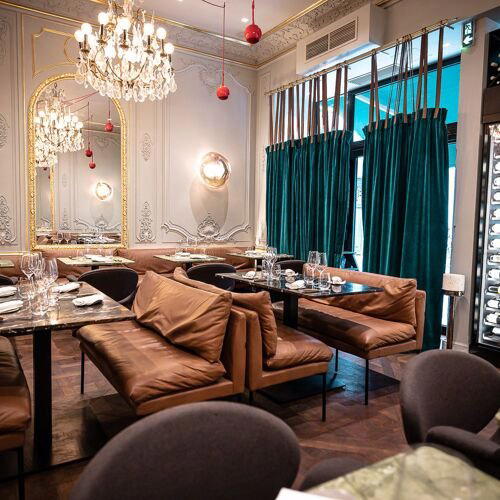
Where the Royal Past Becomes a Dining Framework
The Spanish royal retreats north of Madrid have always occupied a specific cultural position: part functioning town, part open-air museum, part backdrop for a kind of ceremonial life that the rest of the country observes from a distance. La Granja de San Ildefonso, with its Baroque palace and sculpted gardens commissioned by Philip V in deliberate imitation of Versailles, carries that weight more openly than most. Dining here, at least at the more considered end, means engaging with that history rather than simply eating near it.
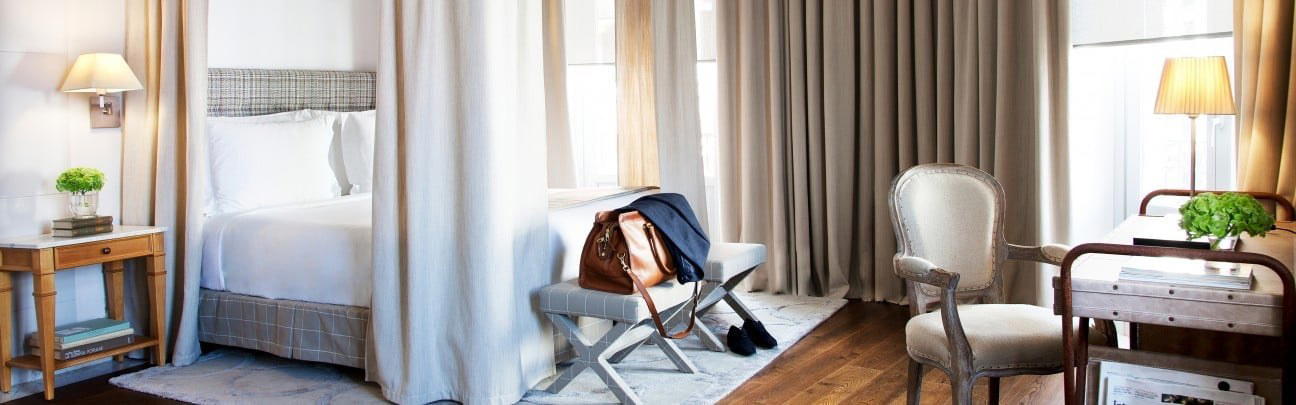
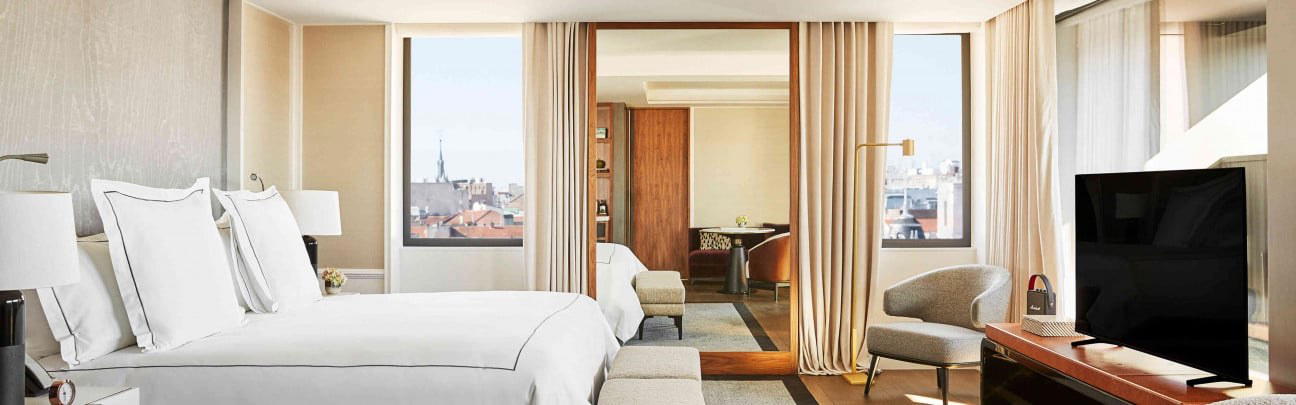
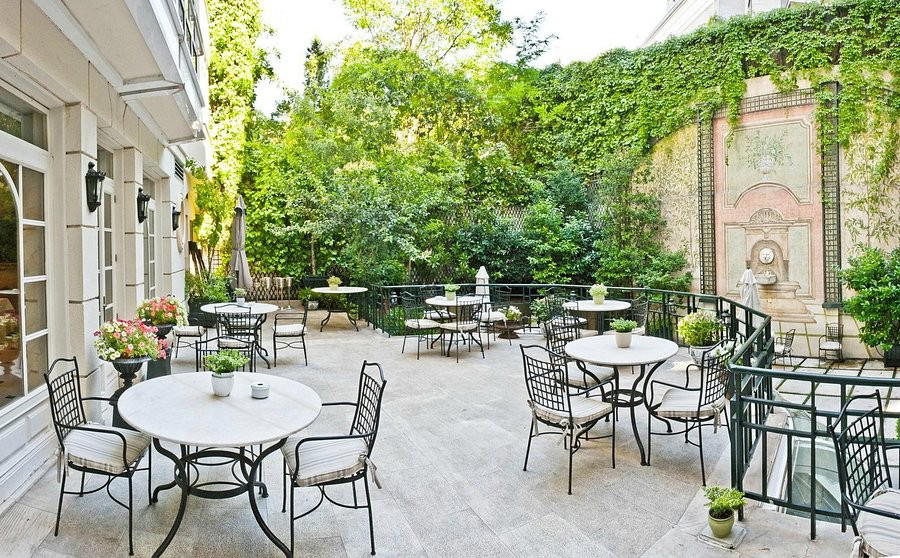
Reina XIV addresses that context with directness. Positioned on Calle Reina, immediately adjacent to the Parador, the room itself takes its decorative cues from the Royal Palace: the aesthetic is not a pastiche of heritage but a considered reference to it, the kind of design decision that signals intent before a single dish arrives. In a small town where the palace dominates both skyline and imagination, that framing matters. The restaurant is not decorating around an absent idea; it is decorating around a specific historical address that still stands two minutes away.
The Kitchen as Archive
Contemporary Spanish cuisine at the upper tier has spent the last two decades establishing itself through rupture: the molecular experiments of the Adrià era at Disfrutar in Barcelona, the conceptual rigour of Mugaritz in Errenteria, the technical ambition of El Celler de Can Roca in Girona. Those kitchens, alongside Arzak in San Sebastián, DiverXO in Madrid, Aponiente in El Puerto de Santa María, Azurmendi in Larrabetzu, Quique Dacosta in Dénia, Martin Berasategui in Lasarte-Oria, and Ricard Camarena in València, all operate in the €€€€ bracket and draw international attention partly through scale of innovation. Reina XIV occupies a different register: the €€€ price tier, a smaller-town setting, and a concept anchored not in rupture but in recovery.
The approach here is archival in character. Chef Borja Aldea, whose training included time at both Etxanobe and Disfrutar, has oriented the kitchen around the recipe heritage of Philip V's court, reinterpreting a historical repertoire rather than constructing one from scratch. This is a less common editorial position in contemporary Spanish cooking, where most ambitious chefs frame their work as forward-facing. The court cuisine of the early eighteenth century, filtered through modern technique, gives Reina XIV a specific identity that does not compete directly with the progressive houses listed above; it reads on a different axis entirely.
Judiones de la Granja, the large white beans grown in this microclimate and long associated with Segovian cooking, appear with pheasant consommé, pairing a genuinely local product with a preparation that carries aristocratic register. Segovian trout arrives as a reworked version of a regional classic. The Bollo Isabel de Farnesio, named for Philip V's queen, places the historical framing inside the dish itself. These are not decorative gestures; they represent a coherent methodology in which local geography and court history are the primary sources.
Format and Structure
The menu operates on two tracks: à la carte service and tasting menus. That split is worth noting in a town where most dining options run closer to traditional Castilian tavern format. The tasting menu option positions the restaurant clearly within the more considered tier of regional dining, while the à la carte availability makes the kitchen accessible without requiring the full commitment of a structured progression. For visitors staying at the Parador or arriving for a day trip from Segovia or Madrid, this flexibility changes the calculus of how to plan an evening.
In the Michelin framework, the Plate signals cooking quality worth noting; it is a credential within the guide's hierarchy, not a consolation below it. For a restaurant operating in a town of this size, sustained inclusion across consecutive years is a meaningful signal about consistency.
La Granja as a Dining Destination
La Granja de San Ildefonso does not function as a restaurant destination in the way that San Sebastián or Barcelona do. It is a heritage town whose primary draw is the palace and its fountains, and its dining scene reflects that: the dominant mode is traditional Castilian, centred on roast lamb, cocido, and judiones prepared without architectural ambition. That context makes the restaurant's position more legible. It is not competing within a dense urban restaurant field; it is offering a specific kind of cooking that the surrounding town does not otherwise provide. Within our full San Ildefonso o La Granja restaurants guide, options at this level of culinary intent are limited, which concentrates attention on the handful of addresses that operate above the traditional tier. La Fundición represents another address in town worth considering for contrast.
The restaurant sits at C. Reina, 14, in the Real Sitio de San Ildefonso, 40100, Segovia. The €€€ pricing places it in the mid-to-upper tier for the region, above standard tavern pricing and below the four-euro-sign bracket of the major starred Spanish houses. Given the tasting menu format and the depth of the culinary concept, a meal here fits best when approached with time and appetite for the full sequence; arriving for a quick à la carte lunch and leaving with only a partial reading of the kitchen would be a pragmatic but incomplete way to engage with what the restaurant is doing.
For comparison at the contemporary fine dining tier in other cities, César in New York City and Jungsik in Seoul represent how the contemporary format translates across different urban and cultural contexts.
Budget and Context
Comparable venues nearby, for context on price, style, and recognition.
| Venue | Cuisine | Price | Awards | Notes |
|---|---|---|---|---|
| Reina XIVThis venue — the venue you are viewing | Contemporary | $$ | Michelin Plate | Not listed |
| La Fundición | Not listed | $$ | Bib Gourmand | San Ildefonso o La Granja, Modern Segovian Cuisine |
| El Viejo Fogón | Majadahonda, Modern Spanish Fusion | $$ | Michelin Plate | Not listed |
| Chivo | Not listed | $$ | Michelin Plate | Morales de Toro, Traditional Spanish Grill |
| Palio | Not listed | $$ | Michelin Plate | Ocaña, Traditional Spanish with Modern Twist |
| Casa de Pías | Centro, Modern Spanish | $$ | Michelin Plate | Not listed |
Recognition history
Dated appearances from independent guides and award organizations, with the underlying list record or original source where available.
Guía Repsol 1 Sol
Guía Repsol
Macarfi 7.5 Food Rating
Macarfi
Michelin Plate
Michelin
Michelin Plate
Michelin
Michelin Plate
Michelin
Continue exploring
More in San Ildefonso o La Granja
Restaurants in San Ildefonso o La Granja
Browse all →
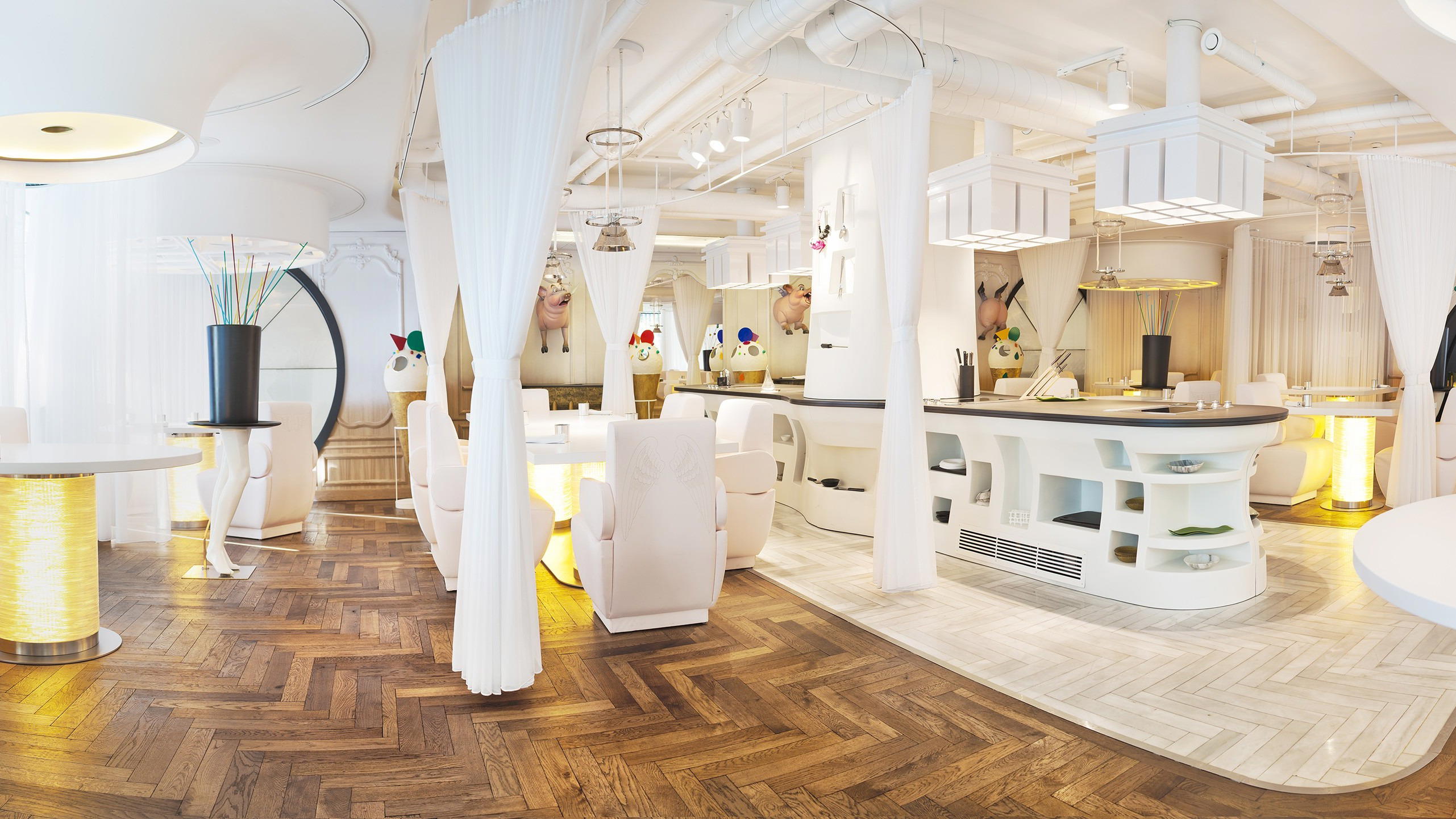
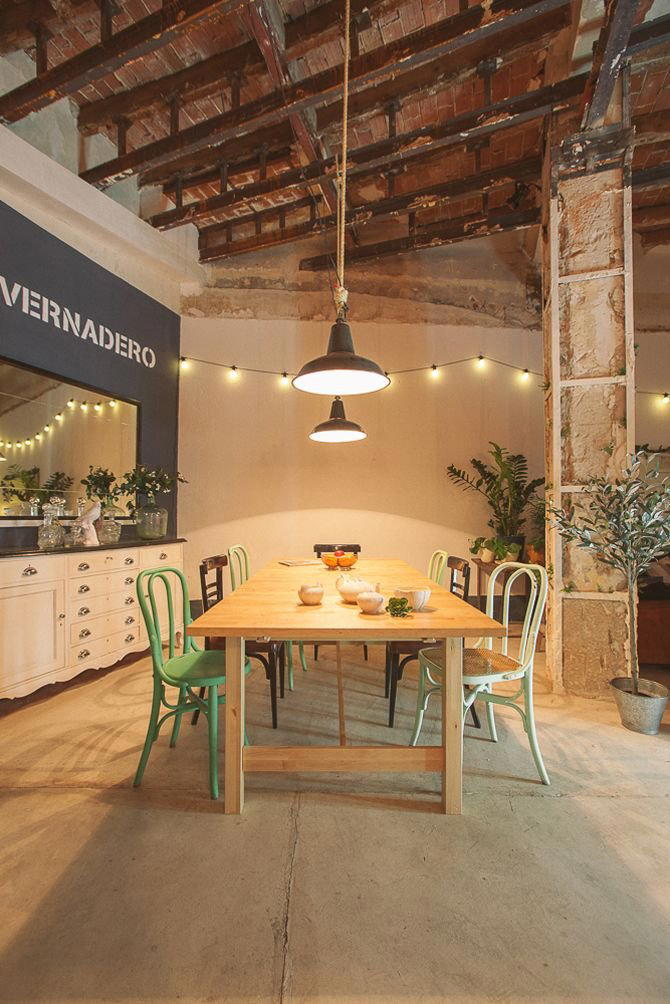
Bars in San Ildefonso o La Granja
Browse all →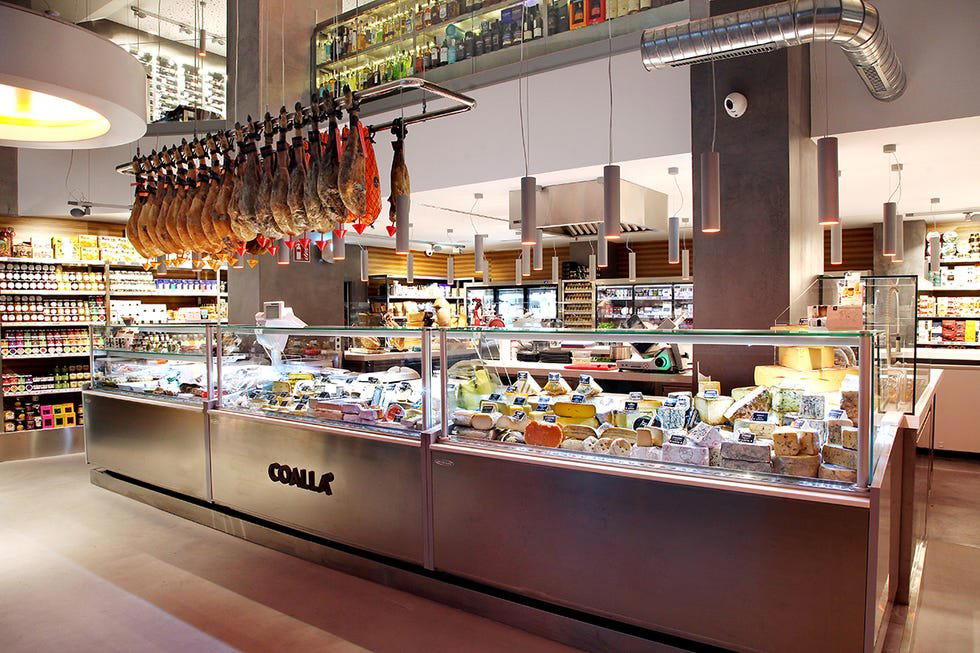
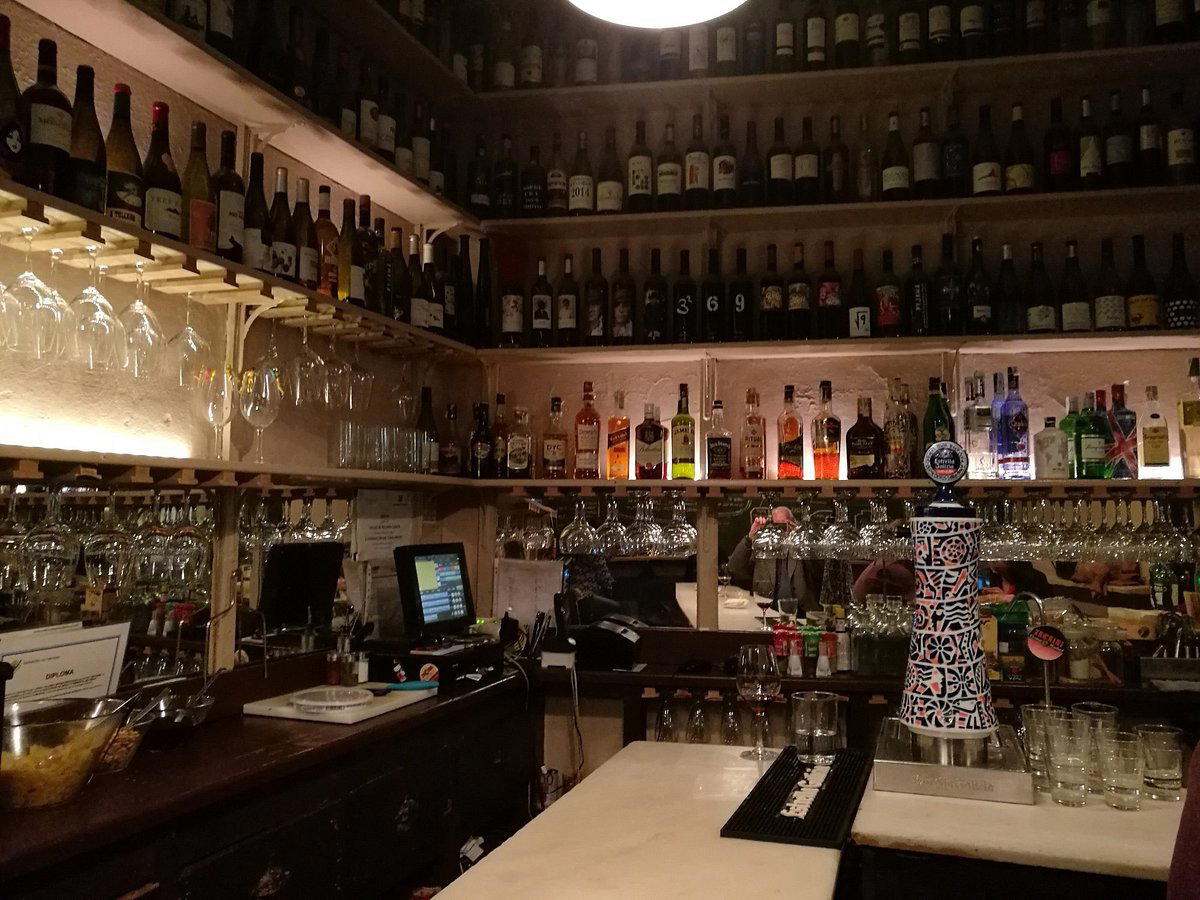
Hotels in San Ildefonso o La Granja
Browse all →


At a Glance
- Cozy
- Elegant
- Special Occasion
- Date Night
- Historic Building
- Extensive Wine List
- Local Sourcing
Current opening hours
- Monday
- Closed
- Tuesday
- Closed
- Wednesday
- 1:30–3:30 PM
- Thursday
- 1:30–3:30 PM
- Friday
- 1:30–3:30 PM, 8:30–10:30 PM
- Saturday
- 1:30–3:30 PM, 8:30–10:30 PM
- Sunday
- 1:30–3:30 PM
Hours can change for holidays and private events. Last verified .
Cozy and elegant atmosphere with careful decoration and pleasant lighting that creates an immersive dining experience.