Red Marlin
Red Marlin sits at 1441 Quivira Road along San Diego's Mission Bay waterfront, positioning it within the city's broader conversation about coastal dining and proximity to source. The address places it squarely in the tradition of California restaurants where the water outside is less backdrop than argument, a case made through what arrives on the plate and where it came from.
Pearl is the En Primeur Club membership app — saves, bookings, and concierge access live there. Same editors, same standards.
- Address
- 1441 Quivira Rd, San Diego, CA 92109
- Phone
- +16192214868
- Website
- redmarlinsandiego.com
- Directions
- Get directions
 Saves & bookings on Pearl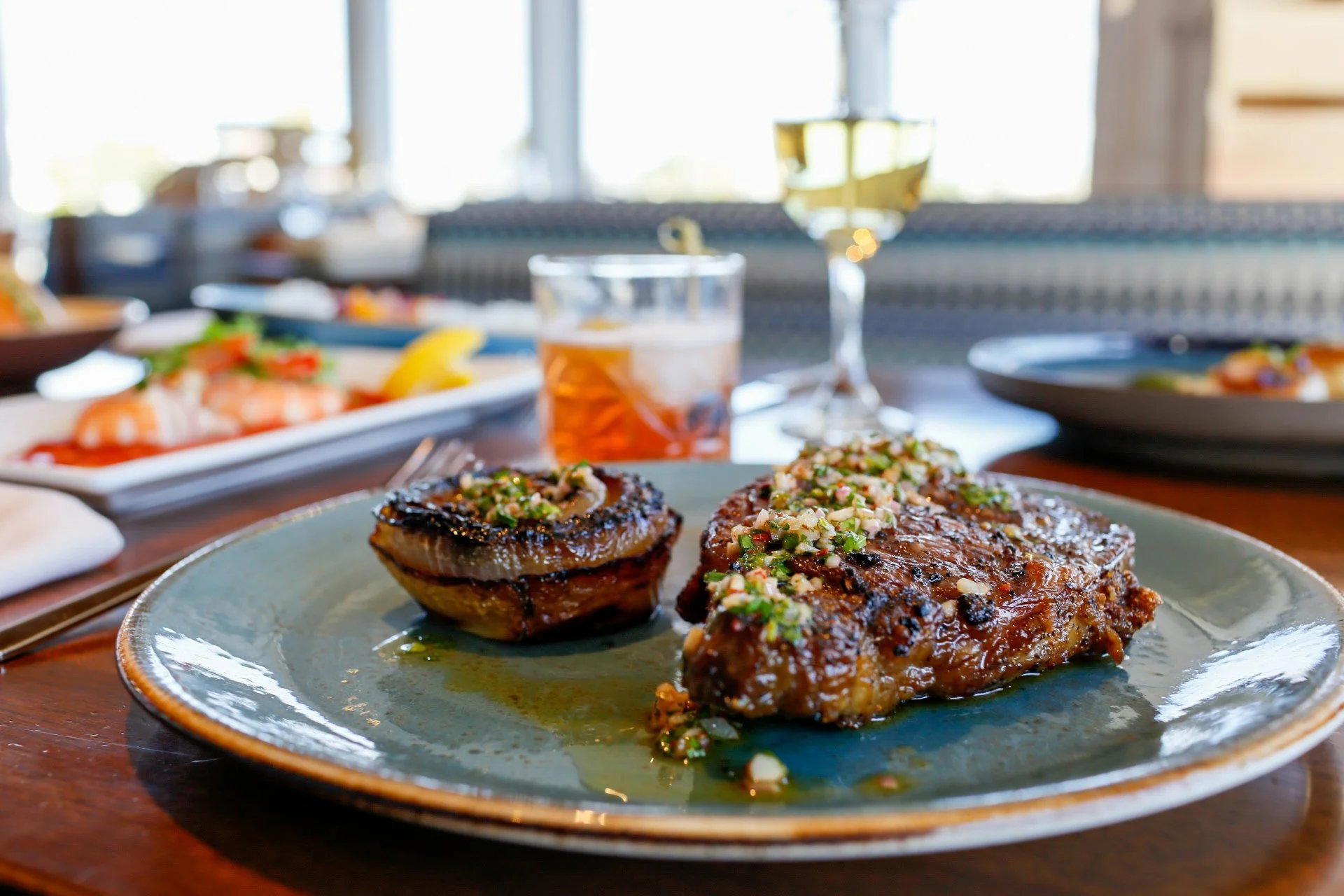
Where the Water Makes the Argument
San Diego's waterfront dining has always operated under a particular pressure: the Pacific is right there, visible and immediate, which means sourcing claims carry more weight here than in landlocked cities. When a restaurant sits on Mission Bay at 1441 Quivira Road, as Red Marlin does, the proximity to open water matters. It sets a standard of expectation that the kitchen either meets or quietly fails to honor. The city's dining culture has increasingly rewarded those that align the view and the plate.
That gap is the central question of coastal California cuisine. Across the state, particularly credible seafood-forward restaurants have moved away from broad sourcing language toward named boats, named fishermen, and specific catch windows. Single Thread Farm in Healdsburg built its reputation on farm-to-table traceability that extends to the water. Providence in Los Angeles has long maintained relationships with small-scale fishers as a core part of its editorial identity. The pressure to substantiate proximity claims has intensified as diners grow more attentive to where fish actually comes from versus where a restaurant implies it comes from.
San Diego's Coastal Dining Tier
San Diego's restaurant scene has matured considerably over the past decade, developing a clearer internal hierarchy. At the upper end, Addison, the city's only two-Michelin-starred restaurant, operates in a category defined by French technique and contemporary refinement. Soichi, a Japanese counter operating at the $$$$ tier, demonstrates what disciplined, small-format dining looks like when sourcing is both philosophy and practice. These venues define the upper bracket against which ambitious newcomers and established mid-tier options are implicitly measured.
Waterfront addresses in San Diego tend to bifurcate. Some lean into the scenic value and accept that the view is the primary draw, building menus around broad appeal rather than sourcing precision. Others treat the coastal setting as both context and obligation, and build their identity around what the local waters and surrounding agricultural region actually produce. 94th Aero Squadron and its related property 94th Aero Squadron San Diego represent the experience-led end of the spectrum, where atmosphere and accessibility carry the room. Red Marlin's Quivira Road position places it in a different context, shaped by what Mission Bay and the broader San Diego coastline can realistically deliver.
The Ingredient Sourcing Argument Along the California Coast
California's coastal sourcing infrastructure is genuinely strong. The Baja peninsula, which begins roughly an hour south of San Diego, produces particularly consistent shellfish and fin fish available to Southern California kitchens. Local fisheries supplying San Diego restaurants include operations working out of Point Loma and the waters off La Jolla. Seasonal patterns matter: white sea bass runs strongest in spring and early summer, spiny lobster season opens in October, and Pacific halibut availability peaks in the warmer months. A kitchen serious about what the region produces has material to work with through the year.
This is the sourcing tradition that gives San Diego seafood restaurants their most defensible claim to relevance within the national conversation. Nationally, the benchmark for ingredient-forward coastal dining is set by operations like Le Bernardin in New York City, where technique and sourcing operate in explicit dialogue, or Blue Hill at Stone Barns in Tarrytown, where the sourcing argument extends to every element on the plate. San Diego's coastal kitchens are working in a different register, but the underlying logic, that proximity to source should be legible in the food, is the same.
Other California coastal markets have made this argument with different emphasis. Lazy Bear in San Francisco built its identity around communal format and hyper-local procurement. The French Laundry in Napa treats ingredient sourcing as inseparable from technical execution. San Diego's version of this conversation is still developing its most authoritative voices.
Red Marlin in Context
Within San Diego's restaurant map, the Quivira Road address situates the restaurant in the Mission Bay corridor, a stretch of waterfront that draws a mix of hotel guests, recreational visitors, and diners seeking the specific combination of water views and table-service dining. This corridor competes for a different customer than Bankers Hill or Little Italy, where restaurants like 1450 El Prado operate in a more culturally dense urban context.
Waterfront hotel-adjacent dining anywhere in California tends to serve a visitor-heavy mix, which creates a particular editorial challenge: the audience is often less repeat than neighborhood dining rooms, which can either liberate a kitchen from the expectations of regulars or reduce the accountability that repeat custom creates. Particularly credible waterfront operations in this position have found ways to hold both, drawing visitors while maintaining standards that give local diners a reason to return. Across the country, restaurants at Emeril's in New Orleans and The Inn at Little Washington in Washington have managed this balance through consistent technical ambition regardless of who fills the room on any given night.
Bacchanalia in Atlanta, Atomix in New York City, and Alinea in Chicago, each of which represents a different point on the spectrum between sourcing-led and technique-led dining. 8 1/2 Otto e Mezzo Bombana in Hong Kong offers a useful international reference for how waterfront setting and fine dining identity can be integrated at the highest tier.
Cuisine Context
Comparable venues nearby, for context on price, style, and recognition.
| Venue | Cuisine | Price | Notes |
|---|---|---|---|
| Red MarlinThis venue — the venue you are viewing | Californian Seafood | $$$ | Not listed |
| Sally's Waterfront Dining | Baja Med Seafood & Steaks | $$$ | Downtown |
| Blue Water Seafood Market and Grill | Fresh Seafood Grill | $$ | Uptown |
| Lionfish Modern Coastal Cuisine – San Diego | Modern Coastal Cuisine with Sushi | $$$ | Downtown |
| Tin Fish Gaslamp | Casual Seafood - Fish Tacos & Grilled Plates | $$ | Downtown |
| Brigantine Point Loma | Seafood & Steakhouse | $$ | Peninsula |
Continue exploring
More in San Diego
Restaurants in San Diego
Browse all →
Bars in San Diego
Browse all →


At a Glance
- Elegant
- Scenic
- Sophisticated
- Date Night
- Special Occasion
- Brunch
- Waterfront
- Terrace
- Private Dining
- Hotel Restaurant
- Craft Cocktails
- Sustainable Seafood
- Waterfront
Current opening hours
- Monday
- 7–11 AM, 5–9:30 PM
- Tuesday
- 7–11 AM, 5–9:30 PM
- Wednesday
- 7–11 AM, 5–9:30 PM
- Thursday
- 7–11 AM, 5–9:30 PM
- Friday
- 7–11 AM, 5–9:30 PM
- Saturday
- 7–11 AM, 5–9:30 PM
- Sunday
- 7–11 AM, 5–9:30 PM
Hours can change for holidays and private events. Last verified .
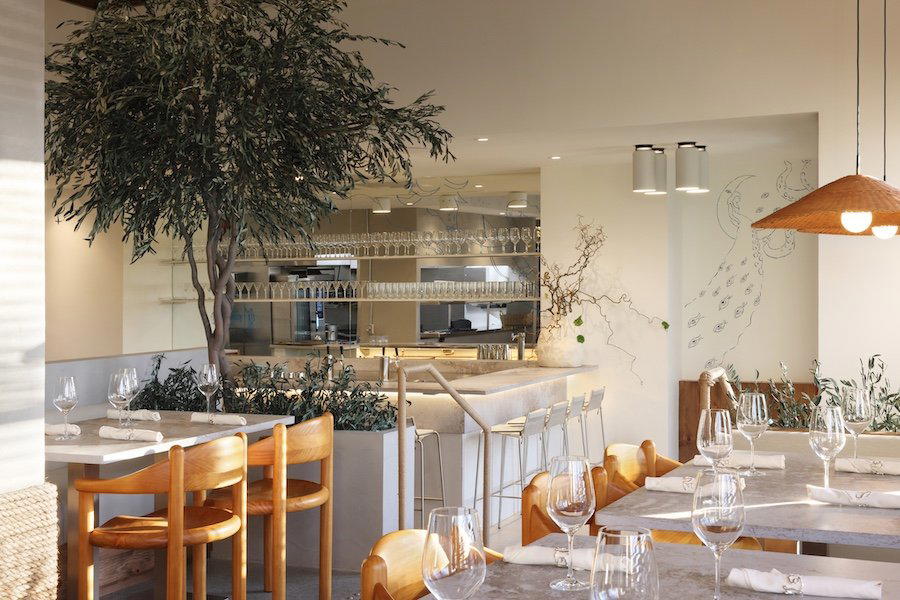
Warm modern design with panoramic bay views, romantic terrace fire pits, and open-air seating.