Brigantine Point Loma
Brigantine Point Loma is a San Diego seafood institution at 2725 Shelter Island Dr, positioned along the waterfront where the city's fishing heritage meets casual coastal dining. The restaurant draws on Southern California's Pacific-sourced seafood tradition, making it a reference point for locals and visitors tracing the evolution of San Diego's fish-forward restaurant culture.
Pearl is the En Primeur Club membership app — saves, bookings, and concierge access live there. Same editors, same standards.
- Address
- 2725 Shelter Island Dr, San Diego, CA 92106
- Phone
- +16192242871
- Website
- brigantine.com
- Directions
- Get directions
 Saves & bookings on Pearl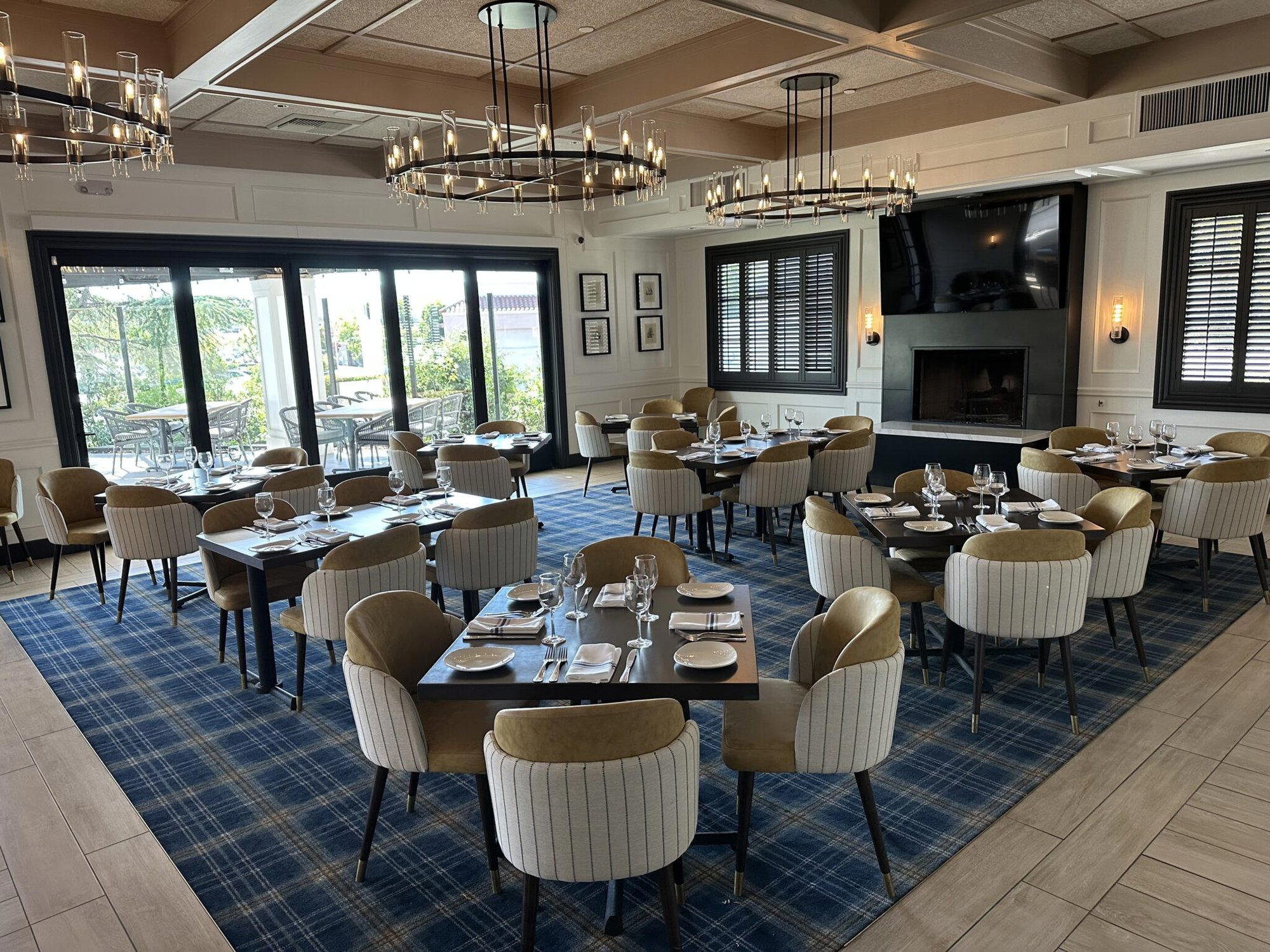
Where the Pacific Arrives on the Plate
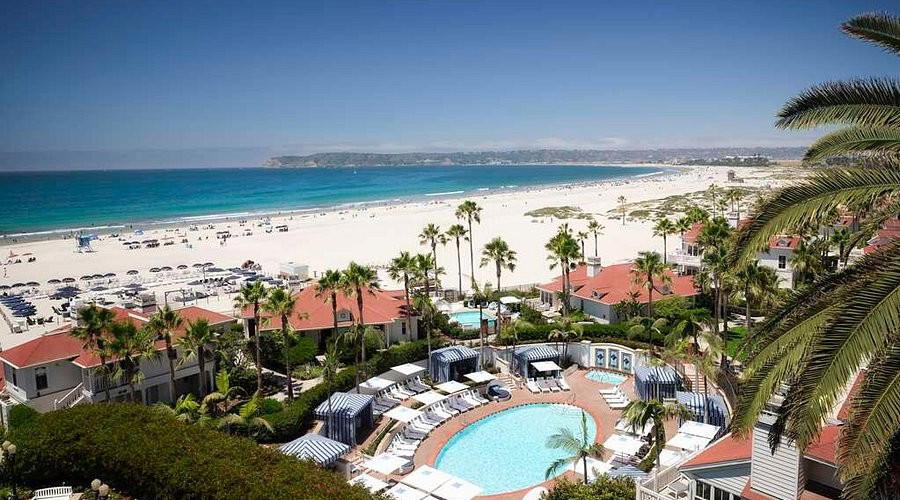
Shelter Island Drive runs along a narrow peninsula that juts into San Diego Bay, and the view from this stretch is all working water: boat slips, marina traffic, the distant silhouette of Point Loma itself. Brigantine Point Loma sits along this corridor, and the setting does real work before the food arrives. Coastal California seafood dining has long used waterfront placement as shorthand for provenance, and here the geography is at least honest, the Pacific is close enough that the sourcing story, when told correctly, carries weight.
The Southern California seafood table has its own distinct logic. Unlike the tasting-menu format that drives recognition at places like Addison or the hyper-specific omakase discipline at Soichi, the San Diego casual-seafood register operates on different terms: broad menus, accessible price positioning, and a deep local loyalty that survives generational change. Brigantine has occupied that tier for decades.
The Sourcing Logic of Pacific Coastal Dining
San Diego's position on the Pacific coast places it within reach of among the more commercially active fishing zones on the West Coast. The California Current runs cold and nutrient-dense along this coastline, producing halibut, swordfish, albacore, and rock species that form the backbone of any credible regional seafood menu. Restaurants that understand this geography source accordingly, and the leading ones treat local catch not as a marketing claim but as a menu constraint, what arrives from the boats shapes what goes on the table that week.
This approach to ingredient sourcing has a longer American precedent. The farm-to-table movement that made places like Blue Hill at Stone Barns in Tarrytown and Single Thread Farm in Healdsburg reference points on the national stage drew its credibility from exactly this discipline: sourcing specificity as editorial stance. The sea-to-table parallel in coastal California is older still, rooted in the commercial fishing culture that shaped waterfront communities from San Pedro south to the border. San Diego's tuna cannery history, largely gone now, left behind a city with genuine institutional knowledge of Pacific species, and a dining culture that still expects to see that knowledge reflected on the menu.
For a restaurant on Shelter Island Drive, the sourcing question is structural rather than aspirational. The proximity to active marinas and the San Diego commercial fishing fleet means the supply chain, when engaged correctly, is unusually short. That shortness matters: fish that travels fewer miles between catch and plate degrades less, and the difference is perceptible in texture and flavor even to an untrained palate. Comparing this to an inland market's seafood supply is not a subtle distinction.
San Diego's Casual Seafood Tier in Context
The city's restaurant spectrum runs from internationally recognized fine dining, Addison holds Michelin stars and operates in a different competitive bracket entirely, through a dense mid-range field that includes 1450 El Prado and 777 G St, down to the neighborhood institutions that predate the current fine-dining conversation by decades. Brigantine belongs to the latter category, which in San Diego is neither an insult nor a consolation. The city's resident population, heavily military-connected, with strong ties to the water through sailing and fishing culture, has sustained a parallel economy of honest, unpretentious seafood houses that the tasting-menu era never fully displaced.
That survival matters. Restaurants like 94th Aero Squadron show how San Diego's dining culture has consistently supported experience-anchored destinations with strong local identity alongside more contemporary formats. The casual seafood house occupies its own durable niche in that system, one that national tastemakers at publications covering Le Bernardin in New York City or The French Laundry in Napa rarely address directly, but which accounts for a significant portion of how most Americans actually eat fish.
The national move toward provenance-conscious seafood has been well-documented at the fine-dining end of the spectrum: Providence in Los Angeles built its reputation explicitly on seasonal Pacific sourcing and responsible fishing practices, and that approach has since filtered downward through price tiers across California. What distinguishes the leading casual operators in this category is whether the sourcing discipline actually reaches the kitchen, or whether it remains a positioning statement.
The Waterfront Dining Experience
Shelter Island Drive's restaurant corridor offers something that most San Diego dining addresses cannot: unobstructed water views at table level, without the hotel-tower markup that typically accompanies bay access elsewhere in the city. The trade-off, common to waterfront dining anywhere, is that the setting can overshadow the food in the customer's memory, which creates its own incentive structure for the kitchen. Restaurants that coast on the view tend to thin out over time; those that survive generational turnover do so because the food holds independent interest.
The social function of a restaurant like this in its neighborhood also deserves acknowledgment. In any coastal American city, the long-running waterfront seafood house serves a civic function beyond the plate. It is where families mark anniversaries, where visiting relatives get taken to understand the city's character, where the local fishing culture and the broader dining public intersect at a common table. That role is not glamorous by the standards of Lazy Bear in San Francisco or Smyth in Chicago, but it is not nothing, either.
Cuisine and Awards Snapshot
Comparable venues nearby, for context on price, style, and recognition.
| Venue | Cuisine | Price | Notes |
|---|---|---|---|
| Brigantine Point LomaThis venue — the venue you are viewing | Seafood & Steakhouse | $$ | Not listed |
| Shorebird | Prime Steak & Seafood | $$$ | Downtown |
| Tin Fish Gaslamp | Casual Seafood - Fish Tacos & Grilled Plates | $$ | Downtown |
| Water Grill San Diego | Fresh Seafood & Raw Bar | $$$ | Downtown |
| Point Loma Seafoods | Fresh Seafood Market | $$ | Peninsula |
| Blue Water Seafood Market and Grill | Fresh Seafood Grill | $$ | Uptown |
Continue exploring
More in San Diego
Restaurants in San Diego
Browse all →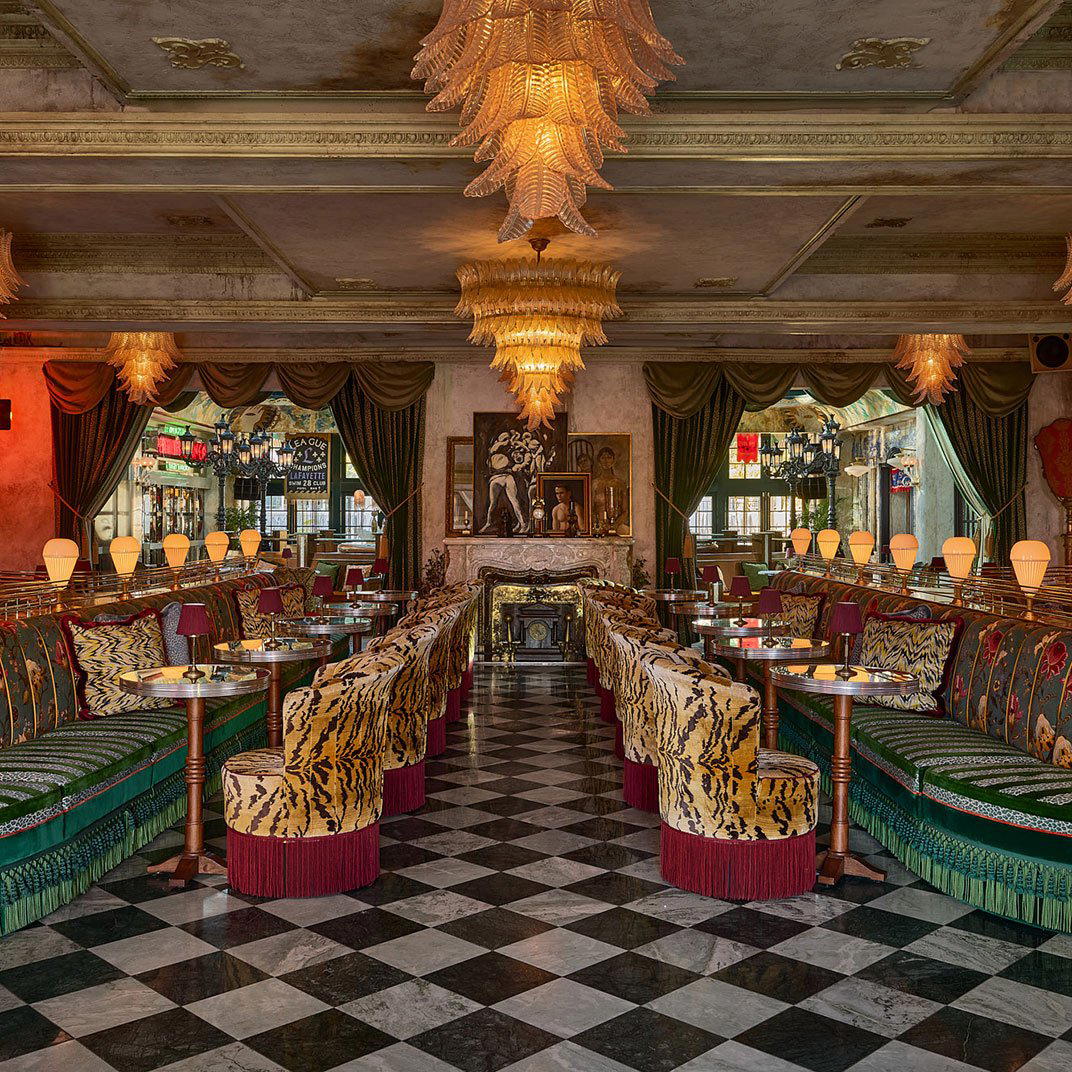
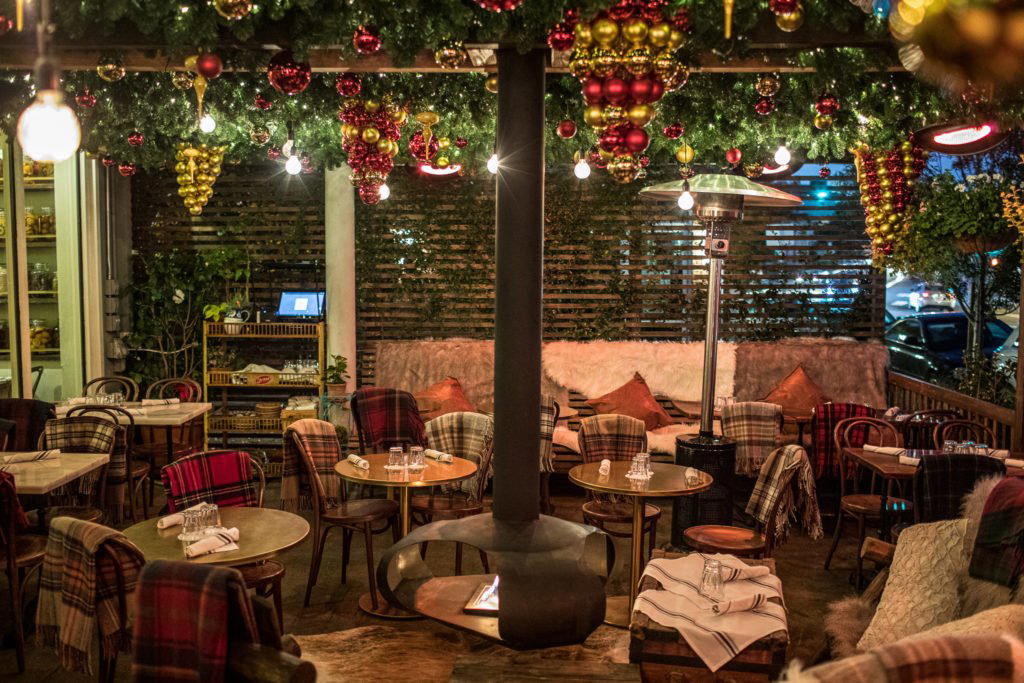
Bars in San Diego
Browse all →


At a Glance
- Classic
- Scenic
- Group Dining
- Celebration
- Brunch
- Waterfront
- Terrace
- Private Dining
- Waterfront
Current opening hours
- Monday
- 11 AM–9:30 PM
- Tuesday
- 11 AM–9:30 PM
- Wednesday
- 11 AM–9:30 PM
- Thursday
- 11 AM–9:30 PM
- Friday
- 11 AM–10 PM
- Saturday
- 11 AM–10 PM
- Sunday
- 10 AM–9:30 PM
Hours can change for holidays and private events. Last verified .
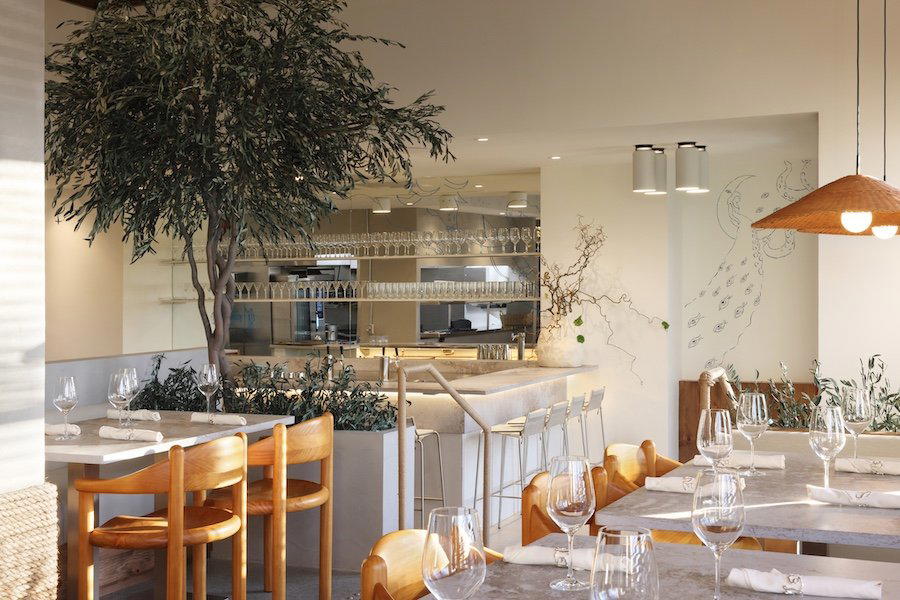
Classic seafood house atmosphere with marina glimpses from patio and semi-private areas, beautifully remodeled in 2009.