Rebstock-Stube
.png)
Rebstock-Stube holds a Michelin Plate for 2024 and 2025, placing it among the recognised dining addresses in the Baden-Württemberg countryside north of Freiburg. The kitchen works in the classic cuisine register, grounding its plates in the agricultural and viticultural traditions of the Upper Rhine region. At the €€€ price point, it occupies a serious middle tier between village gasthaus and full fine dining.
Pearl is the En Primeur Club membership app — saves, bookings, and concierge access live there. Same editors, same standards.
- Address
- Hauptstraße 74, 79211 Denzlingen, Germany
- Phone
- +49 7666 2071
- Website
- rebstock-stube.de
 Saves & bookings on Pearl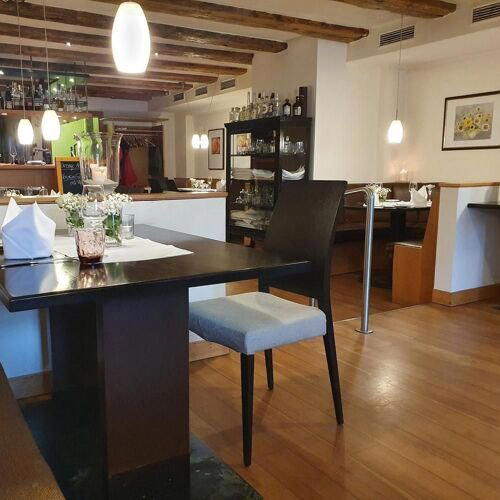
Where the Kaiserstuhl Meets the Kitchen
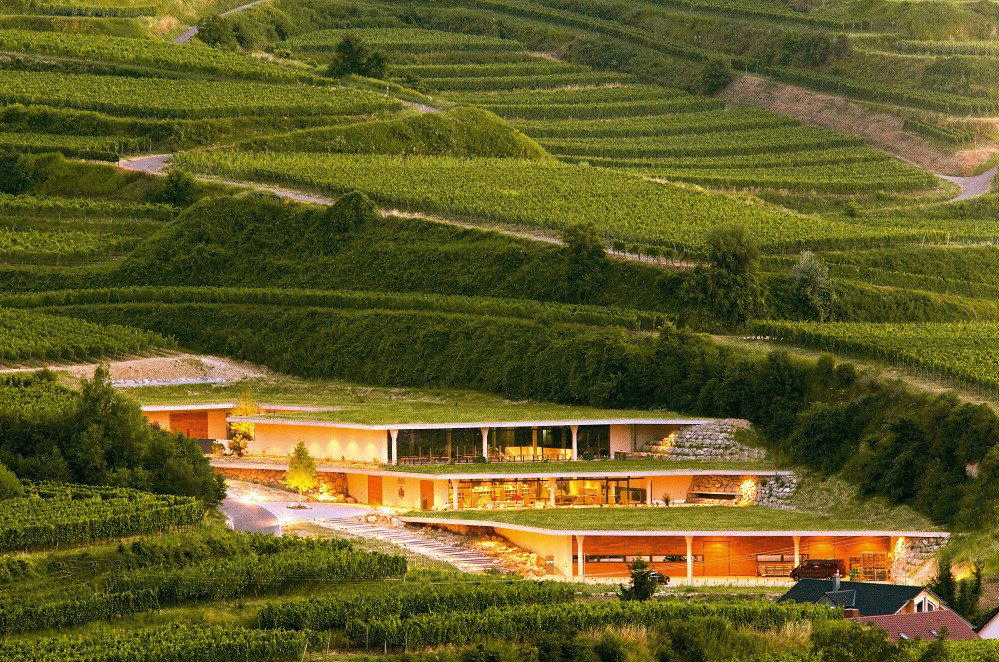
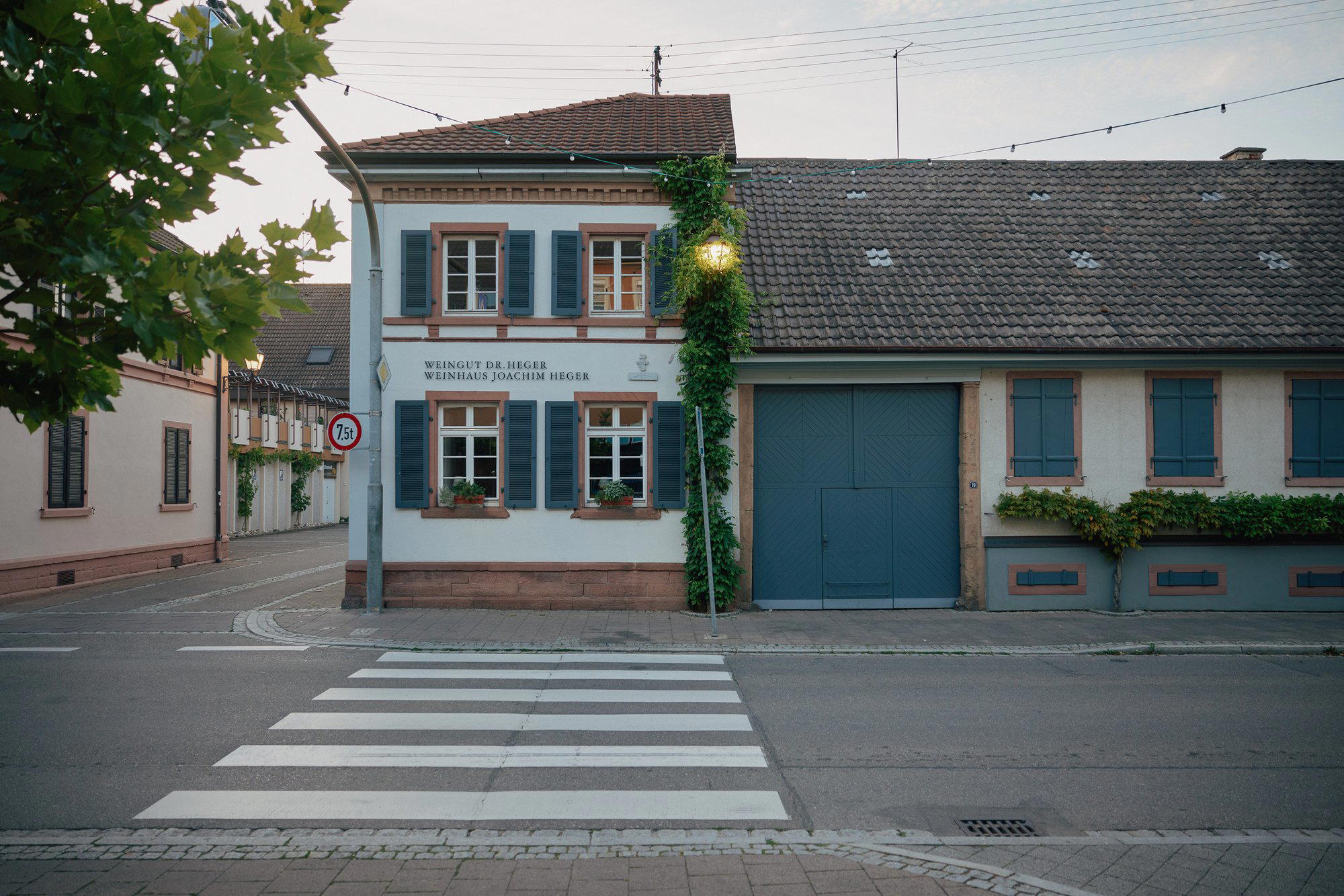
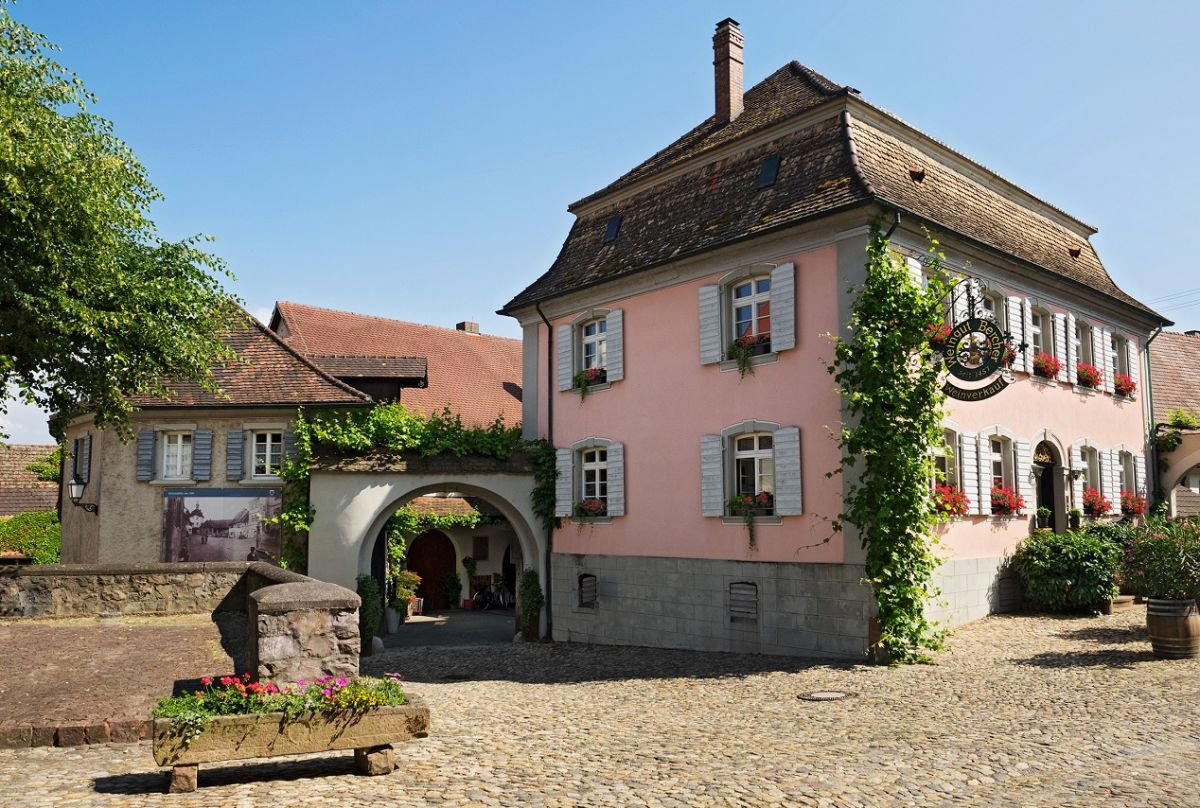
The villages north of Freiburg do not announce themselves as dining destinations. Denzlingen sits along the western edge of the Black Forest foothills, flanked by the Kaiserstuhl wine hills to the southwest and the flat Rhine plain to the west, a landscape that, agronomically, is among the most productive in Germany. The combination of warm Foehn winds, volcanic soils, and proximity to Alsace has shaped a regional food culture that draws from both German and French traditions without fully belonging to either. Rebstock-Stube, on the town's main street at Hauptstraße 74, operates inside that culinary tension, and the physical setting reflects it: a substantial south-German inn format, the kind of address where the architecture itself signals continuity with a long local hospitality tradition.
Classic Cuisine in the Baden Register
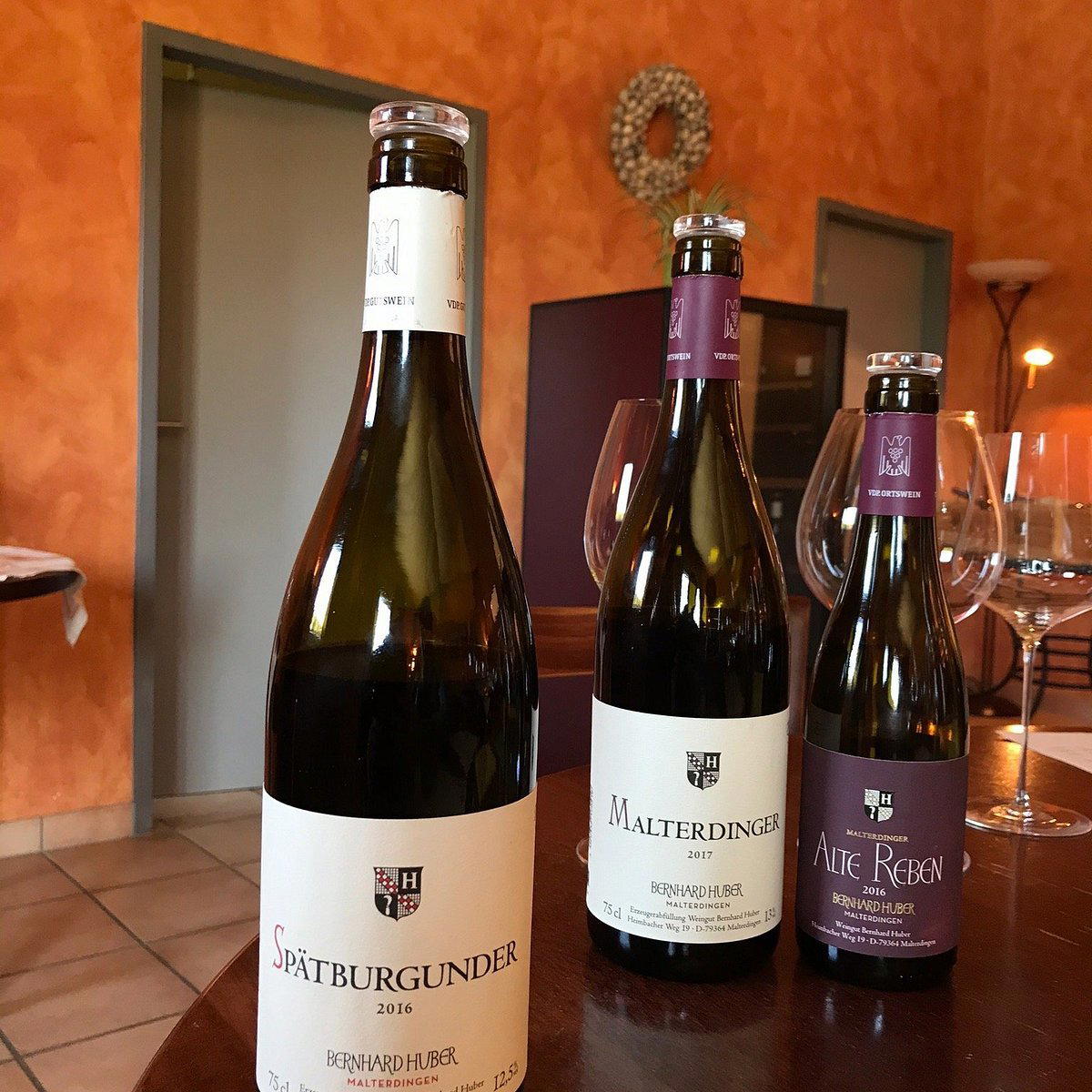
The classification of "classic cuisine" is doing more work here than it might appear. In Baden-Württemberg, classic cooking means something specific: a respect for French technique absorbed through centuries of cross-Rhine exchange, combined with an insistence on regional produce that the French term terroir de table captures only partially. The Kaiserstuhl produces Spätburgunder (Pinot Noir) and Grauburgunder (Pinot Gris) on basalt-loam soils that give the grapes a mineral weight unusual for Germany. The agricultural plain between Freiburg and the Rhine grows white asparagus, stone fruits, and field vegetables across a long growing season. A kitchen identifying as classic in this corridor is, by implication, placing itself in relationship to those raw materials, using them as anchor points rather than as decorative additions to an imported menu logic.
That sourcing orientation distinguishes the Baden classic register from its equivalents elsewhere in Germany. Compare it to the French-leaning formality at Schwarzwaldstube in Baiersbronn, or the creative-technical approach at Aqua in Wolfsburg, both operating at the €€€€ tier with tasting-menu formats built around individual chef vision. Rebstock-Stube at €€€ represents a different contract with the diner: the food should taste of where it comes from before it tastes of where the chef trained.
The Michelin Plate Signal
Michelin awarded Rebstock-Stube a Plate in both 2024 and 2025. The Plate designation, introduced in the Guide's more recent editions, marks restaurants the inspectors consider worth knowing about for consistent, quality cooking, below the star thresholds but above the general listing. For a restaurant at this price point in a town of Denzlingen's size, back-to-back Plate recognition is a meaningful signal: it places the kitchen in a comparable set that includes serious regional addresses across Baden-Württemberg, not merely local favourites. The consistency of the award across two consecutive years also matters. Single-year recognitions can reflect a good inspection cycle; a second Plate suggests the kitchen is not operating on form.
For context on what the Plate tier means across the German dining spectrum, addresses like Bagatelle in Trier and KOMU in Munich occupy the same classification tier. The full fine-dining tier, starred houses like Vendôme in Bergisch Gladbach, Waldhotel Sonnora in Dreis, and Victor's Fine Dining by Christian Bau in Perl, operates at a different price point and format register entirely.
Ingredient Geography: Baden's Larder
The editorial angle that most rewards attention here is provenance. Baden is one of Germany's warmest wine regions, but its importance to serious cooking extends well beyond the glass. The Breisgau plain, of which Denzlingen is a part, supplies asparagus from April through late June in quantities that support both local restaurants and export. Freiburg's markets draw producers from the Kaiserstuhl, the Markgräflerland, and the Black Forest foothills within a 40-kilometre radius, a density of small-scale agricultural production that gives kitchens in this corridor access to ingredients that larger urban centres must import from further afield.
For a classic cuisine kitchen, this geography is a competitive advantage rather than a constraint. The French culinary tradition that Baden absorbed through Alsace placed ingredient quality at the foundation of the cooking, the sauce as frame for the product, not a substitute for it. A kitchen working in that tradition, in a location with direct access to Kaiserstuhl producers, is operating from a stronger position than a comparably ambitious address in a city reliant on wholesale supply chains. This is what makes the €€€ price tier in this region defensible: the raw material cost reflects genuine sourcing quality, not simply an address premium.
Placing Rebstock-Stube in the Regional Dining Conversation
The Freiburg region has a dining identity that tends to be overshadowed by the Black Forest's more prominent gastronomic reputation. Addresses like Schwarzwaldstube draw international attention to Baiersbronn, while the Breisgau towns north of Freiburg operate in relative quiet. That imbalance is, arguably, to the advantage of diners who are already in the area. The restaurant density per capita in towns like Denzlingen is lower than in Freiburg's city centre, which means addresses that hold Michelin recognition tend to stand on genuine culinary merit rather than foot-traffic volume.
For a broader picture of the region's food and drink offer, our full Denzlingen restaurants guide maps the local scene, while the Denzlingen wineries guide covers the Kaiserstuhl producers whose wines logically accompany this style of kitchen. The bars guide and hotels guide complete the practical picture for visitors staying in the area, and the Denzlingen experiences guide covers the wider regional offer.
Internationally, the classic cuisine format that Rebstock-Stube represents has a long European reference tradition. Maison Rostang in Paris operates in a related register at the French end of that lineage. Within Germany's creative tier, CODA Dessert Dining in Berlin, ES:SENZ in Grassau, JAN in Munich, Restaurant Haerlin in Hamburg, and Schanz in Piesport represent a different direction, technically ambitious, format-driven, and priced accordingly. Rebstock-Stube is not in competition with those addresses; it is making a different argument about what a meal should do.
Planning Your Visit
Rebstock-Stube is at Hauptstraße 74, 79211 Denzlingen, which puts it on the town's main through-road and accessible by car from Freiburg in under 15 minutes. The €€€ pricing positions dinner here in the range typical for Michelin Plate addresses in German regional towns, expect a serious spend per head, though below the tasting-menu economics of the starred tier. The Google rating of 4.6 across 261 reviews gives a reasonable indication of consistency across a broad audience. The restaurant is open Wednesday to Friday from 12 to 2:30 PM and 6 to 10:30 PM, Saturday from 6 to 10:30 PM, and Sunday from 5 to 9 PM; it is closed Monday and Tuesday. Reservations are recommended.
Comparable Venues
Comparable venues nearby, for context on price, style, and recognition.
| Venue | Cuisine | Price | Awards | Notes |
|---|---|---|---|---|
| Rebstock-StubeThis venue — the venue you are viewing | Classic German Baden-French | $$$ | Michelin Plate | |
| Die Klosterschänke | German Regional with Italian Influences | $$$ | Michelin Plate | Baden-Baden Weinberge |
| Spinne | Regional Seasonal German Fine Dining | $$$ | Michelin Plate | Haardt |
| Stüble | Traditional Black Forest German | $$$ | Michelin Plate | Freudenstadt |
| Meister Lampe | Regional German Fine Dining | $$$ | Michelin Plate | Weilimdorf |
| bistronauten | Modern German Bistro | $$$ | Michelin Plate | Weinheim |
Continue exploring
More in Denzlingen
Restaurants in Denzlingen
Browse all →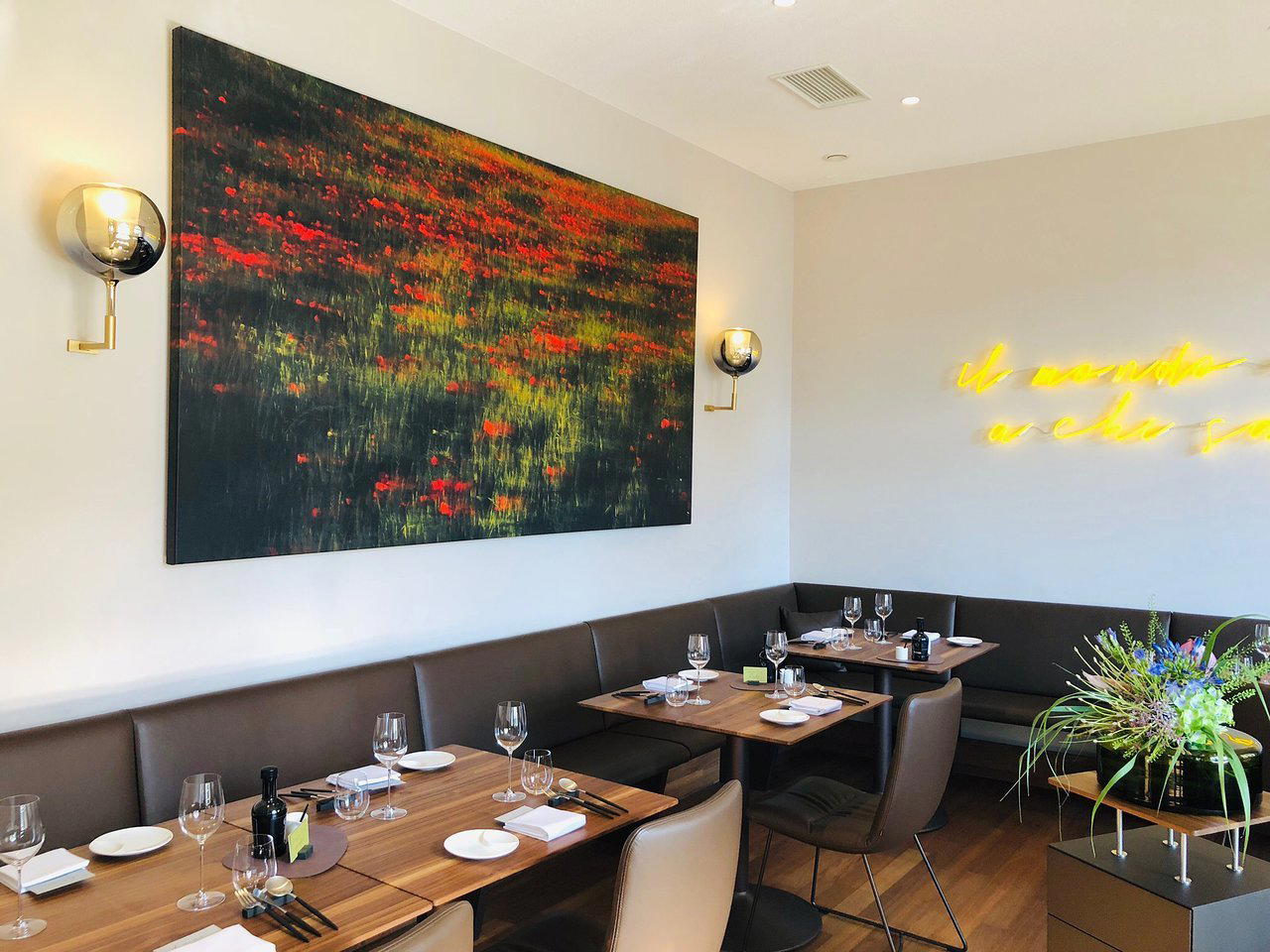
Bars in Denzlingen
Browse all →

Hotels in Denzlingen
Browse all →
At a Glance
- Cozy
- Classic
- Elegant
- Date Night
- Special Occasion
- Family
- Garden
- Historic Building
- Extensive Wine List
- Local Sourcing
- Garden
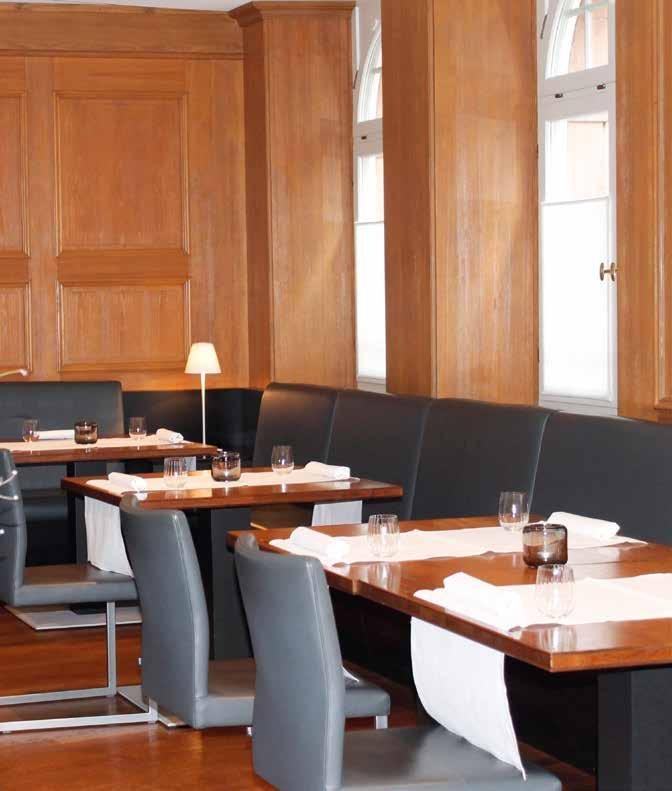
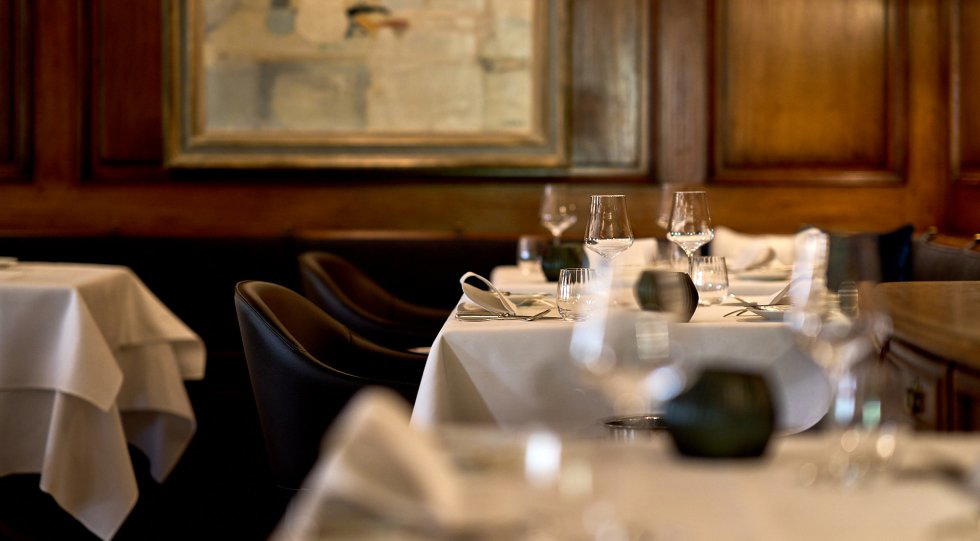
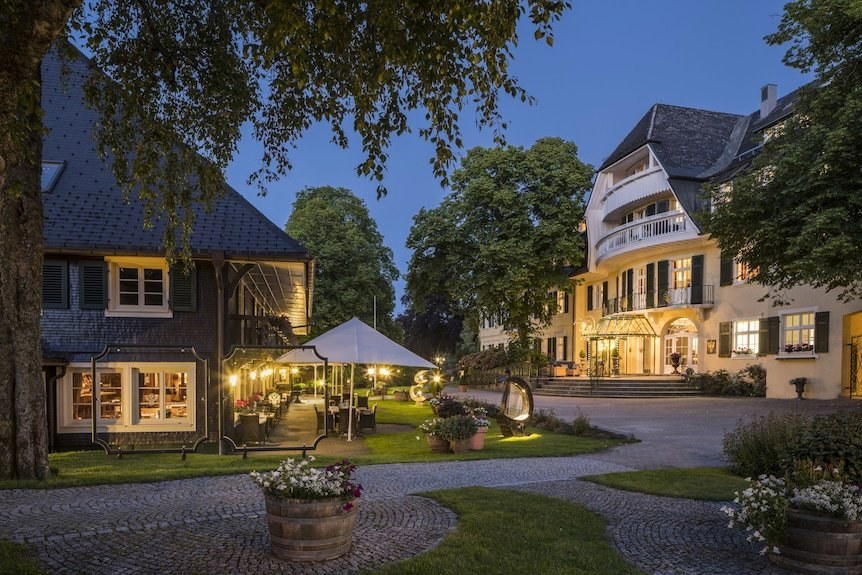
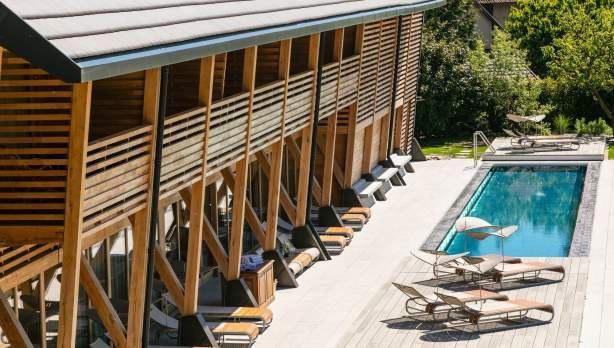
Cozy and elegant with dark wood paneling, neatly laid tables, carpeted floors, and a newly designed garden terrace.