Ratskeller Restaurante
Ratskeller Restaurante occupies a São Geraldo address on Av. Pará 1324, placing it within Porto Alegre's network of neighbourhood dining rooms that draw on the city's deep German and Italian immigrant traditions. Among Porto Alegre's mid-register restaurant options, Ratskeller sits in the category of address-driven locals' establishments rather than destination dining, making it a reference point for understanding how the city's everyday culinary culture operates outside the headline venues.
Pearl is the En Primeur Club membership app — saves, bookings, and concierge access live there. Same editors, same standards.
- Address
- Av. Pará, 1324 - São Geraldo, Porto Alegre - RS, 90240-592, Brazil
- Phone
- +555133464322
- Website
- baumbach.com.br
- Directions
- Get directions
 Saves & bookings on Pearl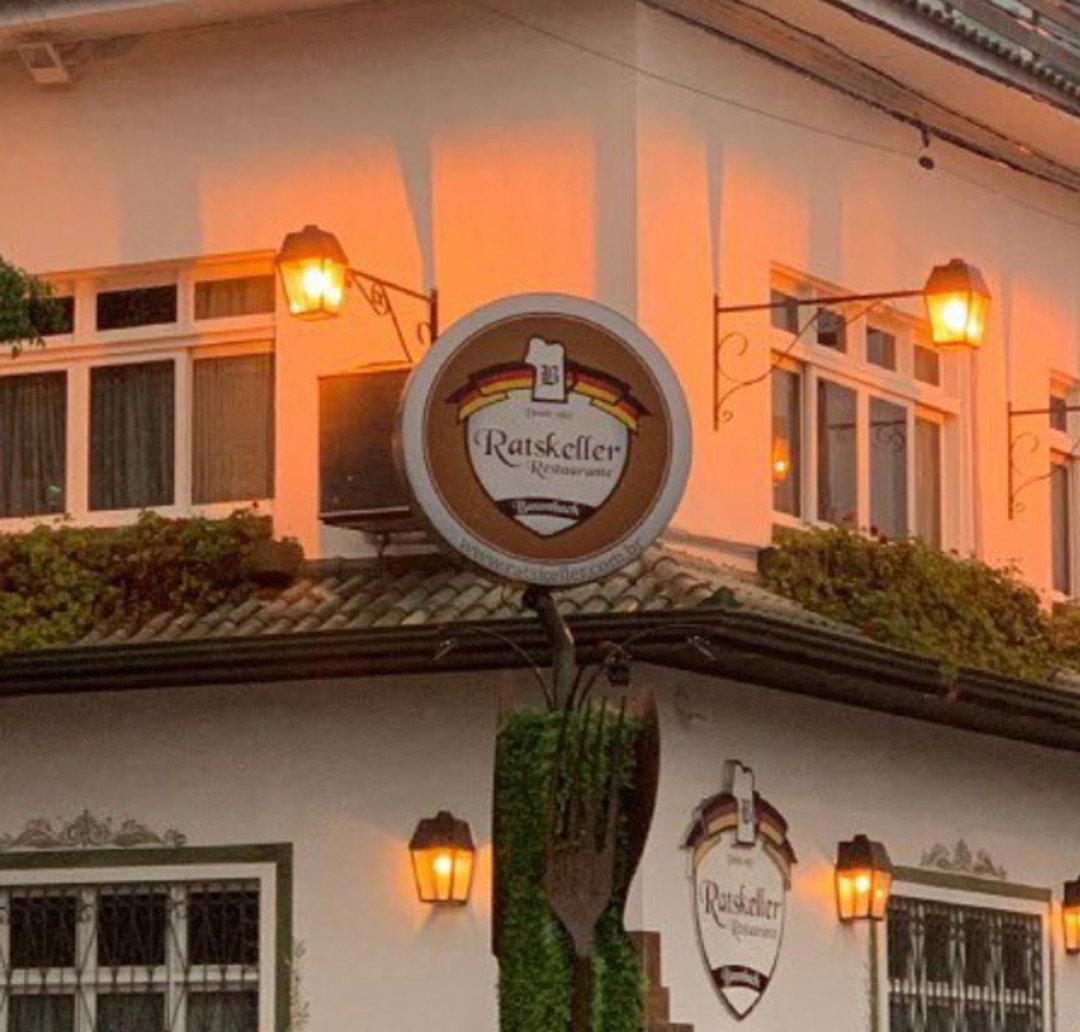
São Geraldo and the Architecture of Porto Alegre's Neighbourhood Dining
Porto Alegre's restaurant scene divides along a clear axis: the destination venues that draw visitors from across Rio Grande do Sul and beyond, and the neighbourhood rooms that sustain the city's daily dining culture from within. Av. Pará, in the São Geraldo district, belongs firmly to the second category. The street runs through a residential-commercial zone where the built environment still carries traces of the early-twentieth-century European immigrant settlement that shaped this part of the city. Buildings along this corridor tend toward the solid and mid-century functional, a material register that differs sharply from the polished interiors of Porto Alegre's newer dining districts. Ratskeller Restaurante, at number 1324, sits within that context. Its address alone positions it as a neighbourhood anchor rather than a destination import, and the name itself carries a specific architectural and cultural reference: the Ratskeller tradition in German-speaking Central Europe denotes a restaurant located in or beneath a town hall, often a vaulted cellar space associated with civic gathering and hearty, convivial eating. That naming choice, whether literal or evocative, places the venue within the city's long German immigrant inheritance.
Porto Alegre holds one of the largest concentrations of German-Brazilian heritage in the country. Rio Grande do Sul's southern and mountain regions were settled from the 1820s onward by German-speaking immigrants, and the cultural imprint on the state capital's food, architecture, and civic identity remains tangible. Restaurants drawing on this tradition tend to favour physical spaces that signal permanence and substance: wood, stone, deep-set interiors, long communal tables. The Ratskeller model, in its European original, was never about spectacle. It was about reliability, community, and a menu anchored to what the region produced. The venue's current form can be read through its name, which functions as an editorial signal.
The Physical Container and What It Signals
Among Porto Alegre restaurants, the design approach of any given space tells you a great deal about its intended comparable set. The city's newer entrants to the premium segment, venues like Iaiá Bistrô and Le Bateau Ivre, use materials, lighting, and spatial arrangement to communicate position. Address-driven neighbourhood rooms like Ratskeller operate on a different logic. Their spatial identity is often accumulated rather than designed, shaped by years of local use, furniture that has outlasted trends, and a physical envelope that prioritises function over statement. For a venue named after a civic cellar tradition, that accumulated quality is not a deficiency but a feature: it is what makes a room feel rooted rather than constructed.
The São Geraldo location on Av. Pará places Ratskeller at some remove from Porto Alegre's more visited dining corridors, which cluster in Moinhos de Vento, Bela Vista, and Cidade Baixa. That distance has implications for the type of clientele a venue attracts and the booking behaviour it generates. Rooms in less-trafficked residential zones tend to build their regulars from the immediate neighbourhood and from people who seek them out deliberately, rather than from foot traffic or proximity to hotels and cultural venues. In a city where destinations like Capone Drinkeria and Koh Pee Pee draw from across the city, the neighbourhood anchor model serves a different but equally important function in the dining ecosystem.
Porto Alegre in the Broader Brazilian Restaurant Context
Understanding Ratskeller's position within Porto Alegre requires some purchase on where the city sits within Brazil's wider restaurant conversation. São Paulo and Rio de Janeiro dominate the national awards circuit: venues like D.O.M. in São Paulo and Lasai in Rio de Janeiro operate at the level where Michelin and Latin America's 50 Best take consistent notice. Porto Alegre's dining scene, by contrast, punches on culinary substance but with less of the international awards infrastructure around it. The city's strengths lie in its European-heritage cuisine traditions, its churrasco culture, and a serious wine culture tied to the Serra Gaúcha wine region to the northeast. Neighbourhood restaurants that draw on these traditions, including venues in the German-heritage register, occupy a meaningful place in that ecosystem even without the credentials that the destination tier accumulates.
Brazil's regional restaurant culture more broadly rewards the kind of place-specific identity that a name like Ratskeller implies. Across the country, from Cantina Pozzobon in Santa Maria to Bistro Fitz Carraldo in Manaus, the restaurants that sustain local identity over time tend to be the ones whose names and spaces carry a clear cultural reference point. That logic applies in Porto Alegre as much as anywhere. The Italian heritage restaurants of the São Geraldo area, including neighbours like Cantina Pastasciutta Boulevard Laçador, operate in a parallel register of heritage-inflected neighbourhood dining, and together they form a texture of the city's food culture that destination venues do not replicate.
Planning a Visit: What the Address Tells You
Ratskeller Restaurante's physical address at Av. Pará 1324 in São Geraldo (CEP 90240-592) is especially reliable anchor for planning. The São Geraldo district is accessible by car from Porto Alegre's city centre, and public transport connections to the Av. Pará corridor exist through the city's bus network, though the zone is less well-served by the main transit arteries than central neighbourhoods. Reservations are recommended, so booking ahead is the safest approach. For context on how similar neighbourhood-register venues elsewhere in Brazil operate, including walk-in norms and service timing, the experience at places like Casa da Flor Restaurante in Dourados or Aero Burguer e Grill in Santa Cruz do Sul offers useful comparison points for the format.
The Quick Read
Comparable venues nearby, for context on price, style, and recognition.
| Venue | Cuisine | Price | Notes |
|---|---|---|---|
| Ratskeller RestauranteThis venue — the venue you are viewing | São Geraldo, Traditional German | $$ | Not listed |
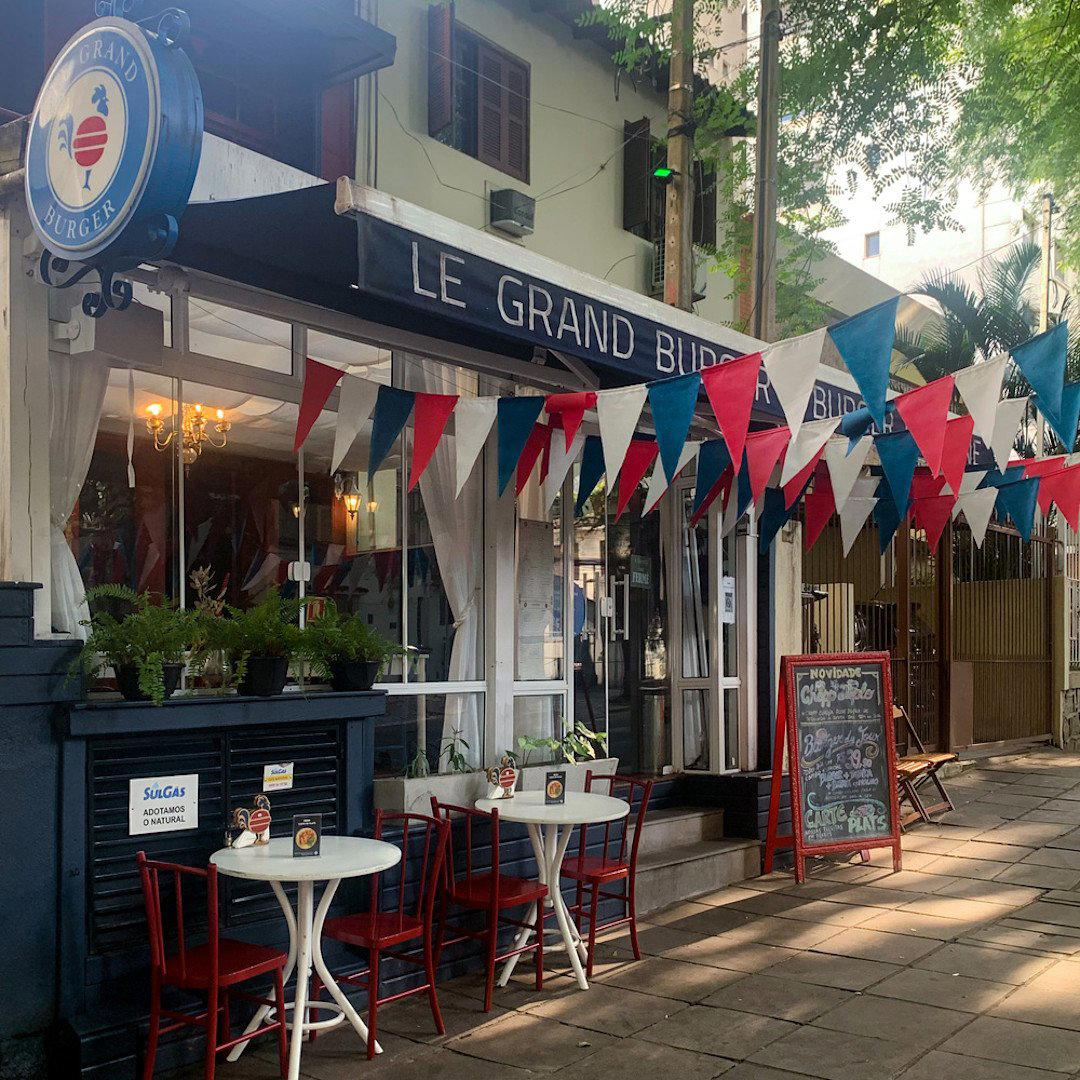
| Le Grand Burger | Not listed | $$ | Moinhos de Vento, French-Inspired Gourmet Burgers |
| Parma d'Oro - Centro Histórico | Not listed | $$ | Centro Histórico, Traditional Italian Pizza |
| Le Bistrot Gourmet | Not listed | $$$ | Boa Vista, Contemporary International Bistro |
| Capone Drinkeria | Not listed | $$ | Independência, American Speakeasy Cocktail Bar |
| Iaiá Bistrô | Vila Assunção, Regional Brazilian Bistro | $$$ | Not listed |
Continue exploring
More in Porto Alegre
Restaurants in Porto Alegre
Browse all →
Bars in Porto Alegre
Browse all →
At a Glance
- Classic
- Cozy
- Family
- Group Dining
- Historic Building
Current opening hours
- Monday
- Closed
- Tuesday
- 11:30 AM–2 PM, 6:45–10:30 PM
- Wednesday
- 11:30 AM–2 PM, 6:45–10:30 PM
- Thursday
- 11:30 AM–2 PM, 6:45–10:30 PM
- Friday
- 11:30 AM–2 PM, 6:45–11 PM
- Saturday
- 11:30 AM–2:30 PM, 6:45–11 PM
- Sunday
- 11:30 AM–3 PM
Hours can change for holidays and private events. Last verified .
Cozy and traditional atmosphere with quality German hospitality.