Our verdict
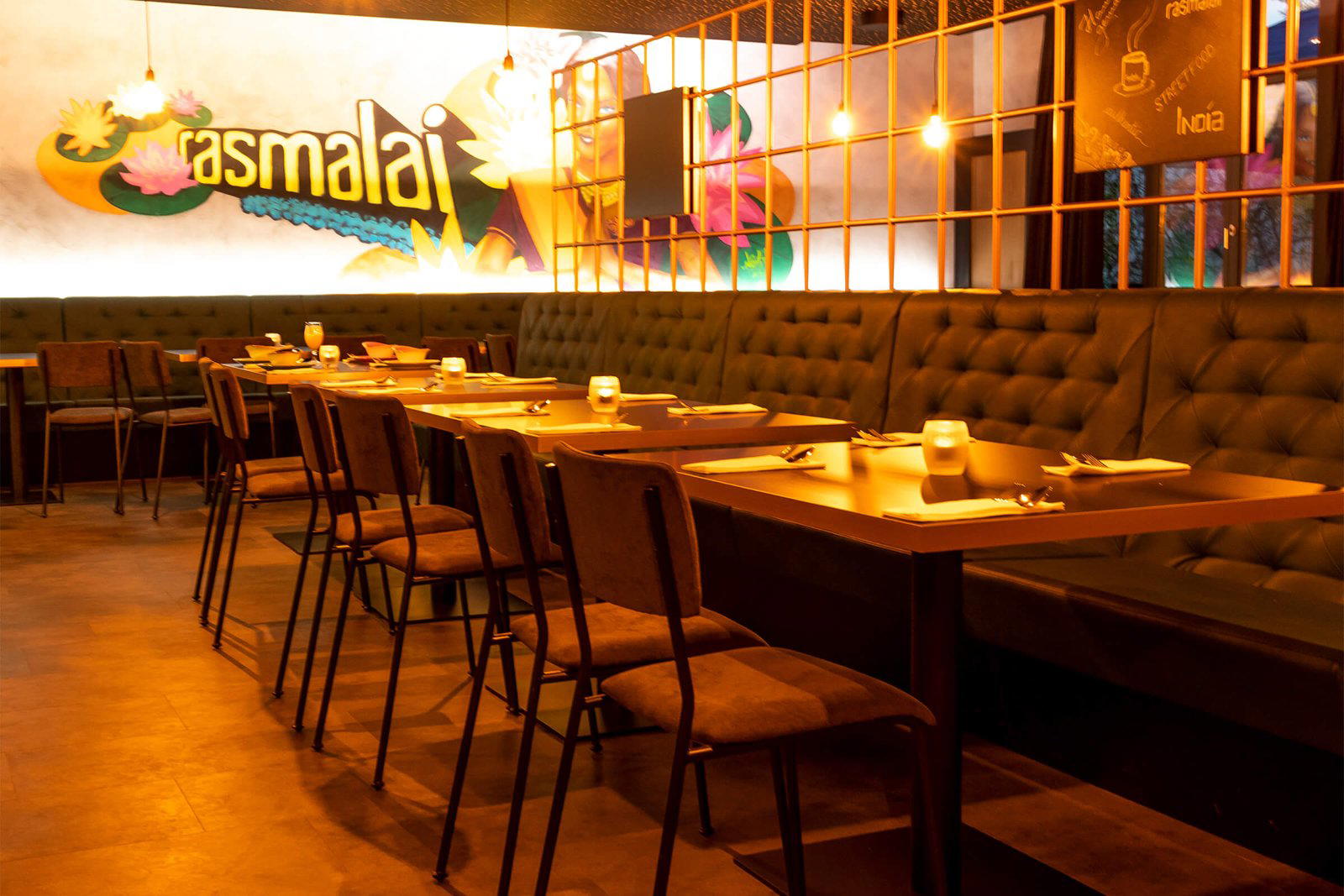
Rasmalai sits on Würmtalstraße in Munich's southwestern suburbs, a neighbourhood far from the city's Michelin corridor but with its own quietly serious dining culture. The name references the Bengali milk-based dessert, signalling South Asian culinary intent in a city where that tradition remains comparatively underrepresented at the serious end of the market.

Pearl is the En Primeur Club membership app — saves, bookings, and concierge access live there. Same editors, same standards.
The menu
What to order
- Palak tofu
- Aloo gobi
- Chana masala
- Gobi manchurian
Southwest Munich and the Case for Serious Indian Dining
Munich's fine dining conversation tends to orbit a familiar cluster of addresses: the Franco-Japanese precision of Tohru in der Schreiberei, the long-established modernism of Tantris, the creative tasting formats at JAN and Alois - Dallmayr Fine Dining. That conversation almost exclusively takes place within the city's inner districts. Würmtalstraße 81375 — the address of Rasmalai — sits further southwest, in a residential stretch that does not typically appear in dining itineraries built around the Michelin tier.
That geographical distance from Munich's recognised fine dining corridor is itself an editorial point worth making. In German cities more broadly, South Asian restaurants that operate with genuine kitchen seriousness tend to be evaluated on a separate and often less generous axis than European-lineage counterparts. The question Rasmalai poses for the attentive Munich diner is whether the name, borrowed from a dessert of Bengali origin made from chenna patties soaked in sweetened, cardamom-scented milk, signals a kitchen working with equivalent depth to the broader subcontinental tradition the dish belongs to.
The South Asian Wine Pairing Problem, and Why It Matters Here
The editorial angle most worth pursuing at any serious South Asian restaurant in a wine-literate European city is the wine list. This is where ambition is most clearly declared, and most often abandoned. The conventional response to spice-forward, aromatics-heavy cooking, the register in which much of the South Asian canon operates, has historically been to offer a short, safe list of off-dry Riesling and sparkling options, with little attempt to engage the full cellar depth that European fine dining takes for granted.
The wine programs at Germany's most decorated addresses demonstrate what a genuinely considered list looks like in the regional context. Aqua in Wolfsburg, Schwarzwaldstube in Baiersbronn, and Vendôme in Bergisch Gladbach all operate with cellar depth that runs into thousands of references, with sommeliers whose curation decisions actively shape how a meal is experienced. Schanz in Piesport, operating from one of Germany's most wine-literate regions, builds its list from a position of genuine terroir authority. These are the reference points against which any serious dining program in Germany gets implicitly measured, regardless of cuisine category.
For a South Asian kitchen in Munich, the pairing question is genuinely interesting rather than merely logistical. The aromatics of slow-braised lentil dishes, the fat and acid balance in yoghurt-based preparations, the residual heat of mustard-seed tempering, these create pairing conditions that reward a sommelier willing to think laterally. Chenin Blanc from the Loire, aged white Burgundy with sufficient structure, Grüner Veltliner at the richer end of its spectrum, or skin-contact whites with textural grip: the list of credible options is longer than the conventional Riesling default suggests. Ask about the wine list and pairing options when you arrive.
What the Name Signals About Kitchen Intent
Naming a restaurant after rasmalai, rather than after a region (Punjab, Bengal, Kerala), a cooking technique, or a neutral term, is a specific choice. The dessert is technically demanding: the chenna must be worked to the right texture before forming, the saffron and cardamom ratios in the soaking syrup matter, and the final temperature at service determines whether the dish reads as refined or merely sweet. Choosing it as a namesake implies that the kitchen either executes it with confidence or uses it as a conceptual anchor for a dessert-forward or milk-based cooking approach.
In the broader German context, South Asian restaurants that have earned serious critical attention, a smaller category than the sheer number of restaurants might suggest, tend to share a commitment to sourcing quality over the generic spice-blend economy that dominates the mid-market. CODA Dessert Dining in Berlin demonstrates that unconventional format anchors, when executed with discipline, can achieve Michelin recognition in Germany. The lesson is that category-defying intent, clearly communicated, is legible to the guides when the kitchen execution supports it.
Munich's South Asian Dining Position
Compared to London, Amsterdam, or even Hamburg, where Restaurant Haerlin anchors a broader serious dining culture, Munich's South Asian restaurant tier is thin at the upper end. The city's dining energy concentrates heavily in European-lineage fine dining, with the creative and contemporary formats represented by Atelier setting a reference point for what ambitious tasting menus look like locally. South Asian kitchens operating in the same city face the structural challenge of a dining public whose benchmark for ambition is set by that European framework.
That challenge is not unique to Munich. Across Germany, South Asian restaurants that price and position at the serious end of the market occupy a smaller, more precarious niche than their European counterparts. Victor's Fine Dining by Christian Bau in Perl, Waldhotel Sonnora in Dreis, and Bagatelle in Trier all operate within a European culinary lineage that the Michelin Guide has historically evaluated with greater granularity. The parallel growth of Korean fine dining recognition internationally, visible in addresses like Atomix in New York City, suggests that guide culture is becoming more willing to evaluate non-European kitchens on their own terms, but that shift has been slower in Germany than in the United States or the United Kingdom.
For the diner approaching Rasmalai, the relevant question is not whether it competes with Tantris on French technique, but whether it operates with the same kitchen discipline and sourcing rigour within its own tradition. Le Bernardin in New York City built its reputation by treating seafood with the same seriousness that meat-centric kitchens historically commanded. A South Asian restaurant in Munich that applies equivalent discipline to its spice sourcing, its dairy, and its slow-cooking processes occupies a credible position in the city's dining map regardless of which tier it is assigned by external guides.
Planning a Visit
- Address: Würmtalstraße 99, 81375 München, Germany
- Area: Southwest Munich, residential district
- Getting there: Würmtalstraße is accessible via Munich's southwest U-Bahn and bus connections; check MVV routing from the city centre
For a fuller picture of where Rasmalai sits within Munich's dining scene, see our full Munich restaurants guide, which maps the city's serious dining addresses across cuisine categories and price tiers. For comparable ambition at a different register, ES:SENZ in Grassau shows what a destination-level kitchen looks like in the Bavarian region just outside Munich's urban footprint.
How Rasmalai Munich compares with similar nearby venues.
| Venue | Cuisine | Price | Awards |
|---|---|---|---|
| RasmalaiThis venue — the venue you are viewing | Authentic Indian Cuisine | $20–30 | Not listed |
| Eiscafé & Ristorantino Galleria | Authentic Italian Trattoria & Gelato | $30–50 | Not listed |
| Johannas | Contemporary German Game & Seasonal Fine Dining | $100–150 | Michelin Plate · Star Wine List |
| Das Vierundsiebzig | German Café & Bakery | $10–20 | Not listed |
| EssZimmer (DE) | Modern European Fine Dining | $150–200 | La Liste Top Restaurants |
Continue exploring
More in Munich
Restaurants in Munich
All restaurants in Munich →
Bars in Munich
All bars in Munich →

Details
- Modern
- Industrial
- Lively
- Trendy
- Business Dinner
- Group Dining
- Casual Hangout
- Open Kitchen
- Terrace
- Craft Cocktails
- Beer Program
- A La Carte
- Vegetarian Friendly
- Vegan Options
- Gluten Free Options
Current opening hours
- Monday
- 11:30 AM–2:30 PM, 5:30–11 PM
- Tuesday
- 11:30 AM–2:30 PM, 5:30–11 PM
- Wednesday
- 11:30 AM–2:30 PM, 5:30–11 PM
- Thursday
- 11:30 AM–2:30 PM, 5:30–11 PM
- Friday
- 11:30 AM–2:30 PM, 5:30 PM–12 AM
- Saturday
- 12 PM–12 AM
- Sunday
- 12–11 PM
Hours can change for holidays and private events. Last verified .
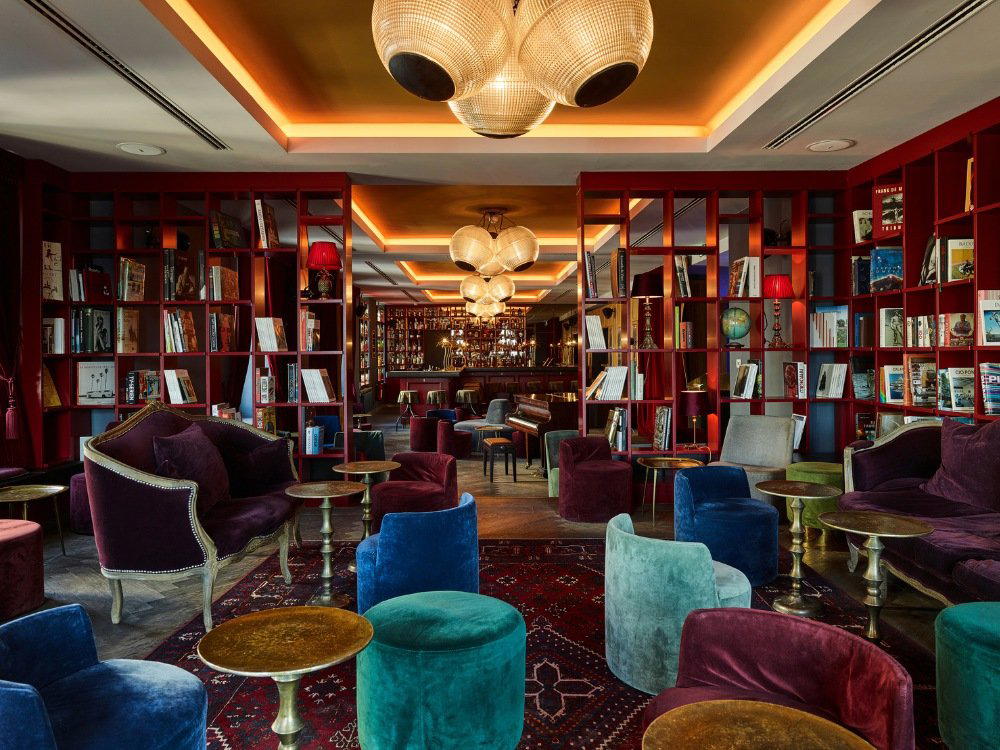
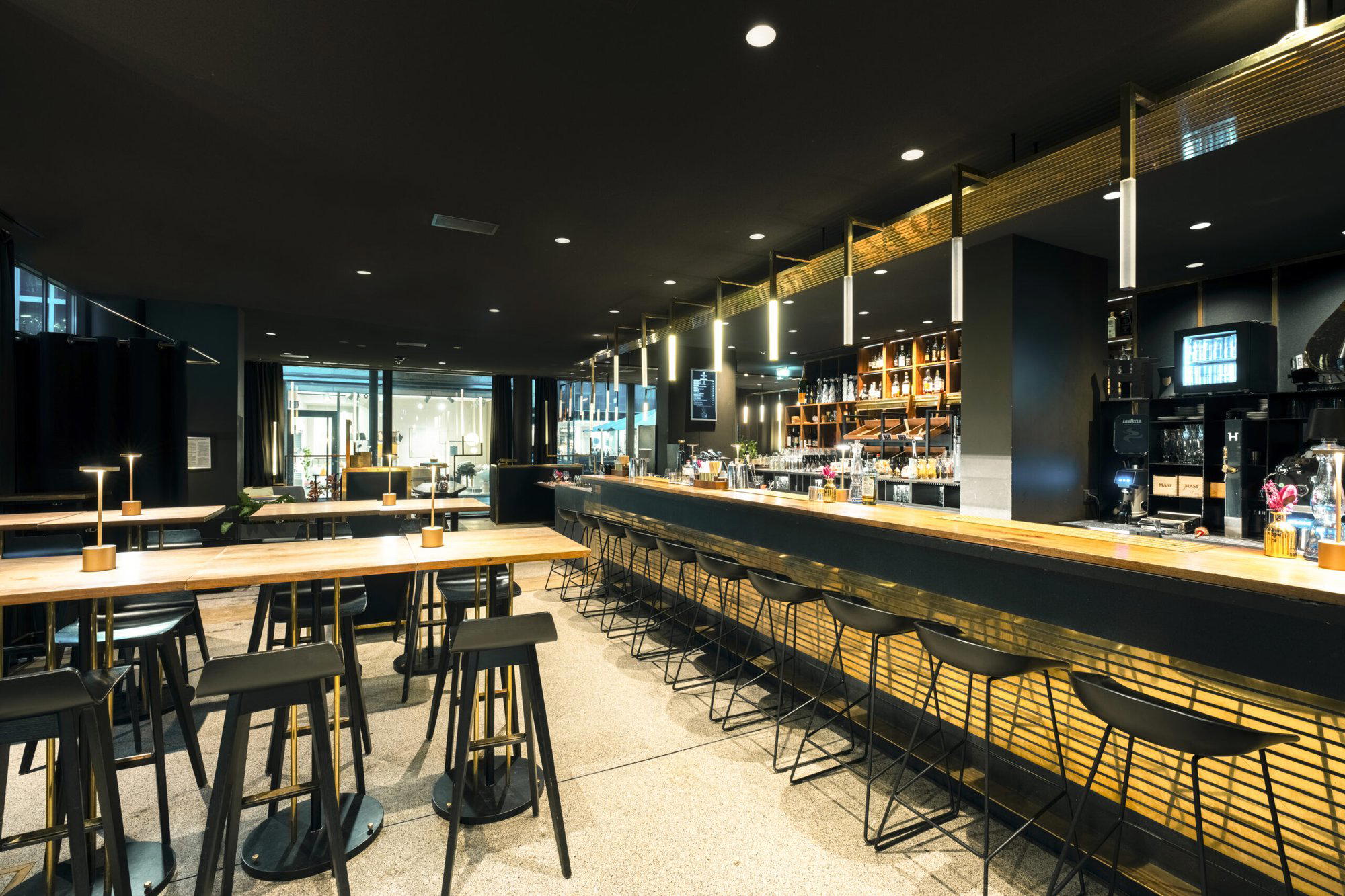
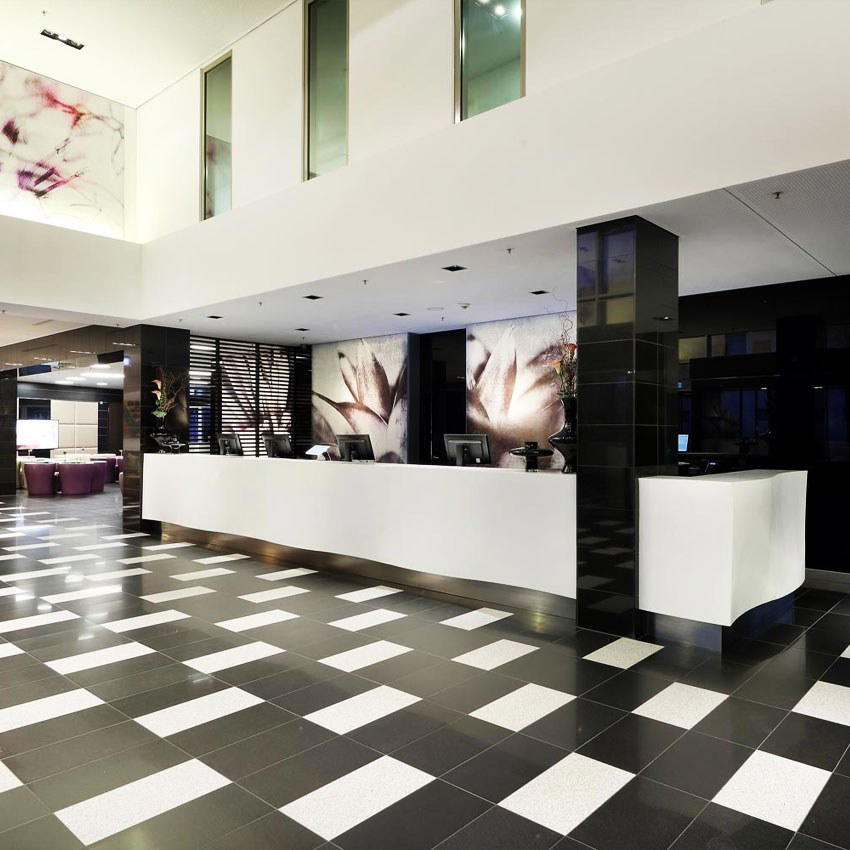
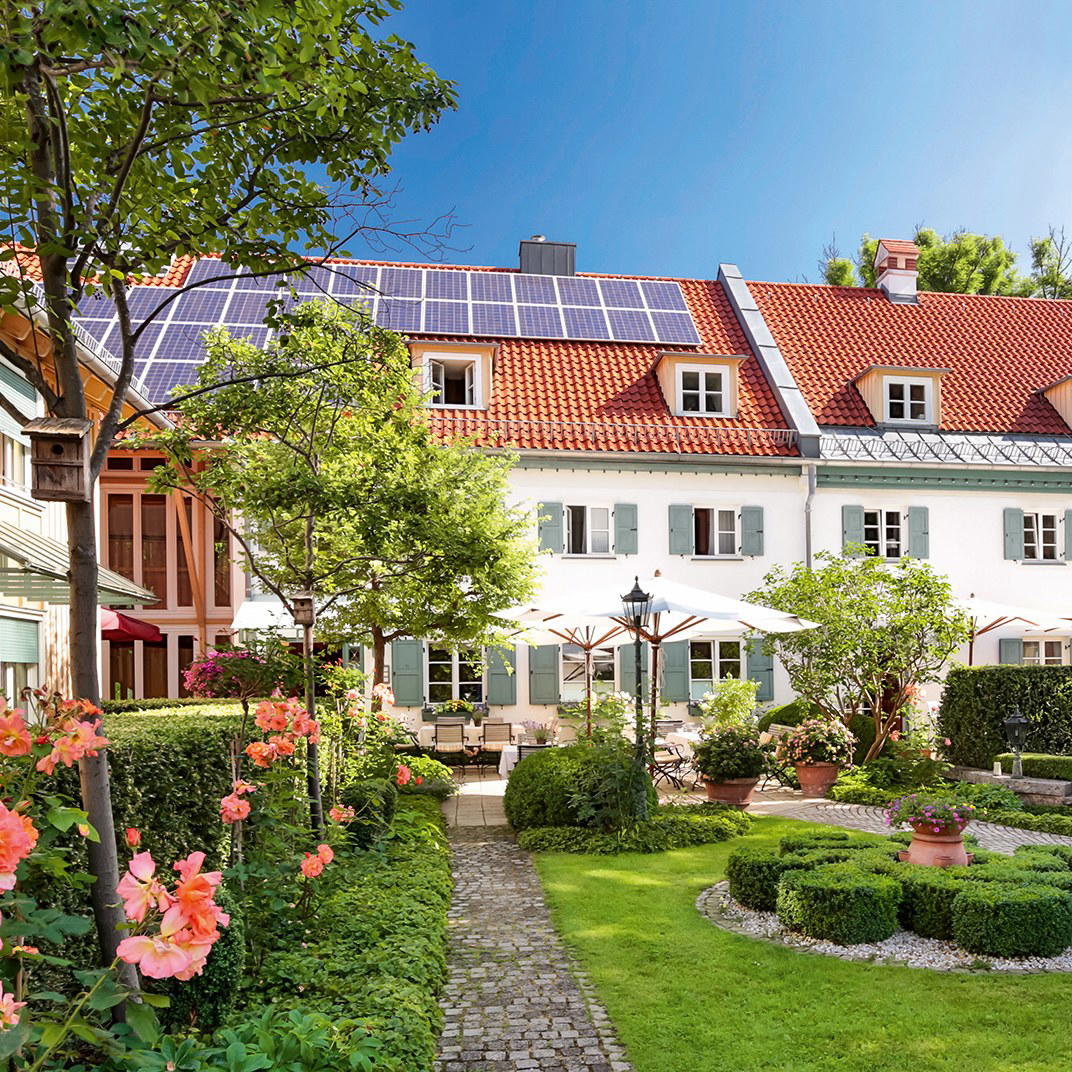
Modern industrial design with cozy and lively atmosphere, featuring a beautiful terrace and energetic noise levels later in the evening.