Rasika



Rasika has held a prominent position in Washington, D.C.'s Indian dining scene for years, earning a Michelin Plate and consecutive Opinionated About Dining rankings through 2023 to 2025. Located steps from the Penn Quarter Metro, the Penn Quarter address draws a broad cross-section of the capital, power lunches, casual dinners, and celebratory tables, united by spice-forward cooking that avoids the generic shortcuts common at mid-tier Indian restaurants.
Pearl is the En Primeur Club membership app — saves, bookings, and concierge access live there. Same editors, same standards.
- Address
- 633 D St NW, Washington, DC 20004
- Phone
- (202) 637-1222
- Website
- rasikarestaurant.com
- Directions
- Get directions
 Saves & bookings on Pearl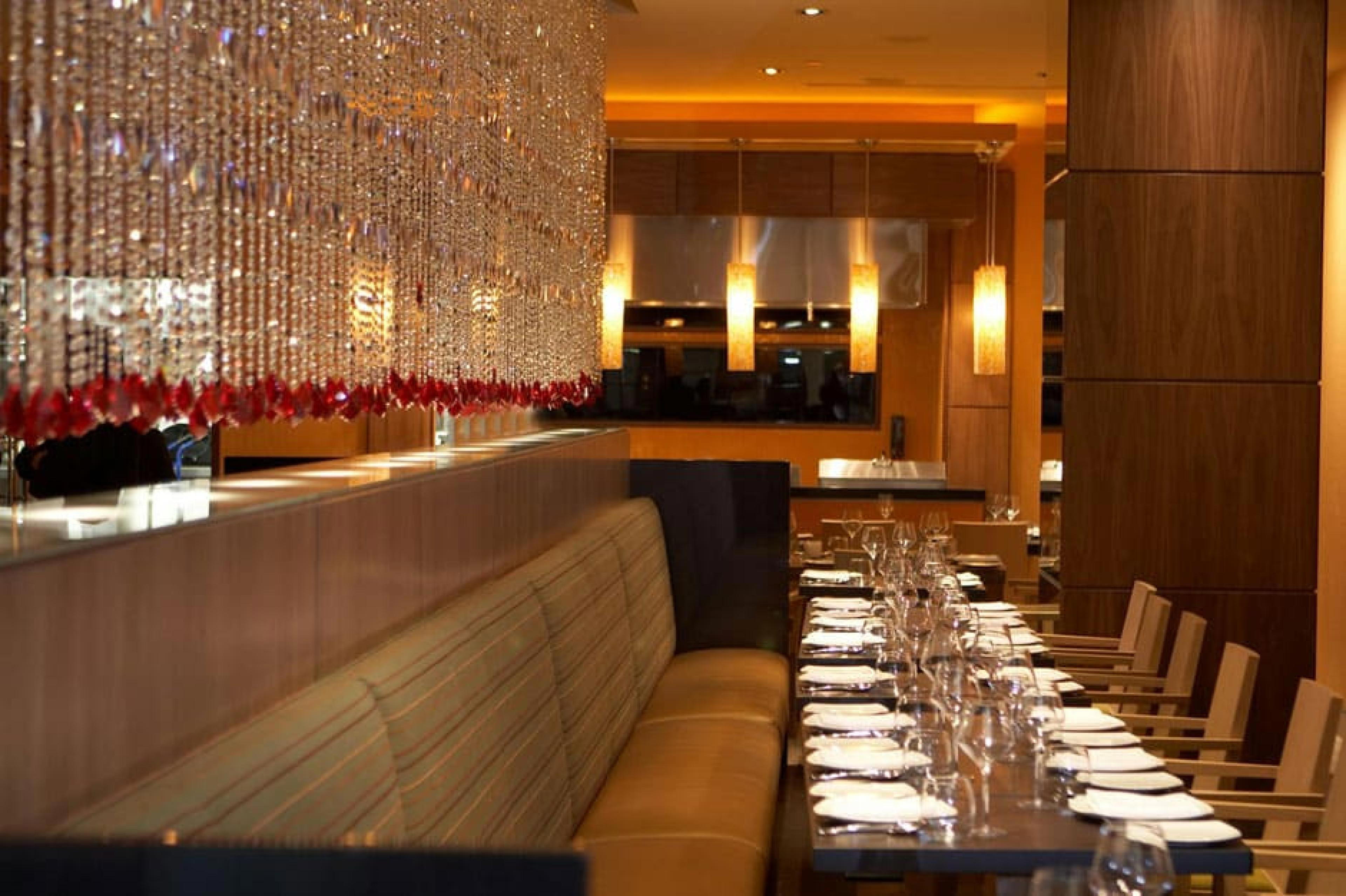
Penn Quarter's Indian Anchor, Two Decades On
Washington, D.C. has never been a city that makes it easy to sustain a restaurant reputation across multiple administrations, literal ones. The dining crowd turns over, critical attention migrates to newer addresses, and neighbourhoods redraw themselves. That Rasika, at 633 D St NW in Penn Quarter, has maintained consistent recognition into 2025 says more about the durability of its kitchen discipline than about any single moment of buzz. The restaurant ranked #99 on Opinionated About Dining's Casual North America list in 2023, climbed to #115 in 2024, and held at #157 in 2025, a ranking band that reflects sustained quality across a competitive field that includes hundreds of American casual restaurants reviewed each cycle.
Penn Quarter itself has changed around it. The neighbourhood's identity shifted from post-arena development in the early 2000s into a denser, more competitive dining corridor. Where Indian restaurants in D.C. once occupied a lower tier of the city's culinary conversation, reliable but rarely discussed in the same breath as the capital's French or New American addresses, Rasika repositioned that ceiling. Under chef Vikram Sunderam, it drew the kind of critical attention that placed Indian cooking inside the mainstream of D.C.'s fine-casual conversation, sitting now in a comparable set that includes Albi for Middle Eastern cooking at comparable price points and neighbourhood-anchored restaurants that earn repeat recognition without trading on novelty.
The Shift From Occasion Dining to Everyday Authority
The evolution at Rasika is less about dramatic reinvention than about a gradual consolidation of identity. Indian restaurants in American cities have historically occupied two categories: the budget-friendly neighbourhood spot and the special-occasion showcase with gold-leaf decor and prix-fixe menus priced against French tasting counters. Rasika found a third position, kitsch-free, laid-back enough for a weeknight, structured enough for a client dinner, and it has held that position consistently enough that the positioning itself has become an asset.
Opinionated About Dining's notes describe a space that is "loud and lively" with a cross-demographic draw: colleagues, friends, celebrations. That breadth of use is not accidental. At the $$$ price tier, Rasika sits below D.C.'s tasting-menu tier and above the fast-casual corridor. It competes more directly with other serious mid-tier addresses, including Daru and Karma Modern Indian in the D.C. Indian dining category, and with The Bombay Club for a more traditional register of the same cuisine.
What distinguishes Rasika within that set is the combination of a Plate designation in 2024 and sustained OAD placement across three consecutive annual rankings. Few restaurants in any American city hold both simultaneously in the casual tier. Michelin and OAD assess differently: Michelin weights kitchen execution and consistency; OAD aggregates opinions from frequent, experienced diners who prioritise personal eating experience. Holding ground in both systems across multiple years indicates the kitchen is not dependent on a single reviewer cycle or a debut moment.
What the Menu Signals About the Kitchen's Priorities
Indian cooking in the United States has undergone its own reckoning over the past decade. The generation of chefs who trained in India and then cooked through American hotel kitchens, Sunderam's lineage runs through the Taj group, brought technical rigour that was often invisible to diners conditioned to expect either home-style warmth or fusion novelty. That technical foundation shows in how Rasika handles spice: not as heat delivery but as layering, where individual aromatics read separately before they resolve together.
OAD's commentary points specifically to well-spiced kebabs, fresh curries, and a lamb rogan josh described as having layers of flavour. The breads, particularly the naan, are flagged as worth ordering in multiples, a detail that tells you something about oven temperature management and dough hydration discipline, not just recipe fidelity. For comparison with how Indian fine dining operates at the highest international register, Trèsind Studio in Dubai and Opheem in Birmingham represent the tasting-menu end of the spectrum. Rasika operates in a different register, accessible format, full-service a la carte, but the kitchen's commitment to spice accuracy places it above the generic mid-market tier.
For context on how D.C. fits into American fine dining more broadly, cities like New York (where Le Bernardin anchors the top tier), Chicago (home to Alinea), and San Francisco (where Lazy Bear and Single Thread Farm in Healdsburg represent the tasting-menu format) have deeper pools of Michelin-starred addresses. D.C.'s Michelin guide is younger and smaller, which makes the Plate designation at Rasika a stronger signal of kitchen quality than the same designation might carry in a more crowded market.
Logistics and Practical Planning
The Penn Quarter address on D St NW places Rasika close to the Archives and Gallery Place-Chinatown Metro stations. That accessibility likely contributes to the broad demographic mix OAD describes: government staff, cultural venue visitors from the nearby National Gallery and National Portrait Gallery, and the Penn Quarter's own resident base.
Service hours run across both lunch and dinner Monday through Sunday, with Friday and Saturday extending to 10:30 pm. Saturday dinner opens at 4:30 pm rather than the standard 5 pm weekday time. Sunday dinner closes at 9:30 pm. Lunch runs 11:30 am to 2:30 pm on all days except Saturday, when lunch service does not operate.
For American fine dining comparisons, Emeril's in New Orleans and The French Laundry in Napa represent different points on the national spectrum.
Know Before You Go
- Address: 633 D St NW, Washington, DC 20004
- Price tier: $$$ (mid-to-upper casual)
- Lunch hours: Mon–Fri and Sun, 11:30 am–2:30 pm (no Saturday lunch)
- Dinner hours: Mon–Thu 5 to 10 pm; Fri 5 to 10:30 pm; Sat 4:30 to 10:30 pm; Sun 4:30 to 9:30 pm
- Metro access: Archives or Gallery Place-Chinatown stations
- Awards: Michelin Plate 2024; Opinionated About Dining Casual North America #157 (2025), #115 (2024), #99 (2023) 3 from 3,774 reviews
- Chef: Vikram Sunderam
Comparable Spots
Comparable venues nearby, for context on price, style, and recognition.
Recognition history
Dated appearances from independent guides and award organizations, with the underlying list record or original source where available.
Opinionated About Dining Casual in North America Ranked #119
Opinionated About Dining
Michelin Plate
Michelin
Opinionated About Dining Casual in North America Ranked #157
Opinionated About Dining
Michelin Plate
Michelin
Opinionated About Dining Casual in North America Ranked #115
Opinionated About Dining
Opinionated About Dining Casual in North America Ranked #99
Opinionated About Dining
James Beard Award Best Chefs
James Beard Award
Continue exploring
More in Washington DC
Restaurants in Washington DC
Browse all →
Bars in Washington DC
Browse all →
Hotels in Washington DC
Browse all →


At a Glance
- Elegant
- Sophisticated
- Lively
- Date Night
- Business Dinner
- Group Dining
- Special Occasion
- Private Dining
- Extensive Wine List
- Craft Cocktails
Current opening hours
- Monday
- 11:30 AM–2:30 PM, 5–10 PM
- Tuesday
- 11:30 AM–2:30 PM, 5–10 PM
- Wednesday
- 11:30 AM–2:30 PM, 5–10 PM
- Thursday
- 11:30 AM–2:30 PM, 5–10 PM
- Friday
- 11:30 AM–2:30 PM, 5–10:30 PM
- Saturday
- 4:30–10:30 PM
- Sunday
- 11:30 AM–2:30 PM, 4:30–9:30 PM
Hours can change for holidays and private events. Last verified .
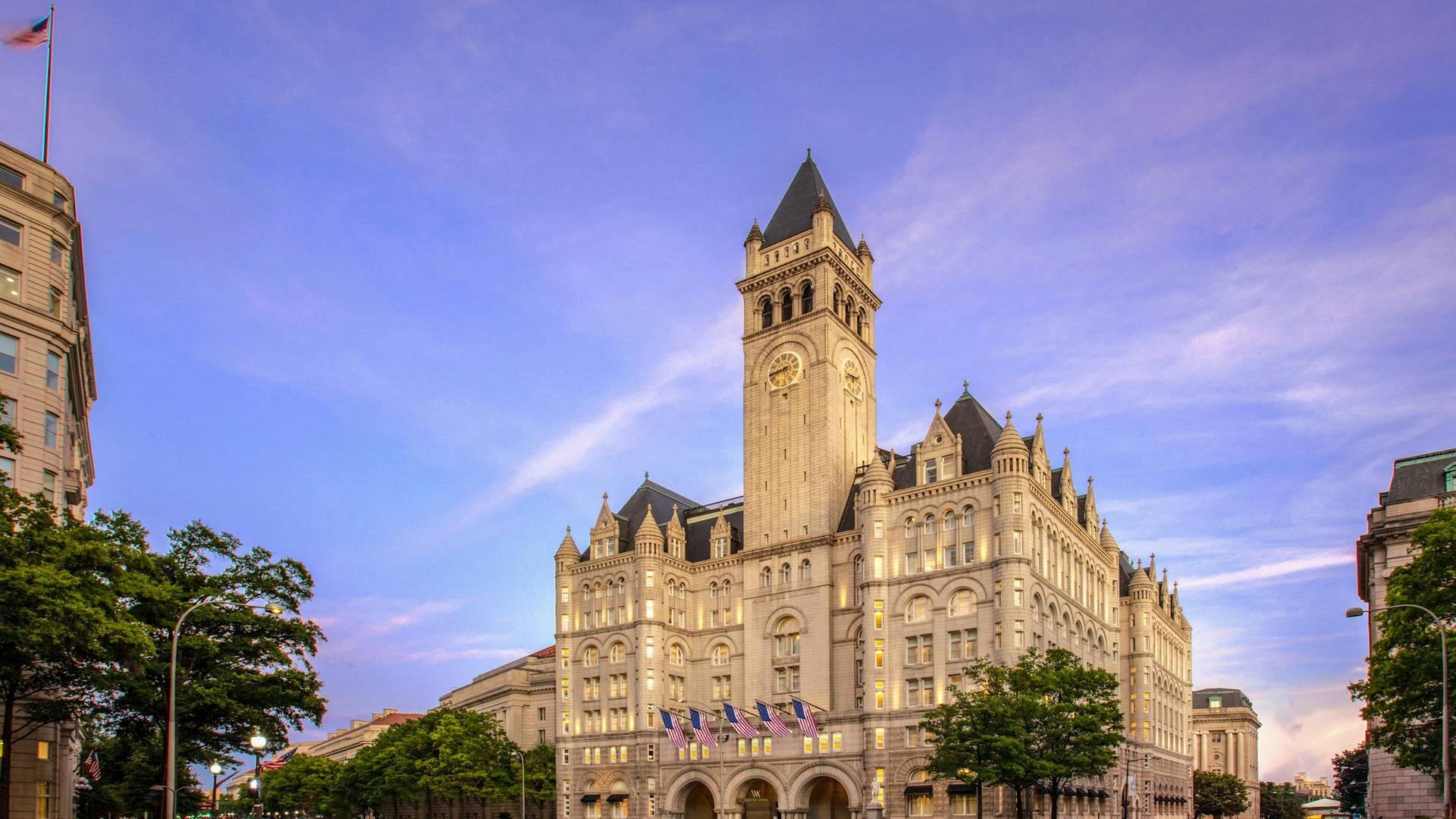
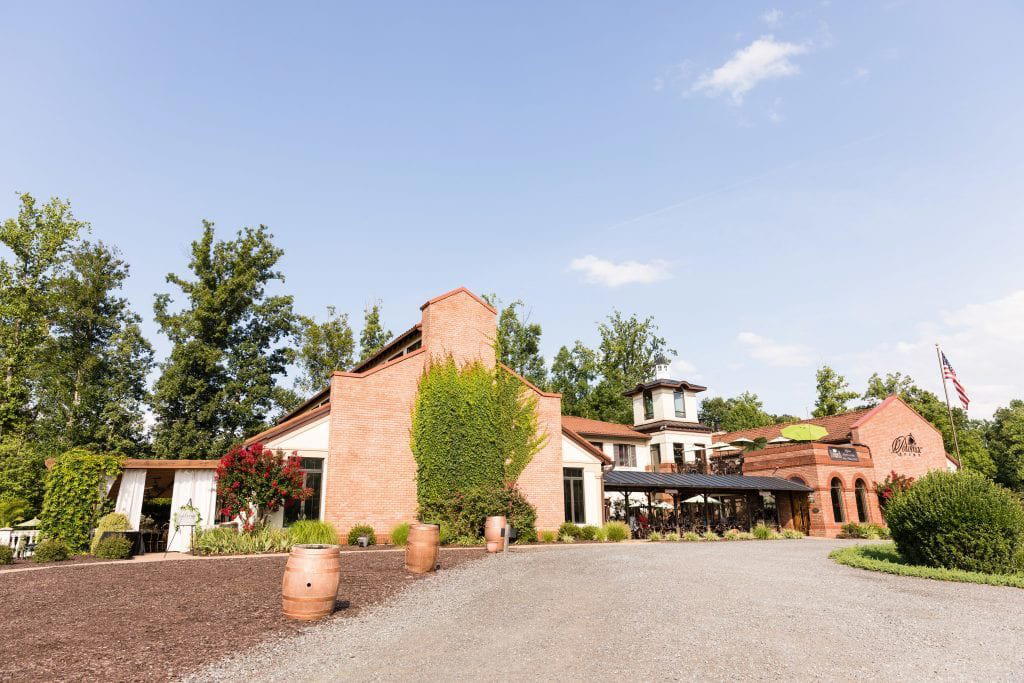
Modern and attractive space with understated sparkle, quietly romantic vibe despite lively crowds, featuring low background music and professional service.