Karma Modern Indian

Karma Modern Indian in Penn Quarter holds back-to-back Michelin Bib Gourmand recognition (2024 and 2025) and operates as two distinct concepts under one roof: Karizma in the main dining room and a separate tasting-menu counter. Chef Ajay Kumar's kitchen signals its priorities through bread alone, the wild mushroom naan with truffle is the kind of detail that defines how seriously this address takes traditional Indian cooking.
Pearl is the En Primeur Club membership app — saves, bookings, and concierge access live there. Same editors, same standards.
- Address
- 611 I St NW, Washington, DC 20001
- Phone
- (202) 898-0393
- Website
- karmamodernindian.com
- Directions
- Get directions
 Saves & bookings on Pearl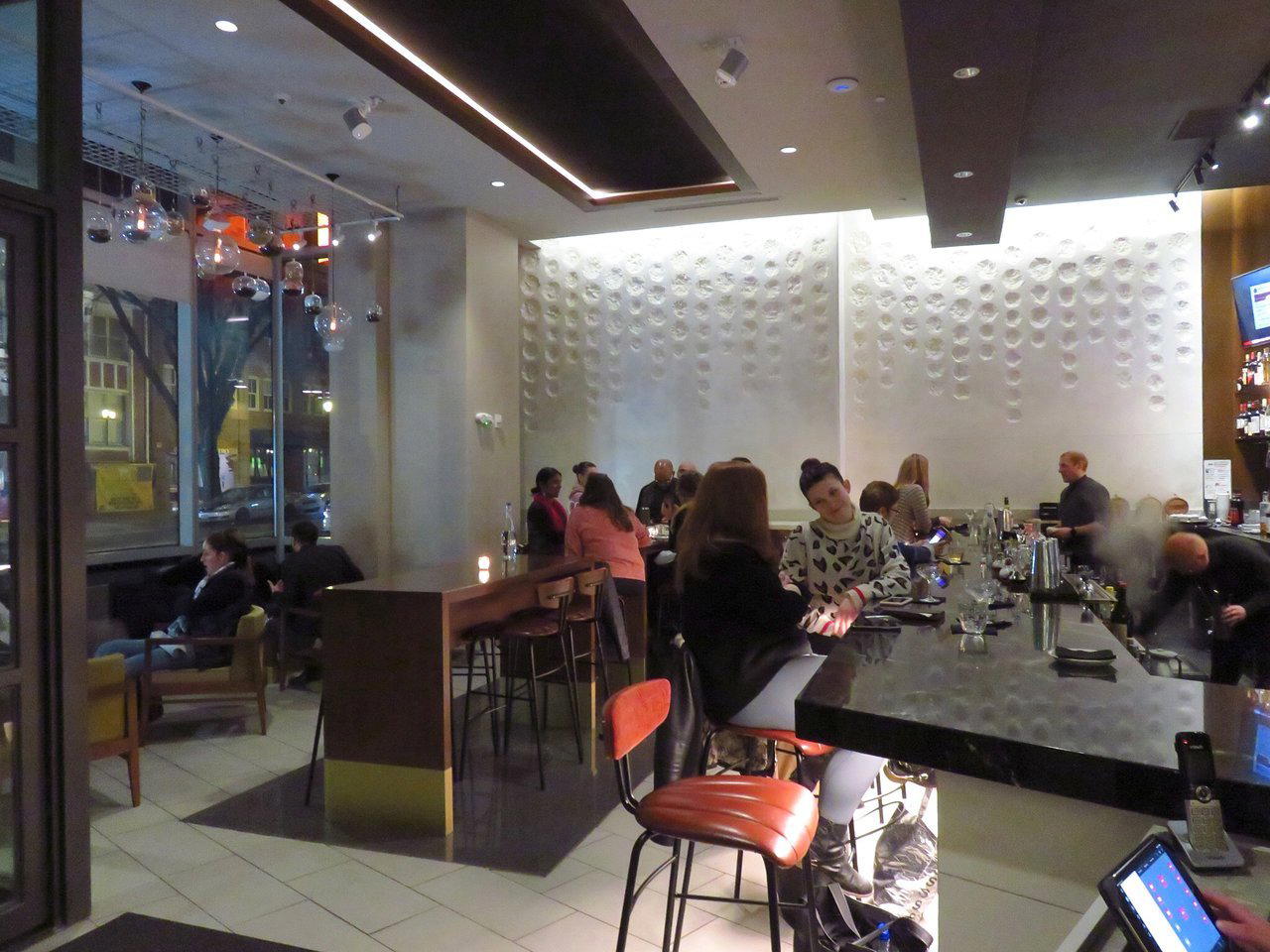
Penn Quarter's Indian Dining Scene, and Where Karma Fits
Washington's Indian restaurant tier has quietly matured over the past decade. At the leading sits a cluster of addresses that take the cuisine's regional breadth seriously, not as a novelty, but as the organizing principle of the menu. Rasika established the template for contemporary Indian cooking done at a high level in this city; Daru has pushed into more experimental cocktail-led territory; and The Bombay Club near the White House holds its position as the more formal, old-guard option. Karma Modern Indian at 611 I Street NW in Penn Quarter sits in a different slot: accessible enough on price ($$) to draw repeat visitors, but recognized by Michelin in both 2024 and 2025 with a Bib Gourmand, the guide's signal for notable cooking at a price point below the starred tier.
That Bib Gourmand designation matters for how you read the room. Michelin awards it to kitchens offering what the inspectors judge to be good value alongside quality, a harder balance to maintain than simply cooking well at any price. Karma has held the distinction across two consecutive cycles, which suggests the kitchen is not coasting.
Two Concepts, One Address
The structure of the restaurant is worth understanding before you book. The address operates as two parallel concepts: Karizma occupies the main dining space and is where most guests will spend their evening, while Karma itself is a smaller, separate room running a tasting menu format. These are booked independently. The Michelin recognition covers the broader operation, and the awards data references both formats, but the consensus from the guide is that Karizma is where returning guests gravitate, it carries the range of dishes that built the restaurant's reputation.
This split-concept model has become more common in ambitious mid-range restaurants, where a chef-driven tasting menu format can coexist with a larger, more accessible dining room without one compromising the other. At a $$$ or $$$$ price point, you see it at places like Albi in D.C. which has developed its own layered identity in Middle Eastern cooking. Karma applies a version of that thinking to Indian cuisine, letting the main room carry the crowd while the smaller counter runs at a different pace.
The Bread Question, Why It Matters Here
Indian bread is among the more reliable measures of a kitchen's seriousness. Naan, roti, paratha, dosa, the category is wide and technically demanding in different ways. Naan alone varies enormously: the tandoor temperature, the hydration of the dough, the char pattern, the pull. At most Indian restaurants operating at a mid-market price point, bread is an afterthought, arriving serviceable but not memorable.
At Karma, the naan program is a deliberate editorial statement. The wild mushroom naan with a hint of truffle is the kind of embellishment that could easily tip into gimmickry, but when the base bread is handled correctly, it becomes the reason to order another round. The Michelin notes specifically call out the naan as a cut above the norm, language the guide uses sparingly. For a format that lives or dies on repeat visits, getting the bread right is not incidental. It is the thing guests remember between visits and the thing that brings them back.
On the global Indian dining circuit, bread has become a marker of kitchen ambition. Trèsind Studio in Dubai and Opheem in Birmingham both treat bread service as a standalone expression of technique. Karma is doing something similar within a more accessible format, the gesture is the same even if the register differs.
The Drinks Program
The bar program at Karma receives specific attention in the Michelin notes, which is unusual for a Bib Gourmand citation and worth flagging. Both spirit-based and alcohol-free options are called out. The Tiger's Tail, blood orange, turmeric, chili water, is the kind of non-alcoholic drink that treats the format as a serious culinary exercise rather than a concession to guests who are not drinking. Turmeric and chili as structural ingredients in a cold drink represent a direct line back to Indian flavor logic: the bitterness of raw turmeric, the slow heat of chili, and the acid of blood orange create balance without relying on sweetness.
For a $$ restaurant to invest this visibly in its drinks list signals something about how the kitchen is thinking about the full experience. It also makes Karma a reasonable choice for groups with mixed drinking preferences, without the non-drinkers being handed a limp mocktail as an afterthought.
What the Paneer Lajawab Tells You About the Sourcing
The Michelin notes specifically reference the paneer lajawab as an example of top-ingredient sourcing coming through in the cooking, describing it as elegant, rich, and flavorful. Paneer is an unforgiving test case for sourcing: the cheese itself has no place to hide. A dish built around it either delivers on the quality of the dairy or it doesn't. The fact that the guide chose this dish as evidence of ingredient quality rather than a more elaborate meat preparation or a showpiece dessert says something about how the kitchen wants to be read: confident in fundamentals, not reliant on complexity for its own sake.
This approach puts Karma in conversation with the broader tradition of Indian vegetarian cooking, where restraint and ingredient quality do the work that technique does elsewhere. That tradition runs through regional cuisines across the subcontinent and is the part of Indian cooking that is most often flattened in diaspora restaurant contexts. Karma's continued Bib recognition suggests it is resisting that flattening.
Planning Your Visit
Karma Modern Indian is located at 611 I Street NW in Penn Quarter, a neighborhood that clusters a number of D.C.'s more ambitious mid-range restaurants. The price range sits at $$, which in the D.C. context puts it below the starred tier occupied by addresses like Albi at $$$$ and closer to the accessible end of serious dining. Remember to book Karizma and the Karma tasting counter separately, they are distinct reservations and distinct experiences. If your group includes non-drinkers, the alcohol-free cocktail list is worth working through rather than treating as a secondary option.
For a fuller picture of where Karma sits in the city's dining scene, see our full Washington, D.C. restaurants guide. Other useful references for the neighborhood and the city: our Washington, D.C. hotels guide, our D.C. bars guide, our D.C. wineries guide, and our D.C. experiences guide. For Indian cooking at different price points and formats internationally, Trèsind Studio in Dubai and Opheem in Birmingham offer useful reference points. For the wider range of ambitious cooking across formats and cities, Le Bernardin in New York, Alinea in Chicago, Lazy Bear in San Francisco, Single Thread Farm in Healdsburg, The French Laundry in Napa, and Emeril's in New Orleans provide context for how Michelin-recognized cooking operates across different tiers and traditions. Closer to home, Rania in D.C. rounds out the picture of the city's evolving mid-to-high dining scene.
What Is Karma Modern Indian Famous For?
Karma Modern Indian is most closely associated with its naan program, specifically the wild mushroom naan with truffle, and its paneer lajawab, both of which are cited in its consecutive Michelin Bib Gourmand recognitions (2024 and 2025) as evidence of ingredient quality and cooking that reflects the genuine range of Indian cuisine. The drinks list, including the alcohol-free Tiger's Tail with blood orange, turmeric, and chili water, is a secondary draw that the Michelin guide specifically flags. Chef Ajay Kumar runs both the Karizma main dining room and the smaller separate Karma tasting-menu counter at the same Penn Quarter address.
Price Lens
Comparable venues nearby, for context on price, style, and recognition.
| Venue | Cuisine | Price | Awards | Notes |
|---|---|---|---|---|
| Karma Modern IndianThis venue — the venue you are viewing | East End, Modern Indian | $$$ | Bib Gourmand | Not listed |
| Daru | Near Northeast, Modern Creative Indian | $$ | Bib Gourmand | Not listed |
| Lapis | Kalorama Triangle, Afghan | $$$ | Bib Gourmand | Not listed |
| Ivy City Smokehouse | Ivy City, Smoked Seafood & BBQ | $$$ | Bib Gourmand | Not listed |
| La’ Shukran | Not listed | $$$ | Michelin Plate | Capital City Market, Levantine French Fusion Bistro |
| Cranes | Penn Quarter, Spanish Kaiseki | $$$$ | Michelin Plate | Not listed |
Recognition history
Dated appearances from independent guides and award organizations, with the underlying list record or original source where available.
Michelin Bib Gourmand
Michelin
Michelin Bib Gourmand
Michelin
Michelin Bib Gourmand
Michelin
Continue exploring
More in Washington DC
Restaurants in Washington DC
Browse all →
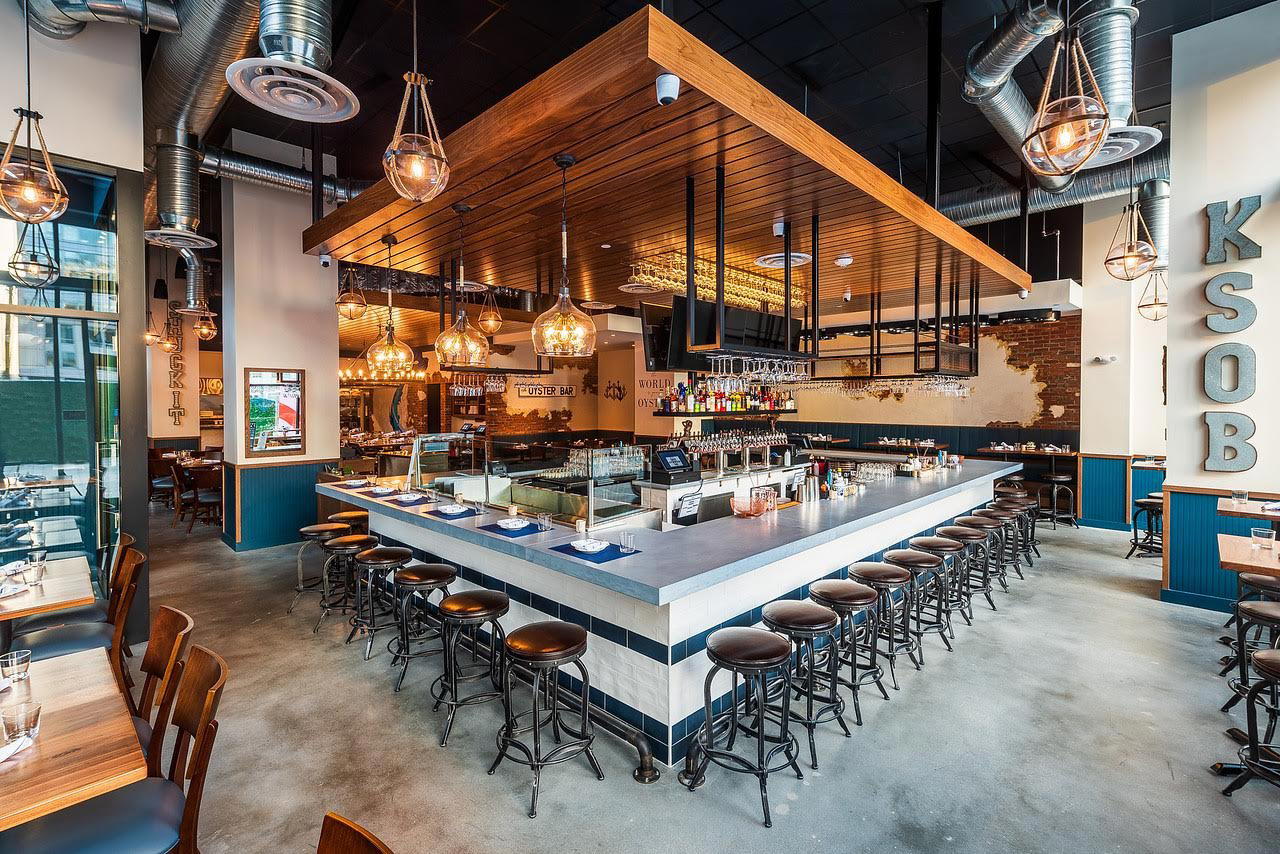
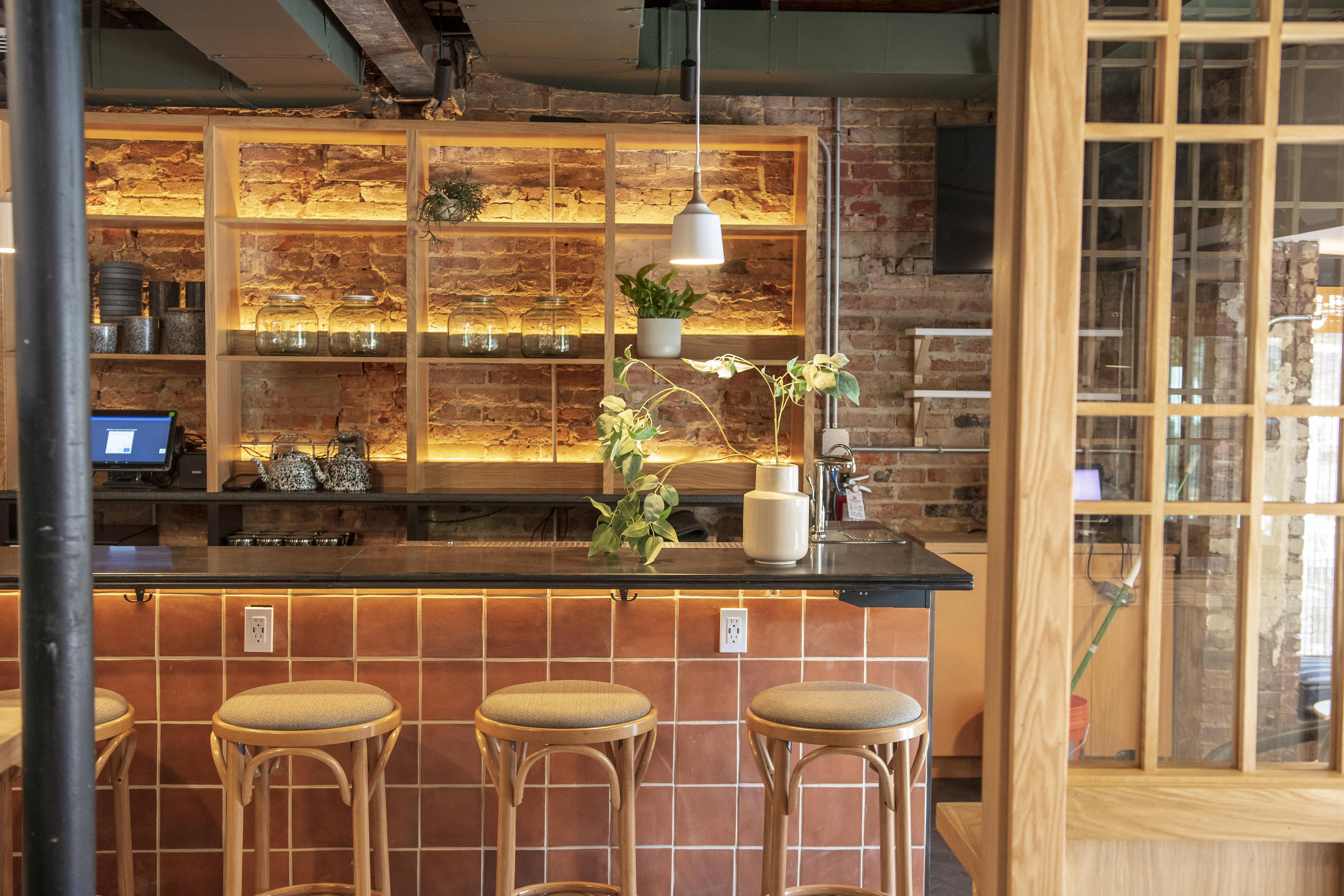
Bars in Washington DC
Browse all →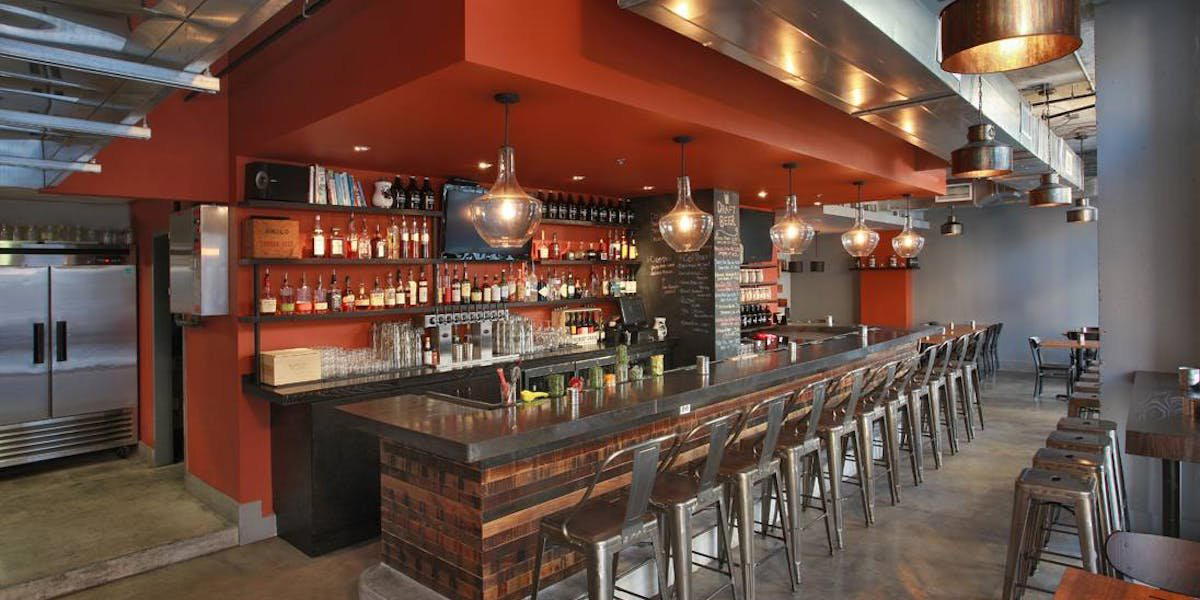
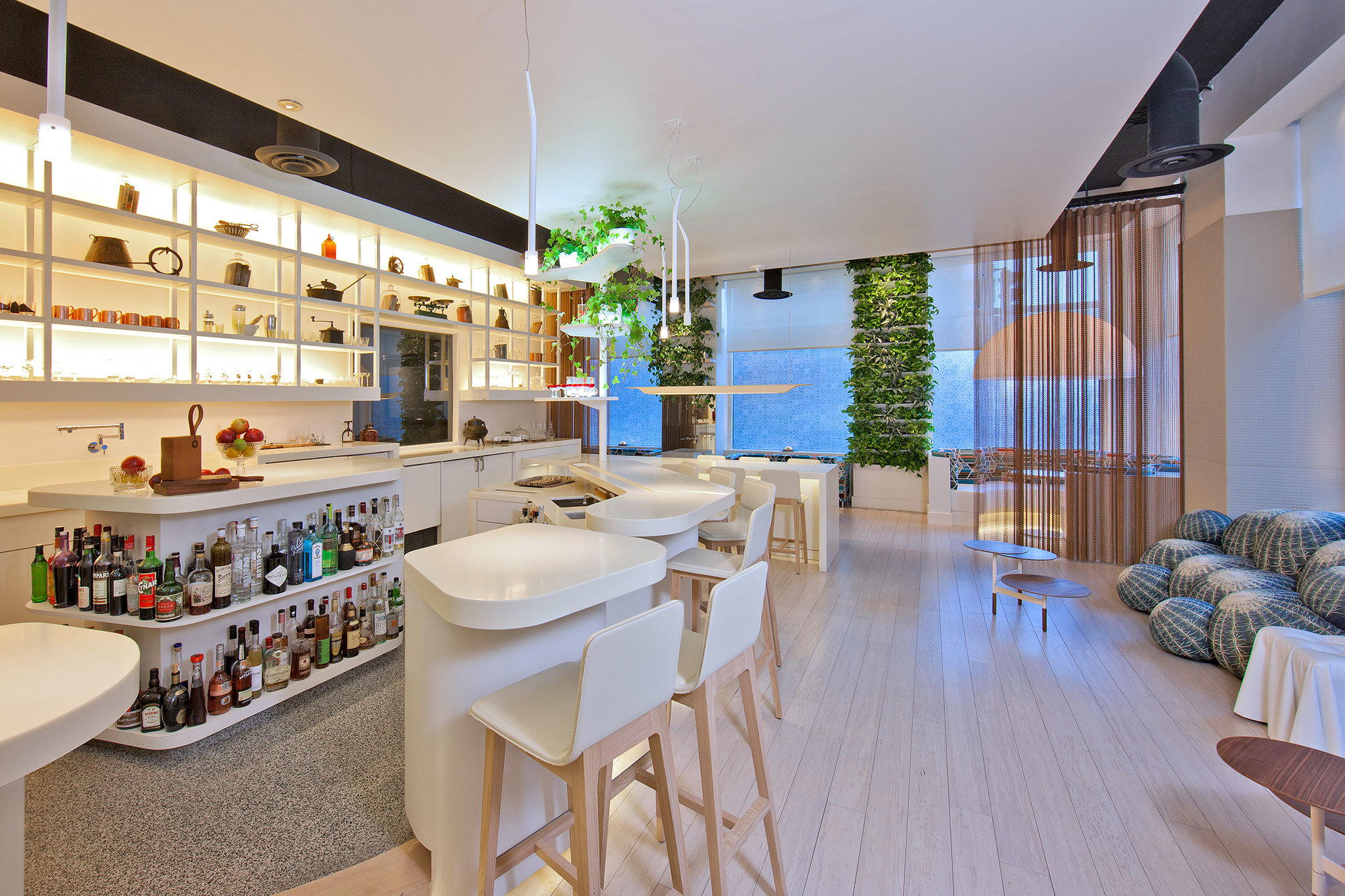
Hotels in Washington DC
Browse all →
At a Glance
- Modern
- Elegant
- Sophisticated
- Trendy
- Date Night
- Special Occasion
- Group Dining
- Open Kitchen
- Craft Cocktails
Current opening hours
- Monday
- 5–9 PM
- Tuesday
- 5–9 PM
- Wednesday
- 12–2:30 PM, 5–9 PM
- Thursday
- 12–2:30 PM, 5–9 PM
- Friday
- 12–2:30 PM, 5–10 PM
- Saturday
- 12–2:30 PM, 5–10 PM
- Sunday
- 5–9 PM
Hours can change for holidays and private events. Last verified .
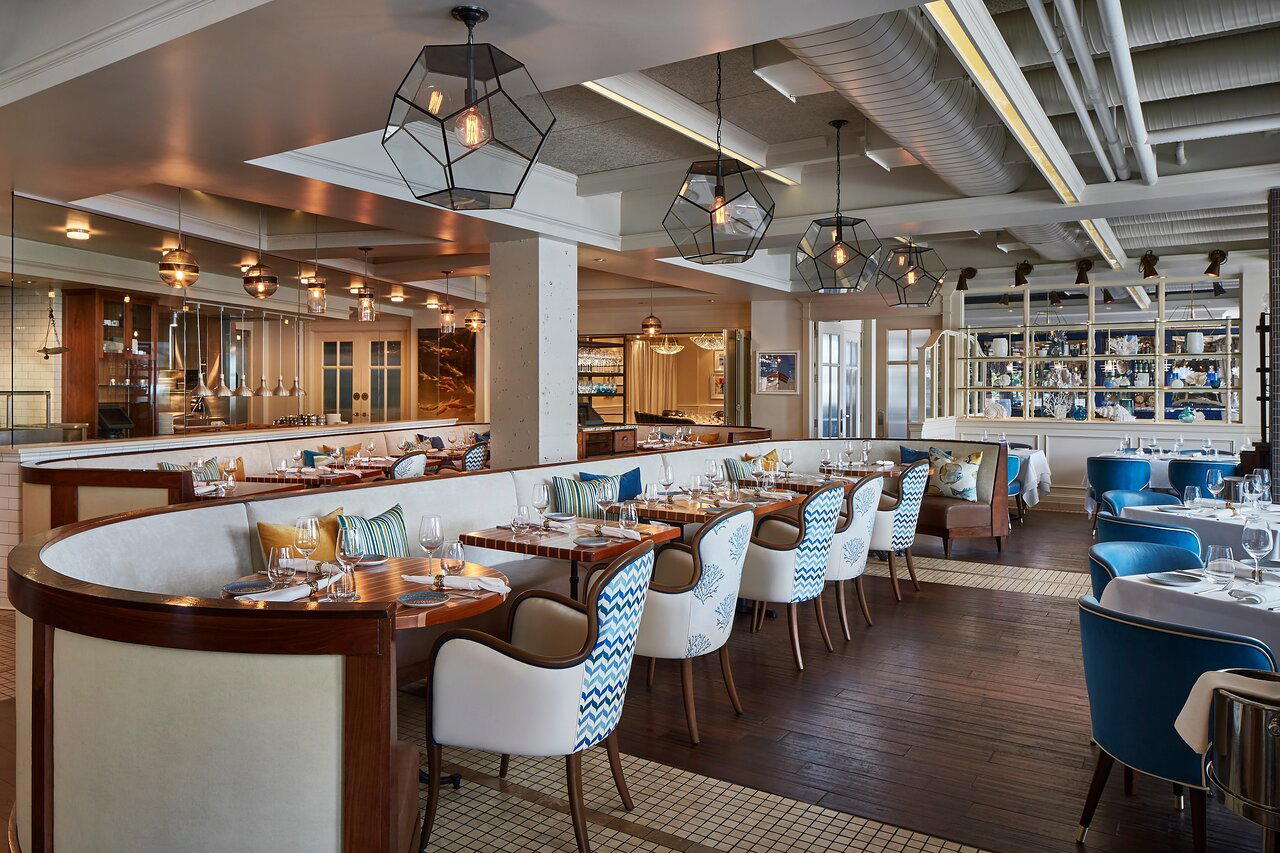
Modern navy blue-and-white palette with large windows, high ceilings, lots of light, and a sterile yet elegant corporate vibe.