


A Michelin Bib Gourmand recipient on Maryland Avenue NE, Daru brings Rasika-trained pedigree to D.C.'s emerging Indian dining scene at a mid-range price point. Chef Suresh Sundas pushes classic Indian frameworks into unexpected territory, pairing tandoor-grilled chicken with blue cheese and sour cherry reduction, while the corner space and sidewalk seating make it one of the Northeast quadrant's more characterful dining rooms.
Pearl is the En Primeur Club membership app — saves, bookings, and concierge access live there. Same editors, same standards.
- Address
- 1451 Maryland Ave NE, Washington, DC 20002
- Phone
- (202) 388-1848
- Website
- darudc.com
- Directions
- Get directions
 Saves & bookings on Pearl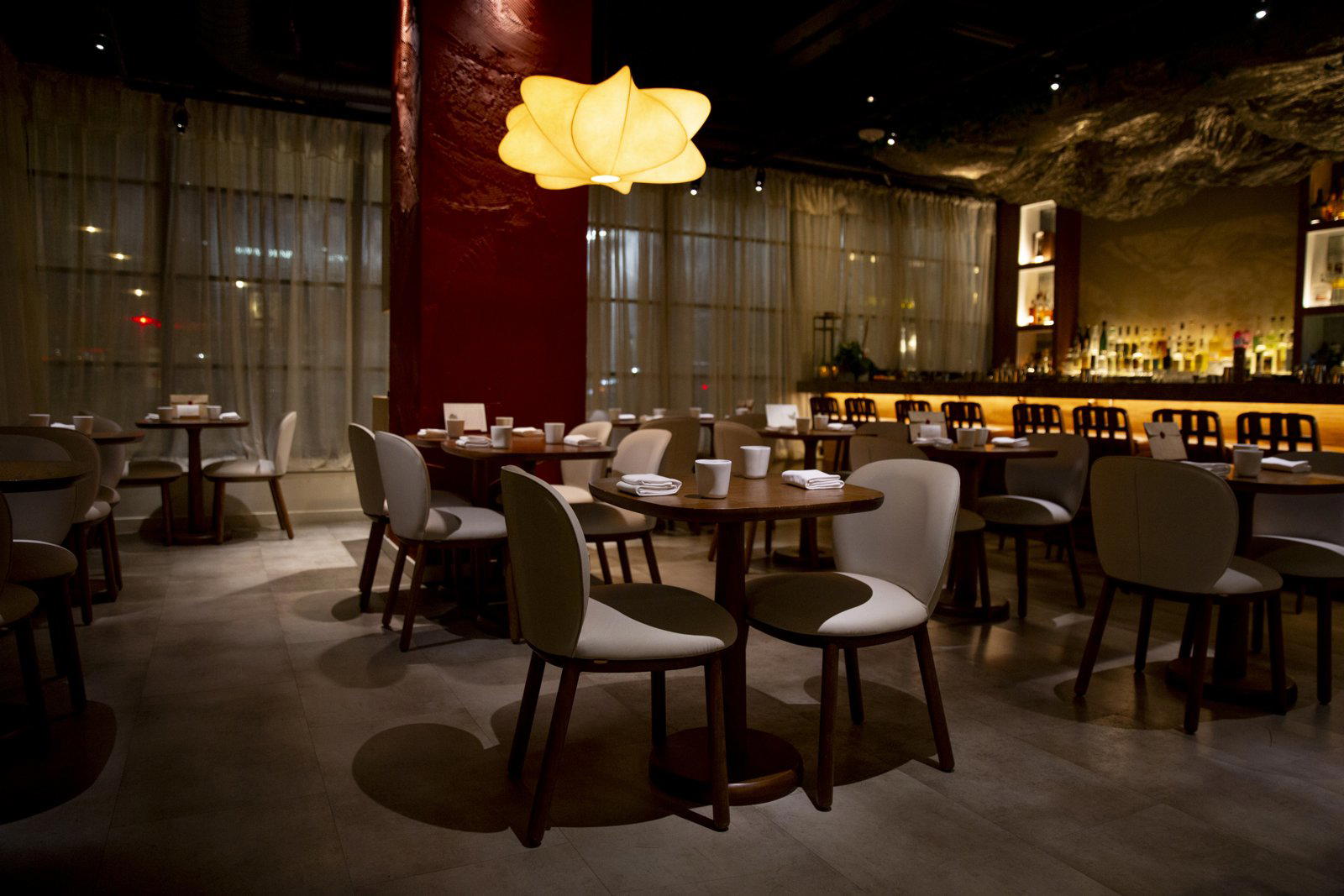
The Corner That Changed Northeast D.C.'s Indian Dining Calculus
Washington's Indian restaurant scene has historically concentrated around two poles: the white-tablecloth formality of Penn Quarter addresses like Rasika and The Bombay Club, and a looser cluster of neighbourhood staples spread across the suburbs. What has been slower to develop is a middle register: technically serious, ingredient-forward Indian cooking at a price point that doesn't require planning the meal as a financial event. Daru, on the corner of Maryland Avenue NE, occupies that register and does so with enough culinary confidence to have earned a Michelin Bib Gourmand in 2024 and a ranking of #872 on Opinionated About Dining's Casual North America list in 2025.
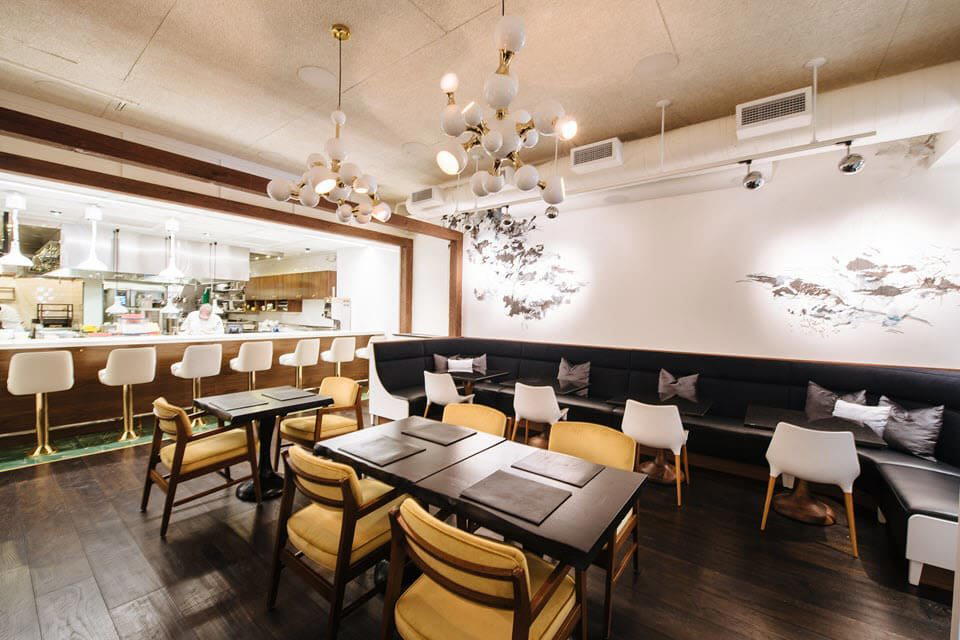
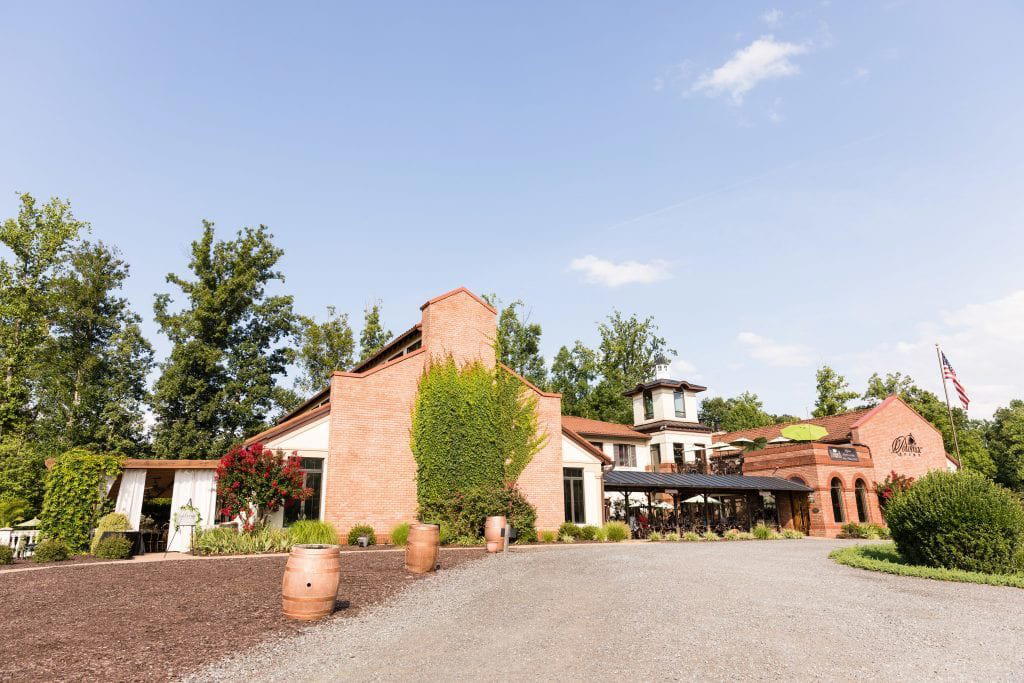
The building announces itself before you reach the door. A windowed façade wraps the corner, flooding the interior with light, while a white-ringed Sanskrit logo on the glass reads as a design statement rather than a branding afterthought. When the weather holds, a large sidewalk section extends the dining capacity outward, giving the room an open, neighbourhood-bar quality that the interior amplifies further. Inside, a bar counter set to music that runs warmer and louder than the ambient hum of most Indian restaurants signals, from the first moment, that this is not an operation interested in replicating the subcontinental formal-dining template.
Bread as Architecture: How Daru Handles the Fundamentals
Across the broad tradition of Indian cooking, bread is rarely incidental. Naan, roti, paratha, dosa, puri, each carries regional logic, each changes the meal around it. The choice of leavened versus unleavened, tandoor-fired versus griddle-cooked, speaks to geography, religion, and technique in ways that a rice dish or a curry cannot quite replicate. At D.C.'s more ambitious Indian tables, bread has started to receive the kind of attention it commands in, say, the Punjabi dhabas that effectively defined tandoor culture as an export. Daru's kitchen, working from a tandoor program with evident facility, connects to this tradition while redirecting it. The tandoor is not simply a tool for flatbread here; it's the mechanism through which some of the kitchen's most provocative combinations are delivered. The Bib Gourmand recognition reflects a kitchen that knows how to use heat as precision rather than blunt force.
That precision extends to the way accompaniments are structured around the main preparations. The nariyal lamb shank, built on saffron, chili, and coconut, arrives with light basmati rice designed to carry the sauce rather than compete with it. It's a familiar pairing logic, bread and starch as vehicles, executed with a clarity that reflects training at volume and at standard. Dante Datta and Chef Suresh Sundas both come from the Rasika operation, which for two decades has set the benchmark for what polished Indian cooking in Washington can look like. That lineage is visible in the kitchen's discipline, but Daru's price point (sitting at $$, well below the $$$$ tier occupied by comparison venues like Albi) signals a deliberate choice to bring that standard to a broader audience.
Where the Menu Takes Risks
The more telling editorial story at Daru is what the kitchen does when it moves away from the canonical. Blue cheese on tandoor-grilled chicken kebabs, paired with sour cherry reduction and cashews, is a combination that should read as a gimmick and instead reads as a considered flavour argument. The fermented funk of blue cheese has a structural kinship with certain South Asian dairy ferments; the sour cherry reduction provides the acid cut that chutneys traditionally supply; the cashews bring the fat and texture that ground nut preparations have always contributed. The dish works because it's built on Indian compositional logic even when the individual ingredients step outside it.
The bison momos, described as boldly spiced and minced, follow a different line of reasoning. Momos are a Himalayan form with deep roots across Nepal, Tibet, and the northeastern Indian states, and their presence on a D.C. menu is a signal that the kitchen is drawing from a wider Indian culinary geography than the Mughal-Punjabi axis that most American Indian restaurants default to. In this sense, Daru participates in a broader movement visible internationally. Daru operates at a more accessible price and format level, but the instinct to reference the subcontinent's full geographic range rather than its most exported hits is the same.
How Daru Fits D.C.'s Wider Indian Scene
City's Indian restaurant tier currently splits in a few directions. At the formal end, Rasika remains the reference point for technique and reputation. Karma Modern Indian and Rania occupy adjacent spaces in the contemporary Indian conversation. What Daru offers that the others do not is a looser format at a lower price, with Michelin recognition providing external validation that the quality compromise is smaller than the price gap might suggest.
D.C.'s dining scene more broadly has been generating Michelin recognition across a range of formats and price points, from the starred rooms like Albi through to Bib Gourmand operations like Daru, reflecting an inspectorate willing to engage with mid-market cooking on its own terms rather than measuring everything against the tasting-menu standard set by rooms like Alinea in Chicago or The French Laundry in Napa. For diners tracking the Indian dining scene specifically, Daru represents the kind of address that other cities, New York, Chicago, San Francisco, have developed at the casual-serious intersection, and that Washington is now building out.
Planning Your Visit
Daru sits at 1451 Maryland Ave NE, Washington, DC 20002, in the Northeast quadrant, a neighbourhood with fewer established restaurant anchors than Penn Quarter or 14th Street, which makes the corner location and the sidewalk seating more valuable as orientation markers. The $$ price range places it comfortably below the fine-dining tier; a full meal here runs at a fraction of what comparable culinary ambition costs at the city's Michelin-starred rooms. Hours are Monday through Sunday, 5 to 10 PM, and reservations are recommended.
What Regulars Order at Daru
The dishes that have drawn consistent attention from early visitors fall into two categories: the tandoor preparations and the momos. The Rasika-trained kitchen's Chef Suresh Sundas has built a menu where the tandoor-grilled chicken kebabs with blue cheese, sour cherry reduction, and cashews represent the kitchen's most discussed crossover preparation, familiar technique, unexpected ingredients, coherent result. The bison momos, boldly spiced and minced, have drawn attention as a Himalayan-derived format that most D.C. Indian restaurants have not attempted at this level. The nariyal lamb shank in saffron, chili, and coconut rounds out the three most-referenced dishes, with basmati rice the standard accompaniment. The Michelin Bib Gourmand (2024) and the #872 Opinionated About Dining Casual North America ranking (2025) provide the external frame for understanding why these dishes have landed so effectively across a diverse diner base. For comparable modern Indian ambition at a different price point and format, Trèsind Studio in Dubai and Opheem in Birmingham offer useful international reference points. Closer to home, Karma Modern Indian and Rania complete the picture of where D.C.'s Indian dining conversation currently sits.
Budget and Context
Comparable venues nearby, for context on price, style, and recognition.
| Venue | Cuisine | Price | Awards | Notes |
|---|---|---|---|---|
| DaruThis venue — the venue you are viewing | Near Northeast, Modern Creative Indian | $$ | Bib Gourmand | Not listed |
| Karma Modern Indian | East End, Modern Indian | $$$ | Bib Gourmand | Not listed |
| Unconventional Diner | Not listed | $$ | Bib Gourmand | Mount Vernon Square, Modern American Diner |
| Residents Cafe & Bar | Not listed | $$ | Bib Gourmand | Dupont Circle, Mediterranean Bistro with Middle Eastern Influences |
| Sababa | Cleveland Park, Modern Israeli | $$ | Bib Gourmand | Not listed |
| Taqueria Habanero | Not listed | $$ | Bib Gourmand | 16th Street Heights, Puebla-Style Taqueria |
Recognition history
Dated appearances from independent guides and award organizations, with the underlying list record or original source where available.
Opinionated About Dining Casual in North America Recommended
Opinionated About Dining
Washingtonian 100 Very Best Restaurants #57
Washingtonian
Michelin Bib Gourmand
Michelin
Opinionated About Dining Casual in North America Ranked #872
Opinionated About Dining
Michelin Bib Gourmand
Michelin
Continue exploring
More in Washington DC
Restaurants in Washington DC
Browse all →
Bars in Washington DC
Browse all →
Hotels in Washington DC
Browse all →

At a Glance
- Cozy
- Trendy
- Modern
- Sophisticated
- Date Night
- Group Dining
- Special Occasion
- Open Kitchen
- Craft Cocktails
Current opening hours
- Monday
- 5–10 PM
- Tuesday
- 5–10 PM
- Wednesday
- 5–10 PM
- Thursday
- 5–10 PM
- Friday
- 5–10 PM
- Saturday
- 5–10 PM
- Sunday
- 5–10 PM
Hours can change for holidays and private events. Last verified .
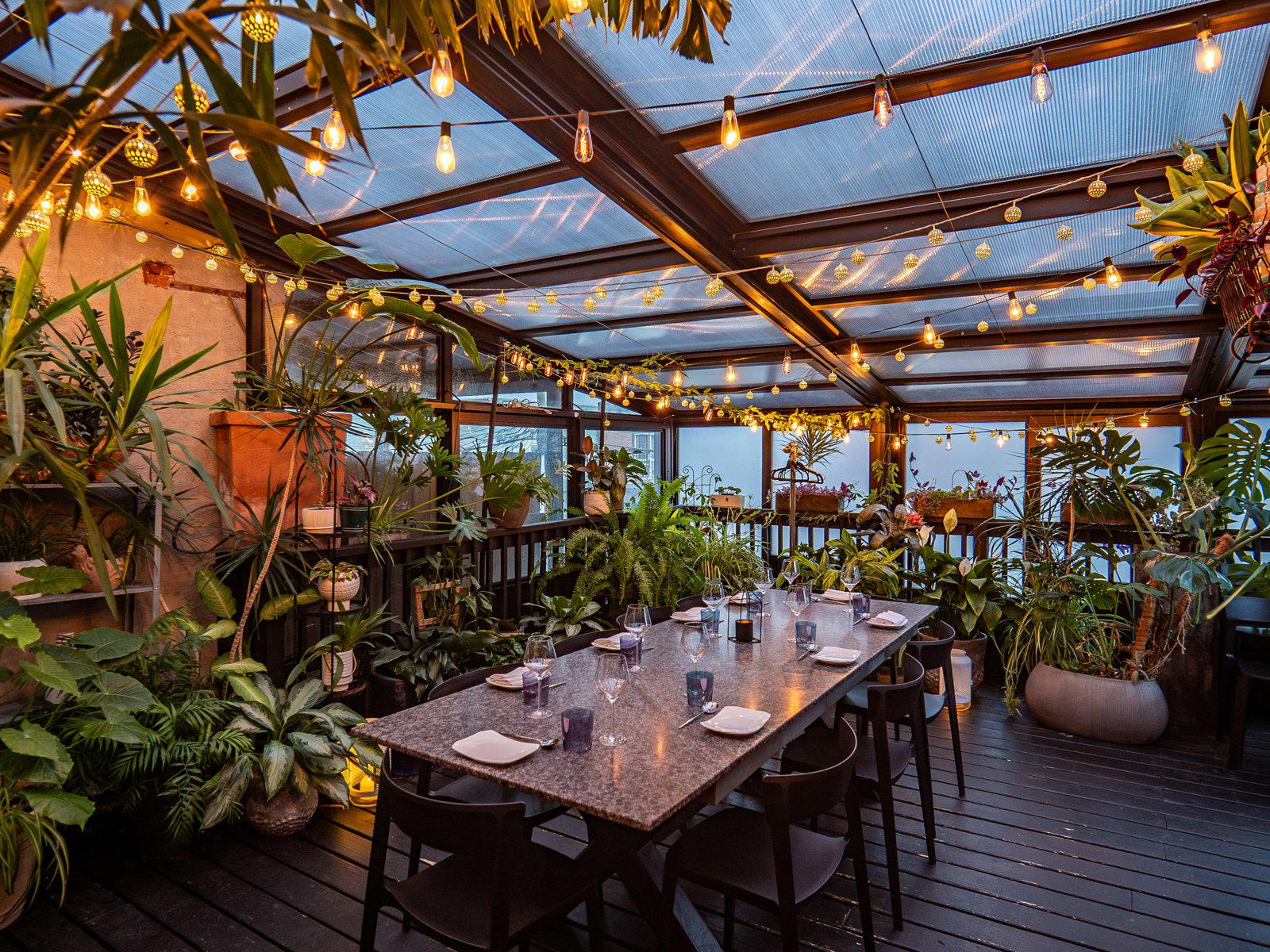
Cozy and stylish neighborhood vibe with hip atmosphere, lively bar-counter tunes, and comfortable enclosed porch for outdoor dining.